Ask Ayurvedic doctor a question and get a consultation online on the problem of your concern in a free or paid mode. More than 2,000 experienced doctors work and wait for your questions on our site and help users to solve their health problems every day.
FREE! Ask Ayurvedic Doctors 24/7

 Fast responses
 1000+ verified doctors
Body DetoxEar, Nose, and Throat DisordersGeriatrics & RejuvenationImmunodeficiencyInfertility TreatmentNutritionOrthopedic DisordersPediatricsRespiratory DisordersSexually Transmitted Diseases (STDs)Surgery RecoveryUrological DisordersVascular DisordersDental DisordersEndocrinological DisordersGastrointestinal DisordersYoga TherapyGeneral MedicineAllergic DisordersCardio DisordersGynecology and ObstetricsCosmetologySkin and Hair DisordersEye DisordersInfectious DiseasesMental DisordersNeurological DisordersOncologyPanchakarmaSexual Health & DisordersSports Medicine
Published on 10/14/24
(Updated on 07/09/26)
star_border 4.5
225,046
Digestion from the view of Ayurveda
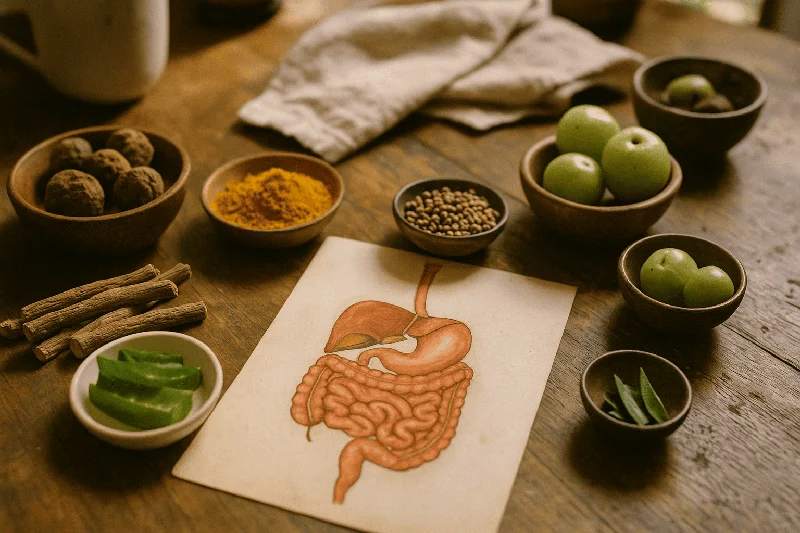
- If you've ever wondered why two people can eat the exact same meal and react completely differently — one feels energized, the other bloated — Ayurveda has an answer that's thousands of years old.
- Ayurvedic digestion centers on a simple but profound idea: your digestive fire (Agni) determines not just how you process food, but your overall health, immunity, and even mental clarity. When Agni is strong and balanced, nutrients are absorbed efficiently, tissues are nourished, and toxins don't accumulate. When it's weak or erratic, even the healthiest diet can lead to disease.
This isn't just ancient philosophy. Modern science is increasingly validating what Ayurvedic practitioners have taught for millennia — that personalized nutrition, gut microbiome health, and the mind-gut connection are foundational to wellbeing. In this guide, we'll break down every aspect of Ayurvedic digestion, from the core concepts to a practical week-by-week restoration plan you won't find anywhere else.
What Is Agni — The Digestive Fire in Ayurveda?
- Agni is arguably the single most important concept in Ayurvedic medicine. The word literally translates to "fire," and it refers to the biological energy that governs digestion, absorption, assimilation, and transformation of food into energy.
- The classical text Charaka Samhita states clearly: "From the standpoint of causation, Agni is the root cause of life, complexion, strength, health, enthusiasm, plumpness, lustre, immunity, energy, heat processes, and the vital breath" (Charaka Samhita, Chikitsasthana 15/3-4).
- Think of Agni as your metabolic engine.
- It doesn't just digest food — it digests experiences, emotions, and sensory input too.
The Four States of Agni You Need to Know
Not all digestive fires are created equal. Ayurveda identifies four distinct states of Agni, and understanding which one you're experiencing is the first step toward healing:
| State of Agni | Dominant Dosha | Symptoms | Digestion Pattern |
|---|---|---|---|
| Sama Agni (Balanced) | All doshas balanced | Regular appetite, no bloating, steady energy | Consistent, complete digestion |
| Vishama Agni (Irregular) | Vata | Variable appetite, gas, constipation alternating with loose stools | Unpredictable — sometimes strong, sometimes weak |
| Tikshna Agni (Sharp/Hyperactive) | Pitta | Intense hunger, acid reflux, burning sensation, irritability | Too fast — burns through food rapidly |
| Manda Agni (Sluggish) | Kapha | Low appetite, heaviness after eating, weight gain, lethargy | Slow, incomplete digestion |
Sama Agni is the goal — a state where you feel genuinely hungry at mealtimes, digest without discomfort, and have regular bowel movements. If you're experiencing any of the other three states consistently, your body is signaling a doshic imbalance.
How Ama (Toxins) Forms from Poor Digestion
- When Agni is compromised, food isn't fully digested.
- The undigested residue is called Ama — a sticky, toxic substance that Ayurveda considers the root cause of most diseases. Ama clogs the body's channels (srotas), disrupts tissue nutrition, and creates a breeding ground for illness.
You can recognize Ama accumulation by these signs: a thick white coating on the tongue in the morning, feeling heavy or foggy after meals, joint stiffness, foul-smelling breath or stools, and a general sense of sluggishness. A 2014 review published in the Journal of Ayurveda and Integrative Medicine noted that the concept of Ama closely parallels what modern medicine describes as endotoxemia — the presence of bacterial toxins in the bloodstream due to increased intestinal permeability, or "leaky gut."
How the Three Doshas Affect Your Digestion
Every person has a unique constitution (Prakriti) determined by the three doshas — Vata, Pitta, and Kapha. Each dosha influences digestion in specific ways, and understanding your dominant dosha is essential for personalizing your approach.
Vata and Digestion
Vata governs movement in the body, including the peristaltic movement of the GI tract. When Vata is aggravated, digestion becomes irregular (Vishama Agni). You might feel ravenously hungry one day and have zero appetite the next. Common Vata digestive issues include bloating, gas, dry/hard stools, and constipation.
Foods to favor: Warm, cooked, slightly oily foods. Soups, stews, ghee, cooked grains like rice and wheat, sweet fruits, and warming spices like ginger and cinnamon. Foods to avoid: Raw salads, cold beverages, dry crackers, beans (especially in large quantities), and bitter/astringent tastes in excess.
Pitta and Digestion
- Pitta is the dosha most closely associated with Agni because it's composed of fire and water elements. When balanced, Pitta gives you strong, efficient digestion.
- When aggravated, it creates Tikshna Agni — an overactive digestive fire that leads to acid reflux (Amlapitta), burning sensations, diarrhea, and inflammation.
Foods to favor: Cooling foods like cucumber, coconut, cilantro, sweet fruits, milk, ghee, basmati rice, and bitter greens. Favor sweet, bitter, and astringent tastes. Foods to avoid: Spicy foods, fermented items, citrus fruits in excess, alcohol, fried foods, and excessive garlic and chili.
Kapha and Digestion
Kapha provides structure and lubrication to the digestive tract — which is vital — but excess Kapha leads to Manda Agni. Digestion becomes sluggish, metabolism slows down, and there's a tendency toward mucus accumulation, weight gain, and feeling heavy after meals even when eating small portions.
Foods to favor: Light, warm, dry foods with pungent, bitter, and astringent tastes. Legumes, leafy greens, barley, millet, honey (uncooked), and strong spices like black pepper, turmeric, and mustard seeds. Foods to avoid: Heavy, oily, sweet, and cold foods. Dairy (especially cold milk and ice cream), wheat in excess, sugar, and fried foods.
Quick Prakriti Self-Assessment
While a proper Prakriti assessment should be done with a qualified Ayurvedic practitioner, here's a simplified self-check to help you identify your dominant digestive dosha:
| Characteristic | Vata-dominant | Pitta-dominant | Kapha-dominant |
|---|---|---|---|
| Appetite | Irregular, forget to eat | Strong, irritable when hungry | Steady but can skip meals |
| Digestion speed | Variable | Fast | Slow |
| Common complaint | Gas, bloating, constipation | Acidity, heartburn, loose stools | Heaviness, mucus, sluggishness |
| Body frame | Thin, light | Medium, muscular | Large, sturdy |
| After eating | Sometimes bloated | Satisfied, warm | Heavy, sleepy |
| Stool pattern | Dry, hard, irregular | Loose, frequent, yellowish | Heavy, regular, may be pale |
If you identify strongly with one column, that's likely your primary digestive constitution. Most people are dual-dosha (e.g., Vata-Pitta), so you may need to address two patterns.
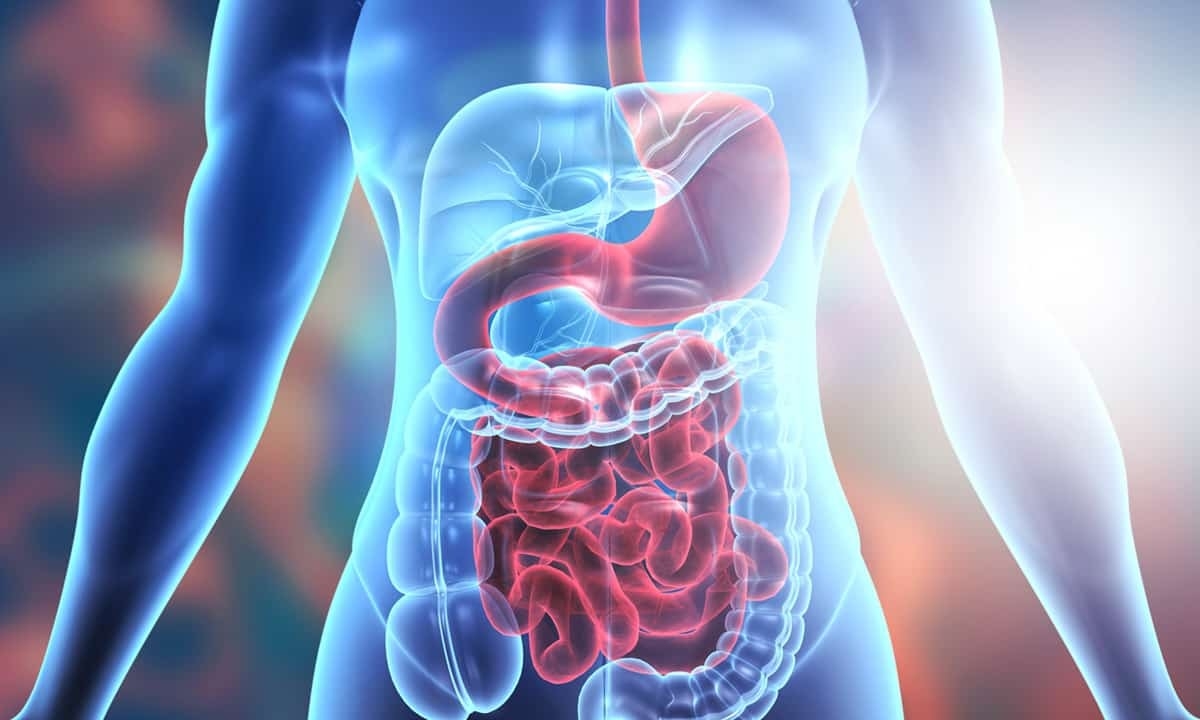
How to Improve Digestive Fire in Ayurveda
- Strengthening Agni is the cornerstone of Ayurvedic digestive health.
- Here are the most effective, time-tested strategies — with a few you probably haven't heard before.
Eat According to Your Hunger, Not the Clock
- This sounds counterintuitive in our meal-prep culture, but Ayurveda emphasizes eating only when genuinely hungry. True hunger means the previous meal has been fully digested.
- Eating before that happens is like adding wet wood to a fire — it smothers the flame.
The classical rule for portion size comes from a beautiful Sanskrit shloka: "Annasya tridivasam tu jalamekam tatha pare, vayorekam cha bhunjita" — fill half the stomach with food, one quarter with water, and leave one quarter empty for the movement of doshas. This isn't just poetic wisdom; a 2016 study in the British Medical Journal confirmed that eating to approximately 80% fullness (a concept shared with the Japanese "Hara Hachi Bu") is associated with lower BMI and reduced metabolic disease risk.
Make Lunch Your Largest Meal
Agni is strongest between 10 AM and 2 PM, when the sun is at its peak — and yes, Ayurveda directly links digestive fire to solar cycles. This is when Pitta dosha is naturally dominant. Eating your heaviest meal at lunch allows for maximum digestion and nutrient absorption. Dinner should be lighter and ideally consumed before 7 PM, giving your body at least 2-3 hours before sleep.
The Role of Water: When, How Much, and What Temperature
Ayurveda is quite specific about water consumption during meals:
- Avoid cold water — it dampens Agni. Drink room temperature or warm water.
- Sip small amounts during meals — don't flood the stomach. Think sips, not gulps.
- Avoid drinking large quantities immediately before or after meals — wait at least 30 minutes.
- Daily intake: Aim for approximately 2 liters, with 4 glasses of warm water first thing in the morning on an empty stomach. Then roughly one glass every 1.5 hours through the day.
A practical tip: add a few slices of fresh ginger or a pinch of cumin to your warm water. It's a simple Agni-kindling habit that most people can sustain.
How to Increase Digestive Fire Naturally
Here are some quick, effective daily practices:
- 1.Ginger appetizer: Slice fresh ginger thin, squeeze lemon juice over it, add a pinch of rock salt. Chew a few slices 15 minutes before meals.
- 2.CCF tea (Cumin-Coriander-Fennel): Equal parts of these three seeds, steeped in hot water for 5–10 minutes. Sip throughout the day.
- 3.Avoid snacking: Let your digestive fire fully process one meal before adding more fuel.
- 4.Walk after meals: A gentle 10–15 minute walk (not vigorous exercise) after eating promotes motility and Agni.
- 5.Sit in Vajrasana: This kneeling yoga posture for 5–10 minutes after meals directly improves blood flow to the digestive organs.
Best Ayurvedic Herbs and Medicines for Digestion
Ayurveda has an extraordinary pharmacopeia for digestive health. Let's look at the most effective options, backed by both traditional use and emerging scientific evidence.
Triphala — The Gold Standard for Gut Health
Triphala is a polyherbal formulation of three fruits: Amalaki (Emblica officinalis), Haritaki (Terminalia chebula), and Bibhitaki (Terminalia bellirica). It's perhaps the most widely used Ayurvedic formulation globally, and for good reason.
A 2017 study published in the Journal of Alternative and Complementary Medicine found that Triphala exhibits significant antioxidant, anti-inflammatory, and antibacterial properties. More remarkably, a 2012 study in PLOS ONE demonstrated that Triphala positively modulates the gut microbiome — promoting the growth of beneficial Bifidobacterium and Lactobacillus species while inhibiting pathogenic bacteria.
How to take it: 1/2 to 1 teaspoon of Triphala powder in warm water at bedtime, or 2 tablets (500mg each) after dinner. Available as powder (churna), tablets, and capsules. For constipation, take with warm water; for weight management, take with honey.
Ginger (Zingiber officinale) — The Universal Medicine
- Called "Vishwabheshaja" (universal remedy) in Ayurveda, ginger is backed by robust scientific evidence. A 2019 systematic review in Food Science & Nutrition analyzing 12 randomized controlled trials concluded that ginger supplementation significantly accelerated gastric emptying and stimulated antral contractions.
- Translation: it literally makes your digestion faster and more efficient.
Simple Ayurvedic Ginger Tea Recipe
- Grate or thinly slice 1 inch of fresh ginger root
- Add to 2 cups of water and bring to boil
- Simmer for 5–7 minutes
- Strain, add 1/2 teaspoon of honey (once cooled below 40°C) and a squeeze of lemon
- Drink 15–20 minutes before meals or between meals
Other Powerful Digestive Herbs and Formulations
| Herb/Formulation | Primary Action | Best For | Typical Dosage |
|---|---|---|---|
| Hingwashtak Churna | Kindles Agni, relieves gas | Bloating, flatulence, Vata-type indigestion | 1/2 tsp with first morsel of food |
| Avipattikar Churna | Cools and balances Pitta | Acidity, heartburn, Amlapitta | 1 tsp with warm water after meals |
| Ajwain (Carom seeds) | Carminative, antispasmodic | Gas, abdominal pain, colic | 1/2 tsp chewed with warm water |
| Cumin (Jeera) | Stimulates enzyme secretion | Poor appetite, slow digestion | Roasted cumin powder with buttermilk |
| Black Pepper (Maricha) | Enhances bioavailability, kindles Agni | Kapha-type sluggish digestion | 2-3 pinches with honey |
| Turmeric (Haridra) | Anti-inflammatory, cholagogue | Inflammation, liver support, IBS | 1/2 tsp with warm milk or water |
| Isabgol (Psyllium) | Bulk-forming laxative | Constipation, IBS-C | 1-2 tsp in warm water at bedtime |


Constipation Hyperacidity Appendicitis


Don't wait or self medicate. Start chat with Doctor NOW
Colon Polyps Intestinal worms
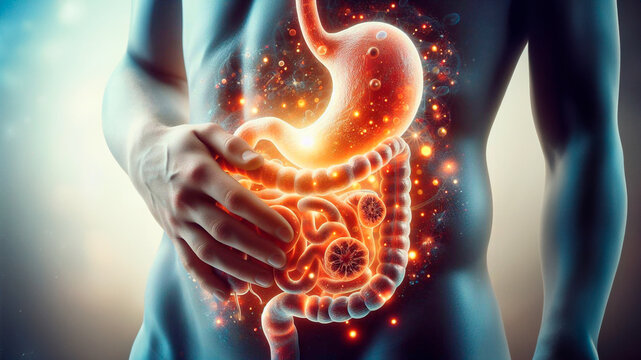
How to Clean Your Digestive System in Ayurveda
- Ayurvedic cleansing goes far beyond a juice cleanse.
- The classical approach involves Panchakarma — a structured, five-action detoxification protocol performed under medical supervision.
Panchakarma Therapies for Digestive Disorders
The three Panchakarma procedures most relevant to digestive health are:
- Vamana (Therapeutic Emesis): Controlled vomiting to remove excess Kapha from the stomach and respiratory tract. Primarily used for chronic asthma, allergies, and Kapha-type digestive sluggishness. This must only be done under expert supervision.
- Virechana (Therapeutic Purgation): Medicated purgation to cleanse the small intestine and liver of excess Pitta. Highly effective for chronic acidity, skin disorders linked to poor digestion, and liver congestion. A 2015 clinical study in Ayu Journal showed Virechana therapy significantly improved symptoms in patients with chronic digestive disorders over a 30-day period.
- Basti (Medicated Enema): Considered the most powerful of all Panchakarma treatments, especially for Vata disorders. Medicated oil or decoction enemas cleanse the colon, nourish tissues, and directly address constipation, IBS, and chronic bloating.
At-Home Gentle Detox Practices
- Not everyone can access Panchakarma clinics.
- Here are safe at-home alternatives:
- Weekly mono-diet: Eat only khichdi (rice and mung dal cooked together with ghee and cumin) for one day each week. This gives your digestive system a rest while still providing balanced nutrition.
- Morning warm water ritual: 2–4 glasses of warm water first thing in the morning stimulates peristalsis and helps flush Ama.
- Seasonal cleanses (Ritucharya): At the junction between seasons (especially winter-to-spring and summer-to-fall), do a 3-day simplified cleanse with light foods, herbal teas, and extra rest.
Common Digestive Problems and Their Ayurvedic Names
Understanding how Ayurveda classifies digestive disorders helps you communicate with practitioners and find targeted solutions:
| Ayurvedic Term | Modern Equivalent | Primary Dosha | Key Symptoms |
|---|---|---|---|
| Agnimandya | Weak digestion / Dyspepsia | Kapha | Low appetite, heaviness, nausea |
| Ajirna (Ajeerna) | Indigestion | Varies | Undigested food, discomfort after eating |
| Amlapitta | Acid reflux / GERD | Pitta | Burning in chest/throat, sour belching |
| Vibandha | Constipation | Vata | Hard stools, straining, irregular bowel |
| Atisara | Diarrhea | Pitta/Vata | Loose, frequent stools |
| Grahani | IBS / Malabsorption | Vata-Pitta | Alternating constipation and diarrhea, mucus in stool |
| Anaha | Abdominal distension | Vata | Bloating, gas retention, discomfort |
The Mind-Gut Connection: How Stress Destroys Your Digestion
Here's something most Ayurvedic digestion articles completely overlook — the profound connection between your emotional state and your gut. Ayurveda has always recognized this; the concept of "Prajnaparadha" (crimes against wisdom) includes eating while angry, anxious, or distracted as a direct cause of indigestion.
Modern neuroscience has caught up. The gut contains over 500 million neurons and produces approximately 95% of the body's serotonin. A 2020 study in Frontiers in Psychiatry confirmed bidirectional communication between the brain and gut via the vagus nerve — meaning stress literally alters your digestive function, and poor digestion can worsen your mood.
Meditation as a Digestive Medicine
This isn't woo-woo — it's well-documented. A 2014 pilot study published in Neurogastroenterology & Motility showed that patients with IBS who practiced mindfulness meditation for 8 weeks experienced a 38% reduction in symptom severity compared to controls.
Ayurvedic recommendation: 20–30 minutes of meditation twice daily — morning (before breakfast) and evening (before dinner). Even 10 minutes of deep breathing before a meal can shift your nervous system from sympathetic ("fight or flight") to parasympathetic ("rest and digest") mode, dramatically improving digestive efficiency.
Eat Mindfully — It Actually Matters
Stop eating at your desk. Put down your phone. Chew each bite 20–30 times. These aren't just nice ideas; they are genuine Ayurvedic prescriptions. When you eat in a rushed or distracted state, Vata dosha becomes aggravated, leading to gas, bloating, and poor nutrient absorption.
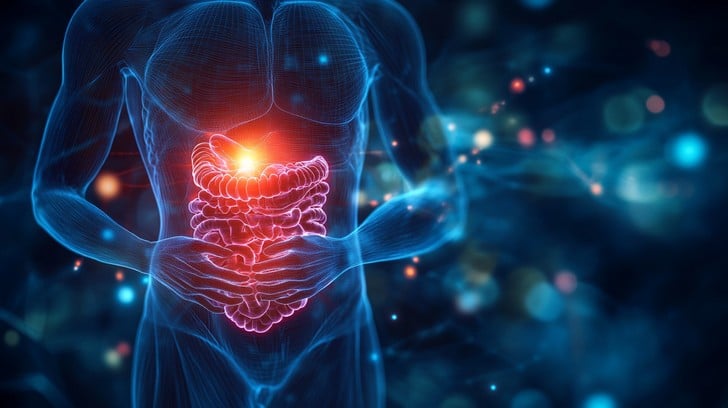
Ayurvedic Digestion and the Gut Microbiome: Where Ancient Meets Modern
One of the most exciting areas of convergence between Ayurveda and modern science is the gut microbiome. Your intestines harbor approximately 39 trillion microorganisms that influence everything from immunity to mood.
Several Ayurvedic principles directly support microbiome diversity — often without the practitioners even knowing the mechanism:
- Fermented foods like buttermilk (Takra), which Ayurveda has prescribed for centuries for digestive issues, are rich in probiotics. Charaka Samhita describes Takra as beneficial in Grahani (IBS) — a recommendation that aligns perfectly with modern probiotic therapy.
- Prebiotic fibers in Ayurvedic staples like cooked vegetables, whole grains, and fruits feed beneficial gut bacteria.
- Triphala's microbiome-modulating effect was confirmed in the 2012 PLOS ONE study mentioned earlier — it promotes Lactobacillus and Bifidobacterium species, essentially acting as both prebiotic and antimicrobial.
- Avoidance of processed foods and excess sugar, fundamental Ayurvedic dietary principles, directly prevents dysbiosis (microbial imbalance).
A 2018 study in the Journal of Ethnopharmacology found that traditional Ayurvedic dietary patterns were associated with significantly greater microbiome diversity compared to modern Western diets. Greater diversity is consistently linked with better digestive health, stronger immunity, and lower rates of inflammatory diseases.
Seasonality (Ritucharya) and Digestive Health
Ayurveda teaches that Agni fluctuates with the seasons — and failing to adjust your diet accordingly is a major cause of digestive disturbance. Here's a seasonal guide that none of the existing top-ranking articles provide:
| Season | Agni Strength | Dominant Dosha | Recommended Foods | Foods to Reduce |
|---|---|---|---|---|
| Winter (Hemanta/Shishira) | Strongest | Kapha accumulating | Heavy, nourishing foods — ghee, nuts, warm milk, root vegetables, wheat | Cold, dry, raw foods |
| Spring (Vasanta) | Moderate, Kapha aggravated | Kapha | Light, dry, bitter foods — barley, honey, leafy greens, spicy dishes | Heavy, oily, sweet, dairy |
| Summer (Grishma) | Weakest | Pitta accumulating | Cool, sweet, hydrating — watermelon, coconut, cucumber, mint, milk | Spicy, sour, salty, fermented |
| Monsoon (Varsha) | Weak, Vata aggravated | Vata | Warm, sour, salty — soups, ginger tea, light grains, lemon | Raw salads, heavy meals, unboiled water |
| Autumn (Sharad) | Moderate, Pitta aggravated | Pitta | Sweet, bitter — rice, ghee, grapes, amla, cooling herbs | Spicy, oily, fermented, yogurt |
4-Week Digestive Restoration Plan for Beginners
Nobody else provides this, so here's a structured, week-by-week protocol to reset your digestive health:
Week 1 — Ama Reduction:
- Start each morning with warm lemon water
- Eat only when hungry; skip meals if not truly hungry
- Favor cooked, simple foods (khichdi, soups, steamed vegetables)
- Add CCF tea between meals
- Eliminate processed foods, cold drinks, and leftovers
Week 2 — Agni Kindling:
- Introduce ginger-lemon-salt appetizer before lunch and dinner
- Begin 10-minute post-meal walks
- Practice 10 minutes of meditation before breakfast
- Add 1/2 tsp Triphala in warm water at bedtime
Week 3 — Dosha Balancing:
- Identify your dominant dosha (use the table above) and adjust food choices accordingly
- Introduce dosha-specific spices
- Begin Vajrasana practice after meals (5-10 mins)
- Increase meditation to 20 minutes, twice daily
Week 4 — Sustaining and Deepening:
- Establish a consistent meal schedule aligned with Agni peaks
- Do a one-day khichdi cleanse
- Evaluate progress: tongue coating, energy levels, bowel regularity
- Consult an Ayurvedic practitioner for personalized refinement
Important Precautions and Contraindications
This is critical information that most Ayurvedic content dangerously omits.
- Triphala should be avoided during pregnancy and breastfeeding. It may interact with blood-thinning medications (warfarin, aspirin) due to the vitamin C content in Amalaki.
- Ginger in high doses can aggravate Pitta and should be used cautiously by those with gastric ulcers, gallstones, or those on blood-thinning drugs. A safe therapeutic dose is generally 1-2 grams of dried ginger daily.
- Turmeric supplements (not culinary amounts) may interact with diabetes medications and blood thinners. Curcumin can also aggravate gallbladder conditions.
- Panchakarma therapies like Vamana and Virechana should NEVER be self-administered. They require proper preparation (Poorvakarma), qualified supervision, and post-procedure care (Paschatkarma).
- Children, elderly, pregnant women, and those with chronic conditions should always consult a qualified Ayurvedic physician before starting any herbal regimen.
- If you're on prescription medications for any digestive condition, don't replace them with Ayurvedic alternatives without medical guidance. Integration, not replacement, is the safer approach.
- Ayurvedic Digestion vs Western Gastroenterology: A Comparison
| Aspect | Ayurvedic Approach | Western Gastroenterology |
|---|---|---|
| Root cause focus | Agni imbalance, dosha vitiation, Ama | Structural/biochemical pathology |
| Diagnosis | Pulse (Nadi), tongue, constitution assessment | Lab tests, endoscopy, imaging |
| Treatment philosophy | Restore balance, strengthen Agni | Treat symptoms, manage disease |
| Nutrition role | Central — food is medicine | Supplementary — diet advice secondary |
| Personalization | High — based on Prakriti | Moderate — general guidelines with some personalization |
| Herbs/medications | Polyherbal formulations | Single-molecule pharmaceuticals |
| Mental health connection | Integral — mind-body unity | Emerging — brain-gut axis research |
| Strength | Prevention, chronic conditions, functional disorders | Acute conditions, surgical interventions, diagnostics |
The ideal approach? Use both systems where they're strongest. Ayurveda excels at prevention and managing functional digestive disorders (like IBS, functional dyspepsia). Western medicine is indispensable for ruling out serious pathology and managing acute conditions.
Frequently Asked Questions
Which Ayurvedic Vati is best for digestion?
Lavanbhaskar Churna and Hingwashtak Churna are among the most widely prescribed formulations for general digestive weakness. For acidity-related issues, Avipattikar Churna is prefered. For gas and bloating specifically, Shankha Vati is highly effective. The "best" choice depends entirely on your dosha type and specific symptoms — there's no one-size-fits-all answer in Ayurveda.
How to heal digestion naturally?
Start with the basics: eat only when hungry, favor warm cooked foods, avoid ice-cold beverages, make lunch your biggest meal, and practice the ginger-lemon appetizer before meals. Add Triphala at bedtime. Manage stress through meditation. Follow the 4-week plan outlined above for a structured approach. Most people notice significant improvement within 2-3 weeks of consistent practice.
How to improve digestion power?
- "Digestion power" is essentially the strength of your Agni.
- The fastest ways to improve it: stop snacking between meals (let the fire burn completely between feedings), drink warm water instead of cold, use Agni-kindling spices like ginger, black pepper, and cumin in your cooking, and practice Vajrasana after eating.
- Avoid heavy meals at dinner — your Agni is weakest at night.
What is the best Ayurvedic medicine for digestion and gas?
- For gas (Adhmana), Hingwashtak Churna is the classical go-to — it contains Hing (asafoetida), which is one of the most powerful carminatives in the Ayurvedic pharmacopeia. Taking 1/2 teaspoon with the first morsel of food or with warm water before meals typically provides relief within 20-30 minutes.
- For chronic gas issues, address the root cause — usually Vata imbalance — rather than just managing the symptom.
Can Ayurveda help with constipation?
Absolutely. Triphala is the first-line Ayurvedic treatment for constipation (Vibandha) — it's not a harsh laxative but a gentle bowel toner that improves motility over time. Isabgol (Psyllium husk) provides bulk. For severe or chronic constipation, a qualified practitioner might recommend Basti (medicated enema) therapy, which addresses the underlying Vata imbalance in the colon. Increasing warm water intake and adding ghee to your diet also helps significantly.
Conclusion: Your Digestion Is Your Destiny
- Ayurveda's message is clear — protect your Agni, and your Agni will protect you. The beauty of this system is that it doesn't require expensive supplements or complicated protocols.
- It starts with awareness: paying attention to what you eat, when you eat, how you eat, and what your body tells you afterward.
Begin with one or two changes from this guide. Maybe it's the warm water in the morning, or the ginger appetizer before lunch. Maybe its skipping that late-night snack. Small shifts, consistently applied, compound into remarkable transformation.
If you're dealing with chronic digestive issues that haven't responded to conventional treatment, consider consulting a qualified Ayurvedic practitioner (BAMS degree or equivalent) who can assess your Prakriti, identify your specific Agni imbalance, and create a personalized protocol. The combination of Ayurvedic wisdom and modern diagnostic tools offers the most comprehensive approach to digestive health available today. Your gut has been trying to talk to you. It's time to listen.
Scientific Sources
- Deep meditation as a valid "scientific" method: A flawed argument — Patwardhan K, 2025, Indian journal of medical ethics
- Healthcare the Ayurvedic way — Jayasundar R, 2012, Indian journal of medical ethics
- Safety of Ashwagandha Root Extract: A Randomized, Placebo-Controlled, study in Healthy Volunteers — Verma N et al., 2021, Complementary therapies in medicine
- Terminalia arjuna in cardiovascular diseases: making the transition from traditional to modern medicine in India — Maulik SK et al., 2010, Current pharmaceutical biotechnology
- A complex, nonlinear dynamic systems perspective on Ayurveda and Ayurvedic research — Rioux J, 2012, Journal of alternative and complementary medicine (New York, N.Y.)
- Scientific evaluation of Ayurvedic drugs - the use of N-of-1 clinical trials — Chatterjee A et al., 2024, Indian journal of medical ethics
- Neuronutrient impact of Ayurvedic Rasayana therapy in brain aging — Singh RH et al., 2008, Biogerontology
- Uses of turmeric in dentistry: an update — Chaturvedi TP, 2009, Indian journal of dental research : official publication of Indian Society for Dental Research
- Rabies treatment — Lele RD, 1982, Science (New York, N.Y.)
- Traditional uses, medicinal properties, and phytopharmacology of Ficus racemosa: a review — Ahmed F et al., 2010, Pharmaceutical biology
- Do Ayurveda students need a course in Medical Astrology? — Krishna GL, 2023, Indian journal of medical ethics
- Herbal and Holistic Solutions for Neurodegenerative and Depressive Disorders: Leads from Ayurveda — Sharma R et al., 2018, Current pharmaceutical design
- Ayurveda and yoga in cardiovascular diseases — Mamtani R et al., 2005, Cardiology in review
- Contributions of Indian Council of Medical Research (ICMR) in the area of Medicinal plants/Traditional medicine — Tandon N et al., 2017, Journal of ethnopharmacology
- Cannabis: A Neurological Remedy or a Drug of Abuse in India — Biswas P et al., 2017, CNS & neurological disorders drug targets
- Ayurveda for chemo-radiotherapy induced side effects in cancer patients — Metri K et al., 2013, Journal of stem cells
- A Systematic Review and Meta-Analysis of Ayurvedic Herbal Preparations for Hypercholesterolemia — Gyawali D et al., 2021, Medicina (Kaunas, Lithuania)
- Ayurvedic genomics: establishing a genetic basis for mind-body typologies — Patwardhan B et al., 2008, Journal of alternative and complementary medicine (New York, N.Y.)
- Ayurveda in Cancer Care in India: Scope, Challenges, and Suggested Approaches — Gundeti MS et al., 2018, Journal of alternative and complementary medicine (New York, N.Y.)
- Computational analysis of Ayurvedic metabolites for potential treatment of drug-resistant Candida auris — Shah M et al., 2025, Frontiers in cellular and infection microbiology
Questions from users
How long does it take for Triphala to improve digestion?
Gabriella
3 days ago
Triphala can start improving digestion in as little as a few days to a week; however, the effectiveness and timeline can vary based on individual factors such as the severity of digestive issues and how consistently you take it. Typically, Triphala is consumed as a powder or in tablet form, usually taken at bedtime to align with natural digestive rhythms. Watch for any gastrointestinal discomfort, and if symptoms persist or worsen after a few weeks, consult a healthcare provider. While Triphala supports gut health, it should not replace medical treatment for serious conditions.
How can mindfulness meditation specifically help with digestive issues?
Hannah
13 days ago
Mindfulness meditation can really help your digestion by calming the nervous system and balancing your doshas. When you're stressed, your digestion can slow down, but meditation helps you relax and improves agni, your digestive fire. So, regular practice could actually reduce symptoms, like in that pilot study you mentioned! Just be sure to tailor it to your body's needs.
What are the best foods to eat when experiencing Vata-related digestive issues?
Yara
22 days ago
For Vata-related digestive issues, try eating warm, cooked foods like soups, stews, and rice. Sweet fruits and slightly oily foods, like those cooked with ghee, help balance Vata. Warming spices like ginger and cinnamon are great too. Triphala at night can also be helpful for maintaining regularity. Keep meals timed regularly, too!
Can I use Triphala to help with weight loss and digestion at the same time?
Emma
31 days ago
Yes, Triphala can actually help with both weight loss and digestion! It's not like a magic bullet but its really good for boosting digestion and can gently detoxify your body, which might help you shed some extra weight over time. The way it balances the gut microbiome can lead to better digestion and metabolism. Just be consistent with it, like in warm water at bedtime.
What is the role of seasonal eating in Ayurvedic digestion practices?
Samuel
40 days ago
Seasonal eating in Ayurveda, or ritucharya, is huge! It’s all about aligning what you eat with the season because your Agni, or digestive fire, changes with it. Like, in the cold season, Agni is stronger, so hearty foods are good, but in hot weather, you'd want lighter, cooling foods. Ignoring these shifts can mess with digestion and dosha balance. So, eating seasonally supports good digestion and keeps your doshas happy.
Is it safe to follow an Ayurvedic diet if I'm pregnant and have digestive issues?
Robert
55 days ago
It's generally safe to follow an Ayurvedic diet during pregnancy, but it's important to be cautious. Make sure to consult with an Ayurvedic practitioner or healthcare provider, since they can tailor it to your specific needs, especially with those digestive issues. Every person is unique, so better safe than sorry!
What is the connection between mental health and digestion in Ayurveda?
John
64 days ago
In Ayurveda, digestion and mental health are deeply linked. A strong "agni" (digestive fire) not only digests food but also emotions and thoughts. Imbalances, say from a disturbed Pitta, can lead to issues like stress or anxiety. It's like your gut and mind are chatting all day. Try focusing on calming the digestion, watch how your mind feels clearer!
What is the three-stage digestive process in Ayurveda and how does it work?
Zoe
74 days ago
In Ayurveda, digestion involves three stages:
1. Amma Pachana (in the mouth and upper stomach) - lasts 1.5-2 hours, focusing on breaking down food initially. It’s aided by taste and the enzymes in saliva.
2. Pachaka Pitta (in the stomach and small intestine) - where the real breakdown and absorption happen, depending on digestive fire or agni.
3. Kitta Pachana (in the large intestine) - focuses more on absorbing water and eliminating waste.
It takes about 36 days for the full cycle through the dhatus, or tissues, ensuring all nutrients are properly distributed. Balancing your doshas and keeping your agni strong helps this process be more efficient. 😊
Can I use herbal remedies to help with digestive issues caused by spicy foods?
Anthony
84 days ago
Yeah, you definitely can use herbs to help with digestives issues from spicy foods! A good option is to try fennel seeds or ginger tea, both help soothe digestive irritation. Also, keeping your agni (digestive fire) balanced with these herbs can be helpful. Maybe check how the spices interact with your dosha too, that could give more insight!
What is the role of yoga in Ayurveda for improving digestive health?
Samantha
93 days ago
Yoga supports digestive health in Ayurveda by improving agni (digestive fire) and balancing doshas. The poses you mentioned, like Pawanmuktasan and Vajrasan, help relieve digestive issues by massaging internal organs, promoting circulation, and calming the mind. Consistent practice works best. Just remember, listen to your body, some poses may not be suitable for everybody.
Related articles

Gastrointestinal Disorders
Shaddharana Tablets for Weight Loss: Ayurvedic Slimming Solution
Discover Shaddharana Tablets for weight loss. Learn about their benefits, usage guidelines, dosage, and scientific insights for effective and natural slimming.
2,769

Gastrointestinal Disorders
Is Coconut Water Good for Acid Reflux and Acidity? Ayurvedic Insights
Exploration of Exploring the Benefits of Coconut Water for Acid Reflux Relief
19,296

Gastrointestinal Disorders
Parinama Shoola: Causes, Symptoms, and Ayurvedic Insights
Discover Parinama Shoola, its symptoms, scientific insights, and holistic management strategies backed by current research and Ayurvedic wisdom.
2,639

Gastrointestinal Disorders
Patolakaturohinyadi Kashayam – Benefits, Dose, Side Effects, Ingredients
Exploration of Patolakaturohinyadi Kashayam – Benefits, Dose, Side Effects, Ingredients
3,497

Gastrointestinal Disorders
Nephrotic Syndrome Ayurvedic Treatment & Remedies
Explore Ayurvedic treatments for nephrotic syndrome, including benefits, proper dosage, uses, and scientific evidence supporting these natural remedies.
3,236

Gastrointestinal Disorders
Jatiphaladi Churna – Traditional Ayurvedic Powder for Digestive & Systemic Health
Discover the benefits and uses of Jatiphaladi Churna, a traditional Ayurvedic powder known for promoting digestive health, detoxification, and overall vitality through a blend of potent herbs.
2,711

Gastrointestinal Disorders
Mahashankha Vati Benefits, Dosage, Ingredients, Side Effects
Exploration of Mahashankha Vati Benefits, Dosage, Ingredients, Side Effects
8,411

Gastrointestinal Disorders
Panchavalkala Kwatha Churna: Benefits, Dosage & Ayurvedic Insights
Explore the benefits, proper dosage, uses, and Ayurvedic foundations of Panchavalkala Kwatha Churna, a traditional herbal powder for digestive and overall health.
6,099

Gastrointestinal Disorders
Ayurveda's Guide to Conception
Ayurveda emphasizes the balance of doshas to support reproductive health, highlighting the importance of harmony in the body for fertility.
2,683

Gastrointestinal Disorders
H Pylori and Ayurveda – Natural Gut Health Solutions
Explore how Ayurveda addresses H. pylori infection naturally. Learn about holistic treatments, herbal remedies, dosage, precautions, and scientific perspectives.
7,291
Related consultations on the topic
Legal
Additional Documents
© 2024 Ask Ayurveda. All rights reserved.