Ask Ayurvedic doctor a question and get a consultation online on the problem of your concern in a free or paid mode. More than 2,000 experienced doctors work and wait for your questions on our site and help users to solve their health problems every day.
FREE! Ask Ayurvedic Doctors 24/7

 Fast responses
 1000+ verified doctors
Body DetoxEar, Nose, and Throat DisordersGeriatrics & RejuvenationImmunodeficiencyInfertility TreatmentNutritionOrthopedic DisordersPediatricsRespiratory DisordersSexually Transmitted Diseases (STDs)Surgery RecoveryUrological DisordersVascular DisordersDental DisordersEndocrinological DisordersGastrointestinal DisordersYoga TherapyGeneral MedicineAllergic DisordersCardio DisordersGynecology and ObstetricsCosmetologySkin and Hair DisordersEye DisordersInfectious DiseasesMental DisordersNeurological DisordersOncologyPanchakarmaSexual Health & DisordersSports Medicine
Published on 03/07/25
(Updated on 07/08/26)
4,651
Lingavardhana Thailam – Ayurvedic Rejuvenator for Male Vitality & Sexual Health
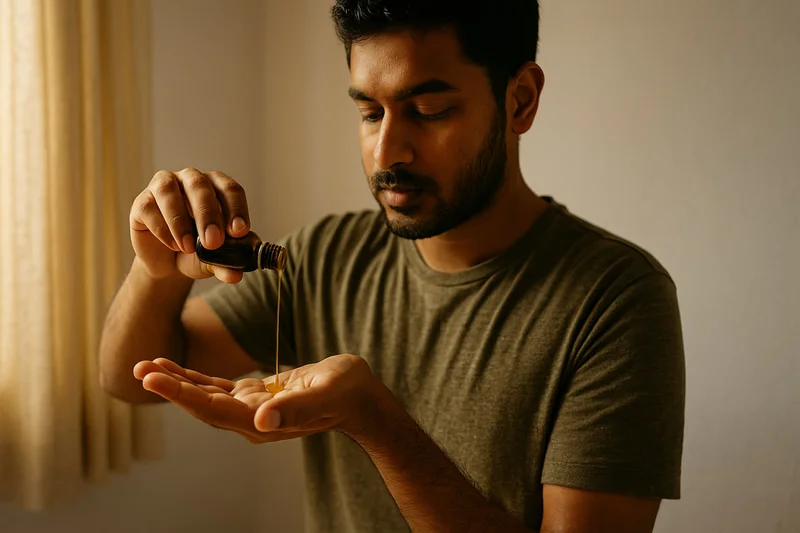
Lingavardhana Thailam is a classical Ayurvedic medicated oil formulated exclusively for external application on the male reproductive organ to improve penile strength, blood circulation, and overall sexual vitality. Manufactured primarily by AVP (The Arya Vaidya Pharmacy, Coimbatore), this oil draws on the Vajeekarana (aphrodisiac) branch of Ayurveda and combines time-tested herbs like Ashwagandha, Mucuna pruriens, and Sariba in a base of sesame oil, cow's ghee, and cow's milk. If you've been searching for a natural, non-invasive approach to male sexual wellness — this guide covers everything you need to know, from exact ingredients and dosage to scientific evidence, safety, and how to get the best results.
What Is Lingavardhana Thailam?
Lingavardhana Thailam is a medicated herbal oil (Thailam = oil in Malayalam/Sanskrit) specifically designed to nourish and strengthen male reproductive tissues. The name itself breaks down as Linga (phallus) + Vardhana (enhancement/growth) + Thailam (oil), which tells you exactly what this formulation targets.
Unlike oral supplements, this is strictly for external use. You massage it directly onto the penile tissue, where the active herbal compounds absorb through the skin and work locally. The formulation belongs to the broader category of Taila Kalpana (medicated oil preparations), one of the most sophisticated pharmaceutical processes in Ayurveda.
Manufacturer & Origin — AVP (The Arya Vaidya Pharmacy)
The most widely available version is manufactured by AVP — The Arya Vaidya Pharmacy (Coimbatore) Ltd., with their production facility located at Kanjikode, Palakkad, Kerala, India. AVP operates from a GMP-certified facility, and the product carries markers that matter: 100% Ayurvedic, preservative-free, and manufactured under strict quality control standards.
Other manufacturers like Kottakkal Arya Vaidya Sala also produce their own version. While the core formulation is similar (since it draws from classical texts), slight variations in herb ratios and processing methods may exist between brands.
Product specifications at a glance:
| Detail | Information |
|---|---|
| Product Name | Lingavardhana Thailam |
| Primary Manufacturer | AVP (The Arya Vaidya Pharmacy) |
| Factory Location | Kanjikode, Palakkad, Kerala |
| Country of Origin | India |
| Available Volume | 200 ml |
| MRP Range | ₹318 – ₹360 |
| Application Type | External use only |
| Certification | GMP Certified, 100% Ayurvedic |
Classical Reference & Formulation Type
Here's something no other source online seems to mention clearly: Lingavardhana Thailam's formulation draws from classical Ayurvedic texts in the Vajeekarana Tantra tradition — one of the eight branches (Ashtanga) of Ayurveda that deals specifically with reproductive health and aphrodisiacs. The recipe likely traces its roots to compilations such as Sahasrayogam, a Kerala-origin text that documents thousands of classical formulations, including many Thailam preparations.
This isn't some modern proprietary blend dreamed up in a marketing department. The formulation follows the Sneha Paka Vidhi (medicated oil processing method) described in classical pharmacological texts, where herbs are cooked in oil along with milk and water decoctions until only the oil remains — concentrating the active principles.
Key Ingredients & Their Roles
The strength of Lingavardhana Thailam lies in its multi-herb synergy. Each ingredient plays a specific role, and together they address blood flow, tissue nourishment, and nervous system support. Here's the detailed breakdown based on the classical formulation:
Ashwagandha (Withania somnifera)
Arguably the star ingredient. Ashwagandha is classified as both Rasayana (rejuvenator) and Vṛṣya (aphrodisiac) in Ayurvedic pharmacology. A 2019 randomized, double-blind, placebo-controlled study published in the American Journal of Men's Health found that Ashwagandha root extract significantly improved serum testosterone levels and reproductive health in men over an 8-week period. Another study in Fertility and Sterility (2010) demonstrated improvements in semen quality parameters.
When applied topically in an oil base, Ashwagandha's withanolides are believed to nourish local tissues and support healthy cellular function.
Sariba (Hemidesmus indicus)
- Known as Indian Sarsaparilla, Sariba is a blood purifier (Raktashodhaka) and coolant.
- Its role in this formulation is critical — it helps reduce local inflammation, supports healthy microcirculation in the applied area, and balances Pitta dosha. Research published in the Journal of Ethnopharmacology has documented its anti-inflammatory and antioxidant properties, which protect delicate reproductive tissues from oxidative damage.
Atmagupta / Kandookari (Mucuna pruriens)
This is one of Ayurveda's most celebrated Vajeekarana herbs. Mucuna pruriens seeds contain naturally occuring L-DOPA (levodopa), a direct precursor to dopamine. A 2009 study in Evidence-Based Complementary and Alternative Medicine showed that Mucuna pruriens significantly improved testosterone, luteinizing hormone, and dopamine levels in infertile men while reducing stress.
In topical application, the L-DOPA content is thought to support local nerve function and sensory response.
Swadamshtra (Gokshura / Tribulus terrestris)
Gokshura is perhaps the most widely recognized men's health herb globally. It's classified as Mutrala (diuretic) and Vṛṣya in Ayurveda. A clinical study in Phytomedicine (2016) showed that Tribulus terrestris extract improved sexual desire and erectile function scores in men with mild-to-moderate erectile dysfunction. Its saponin content supports nitric oxide pathways which are crucial for healthy blood flow to reproductive organs.
Valakka / Lodhra (Dalbergia paniculata)
Valakka provides astringent and tissue-strengthening properties. While less studied than the other ingredients, it's traditionally valued for its Grahi (absorbent) and Stambhana (firming) qualities — contributing to tissue tone and structural integrity of the applied area.
Base Oils — Tila Taila, Go Ghrita & Go Ksheera
The base isn't just a carrier — it's therapeutically active:
| Base Component | Sanskrit Name | Approximate Qty (per 5 ml) | Role |
|---|---|---|---|
| Sesame Oil | Tila Taila | ~2.5 ml | Deep tissue penetration, Vata-balancing |
| Cow's Ghee | Go Ghrita | ~2.5 ml | Nourishes Dhatus (tissues), enhances herb potency |
| Cow's Milk | Go Ksheera | ~10 ml (during processing) | Cooling, Rasayana medium for extraction |
- Sesame oil is considered the best oil for Ayurvedic formulations because of its ability to penetrate all seven tissue layers (Sapta Dhatus).
- Cow's ghee acts as a Yogavahi — it enhances the therapeutic potency of whatever herbs it's combined with, without losing its own properties.
How Does Lingavardhana Thailam Work? (Mode of Action)
Ayurvedic Perspective — Rasayana & Vṛṣya Properties
In Ayurvedic pharmacology, the formulation works on multiple levels simultaneously:
Dosha Level: The combination of warming herbs (Ashwagandha, Gokshura) with cooling herbs (Sariba) creates a balanced formulation that pacifies Vata dosha (which governs nerve impulses and circulation) without aggravating Pitta (which can cause inflammation). Dhatu Level: The herbs nourish Rasa Dhatu (plasma) → Rakta Dhatu (blood) → ultimately reaching Shukra Dhatu (reproductive tissue) through the Ayurvedic tissue nourishment cascade. This is the Rasayana pathway. Karma Level: The oil has Vṛṣya (aphrodisiac), Balya (strength-promoting), and Brumhana (nourishing) actions — the three qualities Charaka Samhita describes as essential for Vajeekarana therapy.
Modern Understanding — Blood Circulation & Tissue Nourishment
From a contemporary physiological standpoint, the mechanism likely involves:
- 1.Vasodilation — Gokshura's saponins and other active compounds support nitric oxide production, promoting blood vessel relaxation and improved local blood flow
- 2.Transdermal absorption — Sesame oil's molecular structure allows deep penetration, carrying dissolved herbal actives past the skin barrier
- 3.Anti-inflammatory action — Sariba and Ashwagandha compounds reduce local micro-inflammation that can impair tissue function
- 4.Neurological support — L-DOPA from Mucuna pruriens may support local nerve sensitivity and function through topical absorption
The massage action itself is therapeutic — it manually stimulates blood flow, breaks up tissue adhesions, and enhances lymphatic drainage. This mechanical effect combined with the herbal chemistry creates a dual-action approach.
Benefits of Lingavardhana Thailam
Penile Strength & Health
The primary indication. Regular application nourishes the penile tissue, supports structural integrity, and promotes healthy tissue tone. The Ashwagandha and Valakka components work specifically on muscle and connective tissue strengthening.
Improved Blood Circulation
This is fundamental to everything else. Gokshura and sesame oil together promote healthy microcirculation in the applied area. Better blood flow means better oxygen and nutrient delivery to tissues, which translates to improved function.
Vigour, Vitality & Sexual Wellness
The Vajeekarana herbs in this formulation — particularly Mucuna pruriens and Ashwagandha — are traditionally associated with enhanced stamina, desire, and overall sexual confidence. It's worth noting that sexual wellbeing isn't just a physical matter. It affects emotional health, relationship quality, and self-esteem. Ayurveda recognized this thousands of years ago, which is why Vajeekarana is considered one of the eight essential branches of medicine.
Support for Age-Related Changes
As men age, reduced blood flow and tissue atrophy can affect reproductive health. The Rasayana properties of this formulation help counteract age-related tissue degeneration by promoting cellular nourishment and renewal.
How to Use Lingavardhana Thailam
Step-by-Step Application Method
- Wash the area thoroughly with lukewarm water and pat dry
- Take a sufficient quantity of oil (approximately 5-10 ml) onto your palm
- Warm the oil slightly by rubbing between your palms for 10-15 seconds
- Apply the oil evenly over the entire penile shaft
- Massage gently using upward strokes with moderate pressure for 5-10 minutes
- Allow the oil to absorb for at least 20-30 minutes before washing off
- The massage technique matters.
- Use gentle, consistent strokes — not aggressive pressure. The goal is to promote blood flow and enhance absorption, not to cause irritation or micro-trauma.
Recommended Treatment Course
This is one of the biggest gaps in available information online. Based on classical Ayurvedic Vajeekarana protocols and practitioner guidance:
| Parameter | Recommendation |
|---|---|
| Frequency | Once or twice daily |
| Best Time | Evening/before bed (allows overnight absorption) |
| Minimum Course | 4-6 weeks for noticeable results |
| Optimal Course | 3 months (90 days) for full benefits |
| Maintenance | 2-3 times per week after initial course |
Important: Consistency matters more than intensity. Using the oil sporadically won't deliver results. Treat it like a daily health practice.
Optimal Time of Application
Evening application is generally preferred because:
- The body's repair mechanisms are most active during sleep
- You won't need to wash it off immediately for daily activities
- Vata dosha is dominant in the evening hours, and this oil specifically pacifies Vata
However, if you prefer morning application, that's perfectly fine too — just allow 30 minutes of absorption time before bathing.
Lingavardhana Thailam vs Similar Ayurvedic Oils — A Comparison
No other resource currently offers this comparison, so here it is:
| Feature | Lingavardhana Thailam | Maha Masha Thailam | Bala Thailam | Ksheerabala Thailam |
|---|---|---|---|---|
| Primary Use | Male reproductive health | Neuromuscular strength, Vata disorders | General strength, nerve health | Joint pain, nerve conditions |
| Application Area | Penile tissue (local) | Full body / affected joints | Full body | Full body / joints |
| Key Herbs | Ashwagandha, Mucuna, Gokshura | Masha (Black gram), Ashwagandha | Bala (Sida cordifolia) | Bala, cow's milk |
| Dosha Action | Vata-Pitta balancing | Primarily Vata | Vata-Pitta | Vata-Pitta |
| Vajeekarana Focus | ★★★★★ (Primary focus) | ★★★ (Secondary) | ★★ (Mild) | ★ (Minimal) |
| Availability | Moderate | Widely available | Widely available | Widely available |
| Price (approx) | ₹318-360 / 200ml | ₹250-400 / 200ml | ₹150-250 / 200ml | ₹150-300 / 200ml |
Bottom line: If your specific goal is male sexual health and penile nourishment, Lingavardhana Thailam is the most targeted option. The others are excellent oils, but they're designed for broader applications.
Don't wait or self medicate. Start chat with Doctor NOW
Complementary Internal Medicines for Maximum Results
Here's something critical that no one else is talking about: external oil alone gives partial results. Classical Ayurveda always recommends a combined internal + external approach for Vajeekarana therapy. Consider discussing these internal supplements with your Ayurvedic doctor:
| Internal Medicine | Form | Traditional Purpose |
|---|---|---|
| Ashwagandha Churna | Powder (3-6g with warm milk) | Systemic Rasayana, testosterone support |
| Musli Pak | Granules/Powder | Sexual stamina, Shukra Dhatu nourishment |
| Gokshuradi Guggulu | Tablets | Urogenital health, hormonal balance |
| Kapikacchu Churna (Mucuna) | Powder | Dopamine support, sperm quality |
| Chyawanprash | Jam/paste | General vitality, immune-reproductive link |
Always consult a qualified Ayurvedic practitioner before combining medicines. Self-prescribing internal formulations without proper assessment of your Prakriti (constitution) and Vikriti (imbalance) can lead to suboptimal or even adverse outcomes.
Diet & Lifestyle Recommendations (Pathya-Apathya) for Enhanced Results
Classical Vajeekarana therapy is incomplete without dietary and lifestyle guidelines. These recommendations come directly from Charaka Samhita's Vajeekarana Adhyaya:
Foods to Include (Pathya)
- Milk and ghee — considered the best Shukra Dhatu nourishing foods
- Almonds, cashews, walnuts — soaked overnight and consumed in the morning
- Dates and figs — natural sources of energy and micronutrients
- Saffron milk — even a small pinch of saffron in warm milk enhances Ojas (vital energy)
- Black gram (Urad dal) — one of the best Vata-pacifying and strength-building legumes
- Asparagus (Shatavari) — can be taken as a vegetable or supplement
- Honey (unheated) — as a natural Yogavahi with herbs
Habits to Avoid (Apathya)
- Excessive alcohol consumption (depletes Ojas directly)
- Smoking (impairs blood circulation — counteracts the oil's benefits)
- Late night sleep patterns (disrupts Vata, weakens reproductive tissue)
- Excessive stress without management (cortisol directly suppresses testosterone)
- Very spicy, processed, or stale food (increases Pitta and Ama)
Lifestyle Practices
- Regular moderate exercise — 30-45 minutes daily; yoga is ideal
- Ashwini Mudra and Mula Bandha — specific yogic practices that strengthen pelvic floor muscles
- Adequate sleep — 7-8 hours; Shukra Dhatu regeneration peaks during deep sleep
- Stress management — meditation, Pranayama (especially Nadi Shodhana)
Side Effects & Safety of Lingavardhana Thailam
Is It Safe?
Lingavardhana Thailam is generally well-tolerated when used as directed. Since it's an external application, systemic side effects are extremely rare.
However:
- Allergic reactions — if you're allergic to sesame oil or any listed ingredient, avoid use. Do a small patch test on the inner forearm first and wait 24 hours
- Skin irritation — mild redness or warmth after application is normal (increased blood flow). Persistent burning, itching, or rash means discontinue immediately
- Broken skin — never apply on open wounds, cuts, or inflamed/infected areas
Can This Be Used with Homeopathic Medicine?
Yes. Since Lingavardhana Thailam is for external application and homeopathic medicines work on an energetic level, there is no known interaction. However, maintaining a gap of 15-30 minutes between using the oil and taking homeopathic pellets is a reasonable precaution.
Compatibility with Modern Supplements
If you're taking multivitamin tablets, Omega-3 fatty acids, or other dietary supplements — there is no contraindication. These are complementary rather than conflicting. The oil works locally on topical tissues while supplements work systemically.
Storage Conditions
Store in a cool, dry place away from direct sunlight. Ideal temperature range is 15-30°C. Keep the cap tightly closed after use. Shelf life is typically 3 years from the date of manufacture, but check the label on your specific bottle. If the oil changes color dramatically, develops an unusual odor, or shows signs of separation — discard it.
Frequently Asked Questions (FAQ)
Does Lingavardhana Thailam cure erectile dysfunction?
- Lingavardhana Thailam is not a "cure" for clinically diagnosed erectile dysfunction (ED). It's a supportive Ayurvedic therapy that may improve local blood circulation and tissue health.
- ED can have multiple causes — hormonal, vascular, neurological, or psychological — and requires proper medical evaluation. This oil works best as part of a comprehensive approach that includes diet, lifestyle modifications, internal medicines, and professional guidance.
How long does it take to see results?
Most users report initial changes in tissue quality and sensation within 2-3 weeks of consistent daily use. For more significant benefits, a minimum course of 6-8 weeks is recommended. Individual results vary depending on age, overall health, consistency of application, and whether complementary internal therapies are also being used.
Is Lingavardhana Thailam available from Kottakkal Arya Vaidya Sala?
Yes, Kottakkal (Arya Vaidya Sala) manufactures their own version of Lingavardhana Thailam. The classical formulation base is the same, though minor differences in herbal sourcing and processing methods may exist. Both AVP (Coimbatore) and Kottakkal (Malappuram) versions are well-regarded.
Can unmarried men or young adults use this oil?
There's no age-specific restriction for adults. However, if you're a healthy young man without any specific concerns, the need for this formulation is questionable. It's primarily indicated for men experiencing age-related changes, reduced vitality, or specific reproductive health concerns. Consult a practitioner if you're unsure.
What is the difference between Lingavardhana Thailam and general Thailam oils?
General Thailam oils (like Dhanwantharam Thailam or Narayana Thailam) are formulated for musculoskeletal and neurological conditions — joint pain, arthritis, paralysis, etc. Lingavardhana Thailam is uniquely formulated with Vajeekarana herbs specifically for male reproductive tissue nourishment. The ingredients, intended use, and application area are completely different.
Can I use this oil with a condom during intercourse?
No. Oil-based products degrade latex condoms and can cause them to break. If you use condoms, wash the oil off completely before any sexual activity. This oil is a therapeutic preparation meant for massage and absorption — not a lubricant.
Final Thoughts & Where to Buy
- Lingavardhana Thailam represents one of Ayurveda's most targeted formulations for male sexual health. It's not a magic solution, and it won't replace proper medical care for diagnosed conditions.
- But as part of a holistic approach — combining external oil therapy with internal medicines, appropriate diet, lifestyle practices, and professional guidance — it can be a genuinely valuable tool.
Where to purchase:
- Directly from AVP's official website — offers Cash on Delivery
- Kottakkal Arya Vaidya Sala's official channels
- Reputable Ayurvedic pharmacies and authorized online retailers
Pro tip: Always buy from authorized sellers. Ayurvedic oils are frequently counterfeited, and adulterated products won't deliver results — and could potentially cause harm.
If you're considering Lingavardhana Thailam, start with a consultation with a qualified Ayurvedic practitioner who can assess your constitution, identify the root cause of your concerns, and design a complete treatment protocol tailored to your needs. The oil is one piece of the puzzle. The right practitioner helps you see the full picture.
Disclaimer: This article is for informational purposes only and does not constitute medical advice. Always consult a qualified healthcare professional before starting any new treatment. Individual results may vary.
Scientific Sources
- Can Ashwagandha Benefit the Endocrine System?-A Review — Wiciński M et al., 2023, International journal of molecular sciences
- Pharmacological evaluation of Ashwagandha highlighting its healthcare claims, safety, and toxicity aspects — Mandlik Ingawale DS et al., 2021, Journal of dietary supplements
- Clinician guidelines for the treatment of psychiatric disorders with nutraceuticals and phytoceuticals: The World Federation of Societies of Biological Psychiatry (WFSBP) and Canadian Network for Mood and Anxiety Treatments (CANMAT) Taskforce — Sarris J et al., 2022, The world journal of biological psychiatry : the official journal of the World Federation of Societies of Biological Psychiatry
- Effects of Withania somnifera (Ashwagandha) on Stress and the Stress- Related Neuropsychiatric Disorders Anxiety, Depression, and Insomnia — Speers AB et al., 2021, Current neuropharmacology
- Plant-derived nootropics and human cognition: A systematic review — Lorca C et al., 2023, Critical reviews in food science and nutrition
- Confirmation of pain-related neuromodulation mechanism of Bushen Zhuangjin Decoction on knee osteoarthritis — Tan X et al., 2024, Journal of ethnopharmacology
- Sida cordifolia L.: Ethnobotany, Phytochemistry, Phytonanotechnology, and Commercial Application — Kumar S et al., 2024, Current pharmaceutical biotechnology
- A review on the concept of aging in Ayurveda literature — Yamuna Sisupalan A et al., 2022, Journal of complementary & integrative medicine
- Pathophysiology of Covid-19 and host centric approaches in Ayurveda — Pandkar PD et al., 2022, Journal of Ayurveda and integrative medicine
- Importance of Ayu Pareeksha for the Management of Diseases — Agrawal M et al., 2017, Journal of clinical and diagnostic research : JCDR
- A critical review on two types of Laghupanchamula — Ghildiyal S et al., 2012, Ayu
- Clinical study of Tribulus terrestris Linn. in Oligozoospermia: A double blind study — Sellandi TM et al., 2012, Ayu
- Potential therapeutic use of Indian medicinal plants for preeclampsia management — Wazib S et al., 2025, Journal of Ayurveda and integrative medicine
- Clinical efficacy of Gokshura-Punarnava Basti in the management of microalbuminuria in diabetes mellitus — Ramteke RS et al., 2012, Ayu
- Wound healing and antimicrobial activity of two classical formulations of Laghupanchamula in rats — Ghildiyal S et al., 2015, Journal of Ayurveda and integrative medicine
- Clinical evaluation of purified Shilajit on testosterone levels in healthy volunteers — Pandit S et al., 2016, Andrologia
- Shilajit: a review — Agarwal SP et al., 2007, Phytotherapy research : PTR
- A Comprehensive Review on Shilajit: What We Know about Its Chemical Composition — Kamgar E et al., 2025, Critical reviews in analytical chemistry
- Review on shilajit used in traditional Indian medicine — Wilson E et al., 2011, Journal of ethnopharmacology
- Rapid Determination and Quantification of Nutritional and Poisonous Metals in Vastly Consumed Ayurvedic Herbal Medicine (Rejuvenator Shilajit) by Humans Using Three Advanced Analytical Techniques — Aldakheel RK et al., 2022, Biological trace element research
Questions from users
What precautions should I take when using Ayurvedic oils like Lingavardhana Thailam?
Shelby
4 days ago
When using Ayurvedic oils like Lingavardhana Thailam, the most crucial precaution is to consult a qualified Ayurvedic practitioner for personalized advice tailored to your individual health needs. These oils can be ineffective or harmful if counterfeit or used incorrectly. Always verify the product's authenticity and source. Watch for any allergic reactions when first applying the oil; a patch test can help. If you experience any negative symptoms, discontinue use and seek medical advice. Combining these oils with appropriate lifestyle and dietary changes is essential for optimal results. Always involve your healthcare provider when adding new treatments to ensure overall safety and effectiveness.
What ingredients should I look for in an oil similar to Lingavardhana Thailam for vitality?
Zuri
14 days ago
For an oil similar to Lingavardhana Thailam focusing on vitality, look for ingredients like Valakka/Lodhra (Dalbergia paniculata) and Atmagupta/Kandookari (Mucuna pruriens). These contribute to tissue strength and integrity, as well as promoting healthy blood flow. Pay attention to oils with antioxidant and anti-inflammatory properties. Always do a small patch test first, just to be safe!
What lifestyle habits can enhance the effectiveness of Lingavardhana Thailam?
Raven
25 days ago
To boost the effects of Lingavardhana Thailam, aim for a Vata and Pitta-balancing lifestyle: stick to a regular sleep schedule, eat warm, nourishing foods, and practice stress-reducing activities like yoga or meditation. Staying hydrated and avoiding spicy, fried foods helps too. Remember, consistency is key and listen to your body's needs!
Can I use Lingavardhana Thailam during pregnancy for its benefits?
Vance
34 days ago
It's generally recommended to avoid using Lingavardhana Thailam during pregnancy. This oil is primarily focused on male reproductive health and might not be suitable for pregnant women. Always best to consult with an Ayurvedic practitioner for guidance on what's safe during pregnancy and what's not! Safety first :)
Can Lingavardhana Thailam be used to improve blood circulation in other parts of the body?
Benjamin
44 days ago
Lingavardhana Thailam's primarily aimed at boosting male vitality and targeting reproductive organs, but Ayurvedically speaking, improved circulation in one area can indirectly benefit other parts of the body too. If you're thinking about general circulation, though, you might wanna look at other oils or practices focusing directly on that issue. Always good to check with a practitioner for personalized advice!
Is Lingavardhana Thailam suitable for women, or is it just for men?
Wallace
53 days ago
Lingavardhana Thailam is primarily used for enhancing male vitality, but that doesn't mean it’s strictly for men. While its main focus might be male health, the properties balancing Vata and Pitta can be beneficial for anyone needing those adjustments. It's best to consult an Ayurvedic practitioner to see if it’s right for you!
Can Lingavardhana Thailam help with mood swings related to hormonal changes?
Jaxon
63 days ago
Lingavardhana Thailam primarily focuses on sexual health and balancing Vata and Pitta doshas. While it may not specifically target mood swings from hormonal changes, its balancing effect might help overall mental well-being indirectly. But for mood swings, you might want to consider herbs like Ashwagandha or Shatavari too.
Is it safe to use Lingavardhana Thailam if I have sensitive skin?
Logan
72 days ago
It's generally safe, but since you have sensitive skin, it's a good idea to do a patch test first on a small area to see how your skin reacts. If irritation occurs, stop using it. If you're unsure or still worried, you might wanna chat with an Ayurvedic practitioner who knows your complete health background. Stay safe!
Can I use Lingavardhana Thailam without any other supplements for vitality?
Gabriella
82 days ago
Yes, you can use Lingavardhana Thailam alone for boosting vitality! It's specially formulated to enhance blood circulation, boost stamina, and support hormonal balance—all without needing extra supplements. Be sure to consider your body's unique constitution and maybe check with a practitioner just to be sure it aligns well with your individual needs.
What is the role of Lingavardhana Thailam in Ayurvedic treatments for male fertility?
Reid
92 days ago
Lingavardhana Thailam is pretty cool for male fertility. It’s acts as a natural aphrodisiac and helps nourish the reproductive tissues by balancing doshas - mainly Vata and Pitta. Massaging it around the lower abdomen and reproductive area can really enhance circulation and vitality in those areas. Think of it as a way to optimize your internal balance for better sexual health.
Related articles

Sexual Health & Disorders
Flavoured Condoms Side Effects: Ayurvedic Insight on Safety
Discover the potential side effects of flavoured condoms, including allergies, irritation, and intimate discomfort. Learn Ayurvedic views and safer alternatives
13,777

Sexual Health & Disorders
Does Garlic Increase Testosterone: Ayurvedic Insights for Men
Does garlic increase testosterone? Discover how garlic benefits male hormones, energy, and vitality. Learn Ayurvedic views and when to eat garlic for best results
16,539

Sexual Health & Disorders
What Is Viagra? Uses, Effects, and Ayurvedic View on Sexual Health
What is Viagra? Explore the meaning, common uses, side effects of sildenafil tablets, and Ayurvedic perspectives on natural sexual wellness support
3,672

Sexual Health & Disorders
Himplasia Tablet
Exploration of Himplasia Tablet
3,189

Sexual Health & Disorders
Tentex Royal vs Tentex Forte: Which Ayurvedic Formula Works Better?
Tentex Royal vs Tentex Forte — which is better? Compare their benefits, uses, reaction time, ingredients, and side effects. Choose the best Ayurvedic option
17,880

Sexual Health & Disorders
Tentex Forte Tablet
Exploration of Tentex Forte Tablet
15,776

Sexual Health & Disorders
Tentex Royal Capsule
Exploration of Tentex Royal Capsule
3,619

Sexual Health & Disorders
Azoospermia Treatment in Ayurveda – Natural Solutions for Male Infertility
Explore effective Ayurvedic treatments for azoospermia, a condition of male infertility, using natural herbs, therapies, and lifestyle changes to support reproductive health.
4,902

Sexual Health & Disorders
Vigomax Forte Tablet
Exploration of Vigomax Forte Tablet
3,436

Sexual Health & Disorders
Does Masturbation Decrease Stamina? Myths, Truths, and Ayurvedic View
Does masturbation decrease stamina? Learn its real effects on physical and sexual energy, side effects, and how Ayurveda views masturbation and vitality
7,984
Related consultations on the topic
Legal
Additional Documents
© 2024 Ask Ayurveda. All rights reserved.