Ask Ayurvedic doctor a question and get a consultation online on the problem of your concern in a free or paid mode. More than 2,000 experienced doctors work and wait for your questions on our site and help users to solve their health problems every day.
FREE! Ask Ayurvedic Doctors 24/7

 Fast responses
 1000+ verified doctors
Body DetoxEar, Nose, and Throat DisordersGeriatrics & RejuvenationImmunodeficiencyInfertility TreatmentNutritionOrthopedic DisordersPediatricsRespiratory DisordersSexually Transmitted Diseases (STDs)Surgery RecoveryUrological DisordersVascular DisordersDental DisordersEndocrinological DisordersGastrointestinal DisordersYoga TherapyGeneral MedicineAllergic DisordersCardio DisordersGynecology and ObstetricsCosmetologySkin and Hair DisordersEye DisordersInfectious DiseasesMental DisordersNeurological DisordersOncologyPanchakarmaSexual Health & DisordersSports Medicine
Published on 03/10/25
(Updated on 06/19/26)
2,776
Best Chandan Face Pack – Harnessing Ayurvedic Wisdom for Timeless Beauty
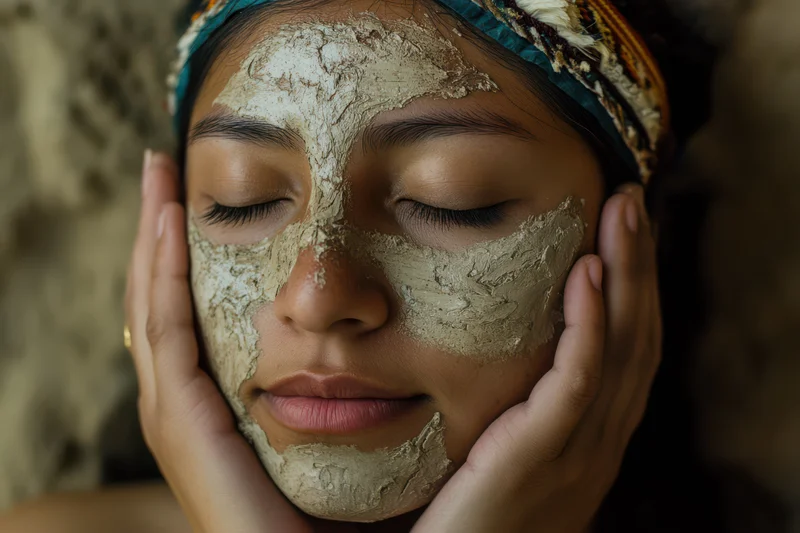
If you've ever wondered why chandan (sandalwood) has been a staple in Indian skincare for thousands of years — the answer is simple. It works. A chandan face pack is a time-tested Ayurvedic remedy that brightens skin tone, fights acne, soothes inflammation, and delivers a natural cooling effect that few modern ingredients can match. Whether you make one at home with pure chandan powder or pick up a ready-made product, this guide covers everything: the real science behind sandalwood's benefits, the best DIY recipes for every skin type, how to choose authentic chandan powder, how often to use it, and the precautions nobody else is talking about.
Let's get into it.
What Is a Chandan (Sandalwood) Face Pack?
A chandan face pack is a topical paste made from sandalwood powder — known as chandan churna in Ayurveda — often mixed with other natural ingredients like rose water, honey, turmeric, or milk. Applied to the face for 15–20 minutes, it aims to improve skin clarity, reduce blemishes, and give the complexion a healthy, luminous glow.
The powder is derived from the heartwood of the sandalwood tree (Santalum album), primarily native to Southern India, particularly the forests of Karnataka and Tamil Nadu. India has been the world's most significant source of true sandalwood for centuries, and the ingredient holds deep cultural significance — it's used in temples, weddings, and daily skincare rituals alike.
Origin and Ayurvedic Significance of Chandan
In Ayurvedic texts dating back over 5,000 years, chandan is classified as a varnya (complexion-enhancing) and shothahara (anti-inflammatory) herb. Classical references in the Charaka Samhita and Sushruta Samhita describe sandalwood as a key ingredient in lepa (medicinal pastes) for skin diseases, burning sensations, and wound healing.
According to Ayurvedic philosophy, chandan is particularly effective for pacifying Pitta dosha — the energy governing heat, inflammation, and metabolic processes. This is why it feels so cooling on the skin and is especially recommended for people with Pitta-predominant constitutions who tend to experience redness, sensitivity, and inflammatory breakouts.
But it doesn't stop at Pitta. Chandan's mild astringent properties also benefit Kapha-type oily, congested skin, while its moisturizing and soothing nature supports Vata-type dry, rough skin when combined with hydrating ingredients like milk or honey.
White Sandalwood vs Red Sandalwood — What's the Difference?
This is a question most people get wrong, and most competitor articles don't even address it.
| Feature | White Sandalwood (Safed Chandan) | Red Sandalwood (Lal Chandan / Raktachandan) |
|---|---|---|
| Botanical name | Santalum album | Pterocarpus santalinus |
| Colour | Pale yellow-cream | Deep reddish-brown |
| Fragrance | Rich, distinctive aroma | Mild or no fragrance |
| Key compound | α-Santalol, β-Santalol | Santalin (pigment), pterostilbene |
| Best for | Overall glow, acne, anti-ageing, cooling | Pigmentation, tanning, dark spots |
| Price range | ₹800–₹3,000/100g (pure) | ₹200–₹600/100g |
| Availability | Restricted (government-regulated in India) | More widely available |
Bottom line: For a general-purpose chandan face pack, white sandalwood is the gold standard. Red sandalwood excels specifically at reducing hyperpigmentation and sun tan. Many DIY enthusiasts actually combine both for a comprehensive face pack.
7 Proven Benefits of Chandan Face Pack for Skin
Sandalwood isn't just folklore — modern dermatological research backs up many of its traditional claims. Here are the benefits, with the science to prove them.
1. Brightens and Evens Out Skin Tone
Chandan has been used as a natural skin brightener for generations. The active compound α-santalol has been shown to inhibit tyrosinase — the enzyme responsible for melanin production. A 2019 study published in the Journal of Clinical and Aesthetic Dermatology found that a sandalwood oil-based formulation improved skin evenness and reduced the appearance of hyperpigmentation in participants over a 4-week period.
2. Fights Acne and Prevents Breakouts
α-Santalol also demonstrates significant antibacterial activity. Research published in Planta Medica (2017) showed that sandalwood oil exhibited antimicrobial effects against Propionibacterium acnes (now Cutibacterium acnes), the bacteria most commonly implicated in acne. This makes chandan face packs a legitimate natural option for acne management — not just a grandmother's remedy.
3. Soothes Inflammation and Irritation
The anti-inflammatory properties of sandalwood are well-documented. A study in Phytotherapy Research (2014) demonstrated that α-santalol suppressed inflammatory mediators in skin cells. This is why chandan feels so calming on sunburned, irritated, or reactive skin.
4.Anti-Ageing — Reduces Fine Lines and Wrinkles
Sandalwood extract contains antioxidants that combat free radical damage — one of the primary drivers of premature ageing. Regular application of chandan face packs can help maintain skin elasticity and reduce the appearance of fine lines over time. While it won't replace retinol for deep wrinkles, it's a gentle, natural complement to any anti-ageing routine.
5. Deeply Moisturises and Hydrates Skin
- Unlike many clay-based face packs that strip moisture, chandan is naturally emollient. It helps skin retain hydration while still offering mild astringent benefits.
- This dual action makes it remarkably versatile — suitable for dry skin (when mixed with milk or honey) and oily skin alike.
6. Fades Dark Spots and Pigmentation
Consistent use of chandan paste — especially when combined with lemon juice or turmeric — can visibly reduce post-inflammatory hyperpigmentation (PIH) and stubborn dark spots. The tyrosinase-inhibiting mechanism mentioned earlier is the key driver here.
7. Natural Cooling Effect for Sun-Damaged Skin
Sandalwood has a naturally cooling virya (potency) in Ayurvedic terms. Applied as a face pack after sun exposure, it reduces the burning sensation and helps repair UV-induced damage. This cooling property is especially valuable in India's hot climate, making chandan a summer skincare essential.
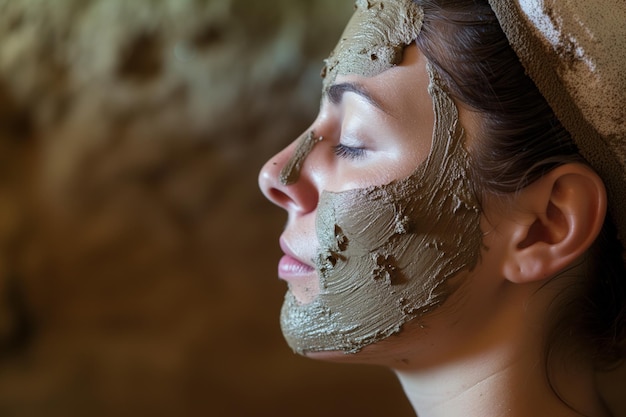
6 Best DIY Chandan Face Pack Recipes for Every Skin Type
- Here's where things get practical.
- Below are tested recipes — each tailored to a specific skin concern. The table below gives you a quick reference, followed by detailed instructions.
| Recipe | Best For | Key Ingredients | Time on Skin |
|---|---|---|---|
| Chandan + Rose Water | Glowing skin (all types) | Chandan powder, rose water | 15–20 min |
| Chandan + Honey + Milk | Dry skin | Chandan powder, raw honey, milk | 15–20 min |
| Chandan + Turmeric + Curd | Acne-prone skin | Chandan powder, turmeric, fresh curd | 12–15 min |
| Chandan + Cucumber Juice | Oily skin | Chandan powder, cucumber juice | 15 min |
| Chandan + Besan + Lemon | Tan removal | Chandan powder, gram flour, lemon juice | 10–15 min |
| Chandan + Aloe Vera | Sensitive/irritated skin | Chandan powder, fresh aloe vera gel | 15–20 min |
Chandan + Rose Water Pack (For Glowing Skin)
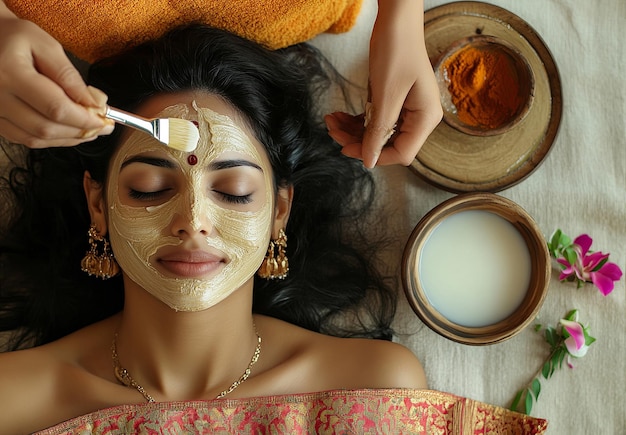
Ingredients: 2 tsp chandan powder + 3–4 tsp rose water Method: Mix into a smooth paste. Apply evenly on clean face and neck. Leave for 15–20 minutes until semi-dry. Wash off with lukewarm water using gentle circular motions. Why it works: Rose water is a natural humectant and toner. Combined with chandan's brightening properties, this is the simplest and most universally effective pack — great for beginners.
Chandan + Honey + Milk Pack (For Dry Skin)
Ingredients: 2 tsp chandan powder + 1 tsp raw honey + 2 tsp cold milk Method: Blend all ingredients. Apply a thick layer, focusing on dry patches around cheeks and forehead. Leave for 15–20 minutes. Rinse with cool water. Why it works: Honey is a humectant that draws moisture into the skin. Milk contains lactic acid, a gentle AHA that exfoliates while nourishing. Together with chandan, this pack addresses dryness without clogging pores.
Chandan + Turmeric + Curd Pack (For Acne-Prone Skin)
Ingredients: 2 tsp chandan powder + ½ tsp turmeric + 2 tsp fresh curd (yogurt) Method: Mix thoroughly (use a non-metal bowl to prevent oxidation of turmeric). Apply on face avoiding the eye area. Leave for 12–15 minutes. Wash off and follow with a light, non-comedogenic moisturiser. Why it works: Turmeric's curcumin is a potent anti-inflammatory and antibacterial agent. Curd contains probiotics and lactic acid that balance skin's pH and reduce excess sebum. This is the most effective DIY chandan pack for active breakouts.
> Pro tip: Use only a pinch of turmeric — too much will temporarily stain your skin yellow.
Chandan + Cucumber Juice Pack (For Oily Skin)
Ingredients: 2 tsp chandan powder + 2–3 tsp fresh cucumber juice Method: Grate cucumber and squeeze out the juice. Mix with chandan powder. Apply, leave for 15 minutes, rinse off. Why it works: Cucumber is over 95% water with natural astringent properties. It controls excess oil production while chandan's mild astringency tightens pores. Perfect for hot, humid weather.
Chandan + Besan + Lemon Pack (For Tan Removal)
Ingredients: 1 tsp chandan powder + 2 tsp besan (gram flour) + 1 tsp lemon juice + rose water as needed
- Method: Combine into a paste.
- Apply evenly, leave for 10–15 minutes.
- Do NOT leave longer — lemon juice can sensitise skin if left on too long. Rinse with cool water.
Why it works: Besan is a gentle exfoliant; lemon juice contains vitamin C and citric acid that targets melanin deposits. This is one of the most effective natural de-tanning formulations.
Important Note on Lemon Juice
Lemon juice makes skin photosensitive. Always apply sunscreen if you step out within 24 hours of using this pack. If you have sensitive skin, replace lemon juice with tomato juice for a gentler alternative.
Chandan + Aloe Vera Pack (For Sensitive/Irritated Skin)
Ingredients: 2 tsp chandan powder + 2 tsp fresh aloe vera gel Method: Mix and apply on cleansed skin. Leave for 15–20 minutes. Wash with cool water, pat dry gently. Why it works: Aloe vera is one of nature's most soothing anti-inflammatory agents. It calms redness, reduces itching, and accelerates healing. Combined with chandan, this pack is ideal after sunburns, waxing, or during eczema flare-ups.
How to Use Chandan Face Pack: Step-by-Step Guide
Getting the technique right matters just as much as the recipe.
Here's the proper method:
- Cleanse your face with a mild, sulfate-free cleanser. Pat dry.
- Optional: Steam your face for 3–5 minutes to open pores (this helps the active compounds penetrate better).
- Apply the pack in an even, medium-thick layer using upward strokes. Avoid the under-eye area and lips.
- Relax for 15–20 minutes. Do not let the pack dry completely until it cracks — this pulls moisture from the skin. Semi-dry is ideal.
- Rinse with lukewarm water, using gentle circular motions to get a mild exfoliation effect.
- Tone with rose water or a gentle toner.
- Moisturise immediately to lock in hydration.
How Often Should You Apply a Chandan Face Pack?
This is something almost no article online actually answers clearly, so here is a straightforward guideline:
| Skin Type | Frequency | Course Duration for Visible Results |
|---|---|---|
| Normal skin | 2 times per week | 3–4 weeks |
| Oily/acne-prone | 2–3 times per week | 2–3 weeks |
| Dry skin | 1–2 times per week | 4–6 weeks |
| Sensitive skin | Once a week | 4–6 weeks |
Consistency is key. Don't expect overnight miracles — natural ingredients work gradually. Most people notice a visible improvement in skin brightness and texture within 3–4 weeks of regular use.
Can We Use Chandan on Face Daily?
Short answer: it's not recommended for most people. Daily application can lead to excessive dryness, especially if you're using it without adequate hydrating ingredients. Sandalwood has mild astringent properties that, when overused, may disrupt your skin's natural moisture barrier. Stick to 2–3 times per week maximum for best results.
- The only exception: if you're using a very thin paste of chandan with rose water or milk as a daily moisturizing ritual (not a thick mask), some Ayurvedic practitioners do endorse this practice for Pitta-type skin in hot climates.
- But monitor your skin closely — if you notice tightness or flaking, reduce frequency immediately.
DIY Chandan Face Packs vs Ready-Made Products: Which Is Better?
Nobody else is doing this comparison, and it's genuinely useful. Let's break it down.
| Factor | DIY Chandan Face Pack | Ready-Made (Store-Bought) |
|---|---|---|
| Purity | You control the ingredients | May contain fillers, preservatives |
| Cost | ₹20–₹50 per application | ₹150–₹500 per pack |
| Convenience | Requires preparation each time | Ready to use |
| Shelf life | Must be used immediately (no preservatives) | 12–24 months |
| Customization | Fully customizable per skin need | One-size-fits-all formulation |
| Consistency | May vary batch to batch | Standardized texture |
| Efficacy | High (if using pure chandan) | Variable (depends on chandan concentration) |
The verdict: If you have access to pure, authentic chandan powder, DIY packs are generally more effective and economical. Ready-made products are better for convenience and travel, but always check the ingredient list — some "chandan" face packs contain less than 5% actual sandalwood.
How to Choose Authentic Chandan Powder (And Avoid Fakes)
India's sandalwood market is riddled with adulteration. The genuine Santalum album is government-regulated and expensive, which makes it a prime target for counterfeiters.
Here's how to ensure you're getting the real thing:
Key Authenticity Tests
- 1.The Aroma Test: Genuine white sandalwood has a deep, creamy, woody fragrance that lingers for hours. Fake powder often smells synthetic or fades within minutes.
- 2.The Water Test: Mix a pinch with water — pure chandan powder creates a smooth, non-gritty paste. Adulterated versions feel sandy or grainy.
- 3.The Colour Test: Authentic white sandalwood powder is pale yellow to light tan. If it's bright yellow or brown, it's likely mixed with turmeric or wood dust.
- 4.Price Check: If someone's selling "pure sandalwood powder" for ₹100 per 100 grams, it's almost certainly fake. Genuine Mysore sandalwood powder costs ₹800–₹3,000 per 100g, depending on grade.
- 5.Source Verification: Purchase from government-authorized outlets like KSFDC (Karnataka Soaps and Detergents), Khadi stores, or reputable Ayurvedic brands with GMP certification.
Red Chandan Face Pack — When to Choose It?
Red sandalwood (Raktachandan) is a better pick if your primary concern is hyperpigmentation or sun tan. It contains pterostilbene, a potent antioxidant with skin-lightening properties. It's also significantly cheaper and more readily available than white sandalwood. However, it lacks the aromatic compounds and doesn't offer the same cooling or anti-bacterial benefits.
Many Ayurvedic practitioners recommend using red chandan externally for skin issues and white chandan for both skin and meditative purposes (the fragrance has calming psychoactive effects).
Don't wait or self medicate. Start chat with Doctor NOW
Chandan Face Pack for Men: Why It's Not Just a "Women's Thing"
Here's a segment the entire internet seems to have forgotten about.
Men deal with specific skin challenges — post-shave irritation, larger pores, excess oiliness from higher androgen levels, and sun damage from spending more time outdoors without sunscreen. Chandan addresses every single one of these concerns.
Best chandan face pack for men:
- 2 tsp chandan powder
- 1 tsp multani mitti (Fuller's earth)
- 2 tsp rose water
- ½ tsp tea tree oil (optional, for acne)
Mix and apply after shaving (wait at least 30 minutes post-shave to avoid stinging). Leave for 15 minutes. This combination controls oil, prevents razor bumps, and reduces post-shave redness.
Frequency for men: 2 times per week. Men's skin is generally thicker and oilier, so it tolerates slightly more frequent application.
Seasonal Adaptations: Summer vs. Winter Chandan Face Packs
Your chandan face pack should change with the seasons.
Here's how:
Summer (March–September)
- Use cooling bases: cucumber juice, rose water, aloe vera
- Apply 2–3 times per week (skin is oilier in heat)
- Add a drop of tea tree oil if humidity is causing breakouts
- Always follow with SPF 30+ sunscreen
Winter (October–February)
- Use moisturizing bases: milk, honey, cream (malai)
- Reduce frequency to 1–2 times per week
- Add a few drops of almond oil if skin feels tight after the pack
- Follow with a heavier moisturizer than you'd use in summer
Precautions, Side Effects & Who Should Avoid Chandan Face Packs
This section is critical and almost universally ignored by other articles online.
Potential Side Effects
- Allergic reactions: Though rare, some individuals are allergic to sandalwood. Symptoms include redness, itching, hives, or swelling. A 2016 review in Contact Dermatitis noted that sandalwood oil can cause allergic contact dermatitis in sensitized individuals.
- Dryness and tightness: Leaving the pack on too long or using it too frequently can strip natural oils, especially on dry or mature skin.
- Photosensitivity: If you mix chandan with lemon juice or certain essential oils, your skin may become more sensitive to UV radiation.
Always Do a Patch Test
Before your first application, apply a small amount of the prepared pack to the inside of your wrist or behind your ear. Wait 24 hours. If there's no redness, itching, or irritation, proceed with facial application.
Who Should Avoid or Use With Caution
- People with known sandalwood allergy
- Those with open wounds, active eczema lesions, or severe cystic acne (consult a dermatologist first)
- Pregnant women should consult their healthcare provider before using sandalwood-based products, especially those containing essential oils
- Children under 6 — their skin is too delicate for most face packs
Chandan Face Pack vs Multani Mitti: Which Is Better?
This is one of the most commonly searched comparisons, and the honest answer is: they serve different purposes.
| Parameter | Chandan Face Pack | Multani Mitti (Fuller's Earth) |
|---|---|---|
| Primary action | Brightening, soothing, anti-inflammatory | Deep cleansing, oil absorption |
| Best for | All skin types, especially sensitive | Oily and combination skin |
| Cooling effect | Strong | Moderate |
| Anti-bacterial | Yes (α-santalol) | Minimal |
| Moisturizing | Mildly moisturizing | Can be drying |
| Anti-ageing | Yes | No |
| Cost | Expensive (if pure) | Very affordable |
| Can be used on sensitive skin? | Yes | Not recommended for very dry/sensitive skin |
Pro tip: For oily, acne-prone skin, combine both — 1 tsp chandan + 1 tsp multani mitti + rose water. You get the oil-absorbing power of multani mitti with the soothing, antibacterial benefits of chandan. Best of both worlds.
Frequently Asked Questions (FAQ)
How to use chandan for skin whitening?
Mix 2 tsp chandan powder with 1 tsp lemon juice and 2 tsp raw milk. Apply 2–3 times a week for 4–6 weeks. The α-santalol in sandalwood inhibits melanin production, while lemon's vitamin C provides additional brightening. "Whitening" is a gradual process — expect a more even, luminous tone rather than a drastic colour change.
Can chandan remove dark spots?
Yes, with consistent use. Chandan's tyrosinase-inhibiting properties help fade post-inflammatory hyperpigmentation and dark spots. For best results, combine chandan with turmeric or red sandalwood powder and apply 2 times per week for at least 4–6 weeks. Deep or old spots may need 8–12 weeks.
Is chandan face pack good for pimples?
- Absolutely. Sandalwood has clinically demonstrated antibacterial activity against Cutibacterium acnes. For active pimples, use the chandan + turmeric + curd recipe. For prevention, the chandan + rose water pack is sufficient.
- Avoid applying directly on open, bleeding pimples — wait until they've closed.
Can I mix chandan powder with multani mitti?
- Yes, and it's actually an excellent combination for oily skin.
- Use a 1:1 ratio with rose water. The multani mitti absorbs excess sebum while chandan soothes and prevents post-mask irritation. Don't leave this combination on for more than 15 minutes, as multani mitti can be quite drying.
What is the shelf life of chandan powder?
- Properly stored pure chandan powder (in an airtight container, away from direct sunlight and moisture) lasts 12–18 months without significant loss of potency.
- However, once mixed into a paste, use it immediately — there are no preservatives, and bacteria can proliferate rapidly in a wet herbal mixture.
Is there a specific dosha-based recommendation for chandan face packs?
- Yes.
- Pitta dosha benefits most from chandan — use with cooling ingredients like rose water, cucumber, and aloe vera. Kapha dosha pairs chandan with astringent ingredients like lemon, multani mitti, or besan to combat oiliness.
- Vata dosha needs extra hydration — combine chandan with milk, cream, honey, or almond oil to prevent drying.
Final Thoughts: Making Chandan a Part of Your Skincare Ritual
Chandan isn't a trend — it's a tradition backed by millennia of practice and now validated by modern science. Whether you're dealing with acne, pigmentation, dullness, or simply want a natural glow, there is a chandan face pack recipe for you.
The key to success? Authenticity (use real sandalwood, not fillers), consistency (stick to your schedule for at least 4 weeks), and personalization (choose recipes based on your skin type and dosha, not random internet suggestions).
- Start with the simple chandan + rose water pack. Observe how your skin responds. Then experiment with other combinations.
- Your skin will tell you what it needs — you just have to listen.
Have a specific skin concern you'd like to address with chandan? Drop your question below, or consult with a certified Ayurvedic practitioner for personalized guidance tailored to your skin type and constitution.
Scientific Sources
- Ayurvedic Herbal Medicines: A Literature Review of Their Applications in Female Reproductive Health — Patibandla S et al., 2024, Cureus
- Turmeric and Curcumin: From Traditional to Modern Medicine — Akaberi M et al., 2021, Advances in experimental medicine and biology
- Turmeric — 2006
- Efficacy and safety of curcumin therapy for knee osteoarthritis: A Bayesian network meta-analysis — Zhao J et al., 2024, Journal of ethnopharmacology
- Clinical Studies on Topical Curcumin — Di Lorenzo R et al., 2023, Skin pharmacology and physiology
- Polycystic ovaries and herbal remedies: A systematic review — Manouchehri A et al., 2023, JBRA assisted reproduction
- Aloe Vera Gel and Rind-Derived Nanoparticles Mitigate Skin Photoaging via Activation of Nrf2/ARE Pathway — Sun Z et al., 2025, International journal of nanomedicine
- Aloe Vera — 2012
- Aloe-emodin: A review of its pharmacology, toxicity, and pharmacokinetics — Dong X et al., 2020, Phytotherapy research : PTR
- Is it safe to consume traditional medicinal plants during pregnancy? — Bernstein N et al., 2021, Phytotherapy research : PTR
- Qualitative phytochemical profiling, antioxidant activity, and development of a water-in-oil cream containing combined oil and water infusions of frankincense resin (Boswellia spp.): a preliminary in vitro study — Javed S et al., 2026, Journal of pharmacy & pharmaceutical sciences : a publication of the Canadian Society for Pharmaceutical Sciences, Societe canadienne des sciences pharmaceutiques
Questions from users
What benefits does Chandan provide for skin hydration and moisture retention?
Walter
3 days ago
Chandan (sandalwood) is great for skin hydration and moisture retention. It helps maintain moisture balance and soothes dryness due to its cooling properties. It calms inflammation too. Just make sure to integrate it with a good moisturizer to get the best results!
Can I use Chandan face pack if I have oily skin?
Penelope
12 days ago
Absolutely, you can use Chandan face pack if you've got oily skin. It's cooling and helps to balance sebum production, which is often the culprit for oily skin. Make sure the face pack is not too heavy or creamy, though. Mixing it with rose water instead of milk might be a good idea for you!
Can I use Chandan face pack on my acne scars for better healing?
Leslie
21 days ago
Yes, Chandan face pack can be beneficial for acne scars! It has cooling and anti-inflammatory properties that help soothe the skin. Just remember to consider your skin's prakriti: if it's too dry, mix it with a hydrating ingredient like honey. Always do a patch test first to avoid irritation, alright? 😉
What is the best way to combine Chandan with other herbal ingredients for a face pack?
Andrew
31 days ago
You could mix Chandan with a little bit of rose water for hydration, or add a pinch of turmeric for its anti-inflammatory properties. If you have dry skin, mixing it with honey might work wonders. Just keep an eye on how your skin reacts, as everyones’ skin is a bit different. 😊
What is the best time of day to apply a Chandan face pack for maximum benefits?
Lucy
40 days ago
Applying a Chandan face pack in the evening is a great idea. The cooling properties of Chandan can help calm your skin after a long day, reducing redness and irritation. And plus, your skin can soak up the benefits overnight. Try it and see how your skin feels!
Can I use Chandan face pack to reduce the appearance of fine lines?
Rae
50 days ago
Yeah, totally! A Chandan face pack can help with fine lines because of its anti-inflammatory properties. It soothes the skin and might make those lines less noticeable. Just remember, results can vary depending on your skin type and consistency in use. And it's good to combine it with other skin care practices!
What is the role of Chandan in Ayurvedic skincare and its overall benefits for the skin?
Zoe
60 days ago
Chandan, or sandalwood, is a superstar in Ayurvedic skincare! It's loved for its cooling properties, great for calming skin irritation and inflammation. It also helps in purifying the skin, reducing blemishes, and evening out skin tone. If you're looking for that natural glow, Chandan's the way to go! Though if you have dry skin, just make sure to use it with a moisturizing base like milk or honey.
Can I use Chandan face pack to help with skin irritation or redness?
Xanthe
69 days ago
Yes, Chandan (sandalwood) face pack can help with skin irritation or redness due to its cooling and soothing properties. It helps balance pitta dosha, which is often involved in inflammation and redness. Just make sure you're not allergic to it! If irritation persists, it might be worth consulting an Ayurveda practitioner.
Is it safe to use a Chandan face pack daily on all skin types?
Gabriella
79 days ago
Using a Chandan face pack daily might be too much for some skin types, especially if your skin's sensitive or very dry. It’s gentle and soothing, but daily use could disrupt your skin’s natural balance. Try 2-3 times a week, see how your skin reacts. Always patch test new products to check for any reaction!
What should I be aware of regarding the sourcing of Chandan to ensure it's sustainable?
Hunter
156 days ago
To ensure Chandan is sourced sustainably, look for certifications like FSC (Forest Stewardship Council), which indicates responsible sourcing. Also, buying from reputable Ayurvedic suppliers can ensure ethical practices. Supporting companies that practice reforestation and sustainable harvesting methods is key too! ❤️
Related articles

Skin and Hair Disorders
Can We Use Rice Water Daily on Hair: Benefits and Risks
Discover if you can use rice water daily on hair, its benefits, side effects, and Ayurvedic tips for healthy, strong hair with natural shine
9,044

Skin and Hair Disorders
Ayurvedic Treatment for Ichthyosis Vulgaris: Skin Healing Guide
Explore Ayurvedic approaches for ichthyosis vulgaris. Discover natural remedies, herbal treatments, and lifestyle tips to manage dry, scaly skin and promote healthy complexion.
3,736

Skin and Hair Disorders
Why White Hair Happens — And How Ayurveda Looks at It
Yep, we’re going there. White hair. Those stubborn little strands that show up uninvited, sometimes way too early, and totally ignore how old you feel. While some folks wear them like a badge of wisdom (hello, silver foxes), for others, spotting that firs
3,478

Skin and Hair Disorders
How to Apply Aloe Vera on Hair: Ayurvedic Benefits, Methods, and Results
How to apply aloe vera on hair? Discover how to use aloe vera for dandruff, learn its overnight benefits, side effects, and how long to leave it on
14,701

Skin and Hair Disorders
Sebaceous Cyst Ayurvedic Treatment – Natural Approach for Cyst Reduction
Discover the benefits of sebaceous cyst ayurvedic treatment using herbal formulations, detoxification, and dosha balancing to promote healing and reduce cysts naturally.
9,754

Skin and Hair Disorders
vIs Elaichi Good for Hair? Ayurvedic Benefits of Cardamom for Hair Health
Explore whether elaichi is good for hair. Learn about cardamom benefits for hair, growth remedies, and how elaichi with hot water supports scalp health
5,159

Skin and Hair Disorders
Garlic for Hair: Ayurvedic Uses, Growth & Cautions
Is garlic good for hair? Learn about garlic benefits for hair growth, how to use garlic oil and juice, and potential side effects in Ayurvedic hair care routine
11,647

Skin and Hair Disorders
Ayurvedic Medicine for Premature Grey Hair: What You Really Need to Know
Now, maybe you’ve spotted those first silvery threads in your twenties. Or maybe they arrived in your thirties, and now they’ve multiplied like they own the place. Either way, you’re not alone. Studies suggest that premature greying affects nearly 15–30%
5,090
Skin and Hair Disorders
Kachayapanam Kuzhambu: An Ayurvedic Marvel for Holistic Healing
Kachayapanam Kuzhambu is a unique Ayurvedic herbal oil known for its potent healing properties. It is widely used in the treatment of skin disorders, joint pain, and various inflammatory conditions.
2,292

Skin and Hair Disorders
Gandhak Rasayan Tablet Uses: Benefits, Dosage, and Ingredients
Discover Gandhak Rasayan tablet uses, dosage, and ingredients. Learn how this Ayurvedic remedy supports skin health, detox, and immune balance
5,114
Related questions on the topic
Legal
Additional Documents
© 2024 Ask Ayurveda. All rights reserved.