Ask Ayurvedic doctor a question and get a consultation online on the problem of your concern in a free or paid mode. More than 2,000 experienced doctors work and wait for your questions on our site and help users to solve their health problems every day.
FREE! Ask Ayurvedic Doctors 24/7

 Fast responses
 1000+ verified doctors
Body DetoxEar, Nose, and Throat DisordersGeriatrics & RejuvenationImmunodeficiencyInfertility TreatmentNutritionOrthopedic DisordersPediatricsRespiratory DisordersSexually Transmitted Diseases (STDs)Surgery RecoveryUrological DisordersVascular DisordersDental DisordersEndocrinological DisordersGastrointestinal DisordersYoga TherapyGeneral MedicineAllergic DisordersCardio DisordersGynecology and ObstetricsCosmetologySkin and Hair DisordersEye DisordersInfectious DiseasesMental DisordersNeurological DisordersOncologyPanchakarmaSexual Health & DisordersSports Medicine
Published on 03/11/25
(Updated on 06/19/26)
3,377
Fatty Liver Grade 2 Ayurvedic Treatment – Holistic & Scientific Approach
Fatty liver disease, especially at Grade 2, has become a growing health concern worldwide. While conventional medicine offers treatments centered around lifestyle changes and medications, Ayurveda provides a holistic approach that integrates herbal remedies, detoxification techniques, and diet modifications. In this article, we explore fatty liver grade 2 ayurvedic treatment from both traditional and modern scientific perspectives, offering balanced insights for readers seeking a natural pathway to liver health.
Disclaimer: This article is intended for informational purposes only and is not a substitute for professional medical advice. Always consult a qualified healthcare provider before beginning any new treatment regimen.
Understanding Fatty Liver Grade 2
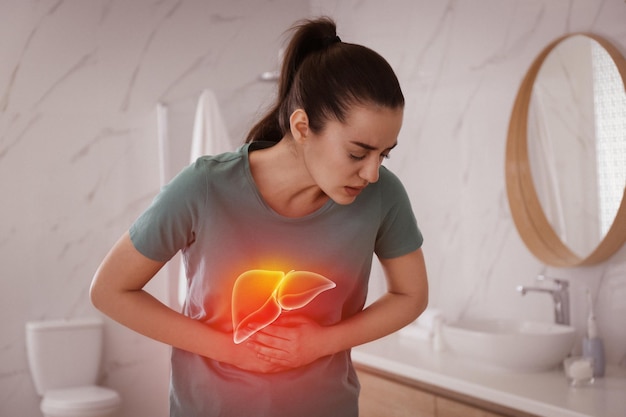
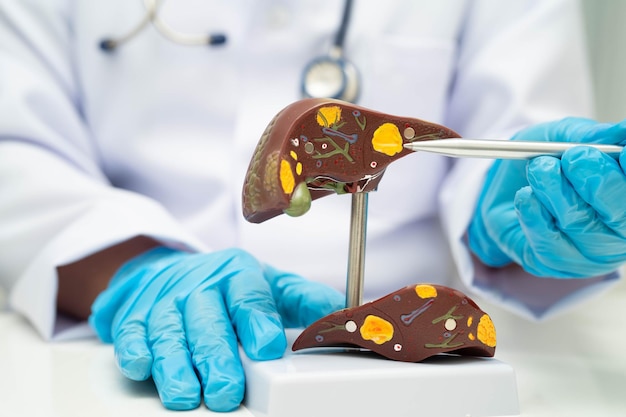
Fatty liver disease is characterized by an abnormal buildup of fat in liver cells. Grade 2 fatty liver indicates a moderate accumulation, which can lead to inflammation and potential progression to more serious liver conditions if not addressed promptly.
Key Features of Fatty Liver Grade 2
- Moderate fat accumulation: Visible on imaging studies, indicating more fat deposition than Grade 1.
- Inflammatory changes: Mild to moderate inflammation that may not yet cause significant symptoms.
- Risk factors: Poor diet, sedentary lifestyle, obesity, insulin resistance, and alcohol consumption.
Fatty liver disease is often a silent condition, with many individuals unaware of its progression until routine tests or complications arise. This early stage, however, is an ideal time for intervention through lifestyle changes and complementary therapies such as Ayurveda.
The Ayurvedic Perspective on Liver Health
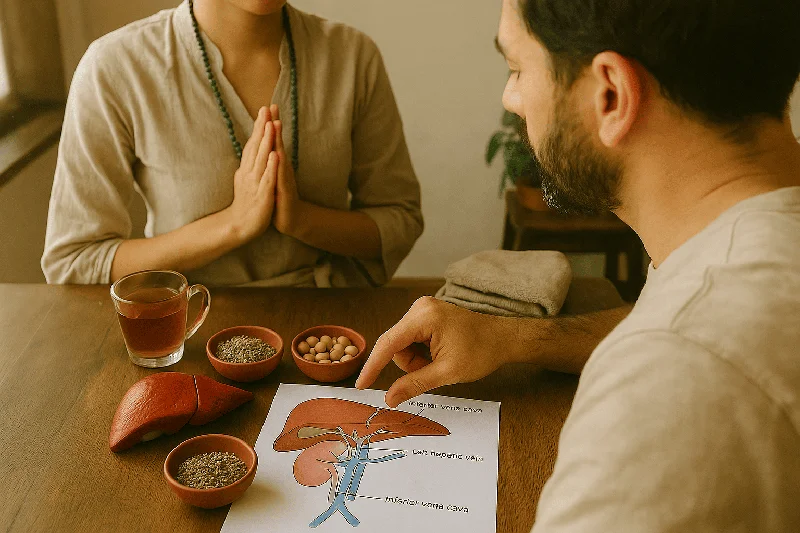
Ayurveda, a 5,000-year-old holistic system of medicine, views the liver as a central organ in maintaining overall health and balance. In Ayurvedic texts, the liver is intricately linked to the concept of Medo Dhatu (fat tissue) and is closely associated with the Pitta Dosha, which governs metabolism and digestion.
Core Principles in Ayurvedic Liver Care
- Holistic Balance: Ayurveda emphasizes balancing the three doshas (Vata, Pitta, and Kapha) to promote optimal organ function.
- Detoxification (Panchakarma): Cleansing the body of toxins (ama) through specialized detox techniques helps restore liver health.
- Herbal Remedies: Natural herbs and formulations are used to support liver detoxification, improve digestion, and reduce inflammation.
- Dietary Adjustments: Emphasis on fresh, whole foods, and specific dietary guidelines tailored to one’s dosha to reduce the liver’s burden.
Classical texts such as the Charaka Samhita and Sushruta Samhita detail various herbs and therapies that are used to manage liver disorders, showcasing Ayurveda’s long-standing commitment to liver health.
Core Ayurvedic Treatments for Fatty Liver Grade 2
Ayurvedic treatment for fatty liver at Grade 2 is multi-faceted, focusing on cleansing, nourishment, and restoration of balance. Here, we detail the primary modalities:
1. Herbal Remedies
Ayurvedic herbs play a pivotal role in managing fatty liver by promoting detoxification and reducing inflammation. Some key herbs include:
- Kutki (Picrorhiza kurroa): Renowned for its hepatoprotective properties and ability to stimulate liver cell regeneration.
- Punarnava (Boerhavia diffusa): Helps reduce water retention and supports liver detoxification.
- Bhumyamalaki (Phyllanthus niruri): Known for its antioxidant and anti-inflammatory properties, aiding in liver repair.
- Turmeric (Curcuma longa): Contains curcumin, which has demonstrated anti-inflammatory and antioxidant benefits in several studies.
These herbs are often prepared as decoctions, powders, or incorporated into dietary supplements. For instance, a combination of Kutki and Punarnava is commonly used in Ayurvedic formulations aimed at liver cleansing.
2. Detoxification Techniques (Panchakarma)
Panchakarma is a comprehensive detox program in Ayurveda designed to eliminate accumulated toxins. Key components include:
- Vamana (Therapeutic Emesis): Helps expel excess Kapha, which may contribute to fat accumulation.
- Virechana (Purgation Therapy): Targets the elimination of toxins through the gastrointestinal tract.
- Basti (Medicated Enema): Aims to balance Vata and cleanse the colon, indirectly benefiting the liver.
These therapies are tailored to the individual’s constitution (Prakriti) and the severity of the condition, ensuring a personalized approach to treatment.
3. Diet and Lifestyle Modifications
Dietary changes are central to Ayurvedic treatment. Recommendations typically include:
- Light, Easily Digestible Foods: Favoring soups, stewed vegetables, and whole grains.
- Reduction of Heavy, Oily Foods: Minimizing intake of fried and processed foods.
- Inclusion of Bitter and Astringent Tastes: Foods like leafy greens, turmeric, and certain herbs support liver detox.
- Regular Eating Schedule: Helps stabilize metabolism and reduce the liver's workload.
Additionally, daily practices such as yoga and meditation are encouraged to reduce stress, which is a known aggravator of liver inflammation.
Don't wait or self medicate. Start chat with Doctor NOW
Modern Scientific Insights into Ayurvedic Treatments
While Ayurveda has been practiced for millennia, modern scientific research has begun to validate some of its principles and treatments. Here are some notable findings:
Evidence Supporting Ayurvedic Herbs
- Kutki (Picrorhiza kurroa): Several studies suggest that Kutki exhibits hepatoprotective effects, reducing liver enzyme levels and improving overall liver function. Research published in journals like the Journal of Ethnopharmacology indicates its potential in mitigating liver damage.
- Turmeric (Curcuma longa): Curcumin, the active ingredient in turmeric, has been extensively studied for its anti-inflammatory and antioxidant properties. Clinical trials have demonstrated its effectiveness in reducing liver inflammation and oxidative stress.
- Bhumyamalaki (Phyllanthus niruri): Studies in the Indian Journal of Gastroenterology have highlighted its potential in supporting liver health through its antioxidant properties.
Integration of Ayurveda with Modern Medicine
Modern hepatology increasingly recognizes the value of a holistic approach to liver health. While conventional treatments focus on controlling risk factors (such as managing diabetes, obesity, and cholesterol levels), integrating Ayurvedic principles may provide additional benefits by addressing the underlying imbalances in the body.
- Complementary Use: Some clinical trials have shown that combining herbal supplements with standard medical treatments can enhance patient outcomes, though more rigorous studies are needed for conclusive evidence.
- Safety and Efficacy: While Ayurvedic treatments are generally safe when administered correctly, scientific studies emphasize the importance of quality control and standardized dosages to avoid potential adverse effects.
Researchers continue to explore how these natural remedies interact with modern pharmaceuticals, and ongoing studies may soon provide a clearer picture of their full therapeutic potential.
Integrating Ayurvedic Practices with Modern Healthcare
For individuals diagnosed with fatty liver Grade 2, a collaborative approach that marries Ayurvedic wisdom with conventional medical care can be highly effective. Here are some steps to consider:
A Collaborative Treatment Plan
- Consultation with Healthcare Providers: Engage both your Ayurvedic practitioner and your primary care physician to create a cohesive treatment plan.
- Regular Monitoring: Utilize liver function tests and imaging studies to monitor progress, ensuring that the integrated approach is effective.
- Personalized Therapy: Tailor the combination of Ayurvedic herbs, dietary changes, and modern medications based on individual health status and response to treatment.
Benefits of a Dual Approach
- Holistic Healing: Combining therapies can address both symptoms and underlying causes, promoting overall wellness.
- Reduced Side Effects: Natural herbal remedies, when used appropriately, may help minimize the side effects often associated with conventional drugs.
- Sustainable Lifestyle Changes: Incorporating Ayurvedic practices encourages long-term lifestyle modifications that can prevent recurrence.
Lifestyle and Dietary Tips for Supporting Liver Health
Beyond specific treatments, daily lifestyle adjustments play a critical role in managing fatty liver disease. Here are some actionable tips:
Dietary Recommendations
- Increase Fiber Intake: Include plenty of fruits, vegetables, and whole grains to support digestion and toxin elimination.
- Hydrate Adequately: Drinking enough water aids in flushing out toxins and supports metabolic processes.
- Emphasize Plant-Based Foods: Focus on a diet rich in antioxidants by consuming berries, nuts, and green leafy vegetables.
- Moderate Protein Consumption: Opt for lean proteins such as legumes, fish, or chicken to reduce the burden on the liver.
- Limit Alcohol: Avoid or minimize alcohol consumption as it can exacerbate liver inflammation and fat accumulation.
Lifestyle Modifications
- Regular Exercise: Engage in moderate physical activity (e.g., walking, yoga, or swimming) to maintain a healthy weight and improve circulation.
- Stress Management: Incorporate mindfulness practices, meditation, or deep breathing exercises to reduce stress—a known contributor to liver inflammation.
- Sleep Hygiene: Ensure adequate and quality sleep to support the body's natural detoxification processes.
- Avoid Toxins: Reduce exposure to environmental toxins by choosing natural cleaning and personal care products whenever possible.
Frequently Asked Questions (FAQ)
Q1: What is Fatty Liver Grade 2 and how serious is it?
A: Grade 2 fatty liver signifies moderate fat accumulation in the liver. While it may not cause severe symptoms initially, it requires timely intervention to prevent progression to more serious liver conditions.
Q2: How does Ayurvedic treatment help with fatty liver?
A: Ayurvedic treatment addresses fatty liver by balancing the body’s doshas, detoxifying the liver through Panchakarma, and using herbal remedies that support liver health. These treatments work holistically to restore balance and reduce inflammation.
Q3: Are there scientific studies supporting Ayurvedic treatments for fatty liver?
A: Yes, several studies have shown that herbs like Kutki, turmeric, and Bhumyamalaki possess hepatoprotective properties. However, more large-scale clinical trials are needed to confirm their efficacy fully.
Q4: Can I combine Ayurvedic treatments with conventional medications?
A: Many patients benefit from an integrative approach. Always consult both your Ayurvedic practitioner and your healthcare provider to ensure that treatments are safe and complementary.
Q5: What lifestyle changes can I implement along with Ayurvedic treatments?
A: A balanced diet rich in fiber, regular exercise, stress management practices, and adequate hydration are key components in supporting liver health.
Conclusion
The journey to overcoming fatty liver Grade 2 involves a harmonious blend of ancient Ayurvedic wisdom and modern scientific insights. Fatty liver grade 2 ayurvedic treatment offers a multi-dimensional approach—incorporating herbal remedies, detoxification methods, and lifestyle modifications—that can help restore liver function and promote overall well-being.
By embracing both traditional practices and evidence-based medicine, individuals can create a personalized treatment plan that not only targets the symptoms but also addresses the root causes of liver imbalance. If you’re exploring natural ways to improve liver health, consider discussing Ayurvedic options with your healthcare provider.
Share your thoughts, experiences, or questions in the comments below, subscribe to our newsletter for more holistic health insights, and don’t forget to share this article on social media to help spread awareness about natural liver health solutions.
Questions from users
What are some signs that indicate my liver health is improving with Ayurveda?
Aaliyah
3 days ago
Signs of improved liver health through Ayurveda might include better digestion, more energy, clearer skin, and a reduction in symptoms like bloating or heaviness. You might also notice a better mood and overall sense of wellbeing. Remember though, in Ayurveda, it's all about balance and small changes can mean you're on the right track!
Is it safe to try Ayurvedic treatments for fatty liver while pregnant?
Waylon
12 days ago
It's crucial to be extra careful with any treatments during pregnancy. Some Ayurvedic remedies might not be safe for pregnant women, so it's best to chat with healthcare experts who know both Ayurveda and pregnancy. They can help you balance doshas safely. Your prakriti & baby’s health are priorities!
What is the Ayurvedic approach to preventing liver diseases before they occur?
Connor
21 days ago
Ayurveda focuses on balance and prevention, so for liver health, you might start with balancing your doshas, keeping a healthy Agni (digestive fire,) and supporting the liver with herbs like Amla and turmeric. Detoxing gently with a seasonal cleanse can also help. A diet rich in greens, fiber, and low in processed foods supports liver health too. Consider adopting routine practices like yoga and meditation to keep stress in check. Keeping an eye on your body's signals is key!
What is curcumin and how does it help with liver health?
Brooklyn
31 days ago
Curcumin, the main compound from turmeric, has great anti-inflammatory and antioxidant powers that can help support the liver. It helps in reducing oxidative stress and maybe protects liver cells from damage! If you're keen on liver health, maybe just chat with your doc about trying turmeric, they have good insights!
What is the importance of stress management in Ayurvedic treatment for fatty liver?
William
40 days ago
Managing stress is actually super important in Ayurvedic treatment for fatty liver. Stress can imbalance your doshas, especially Pitta and Vata, which can worsen liver function. Practicing meditation, yoga, or breathing exercises helps restore balance, support digestion, & enhance detoxification process. So always give yourself some chill time!
Is it safe to do Panchakarma detox if I have existing liver conditions?
Claire
50 days ago
If you have existing liver conditions, you should definitely consult a qualified Ayurvedic practitioner or healthcare provider before starting Panchakarma. Each liver condition is different, and Panchakarma should be customized to your specific needs to ensure safety and effectiveness. Kutki could be supportive, but get personalized advice first!
What is the best timing to take Ayurvedic herbs for fatty liver treatment?
Andrew
60 days ago
Taking Ayurvedic herbs for fatty liver, like Kutki and Punarnava, is usually best on an empty stomach, often in the morning, to support the body's natural detox processes. However, depending on one's dosha and specific digestive needs, it might differ. It's a good idea to chat with an Ayurvedic practitioner to tailor the timing to your unique constitution.
What is the role of diet in managing fatty liver disease alongside Ayurvedic treatments?
Valerie
69 days ago
Diet plays a huge role in managing fatty liver, especially in Ayurveda. Focus on foods that balance your doshas and support liver health, like fresh fruits, veggies, whole grains, and lean proteins. Avoid processed foods, fried stuff, and excess sugar. Adding spices like turmeric can help too! Always listen to your body and consider your unique constitution.
What are the common signs and symptoms of fatty liver disease?
Vesper
79 days ago
Fatty liver disease often comes without symptoms, but some folks may notice tiredness, discomfort in the upper right abdomen or unexplained weight loss. Sometimes liver enlargement shows up. If you're worried about symptoms, always good idea to check with a healthcare provider! They can give personalized advice.
How do I know if my fatty liver has progressed to a more serious condition?
John
156 days ago
To check if your fatty liver has become more serious, look out for symptoms like jaundice, abdominal pain, or swelling, which Ayurveda sees as imbalances in doshas or weak agni. A medical test like a liver function test or ultrasound can help confirm. Meanwhile, focus on a diet that supports liver detoxification and balances doshas.
Related articles

Gastrointestinal Disorders
Drakshadi Vati: Antioxidant Power for Liver & Wellness
Dive into Drakshadi Vati’s powerful antioxidant benefits. Learn how it supports liver health, boosts energy, and promotes overall wellness naturally.
2,518

Gastrointestinal Disorders
Ayurvedic Relief for Acid Reflux
Acid reflux is a common condition characterized by symptoms that can significantly affect daily life.
2,810

Gastrointestinal Disorders
Ras Pachak Vati Uses: An Ayurvedic Solution for Digestive Wellness
Ras Pachak Vati is a time-tested Ayurvedic remedy for digestive wellness. Its ability to relieve indigestion, acidity, and bloating makes it a must-have for those seeking natural and holistic solutions for gut health
3,668

Gastrointestinal Disorders
Effective Ayurvedic Treatment for BPH: Natural Remedies and Solutions
Discover effective ayurvedic treatment for BPH methods, natural remedies, and holistic approaches to manage benign prostatic hyperplasia using ancient wisdom.
3,488
Gastrointestinal Disorders
Pittashamak Vati: Balance Your Pitta with Effective Ayurvedic Remedies
Discover Pittashamak Vati, an Ayurvedic remedy to balance Pitta dosha. Learn its benefits, usage guidelines, dosage, and scientific insights for optimal health.
4,180

Gastrointestinal Disorders
Is Honey Good for Constipation? Benefits, Uses, and Precautions
Discover if honey is good for constipation and how to use it. Learn best time to take honey for constipation, benefits, and possible side effects
11,675

Gastrointestinal Disorders
Dhatryarishtam: Benefits, Dosage & Science-Backed Insights
Discover the proven benefits, proper dosage, side effects, and scientific research behind Dhatryarishtam, the powerful Ayurvedic herbal tonic.
1,806

Gastrointestinal Disorders
Patolamooladi Kashayam Benefits, Dose, Side Effects, Ingredients
Exploration of Patolamooladi Kashayam Benefits, Dose, Side Effects, Ingredients
1,321

Gastrointestinal Disorders
Punarnavarishta
Exploration of Punarnavarishta
9,719

Gastrointestinal Disorders
How Long Does Diarrhea Last and How to Support Recovery Naturally
How long does diarrhea last? Discover diarrhea duration from food poisoning, norovirus, alcohol, or stress. Explore Ayurvedic ways to restore gut balance
1,930
Related questions on the topic
Legal
Additional Documents
© 2024 Ask Ayurveda. All rights reserved.