FREE! Ask Ayurvedic Doctors 24/7

 Fast responses
 1000+ verified doctors
Ayurvedic Medicine for PID: A Comprehensive Guide
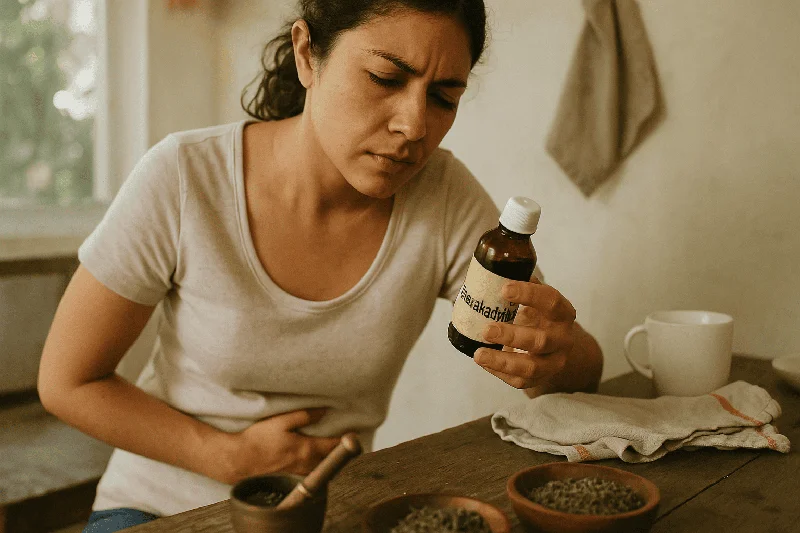
Pelvic Inflammatory Disease (PID) affects millions of individuals worldwide, often resulting from bacterial infections that ascend into the female reproductive organs. According to the World Health Organization (WHO), PID is a leading cause of infertility and chronic pelvic pain in women of reproductive age. In recent years, there has been growing interest in exploring complementary or alternative therapies—such as Ayurvedic medicine for PID—to supplement conventional medical treatments. This article delves into the scientific and Ayurvedic perspectives on PID, reviews current research findings, and offers balanced, evidence-based insights for those curious about a holistic approach.
Disclaimer: The information provided in this article is for educational purposes only and should not be considered a substitute for professional medical advice, diagnosis, or treatment. Always consult your healthcare provider for personalized guidance.
Table of Contents
- Understanding Pelvic Inflammatory Disease (PID)
- Conventional Medical Perspective on PID
- Ayurveda 101: Core Principles
- How Ayurveda Addresses PID
- Key Ayurvedic Herbs and Formulations
- Scientific Evidence and Clinical Studies
- Practical Tips for Integrating Ayurveda and Conventional Care
- Potential Risks and Precautions
- Frequently Asked Questions (FAQ)
- Conclusion: Bridging Ayurveda and Modern Medicine for PID
Understanding Pelvic Inflammatory Disease (PID)
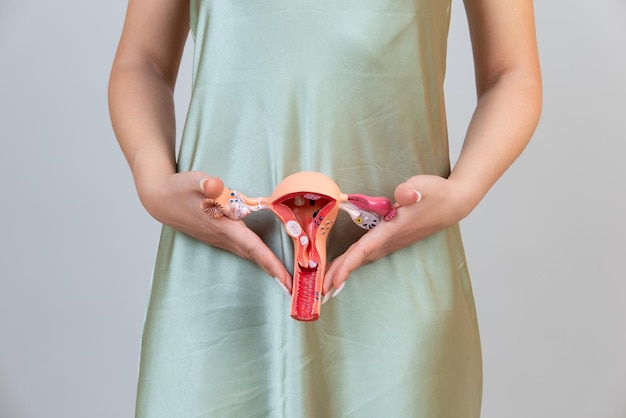
Pelvic Inflammatory Disease is an infection-driven inflammation of the female reproductive organs, including the uterus, fallopian tubes, and ovaries. Commonly, sexually transmitted infections (STIs) like Chlamydia trachomatis and Neisseria gonorrhoeae serve as primary culprits behind PID. However, non-sexually transmitted bacteria can also contribute, especially after childbirth, abortion, or other invasive procedures.
Key Facts About PID
- Incidence: PID is prevalent among sexually active women under the age of 25, although it can affect older women as well.
- Symptoms: Lower abdominal pain, abnormal vaginal discharge, fever, painful intercourse, and irregular menstruation.
- Complications: If left untreated, PID can lead to infertility, ectopic pregnancy, and chronic pelvic pain.
- Diagnosis: Healthcare providers typically employ pelvic exams, ultrasound, and lab tests (like endocervical swabs) to confirm PID.
While PID is commonly managed with antibiotics, certain patients may look for adjunct therapies—such as Ayurveda—to address underlying inflammation, support the immune system, and possibly reduce the risk of recurrence.
Conventional Medical Perspective on PID
From a modern medical standpoint, antibiotic therapy is the mainstay of PID treatment. Oral or intravenous antibiotics are administered to eliminate the pathogenic bacteria causing inflammation. Pain management, sexual partner testing, and follow-up are integral parts of the standard protocol. According to the U.S. Centers for Disease Control and Prevention (CDC), early treatment is crucial for preventing severe complications like scarring of the fallopian tubes.
Standard Protocols in Allopathic Medicine
- Antibiotic Combinations: Often includes cephalosporins, doxycycline, and metronidazole.
- Supportive Care: Bed rest, hydration, pain relievers (NSAIDs), and nutritional support.
- Follow-Up: Repeat examinations or ultrasounds to ensure the infection has cleared.
- Lifestyle Recommendations: Safe sex practices, regular screenings, and timely treatment of STIs.
Despite the effectiveness of antibiotics in eradicating infection, some individuals may experience recurrent episodes or complications, prompting them to explore integrative approaches.
Ayurveda 101: Core Principles
Ayurveda, one of the world’s oldest holistic healing systems, originated in India over 5,000 years ago. It is grounded in the concept of balancing the body’s three fundamental biological energies, known as doshas: Vata, Pitta, and Kapha.
Fundamental Ayurvedic Concepts
- Tridosha Theory: Health is maintained when Vata, Pitta, and Kapha are in balance.
- Agni (Digestive Fire): Proper digestion and metabolism are essential for overall health.
- Ojas (Vital Energy): The end-product of balanced digestion and metabolism, representing immunity and vitality.
- Prakriti (Body Constitution): Each individual has a unique blend of doshas, influencing susceptibility to various health conditions.
By focusing on dietary adjustments, herbal supplements, and lifestyle modifications, Ayurveda seeks to restore systemic balance. In the context of PID, Ayurvedic practitioners may target the underlying inflammation (often attributed to aggravated Pitta) and low immunity (possibly tied to Vata or Kapha imbalances).
How Ayurveda Addresses PID
Ayurvedic Perspective
In Ayurvedic texts, conditions that resemble PID may be described under categories involving pelvic congestion, infections, or disorders of the reproductive system. Ayurvedic philosophy would approach PID by:
- Reducing Pitta Imbalances: Pitta dosha is associated with heat and inflammation in the body, making it central to many infections.
- Improving the Body’s Immune Response (Ojas): Strengthening the immune system to ward off recurrent infections.
- Detoxification (Panchakarma): Using therapies like basti (medicated enemas) or virechana (therapeutic purgation) to eliminate toxins.
- Lifestyle Optimization: Adopting dietary changes, yoga, and pranayama (breathing exercises) to reduce stress and enhance circulation.
While Ayurveda provides a comprehensive framework for overall health improvement, it is vital to remember that PID is a severe infection that typically requires antibiotic intervention to prevent long-term damage to reproductive organs.
Key Ayurvedic Herbs and Formulations
A variety of Ayurvedic herbs are traditionally recommended for infections, inflammation, and boosting immunity. Below are some commonly cited herbs and formulations that may be part of an Ayurvedic approach to PID:
-
Turmeric (Curcuma longa)
- Active Component: Curcumin.
- Potential Benefits: Anti-inflammatory and antimicrobial properties (
PubMed ). - Usage: Often taken with warm milk or as a supplement.
-
Ashwagandha (Withania somnifera)
- Potential Benefits: Immunomodulatory effects that may help the body respond better to infections.
- Usage: Commonly available in powder or capsule form.
-
Guduchi (Tinospora cordifolia)
- Potential Benefits: Known in Ayurveda for its rejuvenating and immune-boosting properties.
- Usage: Typically used in decoctions or capsules.
-
Triphala
- Composition: A blend of three fruits—Amalaki (Emblica officinalis), Bibhitaki (Terminalia bellirica), and Haritaki (Terminalia chebula).
- Potential Benefits: Aids digestive health and detoxification.
- Usage: Taken as a powder with warm water or as a tablet.
-
Panchakarma Therapies
- Procedures: Virechana (purgation), Basti (enema), and others.
- Rationale: Believed to help remove accumulated toxins and balance doshas.
Note: While these herbs and therapies are frequently used in Ayurvedic practice, their efficacy in managing PID specifically remains subject to further clinical research. Always consult a qualified Ayurvedic practitioner and your primary healthcare provider before initiating any new treatment.
Scientific Evidence and Clinical Studies
Interest in Ayurvedic medicine for PID is growing, yet robust, large-scale clinical trials specifically examining Ayurvedic protocols for PID are limited. Here is a summary of what the existing body of research suggests:
- Inflammation and Immunity: Herbs like turmeric and ashwagandha have documented anti-inflammatory and immunomodulatory effects in various studies (
National Center for Complementary and Integrative Health ). However, these studies often focus on general inflammation rather than PID-specific inflammation. - Antibacterial Properties: Certain Ayurvedic formulations exhibit antibacterial properties in laboratory settings. For instance, turmeric has shown efficacy against various bacterial strains, but clinical trials on Neisseria gonorrhoeae or Chlamydia trachomatis are scarce.
- Adjunctive Therapy: Preliminary reports suggest that Ayurvedic interventions, when combined with standard antibiotics, might support overall health and reduce recurrence rates. However, more randomized controlled trials (RCTs) are needed to confirm these findings definitively.
Ultimately, while there is a promising theoretical basis, more rigorous scientific research is required to establish clear guidelines for Ayurvedic medicine for PID. Existing studies highlight potential complementary benefits, but they do not replace antibiotic regimens.

Practical Tips for Integrating Ayurveda and Conventional Care
-
Consult with Professionals
- Always involve both your gynecologist and a certified Ayurvedic practitioner. Inform them about any herbs or supplements you intend to take.
-
Adopt a Balanced Diet
- Emphasize anti-inflammatory foods like fresh fruits, vegetables, whole grains, and healthy fats.
- Limit sugary, processed, and excessively spicy foods to help reduce Pitta imbalance.
-
Stay Hydrated
- Adequate water intake assists in detoxification and supports overall metabolic function.
-
Optimize Sleep and Stress Management
- Insufficient sleep or chronic stress can weaken the immune system, making the body more susceptible to infections.
- Incorporate yoga, pranayama, or meditation sessions to foster mental balance.
-
Hygiene and Safe Sexual Practices
- Use condoms to prevent sexually transmitted infections.
- Follow personal hygiene measures, especially during menstruation, to reduce infection risk.
-
Regular Medical Check-Ups
- PID requires consistent follow-up to ensure the infection has resolved.
- If you notice persistent symptoms like pain or abnormal discharge, seek immediate medical evaluation.
By combining the strengths of modern medicine—such as targeted antibiotics—with the supportive, holistic strategies offered by Ayurveda, individuals may achieve a more comprehensive approach to managing PID.
Potential Risks and Precautions
- Drug-Herb Interactions: Certain herbal supplements can interact with medications (including antibiotics and pain relievers), potentially reducing their efficacy or causing side effects.
- Quality Control: Ayurvedic products vary significantly in quality. Always look for reputable brands that adhere to good manufacturing practices (GMP).
- Misdiagnosis or Delayed Treatment: Depending solely on Ayurvedic remedies for acute PID may lead to delays in receiving necessary antibiotic treatment, heightening the risk of complications.
- Allergic Reactions: Herbs like turmeric or ashwagandha can sometimes trigger allergic reactions. Conduct a patch test or start with small doses if you are prone to allergies.
Frequently Asked Questions (FAQ)
-
Can Ayurveda cure PID without antibiotics?
- There is insufficient evidence to suggest that Ayurvedic medicine alone can cure PID. Antibiotics remain essential for treating the underlying infection. However, Ayurveda may offer supportive therapies to enhance overall health and potentially reduce recurrence.
-
Which Ayurvedic herb is best for PID?
- There is no single “best” herb. A combination of anti-inflammatory and immune-supporting herbs like turmeric, ashwagandha, and guduchi may be recommended by an Ayurvedic practitioner based on your unique constitution.
-
Is it safe to try Panchakarma for PID?
- Panchakarma, when performed by a qualified and experienced Ayurvedic practitioner, can be beneficial for detoxification and stress reduction. However, it should not replace conventional medical treatments and must be timed carefully, typically after acute infections are controlled.
-
How long does an Ayurvedic treatment plan for PID last?
- Treatment duration varies depending on the severity of the condition, overall health, and individual response. Some regimens may last a few weeks, while others could extend for several months.
-
Can men benefit from Ayurveda if their partners have PID?
- While PID predominantly affects women, men may benefit from Ayurvedic advice on general immunity, hygiene, and STI prevention. Maintaining good sexual health practices is crucial for both partners.
Conclusion: Bridging Ayurveda and Modern Medicine for PID
Ayurvedic medicine for PID can offer a holistic complement to standard medical care, focusing on balancing doshas, reducing inflammation, and boosting immunity. Current scientific research indicates that certain Ayurvedic herbs possess anti-inflammatory and antimicrobial properties, supporting overall health and possibly aiding in recovery. Nevertheless, antibiotics and conventional diagnostics remain indispensable for thoroughly treating PID and averting serious complications such as infertility and chronic pelvic pain.
For those intrigued by a more holistic path, the best course of action is to consult both a qualified Ayurvedic practitioner and a modern healthcare provider. This ensures that any herbal interventions or lifestyle changes align safely and effectively with antibiotic therapy. By merging the strengths of traditional knowledge and contemporary science, individuals may find an integrative approach that nurtures well-being from multiple angles.
Ready to Explore Further?
- Share this article with anyone who might benefit from understanding Ayurvedic perspectives on PID.
- Comment below if you have personal experiences or questions related to combining Ayurveda with conventional treatments.
- Subscribe to our newsletter for more evidence-based insights into complementary health approaches.
Disclaimer: This article is for educational purposes only and does not constitute medical advice. Consult a healthcare professional for personalized recommendations regarding your condition.
References:
- World Health Organization (WHO):
www.who.int - Centers for Disease Control and Prevention (CDC):
www.cdc.gov - National Center for Complementary and Integrative Health (NCCIH):
www.nccih.nih.gov - PubMed:
www.pubmed.ncbi.nlm.nih.gov
Ask Ayurvedic doctor a question and get a consultation online on the problem of your concern in a free or paid mode.
More than 2,000 experienced doctors work and wait for your questions on our site and help users to solve their health problems every day.
Related articles