Ask Ayurvedic doctor a question and get a consultation online on the problem of your concern in a free or paid mode. More than 2,000 experienced doctors work and wait for your questions on our site and help users to solve their health problems every day.
FREE! Ask Ayurvedic Doctors 24/7

 Fast responses
 1000+ verified doctors
Body DetoxEar, Nose, and Throat DisordersGeriatrics & RejuvenationImmunodeficiencyInfertility TreatmentNutritionOrthopedic DisordersPediatricsRespiratory DisordersSexually Transmitted Diseases (STDs)Surgery RecoveryUrological DisordersVascular DisordersDental DisordersEndocrinological DisordersGastrointestinal DisordersYoga TherapyGeneral MedicineAllergic DisordersCardio DisordersGynecology and ObstetricsCosmetologySkin and Hair DisordersEye DisordersInfectious DiseasesMental DisordersNeurological DisordersOncologyPanchakarmaSexual Health & DisordersSports Medicine
Published on 03/17/25
(Updated on 06/29/26)
4,004
Tinea Cruris Treatment in Ayurveda: A Holistic Overview
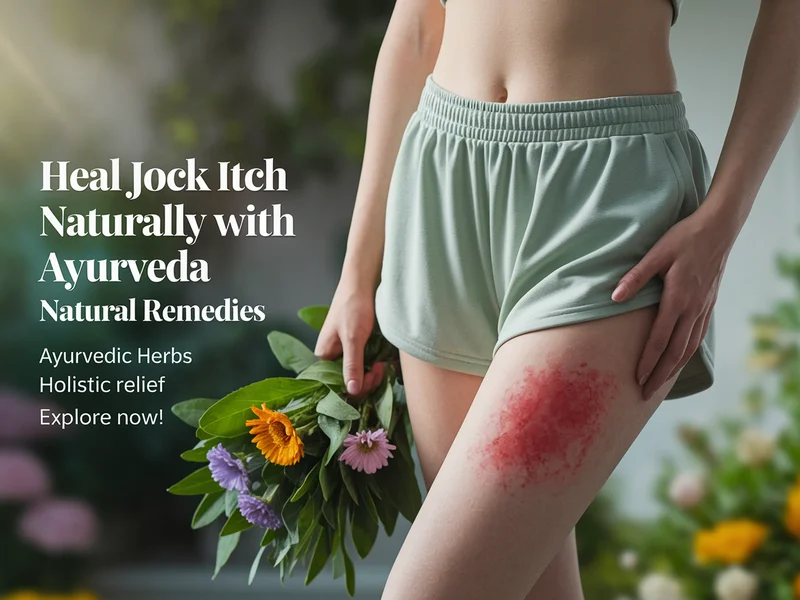
Tinea cruris is a superficial dermatophyte fungal infection of the groin, inner thighs, and perianal area — commonly called "jock itch." It presents as an itchy, erythematous, ring-shaped rash with raised, scaly borders and central clearing. The condition affects roughly three times more men than women, thrives in hot and humid climates (making India a high-prevalence region), and is highly treatable with topical antifungals in most cases. However, a rising epidemic of antifungal-resistant dermatophyte strains — particularly Trichophyton indotineae — is making treatment increasingly challenging, especially across South Asia.
This guide covers everything you need to know: from what causes tinea cruris and who gets it, to diagnosis, treatment options with actual dosages, prevention strategies, and the unique challenges faced in India today.
What Is Tinea Cruris?
- Tinea cruris (ICD-10: B35.6; ICD-11: 1F28.3) is a dermatophyte infection confined to the keratinized skin of the groin and surrounding areas.
- The term comes from Latin — tinea meaning "fungal infection" and cruris meaning "of the leg/groin." Other synonyms include Dhobi itch, tinea inguinalis, and the colloquial "jock itch."
It belongs to a broader group of superficial fungal infections (dermatophytoses) classified by body site: tinea pedis (feet), tinea corporis (body), tinea capitis (scalp), and so on. What makes tinea cruris distinct is its predilection for the warm, occluded skin folds of the inguinal region where moisture and friction create ideal conditions for fungal growth.
How Is Tinea Cruris Different from Tinea Corporis?
While both are caused by the same group of fungi, tinea cruris specifically involves the groin and proximal inner thighs. Tinea corporis affects the trunk and extremities. The term "tinea cruris corporis" is sometimes used when infection extends from the groin onto the body — a pattern increasingly seen with resistant strains in India. The treatment principles overlap, but tinea cruris often requires more attention to moisture management and may take longer to resolve due to the occluded environment.
Is Tinea Cruris an STD?
No. Tinea cruris is not a sexually transmitted disease. It spreads through direct skin-to-skin contact, autoinoculation (typically from tinea pedis on the feet to the groin via hands or towels), and fomites like shared clothing, towels, or gym equipment. While sexual contact can transfer the fungus simply through skin contact, the infection is not classified as an STD. Anyone can get it regardless of sexual activity.
What Causes Tinea Cruris?
Dermatophyte fungi cause tinea cruris. These organisms possess keratinases and other proteinases that allow them to invade and digest keratin in the stratum corneum — the outermost layer of skin. They do not penetrate deeper living tissue in immunocompetent individuals.
Common Causative Organisms
| Organism | Frequency | Source | Notes |
|---|---|---|---|
| Trichophyton rubrum | Most common worldwide | Anthropophilic (human-to-human) | Chronic, less inflammatory |
| Epidermophyton floccosum | Second most common | Anthropophilic | Classic cause of jock itch |
| Trichophyton mentagrophytes | Less common | Zoophilic/Anthropophilic | More inflammatory |
| Trichophyton indotineae | Emerging, especially in India | Anthropophilic | Highly resistant to terbinafine |
Dermatophytes are also classified by their ecological source: anthropophilic (spread between humans — most common in tinea cruris), zoophilic (from animals), and geophilic (from soil). The vast majority of groin infections come from anthropophilic species.
Pathophysiology: How the Fungus Invades Skin
- Dermatophytes land on the skin surface and, if conditions are favorable (warmth, moisture, minor skin trauma), germinate and extend hyphae into the stratum corneum.
- They secrete proteolytic enzymes — notably keratinases, elastases, and collagenases — that break down keratin for nutrition. The host immune response to fungal metabolites and cell wall components (mannans, galactomannans) produces the characteristic inflammatory ring with scaling. The center clears as the immune system controls the older, central part of the infection, while the fungus advances peripherally — hence the classic annular shape.
Who Gets Tinea Cruris? Risk Factors & Epidemiology
- Tinea cruris shows a marked male predominance, with a male-to-female ratio of approximately 3:1. It is most common in adolescents and adult males and relatively rare in prepubertal children.
- Tropical and subtropical climates — including much of India — see significantly higher prevalence rates.
Key Risk Factors
- Excessive sweating (hyperhidrosis) — the single most important modifiable risk factor
- Obesity — creates deeper skin folds with more occlusion and moisture
- Diabetes mellitus — impaired immune function and altered skin flora
- Wearing tight, occlusive clothing — synthetic underwear, athletic wear, wet swimsuits
- Concurrent tinea pedis — present in up to 60% of tinea cruris patients; autoinoculation is the most common transmission route
- Immunocompromise — HIV/AIDS, organ transplant recipients, those on immunosuppressive medications
- Shared facilities — communal showers, gyms, military barracks, hostels
- Family history — household contacts often share the same dermatophyte strains
- Occupational exposure — cooks, athletes, military personnel, manual laborers
Tinea Cruris in Women
While less common, women absolutely can and do get tinea cruris. In women, the infection typically affects the groin folds and inner thighs but characteristically spares the vulva. Clinical presentation may be confused with vulvovaginal candidiasis, and there's often a diagnostic delay because both patients and clinicians may not consider dermatophyte infection in this demographic. Women with diabetes, obesity, or who wear tight synthetic undergarments are at elevated risk.
Tinea Cruris in Children
Tinea cruris is genuinely rare in prepubertal children. When it does occur, clinicians should investigate for underlying immunodeficiency, diabetes, or close contact with an infected family member. The differential diagnosis in children is broader and includes diaper dermatitis (in infants), candidal intertrigo, and allergic contact dermatitis. Treatment in pediatric patients generally follows the same topical antifungal approach, though systemic therapy requires weight-based dosing and careful selection of agents.
Tinea Cruris in Immunocompromised Patients
In patients with HIV/AIDS, those on systemic corticosteroids, transplant recipients, or patients on biologic therapies, tinea cruris can present atypically — more extensive, deeper, or with muted inflammatory signs. These patients are more prone to treatment failure, require longer courses of therapy, and may need systemic antifungals upfront. The infection can also extend beyond the typical groin distribution, mimicking tinea corporis or other dermatoses.
What Are the Clinical Features of Tinea Cruris?
The hallmark presentation is an erythematous, annular (ring-shaped) plaque with a raised, scaly, well-defined advancing border and relative central clearing. The lesion typically starts in the inguinal crease and extends outward onto the proximal inner thigh.
Classic Symptoms
- Pruritus (itching) — often the primary complaint, can be intense
- Burning or stinging sensation — especially with sweating or friction
- Erythema — redness of the affected area
- Scaling — fine, silvery-white scales at the active border
- Maceration — in severe cases with prolonged moisture exposure
Typical Distribution
- The rash usually involves the groin folds bilaterally, though it can be asymmetric. It extends onto the inner thighs and may reach the buttocks and perianal area.
- A critically important clinical clue: tinea cruris characteristically spares the scrotum and penis in men, and the vulva in women. Scrotal involvement strongly suggests candidiasis rather than a dermatophyte infection — this distinction is diagnostically useful.
How Do Clinical Features Vary in Differing Types of Skin?
On darker skin tones (Fitzpatrick types IV-VI), which represent the majority of the Indian population, tinea cruris often presents with prominent post-inflammatory hyperpigmentation rather than the classic erythema seen on lighter skin. The active border may appear hyperpigmented brown or violaceous rather than red. This hyperpigmentation can persist for weeks to months after successful treatment of the fungal infection itself, which is a common source of anxiety for patients. Reassurance that pigmentary changes will gradually resolve is an important part of patient counseling.
How Is Tinea Cruris Diagnosed?
In many cases, an experienced clinician can diagnose tinea cruris on clinical grounds alone — the annular morphology, active border, groin location, and scrotal sparing are quite distinctive. However, confirmatory testing is recommended, especially in atypical presentations or treatment-resistant cases.
Diagnostic Methods
| Method | Description | Sensitivity | When to Use |
|---|---|---|---|
| KOH preparation | Skin scrapings from the active border dissolved in 10-20% KOH; reveals branching, septate hyphae under microscopy | ~80% | First-line confirmatory test |
| Cellophane tape method | Transparent adhesive tape pressed onto the active border, placed on KOH slide | Comparable to scraping | Alternative when scraping is difficult; often better specimen quality |
| Fungal culture (Sabouraud dextrose agar) | Gold standard for species identification; takes 2-4 weeks | High specificity, lower sensitivity | Recurrent/resistant cases; species identification needed |
| Dermoscopy | Diffuse erythema, brown spots with white-yellow halo, follicular micropustules, "Morse code" hairs (broken hairs with intermittent parasitization) | Moderate | Non-invasive rapid assessment |
| Wood's lamp | UV light examination | Limited | Tinea cruris typically does NOT fluoresce; useful to differentiate from erythrasma (coral-red fluorescence) |
| Histopathology with PAS staining | Biopsy showing branching septate hyphae and arthrospores in the stratum corneum | High | Atypical cases, ruling out other diagnoses |
The KOH mount remains the most practical first-line test. Scrape scales from the raised, active border (not the center) using a blunt scalpel or curette. The cellophane tape method, described in StatPearls, is an excellent alternative — it's less uncomfortable for the patient and can actually produce better quality specimens from curved body surfaces like the groin.
What Is the Differential Diagnosis for Tinea Cruris?
| Condition | Key Distinguishing Features |
|---|---|
| Candidal intertrigo | Involves scrotum/vulva; satellite pustules beyond the main border; beefy red color |
| Erythrasma (Corynebacterium minutissimum) | Coral-red fluorescence under Wood's lamp; sharply defined, brown-red, non-scaling patches |
| Inverse psoriasis | Shiny, glazed, well-demarcated plaques; often other psoriatic signs (nails, scalp); KOH negative |
| Seborrheic dermatitis | Greasy yellow scales; often concurrent scalp/face involvement |
| Contact dermatitis | History of irritant/allergen exposure; sharp borders matching contact area |
| Lichen simplex chronicus | Thickened, lichenified skin from chronic scratching; lacks annular morphology |
| Hidradenitis suppurativa | Nodules, abscesses, sinus tracts; deeper involvement |
Don't wait or self medicate. Start chat with Doctor NOW
Tinea Cruris Treatment: What Works Best?
Treatment of tinea cruris follows a stepwise approach: topical antifungals for mild-to-moderate disease, systemic antifungals for severe, extensive, or recalcitrant infections, and adjunctive measures for symptom relief and recurrence prevention.
Topical Antifungal Therapy (First-Line)
Topical antifungals cure approximately 80-90% of tinea cruris cases when used correctly.
Two main classes are used:
Allylamines (preferred):
- Terbinafine 1% cream — Apply once or twice daily for 1-2 weeks. Higher mycological cure rates and shorter treatment duration than azoles. Considered the gold standard topical agent.
- Naftifine 1-2% cream/gel — Once daily for 2-4 weeks.
Azoles:
- Clotrimazole 1% cream — Twice daily for 2-4 weeks. Most widely available and affordable in India.
- Miconazole 2% cream — Twice daily for 2-4 weeks.
- Ketoconazole 2% cream — Once or twice daily for 2-4 weeks.
- Luliconazole 1% cream — Once daily for 1-2 weeks. Newer azole with good efficacy against resistant strains.
- Sertaconazole 2% cream — Twice daily for 4 weeks.
> Key tip: Always apply topical antifungals to the entire affected area plus 2 cm beyond the visible border, and continue treatment for at least 1 week after clinical clearance to prevent relapse.
Systemic Antifungal Therapy
Systemic therapy is indicated for extensive disease, failed topical therapy, recurrent infections, or immunocompromised patients.
| Drug | Adult Dosage | Duration | Notes |
|---|---|---|---|
| Terbinafine | 250 mg once daily | 2-4 weeks | First-line systemic; fungicidal; check LFTs for courses >4 weeks |
| Itraconazole | 100 mg twice daily OR 200 mg once daily | 2-4 weeks | Take with food for absorption; drug interactions (CYP3A4) |
| Fluconazole | 150-200 mg once weekly | 4-6 weeks | Convenient dosing; less effective against T. rubrum |
| Griseofulvin | 500-1000 mg daily (microsize) | 4-6 weeks | Oldest systemic antifungal; requires longer courses; less used today |
The Role of Topical Steroids
Short-term use of a mild topical corticosteroid (like hydrocortisone 1%) combined with an antifungal can provide rapid symptom relief from intense itching and inflammation. However, steroids should never be used alone or for prolonged periods. Monotherapy with steroids or potent steroid-antifungal combinations (commonly misused in India) leads to tinea incognito — a modified, atypical presentation where the classic ring morphology is lost, diagnosis becomes difficult, the infection spreads, and treatment becomes far more complicated.
This is, unfortunately, extremely common in Indian clinical practice. Over-the-counter steroid-antifungal-antibiotic combination creams (the so-called "triple action" creams) are widely misused and are a major driver of chronic, recurrent, treatment-resistant dermatophytosis across the country.
What Kills Tinea Cruris Fast?
For the fastest resolution, use terbinafine 1% cream applied twice daily — most patients see significant improvement within 1 week and clearance within 2 weeks. If combined with proper hygiene measures (keeping the area dry, wearing loose cotton clothing), recovery can be even faster. For more severe cases, combining topical terbinafine with oral itraconazole 200 mg daily can accelerate clearance.
The Antifungal Resistance Crisis: India's Growing Challenge
This is perhaps the most important section for Indian readers — and something no other comprehensive guide adequately covers.
The Rise of Trichophyton indotineae
Since approximately 2017-2018, dermatologists across India have been reporting a dramatic surge in chronic, recurrent, treatment-resistant dermatophytosis. The culprit, identified through molecular studies, is a newly recognized species: Trichophyton indotineae (formerly classified as T. mentagrophytes genotype VIII).
Key facts about this organism:
- High-level terbinafine resistance — MIC (Minimum Inhibitory Concentration) values often exceed 8 μg/mL, compared to susceptible strains at <0.01 μg/mL. This represents a >800-fold decrease in susceptibility.
- Mutations in the squalene epoxidase gene — particularly at positions Phe397Leu, Leu393Ser, and Ala448Thr — confer resistance to terbinafine, the most commonly used antifungal.
- Extensive, widespread lesions — T. indotineae infections often present as tinea cruris-corporis with large confluent plaques covering multiple body areas.
- Global spread — while originating in India, cases have now been reported in Europe, North America, the Middle East, and Southeast Asia.
A 2022 multicenter study from India published in JAMA Dermatology found that approximately 30% of dermatophyte isolates from Indian patients showed terbinafine resistance, with T. indotineae being the dominant species.
What's Driving Resistance in India?
Several factors converge to make India the epicenter of this crisis:
- Over-the-counter availability of topical antifungals and steroids — leading to subtherapeutic, intermittent self-treatment
- Widespread misuse of steroid-antifungal combination creams — masking symptoms while promoting resistance
- Hot, humid climate — favorable conditions for fungal growth year-round
- High population density — facilitating transmission
- Diabetes prevalence — India has over 100 million diabetics, a major risk factor
- Incomplete treatment courses — patients often stop treatment once symptoms improve, before mycological cure
Treatment Approach for Resistant Cases
For suspected or confirmed T. indotineae or terbinafine-resistant infections:
- Itraconazole 200 mg daily for 4-8 weeks is currently the preferred systemic agent (most T. indotineae strains remain susceptible)
- Voriconazole — reserved for multi-resistant cases under specialist supervision
- Combination topical therapy — luliconazole or sertaconazole (newer azoles with activity against resistant strains)
- Fungal culture with antifungal susceptibility testing — strongly recommended in recalcitrant cases
- Avoid terbinafine empirically in regions with high resistance prevalence until susceptibility is confirmed
What Are the Complications of Tinea Cruris?
Most cases of tinea cruris resolve without long-term consequences. But complications do occur, particularly with delayed or inappropriate treatment.
- Secondary bacterial infection — excoriated skin from scratching becomes a portal of entry; may require antibiotics
- Candidal superinfection — the macerated, damaged skin environment can become secondarily colonized by Candida species
- Post-inflammatory hyperpigmentation — especially common in darker skin tones; can persist for months after fungal clearance
- Lichenification — chronic scratching leads to thickened, leathery skin
- Tinea incognito — altered, atypical presentation following inappropriate corticosteroid use; much harder to diagnose and treat
- Majocchi granuloma — deeper follicular invasion, occasionally seen with steroid-induced immunosuppression
- Psychosocial impact — embarrassment, effect on intimate relationships, anxiety about the persistent rash
Prevention: How to Stop Tinea Cruris from Coming Back
Recurrence rates for tinea cruris are frustratingly high — some studies report up to 20-25% relapse within 12 months even after successful treatment. Prevention is therefore just as important as treatment.
Practical Prevention Strategies
- 1.Treat tinea pedis concurrently — this is critical. If your feet harbor dermatophytes, you will keep reinfecting your groin. Always treat both sites simultaneously.
- 2.Keep the groin dry — thoroughly dry the area after bathing; consider using a separate towel for the groin; apply antifungal powder (miconazole or clotrimazole powder) daily to the groin folds.
- 3.Wear loose, breathable clothing — cotton underwear is far better than synthetic. Change underwear daily, or twice daily if you sweat heavily.
- 4.Put socks on before underwear — this simple trick prevents transferring fungal spores from the feet to the groin while dressing.
- 5.Avoid sharing personal items — towels, clothing, razors, or grooming tools.
- 6.Manage underlying conditions — optimize blood sugar control in diabetes; address obesity.
- 7.Prophylactic antifungal powder — patients with recurrent infections benefit from daily application of antifungal powder to the groin, especially during hot months (April through September in India).
- 8.Treat household contacts — if family members have dermatophyte infections, they should be treated simultaneously to break the transmission chain.
- 9.Shower promptly after exercise — don't sit in sweaty workout clothes.
- 10.Wash gym clothes after every use — in hot water when possible.
What Not to Eat in Tinea Cruris?
While there's no strong clinical evidence that specific dietary changes directly cure or cause tinea cruris, some dermatologists suggest that reducing sugar and refined carbohydrate intake may help — particularly in diabetic patients where glycemic control directly impacts immune function and susceptibility to fungal infections. Excessive sugar consumption can theoretically promote fungal overgrowth and impair white blood cell function. A balanced diet rich in protein, zinc, and vitamins A and C supports skin barrier function and immune defense against infections.
Home Remedies: Do They Work?
Several natural agents have shown in vitro antifungal activity, though clinical evidence for treating tinea cruris specifically remains limited:
- Tea tree oil (Melaleuca alternifolia) — contains terpinen-4-ol with demonstrated antifungal activity. A 2002 study in Australasian Journal of Dermatology showed efficacy of 25-50% tea tree oil for tinea pedis, but no robust trials specifically for tinea cruris. May cause contact dermatitis in some individuals.
- Garlic extract (ajoene) — a 1999 study showed 0.6% ajoene cream was comparable to terbinafine for tinea corporis/cruris, achieving 73% cure at 60 days.
- Bitter orange oil — limited evidence but traditional use.
- Coconut oil — mild antifungal properties but insufficient as monotherapy.
Important: Home remedies should not replace proven antifungal therapy. They may be used as adjunctive measures, but relying solely on them risks progression, chronicity, and spread of infection. If you've been using a home remedy for more than a week without improvement, see a dermatologist.
Frequently Asked Questions (FAQ)
Will Jock Itch Go Away on Its Own?
Rarely, and you shouldn't wait for it. While a very mild case in an otherwise healthy person might eventually self-resolve, most cases persist or worsen without treatment. The fungus continues to grow, the affected area expands, and the risk of secondary complications increases. Early treatment with a topical antifungal leads to faster resolution and fewer recurrences.
Can Women Get Jock Itch?
Yes. While three times more common in men, women can and do develop tinea cruris. It typically affects the groin folds and inner thighs while sparing the vulva. Women who exercise heavily, have diabetes, or wear tight synthetic clothing are at higher risk.
How Do You Pronounce Tinea Cruris?
It's pronounced: TIN-ee-uh KROO-ris (or sometimes CREW-ris). The word "tinea" comes from Latin for "worm" or "moth larva" (because of the ring-shaped lesion), and "cruris" means "of the leg."
Can Rubbing Alcohol Cure Jock Itch?
Rubbing alcohol (isopropyl alcohol) can kill surface fungi on contact but does not penetrate the skin adequately to eliminate dermatophytes living within the stratum corneum. It also causes significant stinging, dries and irritates the skin, and can worsen maceration. It is not a recommended treatment.
How Long Does Tinea Cruris Take to Heal?
With proper topical antifungal treatment, most cases show noticeable improvement within 3-5 days and clear completely within 2-4 weeks. Systemic therapy for resistant cases may take 4-8 weeks. Post-inflammatory hyperpigmentation can take an additional 2-6 months to fade, even after the infection itself is cured.
What Is the Meaning of Tinea Cruris?
Tinea cruris literally translates from Latin as "fungal infection of the groin." "Tinea" refers to dermatophyte fungal infections, and "cruris" is the genitive form of "crus" (leg/shin), though it has come to refer specifically to the groin region in medical usage.
Conclusion: Take Action Early, Treat Properly, Prevent Recurrence
Tinea cruris is one of the most common dermatological conditions worldwide — and one of the most frequently mismanaged, particularly in India where the combination of climate, OTC medication misuse, and emerging antifungal resistance has created a genuine public health challenge.
The key takeaways are simple: diagnose accurately (get a KOH test if there's any doubt), treat completely (finish the full course of antifungals even after symptoms resolve), avoid steroid-containing combination creams unless prescribed by a dermatologist, and address the root causes of recurrence — especially concurrent tinea pedis, moisture, and diabetes.
If you've been struggling with a persistent groin rash that isn't responding to treatment, don't continue self-medicating. Consult a dermatologist who can perform fungal culture and susceptibility testing to guide targeted therapy — this is especially important in the era of T. indotineae resistance.
Your skin deserves proper care. Start treatment today.
Scientific Sources
- Comprehensive Review on Tinea Infection Therapies: Allopathic and Herbal Approaches for Dermatophytosis — Rathi M et al., 2025, Recent advances in anti-infective drug discovery
- Clinical Features and Skin Microbiome of Tinea Scrotum: An Observational Study of 113 Cases in China — Si Z et al., 2023, Mycopathologia
- Broad spectrum herbal therapy against superficial fungal infections — Shahi SK et al., 2000, Skin pharmacology and applied skin physiology
- Suspected Cutaneous Adverse Reaction Due to Oral Consumption of Siddha Polyherbo-Mineral Formulation, Gandhaga Rasayanam: A Case Report — Subathra T et al., 2026, Current drug safety
- Antifungal resistance of the Trichophyton mentagrophytes/Trichophyton interdigitale species complex: Insights from the China Antifungal Resistance Dermatophytes Surveillance network Study (CARDS) — Kong X et al., 2026, Journal of the European Academy of Dermatology and Venereology : JEADV
- Analysis of pathogen spectrum changes and epidemiological characteristics of superficial mycosis in the Shantou region of China from 2022 to 2024 — Hou B et al., 2026, American journal of translational research
Questions from users
What are the common symptoms of tinea cruris that I should watch out for?
Shayla
8 days ago
The common symptoms of tinea cruris, or jock itch, include a red, itchy, ring-shaped rash in the groin area. It can also cause a burning sensation or flaking of the skin. Sometimes, the rash may spread to the inner thighs or buttocks. It's mostly seen in men but can occur in women too. If you notice these signs, might be time to check with a doc.
What is the role of diet in managing skin infections like tinea cruris according to Ayurveda?
Abigail
20 days ago
In Ayurveda, diet is a big part of managing skin infections like tinea cruris. Foods that pacify Pitta, which can aggrevate skin issues, are generally recommended. Avoid spicy, oily, or sour foods and focus on cooling ones like cucumber, coconut, and cilantro. Hydration is also key! Also, focus on improving digestion (agni) to help balance your doshas.
Can I use Ayurvedic treatments for tinea cruris in conjunction with over-the-counter antifungal creams?
Allison
29 days ago
Yes, you can combine Ayurvedic treatments with over-the-counter antifungal creams, but keep an eye on your body's response. Use herbs like neem or turmeric for their antifungal properties, maintain good hygiene and stick to cooling foods. If symptoms persist, maybe check in w/ a healthcare pro. Stay comfy!
What is the best way to prepare neem paste for treating fungal infections at home?
Quinn
39 days ago
To prepare neem paste at home, just crush fresh neem leaves and mix with a little bit of water to make a thick paste. It's super simple. You can also add a pinch of turmeric for extra anti-fungal power. Apply directly on the affected area. But remember, if it doesn't help or gets worse, check with a healthcare professional!
What is the best way to support my gut health while treating a fungal infection?
Emma
48 days ago
To support gut health during a fungal infection, focus on balancing your doshas, especially if there's an imbalance like Kapha or Pitta. Include warm water with meals to support your agni (digestive fire), and possibly consider probiotics, as they can help maintain healthy gut flora. Ashwagandha or triphala might also be beneficial. But always best to consult an Ayurveda practitioner.
What is the best way to maintain cleanliness and prevent fungal infections at home?
Walter
58 days ago
To keep your place clean and prevent fungal infections, try using mild, pH-balanced soaps for cleaning. Regularly wash towels and bed linens. Keep your home well-ventilated and dry, as fungi love moisture. It might help to air out damp areas and keep your living space tidy to avoid buildup of dirt and moisture.
What should I consider before starting Ayurvedic treatments for my fungal infection?
Yara
67 days ago
Before starting Ayurvedic treatments for a fungal infection, consider your overall lifestyle and any potential dosha imbalances; understanding whether you're prone to heat or moisture can be vital. Check your diet too, keep it fresh and balanced to support agni (digestive fire). And definitely consult a qualified Ayurvedic practitioner to get a tailored approach!
Is it safe to use essential oils on fungal infections like tinea cruris?
Anna
77 days ago
Using essential oils like tea tree oil might help with fungal infections like tinea cruris, thanks to their antifungal properties. Start with a patch test first, as reactions can vary. But it's best to consult with a healthcare pro before mixing treatments, just to be safe!
Is it safe to use neem oil for skin infections, and how should I apply it?
Isaac
87 days ago
Neem oil is often used for skin infections, but it's always good to do a patch test first, cuz it can cause irritation in some people. Apply a small amount on a small area of skin and wait for a day to see if there's any reaction. If all’s good, you can gently apply it to the affected area. If your skin reacts badly, stop using it. If the infection gets worse, it’s a wise move to see a healthcare pro!
What is the role of lifestyle changes in enhancing the effectiveness of Ayurvedic treatments?
Ruby
96 days ago
Lifestyle changes are crucial in Ayurveda, they kind of amplify the effects of treatments. Balancing diet, daily routines (like sleep), stress management, and even exercise can drastically enhance healing by aligning your body with its natural rhythms. It’s like giving your whole self a support system, not just focusing on the symptoms!
Related articles
Skin and Hair Disorders
Marichadi Taila: Benefits, Dosage & Science-Backed Insights
Discover the benefits, proper dosage, side effects, and scientific research behind Marichadi Taila, an Ayurvedic oil for skin health, joint pain, and respiratory wellness.
3,720

Skin and Hair Disorders
Ayurvedic Treatments and Remedies for Skin Diseases
Skin is the largest organ in our body.
228,649

Skin and Hair Disorders
Which Nuts Are Good for Hair: Growth, Thickness, and Ayurvedic View
Exploration of Boost Your Hair Growth with These Essential Nuts
6,042
Skin and Hair Disorders
Ayurvedic Treatment for Cellulitis: Safe & Natural Healing
Explore Ayurvedic treatment for cellulitis. Discover holistic remedies, herbal therapies, and lifestyle changes to alleviate symptoms, reduce inflammation, and promote natural healing of cellulitis.
4,424
Skin and Hair Disorders
Dasang Lepa: Uses, Research, and Health Benefits
Discover the science, traditional uses, and safety of Dasang Lepa, an age-old herbal remedy. Learn its potential benefits, application, and current research.
2,848

Skin and Hair Disorders
How to Reduce Skin Dryness: Ayurvedic Remedies, Causes, and Prevention
Exploration of Effective Ayurvedic and Home Remedies to Combat Skin Dryness
2,242

Skin and Hair Disorders
Anti Ageing Ayurvedic Medicines: Do They Really Work or Is It Just Ancient Hype?
Let’s be honest for a second — everyone, at some point, pauses at their reflection and thinks, “Damn, when did that line get there?” Or maybe it's not even about the wrinkles yet. Maybe it’s the sluggish mornings, the fading glow, the feeling that somethi
2,568

Skin and Hair Disorders
How to Use Chirata for Skin: Ayurvedic Remedies and Benefits
Exploration of Chirata: The Ayurvedic Herb for Clearer and Brighter Skin
4,051
Skin and Hair Disorders
Ayurvedic Medicine for Herpes – Natural Remedies & Treatments
Explore Ayurvedic medicine for herpes, highlighting natural remedies, therapeutic benefits, and how Ayurvedic treatments can help manage herpes outbreaks and improve overall skin health.
3,074

Skin and Hair Disorders
Which Is Better: Coconut Oil or Mustard Oil for Hair?
Discover which is better: coconut oil or mustard oil for hair. Learn their unique benefits, differences, and if mixing both oils is good for growth and shine
22,138
Related consultations on the topic
Legal
Additional Documents
© 2024 Ask Ayurveda. All rights reserved.