

Ask Ayurvedic doctor a question and get a consultation online on the problem of your concern in a free or paid mode. More than 2,000 experienced doctors work and wait for your questions on our site and help users to solve their health problems every day.
FREE! Ask Ayurvedic Doctors 24/7

 Fast responses
 1000+ verified doctors
Body DetoxEar, Nose, and Throat DisordersGeriatrics & RejuvenationImmunodeficiencyInfertility TreatmentNutritionOrthopedic DisordersPediatricsRespiratory DisordersSexually Transmitted Diseases (STDs)Surgery RecoveryUrological DisordersVascular DisordersDental DisordersEndocrinological DisordersGastrointestinal DisordersYoga TherapyGeneral MedicineAllergic DisordersCardio DisordersGynecology and ObstetricsCosmetologySkin and Hair DisordersEye DisordersInfectious DiseasesMental DisordersNeurological DisordersOncologyPanchakarmaSexual Health & DisordersSports Medicine
Published on 03/21/25
(Updated on 07/11/26)
6,394
Kshar Sutra Thread Change Pain: Causes & Expert Insights
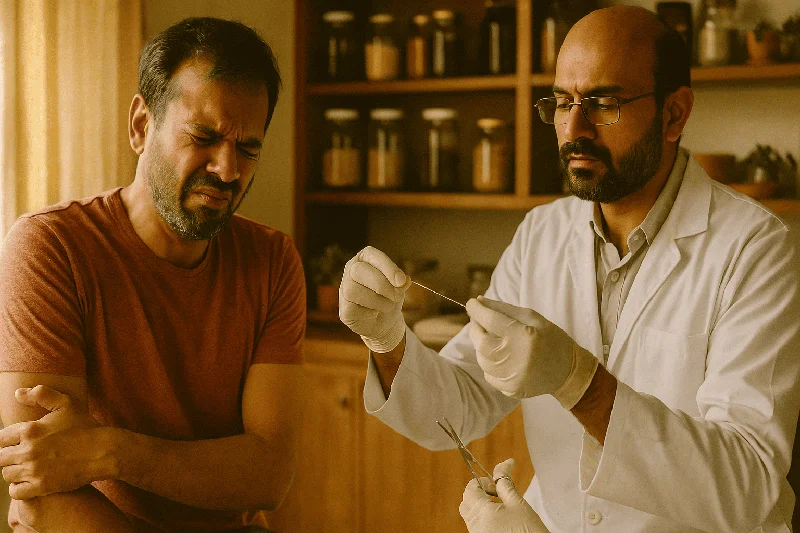
Kshar Sutra therapy stands out as a time-honored Ayurvedic procedure used for the treatment of anorectal conditions like fistula-in-ano, hemorrhoids (piles), and anal fissures. While widely recognized for its effectiveness and minimal invasiveness, one critical aspect patients often worry about is the kshar sutra thread change pain. This article aims to break down what causes this discomfort, how to manage it, and the latest scientific findings that shed light on its efficacy and challenges.
Disclaimer: This article is for informational purposes only and does not substitute professional medical advice. Always consult a qualified healthcare provider for personalized guidance.
Table of Contents
- Introduction to Kshar Sutra Therapy
- Scientific Basis of Kshar Sutra
- Why Does Kshar Sutra Thread Change Pain Occur?
- Research and Evidence on Kshar Sutra Procedure
- Managing Kshar Sutra Thread Change Pain
- Step-by-Step Guide: What to Expect During a Thread Change
- Potential Side Effects and Complications
- Frequently Asked Questions (FAQ)
- Conclusion and Call to Action
1. Introduction to Kshar Sutra Therapy
Imagine you have a persistent anal fistula that refuses to heal through conventional approaches. Then you learn about an ancient Ayurvedic procedure called Kshar Sutra, which involves using a specialized medicated thread to cut and heal the affected tract. This approach has shown impressive results in many clinical settings, with success rates in some studies reaching up to 80–90% for certain anorectal conditions (
Despite these optimistic figures, patients often experience discomfort or pain—particularly during the thread change. Because the therapy can span several weeks, it’s critical to understand how best to manage this pain.
Quick Facts
- Origin: Derived from Ayurvedic texts such as Sushruta Samhita, Kshar Sutra therapy has been practiced in India for centuries.
- Modern Adoption: It has gained recognition by the Indian Council of Medical Research (ICMR) and the Ministry of AYUSH for its effectiveness in treating certain anorectal disorders.
- Keyword Focus: We will continually address the issue of kshar sutra thread change pain and explore ways to mitigate discomfort.
2. Scientific Basis of Kshar Sutra
The Kshar Sutra is not just any thread; it is carefully coated with herbal alkali (kshar) along with ingredients like turmeric and other antimicrobial or healing substances. This medicated thread is designed to:
- Gradually Cut Through Tissues: The caustic (alkaline) and medicated properties of the thread help in cutting through the fistula tract or hemorrhoidal mass in a controlled manner.
- Promote Healing: The herbs used can promote granulation (formation of new tissue) and reduce infection, aiding faster wound healing.
- Minimize Recurrence: By destroying infected tissues and creating a clean environment, it helps reduce the risk of recurrence.
Various studies published in peer-reviewed journals, including some randomized controlled trials, suggest that Kshar Sutra therapy can be as effective or, in certain cases, more effective than conventional surgical treatments, especially in terms of reducing recurrence rates (
3. Why Does Kshar Sutra Thread Change Pain Occur?
Despite its demonstrated benefits, kshar sutra thread change pain remains one of the most common challenges. Pain can be attributed to several factors:
- Tissue Tension: The tightening action of the thread as it gradually cuts through tissues can generate tension and irritation in the localized area.
- Inflammation and Edema: The body’s inflammatory response is a natural step in healing but may increase swelling and pain.
- Chemical Irritation: The caustic (alkaline) chemicals in the coating can irritate sensitive tissues in the anal canal or fistula tract.
- Frequent Manipulation: During the thread change process, the wound is disturbed, which can exacerbate discomfort.
In simpler terms, the discomfort results from a combination of the mechanical cutting action of the thread and the body’s immune and inflammatory responses.
Don't wait or self medicate. Start chat with Doctor NOW
4. Research and Evidence on Kshar Sutra Procedure
Notable Studies
- A 2017 meta-analysis published in the Journal of Ayurveda and Integrative Medicine looked at 10 clinical trials. It found Kshar Sutra to be significantly effective in managing anal fistulas with fewer recurrences compared to some conventional surgeries.
- Another study in the AYU Journal (2019) highlighted how thread changes are crucial for maintaining the effectiveness of the procedure, although they can be a source of pain for many patients.
Expert Consensus
Guidelines from various Ayurvedic institutes, including the National Institute of Ayurveda, point out that the procedure is generally safe with a low complication rate. However, they acknowledge the need for effective pain management strategies to ensure patient comfort and compliance throughout the therapy.
5. Managing Kshar Sutra Thread Change Pain
Given that discomfort is often the number one concern, here are several strategies healthcare professionals recommend:
-
Preemptive Pain Medication
- Over-the-counter (OTC) analgesics like ibuprofen or acetaminophen can be used under medical guidance to reduce pain and inflammation.
- Some practitioners also suggest short-term use of prescription pain relievers if the discomfort is severe.
-
Topical Anesthetics
- Applying an analgesic gel or ointment around the affected area can numb the site temporarily, making thread changes less uncomfortable.
-
Warm Sitz Baths
- A sitz bath—sitting in a tub of warm water—helps relax the anal sphincter muscles and increase blood flow to the region, thus alleviating pain and reducing inflammation.
-
Lifestyle Modifications
- High-Fiber Diet & Hydration: Minimizing straining during bowel movements can reduce tension on the wound site.
- Gentle Cleansing: Keeping the area clean with mild solutions or specialized wipes can reduce irritation.
-
Stress Management Techniques
- Deep Breathing & Meditation: Anxiety can worsen pain perception, so relaxation techniques may help you cope better.
- Guided Imagery: Some patients find that visualizing peaceful settings can help distract from the discomfort during a thread change.
-
Analgesic Sprays or Suppositories
- Depending on the case, a doctor may recommend specific medicated sprays or suppositories to control localized inflammation and pain.
Pro Tip: Always consult a medical professional or a qualified Ayurvedic practitioner for personalized care plans. Self-medicating without proper guidance can be risky.
6. Step-by-Step Guide: What to Expect During a Thread Change
-
Preparation
- The healthcare provider may advise you to take a mild painkiller or use a local anesthetic cream 30 minutes before the appointment.
- Ensure you have emptied your bowels and cleaned the area gently to reduce discomfort.
-
Removal of Old Thread
- The old Kshar Sutra is carefully removed. This step can be uncomfortable but usually brief.
- Light bleeding or mild discharge is normal.
-
Inspection
- The doctor will inspect the wound or fistula tract for signs of infection or delayed healing.
- If needed, additional cleaning with antiseptic or normal saline is performed.
-
Application of New Thread
- A fresh Kshar Sutra is threaded through the tract. The tension is adjusted to continue the controlled cutting-and-healing process.
- The chemical coating begins its therapeutic action upon contact with tissues.
-
Aftercare
- You may be advised to rest briefly.
- Follow-up with a sitz bath or topical analgesic to manage post-procedure discomfort.
Note: Thread changes typically occur every 7–10 days, or as recommended by your healthcare provider, until the tract is fully healed.
7. Potential Side Effects and Complications
While Kshar Sutra therapy is generally considered safe and effective, it’s crucial to be aware of potential side effects and complications:
- Excessive Pain: Some individuals may experience more than the usual discomfort, possibly indicating infection or improper technique.
- Infection: Although rare, infection can occur if the wound is not kept clean or if sterile procedures are not followed.
- Allergic Reaction: Very rarely, patients may show an allergic reaction to certain herbal components.
- Delayed Healing: If the thread does not cut uniformly or the body’s response is slow, healing can be prolonged.
Always report unusual swelling, severe pain, or fever to your healthcare provider immediately. Early intervention is critical for preventing serious complications.
8. Frequently Asked Questions (FAQ)
Q1: How long does Kshar Sutra therapy usually last?
A: The duration varies based on the complexity of the fistula or hemorrhoid. Most cases resolve within 4–8 weeks, but complicated cases can take longer.
Q2: Is Kshar Sutra thread change pain unavoidable?
A: Mild discomfort is common, but proper pain management, topical anesthetics, and prescribed medications can help minimize it.
Q3: Can I return to work after a Kshar Sutra thread change?
A: Most patients can resume light activities within a day or two. However, strenuous activities or heavy lifting should be avoided until cleared by a doctor.
Q4: Is Kshar Sutra therapy covered by health insurance?
A: Coverage varies by region and insurance provider. Some insurance plans do cover Kshar Sutra therapy under Ayurvedic or alternative treatments.
Q5: What happens if the Kshar Sutra thread falls out prematurely?
A: Contact your practitioner right away. An early reapplication might be necessary to maintain the treatment’s effectiveness.
9. Conclusion and Call to Action
Kshar Sutra therapy remains a scientifically backed and time-tested option for managing anorectal disorders such as fistula-in-ano, hemorrhoids, and anal fissures. While kshar sutra thread change pain is a valid concern, many patients find relief through a combination of medication, lifestyle adjustments, and proper aftercare. By staying informed and closely following a healthcare provider’s instructions, you can significantly reduce discomfort and improve treatment outcomes.
- Key Takeaway: The pain experienced during thread changes is usually manageable with appropriate strategies.
- What You Can Do: Talk to your doctor about pain relief options, maintain a high-fiber diet, and be vigilant about hygiene.
If you’ve found this guide helpful, please share it with friends or family who might benefit from learning more about Kshar Sutra therapy. Feel free to leave a comment or subscribe to our newsletter for more evidence-based articles on Ayurvedic and conventional medical treatments. Your experiences, insights, and questions can help build a community of well-informed readers!
Remember: Always consult a qualified medical professional for personalized diagnosis and treatment plans.
References and Further Reading
- Journal of Ayurveda and Integrative Medicine – Meta-Analysis on Kshar Sutra (
Link ) - AYU Journal (2019) – Clinical Trials on Kshar Sutra Efficacy
- Indian Council of Medical Research (ICMR) – Guidelines on Ayurvedic Interventions
- National Institute of Ayurveda – Protocols for Anorectal Disorders
Questions from users
How does Kshar Sutra therapy affect healing time for anal fistulas?
David
2 days ago
Kshar Sutra therapy, an Ayurvedic treatment, can impact the healing time for anal fistulas by potentially reducing it; studies report success rates of 80–90% for various anorectal conditions. Healing time can vary depending on factors like the fistula's complexity and patient health. A typical course may span weeks to a few months. It's crucial to monitor for signs of infection or complications and consult a healthcare provider if pain or bleeding worsens. While the therapy can induce discomfort during thread changes, this is normal, and early intervention improves outcomes.
What should I do if Kshar Sutra therapy doesn't seem to be working for my condition?
Christian
11 days ago
If Kshar Sutra therapy isn't doing the trick, first thing, talk to your Ayurvedic doctor. They might adjust the treatment approach or add supportive therapies, like herbal remedies or lifestyle changes, based on your dosha balance and specific condition. It's really key to customize the treatment to your unique constitution.
How often should the Kshar Sutra thread be changed during treatment?
Olivia
21 days ago
The Kshar Sutra thread usually needs to be changed weekly, but it can vary based on the condition's severity and patient response. A doc familiar with the treatment can give you the best guidance. Regular check-ins are key, so you might wanna consult them frequently to check the progress!
What is the purpose of using a sitz bath after Kshar Sutra therapy?
Jack
30 days ago
The sitz bath after Kshar Sutra therapy helps soothe and clean the area, reducing discomfort and promoting healing. Warm water increases blood flow, aiding the body's natural repair process, and it also helps to keep the area hygienic, which is important for preventing infection. So, they’re quite beneficial for recovery. 😊
Is it safe to self-medicate while undergoing Kshar Sutra therapy?
Kennedy
39 days ago
It's not really advisable to self-medicate while undergoing Kshar Sutra therapy. It's best to consult the Ayurvedic physician who's guiding your treatment for any pain management or other meds. They can help find a balance that fits your needs and dosha type without causing harm, even if something seems minor, better safe right?
Can Kshar Sutra therapy help with digestive issues related to anorectal disorders?
Jack
48 days ago
Kshar Sutra therapy is mainly focused on anorectal disorders like fistula, hemorrhoids, or fissures. It's not directly for digestive issues, but since these conditions might indirectly affect digestion by causing pain or discomfort, addressing them can improve overall gut health. For pure digestive issues, focus on diet, lifestyle and herbs to balance your doshas :)
Can I continue my regular activities during Kshar Sutra therapy?
Rae
58 days ago
You can often continue with your regular activities, but it really depends on how you're feeling with the treatment. Listen to ur body. Avoid heavy lifting or intense physical activities that might strain the area, and reach out to your practitioner if unsure or if there's any discomfort. Each body is different, so take it easy!
Is Kshar Sutra therapy suitable for patients with previous surgeries for anal conditions?
Liam
68 days ago
Kshar Sutra therapy can often be suitable for patients who've had surgeries for anal conditions, but it really depends on the individual's situation. Previous surgeries may affect tissue structure and healing ability, so it's best to have a thorough consultation with an Ayurvedic doctor to assess personal constitution and any imbalances.
Can I eat normally during Kshar Sutra therapy or should I follow a special diet?
Bella
77 days ago
During Kshar Sutra therapy, it's generally advised to follow a diet that supports healing and digestion. Focus on fiber-rich foods like fruits, veggies, and whole grains to keep your digestion smooth. Avoid heavy, oily, and spicy foods as they can disrupt your agni (digestive fire). Listen to your body, and if unsure, best to consult with an Ayurvedic practitioner!
What is the Kshar Sutra procedure and how does it work for treating fistulas?
Nadine
87 days ago
Kshar Sutra is an Ayurvedic procedure for treating fistulas, involving a special medicated thread. The thread is coated with herbal pastes that slowly cut through the tract, promoting healing from the inside out. This technique encourages natural drainage and prevents infection. But it’s essential to consult with a qualified practitioner to see if it’s right for you!
Related articles
Panchakarma
Tikta Ksheera Basti: A Comprehensive Guide to Ayurvedic Cleansing
Discover the science of tikta ksheera basti, a milk-based Ayurvedic enema. Learn its benefits, research findings, and expert tips for optimal health.
4,744

Panchakarma
Shastika Shali Pinda Sweda: Ayurvedic Therapeutic Insight
Explore Shastika Shali Pinda Sweda, an Ayurvedic warm compress therapy with evidence-based benefits, guidelines, and practical tips for holistic well-being.
3,818

Panchakarma
Apalapa Marma – Vital Energy Point for Ayurvedic Healing
Discover the significance of Apalapa Marma, a key Ayurvedic marma point that enhances energy flow, balances doshas, and promotes holistic healing. Learn its benefits, historical roots, and stimulation techniques for optimal wellness.
2,785

Panchakarma
Uttarbasti Procedure in Female: A Comprehensive, Research-Based Overview
Discover the benefits, scientific backing, and practical steps of the Uttarbasti procedure in female care. Explore its role in modern gynecological health.
3,005

Panchakarma
Kala Basti: Ayurvedic Insights & Modern Perspectives
Discover the science of Kala Basti, an Ayurvedic detox therapy. Learn its benefits, procedure, research evidence, and expert recommendations.
3,102

Panchakarma
Shadanga Paniya: Benefits, Dose, Side Effects, Ingredients, Reference
Exploration of Shadanga Paniya: Benefits, Dose, Side Effects, Ingredients, Reference
3,320

Panchakarma
Panchamrit Parpati Benefits, Dosage, Ingredients, Side Effects
Exploration of Panchamrit Parpati Benefits, Dosage, Ingredients, Side Effects
2,103

Panchakarma
Uttar Basti Treatment for Male: Ayurvedic Prostate Health Therapy
Explore Uttar Basti treatment for males. Learn about its benefits, usage guidelines, dosage, and scientific insights for optimal prostate health using Ayurvedic practices.
3,733
Panchakarma
Uttarbasti Procedure – Advanced Ayurvedic Therapy for Uterine Health
Explore the Uttarbasti procedure, an integral Ayurvedic therapy designed to balance the reproductive system, manage gynecological disorders, and promote uterine health through targeted herbal interventions.
3,036
Related consultations on the topic
Can I resume oil treatments after my period ends if I started virechana and got my period after 3 days of oiling?
26 days ago
How much can Panchakarma treatment improve quality of life for a 92-year-old with atypical Parkinson's and diabetes?
27 days ago
Can I undergo Panchakarma therapy with silent gallbladder stones and diverticulum in the large intestine?
29 days ago
Legal
Additional Documents
© 2024 Ask Ayurveda. All rights reserved.