Ask Ayurvedic doctor a question and get a consultation online on the problem of your concern in a free or paid mode. More than 2,000 experienced doctors work and wait for your questions on our site and help users to solve their health problems every day.
FREE! Ask Ayurvedic Doctors 24/7

 Fast responses
 1000+ verified doctors
Body DetoxEar, Nose, and Throat DisordersGeriatrics & RejuvenationImmunodeficiencyInfertility TreatmentNutritionOrthopedic DisordersPediatricsRespiratory DisordersSexually Transmitted Diseases (STDs)Surgery RecoveryUrological DisordersVascular DisordersDental DisordersEndocrinological DisordersGastrointestinal DisordersYoga TherapyGeneral MedicineAllergic DisordersCardio DisordersGynecology and ObstetricsCosmetologySkin and Hair DisordersEye DisordersInfectious DiseasesMental DisordersNeurological DisordersOncologyPanchakarmaSexual Health & DisordersSports Medicine
Published on 10/14/24
(Updated on 07/09/26)
3,595
Child Health
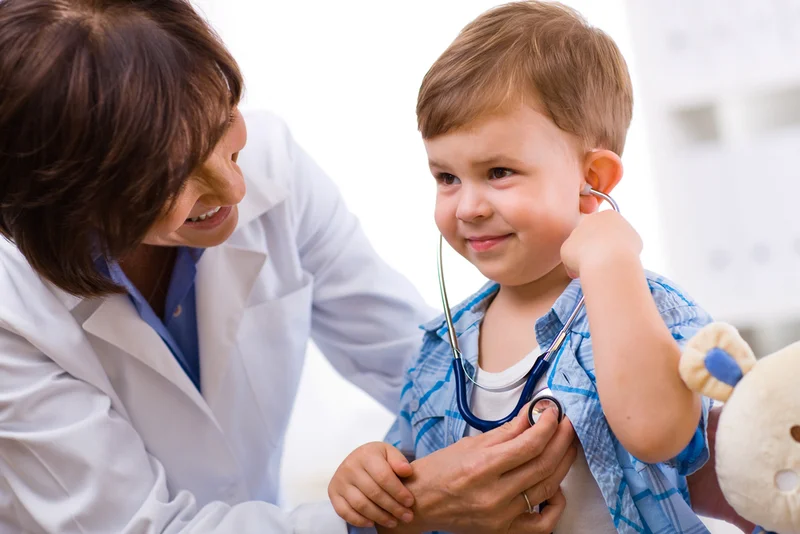
Child health refers to the complete physical, mental, and social well-being of a child — not merely the absence of disease. According to the World Health Organization (WHO), child health encompasses everything from the prenatal period through adolescence, including proper nutrition, immunization, cognitive development, emotional resilience, and access to quality healthcare. In India alone, significant progress has been made, yet preventable causes like pneumonia, diarrhea, and malnutrition continue to claim thousands of young lives each year.
This guide covers every dimension of child health — from the first breath a newborn takes to the challenges faced by teenagers in a digital world. Whether you're a parent, caregiver, or healthcare worker, you'll find evidence-based insights, practical checklists, and actionable advice that no other resource brings together in one place.
What Is Child Health? Understanding the Holistic Definition
Child health has evolved dramatically over the past century. It was once defined simply as the absence of illness. Today, the concept is far more nuanced.
What Is Child Health According to WHO?
- The WHO defines child health as a state of complete physical, mental, and social well-being during the period from fetal development through adolescence.
- This includes not only surviving childhood but thriving — achieving developmental milestones, building emotional resilience, and growing in a safe, nurturing environment.
A 2024 academic review published in PMC describes a "kaleidoscopic model" of child health, where biology, environment, behavior, health policy, and healthcare services all interact to shape outcomes. The key insight? A child's health today is the foundation of their health across an entire lifetime. Epigenetics research has further confirmed that early childhood exposures — nutrition, stress, toxins — can literally alter gene expression and affect health decades later.
The Nature vs. Nurture Interplay
Genetics provide the blueprint, but environment builds the house. A child born with a genetic predisposition to asthma may never develop symptoms if raised in a clean-air environment with proper nutrition. Conversely, a genetically healthy child exposed to chronic malnutrition and polluted air may develop lifelong health complications. This nature-vs-nurture interplay is central to modern pediatric medicine and shapes how we approach prevention.
Why Child Health Is the Foundation of National Development
Healthy children become productive adults. UNICEF data consistently shows that investments in early childhood health yield some of the highest returns in human capital development. Countries that reduce child mortality and improve nutrition see measurable gains in educational attainment, economic productivity, and social stability within a single generation.
What Are the 7 Basic Needs for a Child?
Every child, regardless of geography or income level, requires seven fundamental things to grow into a healthy adult:
| # | Basic Need | Why It Matters |
|---|---|---|
| 1 | Adequate Nutrition | Fuels physical growth, brain development, and immune function |
| 2 | Clean Water & Sanitation | Prevents diarrheal diseases — the second leading killer of children under 5 |
| 3 | Immunization | Protects against preventable diseases like measles, polio, and diphtheria |
| 4 | Safe & Loving Environment | Reduces toxic stress, supports emotional and cognitive development |
| 5 | Quality Healthcare Access | Ensures timely treatment of illness and monitoring of developmental milestones |
| 6 | Education & Stimulation | Builds cognitive skills, language, problem-solving, and social competence |
| 7 | Adequate Sleep & Physical Activity | Essential for growth hormone release, memory consolidation, and physical fitness |
Meeting these seven needs consistently from birth through adolescence is the single most effective strategy for raising a healthy child. When even one need goes chronically unmet, the consequences can cascade across every dimension of health.
Major Causes of Child Mortality and How to Prevent Them
Despite remarkable global progress — child deaths dropped from 12.6 million in 1990 to approximately 5 million in 2021 — preventable causes still claim far too many young lives. Understanding these causes is the first step toward elimination.
Leading Killers of Children Under 5
According to WHO and UNICEF data, the primary causes of death among children under five worldwide include:
- Pneumonia — the single largest infectious killer of children
- Diarrheal diseases — often caused by contaminated water and poor sanitation
- Neonatal complications — prematurity, birth asphyxia, and neonatal sepsis
- Malaria — particularly devastating in Sub-Saharan Africa
- Malnutrition — an underlying factor in nearly 45% of all child deaths
- Congenital anomalies — structural or functional abnormalities present at birth
The day of birth remains the most dangerous day. Approximately 50% of maternal deaths and 40% of neonatal deaths occur on the day of delivery, according to UNICEF. This stark reality underscores the critical importance of skilled birth attendance and quality facility-based care.
The Continuum of Care Approach
Modern child health strategy follows a continuum of care — from prenatal checkups through safe delivery, postnatal care, and early childhood interventions. Breaking this chain at any point increases mortality risk.
In India, the National Health Mission (NHM) has established an extensive programmatic architecture including Special Newborn Care Units (SNCUs), Newborn Stabilization Units (NBSUs), Rashtriya Bal Swasthya Karyakram (RBSK) for screening, Kangaroo Mother Care (KMC), and the Janani Shishu Suraksha Karyakram (JSSK) to provide free healthcare to mothers and infants. UNICEF has also helped establish one of the world's largest real-time online databases tracking sick newborns across Indian facilities.
SDG 3.2: The Global Target
- Sustainable Development Goal 3.2 aims to end preventable deaths of newborns and children under 5 by 2030.
- The specific targets: reduce neonatal mortality to 12 per 1,000 live births and under-5 mortality to 25 per 1,000 live births. While many countries are on track, regions in Sub-Saharan Africa and South Asia still face significant challenges, and gender disparities persist — in India, for instance, under-5 mortality among girls has historically been higher than among boys due to sociocultural factors and preference for male children.
What Are 10 Healthy Habits for Kids?
- Building healthy habits early creates patterns that last a lifetime.
- Here are ten evidence-based habits every child should develop:
- 1.Eat a rainbow — Include fruits and vegetables of different colors daily for diverse micronutrients
- 2.Drink enough water — At least 5-8 glasses per day depending on age, replacing sugary drinks
- 3.Brush teeth twice daily — Dental caries is the most common chronic disease in children worldwide, yet entirely preventable
- 4.Wash hands with soap — Before meals, after using the toilet, and after playing outside — reduces diarrheal disease risk by up to 40%
- 5.Sleep on schedule — Follow age-appropriate sleep norms (see table below)
- 6.Move for at least 60 minutes — WHO recommends a minimum of 60 minutes of moderate-to-vigorous physical activity daily for children aged 5-17
- 7.Limit screen time — No screens before age 2; maximum 1 hour for ages 2-5; consistent boundaries for older children
- 8.Read or be read to daily — Builds language, vocabulary, and emotional intelligence
- 9.Express feelings with words — Emotional literacy reduces behavioral problems and builds mental resilience
- 10.Get all vaccinations on time — Follow the national immunization schedule without delay

Age-Appropriate Sleep Recommendations
| Age Group | Recommended Sleep (per 24 hours) |
|---|---|
| Newborn (0–3 months) | 14–17 hours |
| Infant (4–12 months) | 12–16 hours |
| Toddler (1–3 years) | 11–14 hours |
| Preschool (3–5 years) | 10–13 hours |
| School-age (6–12 years) | 9–12 hours |
| Teenager (13–18 years) | 8–10 hours |
Chronic sleep deprivation in children is linked to obesity, poor academic performance, weakened immunity, and behavioral disorders. Yet it's often one of the most overlooked aspects of child health.
Child Health Problems: From Common Illnesses to Chronic Conditions
Common Childhood Illnesses
- Most children will experience frequent episodes of colds, ear infections, stomach bugs, and skin rashes. These are generally self-limiting and part of building natural immunity.
- However, knowing the warning signs — persistent high fever, difficulty breathing, severe dehydration, or unusual rashes — helps parents seek timely care and avoid complications.
Chronic Diseases in Children
Chronic conditions are increasingly common and deserve systematic attention:
- Asthma — the most common chronic respiratory condition in children, affecting approximately 14% of children globally. Triggers include air pollution, allergens, and respiratory infections.
- Type 1 Diabetes — an autoimmune condition requiring lifelong insulin management, with rising incidence rates worldwide.
- Allergies — food allergies, eczema, and allergic rhinitis affect growing numbers of children, particularly in urbanized environments.
- Childhood Cancer — WHO estimates approximately 400,000 children develop cancer each year. The WHO-St. Jude Global Platform aims to improve access to essential cancer medicines in low- and middle-income countries.
Dental Health: The Most Overlooked Epidemic
- Dental caries (tooth decay) is the most prevalent chronic disease among children — more common than asthma. Yet it receives remarkably little attention in child health discussions. Untreated cavities cause pain, difficulty eating, poor concentration in school, and can lead to serious infections.
- Prevention is straightforward: limit sugary foods, brush twice daily with fluoride toothpaste, and schedule dental checkups starting at age one.


Don't wait or self medicate. Start chat with Doctor NOW
Childhood diabetes Autism Childhood Asthma


Fever in kids Common cold Chikenpox

Mental Health and Emotional Well-Being of Children
This is perhaps the biggest gap in conventional child health coverage — and one of the most urgent issues of our time.
The Growing Mental Health Crisis
Globally, an estimated 1 in 7 adolescents aged 10–19 experiences a mental health condition, according to WHO. Depression, anxiety disorders, ADHD, and autism spectrum disorder are among the most common. Yet the majority of affected children, particularly in low- and middle-income countries, never receive professional help.
In India, the National Mental Health Survey found that nearly 7.3% of children aged 13–17 showed signs of mental health problems. Stigma, lack of trained professionals, and limited awareness among parents remain major barriers.
The Impact of Screen Time and Digital Exposure
- Children today grow up in a digital world that didn't exist a generation ago.
- The effects on health are significant and multifaceted:
- Physical effects — Increased sedentary behavior, eye strain, disrupted sleep from blue light exposure, and contribution to childhood obesity
- Mental effects — Social media use is associated with higher rates of anxiety, depression, cyberbullying, body image issues, and attention difficulties in children and adolescents
- Positive potential — When used mindfully, digital tools can support learning, creativity, and social connection
The American Academy of Pediatrics recommends creating a "Family Media Plan" that sets clear boundaries around device use, ensures screen-free zones (bedrooms, mealtimes), and prioritizes face-to-face interaction.
What Is the 3-3-3 Rule for Children?
- The 3-3-3 rule is a simple anxiety management technique increasingly used by child psychologists.
- When a child feels anxious or overwhelmed, ask them to:
- Name 3 things they can see
- Name 3 things they can hear
- Move 3 body parts (wiggle toes, stretch arms, roll shoulders)
This grounding exercise redirects the child's attention from anxious thoughts to their immediate physical environment, activating the parasympathetic nervous system. It's remarkably effective for school-age children and can be taught by any parent or teacher.
Childhood Obesity and Physical Activity: A 21st-Century Challenge
Childhood obesity has tripled in many countries over the past four decades. The WHO now classifies it as one of the most serious public health challenges of the 21st century. Obese children face higher risks of type 2 diabetes, cardiovascular disease, joint problems, sleep apnea, and psychological issues including low self-esteem and depression.
Contributing Factors
- Ultra-processed food availability and aggressive marketing to children
- Reduced physical activity due to urbanization and screen-based entertainment
- Inadequate sleep (short sleep duration is independently associated with weight gain)
- Socioeconomic factors — paradoxically, both poverty and affluence can drive obesity through different mechanisms
What Parents Can Do
- Make physical activity a family priority — walk, cycle, swim, play together
- Cook meals at home more often using whole, unprocessed ingredients
- Never use food as reward or punishment
- Model healthy eating behaviors — children learn by watching, not by listening to lectures
- Ensure age-appropriate sleep duration every night
Environmental Threats to Child Health
Children are disproportionately vulnerable to environmental hazards because of their developing organs, higher metabolic rates, and behaviors (crawling, hand-to-mouth contact).
Air Pollution
Air pollution is responsible for an estimated 600,000 child deaths annually from acute lower respiratory infections. In India, where air quality indices frequently reach hazardous levels, children in urban and industrial areas face chronic exposure that damages lung development and increases asthma risk. Indoor air pollution from biomass cooking fuels remains a critical concern in rural areas.
Water Contamination and Microplastics
Contaminated water causes diarrheal diseases that kill hundreds of thousands of children each year. Emerging research also highlights the presence of microplastics in drinking water, food, and even breast milk — the long-term health effects on children are still being studied, but early evidence raises concern about endocrine disruption and immune effects.
Pesticide and Chemical Exposure
Children in agricultural regions face higher exposure to pesticides, which have been linked to neurodevelopmental problems, endocrine disruption, and increased cancer risk. Choosing organic foods when possible, washing produce thoroughly, and avoiding chemical pesticides in home gardens can reduce exposure.
Adolescent Health: The Forgotten Age Group
Adolescence (ages 10–19) is a critical transitional period that sits awkwardly between pediatric and adult healthcare systems. Adolescents have unique health needs that are often neglected.
Key Adolescent Health Concerns
- Reproductive health — Early education on menstrual health, contraception, and consent
- Eating disorders — Anorexia, bulimia, and binge eating disorder are increasingly common, particularly among girls but also boys
- Substance use — Tobacco, alcohol, and inhalant experimentation often begins in adolescence
- Mental health — Suicide is among the leading causes of death for 15–19 year olds globally
- Nutritional deficiencies — Iron-deficiency anemia is extremely common among adolescent girls in India
Investing in adolescent health programs is one of the most cost-effective public health strategies — yet it remains chronically underfunded in most countries.
The Role of Breastfeeding, Nutrition, and Immunization
Breastfeeding: The First Vaccine
Early initiation of breastfeeding within the first hour of birth and exclusive breastfeeding for the first six months are among the most powerful interventions for child survival. Breast milk provides perfect nutrition, boosts immunity through antibodies, and reduces risks of pneumonia, diarrhea, and malnutrition. WHO and UNICEF recommend continued breastfeeding along with appropriate complementary foods up to two years and beyond.
Complementary Feeding and Beyond
After six months, children need nutrient-dense complementary foods. A diet rich in iron (from lentils, leafy greens, fortified cereals), vitamin A (from orange and yellow fruits and vegetables), zinc, and protein supports immune function and cognitive development. Avoiding junk food, sugary snacks, and processed foods during early childhood establishes healthy eating patterns.
Immunization: Saving Lives at Scale
- Vaccines are among the greatest public health achievements in history. Routine immunization prevents an estimated 2–3 million deaths every year. India's Universal Immunization Programme covers vaccines against tuberculosis, polio, hepatitis B, diphtheria, pertussis, tetanus, measles, rubella, and more.
- Keeping vaccination schedules on track — even during disruptions like the COVID-19 pandemic — is essential.
Practical Checklists for Parents by Age Group
- No competitor in the top search results offers this.
- Here's what to focus on at each stage:
Ages 0–1 Year
- Exclusive breastfeeding for 6 months
- Complete primary vaccination series
- Monthly growth monitoring (weight, length, head circumference)
- Tummy time daily for motor development
- Respond to baby's cues — builds secure attachment
- Watch for developmental red flags (no eye contact, no babbling by 9 months)
Ages 1–3 Years
- Introduce diverse, nutrient-rich foods
- Ensure dental checkup by age 1
- Limit screen exposure to supervised, minimal periods
- Read aloud daily — builds 80% of brain architecture by age 3
- Keep all booster vaccinations on schedule
- Childproof the home — falls and accidental poisoning are top risks
Ages 3–6 Years
- Ensure 10–13 hours of sleep per night
- Encourage active play for at least 60 minutes daily
- Begin teaching handwashing, brushing, and basic hygiene independence
- Monitor vision and hearing before school entry
- Watch for signs of speech delays or learning difficulties through RBSK or similar screening programs
Ages 6–12 Years
- Annual health checkups including dental and eye exams
- Ensure balanced meals and adequate hydration
- Discuss emotional health openly — normalize talking about feelings
- Teach basic first aid (what to do if someone is choking, bleeding, or having an allergic reaction)
- Monitor screen time and social media exposure
- Stay alert for bullying, anxiety, or changes in behavior
First Aid Essentials Every Parent Should Know
Accidents are the leading cause of death in children over age 1 in many countries. Basic first aid knowledge can save a child's life.
- Choking — For infants, deliver 5 back blows followed by 5 chest thrusts. For older children, perform the Heimlich maneuver.
- Burns — Run cool (not ice-cold) water over the burn for at least 10 minutes. Do not apply butter, toothpaste, or home remedies.
- Poisoning — Call poison control or emergency services immediately. Do not induce vomiting unless specifically instructed.
- Febrile seizures — Place the child on their side, do not put anything in their mouth, time the seizure, and seek medical care if it lasts more than 5 minutes.
- Allergic reactions (anaphylaxis) — If the child has a known allergy and prescribed epinephrine auto-injector, use it immediately and call emergency services.
The Impact of COVID-19 on Children's Health
The COVID-19 pandemic disrupted child health services worldwide with consequences that will be felt for years:
- Immunization setbacks — WHO estimated that 23 million children missed basic vaccines in 2020, the highest number in over a decade
- Nutrition disruption — School meal programs were interrupted, increasing malnutrition risk for millions
- Mental health toll — School closures, social isolation, and family stress led to documented increases in childhood anxiety, depression, and behavioral problems
- Learning loss — Extended school closures, particularly in India where schools were closed for over 500 days in many states, resulted in significant cognitive and developmental setbacks
- Delayed healthcare — Routine checkups, growth monitoring, and treatment of chronic conditions were postponed, with some effects still being addressed today
Recovery requires sustained investment in catch-up immunization, school feeding programs, mental health support, and community-based health services.
Frequently Asked Questions (FAQ)
What are the most important child health topics parents should know about?
The critical topics include proper nutrition (breastfeeding and complementary feeding), immunization schedules, growth and developmental milestones, mental health awareness, hygiene practices, age-appropriate physical activity, adequate sleep, dental care, and recognizing warning signs that require medical attention. Each of these topics is covered in detail throughout this guide.
What are child health care examples in real practice?
Practical examples include well-baby checkups and growth monitoring, routine vaccinations, newborn screening for metabolic disorders, school health programs like India's RBSK, oral rehydration therapy for diarrhea, Kangaroo Mother Care for preterm infants, and community health worker home visits for postnatal care. India's NHM programmes like JSSK (free institutional delivery and treatment), HBNC (Home-Based Newborn Care), and HBYC (Home-Based Care for Young Children) are excellent large-scale examples.
What is the introduction to child health in simple terms?
Child health is the science and practice of ensuring children survive, grow, and develop to their full potential. It covers everything from ensuring safe birth and proper nutrition to protecting children from disease, injury, and abuse. A healthy child is one who is physically strong, emotionally resilient, mentally sharp, and socially connected — as outlined by WHO's holistic definition.
How does violence affect child health?
- Violence has devastating effects on children. According to WHO, approximately 1 billion children experienced physical, sexual, or emotional violence in 2019. Exposure to violence causes toxic stress, which disrupts brain development, weakens immune function, and increases the risk of mental illness, substance abuse, and chronic disease later in life.
- Creating safe, nurturing environments is not optional — it's a medical necessity.
Conclusion: Every Child Deserves the Best Start
- Child health is not a single intervention or a one-time checkup. It's a continuous, interconnected web of nutrition, immunization, emotional support, safe environments, quality healthcare, and loving relationships.
- The evidence is overwhelmingly clear: investing in children's health during the first 1,000 days and beyond yields returns that benefit not only the individual child but entire communities and nations.
As a parent or caregiver, you don't need to be perfect. You need to be informed, attentive, and willing to seek help when something feels wrong. Use the checklists, follow immunization schedules, talk openly about emotions, limit screen time, and never underestimate the power of a home-cooked meal, a bedtime story, or a simple conversation.
If you have specific concerns about your child's health, consult a qualified healthcare provider. For personalized guidance rooted in traditional and holistic approaches, our certified Ayurvedic doctors are available 24/7 on AskAyurveda to address your child's unique health needs — from nutrition and immunity to behavioral wellness and chronic conditions. Your child's health today is the world's health tomorrow. Start now.
Scientific Sources
- Gender parity in African science — Asare KB et al., 2024, Science (New York, N.Y.)
- Family Medicine Implementation to Maternal and Child Health in Rural Japan: A Narrative Review — Ohta R et al., 2024, Cureus
- Child health advocacy in Saudi Arabia: Traditional medicine as a model — Alqanatish J et al., 2023, Journal of Taibah University Medical Sciences
- Non-pharmacological interventions of traditional Chinese medicine in treating polycystic ovary syndrome: a group consensus — Zhou T et al., 2024, Integrative medicine research
- Traditional birth attendants — Leedam E, 1985, International journal of gynaecology and obstetrics: the official organ of the International Federation of Gynaecology and Obstetrics
- Maternal and Child Health Services Utilization During COVID-19 in Eastern Ethiopia — Tilahun BT et al., 2024, International journal of public health
- Maternal and Child Health Training of Traditional Birth Attendants and Pregnancy Outcomes: A Systematic Review and Meta-analysis — Dwivedi R et al., 2024, Journal of epidemiology and global health
- The history of China's maternal and child health care development — Guo Y et al., 2015, Seminars in fetal & neonatal medicine
- Strengthening AYUSH Integration with Preventive Medicine — Saxena V et al., 2024, Indian journal of community medicine : official publication of Indian Association of Preventive & Social Medicine
- Progresses and challenges of utilizing traditional birth attendants in maternal and child health in Nigeria — Amutah-Onukagha N et al., 2017, International journal of MCH and AIDS
- Environmental mixtures and children's health: identifying appropriate statistical approaches — Tanner E et al., 2020, Current opinion in pediatrics
- Survey report: Senegal — Kent MM, 1988, Population today
- Child health technology: shaping the future of paediatrics and child health and improving NHS productivity — Dimitri P, 2019, Archives of disease in childhood
- Traditional perspectives on child and family health — Warne D, 2005, Paediatrics & child health
- Intergenerational exploration of traditional practices affecting child health: A phenomenological study — Kisecik Sengul Z et al., 2023, Journal of pediatric nursing
- Traditional plant use during lactation and postpartum recovery: Infant development and maternal health roles — Sibeko L et al., 2021, Journal of ethnopharmacology
- Role of the nurse in returning birth to the North — Wright AL, 2015, Rural and remote health
- Economic burden of female genital mutilation in 27 high-prevalence countries — Tordrup D et al., 2022, BMJ global health
- Safer motherhood — 1987, Child survival action news
- Herbal medicine use and associated factors among lactating mothers visiting maternal and child health clinic at Woldia comprehensive specialized hospital, North Wollo Zone, Ethiopia, 2023 — Aragie TG et al., 2025, Journal of health, population, and nutrition
Questions from users
What are effective first aid tips for common childhood emergencies?
Rory
3 days ago
Effective first aid for common childhood emergencies includes specific steps tailored to different situations. For choking in infants, perform 5 back blows followed by 5 chest thrusts, making sure the baby's head is supported. For cuts and wounds, clean the area with water and apply a bandage. For sprains, use the R.I.C.E method: Rest, Ice, Compression, and Elevation. Diarrhea requires hydration with oral rehydration solutions. Always seek medical attention if symptoms persist, worsen, or if you are concerned about a child's condition.
What is the impact of pesticide exposure on children's health development?
Victoria
13 days ago
Pesticide exposure can really affect children's health and development. They are linked to stuff like neurodevelopmental problems, meaning they can mess with how the brain grows and works, endocrine issues like hormone disruptions, and even a higher risk of cancer. Kids in agricultural areas are more at risk 'cos of proximity to where pesticides are used. It's def something to watch out for, especially in places where agriculture is big!
What is the significance of India's NHM programmes for improving child health outcomes?
Anthony
22 days ago
The NHM programs like JSSK, HBNC, and HBYC are super important cuz they make health services more accessible for mothers and kids, like providing free deliveries and at-home care. This helps reduce infant mortality and promotes healthier growth & development. Think of it as opening doors for more families to get the help they need, right when they need it.
Is it safe to mix traditional and Ayurvedic medicine for my child's health?
Landon
31 days ago
Mixing traditional and Ayurvedic medicine can be possible, but it's important to do it carefully. Since children's bodies are still developing, it's always a good idea to consult with both a pediatrician and an Ayurvedic doctor. They can help you make safe choices that respect the balance of doshas and support your child's overall health.
What are the long-term effects of microplastics on children's health?
Walker
40 days ago
The long-term effects of microplastics on children’s health are still under study. But early signs hint at potential issues like endocrine disruption, which messes with hormones, and impacts on the immune system. It's a growing area of concern, so staying informed and reducing exposure when possible is a smart move.
How does Ayurveda suggest I create a balanced routine for my child's overall health?
Samantha
55 days ago
Ayurveda suggests creating a routine that priorities your child's unique constitution or dosha. Encourage balanced meals, using seasonal fruits & veggies, proper sleep (like early bed-early rise), and physical activities, like playing outside. Don't forget some yoga or breathing exercises to help with emotional balance! Keep a light on their digestion too!
What is the role of emotional well-being in Ayurveda for children's health?
Christian
65 days ago
Emotional well-being in Ayurveda is so key for children's health! It ties closely to a child's agni (digestive fire) and overall balance. Strong emotional health helps proper digestion and immunity, slightly off can lead to imbalance. Practices like meditation and yoga are great helps to maintain that balance and nurture emotional resilience.
What is Kaumarbhritya and how does it relate to Ayurvedic care for children?
Yvonne
75 days ago
Kaumarbhritya is Ayurveda's unique branch focused on the health and wellbeing of children. It covers everything from nutrition, digestive health to immune support during growth. By understanding each child's unique constitutional nature, like their dosha, Kaumarbhritya personalizes care for balanced development. Kinda takes into account natural routines and diet too.
What is the importance of preventive care in Ayurveda for my child's health?
Noah
84 days ago
Preventive care in Ayurveda is all about keeping your child's natural balance, or Prakriti, intact. This helps prevent any imbalances, which could lead to health issues. Focusing on a balanced lifestyle, with healthy eating, proper sleep, and activities, can boost resilience and keep your child vibrant. Ayurveda really blends preventive care with lifestyle for overall wellbeing.
Can I use Ayurveda to help my child with sleep issues effectively?
Victoria
94 days ago
Yes, Ayurveda can be quite helpful! For your child’s sleep issues, consider establishing a calming bedtime routine. Use warm milk with a pinch of nutmeg or a gentle massage with warm sesame oil. Focus on calming their mind and reducing stress. If issues persist, consult an Ayurvedic practitioner to tailor advice to your child’s unique needs.
Related articles

Pediatrics
Ayurvedic Medicine for Adenoids – Natural Remedies for Adenoid Health
Discover Ayurvedic medicine for adenoids, including effective herbs, treatments, and lifestyle changes. Learn natural approaches to alleviate adenoid-related issues and promote overall respiratory wellness.
5,736

Pediatrics
Mebarid Syrup
Exploration of Mebarid Syrup
2,484

Pediatrics
How to Relieve Constipation in Babies Quickly: Ayurvedic Remedies and Parental Tips
How to relieve constipation in babies quickly? Learn Ayurvedic and home remedies, causes, and gentle ways to help newborns and breastfed babies feel better fast
4,305

Pediatrics
Bonnisan Drops
Exploration of Bonnisan Drops
9,826

Pediatrics
Ayurvedic Medicine for Constipation in Babies – Gentle Remedies for Infant Digestive Health
Discover safe Ayurvedic remedies for constipation in babies. Learn about gentle herbal formulations, natural detoxification, and supportive digestive practices designed for infants, with expert guidance.
3,926
Pediatrics
Swarna Prashana: Uses, Benefits & Ayurvedic Insights
Explore Swarna Prashana uses, benefits, proper dosage, and scientific evidence. Learn how this Ayurvedic therapy supports child development and immunity.
3,990

Pediatrics
How to Stop Vomiting Immediately: Ayurvedic Home Remedies for Children
Explore how to stop vomiting immediately using home remedies for child. Learn Ayurvedic tips, baby vomiting relief, and safe natural solutions at home
6,382

Pediatrics
Which Oil Is Best for Baby Massage: Ayurvedic Guide for Parents
Discover which oil is best for baby massage based on skin type and season. Compare almond, olive, mustard, coconut, sesame, and Ayurvedic oils for babies
29,015

Pediatrics
Livosin Syrup
Exploration of Livosin Syrup
2,572
Pediatrics
Swarna Bindu Prashana Benefits: A Holistic Immunity Booster for Children
Swarna Bindu Prashana is an ancient Ayurvedic practice aimed at enhancing immunity, brain development, and overall health in children.
2,934
Related consultations on the topic
Legal
Additional Documents
© 2024 Ask Ayurveda. All rights reserved.