FREE! Ask Ayurvedic Doctors 24/7

 Fast responses
 1000+ verified doctors
Ayurvedic Remedies for Insomnia
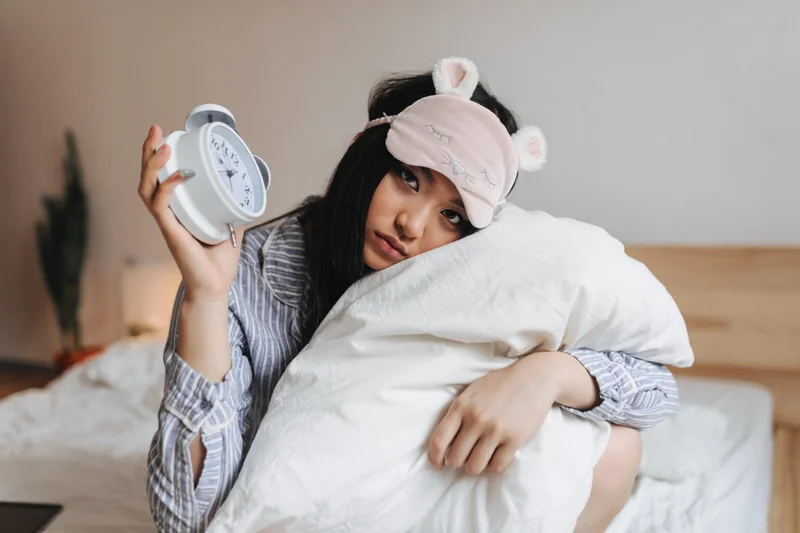
Struggling to fall asleep — or stay asleep — night after night? You're not alone. According to a 2019 study published in the Journal of Family Medicine and Primary Care, nearly 33% of Indian adults suffer from clinically significant insomnia. While modern medicine typically reaches for sedatives and benzodiazepines, Ayurveda offers time-tested, holistic remedies that address the root cause of sleeplessness rather than merely masking symptoms.
The best ayurvedic remedies for insomnia include herbs like Ashwagandha, Brahmi, and Jatamansi, therapeutic procedures such as Shirodhara and Abhyanga, dietary adjustments using sleep-promoting foods, and structured bedtime rituals tailored to your specific dosha imbalance. This guide breaks down each of these remedies with practical dosages, step-by-step protocols, scientific evidence, and clear guidance on when home remedies are enough — and when you need professional help.
What Is Insomnia? The Ayurvedic Perspective (Anidra)
Insomnia is more than just "not sleeping well." Clinically, it's defined as persistent difficulty falling asleep, staying asleep, or waking up too early — despite adequate opportunity for sleep — resulting in daytime impairment. It can be acute (lasting a few days to weeks, often triggered by stress or travel) or chronic (occurring at least three nights per week for three months or longer).
Anidra and Nidranasha: The Sanskrit Framework
In Ayurvedic texts, insomnia is known as Anidra or Nidranasha. The concept of Nidra (sleep) holds a foundational position in Ayurveda — it is one of the three pillars of life (Trayopastambha), alongside food (Ahara) and regulated sexual conduct (Brahmacharya). Acharya Charaka explicitly states that happiness (Sukha), nourishment (Pushti), strength (Bala), and even life itself depend on proper sleep of 6–8 hours.
- When Nidra is disturbed, the entire system unravels.
- This is not simply an inconvenience — Ayurveda treats it as a systemic breakdown.
How Doshas Cause Different Types of Insomnia
Here's what no other guide tells you clearly: your type of insomnia depends on which dosha is imbalanced, and the treatment must be personalized accordingly.
| Dosha Imbalance | Sleep Pattern | Associated Symptoms | Primary Cause |
|---|---|---|---|
| Vata (Prana Vayu) | Difficulty falling asleep; light, interrupted sleep; waking between 2–4 AM | Racing thoughts, anxiety, restlessness, dry skin | Excessive travel, irregular schedule, overwork, cold/dry diet |
| Pitta (Sadhaka Pitta) | Falls asleep but wakes between midnight–2 AM; can't fall back asleep | Anger, heat, sweating, vivid or disturbing dreams | Spicy food, alcohol, overheating, emotional intensity, screen time |
| Kapha (Tarpaka Kapha) | Excessive sleep yet feeling unrefreshed; morning grogginess | Heaviness, congestion, lethargy, depression | Overeating, sedentary lifestyle, emotional stagnation |
Understanding your dosha type is not academic — it determines which herbs, therapies, and lifestyle changes will actually work for you. We'll return to personalized protocols later in this article.
Which Ayurvedic Medicine Is Best for Insomnia?
This is by far the most common question, and the honest answer is: it depends on the individual. However, several herbs have both strong traditional backing and modern clinical evidence.
Ashwagandha (Withania somnifera)
- Arguably the most researched ayurvedic herb for sleep. A 2019 randomized, double-blind, placebo-controlled study published in Cureus found that 300 mg of Ashwagandha root extract taken twice daily for 10 weeks significantly improved sleep quality and reduced sleep onset latency.
- Participants also reported lower anxiety levels — which is critical, since anxiety and insomnia are deeply interconnected.
Suggested dosage: 300–600 mg of standardized root extract (with at least 5% withanolides), taken with warm milk 30–45 minutes before bed.
Brahmi (Bacopa monnieri)
Brahmi belongs to the category of Medhya Rasayana — nootropic herbs that rejuvenate the mind. It calms Sadhaka Pitta, reduces mental hyperactivity, and supports deep, restorative sleep. A 2014 study in Evidence-Based Complementary and Alternative Medicine showed Brahmi improved attention, cognitive processing, and reduced anxiety-related insomnia in participants over 12 weeks.
Suggested dosage: 300–450 mg of standardized extract (with 50% bacosides) or 3–5 gm of Brahmi powder with honey, taken at bedtime.
Jatamansi (Nardostachys jatamansi)
- Often called "Indian Spikenard," Jatamansi is perhaps the most directly sedative herb in the Ayurvedic pharmacopoeia.
- It enhances GABA levels in the brain — the same neurotransmitter targeted by pharmaceutical sleep aids like benzodiazepines — but without the dependency or morning drowsiness. Research published in the Journal of Ethnopharmacology (2010) confirmed its anxiolytic and sleep-inducing properties in animal models.
Suggested dosage: 250–500 mg of Jatamansi powder or 1–2 ml of tincture, taken 30 minutes before sleep.
Tagara (Valeriana wallichii)
The Indian cousin of European Valerian. Tagara is specifically indicated for Vata-type insomnia with restlessness and racing thoughts. A meta-analysis in The American Journal of Medicine (2006) covering 16 studies on Valerian species found a statistically significant improvement in subjective sleep quality.
Suggested dosage: 300–600 mg of Tagara extract or 3 gm of churna with warm water before bed.
Important Note on Dosages
These are general ranges based on traditional texts and available clinical data. Individual dosages can vary based on age, body constitution (Prakriti), severity of insomnia, and concurrent medications. Always consult a qualified Ayurvedic practitioner before starting any new herb, especially if you're pregnant, breastfeeding, or taking pharmaceutical sleep aids or antidepressants.
Named Ayurvedic Formulations Worth Knowing
Beyond single herbs, classical Ayurvedic formulations are often more effective because they combine synergistic ingredients:
| Formulation | Primary Action | Best For |
|---|---|---|
| Kalyanaka Kashayam | Calms mind, balances Pitta | Insomnia with anger, frustration, heat |
| Manasamitram Gulika/Tab | Comprehensive mental health support | Insomnia with anxiety, depression |
| Drakshadi Kashayam | Cooling, nourishing | Pitta-type sleeplessness |
| Ksheerabala Taila (internal + external) | Vata pacification, nourishes nerves | Vata-type insomnia with body pain |
| Saraswatharishtam | Medhya Rasayana, brain tonic | Insomnia from mental exhaustion |
These formulations are available from reputable manufacturers (Kottakkal Arya Vaidya Sala, AVP, etc.) and should be taken under professional guidance.
How to Get Deep Sleep at Night Using Ayurvedic Therapies
While herbs work from the inside, external Ayurvedic therapies — collectively known as Bahya Chikitsa — can be remarkably effective. Some of these you can do at home; others require a trained therapist.
Shirodhara: The Gold Standard
Shirodhara involves a continuous stream of warm medicated oil (or buttermilk, in Takra Dhara) poured gently over the forehead — specifically the Ajna marma (third eye point). A landmark case series published in PubMed Central (PMC3921608, 2014) documented significant reductions in Insomnia Severity Index (ISI) scores following Shirodhara therapy. Patients moved from "clinically severe insomnia" to "subthreshold" categories after just 5–7 sessions.
Shirodhara induces a state of calm alertness similar to deep meditation. It directly pacifies both Vata and Pitta in the nervous system.
Duration: 30–45 minutes per session, typically done daily for 7–14 days.
Abhyanga: Warm Oil Self-Massage
This one you can absolutely do at home — and honestly, it's one of the most underrated sleep remedies. Abhyanga involves massaging warm sesame oil (for Vata), coconut oil (for Pitta), or mustard oil (for Kapha) over the entire body, with particular attention to the scalp, soles of feet, and spine.
A study in the Journal of Ayurveda and Integrative Medicine (2011) showed that regular Abhyanga reduced cortisol levels and heart rate — two physiological markers directly linked to insomnia.
How to do it: Warm 2–3 tablespoons of oil. Massage in circular motions on joints, long strokes on limbs. Spend extra time on the scalp and feet. Leave oil on for 15–20 minutes, then shower with warm water. Best done 1 hour before bed.
Shiro Pichu, Thalam, and Nasyam
These lesser-known therapies deserve attention:
- Shiro Pichu: A cotton pad soaked in warm medicated oil placed on the crown of the head. Simpler than Shirodhara but effective for daily home use.
- Thalam: A medicated paste (often with Rasnadi Churna) applied to the vertex of the head. Particularly good for Pitta-type insomnia with heat symptoms.
- Nasyam: Administration of medicated oil drops through the nasal passage. This directly accesses the brain via the nasal mucosa and is especially effective for insomnia associated with sinus congestion, headache, or mental fog.
Samvahana: The Gentle Touch Therapy
Described in classical texts, Samvahana is a unique body massage using silk cloths and essential oils (like lavender, sandalwood, or jasmine). It's gentler than Abhyanga and focuses on relaxation rather than deep tissue work. Particularly effective for individuals who find regular massage too stimulating before bed.
Ayurvedic Remedies for Insomnia and Anxiety
Anxiety and insomnia are so tightly interwoven that treating one without addressing the other rarely works. Ayurveda recognizes this connection through the concept of Prana Vayu — the subdosha of Vata governing the mind, breath, and sensory perception.
Yoga and Pranayama for Sleep
These are not optional add-ons — they are integral to Ayurvedic insomnia treatment.
- Nadi Shodhana (Alternate Nostril Breathing): This pranayama directly balances the left and right hemispheres of the brain.
- Practice for 5–10 minutes before bed: inhale through the left nostril for 4 counts, hold for 4, exhale through the right for 8. Then reverse. A 2013 study in the International Journal of Yoga found Nadi Shodhana significantly reduced anxiety scores compared to control groups.
- Yoga Nidra (Yogic Sleep): A guided relaxation practice done lying down. Twenty minutes of Yoga Nidra is said to be equivalent to 2 hours of deep sleep.
- This isn't an exaggeration — EEG studies show Yoga Nidra induces delta brainwave activity, the same frequency seen in deep, dreamless sleep.
Recommended asanas before bed: Viparita Karani (legs-up-the-wall), Supta Baddha Konasana, Balasana (child's pose), and Shavasana. Avoid vigorous practices like Surya Namaskar within 3 hours of bedtime.
Meditation and Mantra
- Even 10 minutes of silent meditation or mantra repetition before sleep can reduce sleep onset latency by 50%, according to research from Harvard Medical School's Benson-Henry Institute (2015).
- The practice doesn't need to be complicated — simply focusing on the breath or repeating "Om" silently works.
Step-by-Step Ayurvedic Bedtime Protocol
This is something no competitor guide provides — a clear, time-bound evening routine. Here's a practical protocol based on classical Ayurvedic principles:
3 Hours Before Bed (7:00 PM if sleeping at 10:00 PM)
- - Eat your last meal.
- Keep it light: khichdi, soup, steamed vegetables, or warm milk with rice. Avoid heavy, fried, spicy, or fermented foods.
- No caffeine after 2:00 PM (ideally eliminate it if insomnia is chronic).
- Turn off or dim bright overhead lights. Switch to warm-toned lamps.
1 Hour Before Bed (9:00 PM)
- Put away all screens — phone, laptop, television. This is non-negotiable. Blue light suppresses melatonin production by up to 50%.
- Begin Abhyanga self-massage (15–20 minutes), focusing on scalp and feet.
- Take a warm (not hot) shower.
30 Minutes Before Bed (9:30 PM)
- Take your herbal medicine: Ashwagandha, Jatamansi, or prescribed formulation with warm milk.
- Drink a sleep-promoting beverage (see recipes below).
- Practice Nadi Shodhana pranayama for 5–10 minutes.
At Bedtime (10:00 PM)
- Apply 2 drops of Brahmi oil or sesame oil to each nostril (Pratimarsha Nasyam).
- Lie down. Practice Yoga Nidra or simple breath awareness for 10 minutes.
- Room should be dark, cool (around 22–24°C), and quiet.
Consistency is key. This protocol works best when followed daily for at least 21 days. Most patients report noticeable improvement within the first week.
Ayurvedic Sleep Drink Recipes
Golden Milk (Haldi Doodh) for Sleep
Ingredients:
- 1 cup whole milk (or almond milk for Pitta types)
- ½ tsp turmeric powder
- ¼ tsp nutmeg (jaiphal) — this is the key sleep ingredient
- A pinch of black pepper (for turmeric absorption)
- 1 tsp ghee
- Jaggery or honey to taste (add honey only after the milk cools below 40°C)
Method: Warm the milk on low heat. Add turmeric, nutmeg, and pepper. Stir for 2–3 minutes. Remove from heat, add ghee. Let it cool slightly, add sweetener. Drink 30 minutes before bed.
- Nutmeg contains myristicin, which has mild sedative properties.
- Don't exceed ¼ tsp — higher doses can cause adverse effects.
Ashwagandha Moon Milk
Ingredients:
- 1 cup warm milk
- 1 tsp Ashwagandha powder
- ½ tsp cardamom powder
- 1 tsp ghee
- A few strands of saffron (optional but excellent for Pitta types)
Method: Blend Ashwagandha into warm milk. Add cardamom, ghee, and saffron. Stir well. The fat from ghee and milk helps with Ashwagandha absorption.
Draksha (Grape) Remedy
- Here's an unusual but scientifically sound tip: eating 10–15 fresh grapes or drinking 100 ml of pure grape juice before bed can support sleep.
- Grapes contain natural melatonin — a 2006 study in the Journal of the Science of Food and Agriculture confirmed melatonin presence in multiple grape varieties. Additionally, Ikshu (sugarcane juice) contains tryptophan, a precursor to serotonin and subsequently melatonin.
- Ayurvedic Remedies vs.
- Pharmaceutical Sleep Aids: An Honest Comparison
| Factor | Ayurvedic Remedies | Pharmaceutical Sleep Aids |
|---|---|---|
| Onset of action | Gradual (3–14 days) | Rapid (30–60 minutes) |
| Dependency risk | Minimal to none | Moderate to high (especially benzodiazepines, Z-drugs) |
| Side effects | Generally mild (rare GI upset); some herbs contraindicated in pregnancy | Drowsiness, cognitive impairment, rebound insomnia, falls in elderly |
| Root cause treatment | Yes — addresses dosha imbalance, lifestyle, diet | No — primarily symptom suppression |
| Cost (India) | ₹200–800/month for most formulations | ₹150–2,000/month depending on medication |
| Long-term safety | Favorable (when used correctly) | Concerning — FDA black box warnings on some Z-drugs |
| Evidence base | Growing (RCTs available for Ashwagandha, Shirodhara); traditional evidence over 3,000+ years | Extensive clinical trial data |
- This isn't about demonizing modern medicine.
- For severe, acute insomnia — especially in psychiatric contexts — pharmaceuticals have a clear role. The point is that for mild-to-moderate chronic insomnia, Ayurvedic remedies offer a safer, more sustainable first-line approach.
Panchakarma Detox Therapy for Chronic Insomnia
When insomnia has become deeply entrenched — lasting months or years — individual herbs and home remedies may not be sufficient. This is where Panchakarma, Ayurveda's comprehensive detoxification system, becomes relevant.
Panchakarma for insomnia typically includes:
- 1.Snehapana (internal oleation with medicated ghee) — 3–7 days
- 2.Swedana (therapeutic sweating) — to open channels
- 3.Virechana (therapeutic purgation) — especially for Pitta-type insomnia
- 4.Basti (medicated enema) — the primary treatment for Vata disorders, including Vata-type insomnia
- 5.Shirodhara — as discussed above, often integrated as part of the Panchakarma protocol
A full Panchakarma program for insomnia typically runs 14–21 days and should only be done at a reputable Ayurvedic center under physician supervision. Post-Panchakarma, patients often report not just improved sleep, but enhanced energy, mental clarity, and emotional stability.
Contraindications and Safety: What No One Else Tells You
This section is critical and almost universally ignored by other guides.
- Ashwagandha: Avoid during pregnancy (may have uterine stimulant effects).
- Use cautiously with thyroid medications — it can increase T4 levels. May potentiate sedatives and anti-anxiety medications.
Jatamansi: Generally safe, but avoid in individuals with low blood pressure. Discontinue 2 weeks before any planned surgery due to potential CNS depressant effects.
- Brahmi: May slow heart rate. Use cautiously with beta-blockers or other heart-rate-lowering medications.
- May cause GI discomfort in some individuals — take with food.
Tagara/Valerian: Can cause headache and GI upset in sensitive individuals. Do not combine with alcohol or sedative medications. May impair driving ability if taken during the day. Shirodhara: Contraindicated during active fever, acute skin infections on the forehead, recent head injury, or in the third trimester of pregnancy.
When to See a Doctor: Red Flags
Stop relying solely on home remedies and seek medical attention if you experience:
- Insomnia lasting more than 4 weeks despite consistent lifestyle changes
- Breathing pauses during sleep (reported by a partner) — this could be sleep apnea
- Severe daytime impairment: difficulty driving, concentration failures at work, mood swings
- Insomnia accompanied by chest pain, shortness of breath, or severe headache
- Suicidal thoughts or severe depression
- Insomnia following a head injury
Insomnia can also be a symptom of underlying conditions — thyroid disorders, chronic pain, GERD, gut dysbiosis, Parkinson's disease, and clinical depression can all manifest as sleep disturbance. Treating the sleep symptom without addressing the root medical cause is futile.
Personalized Dosha-Based Protocols
If You Have Vata-Type Insomnia
Signs: Can't fall asleep, mind racing, anxiety, irregular schedule, feeling cold.
- Herbs: Ashwagandha + Tagara + Jatamansi
- Oil: Warm sesame oil Abhyanga, especially on feet and scalp
- Diet: Warm, cooked, slightly oily foods. Avoid raw salads, cold drinks, beans. Include sweet potato, oats, warm milk with nutmeg
- Therapy: Basti (medicated enema series), Shirodhara with sesame-based oil
- - Lifestyle: Strict routine.
- Same sleep and wake time every day — even weekends. Avoid stimulation after 8 PM
If You Have Pitta-Type Insomnia
Signs: Falls asleep but wakes at midnight–2 AM, vivid dreams, overheating, irritability.
- Herbs: Brahmi + Shankhapushpi + Shatavari
- Oil: Coconut oil or Brahmi oil Abhyanga
- Diet: Cooling foods. Avoid spicy, sour, fermented items. Include cucumber, sweet fruits, coconut water, milk with saffron and cardamom
- Therapy: Shirodhara with Takra (medicated buttermilk), Thalam with cooling paste
- Lifestyle: Avoid heated arguments, competitive activities, and alcohol in the evening. Moonlight walks are surprisingly therapeutic
If You Have Kapha-Type Insomnia
Signs: Oversleeps but wakes unrefreshed, grogginess, heaviness, depression.
- Herbs: Brahmi + Vacha (Acorus calamus) + Trikatu
- Oil: Light mustard or calamus oil — avoid heavy oils
- Diet: Light, warm, spiced foods. Avoid dairy, heavy sweets, wheat. Include millet, barley, honey, ginger tea
- Therapy: Dry powder massage (Udvartana), Nasyam with stimulating oils
- Lifestyle: Wake before 6 AM. Vigorous exercise in the morning. Avoid daytime napping
Frequently Asked Questions
What can cure insomnia naturally?
Natural cures for insomnia include a combination of Ayurvedic herbs (Ashwagandha, Brahmi, Jatamansi), lifestyle modifications (consistent sleep schedule, reduced screen time, warm oil massage), pranayama (Nadi Shodhana breathing), and dietary changes (avoiding caffeine, eating light dinners, drinking golden milk before bed). While no single remedy "cures" insomnia overnight, a consistent multi-pronged approach typically resolves mild-to-moderate insomnia within 2–4 weeks.
What is the strongest natural sleep remedy?
Based on available clinical evidence, Ashwagandha combined with Jatamansi represents the most potent natural sleep combination. Ashwagandha reduces cortisol and anxiety (the upstream causes), while Jatamansi directly enhances GABA activity (the downstream mechanism). For external therapies, Shirodhara has the strongest published evidence — the PubMed case series (2014) showed clinically significant ISI score reductions after just 5–7 sessions.
Is Ayurvedic sleep medicine safe for kids?
- Most Ayurvedic sleep herbs are not recommended for children under 12 without professional guidance.
- For children, simpler measures are preferred: warm milk with a tiny pinch of nutmeg, gentle foot massage with ghee, establishing a consistent bedtime routine, and ensuring they avoid screens 2 hours before sleep. Brahmi is generally considered the safest herb for children above 5 years — typical pediatric dosage is 1/4 to 1/2 of the adult dose — but always consult a pediatric Ayurvedic practitioner first.
How long does it take for Ayurvedic remedies to work for insomnia?
Most people notice initial improvement within 5–7 days of consistent herbal intake and lifestyle changes. However, significant, stable improvement typically takes 3–6 weeks. Chronic insomnia of several years' duration may require 2–3 months of sustained treatment, potentially including Panchakarma. Unlike pharmaceutical sleep aids that work the first night, Ayurvedic remedies build cumulative effects — but the results tend to be lasting rather than temporary.
Can I take Ayurvedic sleep medicines with allopathic sleeping pills?
This requires extreme caution. Herbs like Jatamansi, Tagara, and Ashwagandha can potentiate the effects of sedatives, benzodiazepines, and antidepressants, leading to excessive drowsiness or dangerous CNS depression. Never combine them without informing both your allopathic doctor and Ayurvedic practitioner. If you're currently on sleep medication and want to transition to Ayurvedic remedies, do so gradually under professional supervision — abruptly stopping certain medications can cause rebound insomnia or withdrawal symptoms.
Final Thoughts: Reclaiming Your Sleep, the Ayurvedic Way
Insomnia is not just a nighttime problem — it erodes every aspect of your waking life. The beauty of the Ayurvedic approach lies in its refusal to treat sleep as an isolated issue. By addressing your unique dosha imbalance, cleaning up dietary habits, establishing sacred bedtime rituals, and using targeted herbs and therapies, you're not just fixing sleep — you're restoring wholeness.
Start small. Pick one herb, one ritual, one dietary change. Follow the bedtime protocol for 21 days. Track your sleep. Then build from there.
And if you've been struggling for months with no improvement, don't suffer in silence — consult a qualified Ayurvedic physician who can design a personalized protocol including Panchakarma if needed. Your sleep is too important to leave to guesswork.
Scientific Sources
- Use of Ayurveda in the Treatment of Type 2 Diabetes Mellitus — Gordon A et al., 2019, Global advances in health and medicine
- Ayurgenomics and Modern Medicine — Wallace RK, 2020, Medicina (Kaunas, Lithuania)
- From nature's bounty to drug discovery: Leveraging phytochemicals and molecular approaches to combat multi-drug-resistant (MDR) tuberculosis — Nalam SM et al., 2024, The Indian journal of tuberculosis
- Aucklandia costus (Syn.Saussurea costus): Ethnopharmacology of an endangered medicinal plant of the himalayan region — Nadda RK et al., 2020, Journal of ethnopharmacology
- Rise of Siddha medicine: causes and constructions in the Madras Presidency (1920-1930s) — Kanagarathinam DV et al., 2023, Medical history
- Ayurvedic research, wellness and consumer rights — Chandra S, 2016, Journal of Ayurveda and integrative medicine
- Why and how? Addressing to the two most pertinent questions about pharmacovigilance in Ayurveda — Rastogi S, 2011, International journal of Ayurveda research
- Hallucinations in the classical Indian system of Ayurveda: A brief overview — Balsavar A et al., 2014, Indian journal of psychiatry
- Reversal of type 2 diabetes mellitus through integrated Ayurveda dietary protocol - A case report — Kumari S et al., 2024, Journal of Ayurveda and integrative medicine
- From ancient medicine to modern medicine: ayurvedic concepts of health and their role in inflammation and cancer — Garodia P et al., 2007, Journal of the Society for Integrative Oncology
- Development of Ayurveda - Tradition to trend — Mukherjee PK et al., 2017, Journal of ethnopharmacology
- Integrative vision in cancer research, prevention and therapy — Vaidya AD, 2024, Journal of Ayurveda and integrative medicine
- Challenges of mainstreaming: Ayurvedic practice in Delhi Government health institutions — Mallick S, 2016, Journal of Ayurveda and integrative medicine
- Awareness, practice and views about integrating AYUSH in allopathic curriculum of allopathic doctors and interns in a tertiary care teaching hospital in New Delhi, India — Singhal S et al., 2018, Journal of integrative medicine
- Ethical and legal issues in cross-system practice in India: Past, present and future — Math SB et al., 2015, The National medical journal of India
- A comprehensive review on ethnomedicine, phytochemistry, pharmacology, and toxicity of Tephrosia purpurea (L.) Pers — Rao AS et al., 2020, Phytotherapy research : PTR
- Utilization of Ayurveda in health care: an approach for prevention, health promotion, and treatment of disease.Part 1--Ayurveda, the science of life — Sharma H et al., 2007, Journal of alternative and complementary medicine (New York, N.Y.)
- Ritucharya: Answer to the lifestyle disorders — Thakkar J et al., 2011, Ayu
- Awareness and attitudes towards ayurveda in chronic disease management and related knowledge gaps among UK healthcare professionals: an analytical cross-sectional survey — Ravindran V et al., 2026, BMC complementary medicine and therapies
- Ayurveda for diabetes mellitus: a review of the biomedical literature — Elder C, 2004, Alternative therapies in health and medicine
Ask Ayurvedic doctor a question and get a consultation online on the problem of your concern in a free or paid mode.
More than 2,000 experienced doctors work and wait for your questions on our site and help users to solve their health problems every day.
Related articles