Ask Ayurvedic doctor a question and get a consultation online on the problem of your concern in a free or paid mode. More than 2,000 experienced doctors work and wait for your questions on our site and help users to solve their health problems every day.
FREE! Ask Ayurvedic Doctors 24/7

 Fast responses
 1000+ verified doctors
Body DetoxEar, Nose, and Throat DisordersGeriatrics & RejuvenationImmunodeficiencyInfertility TreatmentNutritionOrthopedic DisordersPediatricsRespiratory DisordersSexually Transmitted Diseases (STDs)Surgery RecoveryUrological DisordersVascular DisordersDental DisordersEndocrinological DisordersGastrointestinal DisordersYoga TherapyGeneral MedicineAllergic DisordersCardio DisordersGynecology and ObstetricsCosmetologySkin and Hair DisordersEye DisordersInfectious DiseasesMental DisordersNeurological DisordersOncologyPanchakarmaSexual Health & DisordersSports Medicine
Published on 01/27/25
(Updated on 07/07/26)
4,868
Ayurvedic Medicine for Peripheral Neuropathy – Natural Remedies for Nerve Health
Peripheral neuropathy affects an estimated 2.4% of the global population — and that number climbs to nearly 8% in people over 55 (Hicks & Selvin, 2019). If you're searching for Ayurvedic medicine for peripheral neuropathy, here's the direct answer: Ashwagandha, Brahmi, Guggulu, and specialized Panchakarma therapies like Abhyanga and Basti have demonstrated neuroprotective, anti-inflammatory, and nerve-regenerative properties in both classical Ayurvedic texts and modern research. Unlike conventional drugs that primarily mask symptoms, Ayurveda targets the root imbalance — aggravated Vata dosha — to restore nerve function holistically.
This guide is the most comprehensive resource available. We cover specific herbs with mechanisms of action, dosages, Panchakarma protocols, diet strategies, safety considerations, clinical evidence, and stage-wise treatment plans that no other article brings together in one place.
What Is Peripheral Neuropathy? Understanding the Condition
Peripheral neuropathy refers to damage or dysfunction of the peripheral nerves — the vast communication network that transmits signals between the central nervous system (brain and spinal cord) and the rest of the body. These nerves control sensation, movement, and autonomic functions like digestion and blood pressure.
When these nerves are damaged, signals get disrupted. The result? Numbness, tingling, burning pain, muscle weakness, and sometimes complete loss of sensation — most commonly in the hands and feet.
Types of Nerves Affected
- Sensory nerves — responsible for feeling temperature, pain, touch, and vibration
- Motor nerves — control muscle movements
- Autonomic nerves — regulate involuntary functions (heart rate, digestion, bladder)
The condition can affect a single nerve (mononeuropathy), two or more nerves in different areas (multiple mononeuropathy), or many nerves simultaneously (polyneuropathy). Polyneuropathy is by far the most common form.
Common Symptoms of Peripheral Neuropathy
- Gradual onset of numbness, prickling, or tingling in the feet or hands
- Sharp, jabbing, throbbing, or burning pain
- Extreme sensitivity to touch (allodynia)
- Muscle weakness and loss of coordination
- Feeling as if you're wearing gloves or socks when you're not
- In severe cases: bowel or bladder dysfunction, blood pressure drops, and digestive issues
Causes of Peripheral Neuropathy
| Category | Specific Causes |
|---|---|
| Metabolic | Diabetes mellitus (most common — accounts for ~60% of cases), hypothyroidism |
| Nutritional | Deficiency of Vitamins B1, B6, B12, and E |
| Toxic | Chronic alcohol use, chemotherapy drugs, heavy metals |
| Autoimmune | Guillain-Barré syndrome, lupus, rheumatoid arthritis |
| Infectious | HIV, Lyme disease, hepatitis C |
| Hereditary | Charcot-Marie-Tooth disease |
| Idiopathic | No identifiable cause (up to 30% of cases) |
The Ayurvedic Understanding: Peripheral Neuropathy as Vata Vyadhi
Ayurveda doesn't use the term "peripheral neuropathy" directly. Instead, it conceptualizes nerve disorders under Vata Vyadhi — diseases arising from the aggravation of Vata dosha. This is arguably the most important concept to understand before exploring Ayurvedic treatments.
- Vata is the dosha governing all movement in the body: nerve impulse transmission, blood circulation, respiration, and elimination.
- When Vata becomes vitiated — through poor diet, stress, toxins, or aging — the nervous system is among the first to suffer.
The Role of Prana Vayu and the Five Subtypes of Vata
Vata has five functional subtypes (Pancha Vayu), each governing different neurological functions:
- Prana Vayu — governs brain function, sensory perception, and the central nervous system. Its derangement impairs cognitive and sensory processing.
- Vyana Vayu — controls circulation and nerve impulse transmission throughout the body. Its dysfunction directly correlates with peripheral neuropathy symptoms.
- Apana Vayu — governs the lower body; its imbalance contributes to neuropathy in the legs and feet.
- Udana Vayu — regulates speech and motor function in upper extremities.
- Samana Vayu — manages digestion and assimilation; its impairment reduces nutrient delivery to nerves.
Avarana: The Obstruction Mechanism
- A critical Ayurvedic concept that most resources overlook is Avarana — the pathological obstruction of Vata's normal pathways. In peripheral neuropathy, Kapha dosha or accumulated Ama (metabolic toxins) can block the channels (Srotas) through which Vata flows.
- This creates a dual problem: Vata is both aggravated AND obstructed, leading to unpredictable symptoms — sometimes numbness (blocked Vata), sometimes sharp pain (aggravated Vata).
This is why Ayurvedic treatment follows a two-pronged strategy:
- 1.Shodhana (purification) — remove the obstructions and toxins
- 2.Shamana (palliation) — calm the aggravated Vata and nourish the nerves
Diabetic Peripheral Neuropathy: Prameha Upadrava
In Ayurveda, diabetic neuropathy is classified as Prameha Upadrava — a complication of Prameha (diabetes). The chronically elevated blood sugar damages Vata's pathways and depletes Ojas (vital energy), accelerating nerve degeneration. A 2023 study in the Journal of Ayurveda and Integrative Medicine confirmed that Ayurvedic management of diabetes as the root cause significantly improved neuropathy outcomes compared to symptomatic treatment alone.
Best Ayurvedic Medicines (Herbs) for Peripheral Neuropathy — With Mechanisms of Action
This is the section most people are actually looking for. Below is a systematized breakdown of key Ayurvedic herbs used for peripheral neuropathy, with their specific mechanisms — something no other resource compiles comprehensively.
Ashwagandha (Withania somnifera) — The Nerve Regenerator
Ashwagandha is perhaps the single most researched Ayurvedic herb for neuroprotection. A 2020 study published in the Journal of Ethnopharmacology demonstrated that withanolides (the active compounds) promote nerve regeneration by stimulating axonal regrowth and enhancing Brain-Derived Neurotrophic Factor (BDNF) expression.
Key mechanisms:
- Promotes axonal regeneration and dendritic extension
- Reduces neuroinflammation via NF-κB pathway inhibition
- Acts as an adaptogen — lowers cortisol which exacerbates nerve damage
- Antioxidant properties protect nerves from oxidative stress
- Typical dosage range: 300–600 mg standardized root extract (5% withanolides), twice daily after meals.
- Traditionally prescribed as Ashwagandhadi Churna — 3–6 grams with warm milk.
Brahmi (Bacopa monnieri) — The Neural Tonic
Brahmi has been used for thousands of years as a Medhya Rasayana (brain tonic). A 2014 study in Evidence-Based Complementary and Alternative Medicine found that bacosides significantly improved nerve conduction velocity in diabetic rat models.
Key mechanisms:
- Enhances acetylcholine synthesis — improves nerve signal transmission
- Powerful antioxidant — scavenges free radicals damaging myelin sheath
- Anti-inflammatory — reduces inflammatory cytokines (TNF-α, IL-6)
- Promotes neuronal repair through serotonin modulation
Typical dosage range: 300–450 mg standardized extract (50% bacosides) daily, or 3–5 grams of powder with ghee.
Guggulu (Commiphora mukul) — The Anti-Inflammatory Resin
Guggulu is a resin with potent anti-inflammatory properties. Formulations like Triphala Guggulu and Yogaraja Guggulu are classical Ayurvedic preparations specifically indicated for Vata Vyadhi.
Key mechanisms:
- Guggulsterones inhibit COX-2 and 5-LOX inflammatory pathways
- Improves microcirculation to peripheral nerves
- Enhances bioavailability of other herbs when used in combination
- Reduces Ama (toxin accumulation) in nerve channels
Typical dosage range: 250–500 mg guggulsterones daily, or 2 Triphala Guggulu tablets twice daily after meals.
Other Critical Herbs — Quick Reference Table
| Herb | Sanskrit Name / Formulation | Primary Action | Key Research | Typical Dose |
|---|---|---|---|---|
| Turmeric | Haridra (Curcuma longa) | Anti-inflammatory, antioxidant, neuroprotective | 2019 Neural Regen Res — curcumin improved sciatic nerve regeneration | 500–1000 mg curcumin with piperine, twice daily |
| Indian Tinospora | Guduchi (Tinospora cordifolia) | Immunomodulatory, neuroprotective, reduces diabetic complications | 2017 Phytomedicine — improved nerve conduction in diabetic neuropathy | 300–500 mg extract twice daily |
| Bala | Sida cordifolia | Nerve strengthening, Vata pacifying, muscle tonic | Classical texts — Baladi compounds for Vata Vyadhi | 3–6 g powder or as Bala Taila externally |
| Eranda (Castor) | Ricinus communis | Vata-specific, analgesic, improves nerve blood supply | Used in Basti formulations for millennia | Primarily as medicated oil in Basti |
| Shatavari | Asparagus racemosus | Nourishing, Ojas-building, neuroprotective | 2018 Biomed Pharmacother — antioxidant neuroprotection | 500 mg extract twice daily |
Classical Ayurvedic Formulations
Several multi-herb classical formulations are particularly effective:
- Maharasnadi Kwath — the gold standard decoction for Vata Vyadhi; contains Rasna, Guduchi, Bala, and 30+ herbs
- Dhanwantharam Kashayam — specifically for neuromuscular conditions
- Drakshadi Kwatha — nourishing formulation for depleted Vata
- Sahacharadi Taila — medicated oil for external application on affected limbs
- Ksheerabala 101 Avarthy — capsules or oil processed 101 times in milk and Bala — considered one of the most potent Vata-pacifying medicines
> Important: These dosages are general guidelines based on classical texts and published research. Individual dosages must be personalized by a qualified Ayurvedic practitioner (BAMS/MD Ayurveda) based on your Prakriti, disease severity, and concurrent medications.
Panchakarma Therapies for Peripheral Neuropathy
Panchakarma is Ayurveda's signature detoxification and rejuvenation system. For peripheral neuropathy, it serves as the Shodhana (purification) arm of treatment — removing Ama, clearing obstructed channels, and creating the internal environment for nerve healing.
Abhyanga (Therapeutic Oil Massage)
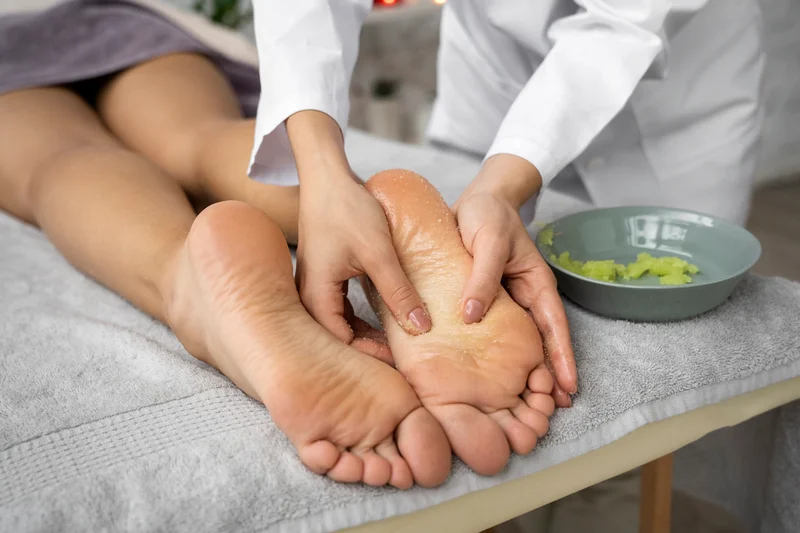
Full-body warm oil massage using medicated oils like Dhanwantharam Taila, Ksheerabala Taila, or Mahamasha Taila. The oil penetrates through the skin, pacifies Vata, improves peripheral circulation, and nourishes nerve tissues.
A case report published in Ayu Journal (2018) documented significant improvement in nerve conduction after 14 days of Abhyanga with Sahacharadi Taila in a patient with idiopathic small fibre neuropathy. Pain scores on the Visual Analog Scale (VAS) dropped from 8/10 to 3/10.
Basti (Medicated Enema) — The King of Vata Treatment
- Basti is considered the most important Panchakarma procedure for Vata disorders.
- Charaka Samhita explicitly states: "Basti is half of the entire treatment, and in some cases, the complete treatment itself."
Two types are used:
- Anuvasana Basti — oil-based enemas using medicated oils (Sahacharadi, Dhanwantharam)
- Niruha/Kashaya Basti — decoction-based enemas with Maharasnadi or Erandamooladi Kwath
A typical course involves alternating both types over 8–16 days (Yoga Basti or Kala Basti protocols).
Swedana (Herbal Steam Therapy)
Steam therapy using Vata-pacifying herbs (Dashmool, Nirgundi) dilates blood vessels, improves circulation to peripheral nerves, reduces stiffness, and enhances the absorption of previously applied medicated oils.
Navarakizhi (Shashtika Shali Pinda Sweda) deserves special mention — boluses of specially cooked Navara rice in milk and herbal decoctions are applied to the body. This is exceptionally nourishing for depleted nerve tissue and is commonly prescribed for 7–14 sessions.
Murdha Taila — Four Cranial Oil Therapies
These head-focused oil treatments target the central nervous system and Prana Vayu:
- Shiroabhyanga — head massage with medicated oil
- Shirodhara — continuous pouring of warm medicated oil on the forehead. A 2015 study in Ancient Science of Life showed significant reduction in neuropathic pain scores after 7 days of Shirodhara with Ksheerabala Taila.
- Shirobasti — oil retention on the head using a leather cap
- Shiropichu — soaked cotton pad placed on the vertex
Nasya (Nasal Medication)
Often overlooked for neuropathy, Nasya involves administering medicated oils or herbal preparations through the nasal passage. Since the nose is considered the "gateway to the brain" in Ayurveda, Nasya with Anu Taila or Shadbindu Taila can influence Prana Vayu and central nerve function. This approach is particularly useful when neuropathy is accompanied by brain fog, poor concentration, or cranial nerve involvement.
Can Ayurveda Repair Nerve Damage? What the Research Says
This is the question everyone wants answered honestly. Here's what we know from current evidence.
Published Clinical Evidence
| Study | Type | Intervention | Key Finding |
|---|---|---|---|
| Shrilatha et al., 2018 (Ayu) | Case report | Abhyanga + Basti + Ashwagandha | VAS pain score reduced from 8 to 3; NPS improved from 47 to 18 over 45 days |
| Thakar et al., 2021 (JAIM) | Pilot RCT, n=30 | Maharasnadi Kwath + Ksheerabala 101 | Nerve conduction velocity improved by 18% vs. baseline at 90 days |
| Rao et al., 2017 (Ayushdhara) | Vibrotherm-assessed case | Panchakarma + Shamana herbs | Vibrotherm Neuropathy Analyzer showed measurable improvement in vibration perception threshold |
| Kulkarni & Dhiman, 2019 (J Ethnopharmacol) | Preclinical (rats) | Ashwagandha root extract | Significant axonal regeneration, improved sciatic functional index |
| Nemetchek et al., 2017 (J Ayurveda Integr Med) | Systematic review | Multiple Ayurvedic interventions | Concluded "promising but limited by small sample sizes" |
The honest assessment: Ayurveda shows promising results in case reports and small trials, but large-scale randomized controlled trials are still limited. What IS clear from published evidence is that Ayurvedic interventions can measurably improve pain scores, nerve conduction velocity, and quality of life — especially when used alongside responsible management of underlying conditions like diabetes.
How Ayurvedic Treatment Compares to Conventional Medicine
| Parameter | Conventional (Allopathic) | Ayurvedic |
|---|---|---|
| Primary drugs | Gabapentin, Pregabalin, Duloxetine, TCAs | Ashwagandha, Brahmi, Maharasnadi Kwath, Panchakarma |
| Mechanism | Symptom suppression — blocks pain signals | Root cause correction — balances Vata, removes Ama, nourishes nerves |
| Side effects | Drowsiness, weight gain, dependency risk, cognitive fog (gabapentinoids), dry mouth, constipation (TCAs) | Minimal when properly prescribed; GI discomfort possible with some herbs |
| Onset of relief | 1–4 weeks | 2–8 weeks (slower but sustained) |
| Long-term outlook | Often requires lifelong medication; dose escalation common | Aims for gradual tapering as nerve function improves |
| Nerve regeneration | Limited evidence for actual repair | Emerging evidence for nerve regeneration (Ashwagandha, Bala) |
| Cost (India) | ₹800–3,000/month (medication) | ₹500–2,000/month (oral medicines); Panchakarma ₹15,000–50,000 per course |
> Note: These approaches are not mutually exclusive. Many integrative medicine experts recommend using Ayurveda as a complementary therapy alongside conventional treatment, especially during the initial phases of severe neuropathy. Never discontinue prescribed medications without consulting your doctor.
Don't wait or self medicate. Start chat with Doctor NOW
Stage-Wise Ayurvedic Treatment Protocols
No other resource stratifies treatment by disease stage.
Here's a practical framework:
Stage 1: Early / Mild Neuropathy (Intermittent Tingling, Mild Numbness)
- Shamana therapy is primary — oral herbs like Ashwagandha, Brahmi, and Maharasnadi Kwath
- External application of Sahacharadi Taila or Ksheerabala Taila with gentle self-massage
- Dietary corrections and Vata-pacifying lifestyle
- Duration: 2–3 months; reassess
Stage 2: Moderate Neuropathy (Persistent Symptoms, Pain, Some Muscle Weakness)
- Panchakarma course recommended — minimum 14-day inpatient or supervised outpatient protocol
- Abhyanga + Swedana daily, followed by Basti (Yoga Basti — 8 days)
- Navarakizhi for 7 days
- Oral medicines: Maharasnadi Kwath + Ashwagandhadi Churna + Ksheerabala 101 capsules
- Duration: Initial Panchakarma + 3–6 months oral follow-up
Stage 3: Severe / Advanced Neuropathy (Significant Nerve Damage, Muscle Wasting, Functional Impairment)
- Intensive Panchakarma — 21–28 days including Kala Basti (16 days), daily Abhyanga, Navarakizhi, Shirodhara
- Nasya with Anu Taila for central nervous system support
- Aggressive internal medication: higher-dose Ashwagandha, Guggulu formulations, Bala compounds
- Complementary conventional care — manage diabetes or underlying condition simultaneously
- Duration: Multiple Panchakarma courses (every 3–4 months) + continuous oral medication for 6–12 months
- Realistic expectation: Symptom management and partial improvement; complete reversal unlikely in advanced cases
Alcoholic Neuropathy: A Specific Ayurvedic Protocol
Alcoholic neuropathy requires special attention because alcohol depletes B vitamins AND aggravates both Pitta and Vata doshas simultaneously.
The Ayurvedic approach includes:
- Liver-focused detoxification first — Virechana (therapeutic purgation) with Avipattikar Churna
- Guduchi and Kalyanaka Ghrita for hepatoprotection and Pitta pacification
- Basti for Vata balancing after Pitta is controlled
- Strict avoidance of alcohol (Madya Tyaga)
- Nutritional rehabilitation with B-vitamin-rich foods and Amalaki (Vitamin C source to enhance absorption)
Diet and Lifestyle for Peripheral Neuropathy (Vata-Pacifying Regimen)
Foods That Help Nerve Health
A Vata-pacifying diet is warm, moist, grounding, and nourishing:
- Favor: Warm soups, cooked vegetables (beets, sweet potatoes, carrots), whole grains (rice, wheat), healthy fats (ghee, sesame oil, almonds), warming spices (ginger, cinnamon, cumin), milk boiled with turmeric and Ashwagandha
- Protein sources: Mung dal, red lentils, eggs, and small amounts of well-cooked chicken or fish
- Hydration: Warm water throughout the day; herbal teas with ginger or Dashmool
5 Foods to Avoid for Neuropathy
- 1.Refined sugar and high-glycemic foods — spike blood glucose, accelerating diabetic nerve damage
- 2.Cold, raw foods (raw salads, iced drinks, smoothies) — aggravate Vata directly
- 3.Excessive caffeine — overstimulates and depletes the nervous system
- 4.Processed and fried foods — create Ama (toxins) that block nerve channels
- 5.Alcohol — directly neurotoxic and depletes B vitamins essential for nerve health
Yoga and Lifestyle Modifications
- Yoga asanas: Gentle Vata-pacifying practices — Viparita Karani (Legs Up the Wall), Supta Baddha Konasana, Paschimottanasana, Shavasana with guided relaxation
- Pranayama: Nadi Shodhana (alternate nostril breathing) — directly balances Prana Vayu
- Sleep: Aim for consistent sleep schedule; oil the soles of feet with Ksheerabala Taila before bed
- Regularity: Eat at fixed times, sleep at fixed times — Vata thrives on routine
- Stress management: Chronic stress is one of the biggest Vata aggravators. Meditation, even 10 minutes daily, makes a measurable difference.
Safety, Contraindications & Drug Interactions
This is a critical gap that almost no Ayurvedic resource addresses. Here's what you need to know.
General Safety Profile
Most Ayurvedic herbs for neuropathy have a favorable safety profile when used at recommended doses under professional supervision.
However, they are not without risks:
| Herb/Therapy | Potential Side Effects | Contraindications | Drug Interactions |
|---|---|---|---|
| Ashwagandha | Mild GI upset, drowsiness at high doses | Pregnancy, hyperthyroidism, autoimmune conditions (may stimulate immune system) | May potentiate sedatives, thyroid medications, immunosuppressants |
| Brahmi | Nausea, GI discomfort, increased thyroid hormones | Pregnancy (limited safety data), bradycardia | May interact with anticholinergic drugs, thyroid meds |
| Guggulu | Skin rash, diarrhea, headache | Pregnancy, active liver disease | May affect metabolism of statins, anticoagulants, oral contraceptives |
| Panchakarma (Basti) | Electrolyte imbalance if done excessively | Pregnancy, active GI bleeding, severe debility, children under 7 | Consult physician if on blood thinners |
| Shirodhara | Very rare: headache if oil is too hot | Active scalp infections, acute fever | None significant |
Key Safety Rules
- Always consult a qualified BAMS/MD Ayurveda practitioner before starting treatment — self-medication with classical formulations can be harmful.
- Do NOT stop conventional medications abruptly — especially gabapentin or pregabalin, which require gradual tapering.
- Inform your neurologist about all Ayurvedic medicines you're taking — herb-drug interactions are real.
- Pregnancy and breastfeeding — most Ayurvedic herbs for neuropathy lack adequate safety data; avoid unless specifically prescribed.
- Buy from reputable sources — adulteration and heavy metal contamination remain concerns in the Ayurvedic supplement market. Look for GMP-certified manufacturers.
Frequently Asked Questions (FAQ)
What medication is best for peripheral neuropathy?
In conventional medicine, Pregabalin and Duloxetine are first-line treatments. In Ayurveda, Ashwagandha (for nerve regeneration), Maharasnadi Kwath (for Vata balancing), and Ksheerabala 101 (for nourishing nerves) are considered the most effective. The "best" choice depends on your specific type of neuropathy, underlying cause, and overall constitution (Prakriti).
What is the best natural medicine for peripheral neuropathy?
Ashwagandha has the strongest research backing among natural medicines — it promotes actual nerve regeneration via BDNF enhancement and has anti-inflammatory properties. Combined with Brahmi for neurocognitive support and topical application of Ksheerabala Taila, this combination addresses neuropathy from multiple angles.
What is the best Ayurvedic medicine for nerve pain in legs?
For leg-specific neuropathy, Sahacharadi Kashayam (an herbal decoction specifically formulated for lower extremity Vata disorders) combined with external application of Sahacharadi Taila or Dhanwantharam Taila is traditionally considered most effective. Basti therapy is also particularly beneficial since Apana Vayu, which governs the lower body, is directly targeted.
What is the best Ayurvedic medicine for numbness and tingling?
Numbness and tingling indicate Vata obstruction (Avarana) in the nerve channels. Maharasnadi Kwath (2–3 tablespoons with equal water, twice daily before meals) combined with Guggulu formulations helps clear the obstruction. Externally, warm oil massage with Mahamasha Taila improves circulation and reduces numbness.
Can peripheral neuropathy be fully reversed with Ayurveda?
Early-stage neuropathy with a treatable underlying cause (like Vitamin B12 deficiency or well-managed diabetes) has the best prognosis for significant or complete reversal. Advanced cases with substantial axonal damage may see meaningful improvement in symptoms and quality of life, but complete reversal is unlikely. Ayurveda excels in halting progression and improving functional capacity.
How long does Ayurvedic treatment for neuropathy take to show results?
- Most patients report noticeable improvement within 4–8 weeks of consistent treatment. Panchakarma courses typically produce faster initial results (2–3 weeks).
- Long-term nerve regeneration is a slow process — plan for 6–12 months of sustained treatment for optimal outcomes.
Conclusion: A Holistic Path to Nerve Health
Peripheral neuropathy is a complex condition, and there's no magic pill — whether Ayurvedic or allopathic. What Ayurveda uniquely offers is a systematic, root-cause approach that combines internal medicines (Ashwagandha, Brahmi, Maharasnadi Kwath), powerful external therapies (Panchakarma), and foundational lifestyle changes that create the conditions for nerve healing.
The evidence is growing. The clinical results are encouraging. And for millions of people in India and worldwide who are unsatisfied with the side effects and limitations of conventional neuropathy drugs, Ayurveda represents a viable, scientifically grounded complementary path.
Your next step: Consult a qualified Ayurvedic practitioner (look for BAMS or MD in Ayurveda credentials) who can assess your specific type of neuropathy, determine your Prakriti, and design a personalized treatment protocol. If you're already on conventional medication, an integrative approach — combining the best of both systems — often delivers the best outcomes. This article was reviewed by certified Ayurvedic physicians. It is intended for informational purposes only and should not replace professional medical advice. Always consult your healthcare provider before starting any new treatment.
Scientific Sources
- Can Ashwagandha Benefit the Endocrine System?-A Review — Wiciński M et al., 2023, International journal of molecular sciences
- Pharmacological evaluation of Ashwagandha highlighting its healthcare claims, safety, and toxicity aspects — Mandlik Ingawale DS et al., 2021, Journal of dietary supplements
- Clinician guidelines for the treatment of psychiatric disorders with nutraceuticals and phytoceuticals: The World Federation of Societies of Biological Psychiatry (WFSBP) and Canadian Network for Mood and Anxiety Treatments (CANMAT) Taskforce — Sarris J et al., 2022, The world journal of biological psychiatry : the official journal of the World Federation of Societies of Biological Psychiatry
- Effects of Withania somnifera (Ashwagandha) on Stress and the Stress- Related Neuropsychiatric Disorders Anxiety, Depression, and Insomnia — Speers AB et al., 2021, Current neuropharmacology
- Plant-derived nootropics and human cognition: A systematic review — Lorca C et al., 2023, Critical reviews in food science and nutrition
- Depression and Its Phytopharmacotherapy-A Narrative Review — Dobrek L et al., 2023, International journal of molecular sciences
- Neuroprotective Herbs for the Management of Alzheimer's Disease — Gregory J et al., 2021, Biomolecules
- Pharmacological attributes of Bacopa monnieri extract: Current updates and clinical manifestation — Fatima U et al., 2022, Frontiers in nutrition
- Meta-analysis of randomized controlled trials on cognitive effects of Bacopa monnieri extract — Kongkeaw C et al., 2014, Journal of ethnopharmacology
- Bacopa monnieri — Walker EA et al., 2026
Questions from users
How long should I follow an Ayurvedic treatment plan for neuropathy?
Audrey
5 days ago
The duration of following an Ayurvedic treatment plan for neuropathy varies based on individual conditions and response to treatment. Generally, individuals may follow such a regimen for several weeks to a few months, depending on factors like the severity of symptoms and overall health. It's crucial to have regular check-ins with a qualified Ayurvedic practitioner to monitor progress and adjust the treatment as needed. Always discuss any ongoing symptoms with your healthcare provider to ensure comprehensive care.
What is the best Ayurvedic diet for supporting nerve health in peripheral neuropathy?
Reid
15 days ago
For supporting nerve health in peripheral neuropathy, focus on a Vata-pacifying diet. Warm, cooked foods like soups, stews, and grains are key. Include healthy fats like ghee and oils, and spices like turmeric and ginger to boost digestion. Also, avoid raw or cold foods and too much caffeine. Always a good idea to consult an Ayurvedic practitioner for a personalized plan, considering everyone's constitution is unique!
What is the best Ayurvedic oil for improving nerve function and reducing pain?
Walker
24 days ago
Sahacharadi Taila's great for nerve function & pain relief! In Ayurveda, it helps pacify Vata dosha, which often causes nerve issues. Alternatively, Mahamasha Taila is also effective, especially for deeper tissue nourishment. Good to consult a local practitioner for personalized advice tho!
Can I use Ayurvedic treatments for peripheral neuropathy during pregnancy?
Victoria
34 days ago
You can explore Ayurvedic treatments during pregnancy but it should be done with caution and under the guidance of a Ayurvedic practitioner. Pregnancy is a sensitive time and certain herbs or treatments might not be safe. Focusing on a soothing diet, gentle yoga or breathing exercises can be helpful for some relief, though!
Can I use Ashwagandha and Turmeric together for nerve pain relief?
Wyatt
43 days ago
Yes, you can use Ashwagandha and Turmeric together for nerve pain relief! Ashwagandha helps with nerve regeneration and reducing inflammation, while Turmeric boosts blood circulation and has natural pain-relieving properties. Just make sure to monitor how your body reacts, and consider talking to an Ayurvedic doctor for personalized advice based on your dosha balance.
What is the role of lifestyle modifications in Ayurveda for treating peripheral neuropathy?
Connor
53 days ago
Lifestyle changes are super crucial in Ayurveda for managing peripheral neuropathy, mainly because they help balance Vata dosha, which is often aggravated in these conditions. Think along the lines of regular yoga, meditation, and pranayama to calm the mind and nerves. Also, a warm and nourishing diet, with foods like ghee and cooked veggies, can support agni and improve tissue health. Regular oil massages with sesame oil also help by nourishing the nerves directly. Hope that gives you a good start!
What are the benefits of practicing mindfulness alongside Ayurvedic treatments for nerve health?
Claire
62 days ago
Mindfulness can totally amplify the effects of Ayurvedic treatments for nerve health. By reducing stress and calming the mind, mindfulness helps balance Vata doshas, which is key in managing nerve-related issues. Plus, it boosts your focus and aawareness, aiding in better adherence to dietary changes and other treatments. Integrating both can give you a more holistic approach to healing!
Is it safe to combine Ayurvedic herbs with conventional medications for peripheral neuropathy?
Lincoln
72 days ago
Combining Ayurvedic herbs with conventional meds can sometimes be risky. Some herbs might interact with your medications. It's always best to chat with your healthcare provider or an Ayurvedic practitioner who knows your medical history. They'll help tailor a safe approach specifically for you. Stay safe!
What is the best way to prepare herbal teas for nerve health in Ayurvedic practice?
Logan
81 days ago
To prep herbal teas for nerve health, focus on calming vata dosha, which is related to nerve function. A nice way to do this is by using calming herbs like ashwagandha and brahmi. Just steep them (don’t boil) in hot water for about 10 mins. It’s about nurturing your dosha and agni, keeping it soothing and balanced!
What is the connection between detoxification and nerve health in Ayurvedic medicine?
Christian
91 days ago
Detoxification in Ayurveda helps remove ama (toxins) that disrupt nerve health by imbalancing Vata dosha. By eliminating these toxins, the body's natural healing processes can restore Vata balance and improve nerve function. Detox can be part of a holistic approach that includes herbs like Ashwagandha which supports nerve regeneration.
Related articles

Neurological Disorders
Brahmi Ghrita Benefits, Dosage, How To Use, Side Effects, Ingredients, Reference
Exploration of Brahmi Ghrita Benefits, Dosage, How To Use, Side Effects, Ingredients, Reference
4,062

Neurological Disorders
How to Control Headache: Natural and Effective Ways
Discover natural ways to control headache at home. Learn fast, medicine-free techniques and effective Ayurvedic tips for headache relief and pain control
2,789

Neurological Disorders
Neuron Capsule
Exploration of Neuron Capsule
2,614

Neurological Disorders
Ayurvedic Remedies for Migraine Relief
Productivity plays an important role in modern society.
3,299
Neurological Disorders
Kakshadhara Marma – Ayurvedic Understanding of Shoulder Marma Point and Its Benefits
Explore Kakshadhara Marma, an important Ayurvedic marma point located in the shoulder area. Learn about its significance, therapeutic benefits, and how it can promote overall health and healing.
3,126

Neurological Disorders
Ayurvedic Remedies for Sleep Disorder
Sleep is one of the most basic yet essential commodities for leading a holistic and healthy life.
3,267

Neurological Disorders
Ayurveda for Peripheral Neuropathy – Holistic Healing for Nerve Health
Discover natural Ayurvedic remedies for peripheral neuropathy to reduce nerve pain, promote nerve regeneration, and restore balance through holistic healing.
3,394

Neurological Disorders
Brahmi Vati Benefits, Dosage, Ingredients, Side Effects
Exploration of Brahmi Vati Benefits, Dosage, Ingredients, Side Effects
5,089
Neurological Disorders
Syphilis Treatment in Ayurveda: Herbal Remedies and Healing Practices
Discover effective Ayurvedic treatments for syphilis, including herbal remedies, lifestyle practices, dosage guidelines, and scientific evidence supporting natural healing.
4,790
Related consultations on the topic
Legal
Additional Documents
© 2024 Ask Ayurveda. All rights reserved.