FREE! Ask Ayurvedic Doctors 24/7

 Fast responses
 1000+ verified doctors
Ayurvedic Remedies for Sleep Disorder
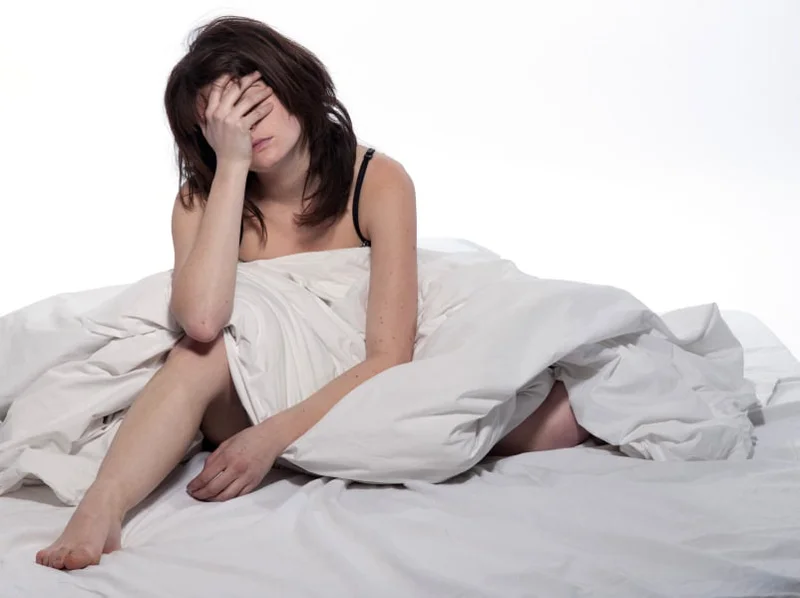
- Sleep disorder — or Anidra / Nidranasha in Ayurveda — affects over 30% of India's adult population, yet most people rely on habit-forming sleeping pills without addressing the root cause. Ayurvedic remedies for sleep disorder work differently. They target the underlying doshic imbalance, calm the nervous system, and restore your body's natural sleep-wake rhythm through herbs like Ashwagandha and Jatamansi, therapies like Shirodhara, dietary shifts, and structured nightly routines.
- This guide covers every evidence-backed Ayurvedic approach — including specific dosages, clinical research, personalized protocols by dosha type, and clear guidance on when to seek medical help — so you can finally sleep without dependance on pharmaceuticals.
Why Ayurveda Considers Sleep (Nidra) a Pillar of Health
- In the Charaka Samhita, sleep (Nidra) is listed as one of the Traya Upastambha — three sub-pillars of life alongside food (Ahara) and regulated sexual conduct (Brahmacharya). This is not a metaphor.
- Ayurveda literally equates sleep with food in importance: without either, the body cannot sustain itself.
- When sleep is balanced, Ayurveda says sukha (happiness), pushti (nourishment), bala (strength), virya (vitality), jnana (knowledge), and jivita (life itself) are maintained.
- When sleep is chronically disturbed, the reverse happens — dukha (misery), karshya (emaciation), abala (weakness), and eventually disease.
Modern sleep science confirms this. A 2022 meta-analysis in The Lancet linked chronic insomnia to a 45% increased risk of cardiovascular disease, impaired immune function, and accelerated cognitive decline.
How Sleep Disorders Are Classified in Ayurveda
Ayurveda classifies sleep disturbance primarily through its causative dosha:
- Vata-type insomnia — light, broken sleep with racing thoughts; waking between 2–4 AM
- Pitta-type insomnia — difficulty falling asleep due to mental intensity, vivid or disturbing dreams, overheating at night
- Kapha-type sleep disorder — excessive, heavy sleep that is unrefreshing; difficulty waking; daytime drowsiness despite long hours in bed
Modern medicine categories overlap: acute insomnia (less than 3 months), chronic insomnia (3+ months), sleep apnea (obstructive, central, and complex subtypes), and parasomnias like bruxism (teeth grinding during sleep, often stress-linked).
Causes of Sleep Disorders: The Ayurvedic and Modern View
| Category | Ayurvedic Perspective | Modern Equivalent |
|---|---|---|
| Doshic imbalance | Aggravated Vata (Prana Vayu), disturbed Pitta (Sadhaka Pitta), depleted Kapha (Tarpaka Kapha) | Neurotransmitter dysregulation (GABA, serotonin, melatonin) |
| Mental factors | Chinta (worry), Bhaya (fear), Krodha (anger), Shoka (grief) | Anxiety, depression, PTSD, chronic stress |
| Diet | Late heavy meals, excess Katu (pungent) and Tikta (bitter) foods, caffeine | Stimulants, high-glycemic meals before bed |
| Lifestyle | Irregular sleep timing, excessive screen exposure, suppression of natural urges | Circadian rhythm disruption, blue-light exposure |
| Physical | Impaired Agni (digestive fire), Ama accumulation, obesity | Sleep apnea (obesity is the leading risk factor for OSA), chronic pain |
Best Ayurvedic Herbs for Sleep Disorders (With Dosages and Research)
This is where most articles stop at vague recommendations. Below are specific herbs, evidence-backed dosages, the research behind them, and important contraindications that nobody talks about.
Ashwagandha (Withania somnifera)
Ashwagandha is the most extensively studied Ayurvedic herb for sleep. A landmark 2019 randomized controlled trial by Langade et al. (published in Cureus) found that 600 mg/day of Ashwagandha root extract over 10 weeks significantly improved sleep quality (measured by Pittsburgh Sleep Quality Index) and sleep onset latency compared to placebo. Participants reported 72% improvement in sleep quality vs. 29% in the control group.
Dosage: 300–600 mg standardized root extract daily, taken 30–60 minutes before bed. Contraindications: Avoid during pregnancy, hyperthyroidism (it can stimulate thyroid function), and with sedative medications due to additive effects.
Jatamansi (Nardostachys jatamansi)
Known as Indian Spikenard, Jatamansi has been used for centuries as a brain tonic and sleep aid. A 2015 study by Candelario et al. demonstrated its GABAergic activity — meaning it works on the same receptor pathway as pharmaceutical sedatives like benzodiazepines, but with a gentler mechanism.
Dosage: 250–500 mg root powder or 1–2 ml of liquid extract, taken at bedtime. Contraindications: May lower blood pressure; use cautiously with antihypertensive drugs.
Brahmi (Bacopa monnieri)
Classified as a Medhya Rasayana (nootropic rejuvenative), Brahmi doesn't just sedate — it calms anxious thought patterns that prevent sleep. A 2014 study in Evidence-Based Complementary and Alternative Medicine showed Brahmi reduced anxiety scores by 26% while improving cognitive function.
Dosage: 300–450 mg standardized extract (containing 50% bacosides) daily.
Shankhpushpi (Convolvulus pluricaulis)
Another Medhya Rasayana, Shankhpushpi is particularly effective for Pitta-type insomnia with mental agitation. Traditional texts recommend it as a syrup or churna.
Dosage: 3–6 grams of powder in warm milk, or 10–20 ml syrup before bed.
Tagara (Valeriana wallichii)
Often called "Indian Valerian," Tagara is the Ayurvedic counterpart to European valerian root. It acts as a mild sedative and is especially useful for Vata-type insomnia with restlessness.
Dosage: 250–500 mg root extract at bedtime. Contraindications: May cause morning grogginess at higher doses; avoid combining with alcohol or prescription sedatives.
Sarpagandha (Rauwolfia serpentina)
This is a potent herb that deserves a serious warning. While effective for sleep and hypertension, Sarpagandha contains reserpine — a powerful alkaloid with significant side effects including depression, nasal congestion, and gastrointestinal issues.
Dosage: Only under direct practitioner supervision, typically 50–100 mg of standardized preparation. Contraindications: Depression, peptic ulcer, pregnancy, Parkinson's disease. Never self-prescribe this herb.
Comparative Table: Ayurvedic Herbs vs. Conventional Sleep Aids
| Parameter | Ashwagandha | Jatamansi | Melatonin (Conventional) | Zolpidem (Prescription) |
|---|---|---|---|---|
| Mechanism | Adaptogenic, GABAergic, cortisol reduction | GABAergic, serotonergic | Circadian rhythm regulation | GABA-A receptor agonist |
| Onset of effect | 2–4 weeks for full effect | 1–2 weeks | 30–60 minutes | 15–30 minutes |
| Habit-forming? | No | No | No | Yes (tolerance develops) |
| Morning grogginess | Rare | Rare | Occasional | Common |
| Evidence level | Multiple RCTs | Preclinical + traditional use | Strong (multiple RCTs) | Strong (FDA-approved) |
| Side effects | Mild GI upset (rare) | Hypotension (rare) | Headache, dizziness | Dependence, amnesia, parasomnias |
How to Improve Sleep According to Ayurveda: Therapeutic Procedures
Ayurvedic therapies (Chikitsa) for sleep disorders go far beyond herbal supplements. These are clinical treatments, traditionally administered at Ayurvedic hospitals and Panchakarma centers.
Shirodhara
A continuous stream of warm medicated oil (typically Ksheerabala Taila or Valiya Chandanadi Taila) poured on the forehead for 30–45 minutes. A 2014 case series published in the Journal of Ayurveda and Integrative Medicine (PMC/NIH) documented significant improvements in sleep quality across patients with chronic insomnia after 7 consecutive Shirodhara sessions.
This is arguably the most powerful Ayurvedic therapy for insomnia — especially the Pitta and Vata types.
Abhyanga and Shiro Abhyanga
Abhyanga is full-body warm oil massage using sesame oil (Vata), coconut oil (Pitta), or mustard oil (Kapha). Shiro Abhyanga specifically targets the head, neck, and shoulders. Both activate the parasympathetic nervous system and dramatically reduce cortisol.
You can do a simplified version at home: warm sesame oil, massage your scalp and the soles of your feet for 10 minutes before bed.
Nasya
Administration of medicated nasal drops — specifically Anutaila — to clear the nasal passages and calm Prana Vayu. This is particularly effective when sinus congestion or breathing issues contribute to sleep disturbance (including mild obstructive sleep apnea).
Samvahana
A lesser-known but highly effective gentle massage using soft materials — traditionally silk cloths, soft brushes, and essential oils like lavender or sandalwood. It is specifically indicated for stress-induced insomnia and is deeply calming for the sensory nervous system.
Panchakarma for Sleep Disorders Linked to Obesity
For patients where obesity is the root cause of sleep apnea, Ayurveda addresses the primary condition through Vamana (therapeutic emesis) and Virechana (purgation) to reduce Kapha, followed by dietary restructuring. Weight reduction alone resolves mild-to-moderate OSA in many patients.
Personalized Sleep Protocols by Dosha Type
This is something no other guide provides — tailored recommendations based on your predominant doshic imbalance. Here's how to identify your type and what to do about it.
Vata-Type Sleep Disorder Protocol
Signs: You fall asleep but wake up at 2–4 AM. Racing thoughts, anxiety, restlessness. Light, fragmented sleep. Possibly teeth grinding (bruxism). Herbal priority: Ashwagandha (600 mg) + Tagara (250 mg) before bed in warm milk with a pinch of nutmeg. Therapy: Abhyanga with warm sesame oil. Shirodhara with Ksheerabala Taila. Diet: Warm, cooked, slightly oily foods for dinner. Avoid raw salads and cold drinks in the evening. Drink warm spiced milk (Ksheerapaka with nutmeg and cardamom) 30 minutes before bed.
- Lifestyle: Strict consistent sleep schedule.
- Weighted blanket.
- Warm bath before bed.
- No screens after 8:30 PM.
Pitta-Type Sleep Disorder Protocol
Signs: Difficulty falling asleep — the mind won't "switch off." Vivid or disturbing dreams. Feeling hot at night. Waking with irritability. Herbal priority: Brahmi (300 mg) + Shankhpushpi syrup (15 ml) + Jatamansi (250 mg). Therapy: Shirodhara with Chandanadi Taila (sandalwood-based cooling oil). Shiro Abhyanga with coconut oil. Diet: Cooling foods — cucumber, sweet fruits like Draksha (grapes, naturally contain melatonin), milk with raw sugar. Avoid spicy, fermented, and sour foods after 5 PM. No alcohol. Lifestyle: Moonlight exposure in the evening. Room temperature below 24°C. Cool-colored bedroom decor. Meditation on breath, not visualization.
Kapha-Type Sleep Disorder Protocol
- Signs: Sleeping 9+ hours but still feeling tired.
- Heavy, dull feeling.
- Sleep apnea symptoms — snoring, gasping, morning headaches.
Herbal priority: Brahmi (300 mg) + a small dose of Trikatu (125 mg) to stimulate Agni (digestive fire). Avoid heavy sedative herbs. Therapy: Nasya with stimulating oils. Dry powder massage (Udvartana) in the morning. Vigorous exercise before 6 PM. Diet: Light dinner before 7 PM. Avoid dairy, wheat, and sugar at night. Favor bitter and astringent tastes. Ikshu (sugarcane juice, rich in tryptophan) in moderation during the day. Lifestyle: Wake before 6 AM (before Kapha time). No daytime napping. Evening walk after dinner.
Step-by-Step Ayurvedic Evening Ritual for Better Sleep
Nobody gives you a clear, timed protocol. Here's one based on traditional Ratricharya (night regimen) principles, adapted for modern life.
The 90-Minute Wind-Down
8:00 PM — Last meal. Eat a light, warm dinner. Include a small amount of healthy fat (ghee) to ground Vata. This gives your body 2+ hours to digest before sleep.
- 8:30 PM — Screen shutdown. All phones, laptops, and televisions off.
- This isn't optional — blue light suppresses melatonin production by up to 50% (Harvard Health, 2020).
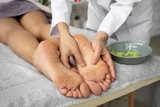
- 8:45 PM — Self-massage (Pada Abhyanga). Warm sesame oil (or coconut for Pitta types).
- Massage both feet, focusing on the center of the sole — this is the Kshipra Marma point, which calms Prana Vayu. Then massage the scalp for 5 minutes.
- 9:00 PM — Warm milk preparation. Boil 1 cup of milk (dairy or almond) with: 1/4 tsp nutmeg, 1/4 tsp cardamom, a pinch of turmeric, 1 tsp ghee, and sweetener of choice.
- This is traditional Ksheerapaka — a time-tested Ayurvedic sleep formula.
9:10 PM — Pranayama. Practice Nadi Shodhana (alternate nostril breathing) for 5–10 minutes. A 2019 study in International Journal of Yoga showed this technique significantly reduced sympathetic nervous system activity and cortisol within a single session. 9:20 PM — Gratitude or journaling. Write 3 things you're grateful for. This is not traditional Ayurveda, but it directly addresses Chinta (worry) and Shoka (grief) which are primary Vata-aggravating emotions. 9:30 PM — Lights out. Ideally, your bedroom should be completely dark, cool (22–24°C), and quiet.
How to Heal Sleep Disorders Naturally: Diet and Seasonal Adjustments
Sleep-Promoting Foods in Ayurveda
- Draksha (grapes): Naturally contain melatonin. Eat a small bunch after dinner or drink as juice.
- Ikshu (sugarcane): Rich in tryptophan, the amino acid precursor to serotonin and melatonin.
- Warm milk with nutmeg: The classic. Nutmeg (Jatiphala) has demonstrated sedative activity in animal models.
- Cherries: Another natural melatonin source.
- Ghee: Calms Vata and nourishes the nervous system.
Foods to strictly avoid after 5 PM: Caffeine (including green tea), dark chocolate, fermented foods, excessively spicy meals, leftover/reheated food (increases Tamas and Ama), and heavy protein-rich meals.
Seasonal Adaptation (Ritucharya) for Sleep
- This is a completley overlooked aspect.
- Sleep needs and strategies change with seasons:
- - Summer (Grishma Ritu): Pitta aggravation. Use cooling oils, sleep on the left side (activates lunar/cooling nadi), keep room cool.
- Sleep naturally shortens — this is normal.
- Monsoon (Varsha Ritu): Vata aggravation. Warm oil massage becomes critical. Avoid sleeping in damp rooms. Use grounding herbs.
- Winter (Hemanta/Shishira Ritu): Kapha increases. Sleep naturally lengthens. Avoid oversleeping. Wake before sunrise. Lighter dinners.
Special Populations: Children, Elderly, and Pregnant Women
Ayurvedic Sleep Medicine for Kids
- Children's sleep issues are usually Vata-related (fear, anxiety, overstimulation).
- Safe interventions include:
- Gentle Shiro Abhyanga with coconut or almond oil before bath time
- Warm milk with a tiny pinch of nutmeg and saffron
- Saraswatarishta — a traditional formulation considered safe for children above 5 years (5–10 ml diluted, under practitioner guidance)
- Avoid Ashwagandha in children under 12 without professional advice
Sleep Disorders in the Elderly
- Aging naturally increases Vata. Elderly patients often experience fragmented sleep, early morning waking, and anxiety.
- Key considerations:
- Ashwagandha is generally safe and well-tolerated in elderly populations (the Langade 2019 study included participants up to age 65)
- Abhyanga is especially beneficial — it addresses both insomnia and joint stiffness
- Check herb-drug interactions carefully (Jatamansi with antihypertensives, Ashwagandha with thyroid medications)
Pregnancy-Related Sleep Issues
- Most Ayurvedic sleep herbs are contraindicated during pregnancy, including Ashwagandha, Jatamansi, Sarpagandha, and Tagara.
- Safe alternatives:
- Warm milk with cardamom (no nutmeg in large amounts — it's a uterine stimulant)
- Gentle foot massage with coconut oil
- Nadi Shodhana pranayama (safe throughout pregnancy)
- Always consult both your OB-GYN and an Ayurvedic practitioner
When Ayurvedic Remedies Are Not Enough: Red Flags
- This is critical — and no competitor mentions it adequately.
- Seek immediate medical evaluation if you experience:
- Loud snoring with gasping or choking episodes (possible obstructive sleep apnea — this requires a polysomnography test)
- Sudden onset of severe insomnia after starting a new medication
- Sleep paralysis or narcolepsy symptoms
- Insomnia lasting more than 3 months despite consistent Ayurvedic treatment
- Suicidal thoughts or severe depression linked to sleep deprivation
Ayurveda works best as an integrative approach. It is not a replacement for emergency medical care, CPAP therapy for severe sleep apnea, or psychiatric medication for clinical depression.
FAQ
Which Ayurvedic medicine is best for sleep?
- Ashwagandha root extract (600 mg/day) has the strongest clinical evidence, supported by multiple randomized controlled trials. For anxiety-driven insomnia, a combination of Brahmi + Jatamansi may be more effective.
- The "best" medicine depends on your doshic type — there is no universal answer.
What is sleep apnea and can Ayurveda treat it?
- Sleep apnea is a condition where breathing repeatedly stops during sleep.
- There are three types: Obstructive (OSA, caused by airway collapse — most common), Central (CSA, brain fails to signal breathing muscles), and Complex (combination). Ayurveda can help with mild OSA through weight management (Panchakarma), Nasya therapy to clear airways, and Kapha-reducing protocols. Moderate to severe sleep apnea requires medical evaluation and likely CPAP therapy.
How long does it take for Ayurvedic remedies to improve sleep?
Unlike pharmaceutical sleep aids that work within 30 minutes, Ayurvedic herbs typically require 2–4 weeks of consistent use for noticeable improvement. Lifestyle changes (Dinacharya) and therapies like Shirodhara can show effects within the first week.
Can I take Ayurvedic sleep remedies with my current medications?
Some combinations are risky. Ashwagandha may interact with thyroid medications, immunosuppressants, and sedatives. Jatamansi can potentiate antihypertensive drugs. Sarpagandha should never be combined with antidepressants. Always disclose all supplements to your doctor.
How does Ayurveda explain the connection between digestion and sleep?
Impaired Agni (digestive fire) leads to Ama (toxin) accumulation, which clogs the body's micro-channels (Srotas) and prevents Tarpaka Kapha — the dosha sub-type responsible for nourishing the brain and inducing sleep — from functioning properly. This is why Ayurveda insists on eating dinner at least 2–3 hours before bed and keeping it light.
What is the role of Prana Vayu in sleep disorders?
- Prana Vayu is the sub-dosha of Vata governing the mind, senses, and breath.
- When aggravated, it creates hyperactivity of the mind — the "I can't stop thinking" phenomenon. Calming Prana Vayu through Nasya, pranayama, and Vata-pacifying herbs is the first line treatment for most insomnia cases in Ayurveda.
Take the First Step Toward Restful Sleep
Sleep disorders don't have to define your nights. Whether you're dealing with Vata-driven anxiety insomnia, Pitta-fueled mental overdrive, or Kapha-related sleep apnea, Ayurveda offers a personalized, root-cause approach that modern medicine often overlooks.
Start small: try the 90-minute evening ritual tonight. Add Ashwagandha for two weeks and track your sleep. If you need deeper guidance, consult a qualified Ayurvedic practitioner (BAMS degree minimum) who can assess your Prakriti, identify the specific doshic imbalance, and design a treatment protocol tailored to your body.
Sleep is not a luxury. In the words of Charaka, it is one of the three pillars holding up your entire life. Treat it accordingly.
Scientific Sources
- [[ON INDIAN COLORS]](https://pubmed.ncbi.nlm.nih.gov/14093449/) — MUELLER RF, 1963, Sudhoffs Archiv fur Geschichte der Medizin und der Naturwissenschaften
- Lead poisoning outbreak from consumption of contaminated Ayurvedic medication — Ferson MJ et al., 2022, The Medical journal of Australia
- [[Outbreak of lead poisoning associated with Ayurvedic medicine]](https://pubmed.ncbi.nlm.nih.gov/24559541/) — Fernández S et al., 2015, Medicina clinica
- Medical ethics in India: then and now — Pandya SK, 1999, Acta neurochirurgica. Supplement
- Kotalanol, a potent alpha-glucosidase inhibitor with thiosugar sulfonium sulfate structure, from antidiabetic ayurvedic medicine Salacia reticulata — Yoshikawa M et al., 1998, Chemical & pharmaceutical bulletin
- Ayurvedic medicine — Concon AA, 1983, The American journal of Chinese medicine
- Ayurvedic medicine: An introduction for nurses — Narayanasamy A et al., 2006, British journal of nursing (Mark Allen Publishing)
- [[Ayurvedic medicine and Chinese traditional medicine: first molecular bases]](https://pubmed.ncbi.nlm.nih.gov/18334184/) — Labie D, 2008, Medecine sciences : M/S
- Ayurvedic medicine: it is "time" for scientifically sound studies — Khanna D, 2005, Seminars in arthritis and rheumatism
- Case series and review of Ayurvedic medication induced liver injury — Karousatos CM et al., 2021, BMC complementary medicine and therapies
- Deluded confession: Response to Kishor Patwardhan — Karthik KP et al., 2023, Indian journal of medical ethics
- Culture and complementary therapies — Engebretson J, 2002, Complementary therapies in nursing & midwifery
- Hindu medicine: Ayur-Veda — GUTSTEIN RA, 1963, New York state journal of medicine
- Is there anything good about aging? — Maiti AK, 1998, Journal of the Indian Medical Association
- Paradoxical medicine: Ayurvedic herbal extract has evidence base cough syrup lacks — Berkovitz SR, 2008, BMJ (Clinical research ed.)
- Transient A-V dissociation and severe hypotension due to consumption of Ayurvedic medicine--Vatsanabha (aconitum ferox) — Laddhad D et al., 2014, The Journal of the Association of Physicians of India
- Some excerpts from Charaka Samhita - An ancient treatise on Ayurveda & healthy living — Katiyar CK et al., 2017, Journal of ethnopharmacology
- Untouchable healing: a Dalit Ayurvedic doctor from Nepal suffers his country's ills — Cameron MM, 2009, Medical anthropology
- [[Nursing in Islam medicine]](https://pubmed.ncbi.nlm.nih.gov/6562806/) — Akçiçek E, 1983, Turk hemsireler dergisi
- Lead toxicity from Ayurvedic medicines — Gitelman J et al., 2023, CMAJ : Canadian Medical Association journal = journal de l'Association medicale canadienne
Ask Ayurvedic doctor a question and get a consultation online on the problem of your concern in a free or paid mode.
More than 2,000 experienced doctors work and wait for your questions on our site and help users to solve their health problems every day.
Related articles