Ask Ayurvedic doctor a question and get a consultation online on the problem of your concern in a free or paid mode. More than 2,000 experienced doctors work and wait for your questions on our site and help users to solve their health problems every day.
FREE! Ask Ayurvedic Doctors 24/7

 Fast responses
 1000+ verified doctors
Body DetoxEar, Nose, and Throat DisordersGeriatrics & RejuvenationImmunodeficiencyInfertility TreatmentNutritionOrthopedic DisordersPediatricsRespiratory DisordersSexually Transmitted Diseases (STDs)Surgery RecoveryUrological DisordersVascular DisordersDental DisordersEndocrinological DisordersGastrointestinal DisordersYoga TherapyGeneral MedicineAllergic DisordersCardio DisordersGynecology and ObstetricsCosmetologySkin and Hair DisordersEye DisordersInfectious DiseasesMental DisordersNeurological DisordersOncologyPanchakarmaSexual Health & DisordersSports Medicine
Published on 12/16/24
(Updated on 07/05/26)
star_border 5
3,308
Myasthenia Gravis Ayurvedic Treatment: A Holistic Approach to Managing Neuromuscular Healt
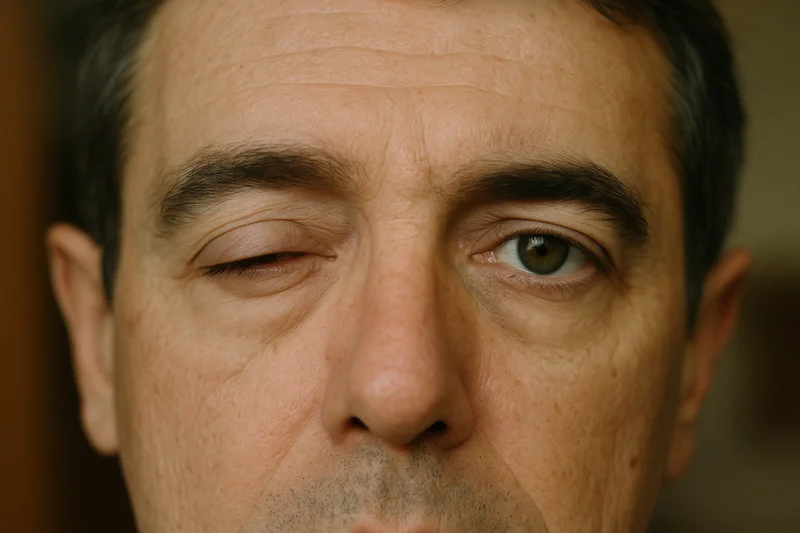
- Myasthenia gravis (MG) is a chronic autoimmune neuromuscular disorder in which antibodies attack the communication pathway between nerves and muscles, causing progressive skeletal muscle weakness that worsens with activity and improves with rest.
- It affects roughly 20 out of every 100,000 people worldwide — and incidence is rising, partly because of better diagnostics and an aging population. While there is currently no cure, modern treatments (including several groundbreaking drugs approved in 2023–2025) allow most patients to achieve a normal or near-normal life expectancy.
This guide covers everything you need to know: the pathophysiology behind MG, its types and stages, how it's diagnosed, the full spectrum of available treatments including the newest FDA-approved biologics, emergency protocols for myasthenic crisis, nutrition, rehabilitation, mental health, and practical steps you can take starting today.
What Is Myasthenia Gravis?
- The name itself tells the story. Myasthenia comes from the Greek words mys (muscle) and asthenia (weakness); gravis is Latin for serious or heavy.
- So, literally: "grave muscle weakness."
- In a healthy body, when a nerve impulse reaches the neuromuscular junction, the nerve ending releases acetylcholine (ACh). This chemical messenger crosses the synapse and binds to acetylcholine receptors (AChR) on the muscle fiber, triggering contraction.
- Think of it like a key fitting into a lock — the key is acetylcholine, and the lock is the receptor.
In myasthenia gravis, the immune system produces antibodies that either block, damage, or destroy these receptors. The result? Fewer working "locks" for the "keys" to fit into, which means muscles recieve weaker signals and fatigue rapidly.
What Is the Main Cause of Myasthenia Gravis?
The primary cause is autoimmune dysfunction. In approximately 85% of generalized MG cases, the immune system produces anti-AChR antibodies. In another 5–8%, the antibodies target a different protein called muscle-specific kinase (MuSK), which helps maintain the structure of the neuromuscular junction. A smaller subset involves antibodies against lipoprotein-related protein 4 (LRP4).
The thymus gland plays a central role. Located behind the breastbone, the thymus is part of the immune system and is abnormal in many MG patients:
- About 60–70% of MG patients have thymic hyperplasia (an enlarged thymus with extra immune cells)
- 10–15% have a thymoma (a tumor of the thymus, usually benign)
Researchers believe the abnormal thymus may generate or maintain the production of the harmful antibodies, though the exact mechanism isn't entirely clear.
Who Is More Likely to Get Myasthenia Gravis?
MG can affect anyone, but it shows a distinctive bimodal age pattern:
| Factor | Higher-Risk Group |
|---|---|
| Sex & Age (early onset) | Women under 40 |
| Sex & Age (late onset) | Men over 60 |
| Family history | Slightly increased risk with autoimmune conditions in the family |
| Other autoimmune diseases | Rheumatoid arthritis, lupus, thyroid disorders |
Globally, MG prevalence is estimated at 150–250 per million people, and it appears to be increasing — particularly among older adults. In India, hospital-based studies suggest comparable prevalence, though underdiagnosis in rural areas remains a concern.
How Common Is Myasthenia Gravis?
MG is considered a rare disease, but it's actually the most common disorder of neuromuscular transmission. An estimated 700,000+ people worldwide live with MG. A 2021 epidemiological review published in Neuroepidemiology showed that incidence rates have increased from approximately 5–30 new cases per million person-years, with the steepest rise in patients aged 65 and above.
What Were Your First Symptoms of Myasthenia Gravis?
- One of the most distinctive features of MG is that symptoms typically start subtly — and are often dismissed.
- The hallmark pattern: muscles grow weaker with repeated use and recover somewhat after rest.
Ocular Symptoms (Often the First Sign)
In more than 50% of patients, the first symptoms involve the eyes:
- Ptosis — drooping of one or both eyelids, often worse toward the end of the day
- Diplopia — double vision that comes and goes, sometimes shifting between horizontal and vertical
Many patients report that their eye symptoms started months or even years before generalized weakness appeared. About 15–20% of MG patients will have symptoms limited to the eye muscles (ocular MG) and never progress to generalized disease.
Generalized Symptoms
As the disease progresses, it can affect multiple muscle groups:
- Facial and jaw muscles: difficulty chewing (jaw "tires out" mid-meal), altered facial expression
- Bulbar muscles: slurred speech (dysarthria), nasal voice, difficulty swallowing (dysphagia)
- Neck muscles: difficulty holding the head up, especially late in the day
- Limb muscles: weakness in arms and legs, trouble climbing stairs, lifting objects, or raising arms overhead
- Respiratory muscles: shortness of breath, especially when lying down — this is the most dangerous symptom
A useful clinical clue: MG weakness is characteristically fluctuating and fatigable. A patient might speak clearly at the start of a conversation but become progressively unintelligible. This pattern distinguishes MG from many other neurological conditions.
What Are the 5 Stages of Myasthenia Gravis?
The Myasthenia Gravis Foundation of America (MGFA) Clinical Classification divides MG into five classes based on severity and the muscles involved:
| MGFA Class | Description | Key Features |
|---|---|---|
| Class I | Ocular MG | Only eye muscle weakness; all other muscles normal |
| Class II | Mild generalized | Mild weakness of non-ocular muscles; may have ocular symptoms |
| Class IIa | Predominantly limb/axial | Arms, legs, and trunk primarily affected |
| Class IIb | Predominantly bulbar | Swallowing, speech, and breathing more affected |
| Class III | Moderate generalized | Moderate weakness beyond ocular muscles |
| Class IIIa | Predominantly limb/axial | Moderate limb and trunk involvement |
| Class IIIb | Predominantly bulbar | Moderate bulbar involvement |
| Class IV | Severe generalized | Severe weakness of any muscles |
| Class IVa | Predominantly limb/axial | Severe limb/trunk weakness |
| Class IVb | Predominantly bulbar | Severe bulbar dysfunction; may require feeding tube |
| Class V | Myasthenic crisis | Requires intubation/mechanical ventilation |
Understanding your class helps your neurologist choose the right treatment intensity. Most patients fluctuate between classes over time, and the goal of treatment is to move toward Class I or remission.
How Is Myasthenia Gravis Diagnosed and Treated?
Step-by-Step: What to Do If You Suspect MG
This is something no competitor has laid out clearly — a practical roadmap for patients who think they might have MG:
- 1.See your primary care physician — Describe the fluctuating weakness pattern specifically. Mention if your symptoms worsen with activity and improve with rest.
- 2.Get a referral to a neurologist — ideally one with neuromuscular expertise
- 3.Blood tests — the first-line diagnostic test
- 4.Electrodiagnostic studies — if blood tests are inconclusive
- 5.Imaging — CT or MRI of the chest to evaluate the thymus
- 6.Trial of medication — sometimes a therapeutic trial confirms the diagnosis
Diagnostic Tests Explained
Blood antibody tests:
- Anti-AChR antibodies: positive in ~85% of generalized MG and ~50% of ocular MG
- Anti-MuSK antibodies: checked if AChR is negative; positive in ~5–8%
- Anti-LRP4 antibodies: newer test, helps identify some "seronegative" patients
Electrodiagnostic tests:
- Repetitive nerve stimulation (RNS): a nerve is stimulated repeatedly; a decreasing muscle response (>10% decrement) suggests MG
- Single-fiber EMG (SFEMG): the most sensitive test for MG (sensitivity >95%), detects "jitter" in neuromuscular transmission
Bedside tests:
- Ice pack test: an ice pack placed on the closed eyelid for 2 minutes can temporarily improve ptosis in MG patients (cold improves neuromuscular transmission). It's non-invasive and can be done in any clinic.
- Edrophonium (Tensilon) test: an injection of edrophonium chloride, a short-acting acetylcholinesterase inhibitor, temporarily improves weakness within seconds. This test is used less frequently now due to cardiac side effects and availability issues, but it remains a classic diagnostic tool.
The Challenge of Seronegative Myasthenia Gravis
Approximately 10–15% of MG patients test negative for all known antibodies — this is called seronegative MG. These patients are often misdiagnosed or experience significant diagnostic delays.
For seronegative patients, diagnosis relies heavily on:
- Clinical presentation and the characteristic fatigue pattern
- Positive response to acetylcholinesterase inhibitors
- SFEMG findings
- Exclusion of other conditions (differential diagnosis)
Recent research suggests some seronegative patients may have low-affinity antibodies that standard tests miss. Cell-based assays, which are more sensitive, are increasingly being used in specialized centers and may reclassify some "seronegative" patients as seropositive.
Differential Diagnosis: Conditions That Mimic MG
| Condition | Key Differentiating Feature |
|---|---|
| Lambert-Eaton Myasthenic Syndrome (LEMS) | Weakness improves with repeated use (opposite of MG); often associated with cancer |
| Guillain-Barré Syndrome | Ascending paralysis, usually post-infectious, with areflexia |
| Botulism | Descending paralysis, pupil involvement, often food-related |
| Brainstem stroke | Sudden onset, other neurological signs |
| Organophosphate poisoning | Cholinergic crisis with excessive secretions |
| Mitochondrial myopathies | Progressive external ophthalmoplegia without fluctuation |
Myasthenia Gravis Treatment: From First-Line to Cutting-Edge (2025)
Treatment strategy in MG follows a stepwise approach. The goal is to achieve "minimal manifestation status" or complete remission with minimal side effects.
First-Line Treatments
Acetylcholinesterase inhibitors:
- - Pyridostigmine (Mestinon) remains the cornerstone symptomatic treatment. It prevents the breakdown of acetylcholine, allowing more of it to work at the neuromuscular junction.
- Typical starting dose: 60 mg three times daily, adjusted based on response.
- Common side effects: abdominal cramps, diarrhea, increased salivation
Corticosteroids:
- Prednisone/Prednisolone is the most commonly used immunosuppressant for MG. It reduces antibody production broadly.
- Important: steroids can initially worsen MG symptoms before improving them, so dose escalation should be gradual and monitored.
Steroid-Sparing Immunosuppressants
For long-term management, these agents allow reduction of steroid dose:
| Drug | Mechanism | Onset of Effect | Key Considerations |
|---|---|---|---|
| Azathioprine | Purine synthesis inhibitor | 6–12 months | Check TPMT enzyme before starting |
| Mycophenolate mofetil | Purine synthesis inhibitor | 6–12 months | GI side effects common |
| Tacrolimus | Calcineurin inhibitor | 3–6 months | Popular in Asian countries; renal monitoring needed |
| Cyclosporine | Calcineurin inhibitor | 2–4 months | Nephrotoxicity risk |
| Methotrexate | Folate antagonist | 6–12 months | Weekly dosing; liver monitoring |
Thymectomy
Surgical removal of the thymus is recommended for:
- All patients with thymoma (regardless of MG status)
- Non-thymoma MG patients aged 18–65 with generalized disease and AChR antibodies
The landmark MGTX trial (2016), published in the New England Journal of Medicine, showed that thymectomy combined with prednisone produced better outcomes than prednisone alone over 3 years — including lower steroid requirements and fewer symptoms.
Newest FDA-Approved Therapies (2023–2025)
This is where the treatment landscape has changed dramatically. Several biologics targeting specific immune pathways have been approved:
| Drug | Brand | Mechanism | Approved | Route | Key Notes |
|---|---|---|---|---|---|
| Eculizumab | Soliris | C5 complement inhibitor | 2017 | IV every 2 weeks | First biologic for MG; high cost (~$500,000/year) |
| Ravulizumab | Ultomiris | Long-acting C5 inhibitor | 2022 | IV every 8 weeks | Less frequent dosing vs. eculizumab |
| Efgartigimod | Vyvgart | FcRn inhibitor (reduces IgG) | 2021 | IV; SC form (2023) | First FcRn inhibitor for MG; cyclic dosing |
| Rozanolixizumab | Rystiggo | FcRn inhibitor | 2023 | SC injection | Cyclic dosing, self-administered |
| Zilucoplan | Zilbrysq | C5 complement inhibitor | 2023 | Daily SC injection | First self-injectable complement inhibitor for MG |
FcRn inhibitors work by blocking the neonatal Fc receptor, which normally recycles IgG antibodies and extends their lifespan. By blocking FcRn, these drugs accelerate the degradation of all IgG — including the pathogenic antibodies causing MG. They are particuarly promising because of their targeted mechanism and manageable side-effect profiles.
Rescue Therapies for Acute Exacerbations
- Plasmapheresis (plasma exchange): physically removes antibodies from the blood. Fast-acting (days), but effects are temporary (weeks).
- Intravenous immunoglobulin (IVIg): modulates the immune system through multiple mechanisms. Given over 2–5 days with effects lasting 3–6 weeks.
Both are used for myasthenic crisis, pre-surgical preparation, and when rapid improvement is needed.
Don't wait or self medicate. Start chat with Doctor NOW
Myasthenic Crisis: An Emergency Plan Everyone Should Know
Myasthenic crisis occurs when respiratory muscles become too weak to maintain adequate breathing. It's a medical emergency affecting approximately 15–20% of MG patients at some point in their lives, with mortality rates of 3–8% in modern ICUs.
Warning Signs to Watch For
- Rapidly increasing shortness of breath
- Difficulty speaking in full sentences
- Inability to swallow saliva
- Weak cough
- Using accessory muscles to breathe (neck muscles pulling with each breath)
Emergency Action Protocol (For Patients and Families)
- 1.Call emergency services immediately (112 in India) — do not wait to see if it improves
- 2.Sit upright — this optimizes breathing mechanics
- 3.Do NOT give extra pyridostigmine — overdose can cause cholinergic crisis, which looks similar
- 4.Bring your medication list — especially important for emergency doctors to know current immunosuppressants
- 5.Inform the team: "I have myasthenia gravis and may be in myasthenic crisis. I may need BiPAP or intubation."
Common Triggers of Crisis
- Infections (especially respiratory — this is the #1 trigger)
- Surgery or anesthesia
- Medications that worsen MG (see below)
- Tapering immunosuppressants too quickly
- Physical or emotional stress
- Pregnancy (particularly postpartum)
Medications That Can Worsen Myasthenia Gravis
This is critically important and often overlooked. Several commonly prescribed drugs can exacerbate MG or trigger crisis:
| Drug Class | Specific Examples | Risk Level |
|---|---|---|
| Fluoroquinolone antibiotics | Ciprofloxacin, levofloxacin, moxifloxacin | HIGH — avoid if possible |
| Aminoglycoside antibiotics | Gentamicin, tobramycin, amikacin | HIGH |
| Macrolide antibiotics | Azithromycin, erythromycin, telithromycin | MODERATE-HIGH |
| Beta-blockers | Propranolol, metoprolol, atenolol | MODERATE |
| Calcium channel blockers | Verapamil | MODERATE |
| Magnesium (IV) | Magnesium sulfate | HIGH — especially during eclampsia treatment |
| Botulinum toxin | Botox injections | HIGH — even cosmetic use |
| Immune checkpoint inhibitors | Nivolumab, pembrolizumab | HIGH — can trigger or unmask MG |
| D-penicillamine | Used for Wilson's disease, RA | Can induce MG |
Safer alternatives when antibiotics are needed: cephalosporins, tetracyclines (doxycycline), carbapenems, and trimethoprim-sulfamethoxazole are generally considered safer, though caution is still advised. Every MG patient should carry a medical alert card or bracelet listing their condition and contraindicated medications.
Diet, Nutrition, and Rehabilitation for Myasthenia Gravis
Eating Well With MG: Practical Nutrition Tips
No specific diet cures MG, but nutrition plays a supportive role — especially when dysphagia is a factor.
For patients with swallowing difficulties:
- Eat smaller, more frequent meals (5–6 times daily instead of 3 large meals)
- Eat when you're rested — breakfast is often the easiest meal
- Choose soft, moist foods; avoid dry, crumbly, or stringy textures
- Thicken liquids if thin liquids cause choking
- Sit upright for at least 30 minutes after eating
General nutrition recommendations:
- Potassium-rich foods (bananas, oranges, potatoes) — important because corticosteroids and some diuretics deplete potassium
- Calcium and Vitamin D — essential when on long-term steroids to protect bone density
- Anti-inflammatory foods — omega-3 fatty acids (fish, flaxseed), turmeric, leafy greens may support immune balance
- Avoid excessive sodium — steroids cause fluid retention
- Some patients anecdotally report that foods high in lectins or processed sugars worsen fatigue, though robust clinical evidence is limited
Physical Rehabilitation and Exercise
A common misconception: "If muscles are weak, don't exercise." Actually, appropriate exercise can be beneficial.
A 2019 study in Neuromuscular Disorders showed that moderate, supervised exercise improved fatigue and quality of life in stable MG patients without increasing weakness.
Recommendations by disease severity:
- Stable/mild MG: walking, swimming (with supervision), gentle cycling, yoga — 20–30 minutes, 3–5 times per week
- Moderate MG: low-resistance exercises, stretching, breathing exercises (diaphragmatic breathing)
- During exacerbation: rest; physiotherapy focused on preventing joint stiffness and respiratory support
Key principle: exercise during the morning or early afternoon when energy is highest. Stop if muscles become significantly weak. "Listen to your body" isn't just a cliché here — it's literally your safety guide.
Mental Health, Quality of Life, and Community Support
Living with a chronic, unpredictable condition takes a psychological toll that is often underestimated. Studies show that 40–60% of MG patients experience clinically significant anxiety or depression.
Impact on Daily Life
- A 2020 survey in Muscle & Nerve found that 68% of MG patients reported reduced work capacity, and 22% had to stop working entirely
- Fatigue — beyond just muscle weakness — is reported as the most disabling symptom by many patients
- Social isolation due to speech difficulties, facial weakness, and unpredictable symptoms is common
Psychological Support Strategies
- Cognitive-behavioral therapy (CBT): shown to reduce anxiety and improve coping in chronic illness
- Mindfulness-based stress reduction: a 2021 pilot study showed improved fatigue scores in MG patients
- Peer support groups: connecting with others who understand the condition is invaluable. Organizations like the Myasthenia Gravis Foundation of America (MGFA) and Myasthenia Gravis Association of India offer resources
- Open communication with employers: many patients benefit from workplace accommodations (flexible hours, rest breaks, ergonomic modifications)
MG in Special Populations
Myasthenia Gravis in Children (Juvenile MG)
While MG is typically thought of as an adult disease, juvenile MG (onset before age 18) accounts for 10–15% of all MG cases — and the proportion is higher in Asian populations, including India.
Key differences from adult MG:
- Higher rate of ocular-only disease (up to 75% in prepubertal children)
- Higher spontaneous remission rates (some studies report 15–30% over time)
- Concerns about long-term immunosuppression effects on growth and development
- Thymectomy decisions are more complex in younger children
Congenital myasthenic syndromes (CMS) are a separate entity entirely — these are genetic (not autoimmune) conditions affecting the neuromuscular junction, inherited in an autosomal recessive pattern. They require different treatment, and genetic testing is key.
MG and Pregnancy
Pregnancy in MG is absolutely possible but requires careful planning:
- MG symptoms are unpredictable during pregnancy — roughly one-third worsen, one-third improve, and one-third stay the same
- Neonatal MG occurs in 10–20% of infants born to MG mothers due to transplacental transfer of antibodies. It's temporary, resolving in weeks, but may require monitoring in an NICU.
- Magnesium sulfate (commonly used for preeclampsia) is dangerous in MG — alternative seizure prophylaxis should be planned
- Pyridostigmine is generally considered safe during pregnancy; most immunosuppressants need to be reviewed individually
MG and Vaccination
- A practical and timely topic.
- General guidance from neurological societies:
- Inactivated vaccines (influenza, COVID-19 mRNA/protein subunit, pneumococcal): generally safe and recommended
- Live vaccines (MMR, varicella, yellow fever): should be avoided in patients on immunosuppressive therapy
- COVID-19 vaccination: strongly recommended. MG patients are at higher risk of severe COVID-19. Post-vaccination flares have been reported in a small percentage but are generally manageable and should not deter vaccination.
- Timing: avoid vaccination during a flare or within 2 weeks of IVIg/plasma exchange
What Are the Latest Updates on Myasthenia Gravis?
The MG treatment landscape is evolving faster than ever:
- FcRn inhibitors (efgartigimod, rozanolixizumab) represent a paradigm shift — they're the first treatments to target IgG recycling specifically
- Subcutaneous formulations of efgartigimod (Vyvgart Hytrulo) and zilucoplan allow self-administration at home
- Clinical trials in progress (2024–2025): CAR-T cell therapy for refractory MG, Bruton's tyrosine kinase (BTK) inhibitors, and novel complement pathway targets
- Biomarker research: efforts to develop blood-based biomarkers that predict flares before they happen, enabling preemptive treatment adjustment
- Gene therapy for congenital myasthenic syndromes: early-phase studies are exploring genetic correction of CMS, which could be curative
- An Ayurvedic perspective is also gaining research attention. In Ayurveda, MG is correlated with Vata dosha imbalances affecting Mamsa dhatu (muscle tissue). While robust clinical trials are limited, some practitioners report supportive benefits from Ashwagandha (Withania somnifera), Bala (Sida cordifolia), Rasayana therapies, and Panchakarma detoxification protocols.
- These should be considered complementary to — not replacements for — evidence-based immunological treatment, and always discussed with your neurologist.
Frequently Asked Questions About Myasthenia Gravis
Can Myasthenia Gravis Be Cured?
There is currently no cure for autoimmune MG. However, with proper treatment, many patients achieve remission or "minimal manifestation status" — meaning symptoms are minimal or absent. Some patients (estimated 10–20%) experience spontaneous remission, particularly those with ocular MG. The newer biologic therapies are bringing more patients closer to functional remission than ever before.
How Is Myasthenia Gravis Pronounced?
It's pronounced: my-as-THEE-nee-uh GRAV-is. The emphasis falls on the third syllable of myasthenia.
How Can I or My Loved One Help Improve Care for People With MG?
- Participate in clinical trials (ClinicalTrials.gov lists active studies)
- Join patient registries (MGFA maintains an international registry)
- Support MG organizations through fundraising or awareness campaigns
- Educate friends, family, and employers about the condition
- Share your experience — patient stories help others feel less alone and can inform research priorities
Where Can I Find More Information About Myasthenia Gravis?
Trusted resources include:
- Myasthenia Gravis Foundation of America (MGFA): myasthenia.org
- National Institute of Neurological Disorders and Stroke (NINDS): ninds.nih.gov
- Myasthenia Gravis Association of India
- Rare Diseases India Foundation
- Your treating neurologist remains the best source of personalized guidance
What Is the Life Expectancy With Myasthenia Gravis?
- With modern treatment, most MG patients have a normal or near-normal life expectancy. This is a dramatic improvment from the pre-treatment era, when MG had a mortality rate exceeding 30%.
- The key factors for good outcomes: early diagnosis, consistent treatment adherence, avoidance of triggers, and having an emergency plan for myasthenic crisis.
Final Thoughts: Taking Control of Your MG Journey
- Myasthenia gravis can feel overwhelming — the unpredictable weakness, the long path to diagnosis, the complexity of treatment decisions.
- But here is the hopeful truth: we are living in the most promising era ever for MG management. New therapies are being approved at an unprecedented pace, understanding of the disease deepens every year, and the MG community grows stronger.
If you suspect you have MG, don't delay seeking a neurologist. If you've been diagnosed, work closely with your care team to find the treatment combination that gives you the best quality of life. Build your emergency plan. Connect with others who understand. And know that research is actively working toward better treatments — and ultimately, a cure.
This article is for informational purposes only and does not substitute professional medical advice. Always consult a qualified neurologist or healthcare provider for diagnosis and treatment decisions regarding myasthenia gravis.
Scientific Sources
- New treatment strategies in Myasthenia gravis — Attarian S, 2024, Revue neurologique
- The immunosuppressive activity of artemisinin-type drugs towards inflammatory and autoimmune diseases — Efferth T et al., 2021, Medicinal research reviews
- A Review of Muscle Relaxants in Anesthesia in Patients with Neuromuscular Disorders Including Guillain-Barré Syndrome, Myasthenia Gravis, Duchenne Muscular Dystrophy, Charcot-Marie-Tooth Disease, and Inflammatory Myopathies — Radkowski P et al., 2024, Medical science monitor : international medical journal of experimental and clinical research
- Comparative efficacy and acceptability of novel biologics in the treatment of myasthenia gravis: systematic review and network meta-analysis of randomized trials — Guan C et al., 2025, Systematic reviews
- Chinese herbal medicine for myasthenia gravis: A systematic review and meta-analysis of randomized clinical trials — Zhu SJ et al., 2022, Integrative medicine research
- Thymoma — Morgenthaler TI et al., 1993, Mayo Clinic proceedings
- Dihydroartemisinin ameliorates experimental autoimmune myasthenia gravis by regulating CD4(+) T cells and modulating gut microbiota — Li Y et al., 2024, International immunopharmacology
- Traditional treatments and different geographical approaches — Salutto VL et al., 2025, International review of neurobiology
- Myasthenia gravis: Molecular mechanisms and promising therapeutic strategies — Chen X et al., 2023, Biochemical pharmacology
- Immune Checkpoint Inhibitor-Induced Myasthenia Gravis — Huang YT et al., 2020, Frontiers in neurology
- Traditional Chinese medicine improves myasthenia gravis by regulating the symbiotic homeostasis of the intestinal microbiota and host — Zhao M et al., 2022, Frontiers in microbiology
- Myasthenia Gravis: Novel Findings and Perspectives on Traditional to Regenerative Therapeutic Interventions — Huang EJ et al., 2023, Aging and disease
- Chinese Herbal Medicine for Myasthenia Gravis: A Systematic Review and Meta-Analysis — Chen S et al., 2018, Frontiers in pharmacology
- Association between myasthenia gravis and cognitive disorders: a PRISMA-compliant meta-analysis — Zhou X et al., 2023, The International journal of neuroscience
- Myasthenia gravis: The pharmacological basis of traditional Chinese medicine for its clinical application — Xiaoyue S et al., 2022, BioFactors (Oxford, England)
- Resveratrol-A Herbal Immunomodulator, Ameliorates Experimental Autoimmune Myasthenia Gravis by Regulating the Foxo1-Foxp3 Pathway — Cheng H et al., 2025, Journal of biochemical and molecular toxicology
- Traditional Chinese medicine for myasthenia gravis: Study protocol for a network meta-analysis — Xie R et al., 2020, Medicine
- Autoimmune neuro-ophthalmic disorders: pathophysiologic mechanisms and targeted biologic therapies — Rowe LW et al., 2025, Expert opinion on biological therapy
- Effects of Natural Products on Neuromuscular Junction — Akkol EK et al., 2022, Current neuropharmacology
- Effects of acupuncture treatment for myasthenia gravis: A systematic review and meta-analysis — Xue H et al., 2024, PloS one
Questions from users
What are the latest treatment options for Myasthenia Gravis?
Levi
7 days ago
For Myasthenia Gravis, some of the latest treatments include monoclonal antibodies like eculizumab and newer options targeting specific proteins involved in MG. Also, thymectomy, a procedure to remove the thymus gland, can be effective. Daily management might involve medications like pyridostigmine. It's important to work closely with a neurologist to find the best fit for you!
Is it safe to take magnesium sulfate during pregnancy if I have Myasthenia Gravis?
Genesis
17 days ago
Magnesium sulfate isn't considered safe during pregnancy if you have Myasthenia Gravis (MG) due to potential risk of worsening muscle weakness. It's better to talk to your healthcare provider about alternative options for dealing with any needed treatments or with preeclampsia, if that's a concern. Always good to have a thorough chat with your care team.
What is the connection between Myasthenia Gravis and mental health challenges?
Emily
26 days ago
There's definitely a connection between Myasthenia Gravis and mental health challenges. Living with a chronic and unpredictable condition like MG can be draining mentally, creating stress, anxiety, or depression. It's important to look after your mental well-being and seek support too. So, connecting with others with similar experiences might really help, like a supportive community or group therapy.
What are the signs of a myasthenic crisis and when should I seek emergency help?
Paul
35 days ago
A myasthenic crisis happens when respiratory muscles can’t support proper breathing, leading to severe weakness. If someone has difficulty breathing or swallowing, or a sudden increase in weakness, seek emergency help right away. These are critical signs and need immediate attention to avoid life-threatening complications. Hope that helps!
What is the role of seasonal fruits in balancing Vata for Myasthenia Gravis?
Oakley
46 days ago
Seasonal fruits are great for balancing Vata in Myasthenia Gravis because they're usually juicy and sweet, which Vata loves! They provide hydration and nutrients that are soothing and grounding to Vata. Just focus on fruits that are in season as they're more in tune with nature's rhythm, helping boost immunity too.
Can I use meditation to help manage fatigue from Myasthenia Gravis?
Rory
56 days ago
Yes, you can definitely use meditation to help manage fatigue from Myasthenia Gravis! Meditation can support stress reduction, which in turn may help you feel more energized. Try starting with just a few minutes a day, focusing on deep breathing. Everyone's different though, so listen to your body and see what feels right for you.
How can warm cooked meals help improve Vata imbalance in Myasthenia Gravis?
Sandra
66 days ago
Warm cooked meals can be really soothing for Vata imbalance, especially with conditions like Myasthenia Gravis. They help by grounding and stabilizing Vata, which is often cold, light, and irregular. This aids digestion (agni) and supports the body tissues (dhatus). Think soups, stews, or rice dishes. Add a little ghee for extra nourishment!
Can I use Guduchi to boost my immunity while managing Myasthenia Gravis?
Summer
75 days ago
Yes, Guduchi can help boost immunity due to its immunomodulating properties. Since your condition involves muscle fatigue, using Guduchi might be beneficial. However, it’s super important to check with an Ayurvedic practitioner because Myasthenia Gravis has specific needs. They can help tailor a safe approach that complements your medical treatment!
Is it safe to use ghee in meals when managing Myasthenia Gravis?
Anthony
85 days ago
Yes, it's generally safe to use ghee in meals when managing Myasthenia Gravis! Ghee can help pacify Vata and provide nourishment, which is often beneficial. Just ensure it's consumed in moderation and fits well into your overall balanced diet and dietary restrictions by your healthcare provider!
What is Panchakarma and how does it help in managing Myasthenia Gravis?
Una
94 days ago
Panchakarma is an Ayurvedic detox process for cleansing the body, removing toxins, and restoring balance. In Myasthenia Gravis, it might support by calming the nervous system, reducing Vata imbalances, and boosting muscle strength with therapies and herbs like Ashwagandha. It's all about finding balance in your body, so chat with a practitioner for guidance!
Related articles

Neurological Disorders
Kaishore Guggulu for Varicose Veins: Strengthen Veins Naturally
Learn about Kaishore Guggulu for varicose veins, including its benefits, proper dosage, uses, and scientific research supporting this Ayurvedic treatment.
4,832

Neurological Disorders
How to Eat Brahmi Leaves for Memory and Brain Function
Explore how to eat brahmi leaves for memory. Learn ways to use brahmi for brain power, mental focus, and boosting memory naturally in Ayurveda
6,365

Neurological Disorders
Muscular Dystrophy Treatment in Ayurveda – Natural Healing Approaches
Explore the Ayurvedic treatments for muscular dystrophy, including herbal remedies, therapies, and lifestyle changes aimed at managing symptoms and promoting muscle health.
3,115

Neurological Disorders
Ayurvedic Medicine for Peripheral Neuropathy: An Ancient Answer to Modern Nerve Pain
Peripheral neuropathy. Sounds clinical, doesn’t it? Cold, detached — like something you’d hear in a sterile doctor’s office while staring blankly at a prescription pad. But the reality of it? Oh, it’s anything but detached. It’s raw. It tingles. It burns.
4,931

Neurological Disorders
How to Get Rid of Sciatica Pain Permanently: A Complete Ayurvedic Guide
Explore sciatica pain relief, ayurvedic medicine for sciatica, and treatments for permanent cure. Learn how to relieve sciatica pain fast with natural remedies
2,877

Neurological Disorders
Ayurvedic Herbs With Their Great Benefits
Ayurveda, an ancient holistic healing system originating from India, has been using herbs for thousands of years to promote optimal health and well-being.
6,088

Neurological Disorders
Deep Vein Thrombosis Treatment in Ayurveda: Effective Herbal Solutions
Discover effective Ayurvedic treatments for deep vein thrombosis, including herbal remedies, lifestyle changes, and scientific insights to manage blood clots naturally.
4,576

Neurological Disorders
How Long Does Vertigo Typically Last and What You Can Do About It
How long does vertigo last? Learn how long vertigo usually lasts, what causes benign paroxysmal positional vertigo and how Ayurveda treats dizziness naturally
1,875

Neurological Disorders
Ayurvedic Medicine for Neuropathic Pain: What Really Works?
Ever tried explaining neuropathic pain to someone who’s never felt it? It’s like describing a static radio buzz inside your body — there, but invisible, relentless, strange. Now imagine treating that with ancient herbs and oils, handed down for generation
3,653

Neurological Disorders
Best Ayurvedic Oil for Varicose Veins: Natural Relief Guide
Discover the best Ayurvedic oils for varicose veins. Learn how these natural remedies can alleviate symptoms, improve circulation, and promote vascular health. Explore expert insights and real references.
6,840
Related consultations on the topic
Legal
Additional Documents
© 2024 Ask Ayurveda. All rights reserved.