Ask Ayurvedic doctor a question and get a consultation online on the problem of your concern in a free or paid mode. More than 2,000 experienced doctors work and wait for your questions on our site and help users to solve their health problems every day.
FREE! Ask Ayurvedic Doctors 24/7

 Fast responses
 1000+ verified doctors
Body DetoxEar, Nose, and Throat DisordersGeriatrics & RejuvenationImmunodeficiencyInfertility TreatmentNutritionOrthopedic DisordersPediatricsRespiratory DisordersSexually Transmitted Diseases (STDs)Surgery RecoveryUrological DisordersVascular DisordersDental DisordersEndocrinological DisordersGastrointestinal DisordersYoga TherapyGeneral MedicineAllergic DisordersCardio DisordersGynecology and ObstetricsCosmetologySkin and Hair DisordersEye DisordersInfectious DiseasesMental DisordersNeurological DisordersOncologyPanchakarmaSexual Health & DisordersSports Medicine
Published on 02/12/25
(Updated on 07/10/26)
3,115
Muscular Dystrophy Treatment in Ayurveda – Natural Healing Approaches
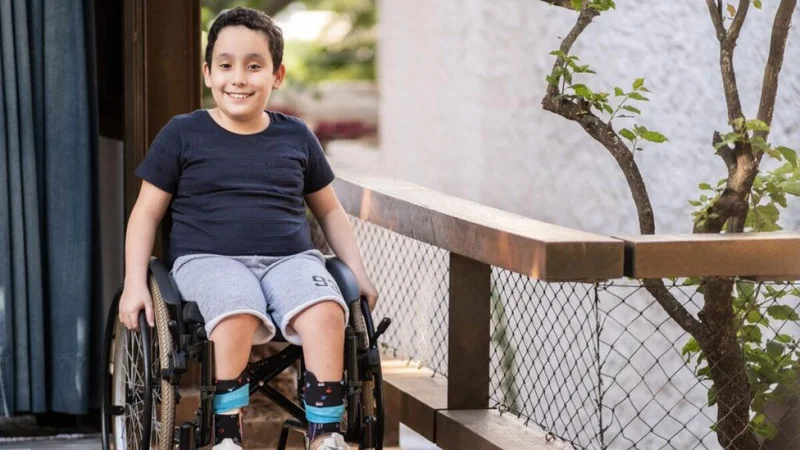
- Muscular dystrophy (MD) is a group of over 30 genetic disorders that progressively destroy muscle fibers, and modern medicine currently has no cure for it.
- Ayurveda — India's ancient medical system — offers a complementary approach that has shown measurable improvements in muscle strength, functional mobility, and even Creatine Phosphokinase (CPK) levels in published clinical studies.
- This guide covers everything you need to know: the Ayurvedic understanding of muscular dystrophy, proven Panchakarma protocols, herbal medicines, dietary recommendations, realistic expectations, and the gaps that no other resource has addressed until now.
If you're a parent of a child diagnosed with Duchenne muscular dystrophy or an adult living with limb-girdle or facioscapulohumeral dystrophy, this article is written to give you a clear, honest roadmap — not false promises.
What Is Muscular Dystrophy?
- Muscular dystrophy refers to a family of inherited disorders caused by mutations in genes responsible for producing proteins that protect muscle fibers from damage.
- Without these proteins — most notably dystrophin — muscles break down progressively, leading to weakness, loss of ambulation, and in severe types, respiratory and cardiac complications.
Types of Muscular Dystrophy
Not all muscular dystrophies are the same. Each type differs in age of onset, muscles affected, rate of progression, and prognosis. Here's a comparative table that no other resource has compiled alongside Ayurvedic relevance:
| Type | Onset Age | Primary Muscles Affected | Prognosis | Ayurvedic Protocol Focus |
|---|---|---|---|---|
| Duchenne (DMD) | 2–5 years | Proximal (hips, thighs, shoulders) | Severe; wheelchair by 12, lifespan ~20-30 years | Basti-dominant; Brimhana; early intervention critical |
| Becker (BMD) | 5–15 years | Similar to DMD but milder | Moderate; ambulatory into 20s-30s | Basti + Rasayana; longer treatment windows |
| Limb-Girdle (LGMD) | Teens–early adulthood | Shoulder and pelvic girdle | Variable | Abhyanga + Shashtika Shali Pinda Swedana focused |
| Congenital (CMD) | Birth–2 years | Generalized | Variable; some forms include brain involvement | Gentle Basti; Ksheera-based formulations |
| Myotonic (MMD) | Adulthood (usually) | Face, neck, hands, forearms | Slowly progressive | Nasya + Vata-shamana herbs |
| Facioscapulohumeral (FSHD) | Teens–20s | Face, shoulders, upper arms | Mild-to-moderate | Localized Abhyanga; Udvartana |
| Oculopharyngeal (OPMD) | 40s–50s | Eyelids, throat muscles | Slowly progressive | Nasya + Gandoosha protocols |
Causes and Genetic Factors
All forms of muscular dystrophy are caused by genetic mutations — either inherited from one or both parents, or arising as new (de novo) mutations. DMD and BMD result from mutations in the DMD gene on the X chromosome, which is why they predominantly affect boys.
- Modern genetic testing, including multiplex ligation-dependent probe amplification (MLPA) and whole-exome sequencing, now allows precise identification of mutation types.
- This matters for Ayurvedic treatment planning too — because the type and severity of the mutation influence how much functional improvement is realistically achievable.
Key Symptoms and Early Warning Signs
The hallmark clinical signs include:
- Positive Gower's sign — the child uses hands to "walk up" their own thighs when rising from the floor
- Pseudohypertrophy of calf muscles — calves appear enlarged due to fat and fibrous tissue replacing muscle
- Waddling gait and frequent falls
- Difficulty climbing stairs or rising from seated positions
- Elevated serum CPK levels — often 10-100 times normal values in DMD
- Early recognition is crucial.
- The sooner treatment begins — whether conventional or Ayurvedic — the more muscle tissue remains to work with.
Muscular Dystrophy in Ayurveda: Understanding the Disease
Ayurveda doesn't simply "treat muscles." It approaches muscular dystrophy as a systemic imbalance involving dosha, dhatu (tissue), and beeja (genetic material). Understanding this framework is essential for appreciating why Ayurvedic interventions work the way they do.
Ayurvedic Interpretation: Mamsagata Vata and Vatavyadhi
In classical Ayurvedic literature, muscular dystrophy most closely correlates with Mamsagata Vata — a condition where vitiated Vata dosha lodges in the Mamsa Dhatu (muscle tissue), causing progressive degeneration. It falls under the broader category of Vatavyadhi (diseases primarily caused by Vata imbalance).
Acharya Charaka describes Mamsagata Vata with symptoms remarkably similar to what modern medicine recognizes: muscle wasting, weakness, pain, and functional limitation. The condition is also classified as Adibala Pravritta Vyadhi — diseases arising from defects in the beeja (genetic seed), which aligns perfectly with the genetic etiology of muscular dystrophy.
Role of Vata Dosha in Muscle Degeneration
Vata governs all movement in the body — from nerve impulses to muscle contraction. When Vata becomes aggravated and enters Mamsa Dhatu, it disrupts:
- Mamsagni (metabolic fire of muscle tissue), leading to improper nourishment
- Srotas (channels supplying nutrition to muscles), causing blockage or depletion
- Ojas (vital essence), reducing the body's ability to maintain and repair tissue
This isn't just theoretical. A 2024 study published in Ayushdhara on 30 children with DMD demonstrated that Vata-pacifying protocols significantly improved functional outcomes, providing clinical validation for this classical understanding.
Concept of Beeja Bhagavayava Dushti
Ayurveda's concept of Beeja Bhagavayava Dushti describes defects in specific parts of the reproductive seed (beeja) that lead to congenital diseases. This is essentially an ancient articulation of genetic mutation. Sushruta recognized that certain diseases pass through family lines and originate before birth — a concept that took Western medicine centuries to formalize through Mendelian genetics.
- This understanding is important because it sets realistic expectations: Ayurveda acknowledges that genetic diseases cannot be "cured" in the traditional sense.
- The goal is Samprapti Vighatana — breaking the disease pathway to slow progression and maximize quality of life.
Ayurvedic Treatment Protocols for Muscular Dystrophy
Ayurvedic management of muscular dystrophy rests on three interconnected treatment principles, as systematized by AyurVAID and validated in multiple case reports:
- 1.Srotoshodhana — Clearing the channels of nutrition to muscle tissue
- 2.Dhatwagni Deepana — Rekindling the metabolic fire at the tissue level
- 3.Brimhana Chikitsa — Nourishing and building muscle tissue
Panchakarma Procedures: The Foundation
Panchakarma is not a single treatment — it's a systematic detoxification and rejuvenation protocol. For muscular dystrophy, the following procedures have documented clinical evidence:
Abhyanga (Therapeutic Oil Massage)
Full-body massage with medicated oils like Bala Taila, Dhanvantaram Taila, or Mahamasha Taila. This improves peripheral circulation, reduces Vata aggravation in muscles, and enhances drug absorption through skin. Sessions typically last 45-60 minutes and are performed daily during inpatient treatment.
Shashtika Shali Pinda Swedana (Njavara Kizhi)
This is arguably the most important external procedure for muscular dystrophy. Boluses of Shashtika Shali (a specific medicinal rice) cooked in Bala Kwatha (decoction) and milk are used to massage the entire body.
The mechanism works on multiple levels:
- The rice provides nourishment directly through the skin (transdermal nutrition)
- The heat from the bolus improves blood flow to weakened muscles
- Bala (Sida cordifolia) has documented anti-inflammatory and muscle-strengthening properties
- The lactic acid in milk softens tissue and enhances absorption
In the PMC-published case report on LGMD (2021), Shashtika Shali Pinda Swedana was a core component of the protocol that resulted in measurable improvement in muscle strength.
Mustadi Yapana Basti
This is the single most critical intervention. Basti (medicated enema) is considered the primary treatment for Vata disorders in Ayurveda, and Mustadi Yapana Basti is specifically indicated for muscle-wasting conditions.
It contains:
- Musta (Cyperus rotundus)
- Bala (Sida cordifolia)
- Milk, honey, and ghee as base
- Saindhava Lavana (rock salt)
Yapana Basti can be administered safely over long periods — even daily for weeks — without the strict sequential requirements of Niruha Basti. Multiple case reports, including the one published in JAIMS on DMD management, document significant improvements in gait pattern and functional ability following Mustadi Yapana Basti courses.
Udvartana (Herbal Powder Massage)
A less commonly discussed but valuable procedure. Dry herbal powders are massaged against the direction of body hair, which stimulates muscle tissue, improves tone, and helps reduce the fatty infiltration that characterizes pseudohypertrophy. This is particularly useful for Becker and LGMD patients.
Internal Ayurvedic Medicines
Internal medicines form the backbone of long-term management between Panchakarma courses:
| Medicine | Form | Primary Action | Typical Duration |
|---|---|---|---|
| Ashwagandha (Withania somnifera) | Churna/Capsule | Muscle strength, anti-inflammatory, adaptogenic | 3–6 months continuously |
| Balarishta | Liquid (Arishta) | Vata-shamana, muscle nourishment | 2–3 months |
| Dashamoolarishta | Liquid (Arishta) | Anti-inflammatory, Vata balance | 2–3 months |
| Ekangaveera Rasa | Tablet (Rasa Shastra) | Neuromuscular strength, Vata control | 1–2 months under supervision |
| Yogaraj Guggulu | Tablet | Channel-clearing, anti-inflammatory | 1–3 months |
| Maharasnadi Kwatha | Decoction | Vata disorders, muscle-joint nourishment | 1–2 months |
| Ksheerabala 101 Avartana | Oil (internal/external) | Neuromuscular nourishment | 2–3 months |
A 2015 case study published in Ayushdhara showed that a combination of Ashwagandha Churna, Ekangaveera Rasa, and Mustadi Yapana Basti resulted in a reduction of CPK levels from over 15,000 IU/L to approximately 8,000 IU/L over the course of treatment — a clinically meaningful change.
Rasayana Therapy: The Missing Piece
Most resources mention Rasayana in passing. Here's what a proper Rasayana protocol for muscular dystrophy actually involves:
Phase 1 (Months 1–2): Srotoshodhana — clear channels using Panchakarma before Rasayana can work effectively. Phase 2 (Months 3–6): Core Rasayana administration:
- Ashwagandha Rasayana — 5-10g with warm milk, twice daily
- Chyawanprash — 1-2 teaspoons daily for Ojas enhancement
- Bala Rasayana — specifically for Mamsa Dhatu rejuvenation
Phase 3 (Ongoing): Maintenance Rasayana tailored to the patient's Prakriti and current disease stage.
Rasayana doesn't regenerate destroyed muscle fibers. What it does is protect remaining fibers, enhance mitochondrial function (which is known to be impaired in MD), and potentially slow the rate of degeneration.
Diet for Muscular Dystrophy: Pathya-Apathya Guidelines
This is one of the biggest gaps across all existing resources. Diet plays a fundamental role in Ayurvedic management, yet no competitor provides specific guidelines.
Here are evidence-informed recommendations:
Foods to Include (Pathya)
- Milk and ghee — primary Vata-shamana foods; also provide high-quality protein
- Shashtika Shali rice — the same medicinal rice used in Pinda Swedana, consumed as food
- Meat soups (Mamsa Rasa) — classical texts specifically recommend for Mamsa Dhatu depletion. Goat meat soup with Bala and Ashwagandha
- Sesame (Tila) — rich in calcium, anti-inflammatory, Vata-pacifying
- Dates, almonds, and walnuts — provide natural sugars and healthy fats for energy
- Warm, freshly cooked food — always preferred over cold, stale, or reheated meals
Foods to Avoid (Apathya)
- Dry, cold, and raw foods — these aggravate Vata
- Excessive bitter and astringent tastes — increase Vata
- Processed foods and refined sugars — promote inflammation and disrupt Agni
- Excessive fasting — contraindicated in wasting diseases
- Carbonated drinks and caffeine — dehydrating and Vata-aggravating
Specific Nutritional Considerations
- Calcium metabolism disruption is documented in muscular dystrophy. Ayurvedic dietary protocol naturally addresses this through dairy-heavy recommendations and calcium-rich foods like sesame.
- Additionally, gut microbiota imbalance — recently identified as a contributing factor in DMD progression — is addressed through the regular use of fermented Arishtas and Asavas.
Children vs Adults: Differences in Treatment Protocols
This distinction is critical but virtually ignored in existing literature.
Pediatric Protocols (DMD, CMD)
- Gentler Panchakarma — shorter sessions, lighter pressure during Abhyanga
- Basti modifications — reduced volume (Matra Basti preferred), milk-based formulations
- Medicine dosing — typically half the adult dose, adjusted by weight and age
- Taste masking — mixing bitter medicines with honey or jaggery for compliance
- Integration with physiotherapy and play-based exercises — essential for maintaining functional milestones
- Parental training — teaching parents daily home massage techniques
Adult Protocols (LGMD, FSHD, BMD)
- Full Panchakarma courses — including Virechana where indicated
- Higher herb doses and longer duration protocols
- Yoga and Pranayama integration — Bhujangasana, Shalabhasana for back muscles; Nadi Shodhana for respiratory function
- Vocational rehabilitation guidance — maintaining independence and work capacity
- Psychological support (Sattvavajaya Chikitsa) — meditation, counseling, and stress management. This is often overlooked, but depression and anxiety are remarkably common in adults with MD
What Triggers Muscular Dystrophy and Can Ayurveda Prevent Progression?
While the root cause is genetic, several factors can accelerate progression:
- Chronic inflammation — Ayurveda addresses this through Shothahara (anti-inflammatory) herbs
- Oxidative stress — Rasayana herbs like Ashwagandha have documented antioxidant properties
- Mitochondrial dysfunction — Panchagavya Ghrita and specific Rasayana formulations may support mitochondrial health
- Physical inactivity — appropriate exercise (not over-exertion) is encouraged in Ayurvedic protocols
- Nutritional deficiencies — the Pathya diet outlined above directly combats this
No honest practitioner will tell you Ayurveda can fully prevent progression. What clinical evidence does support is meaningful slowing of decline and, in some cases, temporary improvement in function.
Don't wait or self medicate. Start chat with Doctor NOW
Realistic Expectations and Timeline of Ayurvedic Treatment
When to Start Treatment
The earlier, the better. For DMD, beginning Ayurvedic treatment while the child is still ambulatory (before age 8–10) offers the best outcomes. For adult-onset types, treatment at any stage can provide benefit, though early stages respond more robustly.
Expected Timeline
| Treatment Phase | Duration | What to Expect |
|---|---|---|
| Initial Panchakarma course | 14–21 days (inpatient) | Mild improvement in energy and muscle tone |
| First follow-up course | 3–4 months later, 14–21 days | Measurable changes in functional tests (e.g., 6-minute walk test) |
| Ongoing home medicines | Continuous, with monthly review | Stabilization and slow, consistent improvement |
| Annual intensive courses | 21–28 days, 2–3 times/year | Maximum functional maintenance |
| Long-term (1–3 years) | Cumulative | Significant slowing of progression; some patients show CPK reduction |
Monitoring Progress
Objective markers used to track improvement include:
- Serum CPK levels (measured every 3–6 months)
- Manual Muscle Testing (MMT) grades
- Functional assessment scales (Vignos scale for lower limb, Brooke scale for upper limb)
- Timed functional tests (time to rise from floor, 10-meter walk time)
- Pulmonary function tests (FVC) for advanced cases
Comparing Ayurvedic and Conventional Approaches
| Parameter | Conventional Medicine | Ayurveda | Combined Approach |
|---|---|---|---|
| Cure available | No | No | No |
| Symptom management | Corticosteroids (deflazacort) delay decline | Panchakarma + herbs improve and stabilize | Best outcomes |
| Side effects | Weight gain, bone loss, immune suppression | Minimal when properly administered | Reduced steroid dependence |
| Mechanism | Anti-inflammatory, gene therapy (emerging) | Vata balance, tissue nourishment, channel clearing | Complementary mechanisms |
| Cost (India) | ₹5,000–₹15,000/month for medication | ₹30,000–₹80,000 per Panchakarma course | Variable |
| Evidence level | RCTs, Phase III trials | Case reports, case series, observational studies | Growing |
| Accessibility | Urban hospitals | Available across India, including Kerala and Karnataka | Increasing integration |
Important: Ayurveda should complement, not replace, conventional care. Cardiac monitoring, respiratory support, and orthopedic interventions remain essential in advanced stages.
Contraindications and Safety Considerations
No other resource discusses this.
Here is what you should know:
- Virechana (purgation) — contraindicated in severely debilitated patients
- Intense Abhyanga — avoid deep pressure over areas with severe muscle wasting
- Raktamokshana — generally not indicated in muscular dystrophy
- Certain Rasa Shastra medicines (like Ekangaveera Rasa) — contain processed metals and must be administered under strict medical supervision with periodic liver and kidney function monitoring
- Basti in very young children (under 2 years) — requires expert pediatric Ayurvedic guidance
The Role of Mental Health: Sattvavajaya Chikitsa
Living with a progressive muscle disease takes an enormous psychological toll — on patients and families. Ayurveda's Sattvavajaya Chikitsa (psycho-spiritual therapy) offers:
- Mantra and meditation practices — shown to reduce cortisol and improve pain coping
- Counseling within the Ayurvedic framework — helping patients understand their condition through a meaning-making lens
- Community connection — group therapy sessions at Ayurvedic hospitals
- Medhya Rasayana — brain-nourishing herbs like Brahmi (Bacopa monnieri) and Shankhapushpi that address anxiety and depression naturally
This is not a luxury add-on. Psychological well-being directly affects treatment compliance, cortisol levels (which accelerate muscle breakdown), and overall quality of life.
Current Evidence Base: Where Does the Research Stand?
Let's be transparent about what the evidence shows and its limitations:
Published Clinical Evidence
- PMC case report (2021) on LGMD — documented improvement in muscle strength, reduction in CPK, and improved functional ability after Ayurvedic intervention including Mustadi Yapana Basti and Shashtika Shali Pinda Swedana
- Ayushdhara study on 30 children with DMD — showed statistically significant improvements in muscle strength scores after Panchakarma protocols
- Multiple JAIMS case reports on DMD management — consistent findings of improved gait, reduced Gower's sign difficulty, and better daily function
- AyurVAID clinical documentation — integrated approach combining Ayurveda with physiotherapy showing sustained functional improvement
Limitations
- Most studies are case reports or small case series (Level IV evidence)
- No randomized controlled trials (RCTs) comparing Ayurveda with placebo or standard care exist yet
- Long-term follow-up data beyond 6–12 months is extremely limited
- Publication bias — successful cases are more likely to be published
What's Needed
Rigorous multi-center RCTs with standardized protocols, larger sample sizes, and long-term follow-up. Until then, Ayurvedic treatment for muscular dystrophy should be considered "promising but requiring further validation."
Frequently Asked Questions
Is there a successful treatment of muscular dystrophy in India?
Complete cure is not available in any system of medicine. However, several documented cases from Indian Ayurvedic institutions show significant functional improvement — children regaining ability to climb stairs, walk longer distances, and showing reduced CPK levels. Success should be measured in terms of quality of life improvement and slowed progression, not cure.
What is the best Ayurvedic medicine for muscle strength?
Ashwagandha (Withania somnifera) is the most extensively studied Ayurvedic herb for muscle strength. A 2015 study published in the Journal of the International Society of Sports Nutrition showed it significantly improved muscle strength and recovery. For muscular dystrophy specifically, Ashwagandha combined with Balarishta and Ekangaveera Rasa forms the core oral medication protocol.
Can Panchakarma treat muscular dystrophy?
Panchakarma alone cannot treat muscular dystrophy. It is the foundation of the treatment approach, but requires integration with internal medicines (Rasayana, Shamana Aushadhi), dietary management, gentle exercise, and ongoing monitoring. The most effective protocols combine Panchakarma courses (2–3 per year) with continuous oral medication.
How is DMD treatment in Ayurveda different from LGMD treatment?
DMD treatment prioritizes early, aggressive intervention with Basti-dominant protocols and involves pediatric dosing considerations. LGMD treatment in adults uses full-dose Panchakarma, includes stronger Rasayana formulations, and integrates yoga and pranayama more heavily. The underlying principles are the same but the protocols differ significantly in intensity and approach.
Does Ayurvedic treatment for weakness in legs help in muscular dystrophy?
General Ayurvedic treatments for leg weakness (like Bala Taila Abhyanga and Kati Basti) do form part of the muscular dystrophy protocol, but MD requires a much more comprehensive approach. Simple leg weakness treatments alone are insufficient for a genetic neuromuscular disease. Always consult a specialized Ayurvedic practitioner with experience in neuromuscular disorders.
Is there insurance coverage for Ayurvedic treatment of muscular dystrophy?
Some insurance providers in India now cover Ayurvedic treatment at NABH-accredited Ayurvedic hospitals. Apollo AyurVAID, for instance, offers cashless treatment under select insurance plans. Check with your provider specifically about coverage for Panchakarma and inpatient Ayurvedic treatment.
Conclusion: A Balanced Path Forward
- Muscular dystrophy remains one of the most challenging conditions in medicine.
- Ayurveda does not offer a miracle cure — and any practitioner who claims otherwise should be approached with extreme caution. What Ayurveda does offer, backed by a growing body of clinical evidence, is a systematic approach to slowing disease progression, maintaining functional independence for longer, and improving quality of life in ways that conventional medicine alone may not achieve.
The most important steps you can take right now:
- 1.Get a precise genetic diagnosis — this guides both conventional and Ayurvedic treatment planning
- 2.Consult an experienced Ayurvedic practitioner who specializes in neuromuscular disorders — not a general practitioner
- 3.Start treatment early — the more muscle tissue preserved, the better the outcomes
- 4.Continue conventional care — cardiac monitoring, respiratory support, and physiotherapy alongside Ayurveda
- 5.Commit to long-term management — this is not a quick fix but a sustained lifestyle approach
If you have questions about Ayurvedic treatment options for muscular dystrophy, consult a qualified Ayurvedic physician who can evaluate your specific case, review your genetic reports, and design a personalized protocol. The journey is long, but with the right approach, meaningful improvement is absolutely possible.
Scientific Sources
- Can Ashwagandha Benefit the Endocrine System?-A Review — Wiciński M et al., 2023, International journal of molecular sciences
- Pharmacological evaluation of Ashwagandha highlighting its healthcare claims, safety, and toxicity aspects — Mandlik Ingawale DS et al., 2021, Journal of dietary supplements
- Clinician guidelines for the treatment of psychiatric disorders with nutraceuticals and phytoceuticals: The World Federation of Societies of Biological Psychiatry (WFSBP) and Canadian Network for Mood and Anxiety Treatments (CANMAT) Taskforce — Sarris J et al., 2022, The world journal of biological psychiatry : the official journal of the World Federation of Societies of Biological Psychiatry
- Effects of Withania somnifera (Ashwagandha) on Stress and the Stress- Related Neuropsychiatric Disorders Anxiety, Depression, and Insomnia — Speers AB et al., 2021, Current neuropharmacology
- Plant-derived nootropics and human cognition: A systematic review — Lorca C et al., 2023, Critical reviews in food science and nutrition
- A Standardized Boswellia serrata Extract Improves Knee Joint Function and Cartilage Morphology in Human Volunteers with Mild to Moderate Osteoarthritis in a Randomized Placebo-Controlled Study — Kumar B et al., 2025, Journal of the American Nutrition Association
- Guggulipid: A Promising Multi-Purpose Herbal Medicinal Agent — Ahmad MA et al., 2020, Drug research
- Guggulsterone for Chemoprevention of Cancer — Shishodia S et al., 2016, Current pharmaceutical design
- The guggul for chronic diseases: ancient medicine, modern targets — Shishodia S et al., 2008, Anticancer research
- Medicinal plants with traditional use: Ethnobotany in the Indian subcontinent — Rupani R et al., 2018, Clinics in dermatology
Questions from users
What lifestyle modifications support recovery during Ayurvedic treatment for muscular dystrophy?
Natalie
2 days ago
Lifestyle modifications for supporting recovery during Ayurvedic treatment for muscular dystrophy focus on overall physical well-being and energy conservation. Regular light exercise tailored to individual capability, such as gentle yoga, can help maintain muscle function without overexertion. A balanced diet rich in proteins, antioxidants, and omega-3 fatty acids supports muscle health and combats oxidative stress. Stress management techniques like meditation or deep-breathing exercises may also be beneficial. It's essential to remain vigilant for any signs of worsening symptoms and consult a healthcare provider regularly. While Ayurvedic therapies like therapeutic oil massages can offer relief, they should complement—not replace—care under a medical professional experienced in muscular dystrophy.
What lifestyle habits should I adopt while undergoing Ayurvedic treatment for muscular dystrophy?
Caleb
11 days ago
While undergoing Ayurvedic treatment for muscular dystrophy, incorporating gentle yoga and pranayama can help reduce Vata imbalance. Aim for a routine that promotes flexibility but don't strain yourself. Maintain a balanced diet, support your Agni (digestive fire), and keep regular sleep patterns. Mild oil massages could also support muscle health. Take it easy!
Is it safe to perform physical therapy alongside Ayurvedic treatments for muscular dystrophy?
Liam
21 days ago
Yes, it can be safe to do physical therapy alongside Ayurvedic treatments for muscular dystrophy, but it's important to coordinate between both practitioners. They can complement each other since physical therapy helps maintain muscle function and Ayurveda works on balancing doshas and improving overall health. Just keep everyone in the loop to avoid any conflicting methods or treatments!
What is the importance of tailoring Ayurvedic treatments based on individual constitution?
Mya
35 days ago
Tailoring treatments to an individual's constitution, or prakriti, is super important in Ayurveda because our unique dosha balance affects everything—how we digest food, how we react to stress, even our mood. By customizing treatments, we address imbalances more effectively, promoting true healing in body and mind. It’s all about understanding your unique makeup.
Can Ayurvedic practices help improve overall muscle function in individuals with muscular dystrophy?
Savannah
45 days ago
Ayurveda can potentially improve muscle function in muscular dystrophy by balancing the Vata dosha, which is crucial for muscle health. Techniques like massage with specific oils, certain herbs, and yoga can all be part of the approach. It’s just important to consult with a knowledgeable Ayurvedic practitioner to tailor the treatment to individual needs!
How does Ayurveda suggest improving blood circulation for muscle health?
Sutton
54 days ago
To improve blood circulation for muscle health, Ayurveda suggests including warming spices like ginger and cinnamon in your diet, doing regular yoga for movement, and using herbal oils like sesame for massage. Keep your agni strong by eating healthy, balanced meals. Drinking warm water and staying hydrated also helps.
Can Ayurvedic treatments help improve joint health in individuals with muscular dystrophy?
Zoey
64 days ago
While Ayurvedic treatments might not directly cure muscular dystrophy, they can help support joint health by balancing doshas and improving circulation. You might try herbal remedies and practices like gentle yoga and oil massages to nourish the tissues. Always talk to your doctor before starting any new treatments, though.
What is the best way to use turmeric for muscle inflammation in Ayurvedic practice?
Zachary
74 days ago
Turmeric's great for muscle inflammation! To use it effectively, you could try a paste with warm water and apply it directly on the affected area. Or, add a teaspoon to warm milk with a pinch of black pepper to aid absorption. It's important to watch for any mild digestive discomfort, as everyone's body reacts differently. Hope that helps!
Can Ayurvedic treatments help slow the progression of muscular dystrophy symptoms?
Meredith
83 days ago
Yeah, Ayurvedic treatments can help with slowing the progression of muscular dystrophy symptoms. They're all about nourishing the muscles, boosting circulation, and detoxifying the body, helping with imbalances that contribute to muscle weakness. Treatments like Panchakarma, nourishing herbs, and balancing doshas are key here, focusing on overall wellness to fortify the body's self-repair abilities.
What is the role of protein-rich foods in strengthening muscles according to Ayurveda?
Wallace
93 days ago
In Ayurveda, protein-rich foods like lentils, nuts, seeds, and dairy support muscle regeneration by nourishing the muscle tissues (mamsa dhatu) and maintaining strength. They can help keep muscles strong, especially when balanced with the individual's dosha type, like Vata. Just make sure to digest these well to avoid any ama, or toxins build up.
Related articles
Neurological Disorders
Kaishore Guggulu for Varicose Veins: Strengthen Veins Naturally
Learn about Kaishore Guggulu for varicose veins, including its benefits, proper dosage, uses, and scientific research supporting this Ayurvedic treatment.
4,832

Neurological Disorders
How to Eat Brahmi Leaves for Memory and Brain Function
Explore how to eat brahmi leaves for memory. Learn ways to use brahmi for brain power, mental focus, and boosting memory naturally in Ayurveda
6,365
Neurological Disorders
Ayurvedic Medicine for Peripheral Neuropathy: An Ancient Answer to Modern Nerve Pain
Peripheral neuropathy. Sounds clinical, doesn’t it? Cold, detached — like something you’d hear in a sterile doctor’s office while staring blankly at a prescription pad. But the reality of it? Oh, it’s anything but detached. It’s raw. It tingles. It burns.
4,931

Neurological Disorders
How to Get Rid of Sciatica Pain Permanently: A Complete Ayurvedic Guide
Explore sciatica pain relief, ayurvedic medicine for sciatica, and treatments for permanent cure. Learn how to relieve sciatica pain fast with natural remedies
2,877
Neurological Disorders
Ayurvedic Herbs With Their Great Benefits
Ayurveda, an ancient holistic healing system originating from India, has been using herbs for thousands of years to promote optimal health and well-being.
6,088
Neurological Disorders
Deep Vein Thrombosis Treatment in Ayurveda: Effective Herbal Solutions
Discover effective Ayurvedic treatments for deep vein thrombosis, including herbal remedies, lifestyle changes, and scientific insights to manage blood clots naturally.
4,576

Neurological Disorders
How Long Does Vertigo Typically Last and What You Can Do About It
How long does vertigo last? Learn how long vertigo usually lasts, what causes benign paroxysmal positional vertigo and how Ayurveda treats dizziness naturally
1,875
Neurological Disorders
Ayurvedic Medicine for Neuropathic Pain: What Really Works?
Ever tried explaining neuropathic pain to someone who’s never felt it? It’s like describing a static radio buzz inside your body — there, but invisible, relentless, strange. Now imagine treating that with ancient herbs and oils, handed down for generation
3,653
Neurological Disorders
Best Ayurvedic Oil for Varicose Veins: Natural Relief Guide
Discover the best Ayurvedic oils for varicose veins. Learn how these natural remedies can alleviate symptoms, improve circulation, and promote vascular health. Explore expert insights and real references.
6,840
Related consultations on the topic
Legal
Additional Documents
© 2024 Ask Ayurveda. All rights reserved.