FREE! Ask Ayurvedic Doctors 24/7

 Fast responses
 1000+ verified doctors
Ayurvedic Multiple Sclerosis Treatment: Holistic Approaches for Management
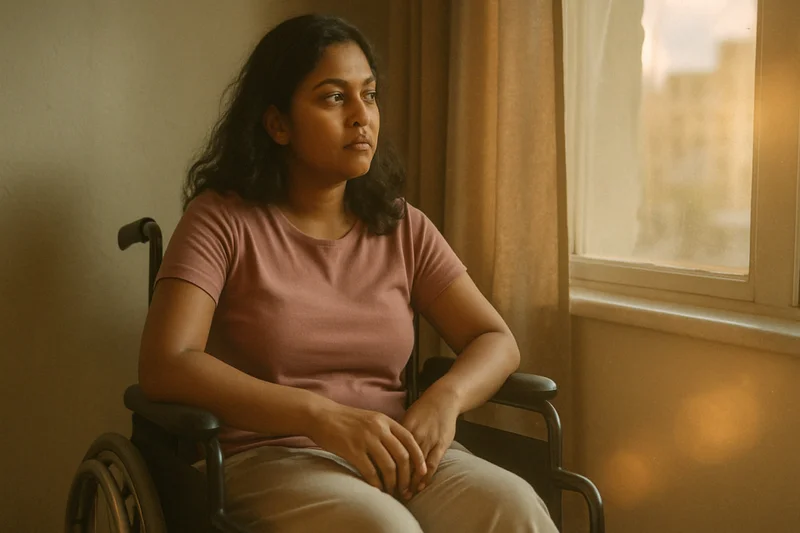
Multiple sclerosis (MS) is one of the most challenging autoimmune neurological conditions, and millions of people worldwide are searching for treatment approaches that go beyond symptom suppression. Ayurvedic multiple sclerosis treatment focuses on rebalancing disturbed doshas (primarily Vata), detoxifying the body through Panchakarma, nourishing damaged nerve tissues, and slowing disease progression — all while addressing the root cause rather than merely masking symptoms. This comprehensive guide covers the Ayurvedic understanding of MS, specific therapies and herbal protocols, dietary strategies, scientific evidence, safety considerations, and how Ayurveda can work alongside conventional medicine.
If you or a loved one has been diagnosed with MS, you already know the emotional weight of that moment. The unpredictability of relapses, the slow creep of disability, the side effects of long-term immunosuppressants — it's a lot to carry. Ayurveda doesn't promise overnight miracles. But it does offer a systematic, time-tested framework for supporting nervous system health, reducing inflammation, and genuinely improving quality of life.
Let's break it all down.
What Is Multiple Sclerosis and How Does Ayurveda Interpret It?
Understanding MS as an Autoimmune Disease
Multiple sclerosis is a chronic autoimmune condition in which the immune system mistakenly attacks the myelin sheath — the protective fatty covering that insulates nerve fibers in the brain and spinal cord. When myelin is damaged (a process called demyelination), electrical signals between the brain and body become disrupted, leading to a wide range of neurological symptoms.
These symptoms can include numbness, muscle weakness, fatigue, vision problems, spasticity, bladder and bowel dysfunction, difficulty walking, cognitive impairment, and chronic pain. The disease affects approximately 2.8 million people globally (Atlas of MS, 2020), and its prevalence in India has been rising — with studies suggesting a prevalence of 7–10 per 100,000 population in certain regions.
Types of Multiple Sclerosis
Understanding the type of MS is critical because Ayurvedic treatment protocols differ based on disease stage:
| Type | Abbreviation | Characteristics |
|---|---|---|
| Relapsing-Remitting MS | RRMS | Most common (~85% at onset). Clearly defined relapses followed by partial or full recovery. |
| Secondary Progressive MS | SPMS | Begins as RRMS, then transitions to steady neurological decline with or without relapses. |
| Primary Progressive MS | PPMS | Steady worsening from onset without distinct relapses (~10-15% of cases). |
| Progressive-Relapsing MS | PRMS | Rare. Steady worsening from onset with acute relapses along the way. |
The Ayurvedic Perspective: MS as Vata Vyadhi
In Ayurveda, multiple sclerosis correlates most closely with Vata Vyadhi (diseases caused by vitiated Vata dosha). Some classical scholars also connect it to the concept of Snayusada — degeneration of the Snayu (nerve/tendon structures).
Here's how the Ayurvedic pathogenesis (Samprapti) unfolds:
- Agnimandya (weakened digestive fire) leads to accumulation of Ama (metabolic toxins)
- Ama circulates through Srotas (body channels) and triggers Sroto Avarodha (channel blockage)
- Aggravated Vata dosha, now unobstructed by depleted Kapha and Meda dhatu, begins destroying the myelin-equivalent tissues
- This results in Dhatu Kshaya (tissue depletion) — specifically of Majja dhatu (nervous tissue) and Meda dhatu (fat tissue, which includes myelin)
- The concept of Avarana (blocking/covering) explains how vitiated doshas obstruct normal Vata movement, causing diverse neurological symptoms
Mapping MS Symptoms to Vata Dosha
| MS Symptom | Ayurvedic Correlation |
|---|---|
| Numbness & tingling | Vata affecting Sparsha (touch sensation) in Rasa/Rakta dhatu |
| Muscle weakness & spasticity | Vata aggravation in Mamsa dhatu (muscle tissue) |
| Fatigue | Dhatu Kshaya (generalized tissue depletion), Ojakshaya |
| Vision problems | Alochaka Pitta disturbance secondary to Vata |
| Bladder/bowel dysfunction | Apana Vata vitiation |
| Cognitive impairment | Prana Vata and Sadhaka Pitta disturbance |
| Chronic pain | Vyana Vata aggravation, Avarana |
| Tremor & incoordination | Vata in Majja dhatu (nervous tissue) |
This mapping isn't just theoretical — it directly guides treatment. An Ayurvedic physician selects therapies based on which aspect of Vata is most disturbed and which dhatus are depleted.
Can Ayurveda Slow the Progression of Multiple Sclerosis?
This is the question everyone wants answered, and honesty matters here.
- Ayurveda does not have a proven "cure" for MS in the way modern medicine defines one.
- No system of medicine does — MS remains incurable in both paradigms. However, growing clinical experience and preliminary research suggest that Ayurvedic interventions can meaningfully slow progression, reduce relapse frequency, and improve neurological function.
A retrospective study published in the Journal of Ayurveda and Integrative Medicine (2017) reported that patients undergoing systematic Panchakarma combined with internal medicines showed significant improvement in EDSS (Expanded Disability Status Scale) scores over 12–24 months. Some specialized centers in Kerala report that 85-92% of patients treated over 3–5 years achieve EDSS scores below 2.5, indicating minimal disability.
A 2019 case series documented by researchers at a Kerala-based Ayurvedic center showed that certain patients demonstrated partial reversal of MRI lesion load by the 4th-5th year of consistent treatment — though these findings need validation through larger randomized controlled trials (RCTs).
What the Research Actually Shows
Let's be transparent about the evidence landscape:
- Ashwagandha (Withania somnifera): A 2020 study in Neurochemistry International demonstrated significant neuroprotective and remyelination-promoting effects in animal models of demyelination. Withanolides showed anti-inflammatory activity comparable to certain corticosteroids.
- Brahmi (Bacopa monnieri): Multiple studies, including a 2014 meta-analysis in Journal of Ethnopharmacology, confirmed cognitive-enhancing and neuroprotective properties relevant to MS-related brain fog.
- Turmeric/Curcumin: A 2018 RCT in BioFactors involving 50 MS patients showed that nanocurcumin supplementation significantly reduced inflammatory markers (IL-6, TNF-α) and improved fatigue scores.
- Guggulu: Research in Immunopharmacology and Immunotoxicology (2016) showed immunomodulatory effects that help regulate — not suppress — immune function.
- The honest gap: large-scale, multicenter RCTs specifically on comprehensive Ayurvedic MS protocols are still lacking. Most evidence is from case series, small cohort studies, and preclinical research.
- This doesn't mean Ayurveda doesn't work — it means the research infrastructure hasn't caught up yet.
What Therapies Are Used in Ayurvedic Treatment for MS?
Panchakarma: The Cornerstone Detox Protocol
Panchakarma is the most important therapeutic intervention in Ayurvedic MS management. Unlike a generic "detox," Panchakarma for MS follows a carefully staged protocol:
Detailed Panchakarma Protocol for MS
Stage 1: Poorva Karma (Preparation) — 5-7 days
- Deepana and Pachana: Digestive herbs (Trikatu, Chitrakadi Vati) to kindle Agni and digest accumulated Ama.
- This step is often overlooked, but it's essential — starting Panchakarma without first addressing Ama can worsen symptoms.
- Snehapana (Internal oleation): Graduated doses of medicated ghee (e.g., Kalyanaka Ghritam, Mahatiktaka Ghritam) over 5-7 days. Dosages typically start at 25ml and increase to 150-200ml based on tolerance.
Stage 2: Pradhana Karma (Main Therapies) — 14-21 days
- Abhyanga: Full-body warm oil massage using Dhanwantharam Tailam, Ksheerabala Tailam, or Mahamasha Tailam.
- Duration: 45-60 minutes daily.
- Swedana (Sudation): Herbal steam therapy following massage.
- Mild to moderate heat — excessive heat aggravates Pitta and can worsen MS inflammation.
- Vasti (Medicated enema): This is considered the single most effective Panchakarma procedure for Vata Vyadhi. Alternating Anuvasana Vasti (oil enema with Sahacharadi Tailam) and Niruha Vasti (decoction enema with Dashmool Kwath) over 8-16 days.
- Nasya (Nasal medication): Anu Tailam or Ksheerabala 101 Avarti Tailam — 6-8 drops per nostril. Particularly important for MS because the nasal route provides direct access to the central nervous system via the cribriform plate.
- Shirovasti: A reservoir of warm medicated oil held on the head for 30-45 minutes. Deeply nourishing for brain tissue.
- Shirodhara: Continuous stream of warm medicated oil/milk on the forehead. 45-60 minutes. Profoundly calms Prana Vata and addresses anxiety, insomnia, and cognitive symptoms.
Stage 3: Paschat Karma (Post-treatment) — 7-14 days
- Gradual dietary resumption (Samsarjana Krama)
- Continuation of internal medicines
- Gentle activity resumption
How the Protocol Adapts to Different MS Types
- RRMS (during remission): Full Panchakarma with emphasis on Rasayana (rejuvenation). This is the ideal time for intensive treatment.
- RRMS (during relapse): Gentler approach — primarily Shirodhara, mild Abhyanga, Vasti. No Virechana or strong procedures during acute inflammation.
- SPMS/PPMS: More aggressive and sustained protocols.
- MahaSneha — a combination of four fats (ghee, oil, muscle fat, and bone marrow) — is specifically indicated in Charaka Samhita for chronic, progressive neurological conditions.
- Newly diagnosed patients: Start with Ama-clearing protocols before any Panchakarma.
Kizhi and Specialized External Therapies
- Patra Pinda Sweda (Leaf bundle massage): Anti-inflammatory herbal leaves heated in oil and pressed on the body. Particularly effective for spasticity and muscle pain.
- Pizhichil (Oil bath): Continuous pouring of warm oil over the body while simultaneously massaging — a deeply nourishing therapy traditional to Kerala Ayurveda.
- Navarakizhi: Bolus of specially cooked rice in medicated milk, applied warm. Strengthens Mamsa and Majja dhatu.
Key Ayurvedic Herbs and Formulations for MS — With Mechanisms of Action
Here's what sets this guide apart from others: we're not just listing herbs. We're explaining how they work and providing general dosage guidance.
> Important disclaimer: These dosages are general guidelines from classical texts and published literature. Your actual dosage must be determined by a qualified Ayurvedic physician based on your Prakriti, Vikriti, disease stage, and concurrent medications.
| Herb/Formulation | Mechanism of Action | General Dosage Range | Key Evidence |
|---|---|---|---|
| Ashwagandha (Withania somnifera) | Neuroprotection, promotes remyelination, modulates immune response (Th1/Th2 balance), reduces cortisol | 300–600mg standardized extract, twice daily | Neuroprotective in EAE models (2020, Neurochem Int) |
| Brahmi (Bacopa monnieri) | Enhances nerve signal transmission, antioxidant protection of neurons, improves cognition | 300–450mg standardized extract (50% bacosides) daily | Cognitive benefits confirmed in meta-analysis (2014) |
| Bala (Sida cordifolia) | Balya (strengthening), nourishes Majja dhatu, anti-inflammatory, muscle-toning | 3–6g powder or as Bala Tailam externally | Classical Vata Vyadhi remedy in Charaka Samhita |
| Guggulu (Commiphora mukul) | Immunomodulation, anti-inflammatory (inhibits NF-κB pathway), Ama-digesting | 500mg guggulsterone, 2-3 times daily | Immunomodulatory properties (2016 study) |
| Turmeric/Curcumin | Potent anti-inflammatory (inhibits COX-2, LOX, TNF-α, IL-6), antioxidant, crosses blood-brain barrier | 500mg nanocurcumin or 1-2g with piperine, twice daily | Reduced inflammation in MS patients (2018 RCT) |
| Shankhpushpi (Convolvulus pluricaulis) | Medhya (brain tonic), calms Prana Vata, anxiolytic, supports myelination | 3–6g powder or 10-20ml syrup daily | Traditional Medhya Rasayana, preclinical neuroprotection data |
| Amalaki (Emblica officinalis) | Rasayana, potent antioxidant (highest natural vitamin C source), tissue nourishment | 3–6g powder or as Chyawanprash (1-2 tsp daily) | Antioxidant and immunomodulatory (multiple studies) |
Important Classical Formulations
- Ksheerabala 101 Avarti Tailam: Oil processed 101 times with Bala and milk. Used internally (5-10 drops with milk) and externally. The gold standard for neurological Vata disorders.
- Dhanwantharam Tailam: For external application. Nourishes nerves, reduces spasticity.
- Kalyanaka Ghritam: Medicated ghee for neurological and psychiatric conditions. Used in Snehapana.
- Sahacharadi Tailam: Specifically for lower limb weakness, urinary symptoms, and Apana Vata disorders.
- Maharasnadi Kashayam: Classical decoction for Vata Vyadhi. 15-20ml twice daily before food.
- Chyawanprash: General Rasayana for immune support — 1-2 teaspoons daily.
Can Diet Influence the Effectiveness of Ayurvedic MS Treatment?
Absolutely — and this is one area where Ayurveda offers remarkably specific guidance that aligns with modern nutritional neuroscience.
Anti-Inflammatory, Vata-Pacifying Diet (Ahara)
Foods to emphasize:
- Ghee (clarified butter): Perhaps the single most important dietary element. Ghee nourishes Majja dhatu, carries medicinal properties across the blood-brain barrier, and is deeply Vata-pacifying. 2-3 teaspoons daily.
- Warm, cooked, moist foods: Soups, stews, cooked grains (rice, wheat), root vegetables. Cold, dry, raw foods aggravate Vata.
- Healthy fats: Sesame oil, coconut oil, almonds, walnuts (soaked overnight). Essential for myelin support.
- Anti-inflammatory spices: Turmeric, ginger, cumin, coriander, fennel, cinnamon. Use liberally in cooking.
- Milk (warm, spiced): Especially with Ashwagandha or turmeric at bedtime. Nourishes Ojas.
- Sweet, sour, and salty tastes predominate — these pacify Vata.
Foods to minimize or avoid:
- Excessive bitter, astringent, and pungent tastes (these aggravate Vata)
- Processed foods, refined sugars, artificial additives
- Cold beverages and ice cream
- Excessive caffeine
- Nightshade vegetables if inflammation is active (some patients report sensitivity)
- Alcohol and smoking — strictly avoid
Lifestyle Modifications (Vihara)
- Regular sleep schedule: In bed by 10 PM. Sleep deprivation is a major Vata aggravator.
- Oil self-massage (Abhyanga) at home: Warm sesame or Dhanwantharam oil, 15-20 minutes daily before bath. This alone can significantly reduce spasticity and fatigue over time.
- Avoid excessive physical or mental exertion. MS patients often push through fatigue — Ayurveda specifically warns against this.
- Maintain bowel regularity. Constipation aggravates Apana Vata and worsens all symptoms.
- Stress management: This is not optional. Chronic stress is perhaps the biggest single trigger for MS relapses.
Yoga and Pranayama as Part of Comprehensive MS Therapy
Yoga is not just exercise for MS patients — it's a therapeutic intervention with growing evidence. A 2014 Cochrane-style review in Neurology found that yoga significantly improved fatigue, mood, and walking ability in MS patients compared to standard care alone.
Recommended Practices
Asanas (postures):
- Gentle, supported poses: Supta Baddha Konasana (Reclined Butterfly), Viparita Karani (Legs Up the Wall), Savasana with bolsters
- Balance training: Tree Pose (with wall support), Chair-based standing poses
- Avoid hot yoga (Bikram) — heat sensitivity (Uhthoff's phenomenon) is common in MS
Pranayama (breathing):
- Nadi Shodhana (Alternate Nostril Breathing): Balances Vata, calms the nervous system. 10-15 minutes daily.
- Bhramari (Humming Bee Breath): Reduces anxiety, improves sleep. 5-10 minutes.
- Avoid aggressive pranayama like Kapalabhati or Bhastrika — these can overstimulate an already aggravated Vata.
Meditation:
- Daily meditation, even 10-15 minutes, has been shown to reduce inflammatory cytokines (a 2017 study in Brain, Behavior, and Immunity).
- Yoga Nidra is particularly beneficial — it provides deep rest without physical exertion.
Is Ayurvedic Treatment Safe for MS Patients? Contraindications and Side Effects
This is a critical section that most resources on Ayurvedic MS treatment completely ignore. Let's fix that.
Potential Side Effects
- Panchakarma reactions: Temporary worsening of symptoms (fatigue, body aches, loose stools) during detoxification is common and generally expected. This is called a "healing crisis" but should be monitored by a physician.
- Heavy metal contamination: Some Rasa Shastra (mineral-based) preparations can contain mercury, lead, or arsenic if improperly manufactured. Only use products from GMP-certified manufacturers with third-party testing.
- Digestive disturbance: High-dose ghee intake during Snehapana may cause nausea or diarrhea in some patients.
- Herbal interactions: Ashwagandha may have mild immunostimulatory effects — this requires careful monitoring in autoimmune conditions (discussed below).
When Ayurvedic Treatment May Not Be Appropriate
- Acute severe relapse with rapid neurological deterioration: This requires immediate conventional treatment (IV methylprednisolone). Ayurveda is for ongoing management, not emergency care.
- Pregnancy: Many Panchakarma procedures and certain herbs are contraindicated.
- Severe debilitation (EDSS > 8): Intensive Panchakarma may be too much. Modified, gentler protocols needed.
- Active infections: Panchakarma should be postponed during any active infection.
Interaction with Conventional Disease-Modifying Therapies (DMTs)
This is the question nobody seems to answer, so let's address it directly:
| DMT Category | Potential Interaction with Ayurveda | Recommendation |
|---|---|---|
| Interferons (Avonex, Rebif) | Immunomodulatory herbs (Ashwagandha, Guduchi) may have additive or opposing effects on immune pathways | Use under joint medical supervision; monitor liver function |
| Natalizumab (Tysabri) | Increased infection risk from Tysabri + Virechana-induced dehydration could be problematic | Avoid intensive Panchakarma during Tysabri treatment without physician coordination |
| Ocrelizumab (Ocrevus) | B-cell depletion + immunomodulatory herbs = unknown interaction | Conservative herbal approach; avoid strong immunomodulators; Rasayana herbs generally safe |
| Fingolimod (Gilenya) | Cardiac effects possible; some Ayurvedic herbs affect heart rate | Cardiac monitoring recommended; avoid Arjuna in combination |
| Corticosteroids (for relapses) | Ayurvedic herbs may support steroid tapering; Amalaki may offset steroid side effects | Complementary use generally safe; helpful during recovery phase |
- The bottom line: Do not stop or modify your DMTs without consulting your neurologist.
- Ayurveda works best as a complementary approach — alongside, not instead of, conventional treatment, especially in the early inflammatory phase of RRMS.
How Long Does Ayurvedic Treatment for MS Take?
Let's set realistic expectations.
This is not a 2-week fix. Ayurvedic MS management is a long-term commitment, and results are progressive:
- Weeks 1-4 (First Panchakarma cycle): Improved energy, better sleep, reduced stress. Symptomatic relief in many patients.
- Months 1-6: Gradual improvement in spasticity, walking ability, bladder function. Relapse frequency begins to decrease.
- Months 6-18: More significant neurological improvements. Many patients report reduced need for conventional symptomatic medications.
- Years 2-5: Some specialized centers report EDSS score improvements and even partial reversal of MRI lesion load. Maximum benefit requires annual or biannual Panchakarma cycles combined with daily herbal medicines, diet, and lifestyle management.
Minimum recommended commitment: At least 2 Panchakarma cycles (typically 21-28 days each) in the first year, followed by annual maintenance cycles. Daily oral medications and dietary protocols should be continuous.
Stage-Specific Treatment Approach
- At first diagnosis: Aggressive Ama-clearing + Snehana + Vasti. Start Rasayana herbs early. This is the window of maximum opportunity.
- During relapse: Gentle supportive care only. Shirodhara, mild Abhyanga, internal medicines. Let conventional medicine handle acute inflammation.
- During remission: Full Panchakarma protocols. This is when Ayurveda shines brightest.
- Progressive MS: Sustained, intensive, long-term protocols with emphasis on MahaSneha, Navarakizhi, and deep Rasayana therapy.
The Role of Modern Diagnostics in Ayurvedic MS Treatment
A skilled Ayurvedic MS specialist doesn't ignore modern diagnostic tools — they integrate them.
- MRI scans: Used to track lesion load, monitor for new activity, and objectively measure treatment response. Repeat MRI every 12-18 months is recommended even under Ayurvedic care.
- EDSS scoring: Provides standardized disability measurement. Ayurvedic physicians should track EDSS to demonstrate objective progress.
- Cerebrospinal fluid analysis: Useful at diagnosis. Oligoclonal bands confirm inflammatory CNS disease and help differentiate from other conditions.
- Evoked potentials: Visual and somatosensory evoked potentials help track nerve conduction improvements over time.
- Blood tests: Regular monitoring of liver function, kidney function, and inflammatory markers (ESR, CRP, vitamin D levels) should continue throughout Ayurvedic treatment.
Ayurveda vs Conventional Therapy for MS: An Honest Comparison
| Parameter | Ayurvedic Treatment | Conventional Treatment |
|---|---|---|
| Primary goal | Root cause correction (dosha balance, tissue nourishment) | Immune suppression, relapse prevention |
| Relapse prevention | Moderate evidence; improves over time | Strong evidence (DMTs reduce relapses 30-70%) |
| Symptom management | Excellent for fatigue, spasticity, cognition, pain | Good but often requires multiple medications |
| Side effects | Generally mild; contamination risk if unregulated products used | Significant: infections, liver damage, PML (rare but serious) |
| Cost (annual, India) | ₹1,00,000 – ₹3,00,000 including Panchakarma | ₹3,00,000 – ₹15,00,000+ for DMTs |
| Quality of life impact | High — holistic approach addresses mental health, sleep, digestion | Variable — depends on medication tolerance |
| Evidence level | Case series, small studies, traditional knowledge | Large RCTs, meta-analyses |
| Best suited for | All stages; especially maintenance and progressive MS | Acute relapses, highly active inflammatory MS |
Our recommendation: Integrative management. Use conventional DMTs for active inflammatory disease while building the Ayurvedic foundation for long-term neurological support, tissue nourishment, and quality of life.
Frequently Asked Questions
Can Ayurveda cure multiple sclerosis?
No system of medicine currently offers a complete cure for MS. Ayurveda aims to manage symptoms, slow progression, support remyelination, and improve quality of life. Some patients achieve long-term remission with minimal disability, but this should not be equated with a cure. Consistent, long-term treatment yields the best results.
How can I manage MS at home with Ayurvedic principles?
Daily self-care makes an enormous difference. Practice daily warm oil self-massage (Abhyanga), follow a Vata-pacifying diet rich in ghee and warm cooked foods, take prescribed herbal medicines consistently, practice gentle yoga and Nadi Shodhana pranayama, maintain a regular sleep schedule, and manage stress through meditation. These simple practices can significantly reduce symptom burden between clinical treatments.
What is the first-line treatment for multiple sclerosis?
In conventional medicine, first-line treatment typically includes disease-modifying therapies like interferon-beta, glatiramer acetate, or newer oral medications (dimethyl fumarate, teriflunomide). In Ayurveda, the first-line approach involves Deepana-Pachana (digestive correction), followed by Snehana (oleation), Vasti (medicated enemas), and Rasayana (rejuvenation therapy) — combined with Vata-pacifying diet and lifestyle changes.
Can MS heal on its own?
MS does not heal on its own, but the body does have some capacity for natural remyelination, particularly in younger patients and in early disease stages. Ayurveda specifically aims to support this natural repair capacity through Rasayana therapies and Majja dhatu nourishment. However, relying on spontaneous healing without any treatment is risky and generally not recommended.
What is the best Ayurvedic treatment for MS in Kerala, India?
- Kerala has a strong tradition of authentic Panchakarma and specialized neurological Ayurvedic treatments.
- Look for centers with: experienced Ayurvedic physicians who specialize in neurological conditions, GMP-certified in-house pharmacies, integration with modern diagnostics (MRI, EDSS tracking), documented patient outcomes, and willingness to coordinate with your neurologist. Treatment typically involves 21-28 day inpatient Panchakarma programs.
Does Ayurveda provide preventive measures for MS?
Yes — prevention (Swasthavritta) is a cornerstone of Ayurveda. For individuals with family history or early warning signs, preventive strategies include maintaining strong Agni (digestive fire) to prevent Ama accumulation, regular seasonal Panchakarma (Ritucharya), daily Rasayana herbs like Chyawanprash, stress management, and avoidance of Vata-aggravating lifestyle factors. Early intervention at the first signs of neurological symptoms can significantly alter disease trajectory.
Conclusion: Taking the First Step Toward Integrative MS Care
Ayurvedic multiple sclerosis treatment is not about choosing between ancient wisdom and modern science. It's about bringing them together intelligently. The evidence base is growing, the clinical experience spanning thousands of years is deep, and the patient outcomes — especially in long-term quality of life — are genuinely encouraging.
If you're considering Ayurvedic treatment for MS:
- Don't stop your current medications without discussing with your neurologist
- Consult a qualified Ayurvedic physician with specific experience in neurological conditions
- Start with dietary and lifestyle changes — these carry zero risk and significant benefit
- Plan your first Panchakarma cycle at a reputable center
- Commit to the long game — MS took time to develop, and meaningful reversal takes time too
The journey of a thousand miles begins with a single step. Your nervous system has more capacity for healing than you might think — it just needs the right support.
Have questions about Ayurvedic MS treatment? Our certified Ayurvedic doctors are available 24/7 to discuss your specific case and help you create a personalized treatment plan.
Scientific Sources
- Integrative approach combining Ayurveda, counselling, Yoga and meditation with conventional management of Ankylosing Spondylitis - A case report — Sushma NS et al., 2022, Journal of Ayurveda and integrative medicine
- MicroRNAs: Key modulators of inflammation-associated diseases — Chatterjee B et al., 2024, Seminars in cell & developmental biology
- Lifestyle related factors associated with Sthaulya (obesity) - A cross-sectional survey study — Shukla A et al., 2016, Ayu
- Ayurvedic medicine and arthritis — Chopra A, 2000, Rheumatic diseases clinics of North America
- A case-control study for exploring the association of Prakriti with Rheumatoid Arthritis — Chinthala R et al., 2023, Journal of Ayurveda and integrative medicine
- Ayurvedic Therapies to Target the Microbiome: Evidence and Possibilities — Vijayanna ST et al., 2024, Alternative therapies in health and medicine
- Ayurvedic management of neurological deficits post COVID-19 vaccination - A report of two cases — Pratap Shankar KM et al., 2023, Journal of Ayurveda and integrative medicine
- Yoga at Primary Health Centers - A Pathway to Holistic Health: Narrative Review — Gupta P, 2024, International journal of yoga
- Managing Scalp Psoriasis Through Ayurvedic Therapies: A Case Report — Nagpure D et al., 2025, Alternative therapies in health and medicine
- Tulsi - Ocimum sanctum: A herb for all reasons — Cohen MM, 2014, Journal of Ayurveda and integrative medicine
- Etiopathogenesis and Management of Prameha Poorvaroopa (Prediabetes), Prameha and Madhumeha (Diabetes Mellitus): An Ancient Perspective — Kurian J et al., 2024, Advances in mind-body medicine
- Turmeric and its bioactive constituents trigger cell signaling mechanisms that protect against diabetes and cardiovascular diseases — Zhang HA et al., 2021, Molecular and cellular biochemistry
- Dosha phenotype specific Ayurveda intervention ameliorates asthma symptoms through cytokine modulations: Results of whole system clinical trial — Joshi KS et al., 2017, Journal of ethnopharmacology
- Impact of season and constitution on lipid parameters — Singh PK et al., 2013, Ayu
- Ayurveda and Panchakarma: measuring the effects of a holistic health intervention — Conboy L et al., 2009, TheScientificWorldJournal
- Ayurveda management of pulmonary mycosis: an integrative approach: a case report — Shankar P et al., 2023, Journal of medical case reports
- Chrononutrition and Diabetes: Mapping the Scientific Landscape Through Bibliometric Insights — Kumar S et al., 2025, Cureus
- Paradox in treatment seeking: an experience from rural Sri Lanka — Weerasinghe MC et al., 2011, Qualitative health research
- A Scoping Review of Ayurveda Studies in Women with Polycystic Ovary Syndrome — Rao VS et al., 2023, Journal of integrative and complementary medicine
- Prakriti and its associations with metabolism, chronic diseases, and genotypes: Possibilities of new born screening and a lifetime of personalized prevention — Dey S et al., 2014, Journal of Ayurveda and integrative medicine
Ask Ayurvedic doctor a question and get a consultation online on the problem of your concern in a free or paid mode.
More than 2,000 experienced doctors work and wait for your questions on our site and help users to solve their health problems every day.
Related articles