Ask Ayurvedic doctor a question and get a consultation online on the problem of your concern in a free or paid mode. More than 2,000 experienced doctors work and wait for your questions on our site and help users to solve their health problems every day.
FREE! Ask Ayurvedic Doctors 24/7

 Fast responses
 1000+ verified doctors
Body DetoxEar, Nose, and Throat DisordersGeriatrics & RejuvenationImmunodeficiencyInfertility TreatmentNutritionOrthopedic DisordersPediatricsRespiratory DisordersSexually Transmitted Diseases (STDs)Surgery RecoveryUrological DisordersVascular DisordersDental DisordersEndocrinological DisordersGastrointestinal DisordersYoga TherapyGeneral MedicineAllergic DisordersCardio DisordersGynecology and ObstetricsCosmetologySkin and Hair DisordersEye DisordersInfectious DiseasesMental DisordersNeurological DisordersOncologyPanchakarmaSexual Health & DisordersSports Medicine
Published on 10/09/24
(Updated on 06/20/26)
star_border 5
3,137
Ayurvedic Remedies for Migraine Relief
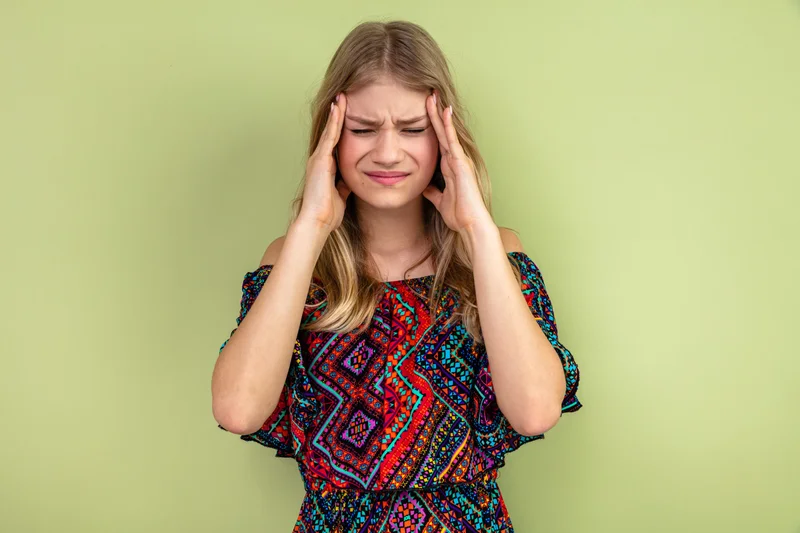
Migraine is more than just a headache — it's a debilitating neurological condition that affects over 1 billion people worldwide and is the second leading cause of disability globally. If you're searching for ayurvedic remedies for migraine, here's the direct answer: Ayurveda treats migraine (called Ardhavabhedaka in classical texts) through a combination of Panchakarma therapies like Nasya and Virechana, herbal formulations such as Pathyadi Kwath, lifestyle modifications based on your dominant dosha, and specific yoga practices. Unlike conventional medicine that focuses on symptom suppression, Ayurveda targets the root cause — dosha imbalance — to provide lasting relief without the risk of medication-overuse headaches.
In this comprehensive guide, we'll walk you through everything from understanding your migraine type in Ayurvedic terms to a step-by-step home treatment protocol, exact dosages, and DIY herbal recipes that no other guide covers.
What Is Migraine? Understanding It Through an Ayurvedic Lens
Migraine is a complex neurological disorder characterized by intense, often one-sided, pulsating headaches that can last anywhere from 4 to 72 hours. Common symptoms include nausea, vomiting, extreme sensitivity to light (photophobia) and sound (phonophobia), and sometimes visual disturbances known as aura.
In modern medicine, migraine is understood through mechanisms like vasodilation of cranial blood vessels, extravasation of plasma proteins, mast cell degranulation, and cortical spreading depression. But Ayurveda described this condition thousands of years ago.
What Is Ardhavabhedaka?
In Ayurvedic classical literature, migraine is referred to as Ardhavabhedaka — literally meaning "half-sided splitting pain." The ancient text Charaka Samhita describes it as severe, piercing pain affecting one half of the head, which aligns remarkably well with the modern clinical presentation of migraine.
- Ayurveda views migraine not as an isolated head pain but as a systemic manifestation of dosha imbalance.
- The mechanism works like this: aggravated Vata enters the channels of the head (Shiras), disrupts normal flow, and causes intense unilateral pain. When Pitta is also involved, there's a burning quality and photosensitivity. Kapha involvement brings heaviness and nausea.
- Migraine With Aura vs Without Aura: The Ayurvedic Difference
- Modern medicine distinguishes between migraine with aura (visual disturbances, tingling, speech changes preceding the headache) and migraine without aura.
- Ayurveda offers a parallel differentiation:
- Migraine with aura typically involves predominant Vata-Pitta aggravation. The aura phase corresponds to Vata's erratic movement disturbing sensory pathways, while Pitta's heat creates visual phenomena.
- Migraine without aura often has a stronger Kapha component, where the gradual build-up of heaviness and congestion leads directly to pain without preceding sensory disturbances.
This distinction matters because the treatment approach differs significantly based on the type — something most guides completely overlook.
What Causes Migraines? Triggers and Dosha Imbalance
Common Triggers
From both Ayurvedic and modern perspectives, migraine triggers include:
- Stress and emotional disturbance (aggravates Vata)
- Hormonal fluctuations — menstruation, menopause, oral contraceptives (disturbs Pitta and Rakta dhatu)
- Dietary factors — skipping meals, aged cheese, processed food, alcohol, excess caffeine
- Sleep irregularities — both deprivation and oversleeping (Vata aggravation)
- Environmental changes — bright lights, strong odors, weather shifts
- Genetic predisposition — family history is present in up to 70% of cases
The Dosha Connection
Ayurveda identifies an interesting correlation between migraine and Amlapitta (hyperacidity). Many migraine sufferers also experience acid reflux and digestive issues, which Ayurveda explains through the shared Pitta aggravation pathway. This is why treating digestion is often a key part of ayurvedic migraine management.
What Deficiency Causes Migraines?
From a nutritional standpoint, magnesium deficiency is strongly linked to migraines — a 2012 study in The Journal of Neural Transmission showed that up to 50% of migraine patients have magnesium deficiency during acute attacks. In Ayurvedic terms, this translates to Dhatu Kshaya (tissue depletion), particularly of Asthi Dhatu (bone tissue) and Majja Dhatu (nervous tissue), which weakens the body's resilience against Vata aggravation.
Other deficiencies associated with migraines include Vitamin D, Riboflavin (B2), and Coenzyme Q10.
Ayurvedic Treatment for Migraine by Dosha Type
- This is where Ayurveda truly shines — personalised treatment. No two migraines are identical, and your dominant dosha determines the most effective remedies.
- Here's a breakdown that no other guide provides:
Vata-Type Migraine
Symptoms: Throbbing pain in the back of the head, worsens with movement, anxiety, insomnia, constipation, dry skin. Pain often triggered by fasting, cold weather, or irregular schedule. Treatment approach:
- Oil therapies: Warm sesame oil (Tila Taila) head massage daily — 10–15 ml massaged into the scalp for 15 minutes before bath
- Nasya: 2–3 drops of Anu Thailam in each nostril every morning on empty stomach, 30 minutes before bathing
- Herbs: Ashwagandha (500 mg twice daily), Brahmi (300 mg twice daily), Jatamansi (250 mg at bedtime)
- Diet: Warm, oily, nourishing foods. Avoid raw salads, cold drinks, and fasting
- Lifestyle: Strict routine (Dinacharya), early bedtime, warm oil self-massage (Abhyanga)
Pitta-Type Migraine
Symptoms: Burning, sharp pain mostly in the temporal region, photosensitivity, irritability, redness of eyes, nosebleeds. Triggered by heat, sun exposure, spicy food, anger. Treatment approach:
- Oil therapies: Cool coconut oil or Brahmi oil head massage — especially the crown area
- Nasya: Cow's ghee Nasya — 2 drops in each nostril, morning and evening
- Herbs: Shatavari (500 mg twice daily), Amalaki (500 mg twice daily), Guduchi (300 mg twice daily)
- Diet: Cooling foods — cucumber, coconut water, sweet fruits. Strictly avoid chili, fermented foods, alcohol
- Lifestyle: Avoid direct sun during peak hours, practice Sheetali Pranayama (cooling breath), moonlight walks
Kapha-Type Migraine
Symptoms: Dull, heavy ache in the forehead or sinuses, nausea, excessive salivation, congestion, lethargy. Triggered by oversleeping, dairy, cold damp weather. Treatment approach:
- Oil therapies: Dry powder massage (Udvartana) rather than oil massage; light mustard oil if needed
- Nasya: Strong Nasya with Katphal or black pepper-infused oil — 2 drops per nostril
- Herbs: Trikatu (250 mg twice daily with honey), Vacha (125 mg twice daily), Chitrak (250 mg twice daily)
- Diet: Light, warm, spicy foods. Avoid dairy, sweets, fried foods, and heavy meals
- Lifestyle: Early rising (before 6 AM), vigorous exercise, no daytime sleeping
| Feature | Vata Migraine | Pitta Migraine | Kapha Migraine |
|---|---|---|---|
| Pain quality | Throbbing, variable | Burning, sharp | Dull, heavy |
| Location | Back of head, neck | Temples, eyes | Forehead, sinuses |
| Key trigger | Irregular routine | Heat, anger | Oversleeping, cold |
| Primary oil | Warm sesame oil | Cool coconut oil | Light mustard oil |
| Key herb | Ashwagandha | Shatavari | Trikatu |
| Diet principle | Warm, nourishing | Cool, sweet | Light, spicy |
Panchakarma Therapies for Migraine
Panchakarma is Ayurveda's flagship detoxification system, and multiple clinical studies have demonstrated its effectiveness for migraine. A systematic review published in the Journal of Ayurveda and Integrative Medicine (2022) analyzed 12 clinical trials — including 6 randomized controlled trials (RCTs) — and found that Panchakarma interventions showed significant reduction in migraine frequency, intensity, and duration.
Nasya Karma (Nasal Instillation)
Nasya is considered the most important therapy for any head-related disorder. The nose is described as the "gateway to the brain" (Nasa hi shiraso dwaram) in Ayurveda.
How to do it at home:
- Lie down with head slightly tilted back (place a small pillow under your shoulders)
- Warm Anu Thailam to body temperature
- Instill 2–3 drops in each nostril
- Inhale gently, then rest for 2 minutes
- Spit out any oil that drains into the throat
- Practice daily on an empty stomach, 30 minutes before bath
Duration: Minimum 7 days continuously, then 3 times per week for maintenance.
Shirodhara (Oil Pouring on Forehead)
A continuous stream of warm medicated oil poured on the forehead for 30–45 minutes. A pilot study at NIMHANS showed that Shirodhara with Ksheerabala Thailam reduced migraine frequency by up to 60% over a 4-week treatment period.
This requires a trained practitioner and is not recommended as a home therapy.
Virechana (Therapeutic Purgation)
Particularly effective for Pitta-type migraines. Virechana clears accumulated Pitta from the system through controlled purgation using herbs like Trivrit or Avipattikar Churna. This should only be performed under medical supervision after proper Snehana (oleation) and Swedana (sudation) preparation.
External Therapies (Lepa)
Application of herbal pastes on the temples and forehead provides quick relief during acute attacks:
- Sandalwood paste mixed with camphor — cooling, ideal for Pitta migraines
- Shirisha (Albizia) paste — anti-inflammatory properties
- KM Lepam — a classical Ayurvedic balm applied to temples during acute attacks
Best Herbal Remedies and Home Recipes for Migraine
Which Ayurvedic Medicine Is Best for Migraines?
While individual results vary based on dosha type, these are the most well-researched ayurvedic formulations:
1. Pathyadi Kwath (Decoction)
This is perhaps the single most important classical formulation for migraine. Pathyadi literally means "beginning with Pathya" (Terminalia chebula / Haritaki).
Home recipe:
- Haritaki (Terminalia chebula) — 5 gm
- Bibhitaki (Terminalia bellirica) — 5 gm
- Amalaki (Emblica officinalis) — 5 gm
- Haldi / Turmeric (Curcuma longa) — 3 gm
- Neem bark (Azadirachta indica) — 3 gm
- Boil all ingredients in 400 ml water, reduce to 100 ml.
- Strain and drink warm.
- Take twice daily — morning and evening, on an empty stomach. Continue for 21–30 days.
2. Pathyashadangam Kwath
- A classical poly-herbal decoction that balances all three doshas.
- Available commercially but also preparable at home with:
- Pathya (Haritaki), Nimba (Neem), Amrita (Guduchi), Haridra (Turmeric), Chandana (Sandalwood), Musta (Nagarmotha)
Take 15–20 ml with equal water, twice daily before meals.
3. Shirashooladi Vajra Rasa
A herbo-mineral formulation (Rasa Aushadhi) containing processed minerals and herbs. This falls under the herbo-mineral medication category and should only be taken under practitioner guidance — typically 125–250 mg twice daily with honey.
DIY Herbal Remedies You Can Prepare at Home
Ginger-Tulsi Tea (Acute Relief)
- Fresh ginger — 1 inch piece, crushed
- Holy Basil leaves — 5–7 leaves
- Black pepper — 2 crushed peppercorns
- Water — 200 ml
Boil for 5 minutes, strain, add raw honey. Drink at the onset of migraine.
Lavender Oil Application
A 2020 systematic review confirmed that lavender inhalation therapy reduced migraine frequency and severity after 3 months of consistent use. Place 2–3 drops of pure lavender essential oil on your temples or inhale from a diffuser for 15 minutes at onset.
Turmeric Milk (Nightly Prevention)
- Warm milk — 200 ml (use almond milk for Kapha types)
- Turmeric powder — 1/2 teaspoon
- Black pepper — a pinch (enhances curcumin absorption by 2000%)
- Ghee — 1/2 teaspoon
Drink nightly, 30 minutes before sleep.
Peppermint Oil Paste
Mix 3 drops of peppermint essential oil with 1 teaspoon of coconut oil. Apply to temples, forehead, and back of neck during an attack. The menthol component provides vasoconstrictive relief.
Don't wait or self medicate. Start chat with Doctor NOW
Step-by-Step Protocol: During an Attack, Between Attacks, and Long-Term Prevention
Here's a practical phased protocol that no other guide currently provides:
Phase 1: During an Acute Attack (0–72 Hours)
- 1.Immediately: Apply peppermint oil paste to temples and neck
- 2.Within 15 minutes: Prepare and drink ginger-tulsi tea
- 3.Within 30 minutes: Lie down in a dark, quiet room; place a cold sandalwood paste compress on forehead
- 4.If nausea is present: Chew a small piece of fresh ginger with rock salt
- 5.Avoid: Screens, bright lights, strong smells, heavy food
- Rest until the attack subsides. Sip warm water throughout.
Phase 2: Between Attacks (Ongoing Weekly Routine)
- Daily morning Nasya with Anu Thailam (2–3 drops per nostril)
- Daily Abhyanga (oil self-massage) — 15 minutes before bath
- Pathyadi Kwath — 15 ml twice daily on empty stomach
- Evening head massage with dosha-appropriate oil — 3 times/week
- Pranayama practice — 10 minutes of Anulom Vilom daily
- Maintain a migraine diary tracking triggers, foods, sleep
Phase 3: Long-Term Prevention (3–6 Month Plan)
| Timeline | Action | Expected Outcome |
|---|---|---|
| Month 1 | Daily Nasya + Pathyadi Kwath + diet correction | 20–30% reduction in frequency |
| Month 2 | Add Panchakarma (Shirodhara or Virechana) if accessible | Significant dosha rebalancing |
| Month 3 | Introduce yoga routine + seasonal adjustments | 40–50% reduction in frequency |
| Month 4–6 | Maintain protocol, fine-tune based on response | 60–80% reduction; some patients achieve remission |
Yoga and Breathing Techniques for Migraine Relief
Best Yoga Poses
Specific asanas help by improving blood circulation, releasing neck and shoulder tension, and calming the nervous system:
- Balasana (Child's Pose) — Rests the forehead on the ground, relieves head pressure. Hold for 1–3 minutes.
- Adho Mukha Svanasana (Downward-Facing Dog) — Increases blood flow to the brain. Hold for 30 seconds, repeat 3 times.
- Setu Bandhasana (Bridge Pose) — Opens chest, relieves tension. Hold for 30 seconds.
- Shavasana (Corpse Pose) — Deep relaxation and nervous system reset. Practice for 10 minutes.
- Hastapadasana (Standing Forward Bend) — Enhances blood supply to the nervous system.
Important: Avoid inversions and vigorous poses during an active migraine attack. These poses are for prevention, not acute treatment.
Pranayama (Breathing Exercises)
- Anulom Vilom (Alternate Nostril Breathing) — 10 minutes daily. Balances Vata and calms the mind.
- Sheetali Pranayama — Especially for Pitta-type migraines. Curl the tongue, inhale through the mouth, exhale through the nose. 10 rounds.
- Bhramari (Humming Bee Breath) — The vibration soothes cranial nerves. 5–7 rounds, twice daily.
Diet and Lifestyle: Dinacharya for Migraine Prevention
Ideal Daily Routine (Dinacharya)
- No guide currently offers a concrete daily schedule for migraine prevention.
- Here's one:
| Time | Activity |
|---|---|
| 5:30–6:00 AM | Wake up (before sunrise ideally) |
| 6:00–6:15 AM | Oil pulling with sesame oil (5 minutes) + tongue scraping |
| 6:15–6:30 AM | Nasya therapy with Anu Thailam |
| 6:30–7:00 AM | Pranayama (Anulom Vilom + Bhramari) |
| 7:00–7:30 AM | Warm oil self-massage (Abhyanga) + warm bath |
| 7:30–8:00 AM | Light, warm breakfast |
| 12:00–1:00 PM | Main meal of the day (largest portion) |
| 6:00–6:30 PM | Light yoga or evening walk |
| 7:00–7:30 PM | Light dinner (avoid heavy, fried food) |
| 9:00 PM | Turmeric milk |
| 9:30–10:00 PM | Sleep (essential — same time every night) |
Seasonal Adjustments (Ritucharya)
- This is another gap in existing guides.
- Migraine patterns often shift with seasons:
- - Summer (Grishma Ritu): Pitta aggravation peaks.
- Increase cooling foods — coconut water, watermelon, cucumber. Avoid sun exposure between 11 AM–3 PM. Use sandalwood oil for head massage.
- Rainy Season (Varsha Ritu): Vata gets disturbed. Eat warm, freshly cooked food. Avoid leftover food. Use sesame oil Nasya.
- Winter (Hemanta/Shishira Ritu): Kapha accumulation begins. Increase spices in food. Practice vigorous exercise. Avoid excessive dairy.
- Spring (Vasanta Ritu): Accumulated Kapha liquefies. Best season for Virechana/detox. Light diet, bitter greens, warm water with honey.
Foods to Eat and Avoid
Include: Fresh ginger, turmeric, cumin, fennel, coriander, seasonal fruits, whole grains, moong dal, ghee, almonds (soaked), warm water, fresh vegetables. Avoid: Aged cheese, processed meats, MSG-containing foods, artificial sweeteners, excessive caffeine, alcohol (especially red wine), chocolate in excess, fermented food, leftover food (more than 6 hours old), ice-cold drinks.
- Ayurveda vs Conventional Medicine for Migraine: A Comparison
| Criteria | Ayurvedic Approach | Conventional Medicine |
|---|---|---|
| Philosophy | Treat root cause (dosha imbalance) | Manage symptoms |
| Speed of relief | Slower initially (weeks to months) | Fast (minutes to hours with triptans) |
| Long-term efficacy | Improves over time; may achieve remission | Often requires ongoing medication |
| Side effects | Minimal when properly administered | Drowsiness, rebound headaches, liver stress |
| Medication-overuse headache risk | None | Significant risk with frequent NSAID/triptan use |
| Personalisation | Highly personalised (dosha-based) | Largely standardised protocols |
| Scientific evidence | Growing (12+ clinical trials, mostly from India) | Extensive, well-established |
| Cost | Generally lower (many remedies are kitchen-based) | Can be expensive (especially biologics like CGRP inhibitors) |
| FDA/regulatory status | Not FDA-regulated; quality varies | Strictly regulated |
| Best for | Chronic sufferers, those seeking drug-free options | Acute severe attacks, emergency situations |
A balanced approach: Many practitioners now recommend integrative treatment — using conventional medicine for acute relief while using Ayurvedic methods for long-term prevention and reducing attack frequency.
Is Ayurvedic Treatment Safe?
Ayurvedic remedies are generally safe when used correctly, but there are important considerations:
- Quality control: Ayurvedic products are not regulated by the FDA. Purchase only from reputable manufacturers with GMP certification (look for AYUSH Ministry approved products in India).
- Heavy metals: Some traditional preparations, particularly Rasa Aushadhi (herbo-mineral formulations), may contain processed metals. Only take these under qualified practitioner supervision.
- Drug interactions: Herbs like Brahmi, Ashwagandha, and Guduchi can interact with sedatives, thyroid medications, and immunosuppressants. Always inform your allopathic doctor about any Ayurvedic medicines you're taking.
- Pregnancy: Many Ayurvedic herbs are contraindicated during pregnancy. Consult a qualified Ayurvedic physician before using any herbal remedy if pregnant or breastfeeding.
- Children: Dosages for children should be adjusted — typically 1/4 to 1/2 the adult dose depending on age and weight. Never self-prescribe for children under 5.
> Important: Ayurvedic remedies work best as complementary therapy. If you experience sudden severe headache ("thunderclap headache"), headache with fever and stiff neck, or headache after head injury — seek immediate medical attention. These may indicate serious conditions requiring emergency care.
Menstrual Migraine: An Ayurvedic Perspective
Menstrual migraines affect up to 60% of women who suffer from migraines, typically occurring 2 days before to 3 days after the onset of menstruation. Ayurveda attributes this to the combined aggravation of Vata (which governs menstrual flow) and Pitta (which governs hormonal activity).
Specific recommendations:
- Begin Shatavari supplementation (500 mg twice daily) from day 14 of your cycle
- Practice gentle Nasya with ghee during the premenstrual week
- Avoid fasting, excessive exercise, and cold foods during the menstrual week
- Take Dashamoola Kwath (15 ml with warm water) for 5 days before expected period
- Aloe vera juice (30 ml daily) helps balance Pitta and supports hormonal equilibrium
Frequently Asked Questions
What Is the Fastest Way to Cure a Migraine Naturally?
For immediate natural relief, apply peppermint essential oil mixed with coconut oil to your temples and the base of your skull. Simultaneously, drink strong ginger tea (1 inch fresh ginger boiled in water for 5 minutes). A 2014 study in Phytotherapy Research found that 250 mg of ginger powder was as effective as sumatriptan (a prescription migraine drug) in reducing migraine severity within 2 hours, with fewer side effects.
What Is the Best Natural Medicine for Migraines?
Based on both traditional use and emerging clinical evidence, Pathyadi Kwath is considered the gold standard in Ayurvedic migraine treatment. For single herbs, ginger and Brahmi have the strongest research backing. Among essential oils, lavender oil shows the most consistent results.
How Does Ayurvedic Treatment Differ From Traditional Migraine Treatment?
Conventional treatment uses drugs like triptans, beta-blockers, and anti-epileptics for prevention — these work fast but carry side effects and the risk of medication-overuse headaches. Ayurveda uses a multi-pronged approach (diet, herbs, Panchakarma, yoga, lifestyle) that takes longer to show results but addresses the underlying imbalance. There's no risk of rebound headaches with Ayurvedic herbs.
Can Ayurveda Completely Cure Migraine?
Ayurveda views migraine as a manageable condition. While "cure" is a strong word, many patients experience complete remission of symptoms with consistent Ayurvedic treatment over 6–12 months. Results depend on the severity, duration of the condition, adherence to treatment, and individual constitution.
What Types of Ayurvedic Treatments Are Used for Migraine Relief?
The main categories include: (1) Internal medicines — Kwath (decoctions), Churna (powders), Rasa Aushadhi (herbo-mineral formulations); (2) Panchakarma — Nasya, Shirodhara, Virechana; (3) External therapies — Lepa (paste application), Shiro Abhyanga (head massage); (4) Yoga and Pranayama; (5) Dietary and lifestyle modifications.
Is Migraine Treatment Available in Kerala-Style Ayurveda?
Yes. Kerala has a rich tradition of specialized Ayurvedic treatments for neurological conditions. Kerala-style Panchakarma includes unique therapies like Takradhara (pouring medicated buttermilk on the forehead) and specialized Nasya protocols. Many dedicated migraine treatment centers operate across Kerala, offering residential programs of 14–28 days.
Final Thoughts: Your Path to Migraine Freedom
Living with migraine doesn't have to mean depending on painkillers for the rest of your life. Ayurveda offers a time-tested, holistic framework that addresses why you get migraines — not just how to numb the pain.
Start small. Begin with daily Nasya, adjust your diet based on your dosha type, and maintain a consistent sleep schedule. Track your progress in a migraine diary. Within 4–6 weeks, most people notice a meaningful reduction in attack frequency.
If you're unsure about your dosha type or need personalized guidance, consult a qualified Ayurvedic physician who can assess your Prakriti (constitution) and design a tailored treatment plan. The best outcomes come from working with a knowledgeable practitioner who can adjust your protocol as you progress.
Your journey toward a migraine-free life begins with a single step — and Ayurveda has been lighting that path for over 5,000 years.
Scientific Sources
- Catharanthus roseus (L.) G.Don: A review of its ethnobotany, phytochemistry, ethnopharmacology and toxicities — Kumar S et al., 2022, Journal of ethnopharmacology
- Ayurveda for Animals — Dohmen L, 2025, The Veterinary clinics of North America. Small animal practice
- Botanical drugs in Ayurveda and Traditional Chinese Medicine — Jaiswal Y et al., 2016, Journal of ethnopharmacology
- Ayurvedic plumbism — Sadler M et al., 2017, Internal medicine journal
- Cancer--an ayurvedic perspective — Balachandran P et al., 2005, Pharmacological research
Questions from users
What lifestyle changes can help manage magnesium levels to reduce migraine frequency?
Carter
3 days ago
To manage magnesium levels and reduce migraines, include magnesium-rich foods like nuts, seeds, spinach, and whole grains in your diet. Also, consider regular meditation to calm the mind and gentle yoga to boost blood flow, which supports nutrient absorption. Staying hydrated is essential too! If your digestion is off, it might impact absorption, so you might want to look there as well.
What is the best time of day to do Nasya for migraine relief?
Nathan
12 days ago
Doing Nasya in the early morning or evening when you're less active helps with migraine relief. Also, be consistent with it to see the most benefits. The ghee can help calm the doshas and soothe the mind. Just be sure ur nose is clear and you're not hungry. If you're unsure, check with a local practitioner!
Can I use ginger for migraine relief, and how should I take it?
Bella
21 days ago
Yeah, ginger can be helpful for migraines! It's warming and can balance vata's erratic energy. You can try ginger tea, take a small piece (about 1 cm) and simmer it in hot water for 10 minutes. Drink it when you feel a headache coming on. If you're sensitive to heat, a bit of honey can balance it out too. But everyone’s different, so see how your body reacts.
Can I drink alcohol after Panchakarma treatment for migraines?
Grayson
32 days ago
After Panchakarma, it's best to avoid alcohol. Your body is in a detoxified state, and alcohol could overwhelm it, potentially triggering headaches or slowdown recovery. Try substituting with herbal teas or water. If you really want to reintroduce it, wait some weeks and then do it gradually, with caution.
Can Ayurvedic practices help improve sleep quality to reduce migraine frequency?
Stella
42 days ago
Yes, Ayurvedic practices can definitely help! Focusing on balancing pitta and vata doshas is key. Try incorporating calming herbs like Brahmi or Ashwagandha, and establish a bedtime routine that soothes your vata. Drinking warm milk with turmeric or nutmeg before bed could also improve your sleep. 🌙 Also, consider meditation or yoga to help with stress. If you can, consult an Ayurvedic practitioner for personalized advice.
What is Shirodhara and how does it specifically help with migraine relief?
Vada
51 days ago
Shirodhara is this relaxing Ayurvedic therapy where warm oil trickles steadily onto your forehead,. It’s believed to calm the nervous system and balance the doshas—especially Vata, which often gets aggravated in migraines. This helps reduce stress, which in turn might ease migraine symptoms like headache pain!
What is the importance of a free pre-Ayurvedic consultation for addressing health concerns?
Zuri
61 days ago
A free pre-Ayurvedic consultation is super important 'cause it gives you a chance to understand how Ayurveda can specifically help with your health issues. It's like an intro where you and the expert can figure out the right approach for you, based on your unique dosha and lifestyle. Plus, it's an opportunity to ask questions and see if Ayurveda feels right for you without any cost upfront!
Is it safe to exercise during a migraine attack, or should I avoid it?
Mya
71 days ago
During a migraine attack, exercising isn't always the best idea. It could actually make things worse. Instead, gentle practices like yoga or meditation can be soothing. Focus on staying hydrated and keep your environment calm and quiet. If migraines are frequent, exploring Ayurvedic remedies like panchakarma might help long-term!
Is it safe to use para-surgical procedures for migraine relief in Ayurveda?
Makayla
80 days ago
Yes, para-surgical procedures like Viddhakarma and Agnikarma are often considered safe for migraine relief in Ayurveda and can offer quick pain relief without typical side effects from meds. But always discuss with a qualified Ayurvedic practitioner first to ensure it suits your body type and current health. Safety is key!
What precautions should I take before starting Panchakarma for migraine treatment?
Sage
158 days ago
Before starting Panchakarma for migraines, ensure to consult a trained Ayurvedic practitioner to assess your dosha imbalance and overall health condition. Make sure you're in a good state of health otherwise, and avoid fasting or intense stress leading up to it, as Panchakarma is a intensive detox process. Always listen to your body too.
Related articles

Neurological Disorders
Neuron Capsule
Exploration of Neuron Capsule
2,144

Neurological Disorders
How to Control Headache: Natural and Effective Ways
Discover natural ways to control headache at home. Learn fast, medicine-free techniques and effective Ayurvedic tips for headache relief and pain control
2,474
Neurological Disorders
Ayurvedic Medicine for Peripheral Neuropathy – Natural Remedies for Nerve Health
Explore Ayurvedic medicine for peripheral neuropathy, including effective herbs, treatments, and lifestyle changes. Discover natural approaches to alleviate nerve pain and enhance nerve health.
4,635
Neurological Disorders
Panchendriya Vardhan Tel: Enhance Your Senses with Ayurvedic Oil
Discover the benefits, proper dosage, uses, and scientific research behind Panchendriya Vardhan Tel, a powerful Ayurvedic oil for varicose veins.
3,077
Neurological Disorders
Syphilis Treatment in Ayurveda: Herbal Remedies and Healing Practices
Discover effective Ayurvedic treatments for syphilis, including herbal remedies, lifestyle practices, dosage guidelines, and scientific evidence supporting natural healing.
4,551

Neurological Disorders
Motor Neuron Disease Treatment in Ayurveda – Holistic Nerve Support
Explore Ayurvedic approaches for motor neuron disease treatment. Learn about holistic therapies, herbs, lifestyle changes, and scientific insights for managing MND.
3,565

Neurological Disorders
How to Get Rid of Sciatica Pain Permanently: A Complete Ayurvedic Guide
Explore sciatica pain relief, ayurvedic medicine for sciatica, and treatments for permanent cure. Learn how to relieve sciatica pain fast with natural remedies
2,727

Neurological Disorders
Brahmi Ghrita Benefits, Dosage, How To Use, Side Effects, Ingredients, Reference
Exploration of Brahmi Ghrita Benefits, Dosage, How To Use, Side Effects, Ingredients, Reference
3,360

Neurological Disorders
Kampavata Case Study – Ayurvedic Management of Tremors and Joint Instability
Explore a detailed Kampavata case study, highlighting Ayurvedic diagnostic approaches, treatment strategies, and patient outcomes for managing tremors, joint instability, and related symptoms.
2,848
Related questions on the topic
Legal
Additional Documents
© 2024 Ask Ayurveda. All rights reserved.