Ask Ayurvedic doctor a question and get a consultation online on the problem of your concern in a free or paid mode. More than 2,000 experienced doctors work and wait for your questions on our site and help users to solve their health problems every day.
FREE! Ask Ayurvedic Doctors 24/7

 Fast responses
 1000+ verified doctors
Body DetoxEar, Nose, and Throat DisordersGeriatrics & RejuvenationImmunodeficiencyInfertility TreatmentNutritionOrthopedic DisordersPediatricsRespiratory DisordersSexually Transmitted Diseases (STDs)Surgery RecoveryUrological DisordersVascular DisordersDental DisordersEndocrinological DisordersGastrointestinal DisordersYoga TherapyGeneral MedicineAllergic DisordersCardio DisordersGynecology and ObstetricsCosmetologySkin and Hair DisordersEye DisordersInfectious DiseasesMental DisordersNeurological DisordersOncologyPanchakarmaSexual Health & DisordersSports Medicine
Published on 02/26/25
(Updated on 06/17/26)
2,842
Kampavata Case Study – Ayurvedic Management of Tremors and Joint Instability
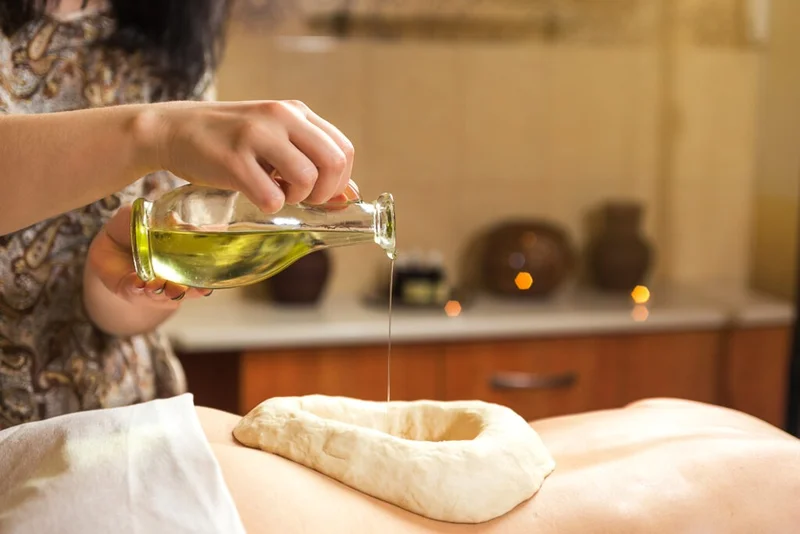
- Kampavata is the Ayurvedic clinical entity that describes involuntary tremors, rigidity, and progressive loss of motor control caused by severely aggravated Vata dosha — and it is widely recognized as the classical Ayurvedic correlate of Parkinson's Disease.
- The term itself comes from two Sanskrit roots: Kampa (trembling or shaking) and Vata (the bio-energy governing all movement in the body). If you are searching for a comprehensive, evidence-backed understanding of Kampavata — its etiology, pathogenesis, classical treatment protocols, and what modern research actually says — this article covers everything in one place.
Unlike most resources online that offer fragmented case studies or brief overviews, we are going to walk through the complete Nidana Panchaka (five diagnostic tools), the step-by-step Samprapti (pathogenesis), detailed Chikitsa (treatment) including Panchakarma and Shamana protocols, the critical Pathya-Apathya (diet and lifestyle guidelines), and an honest comparison between Ayurvedic and modern medical approaches. Whether you're a BAMS student, an Ayurvedic practitioner, or a patient exploring holistic options — this is your definitive guide.
What Is Kampavata? Meaning, Definition & Historical References
Etymology and Definition (Kampa + Vata)
The word Kampavata is a compound term in Sanskrit. "Kampa" literally translates to tremor, shaking, or involuntary oscillatory movement, while "Vata" refers to the dominant dosha responsible for all voluntary and involuntary movements in the body. Together, Kampavata denotes a Vatavyadhi (disease of Vata origin) where the primary manifestation is uncontrollable trembling.
In classical Ayurvedic nosology, Kampavata is classified under Vatavyadhi — a broad category of diseases arising from the vitiation of Vata dosha. Some scholars also categorize it under Nanatmaja Vata Vikaras (diseases caused exclusively by Vata), as mentioned in Charaka Samhita, Sutra Sthana Chapter 20, where Veshtamba, Kampa, and other tremor-related conditions are listed among the 80 Nanatmaja Vata disorders.
Historical References in Classical Ayurvedic Texts
While the term "Kampavata" as a distinct disease entity does not appear as a separate chapter in the Brihattrayee (Charaka, Sushruta, Vagbhata), it is described through scattered but highly specific references:
- Charaka Samhita — References to Kampa (tremor) as a symptom of Vata Prakopa appear in Sutra Sthana 20 and Chikitsa Sthana 28 (Vatavyadhi Chikitsa). The treatment principles for all Vatavyadhi directly apply to Kampavata.
- Basavarajeeyam — This is one of the most frequently cited texts that describes Kampavata as a distinct clinical condition with its own Nidana, Lakshana, and Chikitsa. It provides a clearer standalone description than the Brihattrayee.
- Madhava Nidana — Discusses Vepathu (generalized tremor) which overlaps significantly with Kampavata, offering important differential insights.
- Sharangadhara Samhita — References age-related degeneration (Jara) and progressive loss of motor functions that align with the clinical trajectory of Kampavata.
The key takeaway? Classical Ayurveda recognized a progressive, tremor-dominant, Vata-driven neurodegenerative condition centuries before James Parkinson described the "shaking palsy" in 1817.
Kampavata and Parkinson's Disease — The Correlation
The clinical parallels between Kampavata and Parkinson's Disease (PD) are striking.
Both conditions share:
- Tremor at rest (Kampa / resting tremor)
- Rigidity (Stambha / muscular rigidity)
- Slowness of movement (Cheshta Hani / bradykinesia)
- Postural instability (Gatisangatva)
- Non-motor features — constipation (Vibandha), depression (Vishada), sleep disturbances (Nidranasha)
A 2004 review published in the Journal of Research in Ayurveda and Siddha formally established Kampavata as the Ayurvedic correlate of Parkinson's Disease. Today, virtually all Ayurvedic research papers, including those in JAIMS (Journal of Ayurveda and Integrated Medical Sciences) and RJPPD, use the terms interchangeably.
Nidana (Etiology & Causative Factors of Kampavata)
Understanding the Nidana (causative factors) is foundational to Ayurvedic diagnosis and treatment. The causes of Kampavata can be organized into three classical categories, plus their modern equivalents.
Aharaja Nidana (Dietary Causes)
- Ruksha Ahara — Excessive intake of dry, rough foods that aggravate Vata (e.g., raw salads, crackers, dry cereals without adequate oil/ghee)
- Sheeta Ahara — Cold food and drinks consumed habitually
- Alpa Ahara / Pramitashana — Insufficient food intake, fasting excessively, or irregular eating patterns
- Kashaya-Tikta-Katu Rasa Sevana — Overuse of astringent, bitter, and pungent tastes that increase Vata
- Vishamashana — Eating at irregular times, disrupting Agni (digestive fire)
Viharaja Nidana (Lifestyle Causes)
- Ati Vyayama — Excessive physical exertion leading to Dhatu Kshaya (tissue depletion)
- Ratri Jagarana — Chronic sleep deprivation or nighttime wakefulness
- Vegadharana — Habitual suppression of natural urges (especially urination, defecation, sneezing)
- Ati Maithuna — Excessive sexual activity causing Shukra and Ojas Kshaya
- Dhatu Kshaya due to aging (Jara) — Natural degeneration of tissues, especially Majja Dhatu (nervous tissue)
Manasika Nidana (Psychological Causes)
- Chinta (worry), Shoka (grief), Bhaya (fear) — All these are powerful Vata-aggravating emotions
- Chronic mental stress — Prolonged psychological disturbance disrupts Prana Vata and Sadhaka Pitta, impacting neurological function
Modern Risk Factors Corresponding to Ayurvedic Nidana
| Ayurvedic Nidana | Modern Equivalent |
|---|---|
| Ruksha, Sheeta Ahara | Nutritional deficiency, low antioxidant intake |
| Dhatu Kshaya / Jara | Age-related neurodegeneration (peak onset 60+ years) |
| Vegadharana | Autonomic dysfunction from chronic suppression |
| Manasika Nidana | Chronic stress, depression as risk factor for PD |
| Ati Vyayama + Visha | Occupational exposure to pesticides, heavy metals |
| Beeja Dosha (genetic predisposition) | LRRK2, PARK7, PINK1 gene mutations |
Samprapti (Pathogenesis): How Kampavata Develops Step by Step
This is where Ayurvedic understanding becomes genuinely sophisticated — and where no competing article has provided a complete picture. Let's break this down.
Samprapti Ghataka (Components of Pathogenesis)
| Component | Involvement in Kampavata |
|---|---|
| Dosha | Vata Pradhana (primarily Vyana Vata, Udana Vata, Prana Vata); Kapha Kshaya (secondary) |
| Dushya | Rasa, Rakta, Mamsa, Majja Dhatu |
| Agni | Majja Dhatvagni Mandya (weakened nervous tissue metabolism) |
| Srotas | Majjavaha Srotas (channels nourishing nervous tissue) |
| Sroto Dushti | Sanga (obstruction) and Siragranthi (degenerative changes in neural channels) |
| Udbhavasthana | Pakvashaya (large intestine — seat of Vata) |
| Vyaktasthana | Sarvanga (whole body), especially Hasta (hands), Shira (head), Greeva (neck) |
| Rogamarga | Madhyama (middle pathway — Marma, Asthi, Sandhi) |
Step-by-Step Pathogenesis of Kampavata
Here is the Samprapti Chakra (pathogenetic cycle) in a sequential format:
- Nidana Sevana → Habitual exposure to Vata-aggravating diet, lifestyle, emotional stress, and/or aging
- Vata Prakopa → Vata dosha becomes vitiated, especially Vyana Vata and Prana Vata
- Kapha Kshaya → The protective, nourishing Kapha component (Tarpaka Kapha in the brain, Shleshaka Kapha in joints) becomes depleted
- Avarana possibility → In some presentations, Kapha or Pitta may obstruct Vata pathways (Kapha-Avarana on Vyana Vata), causing rigidity alongside tremor
- Dhatu Kshaya → Progressive depletion of Rasa → Rakta → Mamsa → and critically Majja Dhatu (nervous tissue)
- Majjavaha Sroto Dushti → The channels nourishing the nervous system become obstructed or degenerated
- Loss of Dhatu Poshana → Inadequate nourishment reaches the brain and motor neurons
- Sthana Samshraya in Madhyama Rogamarga → The disease localizes in deep tissues — Marma (vital points), Sandhi (joints), Snayu (ligaments/tendons)
- Vyakti (Manifestation) → Kampa (tremor), Stambha (rigidity), Cheshta Hani (bradykinesia), Gatisangatva (postural instability)
- Bheda (Complications) → Progressive disability, Smriti Hani (cognitive decline), Vak Graha (speech difficulty), complete dependence
Comparison with Modern Pathophysiology (Dopaminergic Pathway)
| Ayurvedic Concept | Modern Correlate |
|---|---|
| Majja Dhatu Kshaya | Degeneration of dopaminergic neurons in Substantia Nigra pars compacta |
| Majjavaha Sroto Dushti | Disrupted nigrostriatal pathway |
| Vyana Vata Dushti | Impaired motor circuit signaling (basal ganglia dysfunction) |
| Kapha Kshaya | Loss of neurotrophic/protective factors |
| Avarana | Alpha-synuclein accumulation (Lewy bodies) obstructing neural function |
| Majja Dhatvagni Mandya | Mitochondrial Complex-I dysfunction, oxidative stress in neurons |
A 2012 study in Annals of Neurosciences highlighted that mitochondrial Complex-I deficiency and oxidative stress are central to dopaminergic neuron death in PD — this maps remarkably well onto the Ayurvedic concept of Majja Dhatvagni Mandya leading to tissue degeneration.
Purvarupa & Rupa: Symptoms of Kampavata
Purvarupa (Prodromal / Early Warning Signs)
These subtle signs appear before the disease fully manifests, and are often overlooked:
- Mild intermittent trembling in one hand or finger
- Vague body aches, generalized stiffness
- Constipation (Vibandha) — one of the earliest signs
- Disturbed sleep, restlessness
- Subtle change in handwriting (becoming smaller)
- Mild depressive episodes, anhedonia
- Reduced sense of smell (Ghrana Hani)
Rupa (Cardinal Clinical Features)
The fully manifested Kampavata presents with:
- Kampa — Involuntary resting tremor, typically beginning unilaterally, "pill-rolling" type
- Stambha — Rigidity of muscles ("lead-pipe" or "cogwheel" rigidity)
- Cheshta Hani — Bradykinesia: slowness in initiation and execution of movements
- Gatisangatva — Postural instability, festinating (shuffling) gait
- Vak Graha — Speech becomes monotonous, low-volume, unclear
- Mukha Vairasya — Mask-like facial expression (hypomimia)
- Nidranasha / Atinidra — Sleep disturbances
- Vibandha — Chronic constipation
- Manas Dosha — Anxiety, depression, cognitive slowing
Correlation with Parkinson's Motor & Non-Motor Symptoms
Modern neurology classifies PD symptoms into motor and non-motor. Every classical Kampavata symptom has a direct modern equivalent — which is precisely why the correlation has been accepted across Ayurvedic academia.
Differential Diagnosis: Kampavata vs. Similar Conditions
This is a critical clinical step that is surprisingly absent from all competing articles online.
Kampavata vs. Vepathu vs. Akshepa vs. Other Vatavyadhi
| Feature | Kampavata | Vepathu (Generalized Tremor) | Akshepa (Convulsions) | Pakshaghata (Hemiplegia) |
|---|---|---|---|---|
| Primary Symptom | Resting tremor + rigidity + bradykinesia | Tremor (action or postural) | Convulsive, jerky involuntary movements | Loss of motor function on one side |
| Onset | Gradual, progressive | Can be acute or chronic | Often acute | Usually sudden |
| Dosha | Vyana + Prana Vata; Kapha Kshaya | Vata Pradhana | Vata (sometimes Pitta) | Vata |
| Rigidity | Prominent | Usually absent | Absent (or transient) | Flaccid initially, then spastic |
| Consciousness | Preserved | Preserved | May be lost | Preserved |
| Progression | Slowly progressive | May be static or fluctuating | Episodic | Sudden, then recovery phase |
Modern Differential: Parkinsonism vs. Essential Tremor vs. Others
- Essential Tremor — Action/postural tremor (not resting), bilateral from onset, no rigidity or bradykinesia, often family history
- Drug-Induced Parkinsonism — History of neuroleptics or antiemetics, usually bilateral and symmetric
- Vascular Parkinsonism — "Lower body parkinsonism," stepwise progression, MRI shows white matter changes
- Progressive Supranuclear Palsy — Early postural instability and falls, vertical gaze palsy
- Multiple System Atrophy — Severe autonomic dysfunction, cerebellar signs
Don't wait or self medicate. Start chat with Doctor NOW
Sadhyasadhyata (Prognosis in Ayurveda)
Classical Ayurveda categorizes diseases by curability:
- Sadhya (Curable) — Kampavata in early stages (Purvarupa or early Rupa) in a young, strong patient with mild Dosha vitiation
- Yapya (Manageable but not curable) — Established Kampavata in middle-aged or elderly patients; can be maintained with continuous treatment, preventing rapid deterioration
- Asadhya/Kashtasadhya (Difficult/Incurable) — Advanced Kampavata with significant cognitive decline, complete loss of independent function, multiple Dhatu involvement
Honestly, most cases of Kampavata fall into the Yapya category. The goal shifts from cure to significant symptomatic relief, slowing progression, and improving quality of life. This is remarkably similar to the modern medical approach, where L-DOPA therapy manages symptoms but does not halt neurodegeneration.
Chikitsa (Complete Treatment Protocol for Kampavata)
- The Ayurvedic treatment of Kampavata follows a two-pronged approach: Shodhana (purificatory/Panchakarma therapies) and Shamana (palliative internal medications).
- The Chikitsa Sutra (treatment principle) is: Bahya-Abhyantara Snehana (external and internal oleation), Swedana (sudation), Basti (enema therapy), Nasya (nasal administration), and specific Vata-Shamaka formulations.
Shodhana Chikitsa (Panchakarma Therapy)
Purvakarma (Preparatory Procedures)
- Abhyanga (Therapeutic Oil Massage) — Full body massage with Bala Taila, Mahamasha Taila, Dhanwantharam Taila, or Ksheerabala Taila for 30–45 minutes daily
- Swedana (Sudation) — Bashpa Sweda (steam bath) or Nadi Sweda (localized steam) after Abhyanga; Patra Pinda Sweda (bolus fomentation with medicinal leaves) is especially effective
Pradhana Karma (Main Procedures)
- Basti (Medicated Enema) — Considered the most important therapy for all Vatavyadhi.
- Both types are used:
- Anuvasana Basti — Oil enema with Bala Taila, Sahacharadi Taila, or Dhanwantharam Taila (60–120 ml)
- Niruha/Asthapana Basti — Decoction enema with Dashamula Kwatha, Erandamuladi Kwatha, honey, rock salt, and Taila (approx. 480 ml total volume)
- Typically administered as Kala Basti (16 days) or Yoga Basti (8 days) schedule
- Nasya (Nasal Medication) — Anu Taila or Ksheerabala Taila, 6–8 drops in each nostril; acts directly on Prana Vata and the central nervous system through the nasal-brain pathway
- Shirodhara — Continuous pouring of medicated oil (Ksheerabala Taila) or medicated milk on the forehead for 45 minutes; profoundly calms Prana and Vyana Vata
- Shirobasti — Retention of warm medicated oil on the scalp in a leather cap for a specified duration; indicated when Shirodhara alone is insufficient
Shamana Chikitsa (Internal Medications)
| Formulation | Type | Dosage | Anupana (Vehicle) | Key Action |
|---|---|---|---|---|
| Kapikacchu (Mucuna pruriens) Churna | Single herb powder | 3–5 g twice daily | Warm milk or ghee | Natural L-DOPA source; neuroprotective |
| Bala (Sida cordifolia) Churna | Single herb powder | 3–5 g twice daily | Warm milk | Balya (strengthening), nervine tonic |
| Ashwagandha (Withania somnifera) Churna | Single herb powder | 3–5 g twice daily | Warm milk or ghee | Adaptogenic, neuroprotective, antioxidant |
| Yogaraja Guggulu | Guggulu preparation | 2 tablets (250 mg each) twice daily | Warm water | Vata Shamaka, anti-inflammatory |
| Mahavatavidhwamsana Rasa | Herbo-mineral | 125–250 mg twice daily | Honey + ginger juice | Powerful Vata-balancing rasaushadhi |
| Brihat Vata Chintamani Rasa | Herbo-mineral | 125 mg once or twice daily | Honey or Madhusnuhi Rasayana | Premium Vatavyadhi formulation with Swarna Bhasma |
| Dashamula Kwatha | Decoction | 40–60 ml twice daily | As is | Vata-Kapha Shamaka, anti-inflammatory |
| Dhanwantharam Kashayam / Tailam | Decoction/Oil | 15 ml with warm water (kashayam) | Warm water | Neuromuscular tonic |
| Ksheerabala 101 Avarti | Processed oil (internal) | 5–10 drops in warm milk | Warm milk | Deeply nourishing to Majja Dhatu |
| Saraswatarishta | Fermented preparation | 15–20 ml after food with equal water | Water | Cognitive support, Medhya |
> Important Note: Dosages mentioned are general guidelines. Individualized prescription by a qualified Ayurvedic physician based on Prakriti, Vikriti, Agni, and disease stage is essential.
The Mucuna pruriens Evidence — A Bridge Between Traditions
Mucuna pruriens (Kapikacchu) deserves special attention. The seeds contain 3.6–4.2% natural L-DOPA (levodopa), the same molecule used as first-line therapy in modern Parkinson's treatment.
A landmark 2004 study by Katzenschlager et al., published in the Journal of Neurology, Neurosurgery & Psychiatry, found that Mucuna pruriens seed powder (30 g, containing approximately 1000 mg L-DOPA) had a faster onset of action and longer "on" time without increased dyskinesia compared to synthetic levodopa/carbidopa in eight PD patients. A 2017 study in Journal of Traditional and Complementary Medicine confirmed its neuroprotective effects in animal models through antioxidant activity and suppression of lipid peroxidation.
Other herbs with emerging neuroprotective evidence include Berberis aristata (berberine's anti-inflammatory effects on dopaminergic neurons), Rutin (a flavonoid showing neuroprotection in 6-OHDA rat models), and Cassia tora (antioxidant and anti-apoptotic properties).
Pathya-Apathya: Diet & Lifestyle for Kampavata
This is a crucial clinical component completely absent from all competing articles. In Ayurveda, without proper Pathya (wholesome regimen), even the best medication fails.
Pathya (Wholesome / Recommended)
Diet:
- Freshly cooked, warm, moist, and unctuous food
- Liberal use of ghee, sesame oil, and healthy fats
- Sweet, sour, and salty tastes (Vata-pacifying)
- Milk, meat soup (Mamsa Rasa, especially goat), green gram, rice, wheat
- Garlic, ginger, fenugreek, turmeric in cooking
- Warm water throughout the day
Lifestyle:
- Regular oil massage (self-Abhyanga) with sesame oil or Bala Taila
- Mild-to-moderate exercise: walking, gentle yoga (Tadasana, Vrikshasana for balance)
- Pranayama: Nadi Shodhana (alternate nostril breathing), Bhramari
- Consistent daily routine (Dinacharya) — fixed sleep, meal, and wake times
- Warm baths, adequate sleep (7–8 hours)
Apathya (Unwholesome / To Be Avoided)
Diet:
- Cold, dry, stale, leftover foods
- Excessive raw vegetables and salads
- Bitter, astringent, excessively pungent foods
- Fasting or irregular meals
- Excessive caffeine, carbonated drinks
Lifestyle:
- Late nights, excessive screen time
- Suppression of natural urges
- Excessive physical or mental exertion
- Exposure to cold, windy environments
- Emotional stress, isolation
- ## Ayurveda vs.
- Modern Medicine: A Comparative Overview
| Parameter | Ayurvedic Approach (Kampavata) | Modern Medical Approach (Parkinson's Disease) |
|---|---|---|
| Understanding of Cause | Vata Prakopa + Dhatu Kshaya (multi-factorial) | Dopaminergic neuron loss in Substantia Nigra (idiopathic in most cases) |
| Diagnosis | Nidana Panchaka (clinical history, symptom analysis, pulse diagnosis) | Clinical criteria (UK Brain Bank), DaTscan, MRI |
| Primary Treatment | Basti, Nasya, Abhyanga + internal medications | Levodopa/Carbidopa, dopamine agonists, MAO-B inhibitors |
| Surgical Option | Not applicable | Deep Brain Stimulation (DBS) |
| Diet/Lifestyle | Central role (Pathya-Apathya is integral to treatment) | Supplementary; physical therapy emphasized |
| Side Effects | Minimal when properly administered | Dyskinesia, "on-off" phenomenon, hallucinations (long-term L-DOPA) |
| Disease Modification | Claims of Rasayana (rejuvenation) effect; limited RCT evidence | No proven disease-modifying therapy yet |
| Best Use Case | Early-to-moderate stages; adjunct therapy in all stages | All stages; mainstay for moderate-to-advanced |
The most pragmatic approach, supported by emerging integrative research, is combination therapy — conventional pharmacology for reliable symptomatic control alongside Ayurvedic Panchakarma, Shamana medicines, and lifestyle modifications for improved quality of life, reduced side effects, and potential neuroprotection.
Frequently Asked Questions (FAQ)
What is the meaning of Kampavata?
Kampavata is a Sanskrit term from Ayurvedic medicine — "Kampa" means tremor or involuntary shaking, and "Vata" refers to the biological energy governing movement. Kampavata denotes a progressive neurological condition caused by Vata dosha vitiation, characterized by tremors, rigidity, and loss of voluntary motor control. It is the widely accepted Ayurvedic equivalent of Parkinson's Disease.
What is Kampavata in English?
In English, Kampavata is most accurately translated as "tremor disorder due to Vata vitiation." Clinically, it corresponds to Parkinson's Disease, though the Ayurvedic understanding encompasses a broader pathological framework involving Dosha, Dhatu, and Srotas.
What are the main symptoms of Kampavata?
The four cardinal symptoms are Kampa (resting tremor), Stambha (muscular rigidity), Cheshta Hani (bradykinesia or slowness of movement), and Gatisangatva (postural instability and gait disturbance). Non-motor symptoms include constipation, depression, sleep disturbance, and cognitive decline.
What is Panchakarma treatment used for in Kampavata?
Panchakarma — specifically Basti (medicated enema), Nasya (nasal medication), Abhyanga (oil massage), Swedana (sudation), and Shirodhara — is used to detoxify the body, pacify aggravated Vata, nourish depleted Majja Dhatu (nervous tissue), and restore neuromuscular coordination. Basti is considered the single most important Panchakarma procedure for any Vatavyadhi.
How do I remove excess Vata from my body?
To reduce excess Vata: follow a warm, unctuous, nourishing diet; practice daily self-massage with warm sesame oil; maintain regular meal and sleep timings; avoid fasting, cold food, and excessive exertion; practice gentle yoga and Nadi Shodhana pranayama; and consider Basti therapy under the guidance of a qualified Ayurvedic practitioner.
What is the main cause of Parkinson's Disease from an Ayurvedic perspective?
From the Ayurvedic perspective, the main cause is chronic Vata Prakopa (aggravation) combined with Dhatu Kshaya (tissue depletion), particularly of Majja Dhatu. This is triggered by improper diet, lifestyle, aging, psychological stress, and sometimes genetic predisposition (Beeja Dosha). The modern correlate is the progressive loss of dopaminergic neurons due to oxidative stress, mitochondrial dysfunction, and neuroinflammation.
Are there any clinical studies on Ayurvedic treatment for Kampavata?
Yes. Multiple case studies and pilot studies have been published in journals like JAIMS, RJPPD, and the Journal of Ayurveda and Integrated Medical Sciences showing positive outcomes with Panchakarma + Shamana therapy. The most robust pharmacological evidence exists for Mucuna pruriens, with the Katzenschlager et al. (2004) study in JNNP demonstrating its efficacy and favorable side-effect profile compared to synthetic levodopa. However, large-scale randomized controlled trials (RCTs) are still limited and needed.
Conclusion
Kampavata represents one of the most remarkable examples of Ayurveda's ancient clinical acumen — a progressive neurodegenerative condition accurately described centuries before modern neuroscience confirmed its pathological basis. Today, with growing evidence supporting the neuroprotective potential of herbs like Mucuna pruriens, Ashwagandha, and Bala, alongside well-established Panchakarma protocols, Ayurveda offers a genuinely valuable treatment paradigm — especially as an adjunct to conventional therapy.
- If you or a loved one is dealing with Kampavata or Parkinson's Disease, consult a qualified Ayurvedic physician who can create an individualized treatment plan incorporating the right combination of Shodhana, Shamana, Pathya, and lifestyle modifications. Early intervention yields the best outcomes.
- Don't wait for the tremor to define your life — take the first step toward balanced care today.
Scientific Sources
- The history of parkinsonism: descriptions in ancient Indian medical literature — Ovallath S et al., 2013, Movement disorders : official journal of the Movement Disorder Society
- Analysis of Levodopa Content in Commercial Mucuna pruriens Products Using High-Performance Liquid Chromatography with Fluorescence Detection — Soumyanath A et al., 2018, Journal of alternative and complementary medicine (New York, N.Y.)
- Paralysis agitans and levodopa in "Ayurveda": ancient Indian medical treatise — Manyam BV, 1990, Movement disorders : official journal of the Movement Disorder Society
- Traditional and complementary therapies in Parkinson's disease — Manyam BV et al., 1999, Advances in neurology
- Exploring Ayurveda's Potential in Parkinson's Disease: A Comprehensive Narrative — Chikkanna U et al., 2025, Cureus
- Levodopa-Reduced Mucuna pruriens Seed Extract Shows Neuroprotective Effects against Parkinson's Disease in Murine Microglia and Human Neuroblastoma Cells, Caenorhabditis elegans, and Drosophila melanogaster — Johnson SL et al., 2018, Nutrients
Questions from users
Can I take over-the-counter supplements to support treatment for Kampavata?
Wade
5 days ago
You can consider supplements, but I'd advise caution — it's important to know your dosha and current imbalances. Kampavata's linked with aggravated Vata, so Vata-pacifying supplements might help. However, always check with an Ayurvedic practitioner first. They can help tailor things to your unique needs, ensuring it's balanced with your constitution!
What is the role of diet in managing symptoms of Kampavata?
Leo
14 days ago
The diet plays a big role in managing Kampavata, as it helps balance the aggravated Vata dosha. Eating warm, cooked, and easy-to-digest foods can soothe Vata. Think of rooting foods like sweet potatoes, ghee, or oats. Avoid raw and cold foods, as they can make symptoms worse. Regular meals and warm, spiced beverages like ginger tea are helpful too!
Can Panchakarma therapies help reduce inflammation in joints affected by Kampavata?
Virginia
23 days ago
Yes, Panchakarma therapies can help reduce inflammation in joints affected by Kampavata! Abhyanga (oil massage) and Basti (herbal enemas) are particularly effective. They work to calm the Vata dosha, which is often imbalanced in Kampavata, bringing comfort and movement back to the joints. Don't forget lifestyle changes like diet and stress management too!
Can I use Ayurvedic practices to alleviate stress related to Kampavata?
Aria
32 days ago
Absolutely, Ayurveda can help with stress related to Kampavata! Consider herbs like Ashwagandha to soothe Vata. Daily self-massage with warm oils, like sesame or mahanarayan oil, is calming. Meditation and pranayama can also balance Vata and reduce stress. Just make sure to consult an Ayurvedic practitioner to personalize the approach for you.
What is Kampavata and how does it affect the body?
Warren
42 days ago
Kampavata, in Ayurveda, is linked to an imbalance in the Vata dosha. When Vata goes off balance, it can cause symptoms like tremors, shakiness, and issues with joints and muscles. It's like when your body feels jittery or shaky. To help, Ayurveda suggests using herbal treatments, therapies like Panchakarma, and changes in lifestyle to rebalance Vata and improve these conditions.
How to use Ayurvedic techniques for faster neuromuscular recovery after injury?
Charles
52 days ago
For faster neuromuscular recovery using Ayurveda, focus on pacifying Vata and improving circulation. You can try daily Abhyanga (oil massage) with warm sesame oil to enhance circulation and soothe nerves. Eating Vata-pacifying foods, like warm, cooked meals with healthy fats, helps too. Always adapt these to your specific dosha needs and consult with an ayurvedic expert for personalized guidance. Recovery time can vary a lot, depending on the injury and individual constitution. Take your time and be gentle with your body!
Can Panchakarma therapies help improve joint function in people with Kampavata?
Liam
61 days ago
Yes, Panchakarma therapies can definitely help improve joint function in people with Kampavata. Abhyanga (oil massage) and Basti (medicated enema) are especially useful in balancing Vata dosha, which is linked to movement and nerve function. Along with herbal formulations and lifestyle changes, they work to reduce tremors and strengthen the joints.
What is the role of regular follow-ups in managing Kampavata with Ayurveda?
Vanessa
71 days ago
Regular follow-ups are super important in managing Kampavata 'cause they help catch changes early and adjust treatments as needed. Since Kampavata involves Vata dosha imbalance, treatments might need tweaking based on how your body's responding. It's like having a personalized care plan that adapts over time!
Is it safe to use herbal formulations for treating symptoms of Kampavata?
Jaxon
80 days ago
Yes, herbal formulations can be safe for treating Kampavata, but it's important to do so under guidance of a qualified Ayurvedic practitioner. They will ensure the herbs are appropriate for your constitution and current imbalance. Monitoring is key to see how your body responds, as Vata issues can vary. Always prioritize customized care!
What are some natural remedies to help support joint stability alongside Ayurvedic treatments?
Caleb
159 days ago
To support joint stability naturally, you can add gentle yoga or tai chi to your routine, as they're great for promoting flexibility and balance. Also, focus on eating a Vata-pacifying diet — think warm, nourishing foods. Incorporating healthy fats like ghee can also help. Don’t forget to stay hydrated and, maybe, try some herbal teas like ginger or licorice!
Related articles

Neurological Disorders
How to Get Rid of Sciatica Pain Permanently: A Complete Ayurvedic Guide
Explore sciatica pain relief, ayurvedic medicine for sciatica, and treatments for permanent cure. Learn how to relieve sciatica pain fast with natural remedies
2,718

Neurological Disorders
Brihat Vatchintamani Ras Benefits Dosage Ingredients Side Effects
Exploration of Brihat Vatchintamani Ras Benefits Dosage Ingredients Side Effects
2,413
Neurological Disorders
Best Ayurvedic Oil for Varicose Veins: Natural Relief Guide
Discover the best Ayurvedic oils for varicose veins. Learn how these natural remedies can alleviate symptoms, improve circulation, and promote vascular health. Explore expert insights and real references.
6,456
Neurological Disorders
Understanding Pakshaghata Samprapti: The Ayurvedic Pathogenesis of Hemiplegia
Explore the Ayurvedic concept of Pakshaghata Samprapti, detailing the pathogenesis of one-sided paralysis (hemiplegia) through doshic imbalances, etiological factors, and disease progression according to traditional wisdom.
2,546
Neurological Disorders
Migroset: Effective Ayurvedic Relief for Migraines
Discover Migroset, an Ayurvedic remedy for migraines. Learn about its benefits, usage guidelines, dosage, and scientific insights for effective migraine management.
2,512

Neurological Disorders
How to Treat Varicose Veins with Turmeric: Natural Remedies
Explore turmeric varicose vein patch, benefits of turmeric for varicose veins, and natural Ayurvedic treatments to improve blood flow and leg health
7,725

Neurological Disorders
Smriti Sagar Ras – Benefits, Dosage, Ingredients, Side Effects
Exploration of Smriti Sagar Ras – Benefits, Dosage, Ingredients, Side Effects
3,853

Neurological Disorders
Vrat Vat Chintamani Ras: Ayurvedic Remedy for Digestive Health and Detoxification
Explore the benefits and uses of Vrat Vat Chintamani Ras, an Ayurvedic formulation known for its ability to support digestive health, balance Vata dosha, and aid in detoxification.
2,885
Neurological Disorders
Panchendriya Vardhan Tel: Enhance Your Senses with Ayurvedic Oil
Discover the benefits, proper dosage, uses, and scientific research behind Panchendriya Vardhan Tel, a powerful Ayurvedic oil for varicose veins.
3,065
Neurological Disorders
Ayurvedic Herbs With Their Great Benefits
Ayurveda, an ancient holistic healing system originating from India, has been using herbs for thousands of years to promote optimal health and well-being.
5,805
Related questions on the topic
Legal
Additional Documents
© 2024 Ask Ayurveda. All rights reserved.