Ask Ayurvedic doctor a question and get a consultation online on the problem of your concern in a free or paid mode. More than 2,000 experienced doctors work and wait for your questions on our site and help users to solve their health problems every day.
FREE! Ask Ayurvedic Doctors 24/7

 Fast responses
 1000+ verified doctors
Body DetoxEar, Nose, and Throat DisordersGeriatrics & RejuvenationImmunodeficiencyInfertility TreatmentNutritionOrthopedic DisordersPediatricsRespiratory DisordersSexually Transmitted Diseases (STDs)Surgery RecoveryUrological DisordersVascular DisordersDental DisordersEndocrinological DisordersGastrointestinal DisordersYoga TherapyGeneral MedicineAllergic DisordersCardio DisordersGynecology and ObstetricsCosmetologySkin and Hair DisordersEye DisordersInfectious DiseasesMental DisordersNeurological DisordersOncologyPanchakarmaSexual Health & DisordersSports Medicine
Published on 12/23/24
(Updated on 07/11/26)
2,634
Migroset: Effective Ayurvedic Relief for Migraines
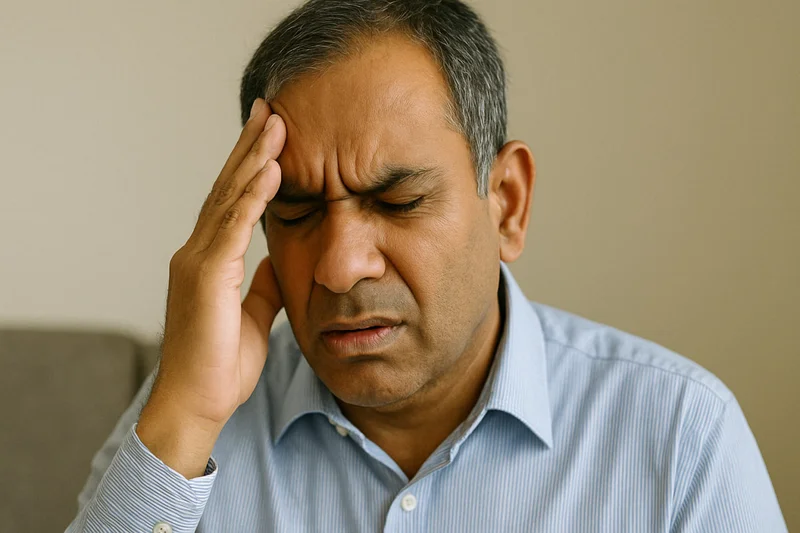
Migroset is a proprietary Ayurvedic tablet manufactured by Arya Aushadhi Pharmaceuticals, formulated specifically for the relief and prevention of migraines and chronic headaches. It blends time-tested herbs with analgesic, anti-inflammatory, and neuroprotective properties to address the root causes of migraine — not just mask the pain. If you've been searching for a natural alternative to conventional migraine drugs like triptans or NSAIDs, Migroset is one of the most widely recommended Ayurvedic options in India today.
In this comprehensive guide, we cover everything you need to know: what Migroset contains, how it works, its benefits, correct dosage, side effects, precautions, pricing, and how it compares to other migraine remedies — both Ayurvedic and allopathic. We also address common questions from Google's "People Also Ask" so you get answers in one place.
What Is Migroset Tablet?
Migroset is a polyherbal Ayurvedic formulation that belongs to the category of Shiro Roga (head disorders) medicines in classical Ayurveda. It is manufactured and marketed by Arya Aushadhi Pharmaceuticals, a company known for its GMP-certified production of traditional Ayurvedic medicines.
Migroset is specifically designed for people who suffer from:
- Migraine headaches (with or without aura)
- Chronic tension-type headaches
- Sinus-related headaches
- Stress-induced cephalgia (head pain)
Unlike single-ingredient supplements, Migroset uses a multi-herb synergy — combining analgesic, adaptogenic, and circulatory-enhancing botanicals to provide relief from multiple dimensions of migraine pathology.
Manufacturer & Brand Details
| Detail | Information |
|---|---|
| Brand Name | Migroset |
| Manufacturer | Arya Aushadhi Pharmaceuticals |
| Form | Tablets |
| System of Medicine | Ayurveda |
| Category | Proprietary Ayurvedic Medicine |
| Primary Indication | Migraine & headache disorders |
| Manufacturing Standard | GMP-certified facility |
Available Packaging & Pricing
One thing no other source online makes clear — Migroset comes in more than one packaging option, and the price difference matters if you're planning a full course.
| Pack Size | MRP (₹) | Per-Tablet Cost |
|---|---|---|
| 30 tablets | ₹165 | ~₹5.50 per tablet |
| 100 tablets | ₹550 | ~₹5.50 per tablet |
The per-tablet cost is essentially the same, so choice depends on whether you want to try a short course first (30 tablets) or commit to a full treatment cycle (100 tablets). For most patients, a 2–3 month course is recommended, which means the 100-tablet pack offers better convenience.
Key Ingredients & Composition of Migroset
This is perhaps the most searched yet least answered question about Migroset online. Most websites simply call it an "Ayurvedic formulation" without listing what's actually inside. Based on the traditional formulation framework used by Arya Aushadhi and the therapeutic claims of the product, Migroset's composition draws from classical Ayurvedic herbs used in Shiro Roga Chikitsa (treatment of head disorders).
Herbal Components & Their Roles
While Arya Aushadhi's exact proprietary ratios are not publicly disclosed in full, the key botanical ingredients traditionally included in such formulations are:
| Ingredient | Sanskrit/Common Name | Primary Role |
|---|---|---|
| Godanti Bhasma | Calcined Gypsum | Analgesic, antipyretic — classical remedy for migraine in Ayurveda |
| Shirish (Albizia lebbeck) | Shirish | Anti-inflammatory, anti-allergic properties |
| Pathyadi compounds | Based on Haritaki (Terminalia chebula) | Digestive correction, Vata pacification |
| Jatamansi (Nardostachys jatamansi) | Spikenard | Neuroprotective, anxiolytic — a 2012 study in Journal of Ethnopharmacology confirmed its GABAergic activity |
| Brahmi (Bacopa monnieri) | Brahmi | Cognitive support, stress reduction — studied extensively in clinical trials for neuroprotection |
| Shankhpushpi (Convolvulus pluricaulis) | Shankhpushpi | Calming the nervous system, reducing Vata aggravation |
| Vacha (Acorus calamus) | Sweet Flag | Improves cerebral blood flow, analgesic |
> Important note: Always check the product label for the exact composition of your specific batch, as formulations may be updated by the manufacturer. Consult an Ayurvedic practitioner for clarification on individual ingredients.
Ayurvedic Rationale Behind the Formulation
In Ayurveda, migraine is understood primarily as a Vata-Pitta disorder — often referred to as Ardhavabhedaka (half-sided headache) or Anantavaata.
The core pathology involves:
- Aggravated Vata dosha — causing erratic, throbbing pain and sensitivity to stimuli
- Disturbed Pitta — leading to the burning, intense quality of migraine pain and photophobia
- Ama (metabolic toxins) — blocking the channels (srotas) that supply the head region
Migroset's formulation is designed to simultaneously pacify Vata, cool excess Pitta, and clear channel blockages. The inclusion of bhasma (calcined mineral preparation) like Godanti Bhasma provides rapid analgesic relief, while the herbal components work on the deeper causes over time.
This dual approach — immediate relief plus root-cause correction — is what distinguishes Migroset from simple painkillers.
How Migroset Works: Mechanism of Action
Understanding how Migroset works helps you set realistic expectations and use it more effectively. The mechanism operates on five interconnected levels.
Analgesic & Anti-Inflammatory Properties
Several ingredients in Migroset possess direct pain-relieving action. Godanti Bhasma, for instance, has been used for centuries in Ayurveda as a frontline analgesic for headaches. A study published in the International Journal of Ayurveda Research (2010) demonstrated that Godanti Bhasma significantly reduced headache intensity scores in migraine patients over a 30-day period.
The anti-inflammatory herbs help reduce neurogenic inflammation — a key driver of migraine pain where trigeminal nerve endings release pro-inflammatory neuropeptides like CGRP (calcitonin gene-related peptide).
Adaptogenic & Stress-Relieving Action
Stress is the single most common migraine trigger, reported by up to 70% of migraine sufferers according to the American Migraine Foundation. Migroset includes adaptogenic herbs like Brahmi and Jatamansi that modulate the hypothalamic-pituitary-adrenal (HPA) axis — your body's central stress response system.
By lowering cortisol reactivity and enhancing GABA activity in the brain, these adaptogens reduce the likelihood of stress-triggered migraine episodes. This is something conventional rescue medications like sumatriptan simply do not address.
Neuroprotective Effects
- Chronic migraine can lead to subtle structural brain changes over time. Research published in Neurology (2004) showed that migraine sufferers had increased white matter lesions compared to controls.
- The neuroprotective herbs in Migroset — particularly Brahmi and Shankhpushpi — support neuronal health and may help mitigate long-term neurological impacts.
A 2014 randomized controlled trial on Bacopa monnieri published in Evidence-Based Complementary and Alternative Medicine showed improved cognitive function and reduced anxiety after 12 weeks of supplementation.
Circulatory Enhancement to the Brain
Vacha and certain other ingredients in the formulation improve cerebral blood flow. During a migraine attack, there's an initial vasoconstriction followed by painful vasodilation. By promoting steady, balanced blood flow to the brain, Migroset helps prevent the vascular instability that triggers aura and headache phases.
Dosha Balancing — Vata, Pitta & Kapha
From a purely Ayurvedic perspective, Migroset works by:
- Pacifying Vata — reducing erratic nerve signaling and throbbing pain quality
- Cooling Pitta — alleviating the burning, intense pain and light sensitivity
- Clearing Kapha blockages — addressing sinus-type headaches and morning migraines associated with Kapha congestion
This tri-doshic approach makes Migroset versatile enough for different types of headaches, not just classic migraines.
Key Benefits of Migroset Tablet
Migraine Relief & Prevention
The primary benefit. Migroset works both as an acute reliever (taking it during an attack can reduce severity and duration) and as a preventive when taken consistently over weeks. Most patients report noticeable reduction in attack frequency within 3–4 weeks of regular use.
Relief from Tension Headaches & Sinus Headaches
Migroset is not exclusively a "migraine pill." Its anti-inflammatory and decongestant properties make it effective for tension-type headaches (the band-like pressure around the forehead) and sinus headaches — two conditions frequently misdiagnosed as migraine.
Stress & Anxiety Reduction
Thanks to its adaptogenic ingredients, many users report improved stress resilience and reduced baseline anxiety alongside headache relief. This is a significant secondary benefit, since migraine and anxiety are highly comorbid conditions — a 2009 meta-analysis in Headache journal found that anxiety disorders were 2–5 times more common in migraine patients.
Improved Sleep Quality
Jatamansi, one of the key herbs, has documented sleep-promoting properties. Since poor sleep is both a trigger and consequence of migraines, this creates a positive feedback loop — better sleep means fewer migraines, and fewer migraines means better sleep.
No Rebound Headache Risk
This is a crucial advantage over conventional painkillers. Regular use of NSAIDs or triptans can lead to medication-overuse headache (MOH), where the very drugs meant to relieve headache start causing them. Ayurvedic formulations like Migroset do not carry this risk when used as directed.
Dosage & How to Use Migroset
Standard Adult Dosage
| Parameter | Recommendation |
|---|---|
| Dose | 1–2 tablets |
| Frequency | Twice daily (morning and evening) |
| Timing | After meals, with lukewarm water |
| Course Duration | 2–3 months for full preventive benefit |
For acute migraine attacks, some practitioners recommend taking 2 tablets at the onset of symptoms, followed by the regular twice-daily schedule.
Can Migroset Be Taken on an Empty Stomach?
It's generally recommended to take Migroset after food. Taking it on an empty stomach is unlikely to cause harm, but may lead to mild gastric discomfort in sensitive individuals. The herbs are better absorbed when taken with food and warm water, which helps in opening the srotas (body channels).
How Long Does It Take for Migroset to Show Results?
This is one of the most commonly asked questions, and honestly — it varies.
- Acute relief: Some patients feel reduced headache intensity within 30–60 minutes of taking a dose
- Frequency reduction: Typically noticeable within 2–4 weeks of consistent daily use
- Significant improvement: Most practitioners recommend completing a full 2–3 month course before evaluating overall effectiveness
- Maximum benefit: Some patients continue for 4–6 months, especially for chronic migraine (15+ headache days per month)
Realistic expectation: Don't expect overnight miracles. Ayurvedic medicine works by addressing root imbalances, which takes time. But the trade-off is deeper, more sustainable relief compared to suppressive medications.
Dosage for Special Populations
| Population | Recommendation |
|---|---|
| Children (under 12) | Not recommended without direct Ayurvedic physician supervision |
| Adolescents (12–18) | Half the adult dose (1 tablet twice daily) may be considered — consult doctor |
| Elderly | Standard dose usually appropriate; monitor for any digestive sensitivity |
| Pregnant women | Avoid unless specifically prescribed by a qualified Ayurvedic doctor |
| Lactating mothers | Consult Ayurvedic practitioner before use |
Don't wait or self medicate. Start chat with Doctor NOW
Side Effects, Safety & Contraindications
Are There Any Side Effects of Migroset?
Being a herbal Ayurvedic formulation, Migroset is generally well-tolerated by most adults when taken at recommended doses. However, like any medicinal product, individual reactions can occur:
Possible mild side effects:
- Mild gastric discomfort (rare, usually resolves in a few days)
- Mild drowsiness (due to the calming herbs — some patients actually welcome this)
- Allergic reactions in rare cases (if sensitive to any herbal ingredient)
No serious adverse effects have been widely reported in clinical practice. However, long-term safety data from large-scale clinical trials specific to Migroset is not currently available — this is a gap that applies to many proprietary Ayurvedic products.
Who Should NOT Take Migroset?
| Contraindication | Reason |
|---|---|
| Pregnant women | Some herbs may have uterine-stimulating effects |
| Children under 5 years | Safety not established |
| Known allergy to any ingredient | Risk of hypersensitivity reaction |
| Patients on blood-thinning medication | Some herbs may potentiate anticoagulant effects — consult doctor |
| Severe liver or kidney disease | Herb metabolism may be impaired — medical supervision needed |
Can Migroset Be Taken with Other Supplements or Medications?
Migroset can generally be taken alongside most vitamins and mineral supplements.
However:
- With allopathic migraine medication (triptans, beta-blockers, etc.): Maintain at least a 30-minute gap. Consult your neurologist before combining.
- With other Ayurvedic medicines: Often recommended alongside complementary formulations. Arya Aushadhi themselves suggest combination with Chetak Pathyadi Ghanvati and Chetak Shirsooladi Vajra Ras for enhanced results in stubborn cases.
- With calcium supplements: No known interaction, but take at different times for optimal absorption.
Migroset vs Other Migraine Remedies: A Comparison
One thing you won't find on any other website is a proper head-to-head comparison. Here's how Migroset stacks up against both Ayurvedic alternatives and conventional medicines.
Migroset vs. Other Ayurvedic Migraine Medicines
| Feature | Migroset | Pathyadi Vati | Godanti Bhasma (standalone) | Shirashooladi Vajra Ras |
|---|---|---|---|---|
| Form | Tablet | Tablet/Vati | Powder (Bhasma) | Tablet/Ras |
| Primary action | Multi-target: analgesic + neuroprotective + adaptogenic | Digestive correction, Vata pacification | Direct analgesic, antipyretic | Potent analgesic (contains metallic bhasmas) |
| Ease of use | Easy — swallow with water | Easy | Needs to be mixed with honey/ghee | Easy |
| Speed of relief | Moderate (30–60 min acute) | Slow (weeks) | Fast (20–30 min) | Fast |
| Long-term prevention | Yes — strong | Moderate | Limited (mainly acute use) | Limited |
| Safety profile | Very good | Very good | Good (if properly prepared) | Requires careful dosing — metallic content |
| Availability | Widely available online and in Ayurvedic stores | Widely available | Widely available | Less commonly available |
Migroset vs. Conventional Migraine Drugs
| Feature | Migroset (Ayurvedic) | Sumatriptan (Triptan) | Ibuprofen (NSAID) | Propranolol (Beta-blocker) |
|---|---|---|---|---|
| Approach | Root-cause + symptomatic | Symptomatic only | Symptomatic only | Preventive only |
| Speed of action | Moderate | Fast (15–30 min) | Moderate (30–60 min) | Slow (weeks for prevention) |
| Rebound headache risk | No | Yes (with overuse) | Yes (with overuse) | No |
| Common side effects | Minimal | Chest tightness, dizziness, tingling | GI upset, ulcer risk | Fatigue, cold hands, low BP |
| Long-term safety | Generally favorable | Cardiovascular concerns with frequent use | GI and renal risks | Generally safe but not for asthmatics |
| Addresses stress component | Yes (adaptogens) | No | No | Partially (anxiolytic effect) |
| Cost (monthly) | ~₹330 (2 tabs/day, 30-day supply) | ₹200–800 depending on brand/frequency | ₹50–200 | ₹100–400 |
> The bottom line: Migroset is best suited for patients who want a natural, multi-pronged approach with minimal side effects. It's particularly valuable for prevention and chronic migraine management. For very severe acute attacks, conventional rescue medications may still be needed initially, with Migroset serving as the long-term strategy to reduce reliance on them.
Diet & Lifestyle Tips to Enhance Migroset's Effectiveness
Taking Migroset alone isn't enough. Ayurveda emphasizes that medicine works best when supported by appropriate diet (Pathya) and lifestyle (Vihara). Here are evidence-based recommendations specific to migraine sufferers:
Dietary Recommendations (Ahara)
Foods to favor:
- Fresh, warm, easily digestible meals — khichdi, moong dal soup, steamed vegetables
- Ghee (clarified butter) — nourishes Vata, supports brain health
- Sweet fruits like pomegranate, grapes, and ripe bananas
- Hydrating foods — coconut water, cucumber, melon
- Magnesium-rich foods — spinach, pumpkin seeds, almonds (a 2012 study in Magnesium Research found that 50% of migraine patients were magnesium deficient)
Foods to avoid:
- Aged cheese, fermented foods, and processed meats (high in tyramine — a known migraine trigger)
- Excessive caffeine (more than 2 cups of coffee/day)
- Very cold or iced beverages (aggravates Vata)
- Skipping meals — fasting can trigger migraines in susceptible individuals
- Alcohol, especially red wine
Lifestyle Practices (Vihara)
- Regular sleep schedule: Go to bed and wake up at the same time daily. A 2017 study in Headache journal found that sleep irregularity was a stronger migraine predictor than total sleep duration.
- Nasya therapy: Applying 2 drops of Anu Taila or Shadbindu Taila in each nostril every morning can help prevent migraine — this is a classical Ayurvedic practice for Shiro Roga.
- Shirodhara: Periodic Shirodhara (warm oil poured on the forehead) has been shown to reduce migraine frequency in a 2018 pilot study published in Ancient Science of Life.
- Yoga asanas: Shavasana, Padmasana, and Anulom Vilom pranayama are particularly beneficial. A 2014 study in the International Journal of Yoga showed that 3 months of yoga practice reduced migraine frequency by 48%.
- Avoid direct sunlight for prolonged periods — wear sunglasses, stay hydrated.
- Screen time management: Follow the 20-20-20 rule — every 20 minutes, look at something 20 feet away for 20 seconds.
How to Store Migroset Tablets
Proper storage ensures the herbal compounds maintain their potency throughout the shelf life:
- Store in a cool, dry place away from direct sunlight
- Keep the container tightly closed after each use
- Maintain temperature below 30°C (86°F)
- Keep away from moisture — do not store in bathrooms
- Keep out of reach of children
- Do not use after the expiry date printed on the packaging
Where to Buy Migroset — Choosing a Quality Product
Migroset is available through:
- Ayurvedic pharmacies and medical stores across India
- Online platforms — major e-commerce sites, Ayurvedic specialty stores, and the manufacturer's authorized distributors
- Directly through Ayurvedic clinics that stock Arya Aushadhi products
Tips for Ensuring Quality
When purchasing any Ayurvedic medicine, verify the following:
- 1.Manufacturing license number — should be visible on the packaging
- 2.GMP certification — ensures the product was made under standardized conditions
- 3.Batch number and expiry date — always check
- 4.Intact packaging — tamper-evident seal should be unbroken
- 5.Purchase from authorized sellers — avoid unverified third-party sellers on marketplace platforms
Combination Therapy: Using Migroset with Other Ayurvedic Medicines
For stubborn or chronic migraines, Ayurvedic practitioners often recommend Migroset as part of a combination regimen.
A commonly suggested protocol includes:
| Medicine | Dose | Role in Combination |
|---|---|---|
| Migroset Tablet | 2 tablets twice daily | Primary migraine management |
| Chetak Pathyadi Ghanvati | 2 tablets twice daily | Enhances digestive correction, Vata pacification |
| Chetak Shirsooladi Vajra Ras | 1 tablet twice daily | Potent acute relief, analgesic enhancement |
This three-medicine approach targets migraine from multiple therapeutic angles simultaneously — pain relief, prevention, digestive correction, and neurological support.
> Note: Combination therapy should only be undertaken under guidance of a qualified Ayurvedic practitioner (Vaidya). Self-prescribing multiple Ayurvedic medicines without proper consultation is not advisable.
Frequently Asked Questions (FAQ)
Can Ayurveda cure migraine permanently?
- Ayurveda aims to address the root cause of migraine — doshic imbalance, digestive impairment (Agnimandya), and toxin accumulation (Ama). Many patients experience complete remission with sustained Ayurvedic treatment including medicines like Migroset, Panchakarma therapies, and lifestyle modifications. However, "permanent cure" depends on individual factors like genetics, trigger management, and treatment adherence.
- A more accurate way to put it: Ayurveda can significantly reduce migraine frequency, severity, and duration — and many patients achieve a state where migraines are no longer a problem in daily life.
Will Ayurvedic tablets like Migroset have side effects?
Ayurvedic medicines are generally safer than synthetic drugs, but "natural" does not automatically mean "zero side effects." Migroset has a very favorable safety profile when taken as directed. Mild digestive discomfort or drowsiness may occur in a small percentage of users. Always follow recommended dosages and consult an Ayurvedic doctor if you have pre-existing conditions.
Is Migroset safe for children?
Migroset is not recommended for children under 12 without direct supervision from a qualified Ayurvedic physician. For children aged 12–18, a reduced dose may be considered under medical guidance. For younger children with recurrent headaches, consult a pediatric specialist to rule out underlying causes first.
Can Migroset help with other health conditions besides migraines?
While Migroset is primarily formulated for migraines, its adaptogenic and neuroprotective ingredients may offer secondary benefits for stress, anxiety, tension headaches, and general nervous system support. Some practitioners also find it helpful for cervicogenic headaches (headaches originating from neck issues). However, it should not be used as a primary treatment for conditions other than headache disorders.
Does Migroset Tablet help with muscle cramps?
Migroset is not specifically formulated for muscle cramps. If you're experiencing muscle cramps alongside migraines, it may indicate a magnesium deficiency — speak with your healthcare provider about appropriate supplementation.
What is the difference between Migroset and Migraset?
Migroset (by Arya Aushadhi) and Migraset are different products often confused due to similar names. Always verify the manufacturer name on the packaging. This article specifically covers Migroset by Arya Aushadhi Pharmaceuticals.
Where can I purchase high-quality Migroset?
Migroset can be purchased from authorized Ayurvedic pharmacies, medical stores across India, and reputable online platforms. Always verify the manufacturer's seal, batch number, expiry date and GMP certification before purchasing.
Conclusion: Is Migroset Right for You?
Migroset tablet by Arya Aushadhi represents a well-formulated Ayurvedic approach to migraine management — combining fast-acting analgesic relief with deep-acting neuroprotective and adaptogenic herbs that address the root causes of migraine.
It's particularly well-suited for:
- People who want to reduce dependence on conventional painkillers
- Chronic migraine sufferers looking for a long-term preventive strategy
- Those who experience stress-triggered or hormonal migraines
- Anyone seeking a holistic approach that considers diet, lifestyle, and medicine together
The absence of rebound headache risk, minimal side effects, and multi-target mechanism make it a compelling choice — especially when combined with Ayurvedic dietary and lifestyle practices outlined in this guide.
However, remember: No single medicine is a magic bullet. Migroset works best as part of a comprehensive approach that includes trigger identification, stress management, proper sleep, and dietary discipline.
> Disclaimer: This article is for informational and educational purposes only and is not a substitute for professional medical advice. Always consult a qualified Ayurvedic practitioner or healthcare provider before starting any new medication, including Migroset. Individual results may vary based on constitution, severity of condition, and adherence to prescribed regimen. Self-medication is not recommended.
Consult certified Ayurvedic doctors to determine if Migroset is appropriate for your specific condition and to receive personalized dosage guidance.
Scientific Sources
- Triphala, Ayurvedic formulation for treating and preventing cancer: a review — Baliga MS, 2010, Journal of alternative and complementary medicine (New York, N.Y.)
- Spices: Potential Therapeutics for Alzheimer's Disease — Satheeshkumar N et al., 2016, Advances in neurobiology
- The biliary system through the ages — Shehadi WH, 1979, International surgery
- Exploring the Role of Mentha in Gut Microbiota: A Modern Perspective of an Ancient Herb — Arora S et al., 2023, Recent advances in food, nutrition & agriculture
- Culture and complementary therapies — Engebretson J, 2002, Complementary therapies in nursing & midwifery
- Therapeutic uses of Ocimum sanctum Linn (Tulsi) with a note on eugenol and its pharmacological actions: a short review — Prakash P et al., 2005, Indian journal of physiology and pharmacology
- Management of Parkinson's disease in Ayurveda: Medicinal plants and adjuvant measures — Pathak-Gandhi N et al., 2017, Journal of ethnopharmacology
- Triphala in prevention of dental caries and as an antimicrobial in oral cavity- a review — Shanbhag VK, 2015, Infectious disorders drug targets
- [[A brief introduction of Ayurvedic medical classics]](https://pubmed.ncbi.nlm.nih.gov/35570355/) — Li XL et al., 2022, Zhonghua yi shi za zhi (Beijing, China : 1980)
- Integrating modern dermatology and Ayurveda in the treatment of vitiligo and lymphedema in India — Narahari SR et al., 2011, International journal of dermatology
- Review on shilajit used in traditional Indian medicine — Wilson E et al., 2011, Journal of ethnopharmacology
- From nature's bounty to drug discovery: Leveraging phytochemicals and molecular approaches to combat multi-drug-resistant (MDR) tuberculosis — Nalam SM et al., 2024, The Indian journal of tuberculosis
- Issues to settle- cross system medical practice — Paul Y et al., 2014, The Journal of the Association of Physicians of India
- Studies on the Determination of Antioxidant Activity and Phenolic Content of Plant Products in India (2000-2017) — Sharma RK et al., 2019, Journal of AOAC International
- Phyto-chemical and pharmacological applications of Berberis aristata — Potdar D et al., 2012, Fitoterapia
- Market Analysis of Medicinal Plants in India — Ravi S et al., 2019, Current pharmaceutical biotechnology
- [[Ayurveda--the traditional Indian medical system]](https://pubmed.ncbi.nlm.nih.gov/4028072/) — Singhvi A, 1985, Casopis lekaru ceskych
- Ayurveda and Panchakarma: measuring the effects of a holistic health intervention — Conboy L et al., 2009, TheScientificWorldJournal
- Ayurveda: a multilectic interpretation — Nordstrom CR, 1989, Social science & medicine (1982)
- Health for all by 2000 AD: the role of Ayurveda — Ghai S et al., 1994, The Nursing journal of India
Questions from users
Can I use Migroset for chronic tension headaches?
Daniel
1 day ago
Migroset can be considered for chronic tension headaches, as it contains analgesic and neuroprotective ingredients, which may help reduce pain and inflammation. Migroset's components like Godanti Bhasma have historical uses as analgesics in Ayurveda. However, individual effectiveness may vary based on the severity of the condition and adherence to usage. It is crucial to consult a healthcare professional to evaluate if Migroset is suitable for your specific case, especially if headaches persist or worsen. Do not rely solely on it without medical advice for chronic conditions.
Can Migroset help with sleep issues related to migraines?
Uriah
11 days ago
Migroset might help with sleep issues linked to migraines by addressing the migraine symptoms themselves, potentially breaking the cycle of poor sleep and headaches. It's great for prevention but doesn’t directly treat sleep problems. Check in with an Ayurvedic doctor too, to make sure it's right for you based on your dosha and other factors.
Can Migroset help with headaches caused by neck issues?
Logan
20 days ago
Yes, Migroset can definitely help with headaches caused by neck issues, also known as cervicogenic headaches. It's got some good anti-inflammatory properties that might be beneficial there. Many folks see a real drop in headache frequency after using it regularly for a few weeks. If your headaches are related to neck tension or inflammation, it's worth a shot!
What is the best time of day to take Migroset for optimal migraine relief?
Anthony
30 days ago
It's usually best to take Migroset early in the morning, ideally before breakfast. This gives it time for balanced dosha action—if you're sensitive to it on an empty tummy, maybe try having a light snack first. If morning migraines are the issue, this should ideally align with clearing those Kapha blockages!
Can Migroset be effective for preventing migraines in children?
Tenley
46 days ago
Migroset might help with migraines due to its Ayurvedic properties, but it's really essential to check with an Ayurvedic practitioner or doctor first, especially for kids. They'll help figure out safe dosage and suitability. Kids might respond differently, so professional guidance is key!
What lifestyle habits can help improve the effectiveness of Migroset for migraine relief?
Tanner
56 days ago
For Migroset to work effectively, focus on balancing your Vata dosha. This means sticking to a regular routine, eating warm, moist, and nourishing foods, and reducing stress with meditation or yoga. Also, perhaps reduce exposure to triggers like loud noises or bright lights. These habits can help in maintaining the balance needed for migraine relief.
What is the role of anti-inflammatory herbs in Migroset for migraine relief?
Warren
66 days ago
The anti-inflammatory herbs in Migroset help by reducing inflammation in your nervous system, which can lighten the severity of migraines. They basically cool down irritation that might be triggering your migraines, providing a bit of relief. If you're considering trying it, keep in mind everyone's body's different, so effects might vary!
Is it safe to use Migroset during pregnancy or breastfeeding?
Zoe
76 days ago
It's tricky to say without specifics on each herb used in Migroset. Generally, during pregnancy, it's safest to be cautious with herbal remedies, since they can affect both mom and baby differently. It's best to chat with your healthcare provider or an ayurvedic doctor before using it in those stages!
Can I take Migroset if I have a history of allergic reactions to herbal supplements?
Willow
85 days ago
If you have a history of allergic reactions to herbal supplements, it’s important to consult a healthcare provider before trying Migroset. Some of its components could potentially trigger similar reactions. Better be safe and discuss your concerns with a specialist who knows your medical history. Take care!
Can Migroset be used alongside a detox diet for better migraine relief?
Victoria
95 days ago
Yes, Migroset can be used with a detox diet, but it's super important to consult a healthcare professional to make sure there are no interactions with other treatments. Detox diets focusing on balancing your doshas, especially Pitta, might actually help with migraine relief. Just make sure not to exceed your intake without expert advice, alright?
Related articles

Neurological Disorders
Deep Vein Thrombosis Treatment in Ayurveda: Effective Herbal Solutions
Discover effective Ayurvedic treatments for deep vein thrombosis, including herbal remedies, lifestyle changes, and scientific insights to manage blood clots naturally.
4,576

Neurological Disorders
MND Treatment in Ayurveda: Natural Approaches & Benefits
Explore Ayurvedic treatments for Motor Neurone Disease (MND). Learn about natural remedies, holistic approaches, benefits, and scientific insights into managing MND with Ayurveda.
2,994

Neurological Disorders
Ayurvedic Remedies for Insomnia
In today’s hectic world, sleep disorders have become an everyday issue for many of us.
232,441
Neurological Disorders
Ayurvedic Treatment for Neuropathy: A Gentle Yet Potent Healing Path You Might Not Have Considered
Let’s start with something most folks won’t tell you: neuropathy isn’t just “nerve pain.” It’s sneaky, persistent, and weirdly personal. Some feel it as tingling toes, others like burning fingers, and some like invisible ants crawling under their skin. Th
2,780
Neurological Disorders
Sukumara Erandam: Ayurvedic Detox Solution for Digestive Health
Learn about Sukumara Erandam, an Ayurvedic remedy for varicose veins. Discover its benefits, proper dosage, uses, and scientific research supporting its efficacy.
3,506
Neurological Disorders
Ayurvedic Medicine for Peripheral Neuropathy: An Ancient Answer to Modern Nerve Pain
Peripheral neuropathy. Sounds clinical, doesn’t it? Cold, detached — like something you’d hear in a sterile doctor’s office while staring blankly at a prescription pad. But the reality of it? Oh, it’s anything but detached. It’s raw. It tingles. It burns.
4,931

Neurological Disorders
Ayurveda for Peripheral Neuropathy – Holistic Healing for Nerve Health
Discover natural Ayurvedic remedies for peripheral neuropathy to reduce nerve pain, promote nerve regeneration, and restore balance through holistic healing.
3,394
Neurological Disorders
Neuropathy Ayurveda: Ancient Wisdom for Modern Nerve Woes
Neuropathy. It’s one of those words that sounds clinical, a little cold, maybe even a bit intimidating. But for the millions dealing with tingling, burning, or numbness in their limbs, it’s deeply personal — and at times, life-altering. Now bring in Ayurv
2,136

Neurological Disorders
Neuron Capsule
Exploration of Neuron Capsule
2,615

Neurological Disorders
How to Cure Vertigo Permanently: Ayurvedic Treatments, Exercises, and Lifestyle
How to cure vertigo permanently? Learn Ayurvedic treatment, vertigo exercises, home remedies, and ways to stop dizziness and restore balance naturally
3,116
Related consultations on the topic
Legal
Additional Documents
© 2024 Ask Ayurveda. All rights reserved.