FREE! Ask Ayurvedic Doctors 24/7

 Fast responses
 1000+ verified doctors
Ayurveda for Peripheral Neuropathy – Holistic Healing for Nerve Health

Peripheral neuropathy affects millions worldwide — and conventional medicine often falls short of providing lasting relief. Ayurveda for peripheral neuropathy addresses the root cause of nerve damage by balancing disturbed doshas, detoxifying the body through Panchakarma, and rejuvenating damaged nerves with time-tested herbs like Ashwagandha and Brahmi. Unlike symptom-suppressing medications, Ayurvedic treatment aims for deep, sustained recovery by treating the whole person — body, mind, and spirit.
In this comprehensive guide, we cover everything from the Ayurvedic understanding of neuropathy and clinically-backed herbal formulations to week-by-week treatment protocols, specific yoga practices, and honest guidance on when conventional medicine is absolutely necessary.
What Is Peripheral Neuropathy?
Peripheral neuropathy is a condition that occurs when nerves outside the brain and spinal cord — the peripheral nervous system — become damaged or dysfunctional. These nerves carry signals between your central nervous system and the rest of your body, controlling sensation, movement, and automatic functions like digestion and heart rate.
When these nerves are damaged, the communication breaks down. The result? A wide range of symptoms that can range from mildly annoying to completely debilitating.
Types: Mononeuropathy vs. Polyneuropathy
Not all peripheral neuropathy is the same. Understanding the type matters because it directly influences the Ayurvedic treatment approach.
- Mononeuropathy affects a single nerve or nerve group.
- Carpal tunnel syndrome is a classic example — compression of the median nerve in the wrist causes pain and numbness in the hand.
- Polyneuropathy affects multiple nerves simultaneously, usually in a symmetrical pattern. This is the most common form and is frequently seen in diabetic patients, where tingling and burning begin in both feet and gradually move upward.
- Idiopathic Small Fiber Neuropathy (iSFN) is a distinct subtype where only the small sensory nerve fibers are affected. Patients experience burning pain and temperature sensitivity, but standard nerve conduction tests often come back normal — making diagnosis challenging.
Epidemiological data shows the incidence of peripheral neuropathy at approximately 11.73 per 100,000 per year, with a prevalence of 52.95 per 100,000 per year. These numbers are likely underestimated, especially in India where diabetic neuropathy remains significantly underdiagnosed.
Common Symptoms
The symptoms of peripheral neuropathy depend on which nerves are affected:
| Nerve Type | Symptoms |
|---|---|
| Sensory nerves | Tingling, numbness, burning pain, electric shock-like sensations, loss of temperature perception |
| Motor nerves | Muscle weakness, cramping, loss of coordination, difficulty walking, foot drop |
| Autonomic nerves | Excessive sweating or inability to sweat, digestive issues, blood pressure fluctuations, bladder dysfunction |
- Many patients report that symptoms worsen at night, disrupting sleep and significantly affecting quality of life.
- The psychosocial impact should not be underestimated — chronic neuropathic pain has been linked to feelings of worthlessness, social withdrawal, and even suicidal ideation in severe cases.
Causes of Peripheral Neuropathy
The causes are varied, and identifying the underlying trigger is crucial for effective treatment:
- Diabetes mellitus — by far the most common cause, responsible for approximately 60% of cases
- Vitamin deficiencies — particularly B1, B6, B12, and folate
- Chronic alcohol use — toxic to nerve fibers and contributes to nutritional deficiency
- Autoimmune disorders — Guillain-Barré syndrome, lupus, rheumatoid arthritis
- Infections — HIV, hepatitis C, Lyme disease, shingles
- Toxins and medications — chemotherapy drugs, heavy metals, certain antibiotics
- Trauma or compression — physical injury, repetitive stress
- Idiopathic — in approximately 30% of cases, no identifiable cause is found
How Ayurveda Understands Nerve Damage: The Vata Connection
In Ayurveda, peripheral neuropathy is primarily understood through the lens of Vata Vyadhi — diseases caused by the aggravation of Vata dosha. This isn't just theoretical framing; it provides a precise clinical framework for treatment.
Vata governs all movement in the body — including the movement of nerve impulses. When Vata becomes aggravated (vitiated), the flow of signals through the nervous system becomes erratic, diminished, or blocked entirely.
The Role of Prana Vayu and Other Vata Subtypes
Vata has five subtypes (sub-doshas), and peripheral neuropathy involves disturbance in several of them:
- Prana Vayu — governs the central nervous system, brain function, and sensory perception. Its disruption affects how the brain processes nerve signals.
- Vyana Vayu — responsible for circulation and the movement of nerve impulses throughout the body. When disturbed, patients experience peripheral symptoms like tingling and numbness in extremities.
- Apana Vayu — governs the lower body. Its aggravation contributes to symptoms in the legs and feet, which is where neuropathy most commonly begins.
Vata-Aggravated vs. Vata-Depleted Neuropathy
This is a critical distinction that most resources miss entirely.
Not all neuropathy presents the same way in Ayurvedic terms:
- Vata aggravation (Vata Vriddhi) manifests as tremors, shooting pain, muscle spasms, and hypersensitivity. The nerves are overactive and irritated.
- Vata depletion (Vata Kshaya) manifests as numbness, loss of sensation, muscle wasting, and paralysis. The nerves have lost their functional capacity.
The involvement of other doshas adds complexity:
- Pitta involvement — burning sensations, inflammation, hot tingling, skin redness in affected areas
- Kapha involvement — heaviness, swelling, sluggish nerve conduction, thick coating on the tongue
Accurate identification of the dosha pattern is essential because the treatment protocol differs significantly. A Vata-Pitta presentation requires cooling, anti-inflammatory herbs alongside Vata pacification, while a Vata-Kapha presentation needs warming, stimulating therapies to clear channels.
Can Ayurveda Repair Nerve Damage?
This is perhaps the most commonly asked question — and it deserves an honest answer.
Ayurveda can facilitate significant nerve regeneration and functional recovery, particularly when damage is caught early and when the underlying cause is addressed. Complete repair depends on the severity and duration of the damage.
A published case report in the Journal of Ayurveda and Integrative Medicine (PMC) documented a patient with idiopathic small fiber neuropathy who underwent a structured Ayurvedic treatment protocol.
The results were remarkable:
- Visual Analog Scale (VAS) for pain: decreased from 10/10 to 0/10
- Neuropathy Pain Scale (NPS): decreased from 39 to 5
- Treatment included internal medicines (Drakshadi Kwatha, Sundibaladwaya Ksheera Kwatha, Kalyanaka Gritha, Ashwagandhadi Churna) combined with Panchakarma procedures
While a single case report doesn't constitute definitive proof, it demonstrates the potential of systematic Ayurvedic treatment. Multiple clinical observations from Ayurvedic hospitals across India — particularly AyurVAID and similar institutions — report consistent improvements in nerve conduction, pain scores, and functional capacity.
Ayurveda vs Conventional Treatment: A Practical Comparison
| Parameter | Conventional Treatment | Ayurvedic Treatment |
|---|---|---|
| Approach | Symptom management (pain relief, anticonvulsants) | Root cause correction through dosha balancing |
| Common medications | Gabapentin, Pregabalin, Duloxetine, Amitriptyline | Ashwagandha, Brahmi, Bala, Guggulu, medicated oils |
| Side effects | Drowsiness, weight gain, dependency risk, liver stress | Minimal when prescribed correctly by qualified practitioner |
| Speed of relief | Fast (days to weeks) | Gradual (weeks to months) |
| Long-term outcomes | Often requires ongoing medication; may lose effectiveness | Aims for sustained improvement; addresses underlying imbalance |
| Cost (India) | ₹2,000–8,000/month for medications | ₹3,000–15,000/month during active Panchakarma; lower for maintenance |
| Nerve regeneration | Limited evidence for regeneration; primarily palliative | Evidence for Rasayana (rejuvenation) herbs promoting nerve repair |
The ideal approach for many patients is integrative — using conventional medicine for acute symptom control while Ayurvedic treatment works on deeper healing.
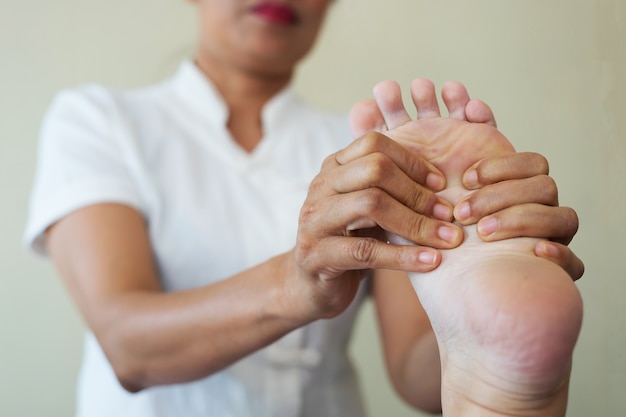
Panchakarma Therapies for Peripheral Neuropathy
- Panchakarma is the cornerstone of Ayurvedic treatment for neuropathy.
- These are not spa treatments — they are clinical procedures that should be performed under the supervision of a qualified Ayurvedic physician.
The treatment follows two fundamental principles:
- 1.Shodhana (Purification) — eliminating accumulated toxins (Ama) that block nerve channels
- 2.Shamana (Pacification) — calming aggravated doshas and restoring balance
Basti (Medicated Enema Therapy)
- Basti is considered the most important Panchakarma procedure for Vata disorders — and by extension, for peripheral neuropathy.
- Here's why it's so effective: the enteric nervous system (ENS) in the gut contains over 100 million neurons and communicates directly with the brain through the gut-brain axis. By administering medicated decoctions and oils through the rectum, Basti directly influences this neural network.
Two types are commonly used:
- Anuvasana Basti — oil-based enemas using medicated oils like Dhanwantharam Taila or Sahacharadi Taila
- Niruha Basti — decoction-based enemas using herbal preparations like Dashamoola Kwatha
Typically administered in cycles of 8, 16, or 30 days depending on the severity.
Abhyanga and Swedana
Abhyanga (therapeutic oil massage) using medicated oils like Ksheerabala Taila, Mahamasha Taila, or Dhanwantharam Taila improves circulation to damaged nerves, nourishes tissues, and calms Vata. When followed by Swedana (herbal steam therapy), the channels open further and the medicinal properties of the oils penetrate deeper into the tissues.
Murdha Taila: Four Head Therapies
For neuropathy with significant central nervous system involvement, Murdha Taila — a complex of four oil-based head procedures — is highly effective:
- 1.Siro Abhyanga — head massage with medicated oil
- 2.Sira Seka (Shirodhara) — continuous pouring of warm medicated oil on the forehead, calming the nervous system and reducing stress-mediated nerve damage
- 3.Siro Vasti — retention of warm oil on the crown of the head within a leather cap
- 4.Siro Pichu — application of oil-soaked cotton pad on the head
Navarakizhi and Nasya
Navarakizhi (Shashtika Shali Pinda Sweda) involves massaging the body with boluses of cooked Navara rice dipped in medicated milk and herbal decoction. This procedure is specifically indicated for neurological disorders — it strengthens muscles, improves nerve conduction, and provides deep nourishment to depleted tissues. Nasya (nasal administration of medicated oils) directly influences Prana Vayu. Anu Taila or Ksheerabala Taila administered through the nostrils reaches the brain and cranial nerves, supporting central processing of peripheral nerve signals.
Best Ayurvedic Herbs and Formulations With Evidence
The following herbs have both traditional use and emerging scientific support for nerve health:
Is Ashwagandha Good for Peripheral Neuropathy?
Yes — Ashwagandha (Withania somnifera) is one of the most well-researched Ayurvedic herbs for neurological conditions. A 2011 study published in the British Journal of Pharmacology demonstrated that withanolides — the active compounds in Ashwagandha — promote neurite outgrowth and support nerve regeneration. It also reduces cortisol, which when chronically elevated, contributes to nerve damage.
Typical dosage: 300–600 mg of standardized root extract, twice daily
Other Key Neuroprotective Herbs
| Herb | Ayurvedic Action | Scientific Evidence | Typical Formulation |
|---|---|---|---|
| Brahmi (Bacopa monnieri) | Medhya Rasayana (brain tonic) | Improves nerve signal transmission; antioxidant protection of neural tissue (Neurochemical Research, 2012) | Brahmi Ghrita, Brahmi Churna |
| Bala (Sida cordifolia) | Balya (strengthening), Vatahar | Neuroprotective, anti-inflammatory; supports muscle-nerve junction health | Bala Taila, Baladwaya preparations |
| Guggulu (Commiphora wightii) | Vata-Kapha Shamaka | Anti-inflammatory; may improve nerve conduction velocity in animal models | Yogaraja Guggulu, Triphala Guggulu |
| Eranda (Ricinus communis) | Vata Shamaka, Shoolahara | Reduces nerve pain; traditionally used for Vata Vyadhi | Eranda Paka, castor oil in Basti |
| Amalaki (Emblica officinalis) | Rasayana, Tridosha Shamaka | Rich in vitamin C; potent antioxidant protecting nerve fibers from oxidative damage | Chyawanprash, Dhatri Rasayana |
Clinically documented formulations from the published PMC case report include:
- Drakshadi Kwatha — for detoxification and Pitta balance
- Sundibaladwaya Ksheera Kwatha — milk-based decoction for nerve nourishment
- Kalyanaka Gritha — medicated ghee for neurological conditions
- Ashwagandhadi Churna — primary nerve rejuvenation formula
> Important: Exact dosages must be prescribed by a qualified Ayurvedic practitioner based on your Prakriti (constitution), Vikriti (current imbalance), Agni (digestive capacity), and the specific type of neuropathy.
Diabetic Neuropathy vs Other Types: Tailored Ayurvedic Approaches
One of the biggest gaps in available information is how Ayurvedic treatment varies based on the underlying cause.
Here's a practical breakdown:
| Cause | Primary Dosha Pattern | Key Treatment Focus | Specific Herbs/Therapies |
|---|---|---|---|
| Diabetic | Vata-Kapha with Ama | Blood sugar regulation + nerve rejuvenation | Guduchi, Meshashringi, Turmeric; Udwarthanam before Abhyanga |
| Alcoholic | Vata-Pitta with liver toxicity | Liver cleansing + nerve repair | Kutki, Bhumyamalaki, Kalyanaka Gritha; Virechana (purgation) |
| Autoimmune | Vata-Pitta with Ojas depletion | Immune modulation + inflammation control | Ashwagandha, Guduchi, Shatavari; Ksheera Basti |
| Idiopathic | Pure Vata or Vata-Pitta | Deep Vata pacification + Rasayana | Bala, Ashwagandha, Brahmi; comprehensive Panchakarma |
| Deficiency-related | Vata with Dhatu Kshaya | Nutritional replenishment + strengthening | Shatavari, Amalaki, iron-containing Bhasmas; Navarakizhi |
For diabetic neuropathy specifically — the most common type in India — blood sugar management through herbs like Meshashringi (Gymnema sylvestre) and Vijaysar (Pterocarpus marsupium) must happen simultaneously with nerve treatment. Treating the neuropathy without controlling diabetes is like mopping the floor while the tap is still running.
Week-by-Week Ayurvedic Treatment Protocol
No competitor provides a structured treatment timeline. Here is a general protocol framework (individual protocols will vary based on practitioner assessment):
Weeks 1–2: Preparation Phase (Purva Karma)
- Deepana-Pachana — digestive correction with herbs like Trikatu, Chitrakadi Vati
- Internal oleation — gradually increasing doses of medicated ghee (Kalyanaka Gritha or Mahatiktaka Gritha)
- Begin gentle Abhyanga with Ksheerabala Taila at home
- Diet modification: switch to warm, moist, easily digestible foods; eliminate cold, raw, and dry items
- Start Ashwagandha and Brahmi supplementation
Weeks 3–5: Active Panchakarma Phase (Pradhana Karma)
- Sarvanga Abhyanga + Swedana — daily full-body oil massage followed by steam (clinical setting)
- Basti cycle — typically 16-day Kala Basti (alternating Anuvasana and Niruha)
- Nasya — 7 days of nasal oil administration
- Navarakizhi — 7–14 sessions for nerve nourishment
- Shirodhara — 7 sessions for nervous system calming and stress reduction
- Continue internal medicines
Weeks 6–12: Post-Treatment Phase (Paschat Karma)
- Gradual dietary expansion following Samsarjana Krama (graded diet)
- Continue internal Rasayana medicines (Ashwagandha, Brahmi, Bala formulations)
- Self-administered Abhyanga at home daily
- Begin yoga and pranayama practice (see section below)
- Monthly follow-up assessments with nerve function evaluation
Months 3–6: Maintenance Phase
- Continue herbal supplementation
- Seasonal Panchakarma (abbreviated course) at change of seasons
- Maintain Vata-pacifying diet and lifestyle
- Progressive yoga practice
- Reassess nerve conduction and symptom scores
Most patients in clinical observations report noticeable improvement within 4–6 weeks, with significant progress by 3 months. Severe or long-standing cases may require 6–12 months of consistent treatment.
Yoga Asanas and Pranayama for Peripheral Neuropathy
Specific yoga practices can complement Ayurvedic treatment by improving circulation, stimulating nerve function, and reducing the stress that exacerbates neuropathy. These should be started gently, especially if balance and coordination are compromised.
Recommended Asanas
- Vajrasana (Thunderbolt Pose) — improves circulation to the lower limbs; one of the few poses that can be done immediately after meals, aiding digestion and Vata pacification
- Padahastasana (Standing Forward Bend) — stretches the sciatic nerve and hamstrings; stimulates blood flow to the feet
- Viparita Karani (Legs Up the Wall) — reduces swelling in the feet and ankles; calms the nervous system
- Supta Baddha Konasana (Reclining Bound Angle) — opens the hips and groin; improves nerve flow to the lower extremities
- Setu Bandhasana (Bridge Pose) — strengthens the back and improves spinal nerve communication
- Balasana (Child's Pose) — deeply calming for Vata; relieves tension in the back and neck
Pranayama Practices
- Nadi Shodhana (Alternate Nostril Breathing) — balances the nervous system, harmonizes left and right brain hemispheres, directly pacifies Vata
- Bhramari (Bee Breath) — the vibration soothes the cranial nerves and has been shown to increase nitric oxide production, improving peripheral circulation
- Anulom Vilom — gentle, rhythmic breathing that calms Prana Vayu
Practice for 15–20 minutes daily. Start with 5 minutes if you're new to pranayama and gradually increase.
What Are 5 Foods to Avoid for Neuropathy?
Diet plays a crucial role in both causing and healing neuropathy. From an Ayurvedic perspective, foods that aggravate Vata should be minimized:
- 1.Refined sugar and artificial sweeteners — spike blood sugar (worsening diabetic neuropathy) and increase systemic inflammation
- 2.Cold, raw foods — raw salads, smoothies, cold water aggravate Vata and impair Agni (digestive fire)
- 3.Dry, crunchy foods — chips, crackers, popcorn, dried cereals increase dryness (Ruksha guna) in the nervous system
- 4.Excessive caffeine and alcohol — both are neurotoxic; caffeine over-stimulates already irritated nerves, alcohol directly damages nerve fibers
- 5.Processed and fried foods — create Ama (metabolic toxins) that block the Srotas (channels) through which nerve impulses travel
What to Eat Instead
Favor warm, moist, slightly oily, well-cooked foods:
- Ghee — the best Vata-pacifying fat; carries herbal medicines deep into tissues
- Warm milk with turmeric and Ashwagandha — nourishes nerves, promotes sleep
- Sesame seeds and sesame oil — rich in calcium and healthy fats; pacifies Vata
- Root vegetables — sweet potatoes, carrots, beets (cooked, not raw)
- Whole grains — rice, wheat, oats cooked with warming spices
- Spices — ginger, cinnamon, cardamom, cumin, fennel improve circulation and digestion
Home Remedies and Self-Care for Neuropathy
While professional Ayurvedic treatment is ideal, there's plenty you can do at home to support your recovery:
Daily self-massage (Pada Abhyanga): Every night before bed, warm 2 tablespoons of Ksheerabala Taila or plain sesame oil and massage your feet for 10–15 minutes. Pay special attention to the soles, between the toes, and the ankles. This single practice, done consistently, can make a surprising difference in symptoms. Warm herbal foot soaks: Add Dashamoola powder (2 tablespoons) or a handful of fresh ginger slices to warm water. Soak feet for 15–20 minutes. This stimulates circulation and calms Vata in the lower extremities. Turmeric and warm milk: Mix ½ teaspoon of turmeric with a pinch of black pepper in warm milk with ghee. Take before bed. The curcumin in turmeric has documented anti-inflammatory and neuroprotective properties. Warm sesame oil in the ears: A few drops of warm sesame oil in each ear before sleep can be remarkably calming for Vata and improve sleep quality — which is when nerve repair happens most actively. Dietary spice therapy: Include generous amounts of fresh ginger, cinnamon, and garlic in your daily cooking. These warming spices improve peripheral circulation and have anti-inflammatory effects.
When Ayurveda Isn't Enough: Red Flags and Limitations
Responsible healthcare means knowing the boundaries of any system of medicine.
Seek immediate conventional medical care if you experience:
- Sudden onset of severe weakness or paralysis — could indicate Guillain-Barré syndrome, a medical emergency
- Rapidly progressive symptoms — worsening over days rather than weeks
- Autonomic dysfunction — fainting, severe blood pressure drops, inability to urinate, irregular heartbeat
- Neuropathy following chemotherapy — requires coordination with oncology team
- Undiagnosed underlying cause — always get a proper diagnosis before beginning Ayurvedic treatment
Ayurvedic treatment may be less effective in cases of:
- Severe structural nerve damage from trauma
- Advanced diabetic neuropathy with gangrene risk
- Neuropathy caused by active, untreated infections
- Hereditary neuropathies (Charcot-Marie-Tooth disease)
In these situations, Ayurveda can still play a supportive role alongside conventional treatment, but should not be the sole therapeutic approach.
What Is the Best Natural Treatment for Peripheral Neuropathy?
The best natural treatment combines multiple modalities rather than relying on any single intervention. Based on available evidence and clinical experience, the most effective natural approach includes:
- 1.Panchakarma (particularly Basti and Abhyanga) — for detoxification and deep tissue nourishment
- 2.Rasayana herbs (Ashwagandha, Brahmi, Bala) — for nerve regeneration
- 3.Vata-pacifying diet — warm, nourishing, properly spiced foods
- 4.Daily self-massage with medicated oils — for maintaining circulation and nerve health
- 5.Yoga and Pranayama — for improving nerve function and managing stress
- 6.Adequate sleep — 7-8 hours in a dark, quiet room; nerves repair during deep sleep
- 7.Stress management — chronic stress elevates cortisol, which damages nerves over time
- No single herb or procedure is a magic bullet.
- It's the synergistic combination — addressed to your specific dosha pattern and underlying cause — that produces the best results.
Frequently Asked Questions
Can Ayurveda completely cure peripheral neuropathy?
Complete cure depends on the cause, severity and duration of nerve damage. Early-stage neuropathy, particularly when caused by correctable factors like vitamin deficiency or mild diabetic involvement, responds very well to Ayurvedic treatment. Published case data shows pain scores dropping from 10 to 0 and neuropathy scores improving from 39 to 5 with systematic treatment. However, advanced nerve damage with significant structural deterioration may achieve substantial improvement rather than complete reversal.
How long does Ayurvedic treatment for neuropathy take?
Most patients notice initial improvement within 3–4 weeks of starting treatment. A standard Panchakarma protocol runs 3–5 weeks, followed by 3–6 months of herbal supplementation and lifestyle modification. Chronic or severe cases may require up to 12 months. Unlike conventional painkillers that work within hours, Ayurveda works at the tissue level, which takes time but tends to produce more lasting results.
Is it safe to combine Ayurvedic treatment with conventional medication?
Yes, in most cases — but it must be done under professional guidance. Many patients continue their Gabapentin or Pregabalin while undergoing Panchakarma, gradually tapering conventional medicines as Ayurvedic treatment takes effect. Never stop prescribed medications abruptly. Inform both your neurologist and Ayurvedic practitioner about all treatments you're receiving.
What foods help repair nerve damage naturally?
Foods rich in B vitamins (whole grains, legumes, leafy greens), omega-3 fatty acids (flaxseeds, walnuts), antioxidants (amla, pomegranate, turmeric), and healthy fats (ghee, sesame oil) support nerve repair. In Ayurveda, warm milk prepared with Ashwagandha, Shatavari, and a pinch of nutmeg before bed is considered one of the best nerve-nourishing preparations.
Can I do Panchakarma at home for neuropathy?
- Full Panchakarma requires clinical supervision and should not be attempted at home.
- However, certain supportive practices — daily Abhyanga (self-massage), Pada Abhyanga (foot massage), warm herbal soaks, and dietary modifications — can be safely practiced at home and provide meaningful benefit. Think of home practices as maintenance between professional treatments.
Is peripheral neuropathy linked to mental health problems?
Yes, significantly. Chronic neuropathic pain is strongly associated with depression, anxiety, sleep disorders, and reduced quality of life. Ayurveda recognizes this mind-body connection through the concept of Sattvavajaya (psychotherapy) and Medhya Rasayana (mind-rejuvenating herbs). Brahmi, Ashwagandha, and Jatamansi are commonly prescribed to address both the neurological and psychological dimensions of neuropathy.
Conclusion: Start Your Healing Journey Today
Peripheral neuropathy doesn't have to define your life. Ayurveda offers a comprehensive, evidence-informed path to nerve recovery — one that addresses not just the symptoms but the root imbalances driving the condition. From Panchakarma therapies and neuroprotective herbs to dietary changes and targeted yoga practices, the tools for healing are well-established and accessible.
The key is to begin with a proper assessment by a qualified Ayurvedic physician who can identify your specific dosha pattern, determine the underlying cause, and create a personalized treatment protocol. Early intervention consistently produces better outcomes.
- Ready to take the first step? Consult with a certified Ayurvedic doctor to get a personalized assessment of your condition and a tailored treatment plan.
- Your nerves have the capacity to heal — give them the right support, and they will.
Scientific Sources
- Can Ashwagandha Benefit the Endocrine System?-A Review — Wiciński M et al., 2023, International journal of molecular sciences
- Pharmacological evaluation of Ashwagandha highlighting its healthcare claims, safety, and toxicity aspects — Mandlik Ingawale DS et al., 2021, Journal of dietary supplements
- Clinician guidelines for the treatment of psychiatric disorders with nutraceuticals and phytoceuticals: The World Federation of Societies of Biological Psychiatry (WFSBP) and Canadian Network for Mood and Anxiety Treatments (CANMAT) Taskforce — Sarris J et al., 2022, The world journal of biological psychiatry : the official journal of the World Federation of Societies of Biological Psychiatry
- Effects of Withania somnifera (Ashwagandha) on Stress and the Stress- Related Neuropsychiatric Disorders Anxiety, Depression, and Insomnia — Speers AB et al., 2021, Current neuropharmacology
- Plant-derived nootropics and human cognition: A systematic review — Lorca C et al., 2023, Critical reviews in food science and nutrition
- Depression and Its Phytopharmacotherapy-A Narrative Review — Dobrek L et al., 2023, International journal of molecular sciences
- Neuroprotective Herbs for the Management of Alzheimer's Disease — Gregory J et al., 2021, Biomolecules
- Pharmacological attributes of Bacopa monnieri extract: Current updates and clinical manifestation — Fatima U et al., 2022, Frontiers in nutrition
- Meta-analysis of randomized controlled trials on cognitive effects of Bacopa monnieri extract — Kongkeaw C et al., 2014, Journal of ethnopharmacology
- Bacopa monnieri — Walker EA et al., 2026
Ask Ayurvedic doctor a question and get a consultation online on the problem of your concern in a free or paid mode.
More than 2,000 experienced doctors work and wait for your questions on our site and help users to solve their health problems every day.
Related articles