Ask Ayurvedic doctor a question and get a consultation online on the problem of your concern in a free or paid mode. More than 2,000 experienced doctors work and wait for your questions on our site and help users to solve their health problems every day.
FREE! Ask Ayurvedic Doctors 24/7

 Fast responses
 1000+ verified doctors
Body DetoxEar, Nose, and Throat DisordersGeriatrics & RejuvenationImmunodeficiencyInfertility TreatmentNutritionOrthopedic DisordersPediatricsRespiratory DisordersSexually Transmitted Diseases (STDs)Surgery RecoveryUrological DisordersVascular DisordersDental DisordersEndocrinological DisordersGastrointestinal DisordersYoga TherapyGeneral MedicineAllergic DisordersCardio DisordersGynecology and ObstetricsCosmetologySkin and Hair DisordersEye DisordersInfectious DiseasesMental DisordersNeurological DisordersOncologyPanchakarmaSexual Health & DisordersSports Medicine
Published on 10/14/24
(Updated on 07/05/26)
3,024
Ophthalmology
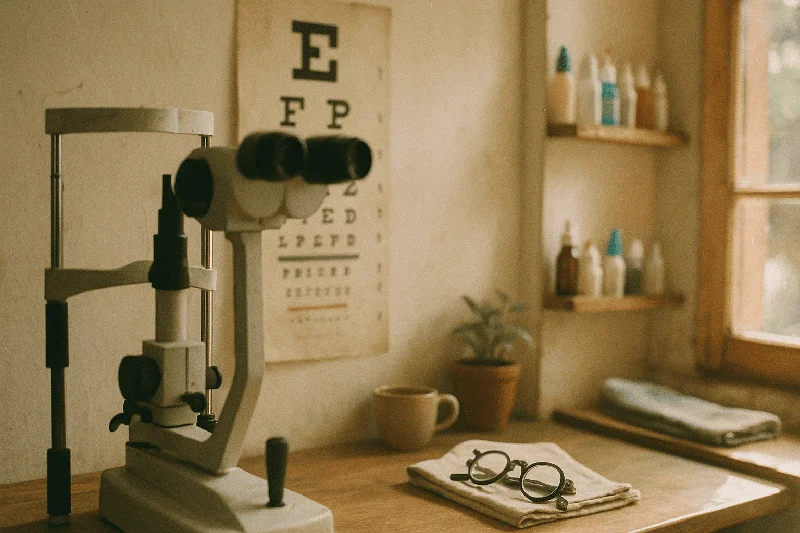
Ophthalmology is the branch of medicine and surgery dedicated entirely to diagnosing, treating, and preventing diseases of the eye and visual system. From routine eye exams to complex retinal surgeries, this specialty covers everything that can go wrong with your vision — and how to fix it. Whether you're a patient trying to understand your diagnosis, a student exploring medical careers, or simply curious about how modern eye care works, this guide breaks down every aspect of ophthalmology in one place.
According to the World Health Organization (WHO), at least 2.2 billion people worldwide have a vision impairment or blindness, and nearly 1 billion of these cases could have been prevented or have yet to be addressed. That staggering number makes ophthalmology one of the most critical medical specialties on the planet.
What Is Ophthalmology?
Definition and Scope
- Ophthalmology is a medical and surgical specialty that focuses on the anatomy, physiology, and diseases of the eye.
- An ophthalmologist is a physician — either an MD (Doctor of Medicine) or DO (Doctor of Osteopathic Medicine) — who has completed extensive post-graduate training specifically in eye and vision care.
- The scope of ophthalmology is broader than most people realize. It doesn't just deal with prescribing glasses.
- The field encompasses:
- Medical treatment of eye diseases (glaucoma, uveitis, infections)
- Surgical interventions (cataract removal, retinal repair, corneal transplants)
- Preventive care and screening (diabetic eye exams, glaucoma checks)
- Management of systemic diseases that affect the eye (diabetes, hypertension, autoimmune conditions)
- Cosmetic and reconstructive surgery of the eyelids and orbit
So yes — ophthalmology is very much a surgical specialty, which is one of the most common misconceptions people have about the field.
Etymology and History
The word "ophthalmology" derives from the Greek ophthalmos (ὀφθαλμός), meaning "eye," and -logia (-λογία), meaning "study of." The study of eye diseases is among the oldest documented branches of medicine.
The Ebers Papyrus (circa 1550 BCE) from ancient Egypt contains some of the earliest known references to eye diseases and their treatment. In ancient India, the physician Sushruta described surgical techniques for cataracts in the Sushruta Samhita (around 600 BCE) — a procedure known as "couching," where a needle was used to push the opaque lens out of the visual axis. Medieval Islamic scholars, particularly Ibn al-Haytham (Alhazen), made groundbreaking contributions to the understanding of optics and visual perception in the 10th and 11th centuries.
Modern ophthalmology as a distinct medical specialty emerged in the 18th and 19th centuries, with the invention of the ophthalmoscope by Hermann von Helmholtz in 1851 marking a true turning point — for the first time, physicians could look directly at the living retina.
Key Statistics on Global Eye Health
Understanding the scale of eye disease helps explain why ophthalmology matters so much:
| Statistic | Data |
|---|---|
| People with vision impairment globally | 2.2 billion (WHO, 2019) |
| Preventable or untreated cases | ~1 billion |
| Leading cause of blindness worldwide | Cataracts |
| People with diabetes at risk for diabetic retinopathy | ~1 in 3 |
| Projected global blind population by 2050 | 61 million (Lancet Global Health, 2017) |
| Regions most affected | Sub-Saharan Africa, South Asia |
In India specifically, the National Blindness and Visual Impairment Survey (2015–2019) found that the prevalence of blindness in adults over 50 was approximately 1.99%, with cataracts remaining the leading cause.
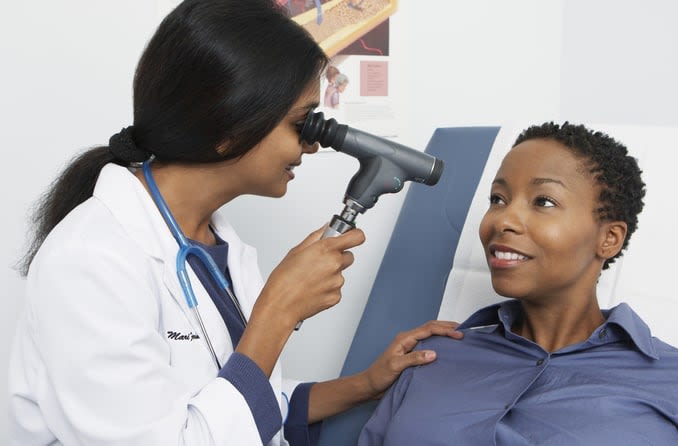
What Is an Ophthalmologist?
Education and Training Requirements
Becoming an ophthalmologist is one of the longest training pathways in medicine.
Here's what it typically involves:
- 1.Undergraduate degree — 4 years (pre-medical coursework)
- 2.Medical school — 4 years (MD or DO degree). In India, this is the MBBS program (5.5 years including internship).
- 3.Residency in Ophthalmology — 3–4 years of specialized clinical and surgical training. In India, this corresponds to an MS (Master of Surgery) or MD in Ophthalmology, typically 3 years.
- 4.Fellowship (optional) — 1–2 years of additional sub-specialty training (e.g., retina, glaucoma, pediatric ophthalmology)
So to answer the frequently asked question: yes, an ophthalmologist is an MBBS doctor — specifically, one who has gone on to complete post-graduate surgical training in eye care.
Ophthalmologist vs Optometrist vs Optician
- This is one of the biggest sources of confusion for patients.
- Here's a clear breakdown:
| Ophthalmologist | Optometrist | Optician | |
|---|---|---|---|
| Degree | MD/DO/MBBS + MS | OD (Doctor of Optometry) / B.Optom | Diploma/Certificate |
| Years of training | 12–14+ years | 6–8 years | 1–2 years |
| Prescribe glasses/contacts | Yes | Yes | No (fills prescriptions) |
| Diagnose eye diseases | Yes | Yes (limited in some regions) | No |
| Perform eye surgery | Yes | No (in most countries) | No |
| Treat systemic eye conditions | Yes | Limited | No |
| Sub-specialization | Yes | Limited | No |
The simplest way to remember it: Opticians make your glasses. Optometrists examine your eyes and prescribe corrective lenses. Ophthalmologists do everything an optometrist does plus perform surgery and manage complex medical eye conditions.
Board Certification and How to Choose an Ophthalmologist
- Not all ophthalmologists are equal in terms of expertise.
- When selecting one, consider:
- Board certification — In the US, look for certification from the American Board of Ophthalmology. In India, look for MS/DNB in Ophthalmology from a recognized institution.
- Sub-specialty training — If you need retinal surgery, choose someone fellowship-trained in vitreoretinal surgery, not a general ophthalmologist.
- Hospital affiliation — Doctors affiliated with reputable eye hospitals (e.g., AIIMS, Sankara Nethralaya, LV Prasad Eye Institute, Aravind Eye Hospital) often have access to better technology and peer support.
- Patient reviews and outcomes — Ask about surgical volumes. A cataract surgeon who performs 500+ procedures a year will generally have better outcomes than one who does 50.
- Questions to ask at first visit: How many of these procedures have you performed? What are the risks specific to my case? What technology do you use? What is the expected recovery time?
Allied Ophthalmic Professionals
- Ophthalmologists don't work alone.
- A modern eye care team includes:
- Ophthalmic technicians/technologists — perform preliminary tests (visual acuity, refraction, intraocular pressure)
- Ophthalmic nurses — assist in surgery, manage patient care
- Ophthalmic photographers — capture fundus photos, OCT scans, angiography images
- Orthoptists — specialize in eye movement disorders and binocular vision
- Low vision specialists — help patients with irreversible vision loss maximize remaining sight
Common Eye Diseases and Conditions
Cataracts
A cataract is the clouding of the eye's natural crystalline lens, leading to blurry vision. It's the leading cause of reversible blindness worldwide. Most cataracts are age-related, though they can also result from trauma, medications (long-term corticosteroids), or congenital factors.
- Symptoms include blurred vision, glare sensitivity, faded colors, and difficulty with night driving.
- The only definitive treatment is surgical removal — typically through phacoemulsification, where ultrasound energy breaks up the cloudy lens, which is then replaced with an artificial intraocular lens (IOL).
Glaucoma
Often called the "silent thief of sight," glaucoma is a group of conditions that damage the optic nerve, usually associated with elevated intraocular pressure. Most patients don't notice symptoms until significant, irreversible vision loss has occured — which is why regular screening is absolutely critical.
Treatment includes eye drops (prostaglandins, beta-blockers), laser procedures (trabeculoplasty), and surgery (trabeculectomy, tube shunts, MIGS — minimally invasive glaucoma surgery).
Age-Related Macular Degeneration (AMD)
AMD affects the macula — the central part of the retina responsible for sharp, detailed vision.
There are two types:
- Dry AMD (85-90% of cases) — gradual thinning and drusen deposits; currently limited treatment options, though AREDS2 supplements (lutein, zeaxanthin, vitamins C and E, zinc) can slow progression.
- Wet AMD (10-15% of cases) — abnormal blood vessel growth under the retina; treated with intravitreal anti-VEGF injections (bevacizumab, ranibizumab, aflibercept). Regeneron's Eylea (aflibercept) has become one of the most widely used treatments.
Diabetic Retinopathy
Approximately one in three people with diabetes will develop some degree of diabetic retinopathy. High blood sugar damages the tiny blood vessels in the retina, causing them to leak fluid or bleed. In advanced stages, new abnormal blood vessels grow (proliferative diabetic retinopathy), which can cause vitreous hemorrhage or retinal detachment.
Management includes strict blood sugar and blood pressure control, laser photocoagulation, anti-VEGF injections, and vitrectomy in severe cases.
Other Important Conditions
- Retinal Detachment — a medical emergency where the retina peels away from its supporting tissue.
- Symptoms: sudden floaters, flashes of light, "curtain" over vision. Requires urgent surgical repair.
- Strabismus (Squint) — misalignment of the eyes, particularly important to treat early in children to prevent amblyopia.
- Uveitis — inflammation of the uveal tract (iris, ciliary body, choroid), often linked to autoimmune conditions.
- Keratoconus — progressive thinning and bulging of the cornea into a cone shape.
- Dry Eye Disease — increasingly common, especially with prolonged screen time.


Cataract Conjunctivitis Stye


Glaucoma Myopia

Don't wait or self medicate. Start chat with Doctor NOW
Subspecialties in Ophthalmology
- Ophthalmology is far from a monolithic specialty.
- It branches into numerous focused areas:
| Subspecialty | Focus Area |
|---|---|
| Vitreoretinal Surgery | Retinal detachment, macular holes, diabetic eye disease |
| Glaucoma | Medical and surgical management of glaucoma |
| Cornea & External Disease | Corneal transplants, infections, keratoconus |
| Pediatric Ophthalmology | Children's eye conditions, strabismus, amblyopia |
| Neuro-Ophthalmology | Optic nerve disorders, visual pathway diseases |
| Oculoplastics | Eyelid surgery, orbital tumors, tear duct problems |
| Ocular Oncology | Eye cancers (retinoblastoma, melanoma) |
| Uveitis & Ocular Immunology | Inflammatory eye diseases |
| Refractive Surgery | LASIK, PRK, implantable lenses |
Pediatric Ophthalmology in Detail
- Children's eye care deserves special attention because the visual system is still developing.
- There are critical windows for treatment — if amblyopia ("lazy eye") isn't addressed before age 7-8, the vision loss often becomes permanent.
Key pediatric conditions include:
- Retinopathy of Prematurity (ROP) — affects premature infants; screening should occur within 4-6 weeks of birth in at-risk babies
- Congenital cataracts — must be surgically removed early to allow normal visual development
- Congenital nasolacrimal duct obstruction — blocked tear ducts, usually resolves by age 1
- Amblyopia — treated with patching, atropine drops, or glasses
Diagnostic Methods and Tests in Ophthalmology
- Modern ophthalmology relies on sophisticated diagnostic technology.
- Here are the main tools:
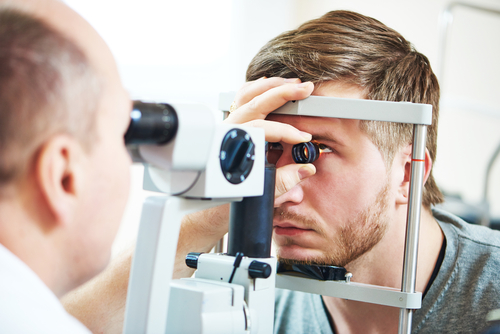
- Slit-lamp examination — the fundamental tool; a biomicroscope that provides magnified, illuminated views of the anterior eye structures
- Optical Coherence Tomography (OCT) — uses light waves to create cross-sectional images of the retina with micrometer resolution. It's essentially an "ultrasound with light" and has revolutionized retinal diagnosis
- OCT Angiography (OCTA) — non-invasive imaging of retinal blood flow without dye injection
- Fluorescein Angiography — intravenous dye test to visualize retinal blood vessel abnormalities
- Visual Field Testing (Perimetry) — maps peripheral vision loss; essential for glaucoma monitoring
- Tonometry — measures intraocular pressure (the "air puff" test or Goldmann applanation)
- Corneal Topography — maps the corneal surface shape; critical before refractive surgery
- B-Scan Ultrasonography — ultrasound imaging of the eye when the view is obstructed (e.g., by a dense cataract or vitreous hemorrhage)
- Electroretinography (ERG) — measures electrical responses of retinal cells; used for inherited retinal diseases
- Electrooculography (EOG) — assesses the function of the retinal pigment epithelium
Surgical Procedures in Ophthalmology
- One of the major gaps in existing online resources is a clear, structured overview of ophthalmic surgical procedures.
- Here's a comprehensive list:
Refractive Surgery
- - LASIK (Laser-Assisted in Situ Keratomileusis) — a femtosecond laser creates a corneal flap; an excimer laser reshapes the underlying cornea to correct myopia, hyperopia, or astigmatism.
- Recovery: 24-48 hours.
- PRK (Photorefractive Keratectomy) — similar to LASIK but without creating a flap. Better for thin corneas. Longer recovery (5-7 days).
- SMILE (Small Incision Lenticule Extraction) — a flapless, minimally invasive alternative to LASIK. Growing in popularity.
- ICL (Implantable Collamer Lens) — an implantable lens placed behind the iris for high myopia patients unsuitable for laser surgery.
Cataract Surgery
- Phacoemulsification — the gold standard. A tiny (2-3 mm) incision, ultrasound fragmentation, and IOL implantation. Typically takes 15-30 minutes.
- Femtosecond Laser-Assisted Cataract Surgery (FLACS) — a laser performs key steps (capsulotomy, lens fragmentation) with greater precision.
- Manual Small Incision Cataract Surgery (MSICS) — widely used in developing countries including India due to lower cost and comparable outcomes for dense cataracts.
Retinal Surgery
- Vitrectomy — removal of the vitreous gel to access and repair the retina (for detachments, macular holes, epiretinal membranes)
- Scleral Buckle — a silicone band placed around the eye to push the wall inward toward a detached retina
- Intravitreal Injections — injection of medications (anti-VEGF, steroids) directly into the vitreous cavity. Not technically "surgery" but performed in sterile surgical conditions.
- Laser Photocoagulation — targeted laser burns to seal leaking blood vessels or create barriers around retinal tears
Corneal Surgery
- Penetrating Keratoplasty (PKP) — full-thickness corneal transplant
- DSAEK / DMEK — partial-thickness transplants replacing only the diseased endothelial layer. Faster recovery, better visual outcomes.
- Corneal Cross-Linking (CXL) — strengthens the cornea using riboflavin and UV light; used to halt keratoconus progression
Other Procedures
- Trabeculectomy — creates a new drainage pathway for aqueous humor in glaucoma
- Glaucoma drainage devices (tube shunts) — implanted tubes that divert fluid to reduce pressure
- MIGS (Minimally Invasive Glaucoma Surgery) — newer, less invasive approaches (iStent, Hydrus, Xen gel stent)
- Oculoplastic surgery — blepharoplasty (eyelid lift), ptosis repair, orbital decompression, dacryocystorhinostomy (tear duct surgery)
Modern Technologies and Innovations
Artificial Intelligence in Ophthalmology
AI is transforming ophthalmology faster than almost any other medical specialty. In 2018, the U.S. FDA approved IDx-DR (now Digital Diagnostics), the first AI system authorized to detect diabetic retinopathy without the need for a clinician to interpret the results. Google's DeepMind has developed AI algorithms that can detect over 50 eye diseases from OCT scans with accuracy rivaling expert ophthalmologists.
In India, initiatives like the Aravind Eye Care System's partnership with Google Health are deploying AI-based retinal screening in rural areas where ophthalmologists are scarce — a critical advancement given India's diabetic population of over 100 million.
Gene Therapy
Luxturna (voretigene neparvovec), approved by the FDA in 2017, was the first gene therapy for an inherited retinal disease — specifically for RPE65-mediated retinal dystrophy. It delivers a functional copy of the defective gene directly to the retinal cells. While extraordinarily expensive (approximately $850,000 for both eyes), it represents a paradigm shift in treating previously untreatable genetic blindness.
Emerging Frontiers
- 3D bioprinting of corneas — researchers at Newcastle University (2018) demonstrated bioprinting of corneal stroma using stem cells and alginate/collagen bio-ink
- Retinal prostheses ("bionic eyes") — the Argus II system stimulates remaining retinal cells in patients with retinitis pigmentosa
- Stem cell therapies — clinical trials are underway for using iPSC-derived retinal pigment epithelium to treat dry AMD
- Robotic microsurgery — systems like the Preceyes Surgical System enable sub-millimeter precision during retinal procedures
- Tele-ophthalmology — remote screening and consultation, dramatically accelerated during COVID-19
Prevention of Eye Diseases
This is an area that no major competitor has covered well — and it's arguably the most valuable information for the average reader.
Nutrition for Eye Health
- Lutein and Zeaxanthin — found in spinach, kale, and egg yolks; these carotenoids accumulate in the macula and act as natural blue light filters. The AREDS2 study showed they help slow AMD progression.
- Omega-3 fatty acids — from fish, flaxseeds, and walnuts; reduce dry eye symptoms and may lower the risk of AMD
- Vitamin A — essential for the production of rhodopsin (the light-sensitive pigment in rods); deficiency causes night blindness
- Vitamins C and E, Zinc — antioxidants that protect against oxidative damage to ocular tissues
Digital Eye Strain and the 20-20-20 Rule
With the average person spending 7+ hours daily on screens, digital eye strain is epidemic. Symptoms include dry eyes, headaches, blurred vision, and neck pain.
The 20-20-20 rule: Every 20 minutes, look at something 20 feet (6 meters) away for 20 seconds. It's simple, free, and genuinely effective at reducing accommodative fatigue.
Additional tips:
- Position your screen 20-26 inches from your eyes, slightly below eye level
- Reduce screen glare with anti-reflective coatings
- Blink consciously — blink rate drops by 60-70% during focused screen use
- Use artificial tears if you experience dryness
UV Protection
Chronic UV exposure increases the risk of cataracts, pterygium, and macular degeneration. Always wear sunglasses that block 99-100% of UV-A and UV-B radiation — and this applies on overcast days too, as UV rays penetrate clouds.
When Should You See an Ophthalmologist?
Recommended Eye Exam Frequency
| Age Group | Recommended Frequency |
|---|---|
| Newborns | Red reflex test at birth, comprehensive exam by 6 months if at risk |
| Children (3-5 years) | At least one comprehensive vision screening |
| Children (6-18 years) | Every 1-2 years, or as recommended |
| Adults (19-39 years) | Every 2-3 years (annually if wearing corrective lenses) |
| Adults (40-54 years) | Every 1-2 years |
| Adults (55+ years) | Every year |
| Diabetic patients (any age) | Annual dilated eye exam — non-negotiable |
Urgent Warning Signs
See an ophthalmologist immediately if you experience:
- Sudden loss of vision in one or both eyes
- Sudden onset of floaters or flashes of light
- A "curtain" or shadow across your visual field
- Severe eye pain, especially with redness and nausea
- Eye injury or chemical exposure
- Sudden double vision
These could indicate retinal detachment, acute glaucoma, or other sight-threatening emergencies where hours matter.
Living with Chronic Eye Conditions
For millions of patients, eye disease isn't a one-time event — it's a lifelong journey.
Managing Glaucoma Long-Term
Glaucoma requires daily eye drops, regular pressure checks, and visual field testing every 6-12 months. Medication adherence is a huge challenge; studies show that up to 50% of glaucoma patients don't use their drops as prescribed. Setting daily reminders, using preservative-free formulations to reduce irritation, and having honest conversations with your ophthalmologist about side effects can dramatically improve outcomes.
Adapting to Vision Loss
When vision loss is irreversible, rehabilitation becomes essential:
- Low vision aids — magnifiers, telescopic lenses, electronic readers, high-contrast devices
- Assistive technology — screen readers, voice assistants, smartphone accessibility features
- Orientation and mobility training — learning to navigate safely with reduced vision
- Psychological support — vision loss is strongly associated with depression and anxiety. A 2013 study in JAMA Ophthalmology found that patients with vision impairment had a 25% higher prevalence of depression.
Ophthalmology in India: Course, Salary, and Career
Since many readers in India search for career-related information about ophthalmology, here's a brief overview:
- Course pathway: MBBS (5.5 years) → MS Ophthalmology or MD Ophthalmology or DNB Ophthalmology (3 years) → Fellowship (optional, 1-2 years)
- Top institutions: AIIMS New Delhi, JIPMER, Sankara Nethralaya (Chennai), LV Prasad Eye Institute (Hyderabad), Aravind Eye Hospital (Madurai)
- Salary range: Entry-level ophthalmologists in India typically earn ₹8-15 lakh per annum in government hospitals. Private practice and corporate hospital salaries can range from ₹15-50+ lakh, with experienced sub-specialists and high-volume surgeons earning significantly more.
- Demand: India faces a significant shortage of ophthalmologists, particularly in rural areas.
- The ophthalmologist-to-population ratio is approximately 1:100,000 in rural India versus 1:25,000 in urban centers.
Frequently Asked Questions (FAQ)
What is the role of ophthalmology?
Ophthalmology's role is to diagnose, treat, and prevent diseases and disorders of the eye and visual system. This includes both medical management (prescribing medications, managing chronic conditions) and surgical interventions (cataract surgery, retinal repair, refractive procedures).
Is ophthalmology a surgery?
Yes, ophthalmology is classified as a surgical specialty. Ophthalmologists are trained to perform a wide range of eye surgeries, from relatively simple procedures like chalazion excision to highly complex operations like vitrectomy and corneal transplants.
What is an ophthalmologist vs optometrist?
- An ophthalmologist is a medical doctor (MD/MBBS with MS) who can diagnose and treat all eye diseases, prescribe medications, and perform surgery.
- An optometrist (OD/B.Optom) primarily provides vision care — eye exams, prescribing glasses and contact lenses — and can treat some eye conditions but cannot perform surgery in most countries.
How do you pronounce "ophthalmology"?
It's pronounced: off-thal-MOL-oh-jee (/ˌɒf.θælˈmɒl.ə.dʒi/). The "ph" makes an "f" sound, and the first "h" is silent in common speech.
Which questions should I ask my ophthalmologist?
Key questions include: What is my exact diagnosis? What are all available treatment options? What are the risks and benefits of surgery? How many times have you performed this procedure? What will recovery look like? Are there lifestyle changes that could help my condition? Will I need ongoing treatment or follow-up?
When should I have my eyes examined?
Adults should have a comprehensive eye exam every 1-2 years after age 40, and annually after 55. Anyone with diabetes, a family history of glaucoma, or existing eye conditions should be seen annually regardless of age. Children should have their first comprehensive eye exam by age 3-5.
What are the symptoms that need ophthalmology care?
Symptoms warranting an ophthalmology visit include blurred or distorted vision, sudden vision loss, eye pain, persistent redness, flashes of light, new floaters, double vision, halos around lights, difficulty seeing at night, and any eye injury.
Conclusion
Ophthalmology stands at a remarkable intersection of precision medicine, microsurgery, and cutting-edge technology. From ancient Indian couching techniques to AI-powered retinal screening, the field has evolved tremendously — and continues to advance at an extraordinary pace.
The single most important takeaway? Don't wait for symptoms. Many of the most devastating eye diseases, including glaucoma and diabetic retinopathy, cause no noticeable symptoms until significant damage has already occurred. Regular eye exams are your best defense.
- If you're experiencing any changes in your vision, or if it's been more than two years since your last comprehensive eye exam, schedule an appointment with a qualified ophthalmologist.
- Early detection isn't just a cliché in eye care — it's frequently the difference between sight and blindness.
Scientific Sources
- Applications of the regenerative capacity of platelets in modern medicine — Cecerska-Heryć E et al., 2022, Cytokine & growth factor reviews
- Artificial Intelligence for Early Detection of Pediatric Eye Diseases Using Mobile Photos — Shu Q et al., 2024, JAMA network open
- Eco-sustainability in ophthalmology — Lee GG et al., 2024, Current opinion in ophthalmology
- Ocular Burns — Patek GC et al., 2026
- Illuminating eye care: the promise and future of red light therapy in ophthalmology — Xue F et al., 2025, Graefe's archive for clinical and experimental ophthalmology = Albrecht von Graefes Archiv fur klinische und experimentelle Ophthalmologie
- The contribution of simulation in training for pterygium surgery — Ibn Hadj Amor H et al., 2023, La Tunisie medicale
- Social media and ophthalmology: A review — Nguyen AAK et al., 2022, Clinical & experimental ophthalmology
- Digital Education in Ophthalmology — Al-Khaled T et al., 2022, Asia-Pacific journal of ophthalmology (Philadelphia, Pa.)
- A review of using Traditional Chinese Medicine in the management of glaucoma and cataract — Wong KY et al., 2024, Clinical & experimental optometry
- Application of Bioprinting in Ophthalmology — Wang Y et al., 2022, International journal of bioprinting
- A large language model digital patient system enhances ophthalmology history taking skills — Luo MJ et al., 2025, NPJ digital medicine
- Histopathological evaluation of scleritis — Hankins M et al., 2019, Journal of clinical pathology
- Wide-field imaging of sickle retinopathy — Linz MO et al., 2019, International journal of retina and vitreous
- Indian traditional medicinal plants in ophthalmic diseases — Nafees S et al., 2022, Avicenna journal of phytomedicine
- Application of big data in ophthalmology — Soh ZD et al., 2023, Taiwan journal of ophthalmology
- Lactylome analysis reveals potential target modified proteins in the retina of form-deprivation myopia — Feng J et al., 2024, iScience
- Review on potential effects of traditional Chinese medicine on glaucoma — Qi SM et al., 2023, Journal of ethnopharmacology
- Advances in the application of smart materials in the treatment of ophthalmic diseases — Liu Y et al., 2025, Biomaterials
- Baicalein in Ophthalmology: Recent Progress and Emerging Therapeutic Applications — Ma H et al., 2025, Journal of ocular pharmacology and therapeutics: the official journal of the Association for Ocular Pharmacology and Therapeutics
- Corneal regeneration: A review of stromal replacements — Matthyssen S et al., 2018, Acta biomaterialia
Questions from users
What causes an increase in eye problems as we age?
Morgan
8 days ago
Eye problems increas as we age mainly due to natural wear and tear. Think about your eyes like any other part of your body — over time, things just don't work quite as well. Factors like genetics, lifestyle, and diseases like diabetes can play a role too. It's important to get regular check-ups, nourish your eye health, and manage stress & daily habits for good eye care!
What is the significance of AI in improving eye health care in rural India?
Rae
17 days ago
AI is making a big difference in eye health care in rural India by using algorithms to detect eye diseases from scans, even where doctors are scarce. This is super important with so many people at risk for conditions like diabetes-related eye issues. AI helps early detection, so treatment can start sooner, which is crucial in these areas!
Is it safe to have cataract surgery at an older age?
Skylar
26 days ago
Cataract surgery is generally safe even at an older age. The main thing is to make sure any underlying health conditions are well managed. Recovery can vary, but keeping a healthy diet and taking care of your dosha balance can help. Always chat with your ophthalmologist about your specific situation.
Can I pursue a career in ophthalmology without a medical degree in India?
Caleb
35 days ago
Nope, yyou'll need a medical degree like an MBBS to become an ophthalmologist in India. It's a long process involving further study like an MS, MD, or DNB in ophthalmology. But! You could consider becoming an optometrist or optician, both important roles in eye care without needing a full medical degree.
What is the best way to maintain eye health through Ayurvedic practices as I age?
Meredith
48 days ago
To keep your eyes healthy as you age with Ayurveda, try focusing on your diet first. Foods rich in antioxidants, leafy greens, and fresh fruits may help. Incorporating herbs like triphala can be beneficial too. Practicing eye exercises regularly can strengthen your eyes. Remember, it’s about a balance within your lifestyle and addressing any imbalances in your doshas. Drink enough water, keep stress in check, and maintain a good sleep routine too! It's all about holistic well-being.
What is the connection between diet and eye health in Ayurveda?
Warren
58 days ago
Diet in Ayurveda is super important for eye health. Foods rich in Vitamin A, like carrots and leafy greens, nourish your eyes. Keeping your doshas balanced is key, so avoid excessive spicy or salty foods which might imbalance Pitta. Triphala is often suggested for clearer vision too. But personalized advice from an Ayurvedic practitioner is always best!
Can I use triphala for improving eye health and how should I take it?
Avery
68 days ago
Yes, triphala can be helpful for eye health because its detoxifying and rejuvenating properties. You can take triphala either in powder form or tablets. For powder, mix about a teaspoon in warm water, let it sit overnight, and drink on an empty stomach. But make sure to consult an Ayurvedic practitioner for advice tailored to your body type!
What is the role of genetic factors in Ayurvedic treatment for eye health?
Tristan
77 days ago
Genetic factors play a role, but Ayurveda looks beyond just genes. It considers lifestyle, diet, and dosha balance too. While genes are like a foundation, everyday habits and stresses are seen as builders impacting eye health. So even with certain genetic predispositions, Ayurveda believes you can influence health with the right practices!
What is Netra Tarpana and how does it help in eye rejuvenation?
Waylon
87 days ago
Netra Tarpana is a cool ayurvedic treatment where medicated ghee is used to bathe the eyes. This helps by providing lubrication and nourishment, eases strain, and supports overall eye health. For specific benefits or to see if it's right for you, it's best to chat with an Ayurvedic practitioner since they can give you more tailored advice based on your dosha and needs!
Is it safe to use medicated ghee for eye nourishment in Ayurveda?
Phoenix
97 days ago
Yeah, in Ayurveda, medicated ghee is often used for nourishing the eyes, especially in therapies like Netra Tarpana. It can be safe if done properly. Always consult with an experienced Ayurvedic practitioner first though, they can tailor it to your personal needs and ensure there's no risk for your specific constitution and imbalances. Trust your practitioner to guide you!
Related articles

Eye Disorders
Eye Allergy Ayurvedic Treatment: Soothing Relief for Irritated Eyes
Discover holistic Ayurvedic treatments for eye allergies that soothe irritation, reduce redness, and restore comfort naturally through gentle herbal remedies.
4,391

Eye Disorders
Is Amla Good for Eyes and Vision Health?
Discover if amla is good for eyes, its benefits for eyesight, and Ayurvedic ways to use amla juice for vision health. Learn how to improve eyesight naturally
8,698

Eye Disorders
Triphalanjan Eye Drops - Natural Ayurvedic Eye Care for Enhanced Vision
Learn about the benefits, correct usage, dosage, and scientific studies supporting Triphalanjan Eye Drops, a trusted Ayurvedic eye care solution.
5,402

Eye Disorders
Putapakam – Traditional Ayurvedic Remedy for Vitality
Explore Putapakam, an Ayurvedic formulation. Learn about its benefits, uses, dosage, precautions, and insights for holistic wellness and balance.
3,155

Eye Disorders
Is Rose Water Good for Eyes: Benefits, Uses, and Precautions
Find out if rose water is good for eyes, its Ayurvedic benefits, how to use it safely, side effects, and tips for application to improve eye health naturally
11,519

Eye Disorders
Effective Myopia Cure Ayurveda: Natural Vision Improvement
Discover Ayurvedic insights and natural remedies for myopia. Explore holistic approaches, herbal treatments, and lifestyle tips to support eye health and potentially improve vision.
4,369

Eye Disorders
Akshi Tarpana Benefits: Nourish and Rejuvenate Your Eyes with Ayurveda
Akshi Tarpana is a specialized Ayurvedic therapy focused on eye care. It involves placing a circular boundary made of dough around the eyes and filling it with medicated ghee or herbal oils.
3,189

Eye Disorders
Ayurvedic Treatment for Retina: Protect & Revitalize Your Vision Naturally!
Discover Ayurvedic remedies to support retinal health, improve vision, and protect against age-related eye conditions with natural treatments.
4,749
Eye Disorders
Akshi Tarpana in Ayurveda – Revitalizing Eye Health Therapy
Explore the benefits of Akshi Tarpana, a traditional Ayurvedic eye therapy that nourishes, rejuvenates, and revitalizes vision. Learn how this time-honored remedy improves eye health and alleviates common ocular issues.
3,680

Eye Disorders
How to Improve Eye Vision Naturally
Explore foods to improve vision, eye exercises, and natural ways to enhance eyesight. Learn how to improve eye vision naturally with Ayurvedic tips
7,808
Related consultations on the topic
Legal
Additional Documents
© 2024 Ask Ayurveda. All rights reserved.