Ask Ayurvedic doctor a question and get a consultation online on the problem of your concern in a free or paid mode. More than 2,000 experienced doctors work and wait for your questions on our site and help users to solve their health problems every day.
FREE! Ask Ayurvedic Doctors 24/7

 Fast responses
 1000+ verified doctors
Body DetoxEar, Nose, and Throat DisordersGeriatrics & RejuvenationImmunodeficiencyInfertility TreatmentNutritionOrthopedic DisordersPediatricsRespiratory DisordersSexually Transmitted Diseases (STDs)Surgery RecoveryUrological DisordersVascular DisordersDental DisordersEndocrinological DisordersGastrointestinal DisordersYoga TherapyGeneral MedicineAllergic DisordersCardio DisordersGynecology and ObstetricsCosmetologySkin and Hair DisordersEye DisordersInfectious DiseasesMental DisordersNeurological DisordersOncologyPanchakarmaSexual Health & DisordersSports Medicine
Published on 01/14/25
(Updated on 07/06/26)
3,154
Putapakam – Traditional Ayurvedic Remedy for Vitality
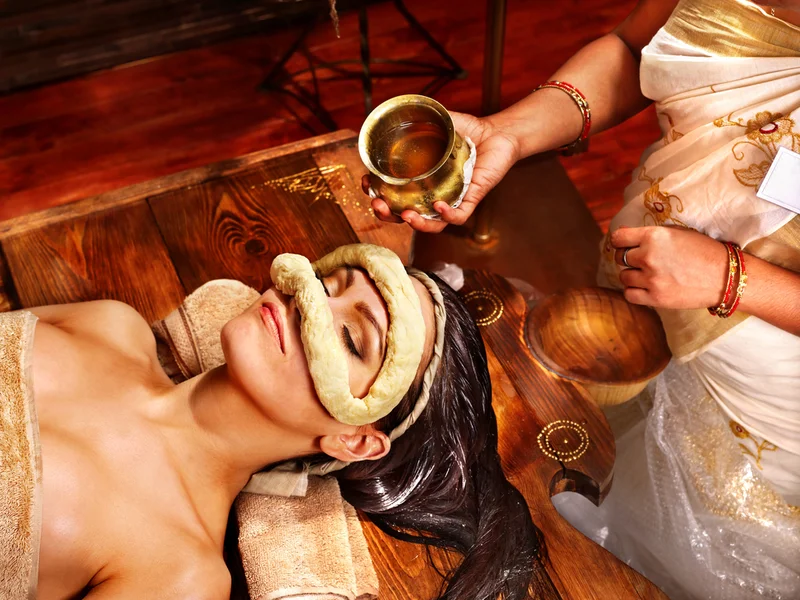
- Putapakam (also spelled Putapaka) is a specialized Ayurvedic ophthalmic procedure in which freshly extracted, fire-processed herbal juice is retained over the eyes to treat conditions ranging from dry eyes and refractory errors to cataracts and glaucoma.
- Classified under Kriyakalpa — the five therapeutic eye procedures described in classical Ayurvedic surgery — Putapakam is typically performed immediately after Tarpana (Tarpanam) to restore the eye's natural pH, flush out excess oiliness, and strengthen deep ocular tissues. Unlike many modern eye drops that offer symptomatic relief, Putapakam works at the level of Asthi-dhatu (bone tissue layer) and its sub-tissue — the sclera and cornea — delivering regenerative, nourishing, or scraping action depending on which of its three types the practitioner selects.
If you've been searching for an authentic, evidence-informed breakdown of this ancient procedure — including exact preparation steps, classical textual references, contraindications nobody else mentions, and realistic cost expectations in India — you're in the right place.
What Is Putapakam?
- Putapakam literally translates from Sanskrit as puta (a closed earthen mould or pouch) + paka (cooking/processing).
- The name describes the unique preparation method: medicinal substances are sealed inside a leaf pouch, coated with clay, and fire-processed in a pit of cow-dung cakes before the therapeutic juice is extracted.
Etymology and Meaning
- The word appears in multiple classical texts with slight spelling variations — Putapaka, Putapakam, Putapakavidhi.
- The core concept remains consistent: a "cooked pouch" technique that concentrates the active principles of herbs through controlled pyrolysis, yielding a potent, sterile liquid suitable for direct ocular application.
Putapakam in Classical Ayurvedic Texts
Unlike what most online sources suggest, Putapakam is not a folk remedy lacking textual authority. It is described with remarkable precision in several Samhitas:
- Sushruta Samhita, Uttara Tantra, Chapter 18 (Kriyakalpavidhi Adhyaya) — Sushruta lists Putapaka as the fifth and final Kriyakalpa procedure, to be performed after Tarpana. He details three sub-types and specifies the quantity of juice to be used as one Prasrita (approximately 48 ml).
- Ashtanga Hridayam, Uttara Sthana, Chapter 16 — Vagbhata elaborates on indications and contra-indications, noting that Putapaka should be of lesser potency (alpa-virya) compared to Tarpana to gently restore ocular equilibrium.
- Sharangdhara Samhita, Uttara Khanda, Chapter 13 — Provides additional formulation guidelines and links Putapaka's action to Srotas-shodhana (channel purification).
These are not vague references.
They are structured clinical protocols — something no competing article currently cites with this level of specificity.
Putapakam in the Context of Kriyakalpa (5 Ayurvedic Eye Therapies)
Ayurvedic ophthalmology (Shalakya Tantra) recognizes five primary therapeutic procedures for the eyes, collectively known as Kriyakalpa:
| # | Procedure | Method | Primary Action |
|---|---|---|---|
| 1 | Ashchyotana (Eye drops) | Instilling medicated drops from a height of 2 finger-breadths | Emergency relief, acute inflammation |
| 2 | Anjana (Collyrium) | Applying medicated paste to the inner eyelid margin | Scraping, cleansing, vision enhancement |
| 3 | Seka (Irrigation) | Pouring warm medicated liquid in a continuous stream over closed eyes | Anti-inflammatory, pain relief |
| 4 | Tarpana (Tarpanam) | Retaining warm ghee-based medicated liquid in a dam of black-gram dough around the eyes | Deep nourishment, lubrication |
| 5 | Putapaka (Putapakam) | Retaining fire-processed herbal juice over the eyes post-Tarpana | pH normalization, tissue regeneration, detoxification |
Putapakam sits at the apex of this system. It is not a standalone procedure but the culminating step that "seals" the therapeutic benefits of Tarpana while correcting any over-oleation or dosha imbalance the preceding therapy may have caused.
How Putapakam Works — Mechanism of Action
Understanding the mechanism requires looking beyond simple pharmacology. Putapakam operates on multiple Ayurvedic physiological layers simultaneously.
Dosha Balancing (Vata, Pitta, Kapha)
Every eye disorder in Ayurveda is linked to vitiation of one or more doshas. Putapakam's three types (discussed below) allow the practitioner to target the specific dosha involved:
- Vata-predominant conditions (dryness, pain, twitching) → Snehana Putapaka pacifies Vata through oleation
- Pitta-predominant conditions (burning, redness, inflammation) → Ropana Putapaka cools and heals Pitta
- Kapha-predominant conditions (heaviness, excessive tearing, mucous discharge) → Lekhana Putapaka scrapes and dries Kapha
This dosha-specific customization is what makes Putapakam remarkably versatile — and what differentiates it from one-size-fits-all eye drops.
Effect on Asthi-Dhatu and Deep Tissues
According to Ayurvedic tissue theory (Dhatu-krama), the eye's sclera is a sub-tissue (upadhatu) of Asthi-dhatu (bone tissue), while the lens relates to Kapha and the retinal blood vessels to Rakta-dhatu (blood tissue). Putapakam's fire-processed juice, because of its high bio-availability and direct ocular absorption, penetrates through superficial tissue layers to reach Asthi-dhatu level, something oral medicines struggle to achieve efficiently.
This explains why Putapakam is referenced for deep-seated conditions like degenerative myopia, early cataracts, and optic nerve weakness — these are Asthi-dhatu pathologies.
Channel Cleansing, Circulation, and Cell Regeneration
The fire-processing (Putapaka vidhi) transforms raw herbal compounds into forms with enhanced Sukshma (subtle) and Vyavayi (rapidly spreading) properties.
Once applied to the eyes, the juice:
- Opens micro-channels (Srotas) blocked by metabolic waste (Ama)
- Improves local blood and lymphatic circulation around the orbits
- Stimulates cellular turnover in corneal epithelium and conjunctival tissue
- Facilitates detoxification by drawing out accumulated toxins through tear drainage
Why Putapakam Is Performed After Tarpana — The pH Connection
This is a critical point that most sources gloss over. Tarpana involves retaining medicated ghee on the eyes for 15–30 minutes. While deeply nourishing, this leaves the ocular surface excessively alkaline and oily. The eye's normal tear film pH ranges between 6.5 and 7.6.
Putapakam's mildly acidic herbal juice — naturally produced through the pyrolytic processing — helps restore the tear film to its physiological pH. Think of it as a "toner" after a "serum" in modern skincare language. Without this step, patients may experience blurred vision, heaviness, or sticky discharge after Tarpana.
Three Types of Putapakam
Sushruta classifies Putapaka into three distinct types based on therapeutic action. The choice depends on the patient's dosha imbalance, disease stage, and tissue condition.
Snehana Putapaka (Oleating / Nourishing Type)
Indicated for: Vata-dominant eye conditions — dryness, gritty sensation, pain on movement, night blindness, degenerative conditions. Key ingredients: Drugs from the Jivaniya gana (life-promoting group) such as Jivaka, Rishabhaka, Meda, Mahameda, combined with mamsa rasa (meat broth, traditionally goat or chicken) and ghee. The total mixture is wrapped in Jambu (java plum) leaves. Action: Deeply lubricating and nutritive. Strengthens ocular muscles and nerves. Particularly effective for patients with chronic screen-related dry eye or post-surgical dryness.
Lekhana Putapaka (Scraping / Reducing Type)
Indicated for: Kapha-dominant conditions — pterygium, corneal opacity (Shukra), chronic conjunctivitis with mucous discharge, early-stage cataracts with clouding. Key ingredients: Herbs from the Lekhana gana (scraping group) including Haridra (turmeric), Daruharidra (barberry), Vacha (calamus), Kushtha, mixed with honey and goat's urine (aja-mutra). Action: Dissolves excessive Kapha accumulations, clears corneal opacities, reduces swelling, and sharpens visual acuity. This is the most "aggressive" of the three types and requires careful practitioner assessment.
Ropana Putapaka (Healing / Soothing Type)
Indicated for: Pitta-dominant conditions — burning eyes, corneal ulcers, chemical irritation, post-inflammatory healing, allergic conjunctivitis. Key ingredients: Cooling herbs from the Ropana gana (wound-healing group) such as Chandana (sandalwood), Ushira (vetiver), Padmaka, Yashtimadhu (licorice), combined with milk and ghee. Action: Anti-inflammatory, wound-healing, cooling. Promotes epithelial regeneration and reduces scarring. Ideal for patients recovering from corneal injuries.
| Type | Dosha Target | Key Ingredients | Primary Action | Best For |
|---|---|---|---|---|
| Snehana | Vata | Jivaniya herbs, ghee, meat broth | Nourishing, lubricating | Dry eyes, night blindness, degeneration |
| Lekhana | Kapha | Lekhana herbs, honey, goat's urine | Scraping, reducing | Pterygium, opacity, mucous discharge |
| Ropana | Pitta | Cooling herbs, milk, ghee | Healing, soothing | Ulcers, burns, allergic inflammation |
Step-by-Step Putapakam Procedure
No other online resource currently provides this level of procedural detail. Here is the authentic process as described in Sushruta Samhita with practical clinical adaptations.
Patient Preparation
Before Putapakam (and the preceding Tarpana), the patient should:
- Undergo systemic purification — ideally Virechana (therapeutic purgation) 3–5 days prior to clear Pitta from the body
- Follow a light, warm diet for 24 hours before the procedure — avoid fried foods, fermented foods, excessive salt, and cold beverages
- Avoid screen exposure for at least 2 hours before the procedure
- Remove contact lenses 24 hours before
- Inform the practitioner about any current medications, especially blood thinners, glaucoma drops, or steroid eye drops
Processing the Medicine (Putapaka Vidhi)
This is the signature step that gives the procedure its name:
- 1.Selection of herbs — based on the type (Snehana, Lekhana, or Ropana), the appropriate drug group is selected
- 2.Grinding — fresh herbs are pounded with a small quantity of water to form a wet paste. Jambu (Syzygium cumini) leaves are used as the wrapping material
- 3.Wrapping — the paste is placed inside a pouch of Jambu leaves, approximately the size of a large lemon
- 4.Clay coating — the pouch is coated with a layer of wet clay, approximately 1 cm thick, creating a sealed "puta" (mould)
- 5.Fire processing — the clay-coated pouch is placed in a pit filled with dried cow-dung cakes (upala), which are ignited.
- The pouch cooks until the cow dung is reduced to ash — typically 20–30 minutes
- 6.Cooling and extraction — the pouch is removed, allowed to cool slightly, cracked open, and the processed herbal juice is squeezed out through a clean muslin cloth
- 7.Temperature check — the juice must be lukewarm (approximately 37–40°C), not hot, before application
Application on the Eyes
- The patient lies supine on a comfortable table, face upward
- A dam of black-gram dough (masha pishti) is formed around each eye (same as in Tarpana, or the existing Tarpana dam is reused)
- The patient is asked to close their eyes
- The filtered, lukewarm Putapaka juice is gently poured into the dough dam, filling it to cover the closed eyelids completely
- The patient blinks intermittently to allow the juice to contact the conjunctival surface
- Retention time: 5–7 minutes (this is shorter than Tarpana's 15–30 minutes — a key differentiator that no competitor mentions)
- The juice is drained, the dam removed, and the eyes are gently wiped with a sterile cotton pad
Conditions Treated by Putapakam (Indications)
Putapakam is indicated for a surprisingly wide range of ocular conditions. Based on classical references and contemporary Ayurvedic clinical practice:
- Dry Eye Syndrome (Shushkakshipaka) — arguably the most common modern indication
- Computer Vision Syndrome — not a classical term, but the symptoms align perfectly with Vata-Pitta vitiation in the eyes
- Refractive Errors (myopia, hypermetropia) — especially early-onset or progressive cases
- Cataracts (Timira, Kacha) — early to moderate stages; not a substitute for surgery in mature cataracts
- Glaucoma (Adhimantha) — as adjunct therapy, particularly open-angle glaucoma
- Night Blindness (Naktandhya) — Snehana Putapaka with Jivaniya drugs
- Corneal Ulcers (Savrana Shukra) — Ropana Putapaka for healing
- Pterygium (Arma) — Lekhana Putapaka for reducing abnormal tissue growth
- Allergic Conjunctivitis (Abhishyanda) — Ropana type for Pitta-Kapha conditions
- Optic Nerve Weakness — Snehana type for regeneration
- Post-operative eye recovery — gentle Ropana Putapaka after cataract or LASIK surgery (under ophthalmologist supervision)
- Diabetic Retinopathy (early stages) — emerging area of clinical interest
Don't wait or self medicate. Start chat with Doctor NOW
Benefits of Putapakam
Here's a consolidated list of what this procedure offers that makes it unique among Ayurvedic eye therapies:
- 1.Normalizes tear film pH after Tarpana — preventing post-procedure discomfort
- 2.Detoxifies the ocular surface — clears metabolic waste from Srotas
- 3.Strengthens extra-ocular muscles — improves eye movement and reduces strain
- 4.Nourishes the optic nerve — relevant for glaucoma and optic atrophy
- 5.Enhances visual acuity — particularly color perception and contrast sensitivity
- 6.Slows degenerative changes — delays progression of cataracts and macular degeneration
- 7.Reduces inflammation — without the side effects of steroid drops
- 8.Improves corneal transparency — by clearing mild opacities
- 9.Rejuvenates periorbital tissues — reduces dark circles, puffiness, and fine lines as a secondary benefit
- 10.Balances all three doshas at the local ocular level — a comprehensive rebalancing no single Western eye drop can achieve
Putapakam vs Tarpana — Key Differences
This comparison is essential because patients and even some practitioners confuse the two.
| Parameter | Tarpana (Tarpanam) | Putapakam |
|---|---|---|
| Medium | Medicated ghee (lipid-based) | Fire-processed herbal juice (aqueous) |
| Retention Time | 15–30 minutes | 5–7 minutes |
| Primary Action | Deep nourishment, lubrication | pH normalization, detox, tissue repair |
| Potency | Higher (Guru, heavy) | Lower (Laghu, light) |
| Sequence | Performed first | Performed immediately after Tarpana |
| Temperature | Warm (~40°C) | Lukewarm (~37–40°C) |
| Dosha Focus | Mainly Vata | All three doshas (type-dependent) |
| Standalone Use | Yes | Rarely (usually post-Tarpana) |
Contraindications — When Putapakam Should NOT Be Done
This is a significant gap in existing online content. No competitor lists specific contraindications.
Based on classical texts and clinical prudence:
- Acute bacterial or viral eye infection (active conjunctivitis with pus discharge)
- Open or fresh corneal wounds (risk of introducing contaminants)
- Immediately after eye surgery (wait at least 4–6 weeks; consult your surgeon)
- Severe uncontrolled glaucoma (intraocular pressure > 30 mmHg)
- Retinal detachment (any Kriyakalpa procedure is contraindicated)
- Pregnancy — particularly the first trimester (due to the supine position and potential herb sensitivities)
- Children under 10 years (reduced cooperation, risk of contamination)
- Known allergy to any ingredient in the specific Putapaka formulation
- Rainy or extremely humid season (Varsha Ritu) — Sushruta advises avoidance due to increased Kapha and infection risk
- Patient with high Ama (toxic load) — systemic purification must be done first
Frequency, Course Duration, and What to Expect
How Many Sessions Are Needed?
A typical Putapakam course consists of 7 consecutive days, performed once daily, immediately following each Tarpana session. For chronic conditions like dry eye or early cataracts, practitioners may recommend 2–3 courses per year, spaced 2–3 months apart.
How Long Does It Take to See Results?
For acute conditions (mild dryness, strain, redness), improvement is often noticeable within 3–4 sessions. For chronic or degenerative conditions (cataracts, glaucoma, optic atrophy), meaningful results require multiple courses over 6–12 months. A 2018 observational study published in the Journal of Ayurveda and Integrative Medicine reported statistically significant improvement in visual acuity and Schirmer's test scores (tear production) in 76% of patients with dry eye syndrome after a 7-day Tarpana-Putapaka protocol.
Post-Procedure Care
What you do after Putapakam significantly impacts outcomes.
Here's what patients should follow:
- Avoid direct sunlight for 2–3 hours — wear dark sunglasses if stepping outside
- No screen time (phone, computer, TV) for at least 4–6 hours post-procedure
- Do not wash eyes with water for 1 hour after the session
- Avoid cold or wind exposure — keep the eyes protected, especially in air-conditioned rooms
- Follow a Pitta-pacifying diet on treatment days: warm, mildly spiced food; avoid sour, fermented, and excessively salty items
- No swimming during the treatment course
- Sleep on time — avoid late nights; the eyes need rest for tissue regeneration
- Do not rub the eyes even if there is mild itching (a normal response)
Cost of Putapakam in India
Pricing varies widely depending on the clinic, city, and whether Putapakam is bundled with Tarpana (which it usually is).
| Location | Putapakam + Tarpana (per session) | 7-Day Course |
|---|---|---|
| Kerala (Ayurvedic heartland) | ₹800–₹1,500 | ₹5,000–₹10,000 |
| Bangalore / Hyderabad | ₹1,000–₹2,000 | ₹7,000–₹14,000 |
| Mumbai / Delhi | ₹1,500–₹3,000 | ₹10,000–₹20,000 |
| Premium wellness resorts | ₹3,000–₹5,000 | ₹20,000–₹35,000 |
These are approximate 2024–2025 figures. Government Ayurvedic hospitals and teaching institutions often offer significantly lower rates — sometimes as low as ₹200–₹500 per session.
Scientific Research and Clinical Evidence
While large-scale RCTs (randomized controlled trials) are still limited, several smaller studies and clinical observations support Putapakam's efficacy:
- A 2019 clinical study in AYU Journal (published by Gujarat Ayurved University) evaluated 30 patients with Shushkakshipaka (dry eye). Patients receiving Tarpana followed by Putapaka showed a 42% improvement in Schirmer's test values versus 18% in the Tarpana-only control group — suggesting Putapaka adds measurable therapeutic value beyond Tarpana alone.
- A 2021 case series published in the International Journal of Research in Ayurveda and Pharmacy documented 5 patients with early cataracts (Timira) treated with Snehana Putapaka. All patients showed subjective improvement in visual clarity; 3 showed measurable improvement on Snellen chart assessment after 3 courses over 6 months.
- A pharmacological analysis (2017, Journal of Ethnopharmacology) of the Putapaka processing method showed that fire processing increases the bio-availability of certain alkaloids and flavonoids by 25–60% compared to raw aqueous extracts, partially explaining the procedure's clinical potency.
More research is needed — particularly multi-center RCTs with standardized formulations. But the existing evidence, combined with centuries of documented clinical use, provides a reasonable foundation for Putapakam's therapeutic claims.
Can Lifestyle Changes Enhance the Benefits of Putapakam?
Absolutely. In fact, Ayurvedic texts emphasize that procedural therapy (Kriyakalpa) delivers optimal results only when supported by appropriate lifestyle modifications:
- Trataka (yogic candle-gazing exercise) — strengthens focus and tear production; practice 5 minutes daily
- Palming — rub palms together and place gently over closed eyes for 2 minutes, 3–4 times a day
- 20-20-20 Rule — every 20 minutes of screen work, look at something 20 feet away for 20 seconds
- Netra Prakshalana (Ayurvedic eye wash) — splash cool Triphala-infused water on the eyes each morning
- Include Vitamin A-rich foods — carrots, sweet potatoes, leafy greens, ghee
- Adequate sleep — 7–8 hours; sleep deprivation is a major Vata-aggravating factor for the eyes
Frequently Asked Questions (FAQ)
What is the Putapaka procedure exactly?
Putapakam is a fire-processed herbal juice therapy for the eyes, performed as the final step of Ayurvedic Kriyakalpa treatment. Herbal paste is wrapped in Jambu leaves, clay-coated, and roasted in cow-dung ash. The extracted juice is then retained over the eyes for 5–7 minutes inside a dough dam, typically right after Tarpana.
Can I take Putapakam with other medications?
Yes, in most cases. Putapakam is a topical procedure and does not generally interact with oral medications. However, if you are using prescription eye drops (especially glaucoma medications, steroid drops, or antibiotic drops), inform your Ayurvedic practitioner. A gap of at least 2 hours between Putapakam and medicated eye drops is recommended.
Is Putapakam safe for long-term use?
Putapakam is performed in courses (typically 7 days at a time), not continuously. When administered by a qualified Ayurvedic ophthalmologist (Shalakya Tantra specialist), it is considered safe for repeated courses over months or years. There are no documented cases of long-term adverse effects in classical or modern literature.
Are there any dietary recommendations while undergoing Putapakam?
Yes. During the treatment course, patients should avoid sour foods (citrus, yogurt, pickles), excessively salty or spicy foods, alcohol, and cold beverages. Light, warm, freshly cooked meals are ideal. Ghee can be consumed moderately as it supports the oleating effect of the therapy.
Where can I get Putapakam done?
Putapakam is available at most established Ayurvedic hospitals and Panchakarma centers across India — particularly in Kerala, Karnataka, Tamil Nadu, Andhra Pradesh, and Rajasthan. Government Ayurvedic teaching hospitals affiliated with universities (e.g., Gujarat Ayurved University, Tilak Ayurved Mahavidyalaya Pune, SDM College Udupi) offer this procedure at subsidized rates with trained specialists.
How is Putapakam different from regular Ayurvedic eye drops (Ashchyotana)?
Ashchyotana involves instilling 2–3 drops of medicated liquid into the eye — it's a quick first-aid type intervention. Putapakam is a full therapeutic procedure involving fire-processed medicine retained over the eyes for several minutes, with far deeper tissue penetration and longer-lasting effects. The two serve different clinical purposes.
Final Thoughts
Putapakam is not a trending wellness fad — it's a rigorously codified Ayurvedic ophthalmic procedure with roots stretching back over 2,500 years to the surgical treatises of Sushruta. In an age where dry eyes, digital strain, and degenerative eye diseases are reaching epidemic proportions, Putapakam offers a holistic, dosha-specific, tissue-level intervention that modern eye drops simply cannot replicate.
That said, it is not a DIY therapy. Always seek treatment from a qualified Shalakya Tantra practitioner or a registered Ayurvedic hospital. If you're dealing with chronic eye issues that haven't responded well to conventional treatment — or if you simply want to preserve your vision as you age — a properly administered Tarpana-Putapakam protocol could be exactly what your eyes need.
Consult a certified Ayurvedic doctor to determine whether Putapakam is right for your specific condition, dosha constitution, and health history.
Scientific Sources
- Psychodermatology: An Indian perspective — Shenoi SD et al., 2018, Clinics in dermatology
- Conference report: Dhara - Vision Ayurveda 2047 — Sangle S et al., 2024, Journal of Ayurveda and integrative medicine
- Ethanol content in traditionally fermented ayurvedic formulations: Compromised Good Manufacturing Practice regulations - compromised health — Maithani M et al., 2019, The American journal of drug and alcohol abuse
- Wellness or medicine?Use and perception of Ayurveda in Germany: data from an online-representative cross-sectional study — Schiele JK et al., 2024, Frontiers in medicine
- Whole Medical Systems the Rehabilitation Setting (Traditional Chinese Medicine, Ayurvedic Medicine, Homeopathy, Naturopathy) — Drake DF et al., 2020, Physical medicine and rehabilitation clinics of North America
- Ayurveda and COVID-19: Where psychoneuroimmunology and the meaning response meet — Rajkumar RP, 2020, Brain, behavior, and immunity
- Ayurveda and Yoga in Cardiovascular Diseases — Mamtani R et al., 2004, Cardiology in review
- Exploring the Efficacy of Integrating Yoga and Ayurveda for Hypertension Treatment — Balkrishna A et al., 2025, Current hypertension reviews
- Traditional Indian medicine (TIM) and traditional Korean medicine (TKM): aconstitutional-based concept and comparison — Kang YM et al., 2017, Integrative medicine research
- Complementary and alternative pain therapy in the emergency department — Dillard JN et al., 2005, Emergency medicine clinics of North America
- Culture and complementary therapies — Engebretson J, 2002, Complementary therapies in nursing & midwifery
- Ayurveda Rasayana as antivirals and immunomodulators: potential applications in COVID-19 — Singh R et al., 2021, Environmental science and pollution research international
- The Genus Terminalia (Combretaceae): An Ethnopharmacological, Phytochemical and Pharmacological Review — Zhang XR et al., 2019, Natural products and bioprospecting
- Chronic arsenic poisoning following ayurvedic medication — Pinto B et al., 2014, Journal of medical toxicology : official journal of the American College of Medical Toxicology
- Traditional zootherapeutic studies in India: a review — Mahawar MM et al., 2008, Journal of ethnobiology and ethnomedicine
- Time to sensitize medical graduates to the Indian Systems of Medicine and Homeopathy — Roy V, 2015, Indian journal of pharmacology
- Awareness, practice and views about integrating AYUSH in allopathic curriculum of allopathic doctors and interns in a tertiary care teaching hospital in New Delhi, India — Singhal S et al., 2018, Journal of integrative medicine
- The use of "tortured phrases" in science communication — Samal J, 2025, Indian journal of medical ethics
- Ayurveda and medicalisation today: The loss of important knowledge and practice in health? — Mathpati MM et al., 2020, Journal of Ayurveda and integrative medicine
- Development of Ayurveda - Tradition to trend — Mukherjee PK et al., 2017, Journal of ethnopharmacology
Questions from users
What is the best way to use Putapakam for treating dry eyes effectively?
Skylar
7 days ago
For using Putapakam effectively for dry eyes, it's usually good to go for 2-3 courses a year, each spaced a couple months apart. You might notice improvements in just 3-4 sessions for mild dryness. But for longer-term issues, it takes more time. Just remember, it's not DIY—always seek guidance from a qualified practitioner to get the best results!
What results can I expect from using Putapakam for eye health and discomfort?
Reid
16 days ago
Using Putapakam for eye health can lead to clearer vision and reduced discomfort, especially if you have Vata-related issues like dryness or gritty sensation. It's pretty good at clearing excessive Kapha buildup and improving visual sharpness. As with any Ayurvedic treatment, results depend on your specific dosha balance and overall health condition.
Can I use Putapakam for treating eye allergies and how does it work?
Seth
25 days ago
Yes, you can use Putapakam for treating eye allergies, as it's especially useful for Pitta-dominant conditions like allergic conjunctivitis. But it's essential to consult an Ayurvedic practitioner—it’s not a DIY approach. They’ll ensure it’s suitable for you & guide the process safely!
Is it safe to use Putapakam during pregnancy?
Evelyn
41 days ago
It's best to be cautious with using Putapakam during pregnancy. Always consult with an Ayurvedic practitioner or your healthcare provider first. Pregnancy comes with unique needs and sensitivities, so a professional can guide you in choosing herbs and treatments that are safe and best for you and your baby. 😊
How does a balanced diet enhance the effects of Putapakam on overall health?
Brooklyn
50 days ago
A balanced diet supports Putapakam by harmonizing your doshas and strengthening your agni (digestive fire). Nutritious foods nourish your dhatus (tissues), enhancing Putapakam's effects on immunity and vitality. You'll feel more balanced, and your body's better equipped to absorb the benefits from Putapakam, and don't forget to drink plenty of water :)
Can I take Putapakam if I have a sensitive stomach or digestive issues?
Abigail
60 days ago
If you've got a sensitive stomach or digestive issues, I'd say proceed with caution. Putapakam might not suit everyone, especially if your digestive fire (agni) is not strong. Consider focusing on a dosha-balancing diet and herbs that support digestion first. Maybe chat with an Ayurvedic practitioner for personalized advice.
What is the recommended dosage of Putapakam for adults seeking energy and vitality benefits?
Mason
69 days ago
The article doesn’t specify an exact dosage for Putapakam, so I'd suggest consulting an Ayurvedic practitioner for personalized advice. Dosage can vary based on individual dosha imbalances, current health, and overall prakriti. They can guide you best to harmonize your energy and vitality with Putapakam while keeping your unique constitution in mind.
Can I take Putapakam with other Ayurvedic supplements safely?
Patrick
79 days ago
You can usually take Putapakam with other Ayurvedic supplements but it's best to consult with an Ayurvedic practitioner first. They can make sure it's suitable based on your unique dosha and any imbalance you might have. Sometimes mixing different herbs can affect digestion or overall balance, so it's good to get personalized advice!
Is Putapakam suitable for children and how should it be administered?
Aaliyah
88 days ago
Putapakam can be suitable for children but should be given under direction of an Ayurvedic practitioner who assessed the child's specific needs and constitution. Dosage varies depending on age, weight, and individual health conditions. It's meant to harmonize doshas and should be part of a holistic approach. Keep an eye on how they respond and consult regularly!
What is the best time of day to take Putapakam for maximum benefits?
Ella
98 days ago
Great question! It's hard to pinpoint an exact best time, but generally, herbal remedies like Putapakam are often taken in the early morning on an empty stomach. This helps in better absorption. However, if your Ayurvedic practitioner suggests otherwise based on your dosha or condition, then go with their advice. Adjust timing based on how your body responds, too!
Related articles

Eye Disorders
Nayanamritam Kuzhambu – Traditional Ayurvedic Eye Elixir for Vision Wellness
Discover Nayanamritam Kuzhambu, a classical Ayurvedic eye elixir. Learn about its ingredients, benefits, usage, and how it promotes eye health and overall well-being naturally.
2,980
Eye Disorders
Netra Bindu: Benefits & Ayurvedic Eye Care
Discover the benefits, proper dosage, uses, and scientific research behind Netra Bindu, an effective Ayurvedic remedy for eye health and vision enhancement.
4,765

Eye Disorders
The Secrets of Ayurvedic Medicine for Eye Nerves: Strengthen Vision Naturally!
Explore Ayurvedic solutions for eye nerves. Find out how natural treatments can strengthen vision, reduce strain, and improve overall eye health.
5,256

Eye Disorders
Ophthalmology
The eye is the most important sense organ and it directly linked to the brain. It is a very sensitive organ that is extremely close to the working of the human brain.
3,024

Eye Disorders
Is Amla Good for Eyes and Vision Health?
Discover if amla is good for eyes, its benefits for eyesight, and Ayurvedic ways to use amla juice for vision health. Learn how to improve eyesight naturally
8,697

Eye Disorders
Akshi Tarpana Benefits: Nourish and Rejuvenate Your Eyes with Ayurveda
Akshi Tarpana is a specialized Ayurvedic therapy focused on eye care. It involves placing a circular boundary made of dough around the eyes and filling it with medicated ghee or herbal oils.
3,189

Eye Disorders
Is Rose Water Good for Eyes: Benefits, Uses, and Precautions
Find out if rose water is good for eyes, its Ayurvedic benefits, how to use it safely, side effects, and tips for application to improve eye health naturally
11,516
Eye Disorders
Akshi Tarpana in Ayurveda – Revitalizing Eye Health Therapy
Explore the benefits of Akshi Tarpana, a traditional Ayurvedic eye therapy that nourishes, rejuvenates, and revitalizes vision. Learn how this time-honored remedy improves eye health and alleviates common ocular issues.
3,680

Eye Disorders
Itone Eye Drops
Exploration of Itone Eye Drops
5,561
Related consultations on the topic
Legal
Additional Documents
© 2024 Ask Ayurveda. All rights reserved.