Our Team of Ayurvedic Experts
Convenient search allows you to find good specialists based on the following parameters: doctor’s rating, work experience, patient reviews, specialization, academic degree, and online presence.
On the page, you can get an individual consultation with a doctor. Many doctors provide online consultations in a consilium format (questions and answers from multiple doctors).
Currently online
With reviews only
Ayurvedic doctors
4
Consultations:

Dr. Surya Bhagwati
star_border
5
21,785
1235 reviews
I am a Senior Ayurveda Physician with more than 28 years in this field — and trust me, it still surprises me how much there is to learn every single day. Over these years, I’ve had the chance to treat over 1 lakh patients (probably more by now honestly), both through in-person consults and online. Some come in with a mild cough, others with conditions no one’s been able to figure out for years. Each case brings its own rhythm, and that’s where real Ayurveda begins.
I still rely deeply on classical tools — *Nadi Pariksha*, *Roga-Rogi Pariksha*, proper *prakriti-vikriti* mapping — not just ticking symptoms into a list. I don’t believe in ready-made cures or generic charts. Diagnosis needs attention. I look at how the disease behaves *inside* that specific person, which doshas are triggering what, and where the imbalance actually started (hint: it’s usually not where the pain is).
Over the years I’ve worked with pretty much all age groups and all kinds of health challenges — from digestive upsets & fevers to chronic, autoimmune, hormonal, metabolic and degenerative disorders. Arthritis, diabetes, PCOD, asthma, thyroid... but also things like unexplained fatigue or joint swelling that comes and goes randomly. Many of my patients had already “tried everything else” before they walked into Ayurveda, and watching their systems respond slowly—but surely—is something I don’t take lightly.
My line of treatment usually combines herbal formulations (classical ones, not trendy ones), Panchakarma detox when needed, and realistic dietary and lifestyle corrections. Long-term healing needs long-term clarity — not just short bursts of symptom relief. And honestly, I tell patients that too.
I also believe patient education isn’t optional. I explain things. Why we’re doing virechana, why the oil changed mid-protocol, why we pause or shift the meds after a few weeks. I want people to feel involved, not confused. Ayurveda works best when the patient is part of the process, not just receiving instructions.
Even now I keep learning — through texts, talks, patient follow-ups, sometimes even mistakes that taught me what not to do. And I’m still committed, still fully into it. Because for me, this isn’t just a job. It’s a lifelong responsibility — to restore balance, protect *ojas*, and help each person live in tune with themselves. That’s the real goal.
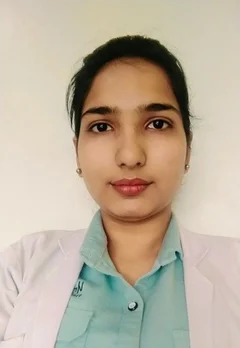
Dr. Anjali Sehrawat
star_border
5
1,998
390 reviews
I am Dr. Anjali Sehrawat. Graduated BAMS from National College of Ayurveda & Hospital, Barwala (Hisar) in 2023—and right now I'm doing my residency, learning a lot everyday under senior clinicians who’ve been in the field way longer than me. It’s kind of intense but also really grounding. Like, it makes you pause before assuming anything about a patient.
During my UG and clinical rotations, I got good hands-on exposure... not just in diagnosing through Ayurvedic nidan but also understanding where and when Allopathic tools (like lab reports or acute interventions) help fill the gap. I really believe that if you *actually* want to heal someone, you gotta see the whole picture—Ayurveda gives you that depth, but you also need to know when modern input is useful, right?
I’m more interested in chronic & lifestyle disorders—stuff like metabolic imbalances, stress-linked issues, digestive problems that linger and slowly pull energy down. I don’t rush into giving churnas or kashayams just bcz the texts say so... I try to see what fits the patient’s prakriti, daily habits, emotional pattern etc. It’s not textbook-perfect every time, but that’s where the real skill grows I guess. I do a lot of thinking abt cause vs symptom—sometimes it's not the problem you see that actually needs solving first.
What I care about most is making sure the treatment is safe, ethical, practical, and honest. No overpromising, no pushing meds that don’t fit. And I’m always reading or discussing sth—old Samhitas or recent journals, depends what the case demands. My goal really is to build a practice where people feel seen & understood, not just “managed.” That's where healing actually begins, right?

Dr. Prasad Pentakota
star_border
5
19,715
855 reviews
I am Dr. P. Prasad, and I’ve been in this field for 20+ years now, working kinda across the board—General Medicine, Neurology, Dermatology, Cardiology—you name it. Didn’t start out thinking I’d end up spanning that wide, but over time, each area sort of pulled me in deeper. And honestly, I like that mix. It lets me look at a patient not just through one lens but a whole system-wide view... makes more sense when treating something that won’t fit neatly in one category.
I’ve handled everything from day-to-day stuff like hypertension, diabetes, or skin infections to more serious neuro and cardiac problems. Some cases are quick—diagnose, treat, done. Others take time, repeated check-ins, figuring out what’s really going on beneath those usual symptoms. And that’s where the detail matters. I’m pretty big on thorough diagnosis and patient education—because half the problem is ppl just not knowing what’s happening inside their own body.
What’s changed for me over years isn’t just knowledge, it’s how much I lean on listening. If you miss what someone didn’t say, you might also miss their actual illness. And idk, after seeing it play out so many times, I do believe combining updated medical practice with basic empathy really shifts outcomes. Doesn’t have to be complicated... it just has to be consistent.
I keep up with research too—new drugs, diagnostics, cross-specialty updates etc., not because it’s trendy, but cuz it’s necessary. Patients come in better read now than ever. You can’t afford to fall behind. The end goal’s the same tho—help them heal right, not just fast. Ethical practice, evidence-based, and sometimes just being there to explain what’s going on. That’s what I stick to.

Dr. Shaniba P
star_border
5
2,311
143 reviews
I am an Ayurvedic doctor, someone who’s pretty much built her clinical journey around natural healing, balance and yeah—just trying to help ppl feel a bit more whole again. I work mostly with conditions that kinda stay with people... like joint pain that won’t go away, periods all over the place, kids falling sick again n again, or just the kind of stress that messes up digestion n sleep n everything in between. A lot of my practice circles around arthritis, lower back pain, PCOD-ish symptoms, antenatal care, immunity problems in kids, and those quiet mental health imbalances ppl often don't talk much about.
My approach isn’t just pulling herbs off a shelf and calling it a day. I spend time with classical diagnosis—checking Prakriti, figuring out doshas, seeing how much of this is physical and how much is coming from daily routine or emotional burnout. And treatments? Usually a mix of traditional Ayurvedic meds, Panchakarma (only if needed!!), changing food habits, tweaking the daily rhythm, and honestly... just slowing down sometimes.
I’m also really into helping ppl understand themselves better—like once someone gets how their body is wired, things make more sense. I talk to patients about what actually suits their dosha, what throws them off balance, and how they can stop chasing quick fixes that don’t stick. Education's a big part of it. And yes, I’ve had patients walk in for constant cold and walk out realizing it’s more about weak agni n poor gut routines than just low immunity.
Every case’s diff. Some are simple. Some not. But whether it’s a young woman trying to fix her cycles without hormones or a 6-year-old catching colds every week, I try building plans that last—not just short term relief stuff. Healing takes time and needs trust from both sides.
End of the day, I try to keep it rooted—classical where it matters but flexible enough to blend with the world we're livin in rn. That balance is tricky, but worth it.
Latest reviews

Allison
5 hours ago
Thank you so much for this advice! Simple tips but they really helped manage the pain better. Relief at last!
Thank you so much for this advice! Simple tips but they really helped manage the pain better. Relief at last!
FAQ
How to ask ayurvedic doctor a question?
keyboard_arrow_down
What should be done to consult on the site?
keyboard_arrow_down
What does the doctor’s rating depend on?
keyboard_arrow_down
© 2024 Ask Ayurveda. All rights reserved.