Ask Ayurvedic doctor a question and get a consultation online on the problem of your concern in a free or paid mode. More than 2,000 experienced doctors work and wait for your questions on our site and help users to solve their health problems every day.


Body DetoxEar, Nose, and Throat DisordersGeriatrics & RejuvenationImmunodeficiencyInfertility TreatmentNutritionOrthopedic DisordersPediatricsRespiratory DisordersSexually Transmitted Diseases (STDs)Surgery RecoveryUrological DisordersVascular DisordersDental DisordersEndocrinological DisordersGastrointestinal DisordersYoga TherapyGeneral MedicineAllergic DisordersCardio DisordersGynecology and ObstetricsCosmetologySkin and Hair DisordersEye DisordersInfectious DiseasesMental DisordersNeurological DisordersOncologyPanchakarmaSexual Health & DisordersSports Medicine
Published on 07/21/25
(Updated on 08/13/26)
star_border 5
3,756
How to Cure Nasal Polyps Permanently at Home with Ayurveda

Nasal polyps are a common but frustrating condition that many people struggle with. If you're wondering how to cure nasal polyps permanently, especially from the comfort of your home, you're not alone. Finding a permanent cure for nasal polyps can seem tricky since most treatments focus on temporary relief rather than long-term healing. But good news — Ayurveda, the ancient Indian system of medicine, offers natural, effective ways for nasal polyps treatment at home that can truly change your quality of life. This article explores how to use these natural remedies, lifestyle changes, and therapies to help you manage and potentially cure nasal polyps without surgery.
By understanding the causes and symptoms and embracing a holistic Ayurvedic approach, you can work towards a permanent cure for nasal polyps. We'll discuss practical home remedies for nasal polyps, from herbal oils to steam inhalation, that not only soothe symptoms but also tackle the root cause.
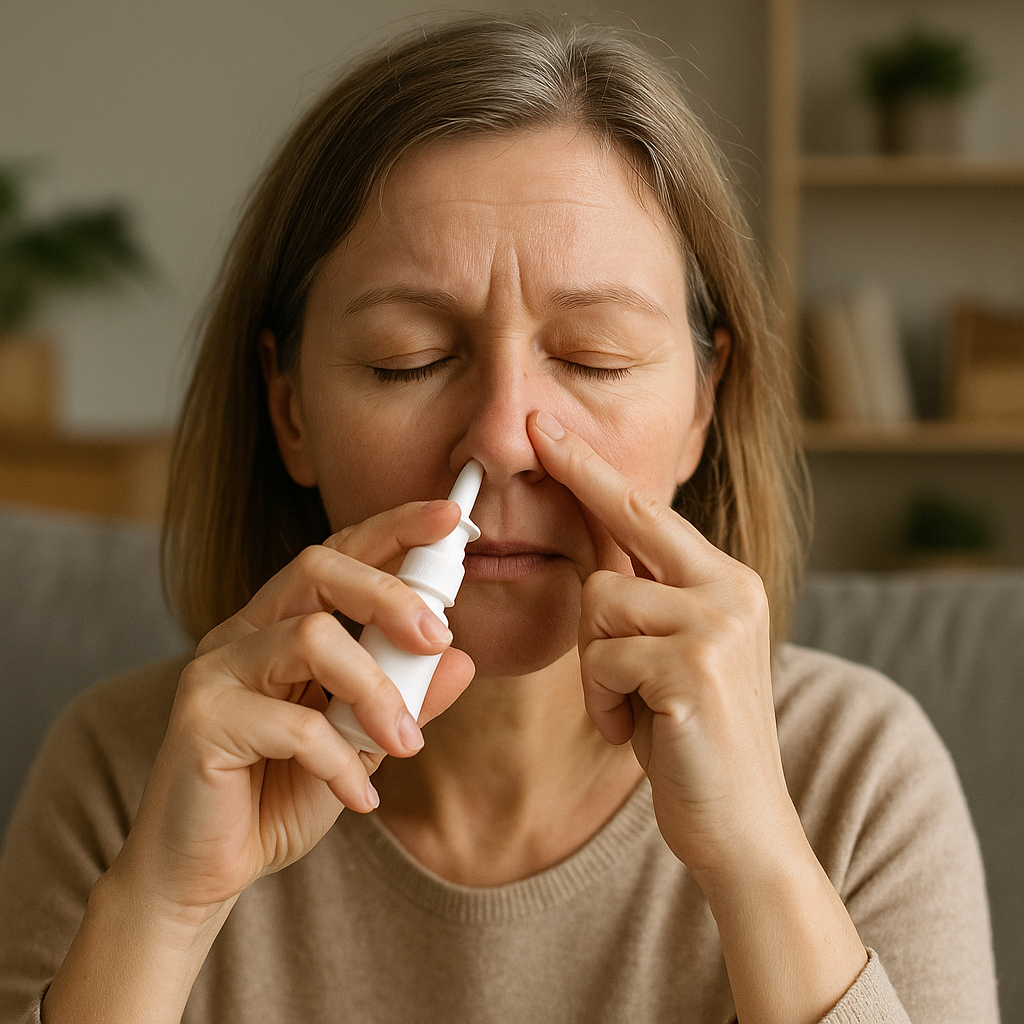
What Are Nasal Polyps and Why Do They Form?
Before diving into treatments, it’s important to understand what nasal polyps actually are. Nasal polyps are soft, painless, noncancerous growths that develop on the lining of your nasal passages or sinuses. They often hang down like teardrops or grapes and can cause serious nasal congestion, breathing difficulties, and even a loss of smell.
Causes and Symptoms of Nasal Polyps
Nasal polyps typically develop due to chronic inflammation in the nasal passages or sinuses. Common causes include allergies, asthma, recurring infections, or certain immune disorders. If you experience symptoms like persistent nasal congestion, runny nose, postnasal drip, or facial pain, you might be dealing with nasal polyps.
Many people ask about the treatment of nasal polyps because these symptoms can greatly affect daily life. Without proper management, the polyps can grow and block nasal airflow, leading to more discomfort.
Ayurvedic View on the Root Cause of Nasal Polyps
From an Ayurvedic perspective, nasal polyps are primarily caused by an imbalance in the body's doshas — especially Kapha dosha, which governs mucus and fluids. When Kapha accumulates excessively in the nasal passages, it leads to inflammation and swelling, resulting in polyps.
Ayurveda views nasal polyps not just as a physical problem but as a symptom of deeper internal imbalances. So, rather than just targeting the symptoms, Ayurvedic treatment focuses on correcting these imbalances through natural methods, promoting overall health and wellness.
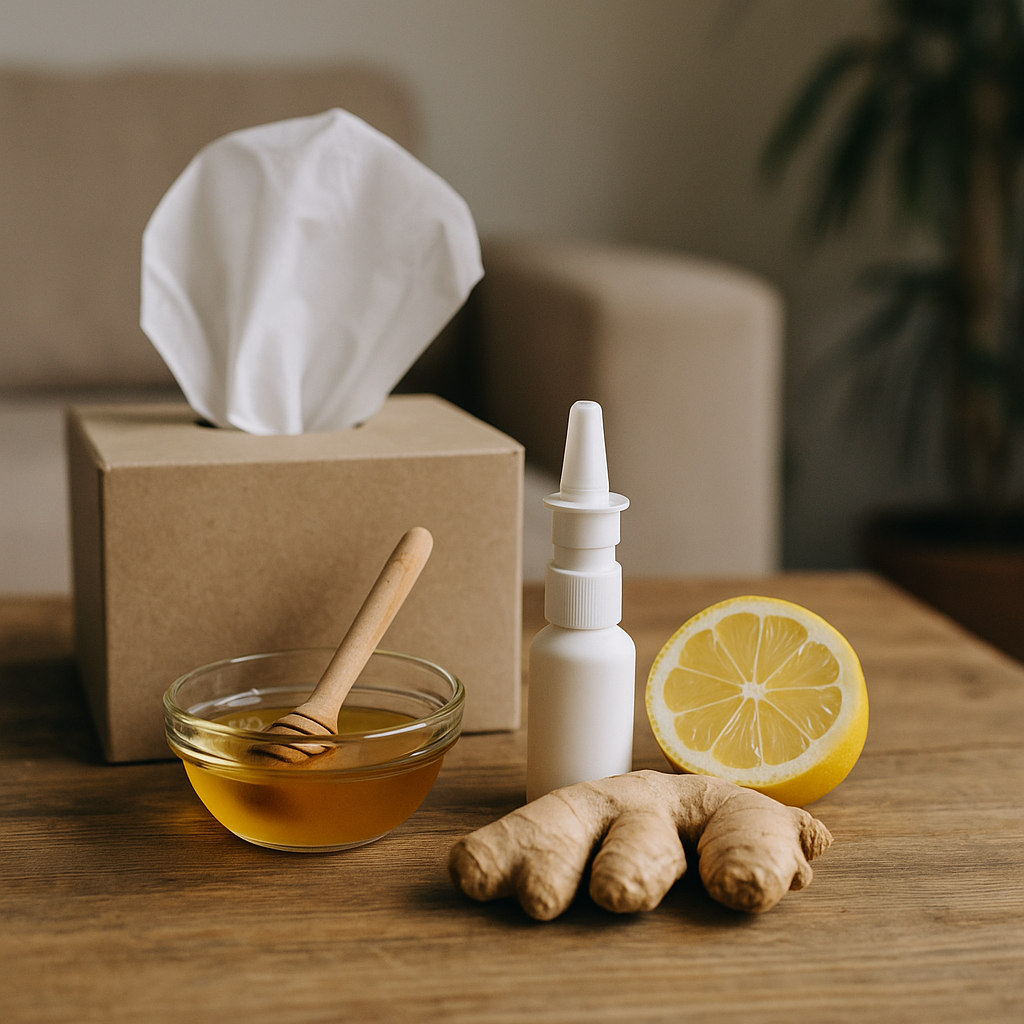
How to Cure Nasal Polyps Permanently with Natural Methods
One of the biggest questions is how to cure nasal polyps permanently at home. While many conventional treatments involve steroids or surgery, Ayurveda offers safer, more sustainable alternatives. The permanent cure for nasal polyps is achievable by combining herbal remedies, lifestyle adjustments, and therapeutic practices that support your body’s natural healing ability.
Permanent Cure for Nasal Polyps: Ayurvedic Approach
Ayurveda emphasizes detoxification and strengthening of the respiratory tract. Herbal formulations made with ingredients like turmeric, tulsi (holy basil), and licorice help reduce inflammation and boost immunity. These herbs work synergistically to shrink polyps and prevent recurrence.
Additionally, Ayurvedic therapies such as Nasya (nasal administration of medicated oils) cleanse the sinuses deeply. Nasya not only alleviates congestion but also balances the doshas locally, offering relief that lasts longer than conventional treatments.
How to Cure Nasal Polyps Without Surgery
Surgery might seem like the quickest fix, but it often comes with risks and doesn't guarantee polyps won't return. The key to a nasal polyps cure without surgery lies in consistent home treatment. Combining herbal oils, steam inhalation, and dietary changes can gradually shrink polyps and improve sinus health.
Many wonder about how to cure nasal polyps at home safely. Regular application of herbal nasal drops, daily steam sessions with medicinal herbs, and avoiding irritants like dust and allergens can significantly reduce symptoms and polyps size over time.

Nasal Polyps Treatment at Home: Effective Remedies
Managing nasal polyps at home is completely possible with the right approach. When searching for nasal polyps treatment at home, many overlook the power of natural remedies that have been used for centuries. These remedies are not only accessible but also gentle and often free of side effects.
Herbal Oils and Nasya Therapy for Nasal Congestion
One of the cornerstone treatments in Ayurveda for nasal polyps is Nasya therapy. This involves applying medicated herbal oils into the nostrils to cleanse and nourish the nasal passages. Oils like Anu Taila, made from a blend of herbs, have been traditionally used to reduce swelling and open blocked sinuses.
Using these herbal oils regularly can relieve the congestion caused by nasal polyps. For many, Nasya therapy is the best treatment for nasal polyps at home because it works on the root cause by balancing Kapha and clearing accumulated mucus. It also helps improve breathing and reduce sinus infections, which often worsen polyps.
Steam Inhalation and Ayurvedic Decoctions
Steam inhalation is a simple yet effective home remedy for nasal polyps. Adding a few drops of eucalyptus or peppermint oil to hot water can help loosen the mucus and reduce inflammation. This method also moistens the nasal passages, providing immediate relief from stuffiness.
In Ayurveda, drinking warm herbal decoctions made from neem, tulsi, or ginger regularly supports sinus health from the inside out. These herbs have anti-inflammatory and immune-boosting properties, which are vital in the treatment of nasal polyps.
Diet and Lifestyle Changes for Long-Term Relief
What you eat can have a big impact on your nasal health. To manage nasal polyps effectively, reducing intake of dairy products, processed foods, and sugar is advisable, as they tend to increase mucus production and worsen inflammation.
Incorporating fresh fruits, vegetables, and spices like turmeric and black pepper can help fight inflammation naturally. Alongside diet, maintaining good hygiene, avoiding allergens, and quitting smoking can drastically improve results and help maintain a nasal polyps cure in the long run.

Additional Tips for Nasal Polyps Prevention and Management
Even after symptoms improve, preventing nasal polyps from returning is essential. Ayurveda emphasizes not just cure but also prevention through mindful living and self-care.
Foods to Avoid and Include in Daily Diet
Avoiding foods that increase Kapha dosha like heavy, oily, and cold foods helps reduce mucus buildup. It’s best to steer clear of fried snacks, ice-cold drinks, and excess sweets. Instead, focus on warming, light foods like cooked vegetables, whole grains, and herbal teas.
Inclusion of spices such as ginger, cinnamon, and cumin in your meals stimulates digestion and reduces excess mucus, supporting your nasal polyps treatment at home efforts.
Yoga and Breathing Exercises to Improve Sinus Health
Yoga and pranayama (breathing exercises) can play a huge role in managing nasal polyps. Practices like Anulom Vilom (alternate nostril breathing) help clear nasal passages and improve oxygen flow.
Gentle yoga poses that open the chest and improve circulation can also support sinus health and reduce inflammation. Consistent practice not only aids in how to cure nasal polyps but also enhances overall respiratory wellness.
Conclusion
Curing nasal polyps permanently at home is achievable with the right knowledge and natural methods. By embracing Ayurveda’s holistic approach—combining herbal oils, steam inhalation, diet changes, and breathing exercises—you can reduce inflammation, shrink polyps, and prevent their return. Unlike quick-fix surgeries, these treatments work gently with your body’s own healing power to bring lasting relief. Remember, patience and consistency are key when it comes to natural treatment of nasal polyps.
If you’re tired of relying on medications or worrying about surgery, try integrating these Ayurvedic remedies and lifestyle adjustments into your routine. Over time, you’ll likely notice improved breathing, reduced congestion, and an overall better quality of life. Don’t wait for symptoms to worsen—start your journey to a permanent cure for nasal polyps today and share these valuable insights with others who may benefit.
Don't wait or self medicate. Start chat with Doctor NOW
FAQs
What is the most effective Ayurvedic treatment for nasal polyps?
The most effective Ayurvedic treatment usually includes Nasya therapy using herbal oils like Anu Taila, combined with oral herbal supplements such as turmeric, tulsi, and licorice. These treatments reduce inflammation and balance the doshas responsible for nasal polyps.
Can nasal polyps go away on their own with home remedies?
In some mild cases, nasal polyps may reduce or disappear with consistent use of home remedies like steam inhalation and herbal oils. However, larger or chronic polyps often require a more comprehensive Ayurvedic treatment plan.
How long does it take to cure nasal polyps permanently using natural methods?
The timeline varies depending on the severity, but typically, noticeable improvement can take from several weeks to a few months of regular treatment. Ayurveda focuses on long-term healing rather than quick fixes.
Are there specific herbs used to shrink nasal polyps naturally?
Yes, herbs like turmeric, tulsi (holy basil), licorice, and neem are commonly used for their anti-inflammatory and immune-boosting properties that help shrink nasal polyps naturally.
If you found this guide helpful, don’t keep it to yourself! Share it with friends or family who might be struggling with nasal polyps. For more natural health tips and personalized Ayurvedic advice, be sure to subscribe and stay connected!
Questions from users
Can I use saline nasal sprays for treating nasal polyps?
Client_db2e73
24 days ago
Saline nasal sprays can help manage symptoms of nasal polyps by keeping nasal passages moist and reducing congestion. However, they are not a cure for nasal polyps. Saline sprays can aid in soothing nasal passages and supporting overall nasal health when used regularly. If symptoms persist or worsen after using a saline spray over a period of weeks, it's important to consult a healthcare professional. This is crucial, as untreated nasal polyps can lead to chronic infections or breathing difficulties. Remember, medical treatments, such as corticosteroid nasal sprays, are often necessary for reducing the size of polyps and providing more substantial relief.
How long does it take for Ayurvedic remedies to reduce nasal polyps?
Client_dddf9e
34 days ago
The time it takes for Ayurvedic remedies to reduce nasal polyps varies widely based on the individual's condition and adherence to the treatment. While some may notice improvements in symptoms within a few weeks, it often requires several months of consistent use to see significant changes, especially in conjunction with lifestyle modifications. It is important to continue monitoring symptoms and consult with a healthcare professional for persistent or worsening polyps, as they may require medical intervention.
How to identify triggers that worsen nasal polyps naturally?
Client_b3cc32
43 days ago
To identify triggers that worsen nasal polyps naturally, start by keeping a detailed symptom diary noting when symptoms worsen and potential lifestyle or environmental changes. Common triggers include allergens (like dust, pollen, and pet dander), certain foods, and irritants such as smoke or strong odors. Implementing an elimination diet can help identify food triggers, and maintaining a clean, dust-free home may minimize allergens. If symptoms persist or worsen, seek advice from a healthcare professional to rule out other conditions.
What are the potential side effects of nasal polyps treatments?
Client_65e704
53 days ago
The potential side effects of nasal polyps treatments vary depending on the specific treatment. For corticosteroid nasal sprays, common side effects include nosebleeds, throat irritation, and headaches. Oral corticosteroids may lead to weight gain, high blood pressure, and increased diabetes risk if used long-term. Surgery to remove nasal polyps can lead to bleeding, infection, or recurrence of polyps. Always consult an ENT specialist if you experience any severe or persistent side effects during treatment. Alternative therapies like steam inhalation or dietary changes have fewer side effects but may offer limited benefit for significant cases.
What essential oils are best for steam inhalation to help with nasal polyps?
Client_af4657
62 days ago
For steam inhalation with nasal polyps, eucalyptus and peppermint oils are great choices. They can help loosen mucus and reduce inflammation. Just a little caution: they're potent, so don’t overdo it. A few drops is enough in hot water. And remember, balance is key—work with your doshas, specially if you notice imbalance.
How can I tell if my nasal polyps are getting worse or improving over time?
Client_25f09d
72 days ago
To know if your nasal polyps are getting worse or improving, pay attention to symptoms. If you're noticing more congestion, reduced sense of smell, or sinus infections, they might be getting worse. Improvement might show as reduced congestion and better airflow. Track changes and keep up with treatments, but visiting a practitioner is always a great idea!
What is Nasya therapy and how does it help with nasal polyp treatment?
Client_e26648
81 days ago
Nasya therapy involves introducing medicated oils into your nostrils to cleanse and nourish the nasal passages. For nasal polyps, it can help reduce inflammation and support drainage. While it's beneficial for managing nasal symptoms, it's best combined with other treatments like herbs or lifestyle changes. Always consult with a practitioner for personalized advice!
What foods should I include in my diet to help reduce mucus buildup related to nasal polyps?
Client_ae955b
90 days ago
To help reduce mucus buildup and manage nasal polyps, you should include warm, cooked foods like soups and stews, which are easier to digest and help balance Kapha dosha. Spices like ginger, black pepper, and turmeric are great too, they warm up the agni and clear congestion. Opt for lighter grains like quinoa and millet, and plenty of veggies!
How can I prepare my own herbal nasal drops at home for treating nasal polyps?
Client_055ab5
99 days ago
To make your own herbal nasal drops, you can use natural ingredients like turmeric or neem oil. Mix a pinch of turmeric in warm coconut oil or sesame oil to create a gentle, soothing blend. Just let it cool, and then you can put 1-2 drops in each nostril. Always remember to patch-test it first to make sure you’re not sensitive.
What are the signs that nasal polyps are shrinking after starting herbal treatments?
Client_33434e
109 days ago
When nasal polyps are shrinking after starting herbal treatments, you might notice easier breathing, reduced nasal congestion, less pressure or discomfort around the sinuses, and improved smell senses. It's gradual, though, so give it time and watch for these small but positive changes. If you're unsure, consulting an Ayurvedic practitioner could help refine your treatment!
Related articles

Ear, Nose, and Throat Disorders
Ayurvedic Medicine for Hyperthyroidism – Natural Remedies for Thyroid Balance
Discover Ayurvedic medicine for hyperthyroidism, featuring effective herbs, treatments, and lifestyle changes. Learn natural approaches to manage hyperthyroidism symptoms and promote thyroid health.
3,835

Ear, Nose, and Throat Disorders
ENT (ear, nose, throat) diseases
ENT (ear, nose, throat) diseases are common in all age groups.
2,947
Ear, Nose, and Throat Disorders
Amodini Tablet Uncovered: The Secret to Boosting Digestion & Gut Health!
Explore the health benefits of Amodini Tablet, an Ayurvedic remedy designed for hormonal balance, menstrual health, and overall wellness in women.
2,536

Ear, Nose, and Throat Disorders
Rhinex Granules: Benefits, Dosage & Science-Backed Insights
Discover the proven benefits, proper dosage, side effects, and scientific research behind Rhinex Granules, an effective treatment for nasal congestion and allergic rhinitis.
3,712

Ear, Nose, and Throat Disorders
What Causes Tinnitus: Common Causes and Ayurvedic Understanding
What causes tinnitus? Discover common causes of ringing in the ears, including drug-related factors, and explore how Ayurveda addresses tinnitus naturally
2,837

Ear, Nose, and Throat Disorders
Grihadhoomadi Choornam: A Potent Ayurvedic Solution for Respiratory Health
Grihadhoomadi Choornam is a traditional Ayurvedic medicine widely recognized for its effectiveness in treating respiratory and nasal disorders
2,700

Ear, Nose, and Throat Disorders
Kasa in Ayurveda – Understanding Its Role, Causes, and Remedies
Explore the significance of Kasa in Ayurveda, its causes, symptoms, and Ayurvedic remedies. Learn how this ancient approach can help alleviate cough-related issues effectively.
4,606

Ear, Nose, and Throat Disorders
Is Tonsillitis Contagious? Ayurvedic Perspective on Spread and Prevention
Is tonsillitis contagious? Explore how it spreads, common symptoms, bacterial vs viral causes, and Ayurvedic tips for natural prevention and healing
1,828

Ear, Nose, and Throat Disorders
Hyperthyroidism Ayurveda – Natural Holistic Approach to Thyroid Health
Discover how Hyperthyroidism Ayurveda offers a natural, holistic method to balance thyroid function. Learn about Ayurvedic herbs, dietary modifications, and lifestyle practices designed to manage hyperthyroidism naturally.
2,975
Ear, Nose, and Throat Disorders
Tinnitus Ayurveda – Natural Holistic Approach to Ear Health & Sound Balance
Explore Tinnitus Ayurveda, a natural, holistic method to manage tinnitus through herbal remedies, detoxification, dietary modifications, and lifestyle practices that restore ear health and balance.
3,727
Related consultations on the topic
Legal
Additional Documents
© 2024 Ask Ayurveda. All rights reserved.