Ask Ayurveda

FREE Doctor Consultation
Get a natural treatment plan rooted in 5000 years of Ayurvedic wisdom.
ChatAudioVideo
100,000+ consultations · ★ 4.9 · 1000+ verified doctors
/
/
/
How to Protect Teeth from Decay: Ayurvedic Guide to Prevention and Care
Published on 08/22/25
(Updated on 08/06/26)
3,954

How to Protect Teeth from Decay: Ayurvedic Guide to Prevention and Care

🌿
Written by
Dr. Prasad Pentakota
Bachelor of Ayurvedic Medicine and Surgery
5.0
1322

Got questions while reading?

Ask your question and get a reply from certified Ayurvedic doctors.
Over 1,000 Doctors on Ask Ayurveda are here to guide you with your specific case.

100,000+ patients helped
Preview image

Tooth decay might sound like a small issue, but once it starts, it can quickly become painful and expensive to treat. Many people wonder how to protect teeth from decay, or even more urgently, how to stop teeth from decaying before the damage gets worse. The good news? With the right mix of daily care, Ayurvedic wisdom, and modern dental advice, you can actually prevent teeth from decay and even slow down existing damage. Whether you're looking for a natural approach, a quick teeth decay treatment at home, or professional care, this guide will help you take practical steps toward a healthier smile.
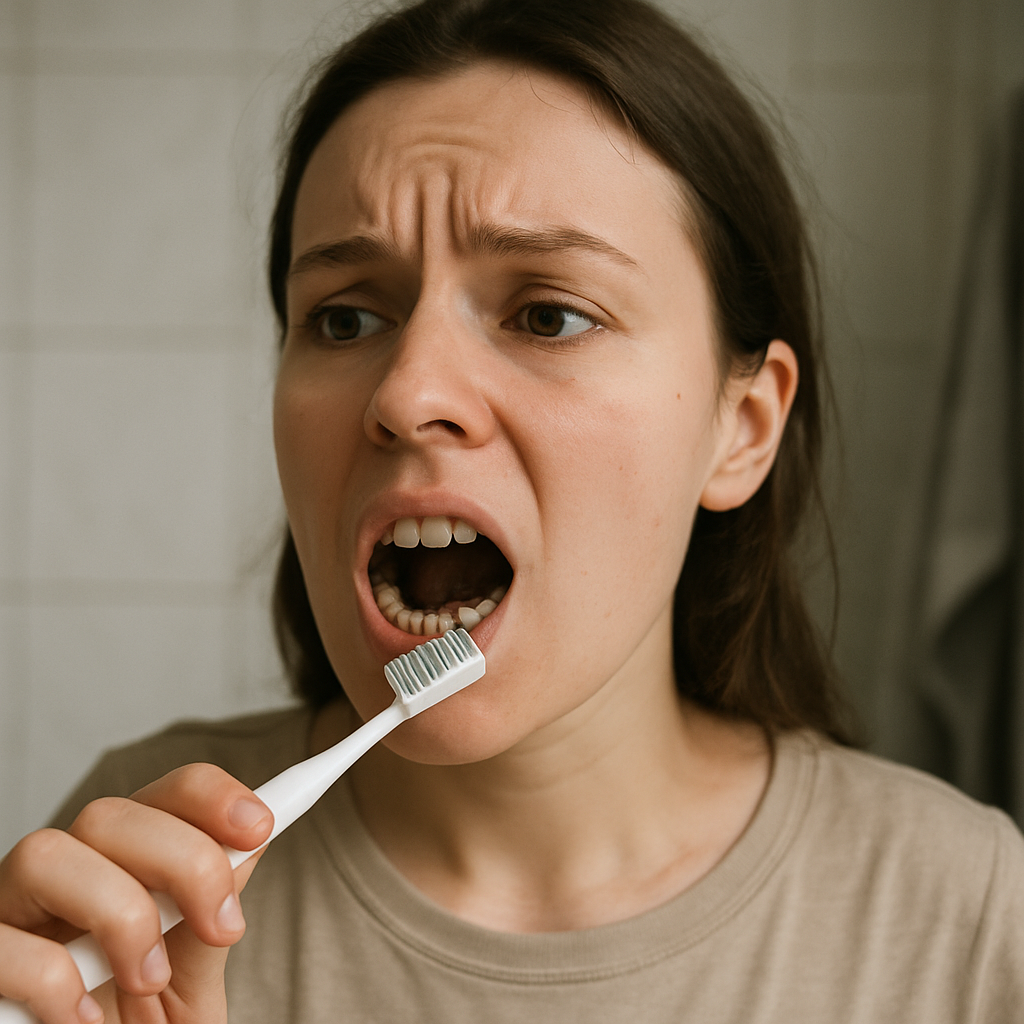
how to stop teeth from decaying

How to Protect Teeth from Decay Naturally

Nature offers plenty of tools for keeping teeth strong. Traditional Ayurveda, for example, emphasizes balance in diet, daily cleansing rituals, and natural remedies that can reduce bacteria in the mouth. Small things like rinsing with warm salt water, chewing neem sticks, or even oil pulling with coconut oil can help create an environment where decay struggles to grow.

How to Stop Teeth from Decaying at Home

If you notice your teeth are starting to weaken, you might panic. But there are a few simple things you can try at home to slow it down. Oil pulling (swishing oil in your mouth for 10–15 minutes) is one old remedy believed to pull toxins and bacteria away from the teeth. Brushing with clove powder or using herbal toothpaste with neem and miswak may also help. It’s not a miracle cure, but it’s better than doing nothing. People often ask, how to stop teeth decay at home? The answer is: consistency. Whatever remedy you choose, do it daily, and pair it with proper brushing and flossing.

How to Prevent Teeth from Decay with Daily Care

Of course, the basics still matter. Brushing twice a day, flossing, and rinsing after meals may sound boring but they are still the best defense. Limiting sugary snacks and sodas is also critical. If you're asking yourself, how to prevent teeth decay naturally, it really comes down to discipline and routine. Some people forget that even fruit juices can erode enamel if consumed too often. So the mix of natural methods and modern hygiene is where real prevention lives.

Teeth Decay Treatment at Home in Ayurveda

Ayurveda doesn’t just focus on the mouth—it sees tooth decay as a reflection of imbalance in the body. Poor digestion, high sugar intake, and lack of minerals are often blamed for weak teeth. Remedies like licorice root, turmeric paste, or herbal mouth rinses are commonly suggested. Another popular trick is rubbing a mix of turmeric and mustard oil on the gums, which is believed to strengthen both teeth and gums.

Still, remember that Ayurvedic teeth decay treatment at home should be seen as support, not as a replacement for modern dental care. If a cavity is deep, herbs won’t magically fill it back. But they can slow down the bacteria and reduce pain or swelling, making it easier to manage until you get proper help.
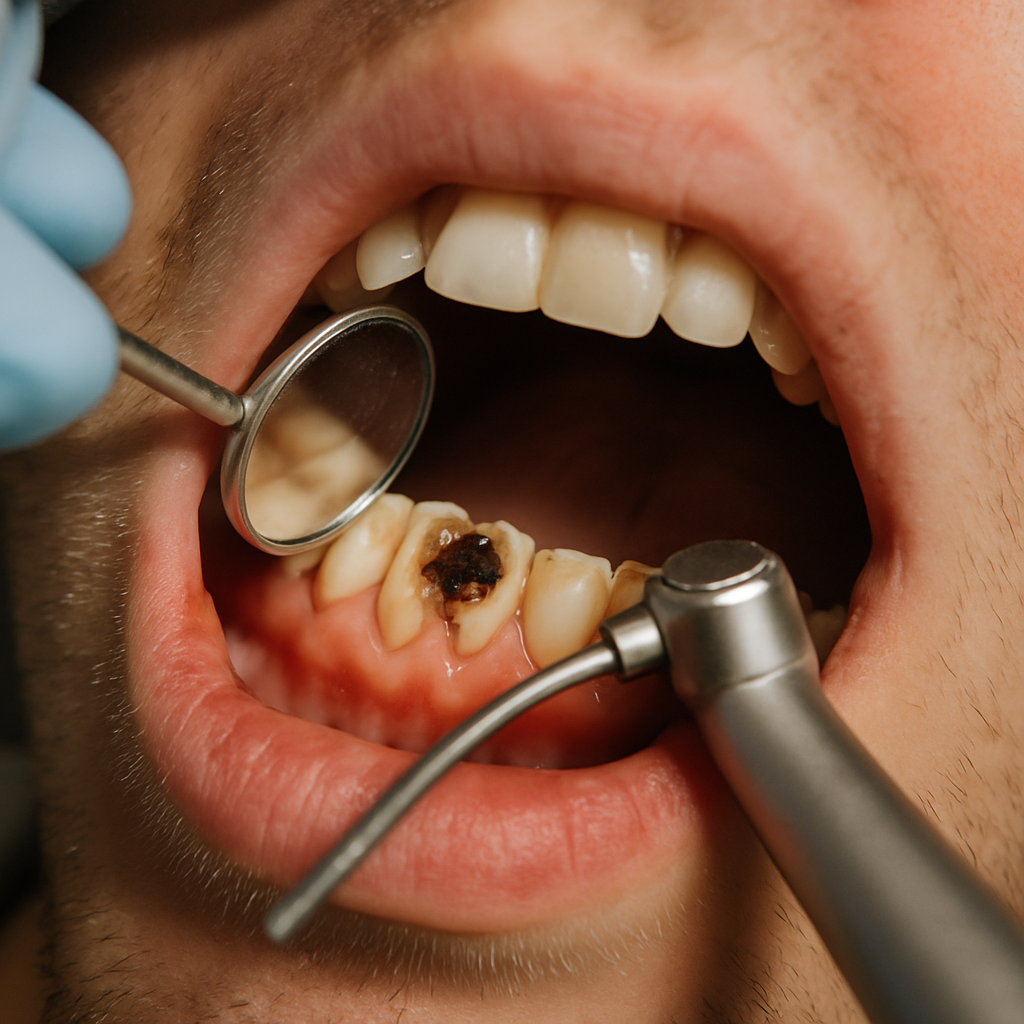
teeth decay treatment

Modern and Natural Teeth Decay Treatments

The truth is, no matter how much clove or turmeric you use, once a cavity is there, it usually needs professional care. But the good news is that modern and natural remedies don’t have to compete; they can actually work together.

Professional Teeth Decay Treatment Options

Dentists now use fillings, crowns, or fluoride treatments to stop cavities from spreading. In serious cases, root canal therapy may be required. While it might sound scary, these treatments are often the only way to truly save decaying teeth once the damage has gone too far.

Combining Ayurvedic and Dental Approaches

Here’s where the balance happens. You can use Ayurvedic mouth rinses and herbal remedies for daily support, while still visiting the dentist for professional checks and treatments. This combination can make a huge difference. Think of Ayurveda as your daily guard, and the dentist as your emergency repair team. When both are working together, your teeth get the best chance at staying strong.
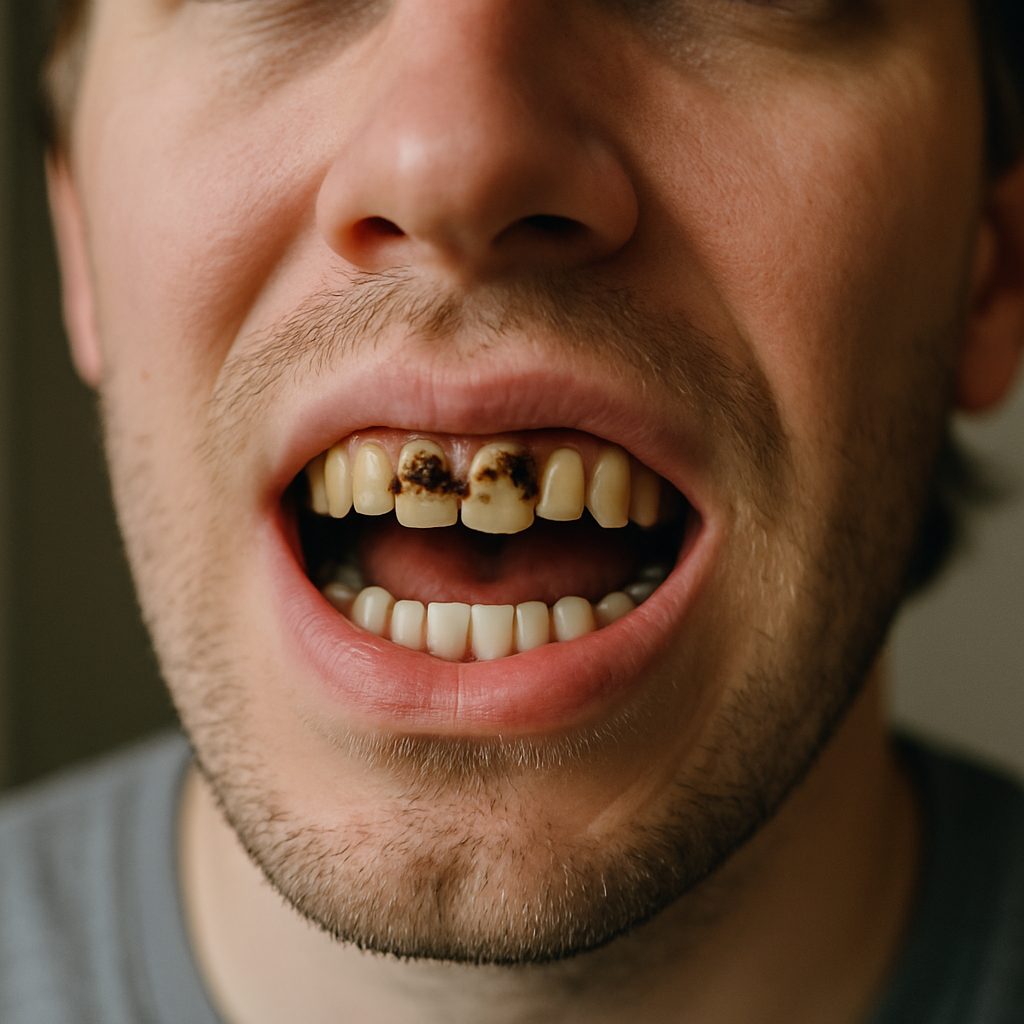
what to do if front teeth are decaying

How to Prevent Teeth Decaying Further

Sometimes, damage is already there, and the goal shifts from prevention to protection. If you’re asking how to stop teeth from decaying further, the key is to strengthen what’s left. Avoid habits like chewing ice, biting nails, or grinding your teeth at night. These small actions add up and speed up decay. Rinsing with fluoride water or using remineralizing toothpaste can also help rebuild weakened enamel.

Best Oral Hygiene Practices for Long-Term Protection

Good oral hygiene doesn’t mean brushing hard until your gums bleed. In fact, that can cause more harm than good. Instead, focus on gentle but thorough cleaning. Floss once a day, brush with a soft-bristle brush, and replace your toothbrush every three months (though many people forget this). Drinking water after meals is another underrated practice. It helps wash away leftover sugars and acids. When it comes to how to prevent teeth from decaying, the boring routines often make the biggest difference.

How to Save Decaying Teeth Naturally

Is it really possible to save decaying teeth without going to the dentist? Well, it depends on how far the decay has gone. Early-stage decay can sometimes be slowed or even stopped with better hygiene, dietary changes, and natural remedies like clove oil, turmeric, or aloe vera gel on gums. Ayurveda suggests chewing raw sesame seeds, then brushing with the crushed seeds to strengthen teeth. These methods won’t regrow lost enamel, but they can prevent things from worsening. For many people, “how to save decaying teeth naturally” means building habits that protect the teeth you still have rather than magically reversing cavities.
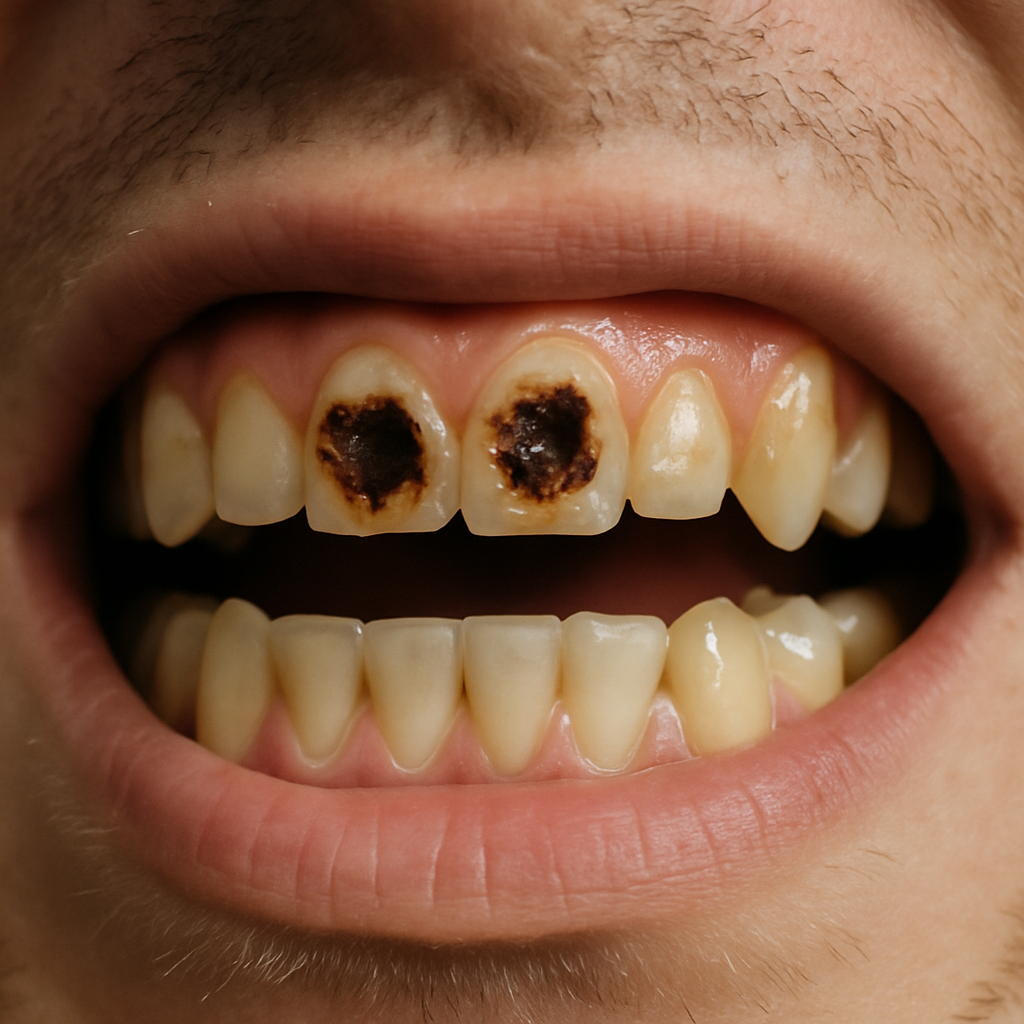
how to save decaying teeth

Special Cases and Sensitive Areas

Not all decay is the same. Some situations need extra attention because of how visible or sensitive they are.

What to Do If Front Teeth Are Decaying

Front teeth are more noticeable, so when they start decaying it feels like an emergency. The first step is to stop it from spreading further — brush gently, avoid acidic foods, and see a dentist as soon as possible. Ayurveda recommends rinsing with triphala water (an herbal blend) to strengthen gums and reduce bacterial growth. Still, if you’re asking what to do if front teeth are decaying, don’t rely on home remedies alone. A dentist might suggest bonding, veneers, or fluoride treatment to protect your smile.

How to Prevent Teeth from Decaying in Children

Kids are especially prone to decay because of sugary snacks and drinks. Teaching them good habits early makes all the difference. Encourage them to brush twice a day, avoid sticky candies, and drink plenty of water. A small tip: let kids chew sugar-free gum after meals—it stimulates saliva, which helps wash away acids. For parents wondering how to prevent teeth from decaying in children, the answer is structure and consistency. Make brushing fun, maybe even turn it into a game.

Don't wait or self medicate. Start chat with Doctor NOW

Conclusion

Protecting your teeth from decay isn’t about choosing between Ayurveda and modern dentistry—it’s about blending the best of both worlds. Daily routines, natural remedies, and professional treatments together create a powerful defense. Remember, the earlier you act, the easier it is to manage. Waiting until the pain is unbearable usually means the damage has already gone too far.

FAQs

How to stop teeth decay at home?

Stopping teeth decay at home starts with discipline. Brush at least twice daily with a fluoride or herbal toothpaste, floss regularly, and rinse after every meal. Natural remedies like oil pulling, clove oil, and turmeric paste may also help slow bacteria. But remember—these are supportive, not a substitute for dental care. If the pain worsens, you must see a dentist.

Which foods are best for preventing tooth decay?

Foods rich in calcium and phosphorus (like cheese, almonds, and leafy greens) help strengthen enamel. Crunchy vegetables like carrots and celery naturally clean the teeth while chewing. Avoid sticky sweets and acidic sodas that feed bacteria. Drinking more water is also underrated but extremely important—it helps rinse sugars away before they cause harm.

Can decayed teeth be saved naturally?

This is tricky. If decay is at an early stage (like enamel softening), you can sometimes reverse or stop it with better oral hygiene, natural remedies, and a mineral-rich diet. But once a cavity has formed, natural methods alone can’t rebuild lost enamel. At best, they can slow down the damage. So while how to save decaying teeth naturally is possible in mild cases, advanced decay still requires professional treatment.

Rate the article
Got any more questions?

Ask Ayurvedic doctor a question and get a consultation online on the problem of your concern in a free or paid mode.

More than 2,000 experienced doctors work and wait for your questions on our site and help users to solve their health problems every day.

Questions from users
How to create a daily oral hygiene routine to prevent tooth decay?
Client_58b08f
1 day ago
To create a daily oral hygiene routine to prevent tooth decay, start with brushing your teeth twice a day using fluoride toothpaste. Fluoride strengthens tooth enamel and helps prevent cavities. Floss daily to remove plaque between teeth, where brushes can't reach. Use mouthwash to reduce oral bacteria. Aim for dental check-ups every six months. Limit sugary foods and drinks to further prevent decay. If you notice persistent tooth pain or sensitivity, see a dentist promptly. Ayurveda suggests oil pulling as a complimentary, though not primary, practice for oral health.
What professional treatments are available for advanced tooth decay?
Client_bb7b02
6 days ago
For advanced tooth decay, professional treatments are necessary to prevent further damage and restore oral health. A dentist may recommend procedures such as fillings to repair cavities, root canals to treat infected roots, or crowns to protect weakened tooth structures. In cases where the decay is significant, tooth extraction might be necessary, followed by options for replacement such as bridges, implants, or dentures. It's crucial to consult a dentist promptly if you suspect advanced decay, as delaying treatment can lead to more invasive procedures and complications. Watch for symptoms like persistent pain, swelling, or bad breath, which may indicate severe tooth decay.
How can I strengthen my teeth with crunchy vegetables?
Client_777a3a
11 days ago
You can strengthen your teeth with crunchy vegetables like carrots and celery as they naturally help clean your teeth. The act of chewing these crunchy foods increases saliva production, which helps neutralize acids and wash away food particles and bacteria. This oral hygiene benefit can make teeth stronger over time when combined with regular brushing, flossing, and dental check-ups. Remember, these vegetables alone won't reverse dental decay, but they are a supportive part of a broader dental health routine. If you're concerned about tooth strength or decay, consult with a dentist for a comprehensive assessment.
How to choose the right toothpaste for sensitive teeth?
Client_9e02b9
16 days ago
To choose the right toothpaste for sensitive teeth, look for products containing potassium nitrate or stannous fluoride, which help block pain signals from nerve endings to reduce sensitivity. Desensitizing toothpastes can typically show improvement within two weeks of regular use. It's crucial to brush gently with a soft-bristled toothbrush. Avoid pastes with harsh abrasives or whitening ingredients, as they can exacerbate sensitivity. If symptoms persist despite using sensitive toothpaste, consult your dentist to rule out underlying dental issues.
What natural ingredients can I use to strengthen my teeth?
Client_72d29e
21 days ago
To strengthen your teeth naturally, focus on using ingredients like calcium-rich foods, sugar-free gum with xylitol, and natural products like miswak and clove powder. Calcium and phosphorus from foods such as dairy products, nuts, and leafy greens can help remineralize your teeth. Xylitol gum can reduce cavity-causing bacteria, while clove has antimicrobial properties that may benefit oral health. Herbal toothpaste with neem may support gum health. Regular dental check-ups are crucial for preventing advanced decay. If you're experiencing pain or severe decay, consult a dentist promptly.
What are the early signs of tooth decay to watch for?
Client_b435ff
31 days ago
The early signs of tooth decay include tooth sensitivity, persistent bad breath, visible holes or pits in the teeth, and pain when biting down. Additionally, you may notice white or brown spots on the teeth, which indicate the erosion of enamel. It's essential to address these symptoms early by maintaining oral hygiene and visiting the dentist regularly. Professional dental care is crucial if you experience persistent pain or visible damage, as untreated cavities can lead to more severe dental issues. Ayurveda suggests some natural aids, but they do not replace the need for professional dental treatments when cavities are present.
How often should children visit the dentist to prevent tooth decay?
Client_77900d
40 days ago
Children should visit the dentist every six months to effectively prevent tooth decay. Regular check-ups allow the dentist to identify early signs of decay, provide professional cleanings, and apply preventive treatments like fluoride varnish or sealants if needed. Alongside these biannual visits, encouraging children to practice good oral hygiene at home, such as brushing twice daily and limiting sugary snacks, can significantly reduce the risk of dental caries. If your child experiences tooth pain, visible cavities, or any changes in their teeth, it's important to see a dentist sooner.
How long does it take for fluoride treatments to strengthen teeth?
Client_757d7f
50 days ago
Fluoride treatments usually begin to strengthen teeth within a few days by helping to promote the remineralization of the enamel, but noticeable effects often appear after 3-4 months of regular use. Fluoride works by aiding the absorption of minerals like calcium and phosphate into the enamel, making teeth more resistant to decay. For best results, follow up fluoride treatments with proper oral hygiene practices, such as brushing twice a day with fluoride toothpaste and flossing daily. If you continue to experience symptoms of weakened enamel, such as sensitivity or visible spots, see a dentist for further evaluation.
What daily habits can help reinforce teeth enamel and prevent decay?
Client_a811f3
60 days ago
To reinforce enamel and prevent tooth decay, focus on a consistent daily oral hygiene routine. Brush your teeth at least twice a day with fluoride toothpaste and floss daily to remove plaque. A diet low in sugar and acidic foods, such as candies and sodas, can help reduce the risk of decay. Eating crunchy vegetables like carrots and celery can also naturally clean teeth. Chewing sugar-free gum stimulates saliva flow, which aids in enamel protection. If tooth grinding or nighttime clenching is an issue, a dental guard might be necessary. While Ayurvedic practices like sesame seeds offer natural support, the key is regular dental check-ups for professional advice and early detection of any issues.
Is it safe to use baking soda as a daily tooth cleaner to prevent decay?
Client_84527a
69 days ago
Using baking soda as a daily tooth cleaner is okay, but be cautious! It can be a bit abrasive when used every day, potentially wearing down enamel over time. Maybe try using it a few times a week instead, and pair it with a gentle toothpaste. If you're worried, a dentist's advice can help you decide if it's right for you.
Related articles
Dental Disorders
Gum Tone Tooth Powder
Exploration of Gum Tone Tooth Powder
2,651
Dental Disorders
How to Cure TMJ Permanently: Ayurvedic, Natural, and At-Home Treatments
How to cure TMJ permanently? Discover Ayurvedic methods, self-care techniques, home remedies, and effective exercises for TMJ pain relief and jaw joint healing
5,179
Dental Disorders
Ayurvedic Dentistry: Nurturing Oral Well-Being through Ancient Wisdom
In the realm of holistic well-being, Ayurveda, the ancient Indian system of medicine, extends its wisdom to every aspect of our lives, including dental health.
3,902
Dental Disorders
What Is Pyorrhea and How Can It Be Treated in Ayurveda?
Pyorrhea, or periodontitis or periodontal disease, is a severe and advanced form of gum disease.
4,800
Dental Disorders
Which Fruit Is Good for Mouth Ulcer? Ayurvedic Tips and Best Choices
Which fruit is good for mouth ulcer? Discover the best fruits and juices for mouth ulcer relief, healing tips, and Ayurvedic diet suggestions
11,826
Dental Disorders
How to Cure Gum Disease Without a Dentist: Ayurvedic and Home Treatment Guide
How to cure gum disease without a dentist? Discover Ayurvedic and home remedies for gum infection, gingivitis, and periodontitis, including natural treatment tips
2,937
Dental Disorders
Morning Tongue Cleaning: Why and How
Tongue cleaning is an ancient Ayurvedic ritual that enhances oral hygiene by removing toxins and bacteria from the tongue.
3,139
Dental Disorders
Best Ayurvedic Medicine for Mouth Ulcer: Effective Natural Remedies
Discover the best Ayurvedic medicines for mouth ulcers. Learn about natural remedies, their benefits, usage guidelines, and scientific insights to effectively treat mouth ulcers.
4,069
Dental Disorders
How to Use Clove for Toothache: Natural Relief for Pain
Discover how to use clove for toothache relief. Learn clove remedies, how it helps reduce pain, and safe ways to apply clove or clove oil on aching teeth
10,875
Dental Disorders
What Is Miswak and Why It’s Used for Natural Oral Care
Learn what is miswak, its benefits for teeth and gums, and how to use a miswak stick. Discover its meaning, plant source, and role in natural oral care
21,225

Related consultations on the topic