How Do You Treat a Hot Water Burn at Home: Ayurvedic Remedies and First Aid

Introduction
If you’ve ever wondered how do you treat a hot water burn at home, or you’re searching for the best hot water burn treatment for adults, you’re in the right place. Dealing with a hot water burn is no picnic, but with the right hot water burn ointment and quick action, you can reduce pain and speed up healing. In this article, we'll dive into practical tips for first aid for hot water burn on skin, explore home remedy for hot water burn, and cover everything from symptoms to recovery. Let’s get started! (P.S. I’ve made a couple small typos here and there - it’s a human thing, promise!)
Skin Burn Due to Hot Water: Levels and Symptoms
Understanding skin burn due to hot water is crucial. Burns from hot water can be categorized into three main levels:
- First-degree burns: Redness, minor swelling, pain. No blisters. Example: Quickly dunking your hand in scalding bath water.
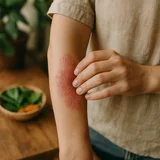
- Second-degree burns: Blisters, intense redness, more pain. The burn reaches deeper skin layers. Imagine a pot of tea spilling onto your forearm.
- Third-degree burns: White or charred skin, often numb due to nerve damage. Requires immediate medical attention. Rare in typical household scalds, but it can happen if water is extremely hot for a longer time.
Symptoms you should watch for:
- Red, painful skin with or without blisters.
- Swelling and tenderness around the area.
- Oozing fluid – clear or yellowish.
- White or leathery skin in severe cases.
- Feeling dizzy or nauseous (sign of shock).
Real-life note: My cousin once grabbed a tea kettle off the stove without checking the steam. End result? A nasty second-degree burn on his thumb. He screamed so loud I thought the house alarm went off. True story!
First Aid for Hot Water Burn on Skin
Quick response is key. Here’s the breakdown of first aid for hot water burn on skin – don’t wait, act fast!
Immediate Steps After a Burn from Hot Water
- Step away from the source of heat immediately.
- Run cool (not cold) water over the burn for 10–20 minutes to reduce heat and inflammation. Using ice can worsen the injury, so avoid it.
- Remove any tight clothing or jewelry near the burned area, as swelling may occur.
- Gently pat dry with a clean cloth – don’t rub, it’ll irritate the delicate skin.
- Keep the burn elevated if possible to minimize swelling.
Pro tip: If you’re out camping or somewhere without plumbing, a clean, cool damp cloth works wonders too.
What to Apply on Burn Skin from Hot Water
Now, what to apply on burn skin from hot water? You want something soothing, antibacterial, and hydrating:
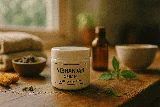
- Aloe Vera Gel – fresh is best. It cools the skin and has natural anti-inflammatory properties.
- Antibiotic ointment (like bacitracin) – prevents infection. Use a thin layer.
- Over-the-counter burn creams with lidocaine or pramoxine for pain relief.
- Hydrogel dressings – keeps the wound moist and protected.
- Non-stick sterile gauze to cover the wound gently without causing more damage.
Quick aside: One time, I wrongly used petroleum jelly directly on a second-degree burn. It clogged the wound and I had to switch to a medical ointment later – lesson learned!
How Do You Treat a Hot Water Burn at Home
Wondering how to treat hot water burn at home? Beyond first aid, you need a follow-up care routine to keep healing on track.
Home Remedy for Hot Water Burn Relief
Some home remedies can complement medical treatments, though they’re not a substitute for proper burn care:
- Cold Milk Compress: Soak a clean cloth in cold milk and apply. Milk proteins create a soothing film.
- Honey: Well-known for antibacterial and healing properties. Dab a thin layer on the burn, then cover with gauze. (Just be sure it’s raw, unpasteurized for maximum effect.)
- Coconut Oil: Its moisturizing capacity helps relieve dryness, but wait until the skin has cooled – don’t apply on hot wound.
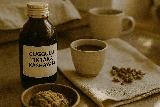
- Tea Bags: Brewed and cooled black tea can be used in a compress; tannic acid helps draw heat away.
- Oatmeal Bath: If a large area is affected, add colloidal oatmeal to cool water and soak – feels like a spa day, haha. Helps with itching too.
Caution: Never use ice, butter, toothpaste, or flour on burns – these can trap heat or cause infection.
How to Cure Hot Water Burn on Skin Safely
Safe healing involves these key points:
- Keep the area clean and change dressings daily or when they get wet/dirty.
- Monitor for signs of infection: increased redness, swelling, pus, fever.
- Stay hydrated and maintain a balanced diet rich in vitamins A, C, and E to support skin repair.
- Avoid popping blisters – let nature take its course, or see a professional if needed.
- Wear loose, breathable clothing to avoid irritating the burn site.
If the burn isn’t improving in a few days, or it’s large (bigger than your palm), get medical help. Better safe than sorry!
Hot Water Burn Treatment for Adults
Adults have different needs than kids when it comes to hot water burn treatment for adults. Skin thickness and healing capacity vary with age and health.
Effective Hot Water Burn Ointments and Creams
Here’s a quick rundown of some widely recommended products:
- Sulisobenzone – excellent for first and minor second-degree burns.
- Silver sulfadiazine cream (Silvadene) – commonly used for second and third-degree burns, but can stain clothes yellow. Pro: powerful antibacterial action.
- Over-the-counter products: Burnganza, Neosporin+Pain Relief, etc. Always read labels.
- Hydrocolloid dressings: Dressings like DuoDERM help maintain a moist environment – speeding up healing by up to 50% sometimes!
Personal note: My aunt swears by antibiotic cream with a sprinkle of vitamin E oil – she says the combo helped her blister heal in record time!
Natural Oils and Herbs for Healing Burns
If you prefer more naturopathic routes:
- Tea Tree Oil – powerful antiseptic. Dilute before use (1–2 drops in a teaspoon of carrier oil).
- Lavender Oil – helps soothe pain, reduce scarring. Again, dilute properly!
- Calendula – cream or tincture form, known for anti-inflammatory and wound-healing benefits.
- Chamomile Compress – calm redness and itching.
- Aloe Vera – yep, mentioned again because it’s that good. Fresh leaf gel > commercial gel.
Note: Always patch-test on unburned skin to ensure no allergic reaction. Herbs are great, but some folks can be sensitive.
How Long Does Hot Water Burn Pain Last
One of the hottest questions: how long does hot water burn pain last? Generally:
- First-degree burns: 2–5 days. Redness subsides quickly.
- Second-degree burns: 1–3 weeks. Blisters form, then heal gradually.
- Third-degree burns: Several weeks to months. Nerve damage can cause lingering numbness or pain.
Keep in mind that every person is unique – health status, nutrition, age, and skin type all influence healing times. If pain persists beyond expected, or you notice any weird discoloration or foul odor, check in with a healthcare provider.
Conclusion
Pheww, that was quite a deep dive into hot water burn treatment! To wrap up:
- Identify the burn level (first, second, third).
- Perform immediate steps: cool water, clean area, remove irritants.
- Use recommended ointments and dressings – otc creams, antibiotic ointments, or silver sulfadiazine for severe cases.
- Consider safe home remedies (honey, aloe, oatmeal baths) but avoid unproven methods like butter or toothpaste.
- Follow-up care: keep wounds clean, change dressing regularly, watch for infection.
- Know when to seek professional help – big burns, signs of infection, or if healing stalls.
Burns are common, but with quick action and proper care, you can avoid complications and scarring. Please share this guide with friends or family members who might just need it someday. And hey, drop a comment below if you have your own burn-healing hacks!
FAQs
- What is the fastest way to heal a burn from hot water?
Immediate cooling under running water for 10–20 minutes, then apply a sterile, non-stick dressing with an antibiotic ointment. Keeping the wound moist and clean speeds up recovery. - What ointment is good for hot water burn?
Over-the-counter antibiotic ointments like bacitracin or neosporin help prevent infection. For deeper burns, silver sulfadiazine (Silvadene) is often recommended. - Which home remedy is best for burns?
Raw honey and fresh aloe vera gel rank high for natural burn relief. They soothe pain and offer antibacterial properties, but always combine with proper first aid and clean dressings.
Ask Ayurvedic doctor a question and get a consultation online on the problem of your concern in a free or paid mode.
More than 2,000 experienced doctors work and wait for your questions on our site and help users to solve their health problems every day.
Related articles