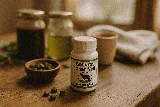
Ras Sindoor Benefits, Dosage, Side Effects, Ingredients

Introduction
Hey there! If you're curious about Ras Sindoor Benefits, Dosage, Side Effects, Ingredients and why people are talking about this ancient Ayurvedic preparation, you’ve come to the right place. In this article we’ll dive deep into Ras Sindoor Benefits, Dosage, Side Effects, Ingredients but don’t worry, we’ll keep it simple and conversational. You'll get the lowdown on what it is, how it's made, and why folks have used it for centuries.
Ras Sindoor is not the red powder you see brides wearing on their foreheads! This one’s a heavy-duty, herbo-mineral concoction from classical Ayurveda. It’s made by subjecting mercury and sulfur to high heat and then refining the result in herbal decoctions, which transforms it into a potent and stabilized form. Sounds dramatic, right? But it’s been safely used in small doses to support health when done right.
What is Ras Sindoor?
Ras Sindoor is an Ayurvedic organo-metallic formulation, mainly composed of purified mercury (Parada) and sulfur (Gandhaka), processed through a method called “Kupipakwa” (heating in a sealed flask). This process yields a red crystalline powder. In Sanskrit, “Ras” literally means mercury/alchemy, and “Sindoor” points to its vermilion (red) color.
Historical Context
This stuff dates back over 2,000 years in Ayurvedic texts like Rasatarangini and Rasendra Sara Sangraha. Ancient Indian alchemists believed that when mercury is combined with sulfur under precise conditions, it loses its raw toxicity and gains therapeutic properties. They've used it for everything from chronic fevers to digestive woes.
Physical and Chemical Profile of Ras Sindoor
Ingredients
Let’s break down the major components:
- Purified Mercury (Parada): Must be purified through several Ayurvedic shodhana steps (like washing with herbal decoctions, heating with lime water, etc.).
- Purified Sulfur (Gandhaka): Also undergoes repeated purification to remove impurities and make it more bio-acceptable.
- Herbal Reagents: Commonly Triphala Kwath, Haritaki, Amalaki, Bibhitaki extracts, and other herbs used during the Kupipakwa process for detoxification.
- Other Trace Minerals: Sometimes gold or silver flakes are added in micro quantities to enhance efficacy (depending on classical recipe variations).
Preparation Method
Alright, here’s the high-level version of Kupipakwa:
- Step 1: Shodhana – Purify mercury and sulfur separately with herbal broths, cow’s ghee, and cow’s urine junks (yes, really!).
- Step 2: Nirvapa – Mix purified mercury with sulfur in equal parts, then combine with herbal extracts inside a sealed glass or clay vessel.
- Step 3: Kupipakwa – Heat under controlled conditions, often with cow dung cakes as fuel, until the reaction completes and red powder appears.
- Step 4: Washing & Drying – Cool down, wash in herbal decoctions again, filter and dry into fine crystalline powder.
The whole deal can take days, and it’s best done by a trained Vaidya (Ayurvedic doctor).
Ras Sindoor Benefits
General Health Benefits
Ayurvedic scholars claim Ras Sindoor can:
- Boost immunity: Helps the body respond to infections by modulating immune cells.
- Enhance digestion and metabolism: Improves Agni (digestive fire), reduces bloating and indigestion.
- Promote cognitive health: Believed to support memory, focus, and mental clarity (used in some traditional brain tonics).
- Support respiratory health: Helpful in chronic cough, asthma, and bronchitis when combined with herbs like Vasaka or Tulsi.
- Alleviate chronic fatigue: Used in Rasayanas (rejuvenation formulas) to combat lethargy.
Real-life example: My grandma swears by a tiny pinch of Ras Sindoor in her kids’ soup whenever they catch a cold. She says it cuts down the fever faster – and so far, so good (knock on wood).
Specific Conditions
Let’s get more specific – these claims come from classical texts and some modern pilot studies:
- Chronic Fever (Jwara): Used as an adjunct in low doses to bring down persistent fevers.
- Skin Disorders: Reported to help in vitiligo, psoriasis, eczema when applied or taken internally as per Vaidya’s prescription.
- Neurological Disorders: Traditional Rasayana formulas with Ras Sindoor support nerves in conditions like Parkinson’s, Alzheimer’s (early stages).
- Gastrointestinal Issues: Effective in IBS, dyspepsia due to its carminative and digestive properties.
- Cardiovascular Health: Some formulations say it may help in mild heart palpitations, blood pressure regulation (again, under strict supervision).
Note: Most modern research is preliminary and small scale. It’s always best to go by an experienced Ayurvedic practitioner.
Ras Sindoor Dosage & Administration
Dosage Guidelines
This is crucial mercury compounds can be toxic if overdosed. Typical adult dose ranges from 5 mg to 125 mg per day, often split into two doses. For kids, it’s scaled down by weight. Remember: this is a general guideline, your Ayurvedic doctor might adjust based on your Prakriti (constitution) and Vikriti (imbalance).
- Children (5–12 years): 5–20 mg/day
- Adults (18–60 years): 30–125 mg/day
- Elderly (60+ years): 20–60 mg/day (depending on digestive strength)
- Pregnant & breastfeeding women: Generally avoided unless specifically prescribed.
It’s often given mixed in honey, herbal ghee, or warm milk to improve absorption and reduce any potential gastric irritation.
Administration Tips
Some practical notes:
- Always start with the lowest dose and monitor effects for at least a week before upping it.
- Take on an empty stomach for best absorption – about 30 minutes before meals.
- Drink plenty of warm water or herbal tea to help your body process minerals.
- Stay on a light, sattvic diet (easy-to-digest foods) during the course.
- Regular follow-up with pulse reading or lab tests (kidney, liver panels) is a must if you’re on it long-term.
Side Effects and Precautions
Common Side Effects
Even though Ras Sindoor is “detoxified,” it’s still a heavy metal compound. Possible mild side effects include:
- Nausea or slight gastric discomfort (if taken on a full stomach or with spicy foods)
- Headaches in sensitive individuals (usually dose-related)
- Dry mouth or thirst (drink fluids to counteract)
- Rare allergic reactions—rash or itching
- Metallic taste in the mouth
If you get any severe symptoms like extreme abdominal pain, vomiting, or neurological issues, stop immediately and see a doc.
Precautions and Contraindications
Please don’t self-prescribe ras sindoor. Watch out if you:
- Have kidney or liver disorders (mercury gets processed there, can stress organs)
- Are pregnant or breastfeeding (fetus, baby safety concerns)
- Have low digestive fire (slow metabolism can lead to accumulation)
- Are under 5 years old
- Are on other heavy-metal-containing medicines
tip: Always get your Ras Sindoor from a trusted Ayurvedic pharmacy that follows GMP (Good Manufacturing Practices). Quality control is everything here!
Conclusion
We’ve covered a ton from the red magic of Ras Sindoor Benefits, Dosage, Side Effects, Ingredients to the nitty-gritty of preparation and precautions. It’s an intriguing glimpse into how ancient alchemy meets modern health needs. Yes, it sounds exotic, but that doesn’t mean you should jump in without guidance. If you’re looking for a potent rasayana or a digestive pick-me-up, Ras Sindoor might just be the ticket under the watchful eye of a seasoned Vaidya.
So, what’s the takeaway? This stuff isn’t your everyday supplement. Treat it with respect, use it in micro amounts, and keep communication open with your Ayurvedic practitioner. Done right, Ras Sindoor could add a powerful edge to your wellness toolkit.
FAQs
- Q1: What is the safest dose of Ras Sindoor?
A: For most healthy adults, 30–60 mg per day (split into two doses) is standard. Always start low and go slow, though! - Q2: Can children take Ras Sindoor?
A: Yes but in much smaller doses (5–20 mg/day depending on age and weight). Also, consult a qualified Ayurvedic doctor first. - Q3: How quickly can I expect benefits?
A: Some folks feel digestive improvements in 2–3 days, but for deeper benefits like skin or neurological support, it can take 4–6 weeks. - Q4: Is Ras Sindoor toxic?
A: In high doses or poor-quality prep, yes. But when properly purified and taken in micro doses, it’s considered safe by classical Ayurvedic standards. - Q5: Can pregnant women use it?
A: Generally no, it’s best avoided during pregnancy and breastfeeding unless there’s a compelling, supervised reason. - Q6: Where can I buy genuine Ras Sindoor?
A: Look for established Ayurvedic pharmacies with GMP certification and check for third-party lab tests for heavy metals. - Q7: Are there any drug interactions?
A: Potentially yes, especially with other heavy-metal formulations or strong chelating agents. Always disclose all meds to your Vaidya.
Ask Ayurvedic doctor a question and get a consultation online on the problem of your concern in a free or paid mode.
More than 2,000 experienced doctors work and wait for your questions on our site and help users to solve their health problems every day.
Related articles