Shir Shuladi Vajra Ras Benefits, Dosage, Ingredients, Side Effects

Introduction
Welcome to the ultimate guide on Shir Shuladi Vajra Ras Benefits, Dosage, Ingredients, Side Effects. If you’re curious about this time-tested Ayurvedic herbo-mineral formulation, you’re in the right spot. In the next few minutes, you’ll learn all about Shir Shuladi Vajra Ras benefits, dosage, ingredients, side effects and maybe discover some tips you never expected. It might sound like a mouthful, but trust me, this potent Rasayan is worth exploring, especially if you’re into holistic healing, traditional remedies and a dash of ancient wisdom.
Originally crafted centuries ago in the heartlands of classical Ayurvedic practice, this formulation has made its way into modern wellness circles. People swear by it for everything from boosting immunity to aiding digestion. But before you rush out to grab some, let’s get the lay of the land: what exactly is it, how does one take it properly, and are there any catches? Let’s dive right in.
Origins and Historical Context
Shir Shuladi Vajra Ras emerges from the rich tapestry of Rasa Shastra the branch of Ayurveda dealing with herbo-mineral and metallic preparations. Back in the day (think medieval India, royal courts, and scholarly ashrams), alchemists painstakingly combined metals like mercury and gold with potent herbs. Their aim? To create a Ras (literally “essence”) that could transform the body into a stronger, more resilient vessel. Over time, recipes evolved and recipes were scribbled in palm-leaf manuscripts. Shir Shuladi Vajra Ras became known for balancing Vata and Kapha doshas..
Why It Matters Today
In our modern hustle, stress is an unwelcome guest; digestion often goes haywire, and energy dips low. That’s where traditional formulations like Shir Shuladi Vajra Ras step in. Combining the best of ancient science with today’s health challenges, it offers a holistic approach: not just symptom relief, but nourishment at the cellular level. You might call it “Ayurveda 2.0.” Heck, even some wellness influencers are starting to notice.
What Is Shir Shuladi Vajra Ras?
Definition and Classification
In simple terms, Shir Shuladi Vajra Ras is an Ayurvedic Bhasma—a calcined mineral-herb complex. It’s grouped under Vajra Ras category, suggesting a “diamond-like” resilience power. The name breaks down to Shir (head), Shuladi (a cluster of four pungent herbs), Vajra (diamond), and Ras (essence). Fancy title aside, it’s traditionally used to invigorate the mind, sharpen memory, and bolster general vitality.
Traditional vs. Modern Preparations
Traditionally, creating this Bhasma was no weekend project. Practitioners processed metals through multiple rounds of purification (Shodhana) and roasting (Marana) alongside herbal decoctions. Today, some reputable Ayurvedic labs still follow age-old methods, while others use advanced kiln-controlled processes to ensure purity and consistency. Always check for certification GMP, ISO, or AYUSH approval so you don’t end up with a dud batch or worse, heavy-metal contamination.
Benefits of Shir Shuladi Vajra Ras
General Health Benefits
Folks across ages have praised Shir Shuladi Vajra Ras for a wide array of health perks. Let’s bullet-point it because, why not?
- Immunity Booster: Regular use may enhance the body’s natural defense system, making you less prone to common colds and infections.
- Cognitive Support: Improves memory, concentration, and clarity—ideal for students or busy professionals juggling multiple tasks.
- Digestive Health: Helps in regulating appetite, alleviating indigestion and flatulence, plus supports nutrient absorption.
- Energy & Stamina: Provides upliftment, curbs chronic fatigue and gets you through long days or intense workouts.
- Vata-Kapha Balance: Soothes the wind element (nervous system) and moderates phlegm-related sluggishness.
Sounds like a Jack-of-all-trades, right? Well, often these Rasayan are called “keeper of many keys,” so to speak.
Specific Therapeutic Uses
If you’re dealing with any of these issues, Shir Shuladi Vajra Ras might be worth discussing with your Ayurvedic doctor:
- Chronic Sinusitis & Allergies: Reduces nasal congestion and sinus pressure.
- Neurological Conditions: A supportive remedy in mild tremors or peripheral neuropathy (always combined with proper therapy).
- Hormonal Imbalances: Can help regulate endocrine functions when used in conjunction with other herbs.
- Skin Disorders: By detoxifying the bloodstream, it may improve skin clarity in psoriasis or eczema cases.
- Anemia & Weakness: Often paired with iron-rich herbs to address general debility.
Real-life example? My cousin swears by it during exam season she says her focus skyrockets. But hey, results vary person-to-person.
Dosage and Administration
Standard Dosage Guidelines
Ayurvedic medicine is all about personalization, but here’s a general ballpark:
- Adults: 125 mg to 250 mg (roughly one-fourth to half tablet or measure), twice daily.
- Children (8–12 years): 50 mg to 100 mg, once or twice daily.
- Infants & toddlers: Not usually recommended without a practitioner’s nod.
Always start with the lower end your body needs a week or two to adjust. It’s better to up the dose gradually than diving in headfirst and risk stomach upset. Dosh should be considered too: Vata types usually tolerate metals better than Pitta types, so always check with your doc if unsure.
How to Take It
Traditional way: dissolve the prescribed dose in honey (Madhu) or jaggery syrup and consume on an empty stomach in the morning. Follow up with warm water or a small cup of herbal tea (like ginger or cumin). Some people mix it in a glass of buttermilk or ghee—flavor differs wildly, trust me. The key is consistent timing: breakfast gap, lunch gap, and bedtime routine keep it consistent to let the body clock sync.
Ingredients and Preparation
Primary Ingredients
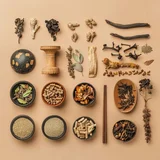
The magic lies in the synergy of potent herbs with processed minerals. A typical formula might include:
- Shuddha Kajjali (Purified Mercury-Sulphide complex)
- Abhraka Bhasma (Mica ash)
- Laung (Clove buds)
- Marich (Black pepper)
- Shunthi (Dry ginger)
- Pippali (Long pepper)
- Black Salt (Sodium chloride)
Each ingredient carries unique properties—clove and pepper for warming digestion, mica ash for cellular rejuvenation, and so on.
Manufacturing Process
The process is intricate and takes several steps:
- Shodhana (Purification): Raw metals are detoxified with herbal decoctions and heat treatments.
- Bhavana (Trituration): The purified metals are ground with specific herbal juices to infuse potency.
- Marana (Calcination): Repeated roasting cycles in controlled furnaces transform the metals to Bhasma—ultra-fine ash.
- Amritikarana (Immortalization): Final processing with herbal extracts to maximize bioavailability and safety.
It’s labor-intensive and can stretch over weeks. That’s why quality control and certifications are a must; shortcuts can lead to contamination or reduced efficacy. So, not all products are created equal.
Side Effects and Precautions
Common Side Effects
Even though Ayurvedic preparations are natural, it doesn’t mean they’re side-effect-free. Some reported reactions include:
- Mild nausea or gastric discomfort (often due to wrong diet pairing).
- Headaches or mild dizziness during the initial adjustment.
- Rare skin rashes or allergic responses—particularly in sensitized individuals.
- Metallic taste in mouth if taken improperly.
Note: If you experience severe symptoms shortness of breath, chest pain stop immediately and seek medical help. Those are red flags, not “part of the healing crisis.”
Who Should Avoid It?
Certain groups must steer clear or proceed with caution:
- Pregnant and lactating women—usually advised to avoid metallic Rasas.
- Children under 8 years old, unless prescribed by a qualified Ayurvedic practitioner.
- Severe kidney or liver disorders—metals can accumulate if clearance is compromised.
- Individuals with high Pitta dosha, unless dosage and diet are strictly monitored.
tip: Always disclose your complete medical history to the Ayurvedic doctor so they can tweak the prescription. You don’t want any nasty surprises accross the way.
Conclusion
To wrap things up, Shir Shuladi Vajra Ras stands out as a multifaceted Ayurvedic formulation with a rich heritage. Whether you're after cognitive clarity, a digestive helper, or an immunity boost, this herbo-mineral Rasayan has something to offer provided you choose a quality product and follow proper dosing. Remember, it’s not a magic bullet: Ayurvedic medicines work best when combined with a balanced diet, healthy lifestyle, and regular consults with your practitioner.
Modern life throws a lot at us: stress, processed food, erratic sleep. It’s no wonder we seek classical allies like Shir Shuladi Vajra Ras. Give it a shot, but do so responsibly. And hey, share this article with friends who might benefit. It’s time we all rediscover the treasures hidden in Ayurveda’s ancient texts.
FAQs
- Q: What is the ideal time to take Shir Shuladi Vajra Ras?
A: Best taken on an empty stomach in the morning and/or evening, with honey or warm water. - Q: Can I take it with other Ayurvedic herbs?
A: Yes, but always discuss combinations with your Vaidya. Common partners include Ashwagandha and Triphala. - Q: How long before I see results?
A: Most notice subtle improvements in 2–4 weeks; full benefits often manifest by 3 months. - Q: Are there any drug interactions?
A: It may interact with heavy-metal chelators or certain pharmaceuticals. Disclose all medications to your practitioner. - Q: Where can I buy genuine Shir Shuladi Vajra Ras?
A: Purchase only from reputable Ayurvedic pharmacies or certified online stores—look for GMP, ISO, AYUSH labels.
Ask Ayurvedic doctor a question and get a consultation online on the problem of your concern in a free or paid mode.
More than 2,000 experienced doctors work and wait for your questions on our site and help users to solve their health problems every day.
Related articles