Ask Ayurvedic doctor a question and get a consultation online on the problem of your concern in a free or paid mode. More than 2,000 experienced doctors work and wait for your questions on our site and help users to solve their health problems every day.


Body DetoxEar, Nose, and Throat DisordersGeriatrics & RejuvenationImmunodeficiencyInfertility TreatmentNutritionOrthopedic DisordersPediatricsRespiratory DisordersSexually Transmitted Diseases (STDs)Surgery RecoveryUrological DisordersVascular DisordersDental DisordersEndocrinological DisordersGastrointestinal DisordersYoga TherapyGeneral MedicineAllergic DisordersCardio DisordersGynecology and ObstetricsCosmetologySkin and Hair DisordersEye DisordersInfectious DiseasesMental DisordersNeurological DisordersOncologyPanchakarmaSexual Health & DisordersSports Medicine
Published on 01/02/25
(Updated on 08/10/26)
3,004
Iobine Tablet: Ayurvedic Composition, Benefits, and Usage Guide
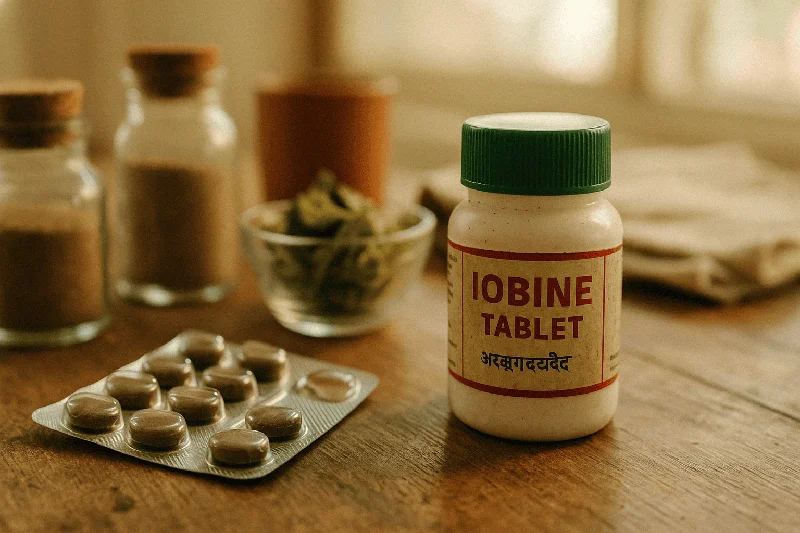
- Iobine Tablet is a polyherbal Ayurvedic formulation manufactured by J&J Dechane Laboratories, primarily used for boosting immunity, preventing recurrent colds, and managing conditions like tonsillitis, skin diseases, and allergic disorders.
- It combines seven time-tested ingredients — Brahmi, Chirata, Anantamool, Gandhak (Purified Sulphur), Panvar, Neem, and Akda — in a single uncoated tablet. If you've been searching for a comprehensive, evidence-informed guide on what this tablet does, how it works, and whether it's right for you, you're in the right place.
This guide goes far beyond what you'll find on a typical product listing. We break down every ingredient's pharmacology, explain the synergistic mechanism of action, cover dosage for adults and children, and address safety concerns that most sources simply skip over — including pregnancy, liver conditions, and drug interactions.
What Is Iobine Tablet?
- Iobine Tablet is classified as a proprietary Ayurvedic medicine (not an allopathic drug), formulated and marketed by J&J Dechane Laboratories, a pharmaceutical company based in India that specializes in Unani and Ayurvedic preparations.
- The tablet is designed as an immunomodulator — meaning it doesn't just suppress symptoms but works to regulate and strengthen the body's own immune response over time.
Unlike conventional cold-and-flu tablets that offer short-term symptomatic relief, Iobine is intended for course-based therapy. Most practitioners recommend a minimum four-week course before assessing results, which aligns with the Ayurvedic principle of deep-acting constitutional correction rather than superficial palliation.
Manufacturer & Brand Information
J&J Dechane Laboratories holds an Ayurvedic manufacturing license and produces a range of traditional formulations. Their product line includes well-known preparations like Albo-Sang (for anaemia and general debility), Koflyn (for cough), Diasyn, and Mersina. The company follows standard Ayurvedic GMP (Good Manufacturing Practices) guidelines mandated by the AYUSH Ministry, Government of India. While they are not as widely recognized as major brands like Dabur or Baidyanath, their formulations have a dedicated following — particularly in South India and among Unani-Ayurveda practitioners.
Available Pack Sizes & Price
| Pack Size | Approximate Price (INR) | Best For |
|---|---|---|
| 10 × 10 (100 tablets) | ₹180 – ₹220 | Individual short-course use |
| 300 tablets (bulk pack) | ₹480 – ₹550 | Families or extended therapy |
Prices may vary slightly across online pharmacies and local medical stores. Always check the MRP on the pack before purchasing.
The tablet is uncoated, moderately sized, and has a slightly bitter-earthy taste — which is fairly typical for sulphur-containing herbal formulations. For children who find the taste difficult, some practitioners suggest crushing the tablet and mixing it with honey, though you should confirm this with your prescribing physician first.
Iobine Tablet Composition (Ingredients)
Each Iobine Tablet contains a precise combination of seven ingredients. Understanding what each one does is key to appreciating how this formulation works as a whole.
Anantamool (Hemidesmus indicus) — 155 mg
Anantamool, often called Indian Sarsaparilla, is the dominant ingredient by weight. It's a potent blood purifier and antioxidant. A 2015 study published in the Journal of Ethnopharmacology demonstrated that Hemidesmus indicus root extracts exhibited significant free-radical scavenging activity and anti-inflammatory properties in vitro. In traditional practice, it's prescribed for chronic skin conditions, urinary disorders, and as a general detoxifier. Its high concentration in Iobine supports the tablet's role in managing skin-related allergies and boosting systemic detoxification.
Akda (Calotropis gigantea) — 62 mg
Calotropis gigantea is a powerful but often misunderstood herb. At appropriate doses, it acts as a spasmolytic (smooth-muscle relaxant) and expectorant — helping to clear respiratory congestion. Research published in BMC Complementary Medicine and Therapies (2020) has shown that Calotropis extracts possess anti-inflammatory and analgesic properties. In the context of Iobine, Akda contributes to the tablet's efficacy against recurrent respiratory infections and tonsillitis.
Brahmi (Hydrocotyle asiatica / Centella asiatica) — 44 mg
Most people know Brahmi for its brain-boosting reputation. But in this formulation, Brahmi's role is primarily dermatological — it supports wound healing, reduces skin inflammation, and helps manage chronic ulcerative conditions. A systematic review in Phytomedicine (2017) confirmed Centella asiatica's wound-healing and anti-inflammatory mechanisms through upregulation of collagen synthesis. Its presence in Iobine adds value for patients presenting with skin diseases alongside immune weakness.
Chirata (Swertia chirata) — 44 mg
- Chirata is one of the most respected bitter tonics in both Ayurveda and Unani medicine. Its traditionally recognized actions include fever reduction (antipyretic), liver protection (hepatoprotective), and immune stimulation. A 2019 study in the Indian Journal of Pharmacology reported that Swertia chirata extracts significantly reduced fever markers in animal models and demonstrated measurable hepatoprotective activity.
- In Iobine, Chirata serves a dual role — fighting low-grade fevers associated with recurrent infections and supporting liver function during extended therapy.
Neem (Melia azadirachta / Azadirachta indica) — 22 mg
Neem needs little introduction. Its antiseptic, antifungal, antibacterial, and antiviral properties are well-documented across hundreds of studies. The Journal of Advanced Pharmaceutical Technology & Research (2016) noted that neem leaf extracts inhibited multiple bacterial strains and supported immune-cell activity. Even at a modest 22 mg per tablet, Neem contributes broad-spectrum antimicrobial support to the Iobine formulation.
Panvar (Lawsonia alba / Lawsonia inermis) — 11 mg
Commonly known as henna, Lawsonia alba is included for its astringent and anti-inflammatory properties. While it's often associated with cosmetic use, Panvar has demonstrable antimicrobial effects — particularly against gram-positive bacteria. In Iobine, it plays a supporting role in managing tonsillar and throat infections where astringent action helps reduce swelling of mucous membranes.
Gandhak (Purified Sulphur) — 8 mg
- Gandhak is perhaps the most distinctive ingredient. Purified sulphur has been used in Ayurveda for centuries as a potent stimulant for skin tissue and bronchial mucosa. It's a cornerstone in formulations targeting chronic skin diseases (eczema, dermatitis, scabies) and respiratory conditions.
- In Iobine, even at 8 mg, Gandhak acts as a catalyst — enhancing the bioavailability and tissue-penetrating action of the herbal components.
- Important note: individuals with a known allergy to sulphur should avoid this tablet.
How Does Iobine Tablet Work? (Mechanism of Action)
This is something no other source explains properly, so let's break it down.
Iobine Tablet doesn't work through a single pathway. Instead, it creates a multi-layered immune response through synergistic action:
- Layer 1 — Blood Purification & Detoxification: Anantamool (the largest component at 155 mg) and Neem work together to clear circulating toxins and metabolic waste.
- In Ayurvedic terms, this is "Rakta Shodhana" — purifying the blood. Clean blood means fewer opportunities for pathogens to thrive.
- Layer 2 — Direct Antimicrobial Action: Neem, Panvar, and Gandhak provide direct antiseptic, antibacterial, and antifungal activity.
- This combination targets infections at multiple sites — the throat (tonsillitis), the skin (dermatitis, allergies), and the respiratory tract.
Layer 3 — Immune Modulation & Tonic Effect: Chirata and Brahmi stimulate the body's innate immune responses while simultaneously reducing chronic inflammation. Rather than simply "boosting" immunity (which can be problematic in autoimmune conditions), these herbs help regulate it — upregulating weak responses and calming overactive ones. Layer 4 — Respiratory Support: Akda's expectorant and antispasmodic properties specifically address the respiratory component of recurrent colds. It helps clear mucus, reduce bronchial spasm, and improve airway function. Layer 5 — Catalytic Enhancement: Gandhak (sulphur) acts as what Ayurvedic pharmacology calls a "Yogavahi" — a substance that enhances the action of other ingredients it's combined with. It improves tissue penetration and speeds up the therapeutic response.
The net result? A formulation that doesn't just treat the symptom (cold, tonsillitis, skin rash) but addresses the underlying immune weakness that makes someone prone to these conditions in the first place.
Iobine Tablet Uses and Benefits
Recurrent Colds and Upper Respiratory Infections
- This is the primary indication.
- Patients who catch colds frequently — more than 4-5 episodes per year — often have an underlying immune dysregulation. Iobine works over a course of weeks to reduce the frequency and severity of these episodes.
Tonsillitis and Throat Infections
The astringent action of Panvar combined with Neem's antiseptic properties makes Iobine particularly useful for chronic or recurrent tonsillitis. It's often prescribed as a preventive measure between acute episodes rather than during active severe infection.
Skin Diseases and Allergic Conditions
The Anantamool-Gandhak-Brahmi combination addresses chronic skin issues from multiple angles — detoxification, direct antimicrobial action, and tissue repair. Conditions like recurrent urticaria (hives), eczema, and allergic dermatitis respond well to extended courses.
General Immune Weakness After Chronic Illness
For patients recovering from prolonged illnesses, Iobine is often prescribed alongside Albo-Sang (another Dechane product) to restore both immune function and haemoglobin levels simultaneously. This combination is particularly popular among Unani practitioners for post-illness rehabilitation.
Iobine Tablet Uses in Hindi (संक्षिप्त जानकारी)
Iobine Tablet का उपयोग मुख्य रूप से बार-बार होने वाली सर्दी, टॉन्सिलिटिस, त्वचा रोगों और एलर्जी संबंधी विकारों में किया जाता है। यह एक आयुर्वेदिक इम्यूनोमॉड्यूलेटर है जो शरीर की रोग प्रतिरोधक क्षमता को मजबूत करता है।
Iobine Tablet Dosage
Getting the dosage right is critical for both safety and effectiveness.
Here's what most practitioners recommend:
| Patient Category | Dosage | Frequency | Duration |
|---|---|---|---|
| Adults (above 16 years) | 2 tablets | Twice daily (morning & evening) | 4–6 weeks |
| Children (8–16 years) | 1 tablet | Twice daily | 4 weeks |
| Children (5–8 years) | ½ tablet | Twice daily | As directed by physician |
| Children below 5 | Not recommended without direct medical supervision | — | — |
When to Take Iobine Tablet
Most practitioners recommend taking Iobine after meals to minimize any gastric irritation from the sulphur component. Taking it with lukewarm water is preferred.
How Long Before You See Results?
Don't expect overnight results. Most patients begin noticing reduced frequency of infections after 2–3 weeks of consistent use. The full immunomodulatory benefit typically manifests by the end of the 4-week course. Some practitioners recommend a second course after a 2-week gap for patients with severely compromised immunity.
What If You Miss a Dose?
Simply take the missed dose when you remember. If it's almost time for your next scheduled dose, skip the missed one — don't double up. Missing an occasional dose won't significantly impact the overall course effectiveness.
Don't wait or self medicate. Start chat with Doctor NOW
Iobine Tablet Side Effects and Safety
Common Side Effects
Iobine Tablet is generally well-tolerated. Being a herbal formulation, serious adverse effects are rare.
However, some patients may experience:
- Mild gastric discomfort (usually in the first few days, resolves on its own)
- Slight metallic taste — attributable to the Gandhak component
- Loose stools in rare cases, particularly at higher doses
Sulphur Allergy Warning
This is the most important safety consideration. Individuals with a known allergy to sulphur or sulphur-containing compounds must NOT take Iobine Tablet. Symptoms of sulphur allergy include skin rash, itching, swelling, breathing difficulty, or severe GI distress. Discontinue immediately and seek medical attention if these occur.
Pregnancy and Breastfeeding
- There are no published clinical studies on Iobine Tablet use during pregnancy or lactation.
- Due to the presence of Calotropis gigantea (Akda) — which has known uterotonic properties in some studies — Iobine should be avoided during pregnancy unless explicitly prescribed by a qualified Ayurvedic physician. Breastfeeding mothers should also exercise caution and consult their doctor before use.
Liver and Kidney Conditions
Patients with pre-existing liver or kidney disorders should inform their practitioner before starting Iobine. While Chirata has hepatoprotective properties, the overall formulation hasn't been specifically studied in patients with compromised hepatic or renal function. Dose adjustment may be necessary.
Drug Interactions
No formal drug interaction studies exist for Iobine Tablet.
However, as a general precaution:
- If you're taking immunosuppressant medications (post-transplant drugs, autoimmune therapy), consult your doctor — the immunomodulatory action may interfere with treatment goals
- Avoid combining with other sulphur-containing medications without medical advice
- If you're on blood-thinning medication, monitor closely, as Neem and Anantamool have mild blood-thinning properties
Overdose
In case of accidental overdose, symptoms may include nausea, vomiting, or diarrhoea. Seek medical attention. Keep tablets out of children's reach.
Storage Conditions and Shelf Life
This is basic information that surprisingly nobody else mentions.
- Store in a cool, dry place below 30°C
- Protect from direct sunlight and moisture
- Shelf life: Typically 36 months (3 years) from date of manufacture — always check the expiry date printed on the pack
- Do not refrigerate unless specifically instructed
- Once the foil blister is opened, consume the tablet promptly; don't leave exposed tablets in humid conditions
Iobine Tablet vs. Other Ayurvedic Immunomodulators
- How does Iobine stack up against other options on the market?
- Here's an honest comparison:
| Feature | Iobine Tablet | Chyawanprash (general) | Tulsi capsules | Giloy (Guduchi) tablets |
|---|---|---|---|---|
| Primary focus | Immunity + skin + respiratory | General immunity + vitality | Respiratory immunity | General immunity + fever |
| Sulphur component | Yes (Gandhak) | No | No | No |
| Anti-allergic action | Strong | Mild | Moderate | Moderate |
| Skin disease support | Strong | Mild | Weak | Moderate |
| Tonsillitis support | Strong | Weak | Moderate | Mild |
| Suitable for children | Yes (with dose adjustment) | Yes | Generally yes | Yes |
| Course-based therapy | Yes (4-6 weeks) | Daily tonic use | Variable | Variable |
| Taste | Bitter-earthy | Sweet | Mild-peppery | Bitter |
The key differentiator for Iobine is its simultaneous action on immunity, skin, and respiratory health — something most standalone supplements can't match. If your primary concern is recurrent colds with skin issues or allergic tendencies, Iobine has a clear advantage.
Combination Therapy: Iobine + Albo-Sang
One of the most well-established combinations in Dechane's product lineup is Iobine + Albo-Sang. This pairing is frequently recommended for patients who present with:
- Chronic debility after prolonged illness (post-dengue, post-typhoid, post-viral fatigue)
- General weakness combined with frequent infections
- Low haemoglobin alongside poor immunity
Albo-Sang addresses the anaemia and nutritional depletion, while Iobine rebuilds immune function. Together, they create a comprehensive recovery protocol. The typical recommendation is to take both simultaneously for 4–6 weeks.
Other complementary Dechane products that practitioners sometimes combine with Iobine include:
- Koflyn Tablet — for active cough symptoms during respiratory infections
- Mersina — for additional respiratory support
- Diasyn — when digestive dysfunction accompanies immune weakness
Frequently Asked Questions (FAQ)
Can I take Iobine Tablet without a doctor's prescription?
While Iobine is an over-the-counter Ayurvedic product and doesn't legally require a prescription, it is always advisable to consult a qualified Ayurvedic practitioner before starting any course-based medication. Self-medication without proper diagnosis may lead to suboptimal results or, in rare cases, adverse effects.
Is Iobine Tablet safe for children?
Yes, Iobine is used in pediatric practice for children above 5 years of age, typically at reduced dosages (half to one tablet twice daily, depending on age and weight). Children under 5 should only take it under direct medical supervision.
Will Ayurvedic tablets like Iobine have side effects?
A common misconception is that Ayurvedic medicines are completely free of side effects. While herbal formulations generally have a wider safety margin than synthetic drugs, they can still cause adverse reactions — especially in individuals with specific allergies (like sulphur allergy in this case) or when taken in excessive doses. Always respect the recommended dosage.
Can I take Iobine Tablet with allopathic medicines?
There are no documented major contraindications, but it's always best to maintain a gap of at least 30 minutes between Ayurvedic and allopathic medications. Inform both your Ayurvedic and allopathic doctors about all medications you are taking.
How long should I continue taking Iobine Tablet?
The standard recommended course is 4 weeks. Your practitioner may extend this to 6 weeks or recommend a repeat course after a 2-week break, depending on your response. Don't continue indefinitely without medical review.
Where can I buy Iobine Tablet online?
Iobine Tablet is available on several Indian online pharmacy platforms, as well as on marketplaces like Amazon India and specialized Ayurvedic product websites. Make sure to purchase from authorized sellers to avoid counterfeit products. Always check the manufacturing date and expiry before use.
What are the uses of Iobine Tablet in Malayalam? (മലയാളത്തിൽ)
Iobine Tablet-ന്റെ പ്രധാന ഉപയോഗങ്ങൾ: ആവർത്തിച്ചുള്ള ജലദോഷം, ടോൺസിലൈറ്റിസ്, ത്വക്ക് രോഗങ്ങൾ, അലർജി രോഗങ്ങൾ എന്നിവയ്ക്ക് പ്രതിരോധ ശേഷി വർദ്ധിപ്പിക്കുന്നതിനാണ് ഇത് ഉപയോഗിക്കുന്നത്.
Is Iobine the same as iodine supplement?
No. Despite the similar-sounding name, Iobine Tablet has absolutely nothing to do with iodine supplementation or thyroid treatment. It is a polyherbal Ayurvedic immunomodulator. Do not confuse the two.
Final Thoughts: Is Iobine Tablet Right for You?
Iobine Tablet occupies a unique niche in Ayurvedic therapeutics — it's not just another immunity booster. Its carefully calibrated combination of seven ingredients addresses the interconnected problems of weak immunity, respiratory vulnerability, and skin-allergy susceptibility in a single formulation.
If you experience frequent colds (more than 4–5 per year), recurring tonsillitis, or chronic skin allergies that seem connected to your overall immune health, Iobine deserves serious consideration as part of your treatment plan.
That said, it's not a magic pill.
It works best when combined with:
- A balanced diet rich in seasonal fruits and vegetables
- Adequate sleep (7-8 hours for adults)
- Regular moderate exercise
- Stress management practices
Consult a qualified Ayurvedic practitioner to determine whether Iobine Tablet — alone or in combination with Albo-Sang or other supportive formulations — is appropriate for your specific condition. Every individual's constitution (Prakriti) is different, and personalized guidance always trumps generic advice. Disclaimer: This article is for informational purposes only and does not constitute medical advice. Always consult a qualified healthcare professional before starting any new medication or supplement.
Scientific Sources
- Medication Safety in Breastfeeding — Spencer JP et al., 2022, American family physician
- Interactions between herbal medicines and prescribed drugs: an updated systematic review — Izzo AA et al., 2009, Drugs
- Guideline for the management of acute sore throat — ESCMID Sore Throat Guideline Group et al., 2012, Clinical microbiology and infection : the official publication of the European Society of Clinical Microbiology and Infectious Diseases
- Paeonol alleviates neuropathic pain by modulating microglial M1 and M2 polarization via the RhoA/p38MAPK signaling pathway — Li X et al., 2023, CNS neuroscience & therapeutics
- Lessons from 20 years with COX-2 inhibitors: Importance of dose-response considerations and fair play in comparative trials — Stiller CO et al., 2022, Journal of internal medicine
- Acute liver failure — Stravitz RT et al., 2019, Lancet (London, England)
- Clinical practice guidelines for the management of non-specific low back pain in primary care: an updated overview — Oliveira CB et al., 2018, European spine journal : official publication of the European Spine Society, the European Spinal Deformity Society, and the European Section of the Cervical Spine Research Society
- Drug-induced liver injury — Katarey D et al., 2016, Clinical medicine (London, England)
- Effectiveness and safety of non-steroidal anti-inflammatory drugs and opioid treatment for knee and hip osteoarthritis: network meta-analysis — da Costa BR et al., 2021, BMJ (Clinical research ed.)
- The efficacy and safety of paracetamol for pain relief: an overview of systematic reviews — Abdel Shaheed C et al., 2021, The Medical journal of Australia
- Plant-derived nootropics and human cognition: A systematic review — Lorca C et al., 2023, Critical reviews in food science and nutrition
- Herbal medicine for sports: a review — Sellami M et al., 2018, Journal of the International Society of Sports Nutrition
- The Safety of Ingested Caffeine: A Comprehensive Review — Temple JL et al., 2017, Frontiers in psychiatry
- Benign Prostatic Hyperplasia: Rapid Evidence Review — Arnold MJ et al., 2023, American family physician
Questions from users
What are the ingredients in Iobine Tablet and their benefits?
Client_a1684c
2 days ago
Iobine Tablet includes ingredients like Swertia chirata and Neem. Swertia chirata provides hepatoprotective benefits and helps manage low-grade fevers often linked with recurrent infections. Neem is recognized for its antibacterial and anti-inflammatory properties, which can support immune health. Typically, results are not immediate; users might expect to see benefits over several weeks of consistent use. If you experience severe side effects or if there is no improvement after a few weeks, it is advisable to consult a healthcare professional.
What are the potential side effects of Iobine Tablet?
Client_9cebca
7 days ago
The potential side effects of Iobine Tablet can vary depending on individual health conditions and sensitivities. While specific side effects are not extensively documented, Ayurveda-based tablets like Iobine might cause mild digestive issues or allergic reactions in some individuals. Monitor for any unusual symptoms such as persistent nausea, rash, or difficulty breathing, which should prompt consulting a healthcare provider. For personalized advice and safety, it's always wise to discuss with a doctor, particularly if you are taking other medications or have underlying health issues.
How does Anantamool in Iobine Tablet help reduce infections?
Client_ca54af
12 days ago
Anantamool in Iobine Tablets helps reduce infections primarily through its anti-inflammatory and immune-modulating properties. It often requires 2–3 weeks of consistent use to notice a reduction in the frequency of infections. This herb, Hemidesmus indicus, works synergistically with other ingredients in the formulation, such as Neem, which offers broad-spectrum antimicrobial support. If infections persist or worsen, consult a healthcare provider for further evaluation and treatment. Always use supplements following the product's guidelines and check expiration dates before consumption.
How can Iobine Tablet improve energy levels after illness?
Client_02b1a5
17 days ago
The Iobine Tablet can help improve energy levels after illness by supporting immune function and addressing nutritional deficiencies, which are common after conditions like post-viral fatigue or chronic infections. It is used to boost the body's defenses against recurring infections and to tackle general weakness. While it's not the same as an iodine supplement, Iobine is often recommended between episodes of illness rather than during them. Results can vary; improvements in energy levels might be noticeable in a few weeks, but chronic symptoms warrant consulting a healthcare provider.
How does Iobine Tablet support overall wellness and vitality?
Client_0cb417
27 days ago
Iobine Tablet supports overall wellness and vitality by acting as a polyherbal Ayurvedic immunomodulator. It is designed to enhance the immune system's function by employing a multi-layered approach. The primary layer, which focuses on blood purification and detoxification, utilizes ingredients like Anantamool and Neem. These components help eliminate toxins and metabolic waste, promoting better health. While typically well-tolerated, always follow dosage instructions. If you are on other medications or experience side effects, consult with a healthcare professional to avoid potential interactions.
How does Iobine Tablet interact with herbal supplements?
Client_e9d2e6
37 days ago
Iobine Tablet's interactions with herbal supplements are not well-documented, which can make it challenging to predict specific reactions. However, caution is advised because combining herbs with similar actions can amplify effects or cause unexpected adverse reactions. Iobine has actions like fever reduction and immune stimulation; therefore, combining it with herbs known for similar effects may increase risk. Consult a healthcare provider before mixing supplements, especially if symptoms are persistent, severe, or involve children.
What is the role of Iobine Tablet in boosting the immune system?
Client_7ac23b
47 days ago
The Iobine Tablet is primarily a polyherbal Ayurvedic immunomodulator designed to enhance the immune system. Its component, Gandhak, acts as a "Yogavahi," meaning it enhances the efficacy of other ingredients, potentially improving the body's response to infections by increasing the bioavailability and effect of these compounds. Typically, improvements in immune function with such supplements can take several weeks to become evident. Always monitor for any adverse reactions and consult a healthcare professional if you have underlying health conditions or are on other medications.
What should I consider when mixing Iobine Tablet with honey for children?
Client_4e94ac
56 days ago
When mixing an Iobine Tablet with honey for children, first consult your prescribing physician to ensure safety and dosage appropriateness. Iobine Tablets are herbal formulations intended to act as spasmolytics and expectorants, helping relieve respiratory congestion. Be aware that the tablet's slightly bitter-earthy taste may not be completely masked by honey. Monitor for potential allergic reactions or digestive issues, especially if your child has sensitivities to any herbal ingredients. If symptoms persist or worsen, seek medical advice promptly.
Can I take Iobine Tablet with other medications for seasonal allergies?
Client_9e1140
66 days ago
You can usually take Iobine Tablet with other meds for seasonal allergies, but it's best to consult your healthcare provider just to be sure. Iobine supports your immune response, but how it mixes with other meds can depend on your body's unique balance and any specific conditions you might have.
What is the recommended dosage of Iobine Tablet for adults with throat infections?
Client_68bddd
75 days ago
Hey, the article doesn't really specify a dosage for Iobine Tablet, especially for adults with throat infections. This can vary depending on individual needs and conditions, so it's best to chat with a healthcare professional or an Ayurvedic doctor. They can offer guidance tailored to your specific situation and ensure it's safe for you!
Related articles

General Medicine
Dhanwantharam Kashayam Benefits, Dosage, Side Effects, Ingredients, Reference
Exploration of Dhanwantharam Kashayam Benefits, Dosage, Side Effects, Ingredients, Reference
2,046

General Medicine
Insomnia Home Remedies That Actually Work
26 home remedies for insomnia matched to why you're awake: the fastest fixes for tonight, what to drink, the best herbs, and when to see a doctor.
131

General Medicine
Alfalfa Tonic with Ginseng: How to Use, Benefits, and Ayurvedic View
Alfalfa tonic with ginseng — how to use it for energy and recovery? Learn key benefits, dosage instructions, and homeopathic details of this natural health tonic
8,032

General Medicine
Neurological
The brain, spinal cord, and nerves make up the nervous system – together they control the whole body.
228,866

General Medicine
Detox Colon Cleanse: What Works and What's Dangerous
What really comes out during a detox colon cleanse, which methods work, why saltwater flushes are risky, and a safe 3-day Ayurvedic protocol.
151
General Medicine
Spirulina Ayurveda: The Ultimate Guide to Benefits
Discover the benefits, proper dosage, and scientific insights behind Spirulina Ayurveda capsules, an Ayurvedic approach to promoting healthy cholesterol and improved cardiovascular function.
5,275

General Medicine
Diet and Menopause: What to Eat for Hot Flashes and Belly
A menopause diet that works with the changes: best foods, phytoestrogens explained, hot flash triggers, belly fat mechanics and a 7-day meal plan.
141

General Medicine
Ayurveda
Discover Ayurveda, the ancient Indian system of medicine. Learn its principles, benefits, practices, and how it promotes holistic health and balance between body, mind, and spirit.
4,300

General Medicine
Pippalyadi Churna – An Ayurvedic Remedy for Digestion and Respiratory Health
Learn about Pippalyadi Churna, an Ayurvedic herbal powder used to improve digestion, enhance respiratory health, and balance doshas for overall wellness.
4,174

General Medicine
Agastiprash: Comprehensive Benefits and Ayurvedic Uses Explained
Discover the proven benefits, proper dosage, side effects, and scientific research behind Agastiprash, the powerful Ayurvedic herbal tonic.
2,533
Related consultations on the topic
Legal
Additional Documents
© 2024 Ask Ayurveda. All rights reserved.