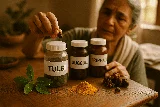
Patolamooladi Kashayam Benefits, Dose, Side Effects, Ingredients

Introduction
Hey there! If you’ve ever stumbled upon Ayurvedic remedies and wondered what all the fuss is about, you’re in for a treat. Today we’re diving deep into Patolamooladi Kashayam Benefits, Dose, Side Effects, Ingredients. This classic decoction isn't just some dusty ancient recipe it’s a living tradition used for centuries in South Asia to help maintain digestive balance, support metabolic health, and more. After all, who doesn’t love a natural remedy that’s time-tested and still going strong?
Patolamooladi Kashayam Benefits, Dose, Side Effects, Ingredients is our main theme here! Now, if you’re into real-life herbal tales, quick home-prep tips, or just plain curious, stick around. Let’s start our journey.
The Ayurvedic Angle
Patolamooladi Kashayam (or Patolamooladi Kwath) is deeply rooted in classical texts like the Ashtanga Hridayam and Sushruta Samhita. In Ayurveda, it’s classified under virechana (purgative therapies) and rasayana (rejuvenation) protocols. Practitioners often recommend it for people showing signs of excess Kapha – think sluggish digestion, bloating, or unexplained lethargy.
Why It Matters Today
In our fast-paced world of processed foods and stress, many of us experience imbalances that trace back to poor digestion or toxin buildup. Patolamooladi Kashayam offers a holistic approach: it’s not just about flushing things out, but also nourishing the digestive fire (agni) so you can absorb nutrients better. And yes, that means you might feel more energetic, clearer-headed, and simply healthier on the day-to-day.
Historical Roots & Traditional Uses
Every cup of Patolamooladi Kashayam has a story – literally. It’s believed that ancient Ayurvedic physicians created this blend as they observed the medicinal powers of various roots, barks, and herbs around them. The word “Patola” refers to Trichosanthes dioica (Snake Gourd), while “moola” means root. So in essence, it’s a brew anchored on the roots of snake gourd, mixed with a symphony of other botanicals.
Origins
Legend has it that a famous sage named Vagbhata experimented with local plants around 7th century CE, aiming to treat digestive disorders common in the monsoon season. He noted that combining specific ingredients could amplify purgative and detoxifying effects without causing harshness on the body. And voila Patolamooladi Kashayam was born.
Traditional Applications
- Detoxification: Often administered before a Panchakarma session.
- Constipation Relief: Mildly laxative, so it’s good for occasional irregularity.
- Blood Purifier: Believed to clear margaavarodha (channel obstructions), improving skin health.
- Respiratory Support: Used for coughs and chest congestion, since it balances Kapha dosha.
Ingredients & Their Properties
Alright, let’s get to the heart of it what exactly goes into Patolamooladi Kashayam? Don’t worry, you won't need a PhD in botany. Just a willingness to source some quality herbs, and maybe a good local or online Ayurvedic store is your friend here.
Key Ingredients List
- Patola moola (Snake gourd root) – The main star, known for its cleansing effect on the liver and intestines.
- Triphala (Haritaki, Bibhitaki, Amalaki) – A classic rejuvenator that balances all three doshas, gently detoxifies, and supports the digestive tract.
- Vidanga (Embelia ribes) – Anti-parasitic and enhances digestion, helps relieve gas and bloating.
- Pippali (Long pepper) – Acts like a bioenhancer, increasing nutrient absorption and metabolic functions.
- Shunti (Ginger) – Warm, pungent, soothes nausea, kickstarts digestion.
- Hingu (Asafoetida) – Excellent for flatulence, colic, and general digestive comfort.
- Mustha (Nut grass) – Good for water retention, abdominal pain, and detox.
How They Work Together
Every ingredient has its own role, but the magic is in the synergy – like a well-rehearsed band. Patola root gently loosens toxins (ama), while Triphala cleans up leftovers in the GI tract. Pippali and Shunti boost your digestive fire so nothing stagnates, and Hingu keeps gas from forming. It’s really a full team effort. That’s why this kashayam isn’t just another tea – it’s more like a targeted cleanse supporting multiple systems.
Top 7 Patolamooladi Kashayam Benefits
If you’re curious about why folks keep sipping this brew, here are the standout perks. Of course, everyone's body is different, so results can vary. But many swear by these benefits:
- 1. Improved Digestion: Say goodbye to bloating, irregularity, or that heavy feeling after meals. It kind of resets your digestive rhythm.
- 2. Gentle Detox: Removes Ama and helps maintain liver health – you may notice clearer skin and reduced sluggishness.
- 3. Blood Sugar Balance: Some preliminary studies (and plenty of traditional experience) suggest it can aid in regulating glucose levels.
- 4. Enhanced Immunity: By clearing metabolic waste and supporting gut health, it indirectly boosts your defense mechanisms.
- 5. Weight Management: When combined with diet control and exercise, it aids in healthy weight loss by optimizing metabolism.
- 6. Respiratory Relief: Helps clear chest congestion, soothes coughs, especially in Kapha-dominant individuals.
- 7. Overall Rejuvenation: Feels like a mini internal spring cleaning – you may feel more energetic and mentally sharp.
Real Life Example
My friend Raj started taking Patolamooladi Kashayam during his post-pandemic slump. He noticed less brain fog after a week, no kidding! Plus his skin cleared up – he used to battle mild acne flares. Granted, he also cut out late-night pizza, but still he gives the kashayam a lot of credit.
Research & Evidence
While there’s ample anecdotal backing, modern science is scratching the surface. A couple of small-scale studies highlight its antioxidant and anti-inflammatory properties, but more robust clinical trials are needed. Yet, the centuries-old practice and continued popularity speak volumes in themselves.
Dosage & Preparation Guide
Okay, you’ve got the ingredients and benefits. Now, how to actually take it? Here’s a simple step-by-step.
Recommended Dose
- Adults: 30–50 ml of prepared kashayam, twice daily (before meals).
- Children (6–12 years): 10–20 ml, once or twice daily.
- Infants & toddlers: Usually avoided, unless under practitioner supervision.
Note: Dosages can vary based on body type (prakriti), current imbalances (vikriti), and coexisting conditions. Always check with a qualified Ayurvedic doctor if you have doubts.
How to Prepare
- Take 10 grams of Patolamooladi Kashayam mixture (pre-made powder) or combine the individual herbs in a 1:1 ratio by weight.
- Add to 400–500 ml of water in a saucepan.
- Bring to a boil, then simmer on low heat till the volume reduces to about 100–150 ml.
- Strain and drink warm (you can add a pinch of rock sugar or honey if needed).
tip: Brew in a clay pot or stainless-steel pan. Avoid aluminum vessels, as they can alter the taste and efficacy.
Side Effects & Precautions
Though largely safe, Patolamooladi Kashayam isn’t a one-size-fits-all. Here are some side effects and cautionary notes:
Possible Side Effects
- Mild diarrhea or loose stools (overuse can overstimulate peristalsis).
- Abdominal cramps in sensitive individuals (start with a smaller dose).
- Dryness or thirst – since it has drying Kapha-reducing agents.
Who Should Avoid It?
- Pregnant & breastfeeding women – better safe than sorry.
- Severe dehydration or electrolyte imbalance – can worsen these conditions.
- Children under 6, unless recommended by a pediatric Ayurvedic specialist.
- Severe ulcers or active gastric bleeding – consult a professional before using.
And remember, quality matters. Always source herbs from reputable suppliers to avoid contamination or adulteration.
Conclusion
So there you have it – a complete, no-nonsense look at Patolamooladi Kashayam Benefits, Dose, Side Effects, Ingredients. From its ancient origins to modern kitchens, this herbal decoction remains a beloved tool in the Ayurvedic toolkit. Whether you’re aiming for smoother digestion, immune support, or just an overall internal clean-up, it’s worth giving a go. Remember: start slow, listen to your body, and consult a practitioner if you have any major health concerns.
At the end of the day, it’s not magic it's about supporting your body’s natural abilities. So why not try brewing a cup this week? Share your thoughts and experiences with friends, and who knows you might inspire someone else to embark on their own Ayurvedic journey.
FAQs
- Q: Can Patolamooladi Kashayam be taken daily?
A: Generally, yes for short durations (7–14 days). Prolonged use should be under guidance. - Q: Can diabetics use it safely?
A: Often recommended for mild blood sugar regulation, but monitor levels and consult your doctor. - Q: Is it vegan-friendly?
A: Absolutely. All ingredients are plant-based. - Q: What if I experience mild cramps?
A: Reduce the dose or skip a day. If it persists, stop and check with an Ayurvedic practitioner. - Q: Can I add sweeteners?
A: A small amount of jaggery or honey (post-cooling) is fine, but avoid too much sugar.
Liked this deep dive? Give it a share, try the kashayam yourself, and let us know how it works for you!
Ask Ayurvedic doctor a question and get a consultation online on the problem of your concern in a free or paid mode.
More than 2,000 experienced doctors work and wait for your questions on our site and help users to solve their health problems every day.
Related articles