Ask Ayurvedic doctor a question and get a consultation online on the problem of your concern in a free or paid mode. More than 2,000 experienced doctors work and wait for your questions on our site and help users to solve their health problems every day.


Body DetoxEar, Nose, and Throat DisordersGeriatrics & RejuvenationImmunodeficiencyInfertility TreatmentNutritionOrthopedic DisordersPediatricsRespiratory DisordersSexually Transmitted Diseases (STDs)Surgery RecoveryUrological DisordersVascular DisordersDental DisordersEndocrinological DisordersGastrointestinal DisordersYoga TherapyGeneral MedicineAllergic DisordersCardio DisordersGynecology and ObstetricsCosmetologySkin and Hair DisordersEye DisordersInfectious DiseasesMental DisordersNeurological DisordersOncologyPanchakarmaSexual Health & DisordersSports Medicine
Published on 12/27/24
(Updated on 08/09/26)
5,431
Vrishya Vati: Focuses on reproductive vitality.
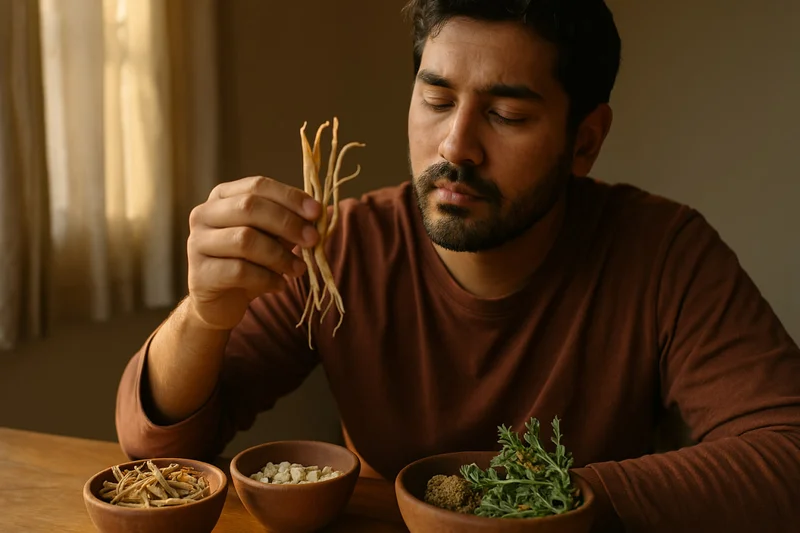
- Vrishya Vati is a classical Ayurvedic formulation specifically designed to enhance male reproductive vitality, improve sperm quality, and address conditions like oligospermia, low sperm motility, and impotence.
- Rooted in the ancient Vajikarana branch of Ayurveda — one of the eight core specialties described in Charaka Samhita — this herbo-mineral tablet works by nourishing Shukra Dhatu (reproductive tissue) and restoring hormonal balance in the body.
If you've been searching for a natural, time-tested solution for male infertility or declining sexual health, this guide covers everything you need to know: from its exact ingredients and mechanism of action, to dosage protocols, side effects, dietary guidelines, and how it compares to other popular Ayurvedic formulations.
What Is Vrishya Vati and What Is Vrishya in Ayurveda?
The word "Vrishya" comes from Sanskrit, literally meaning "that which enhances virility" or "aphrodisiac." In Ayurvedic pharmacology (Dravyaguna Shastra), any substance classified as Vrishya has the capacity to improve sexual desire, strengthen reproductive organs, and increase the production of Shukra (semen/reproductive fluid).
Vrishya Vati is not just a single herb — it's a carefully formulated compound medicine (Yoga) that combines multiple potent ingredients to create a synergistic effect on the male reproductive system. The formulation is primarily manufactured by Ayurvedeeya Arkashala, Satara, a well-established Ayurvedic pharmacy in Maharashtra, India, with a long tradition of producing classical formulations.
The Concept of Vajikarana: The Eighth Branch of Ayurveda
To truly understand Vrishya Vati, you need to understand Vajikarana — the Ayurvedic science of aphrodisiacs and reproductive medicine. Vajikarana is one of the Ashtanga Ayurveda (eight branches), described extensively in:
- Charaka Samhita, Chikitsa Sthana, Chapter 2 — dedicated entirely to Vajikarana therapy
- Sushruta Samhita, Chikitsa Sthana, Chapter 26 — detailing reproductive tonics
- Bhaishajya Ratnavali — where many Vrishya formulations are codified
The Charaka Samhita states: "Vajikaranam etat adhikaranam… tatra vajikaranena tat purushasya apatyam, balam, harsha, varna, svarasya cha vardhanam bhavati" — meaning Vajikarana therapy grants progeny, strength, joy, complexion, and vitality.
- Vrishya Vati falls squarely within this tradition.
- It's not merely a "sexual supplement" in the modern sense — it's a therapeutic intervention designed to restore the fundamental tissue responsible for reproduction.
How Vrishya Vati Relates to Shukra Dhatu and the Seven Tissues
In Ayurvedic physiology, the body is composed of Sapta Dhatu (seven tissues), each formed sequentially from the one before:
- Rasa Dhatu (Plasma/Lymph)
- Rakta Dhatu (Blood)
- Mamsa Dhatu (Muscle)
- Meda Dhatu (Fat)
- Asthi Dhatu (Bone)
- Majja Dhatu (Marrow/Nerve)
- Shukra Dhatu (Reproductive tissue)
- Shukra Dhatu is the last and most refined tissue in this chain. According to Ayurvedic theory, it takes approximately 30 days for nutrients from food to be transformed through all seven dhatus to finally nourish Shukra.
- This is why Shukra is considered the most precious tissue — and why its depletion leads to profound systemic weakness.
Vrishya Vati works by accelerating and optimizing the nourishment of Shukra Dhatu. Its ingredients provide direct nutrition to reproductive tissues while also improving the intermediate transformations (Dhatu Parinamana) that lead to healthy Shukra formation.
Vrishya Vati Ingredients: Complete Composition with Exact Quantities
Understanding what goes into Vrishya Vati is essential for appreciating how it works. The formulation contains a unique combination of herbal, animal-derived, and mineral ingredients. Here are the exact quantities per tablet as specified by Ayurvedeeya Arkashala, Satara:
| Ingredient | Sanskrit/Common Name | Quantity per Tablet | Primary Role |
|---|---|---|---|
| Purified Hingul (Cinnabar) | Shuddha Hingula | 19.050 mg | Rasayana, reproductive stimulant |
| Ashwagandha (Withania somnifera) | Ashwagandha | 57.150 mg | Adaptogen, testosterone support |
| Kavachbeej (Mucuna pruriens) | Kapikacchu | 57.150 mg | Dopamine precursor, sperm quality |
| Bastand (Testes of Aries/Ram) | Vrishana | Quantity specified | Direct reproductive tissue nourishment |
| Saffron (Crocus sativus) | Kesar/Kumkuma | 2.360 mg | Mood enhancer, antioxidant |
| Camphor (Cinnamomum camphora) | Karpura | Trace amount | Stimulant, aromatic |
Note: Some variations of the formulation may also include Shatavari, Safed Musli, Gokshura, and other Vajikarana herbs depending on the manufacturing pharmacy.
Detailed Actions of Key Ingredients
Ashwagandha (Withania somnifera) — 57.150 mg:
Often called "Indian Ginseng," Ashwagandha is arguably the most well-researched Ayurvedic herb globally. A 2013 study published in Evidence-Based Complementary and Alternative Medicine demonstrated that Ashwagandha root extract (675 mg/day for 90 days) improved sperm concentration by 167%, semen volume by 53%, and sperm motility by 57% in infertile men. It also significantly reduced cortisol levels, which is crucial because chronic stress is a major contributor to reproductive dysfunction. In Ayurvedic terms, Ashwagandha is a Balya (strength-promoting), Vrishya (aphrodisiac), and Rasayana (rejuvenative) herb that pacifies Vata and Kapha doshas.
Kavachbeej / Kaunch Beej (Mucuna pruriens) — 57.150 mg:
This is one of the most powerful Vajikarana dravyas in Ayurveda. Mucuna pruriens seeds contain L-DOPA, a direct precursor to dopamine. A 2009 study in Fertility and Sterility showed that treatment with Mucuna pruriens seed powder (5g/day) significantly improved testosterone levels, luteinizing hormone (LH), dopamine, adrenaline, and noradrenaline levels in infertile men, while simultaneously reducing follicle-stimulating hormone (FSH) and prolactin. Sperm count and motility both improved significantly. In Ayurvedic terms, Kavachbeej is Guru (heavy), Snigdha (unctuous), and directly nourishes Shukra Dhatu.
Shuddha Hingula (Purified Cinnabar) — 19.050 mg:
- This is a mineral-origin ingredient (Rasa dravya) used in Rasa Shastra — the Ayurvedic science of metals and minerals. Hingul must undergo rigorous Shodhana (purification) processes before it becomes safe for internal use.
- After purification, it acts as a powerful Yogavahi — meaning it enhances the bioavailability and efficacy of all other ingredients in the formulation. Its inclusion follows principles laid out in Rasa Tarangini, a classical text on Rasa Shastra.
Saffron (Crocus sativus) — 2.360 mg:
Though present in a small quantity, saffron is a potent ingredient. A 2012 study in Psychopharmacology indicated that saffron supplementation improved erectile function in men with antidepressant-related sexual dysfunction. In Ayurveda, Kesar is considered Hridya (cardiotonic), Varnya (complexion-enhancing), and a premier Vajikarana herb that also calms the mind.
Bastand (Ram Testes):
This animal-derived ingredient is based on the Ayurvedic principle of "Samanya" — the idea that like substances nourish like tissues. By including processed reproductive tissue from a healthy animal, the formulation provides direct building blocks for human Shukra Dhatu. This is a concept that also finds parallels in ancient Unani and Chinese medicine traditions.
How Does Vrishya Vati Work? Properties and Mechanism of Action
Vrishya Vati operates on multiple levels — both from the Ayurvedic pharmacological perspective and in terms of modern physiological understanding.
Effect on Doshas (Vata, Pitta, Kapha)
The formulation primarily targets Apana Vata — the subdosha of Vata responsible for all downward movements in the body, including ejaculation, urination, and menstruation.
When Apana Vata is vitiated, it leads to:
- Premature ejaculation
- Low sperm count
- Erectile dysfunction
- Reduced libido
Vrishya Vati's Snigdha (unctuous), Guru (heavy), and Ushna (warming) properties pacify aggravated Vata dosha. Simultaneously, the cooling properties of saffron and the balancing nature of Ashwagandha prevent excessive Pitta aggravation. The overall formulation is considered Tridosha-shamaka with a primary focus on Vata regulation.
Modern Pharmacological Actions
From a contemporary pharmacological perspective, Vrishya Vati's ingredients work through several mechanisms:
- 1.Hypothalamic-Pituitary-Gonadal (HPG) axis regulation — Ashwagandha and Mucuna pruriens modulate LH and FSH levels, directly influencing testosterone production
- 2.Antioxidant protection — Saffron and Ashwagandha reduce oxidative stress in testicular tissue, which is a major cause of sperm DNA damage
- 3.Dopaminergic stimulation — L-DOPA from Mucuna pruriens enhances dopamine levels, improving sexual desire and performance
- 4.Cortisol reduction — Ashwagandha's adaptogenic properties lower stress hormones that directly suppress reproductive function
- 5.Direct tissue nourishment — Bastand provides biological substrates for reproductive tissue repair and regeneration
Vrishya Vati Uses and Benefits: Complete List of Indications
Primary Indications (Male Reproductive Health)
Vrishya Vati is most commonly prescribed for the following conditions:
- Oligospermia — Low sperm count (below 15 million per mL)
- Asthenozoospermia — Reduced sperm motility
- Teratozoospermia — Abnormal sperm morphology
- Erectile dysfunction (Klaibya) — Inability to achieve or maintain erection
- Premature ejaculation (Shukra Gata Vata) — Early discharge during intercourse
- Low libido / loss of sexual desire
- General debility and weakness post chronic illness
- Male infertility — when no structural or genetic cause is identified
- Dhat Syndrome — a culture-bound condition involving anxiety about semen loss
Secondary Benefits
Beyond reproductive health, Vrishya Vati's ingredients confer additional benefits:
- Stress and anxiety management: Ashwagandha's adaptogenic properties reduce cortisol. A 2012 study in the Indian Journal of Psychological Medicine found that 300 mg of Ashwagandha extract twice daily reduced perceived stress by 44% and serum cortisol by 27.9%.
- Hormonal balance: The formulation helps regulate testosterone and estrogen ratios, which is crucial for optimal reproductive function
- Immune support: Ashwagandha has documented immunomodulatory effects, enhancing natural killer cell activity
- Physical stamina and energy: Multiple ingredients in the formula are classified as Balya (strength-promoting) in Ayurveda
Is Vrishya Vati Safe for Women?
While Vrishya Vati is primarily formulated for men, some Ayurvedic practitioners do recommend it for women in specific situations:
- Regulating menstrual cycles
- Supporting female fertility
- Enhancing lactation (Stanyajanana effect of Shatavari-containing variants)
- Post-partum recovery
However, women should only take this formulation under direct supervision of a qualified Ayurvedic physician. The presence of purified Hingul and animal-derived ingredients makes unsupervised use inadvisable, particularly during pregnancy.
Vrishya Vati Dosage, Administration & Course Duration
Standard Dosage Protocol
| Parameter | Recommendation |
|---|---|
| Standard dose | 2 tablets, twice daily |
| Timing | After meals (morning and evening) |
| Anupana (vehicle) | Ghee with sugar, or lukewarm water |
| Course duration | 60-90 days (minimum) |
| Maximum continuous use | 6 months, with physician monitoring |
| Follow-up | Semen analysis after 90 days recommended |
Why Anupana Matters: The Science Behind Ghee and Sugar
In Ayurveda, the Anupana (vehicle or adjuvant used to take medicine) is not an afterthought — it's a deliberate therapeutic choice.
Here's why ghee and sugar are recommended with Vrishya Vati:
Ghee (Ghrita): According to Charaka Samhita (Sutra Sthana 13/14), ghee is the best Vrishya substance. It has Snigdha (unctuous) and Sheeta (cooling) properties that balance the Ushna (heating) nature of some ingredients in the tablet. Ghee also acts as a lipid-soluble carrier, enhancing the bioavailability of fat-soluble active compounds in Ashwagandha and saffron. Furthermore, ghee is itself a Shukra-vardhaka (semen-increasing) substance. Mishri/Sugar: Adding sugar provides quick energy and makes the medicine more palatable. Sugar also has a Sheeta Virya (cooling potency) that helps balance Pitta. Water: For those who cannot tolerate ghee (e.g., individuals with high cholesterol or obesity), lukewarm water serves as an alternative anupana. It's less effective as a carrier but still acceptable.
What Happens If You Miss a Dose?
If you miss a dose, take it as soon as you remember — unless it's close to your next scheduled dose. Do not double the dose. Consistency is more important than perfection with Ayurvedic medicines, as they work through gradual tissue nourishment rather than acute pharmacological action.
Treatment Cycles and Breaks
This is an area no competitor has addressed, and it's something practitioners often get asked about.
A typical treatment protocol looks like this:
- Initial course: 90 days continuous use
- Assessment: Semen analysis and symptom evaluation
- Maintenance course: If needed, another 60-90 days
- Rest period: A 2-4 week break between courses is generally recommended to prevent tolerance and allow the body to integrate the effects
- Seasonal consideration: Ayurveda recommends Vajikarana therapy particularly during Hemanta Ritu (early winter) and Shishira Ritu (late winter), when the body's digestive fire (Agni) is strongest and tissue-building capacity is at its peak
Don't wait or self medicate. Start chat with Doctor NOW
Diet and Lifestyle During Vrishya Vati Treatment (Pathya-Apathya)
No Ayurvedic treatment is complete without addressing diet and lifestyle. This is a critical aspect that most online sources completely overlook.
Recommended Foods (Pathya)
| Food Category | Specific Recommendations |
|---|---|
| Dairy | Warm milk with saffron and ghee before bed; fresh paneer; curd |
| Nuts & Seeds | Almonds (soaked and peeled), walnuts, pumpkin seeds, flax seeds |
| Fruits | Dates, figs, bananas, pomegranates, mangoes (seasonal) |
| Grains | Wheat, rice (aged Shali rice preferred), barley |
| Proteins | Moong dal, urad dal, eggs (if non-vegetarian) |
| Spices | Saffron, cardamom, cinnamon (in moderation), ashwagandha churna in milk |
| Sweeteners | Mishri (rock sugar), raw honey (not heated), jaggery |
| Oils | Ghee, sesame oil, almond oil |
Foods to Avoid (Apathya)
- Excessive spicy, sour, and salty foods — these aggravate Pitta and deplete Shukra Dhatu
- Alcohol — directly toxic to sperm and disrupts hormonal balance
- Processed and junk food — lacking in prana (vital energy) and nutrition
- Excessive caffeine — can increase cortisol and anxiety
- Stale, reheated, or leftover food — considered Tamasic and detrimental to Shukra quality
- Bitter gourd, brinjal in excess — traditionally considered Shukra-nashak (semen-depleting) by some Ayurvedic authorities
Lifestyle Recommendations
- Sleep: Maintain a consistent sleep schedule; sleep by 10 PM.
- Sleep deprivation directly reduces testosterone — a 2011 study in JAMA showed that sleeping only 5 hours per night for one week reduced testosterone levels by 10-15% in young men.
- Exercise: Moderate exercise is beneficial. Avoid excessive endurance training, which can reduce testosterone.
- Brahmacharya (Sexual continence): During the initial phase of treatment (first 30 days), some practitioners recommend reduced sexual activity to allow Shukra Dhatu to rebuild.
- Stress management: Daily practice of Pranayama (especially Nadi Shodhana), meditation, or Yoga Nidra
- Avoid heat exposure: Excessive heat to the groin area (hot baths, tight underwear, prolonged laptop use on lap) damages sperm production
Vrishya Vati Side Effects and Contraindications
Possible Side Effects
When taken in recommended doses under professional guidance, Vrishya Vati is generally well-tolerated.
However, some individuals may experience:
- Mild gastrointestinal discomfort — bloating, heaviness, or loose stools (usually in the first few days)
- Headache — occasionally reported, possibly due to the Hingul component
- Drowsiness — Ashwagandha's calming effect may cause mild sedation in sensitive individuals
- Increased body heat — some users report a warming sensation, especially in Pitta-dominant constitutions
- Allergic reactions — rare, but possible with any multi-ingredient formulation
Contraindications: When NOT to Take Vrishya Vati
| Condition | Reason for Caution |
|---|---|
| Pregnancy | Uterine stimulant properties; mineral content |
| Breastfeeding | Insufficient safety data |
| Severe liver disease | Hingul metabolism may be compromised |
| Severe kidney disease | Impaired mineral excretion |
| Children under 18 | Not formulated for pediatric use |
| Hyperthyroidism | Some ingredients may further stimulate metabolism |
| Known mercury sensitivity | Hingul contains mercuric compound, even though purified |
| Bleeding disorders | Saffron in high doses has blood-thinning properties |
Drug Interactions to Be Aware Of
While no specific clinical interaction studies exist for Vrishya Vati as a whole, based on its individual ingredients, caution is advised with:
- Antihypertensive medications — Ashwagandha may potentiate blood pressure lowering effects
- Thyroid medications — Ashwagandha may alter thyroid hormone levels
- Sedatives and anxiolytics — Additive sedation possible
- Immunosuppressants — Ashwagandha's immunostimulatory effects may interfere
- Anticoagulants (Warfarin, Aspirin) — Saffron may increase bleeding risk
- Diabetes medications — Ashwagandha and Mucuna pruriens may lower blood sugar, potentially causing hypoglycemia
Always inform your physician about all medications you're taking before starting Vrishya Vati.
Vrishya Vati vs. Other Ayurvedic Reproductive Formulations
One of the most common questions patients ask is: "How is Vrishya Vati different from Musli Pak or Ashwagandha Churna?" Here's a detailed comparison:
| Parameter | Vrishya Vati | Musli Pak | Ashwagandhadi Churna | Shilajit |
|---|---|---|---|---|
| Form | Tablet | Granules/Pak | Powder | Resin/Capsule |
| Primary Focus | Sperm quality & count | General vitality & strength | Stress, immunity, vitality | Energy, stamina, anti-aging |
| Key Ingredients | Ashwagandha, Kavachbeej, Hingul, Saffron | Safed Musli, sugar, ghee, herbs | Ashwagandha, Vidarikand, Musli | Fulvic acid, minerals |
| Mineral Content | Yes (Shuddha Hingul) | No | No | Yes (natural minerals) |
| Best For | Clinical male infertility, oligospermia | Post-illness recovery, general weakness | Stress-related sexual dysfunction | Low energy, aging-related decline |
| Speed of Action | 60-90 days | 30-60 days | 45-90 days | 30-60 days |
| Ease of Use | Very easy (tablet) | Moderate (needs mixing) | Moderate (powder, taste issues) | Easy (capsule/resin) |
| Availability | Moderate (specialty pharmacies) | Widely available | Widely available | Widely available |
| Approximate Price | ₹150-250 for 50 tablets | ₹200-400 for 200g | ₹100-200 for 100g | ₹300-800 depending on purity |
When to Choose Vrishya Vati specifically:
- When semen analysis shows low count, poor motility, or abnormal morphology
- When the primary goal is clinical fertility improvement rather than general wellness
- When a physician identifies Shukra Dhatu Kshaya (depletion of reproductive tissue) as the root cause
Vrishya Vati Price and Where to Buy Online
Vrishya Vati (50 tablets) from Ayurvedeeya Arkashala, Satara is typically priced between ₹150-250, depending on the retailer.
It is available through:
- AyurvedMart (ayurvedmart.com) — authorized retailer
- RajVed (rajved.in) — offers free shipping options
- AyurCentral Online (ayurcentralonline.com)
- Aayurgavya (aayurgavya.com)
Tips for Choosing the Right Product
- Look for GMP-certified manufacturing
- Verify the manufacturer — Ayurvedeeya Arkashala, Satara is the most established producer
- Check expiry dates and batch numbers
- Prefer retailers who store products in cool, dry conditions
- Be cautious of unusually cheap products — proper Shodhana (purification) of Hingul is expensive and labor-intensive; shortcuts compromise safety
Storage Recommendations
- Store in a cool, dry place below 30°C
- Keep away from direct sunlight
- Keep the container tightly closed after use
- Shelf life: Typically 3-5 years from manufacturing (check packaging)
- Do not refrigerate unless specifically mentioned on the label
Frequently Asked Questions (FAQ)
How long does it take for Vrishya Vati to show results?
Most patients begin noticing improvements in energy and libido within 3-4 weeks. However, for measurable changes in sperm parameters (count, motility, morphology), a minimum of 60-90 days is required. This aligns with the biological spermatogenesis cycle, which takes approximately 74 days for new sperm to fully mature. Ayurvedic texts also suggest that Vajikarana therapies require at least one Ritu Kala (approximately 2 months) to show substantial results.
Can Vrishya Vati be taken daily?
Yes, Vrishya Vati is designed for daily use as part of a prescribed treatment course. The standard recommendation is 2 tablets twice daily. However, continuous daily use beyond 6 months should only be done under medical supervision. Periodic breaks (2-4 weeks) between courses are generally advisable.
Are there any dietary restrictions while taking Vrishya Vati?
- Yes. Avoid excessive consumption of spicy, sour, and salty foods.
- Alcohol should be strictly avoided.
- Prioritize Sattvic foods — fresh, wholesome, and easy to digest. Milk, ghee, almonds, dates, and seasonal fruits are particularly recommended. See the detailed Pathya-Apathya section above.
Does Vrishya Vati interact with other supplements or medications?
It can potentially interact with blood pressure medications, thyroid drugs, sedatives, immunosuppressants, anticoagulants, and diabetes medications. Always consult your physician before combining Vrishya Vati with any allopathic medicine.
Can Vrishya Vati help with stress and anxiety?
While not primarily an anti-anxiety formulation, Vrishya Vati contains Ashwagandha — one of the most potent natural adaptogens known to science. This ingredient can meaningfully reduce cortisol levels and perceived stress, which indirectly benefits reproductive function. For primary stress and anxiety management, however, dedicated formulations like Brahmi Vati or Ashwagandha Churna may be more appropriate.
What is Vidari used for, and is it in Vrishya Vati?
Vidari (Vidarikand / Pueraria tuberosa) is another important Vajikarana herb used in Ayurveda for enhancing reproductive health, boosting immunity, and nourishing all body tissues. While Vidari is not a standard ingredient in the Arkashala Satara formulation of Vrishya Vati, it is sometimes included in modified or proprietary versions. If you're looking for Vidari's specific benefits, consult your Ayurvedic physician about whether a Vidari-containing formulation would be more suitable.
How should Vrishya Vati be used in cases of diabetes?
Since Ashwagandha and Mucuna pruriens both have hypoglycemic properties, diabetic patients on oral hypoglycemics or insulin should use Vrishya Vati with caution. Blood sugar levels should be monitored more frequently during the initial weeks. Dose adjustments of diabetic medications may be necessary. This must be managed under medical supervision only.
Conclusion: Is Vrishya Vati Right for You?
Vrishya Vati represents centuries of Ayurvedic wisdom condensed into a practical, accessible tablet form. Its combination of Ashwagandha, Kavachbeej, purified Hingul, saffron, and other potent ingredients creates a comprehensive formulation that addresses male infertility and sexual dysfunction at multiple levels — hormonal, physiological, and psychological.
What sets this formulation apart from generic supplements is its rootedness in Vajikarana Chikitsa, its attention to Dhatu Parinamana (tissue transformation), and the inclusion of carefully purified mineral ingredients that enhance bioavailability and potency.
However, Vrishya Vati is not a magic pill. It works best when combined with appropriate diet (Pathya), lifestyle modifications, stress management, and — most importantly — professional guidance from a qualified Ayurvedic physician who can assess your Prakriti (constitution), identify the root cause of your condition, and tailor the treatment accordingly.
If you're struggling with male infertility, low sperm count, or diminished sexual vitality, consult a certified Ayurvedic practitioner to determine whether Vrishya Vati is the right choice for your specific situation. With the right approach, patience, and consistency, this time-honored formulation has the potential to make a meaningful difference in your reproductive health journey. Medical Disclaimer: This article is for informational and educational purposes only. It is not intended to substitute professional medical advice, diagnosis, or treatment. The information about Vrishya Vati is based on traditional Ayurvedic texts and available scientific literature on individual ingredients. These statements have not been evaluated by the FDA or FSSAI. Always consult a qualified healthcare professional before starting any new supplement or medication, especially if you have pre-existing health conditions or are taking other medications.
Scientific Sources
- A prospective clinical study of an Ayurveda regimen in COVID 19 patients — Wanjarkhedkar P et al., 2022, Journal of Ayurveda and integrative medicine
- Conventional and Scientific uses of Rice-washed water: A Systematic Review — Chithambharan A et al., 2024, Journal of food science and technology
- Therapeutic importance of Cucurbitaceae: A medicinally important family — Mukherjee PK et al., 2022, Journal of ethnopharmacology
- Therapeutic potential of Ficus benghalensis in thromboembolic disorders — Sahu AK et al., 2024, Journal of Ayurveda and integrative medicine
- Addressing clinical practice variability in Ayurveda: An urgent need for developing clinical practice guidelines — Ashwathykutty V et al., 2025, Journal of Ayurveda and integrative medicine
- Ayurveda for a Type 1 Diabetes Patient with Peripheral Arterial Occlusive Disease: A Case Report — Stapelfeldt E et al., 2024, Complementary medicine research
- Evaluating anticancer properties of Withaferin A-a potent phytochemical — Atteeq M, 2022, Frontiers in pharmacology
- Impact of tariff on Indian AYUSH products: Evidence from top importers of India — Sengunthar S et al., 2026, Journal of Ayurveda and integrative medicine
- Neuro-nutraceutical potential of Asparagus racemosus: A review — Majumdar S et al., 2021, Neurochemistry international
- Self reported benefits of participating in group prayer in a hospital outpatient setting: A cross-sectional observational study — Rastogi S et al., 2023, Journal of Ayurveda and integrative medicine
- Legal status of ayurveda in the healthcare system — Pashkov VМ et al., 2025, Polski merkuriusz lekarski : organ Polskiego Towarzystwa Lekarskiego
- Curculigo orchioides: the black gold with numerous health benefits — Chauhan NS et al., 2010, Zhong xi yi jie he xue bao = Journal of Chinese integrative medicine
- Yoga at Primary Health Centers - A Pathway to Holistic Health: Narrative Review — Gupta P, 2024, International journal of yoga
- Effectiveness and Safety of Ayurvedic Medicines in Type 2 Diabetes Mellitus Management: A Systematic Review and Meta-Analysis — Chattopadhyay K et al., 2022, Frontiers in pharmacology
- Production from both wild harvest and cultivation: The cross-border Swertia chirayita (Gentianaceae) trade — Cunningham AB et al., 2018, Journal of ethnopharmacology
- Yoga and physiotherapy: a speculative review and conceptual synthesis — Posadzki P et al., 2009, Chinese journal of integrative medicine
- Meditation: Process and effects — Sharma H, 2015, Ayu
- From tradition to science: Possible mechanisms of ghee in supporting bone and joint health — Falahatzadeh M et al., 2024, Prostaglandins & other lipid mediators
- Effects of yogic breath regulation: A narrative review of scientific evidence — Saoji AA et al., 2019, Journal of Ayurveda and integrative medicine
- Ayurvedic medicine: An introduction for nurses — Narayanasamy A et al., 2006, British journal of nursing (Mark Allen Publishing)
Questions from users
What lifestyle habits should I avoid while taking Vrishya Vati?
Client_ef38b3
3 days ago
When taking Vrishya Vati, it is important to avoid smoking, excessive alcohol consumption, and a diet high in processed foods, as these can counteract its benefits for male infertility, low sperm count, and sexual vitality. Stress and insufficient sleep may also hinder its efficacy, so stress management and consistent sleep patterns are recommended. Engaging in regular physical activity supports the treatment's effectiveness. While Ayurveda can complement, always consult with a healthcare provider to determine any interactions with other medications or underlying health issues. If any adverse effects occur, contact your physician.
What lifestyle changes can enhance the effects of Vrishya Vati?
Client_071047
8 days ago
To enhance the effects of Vrishya Vati, consider incorporating regular physical exercise, stress management techniques like meditation, and a balanced diet rich in whole foods, lean proteins, and antioxidants. Avoid alcohol, tobacco, and excessive caffeine as they can diminish the supplement's efficacy. Ensure adequate sleep and hydration to support overall health. Monitoring for any adverse effects is essential; consult a healthcare provider if symptoms worsen or if you have existing health concerns. Vrishya Vati is part of Vajikarana, a traditional Ayurvedic practice, but it’s crucial to integrate its use with evidence-based lifestyle changes for optimal results.
Can Vrishya Vati interact with other herbal supplements?
Client_d34d77
13 days ago
Vrishya Vati may potentially interact with other herbal supplements, particularly those that affect hormone levels, blood pressure, or liver metabolism. Since its formulation is designed to address issues like low sperm count and erectile dysfunction by influencing the body's physiological systems, combining it with other supplements that have similar or opposing effects may lead to unforeseen interactions. If you are considering taking Vrishya Vati alongside other herbal or pharmaceutical treatments, it's advisable to consult a healthcare provider for personalized guidance.
What are the potential side effects of taking Vrishya Vati?
Client_1e4a25
18 days ago
Vrishya Vati is an Ayurvedic formulation intended to support male reproductive health, specifically in enhancing sperm count and motility. Potential side effects of taking Vrishya Vati can include gastrointestinal issues such as nausea, stomach upset, or diarrhea. Some individuals may experience allergic reactions or hormonal imbalances. As with any supplement, the risk of side effects increases with dosage and overuse. Because these formulations can interact with other medications, it's important to consult with a healthcare provider, especially if you are currently on medication or have a chronic health condition.
How long does it take for Vrishya Vati to show results?
Client_f26f66
28 days ago
Vrishya Vati typically takes 60 to 90 days to show noticeable results in improving sperm parameters such as count, motility, and morphology. This period aligns with the natural sperm development cycle, which is approximately 72 days. During this time, the blend of ingredients, including Mucuna pruriens and Ashwagandha, work to enhance reproductive health. To support the effectiveness, it is advised to avoid spicy, sour, and salty foods, as well as alcohol. If you are on diabetic medication, consult a doctor for possible dose adjustments. If you observe any adverse effects or if there's no improvement after 90 days, it's important to seek medical advice.
How can dietary changes enhance the effects of Vrishya Vati?
Client_f10193
38 days ago
To enhance the effects of Vrishya Vati, modify your diet to include Sattvic foods, which are fresh, wholesome, and easy to digest. These dietary changes support the body's natural balance and optimize the supplement's benefits. Avoid excessive spicy, sour, and salty foods, which can hinder the efficacy of Vrishya Vati. Alcohol should also be strictly avoided. Monitor your blood sugar levels closely, especially if you have diabetes, as dietary changes and Vrishya Vati use might require adjustments to your medication. Always consult a healthcare professional if you experience any adverse effects or need guidance on supplement use beyond six months.
How does stress management influence the effectiveness of Vrishya Vati?
Client_f4d642
47 days ago
Stress management plays a crucial role in enhancing the effectiveness of Vrishya Vati by potentially reducing cortisol levels — the hormone associated with stress. Lower cortisol levels can alleviate stress, indirectly supporting reproductive health by improving conditions like low sperm count and erectile dysfunction. For best results with Vrishya Vati, combine it with stress-reducing practices like exercise, meditation, or proper sleep. If symptoms persist or worsen, consult a healthcare provider to explore additional treatments.
Can I take Vrishya Vati if I'm on blood thinners?
Client_50ebb2
57 days ago
You should avoid taking Vrishya Vati if you are on blood thinners. The supplement has the potential to interact with anticoagulant medications, which could lead to increased bleeding risk. It's crucial to consult your healthcare provider before adding any new supplements to your regimen, especially if you're taking prescribed medications. If you experience unusual symptoms like easy bruising, prolonged bleeding, or other side effects, seek medical advice immediately.
What is Mucuna pruriens and how does it help with testosterone levels?
Client_2e1447
66 days ago
Mucuna pruriens, also known as velvet bean, is a natural herb used in Ayurvedic medicine. It's known to help boost testosterone levels by enhancing the function of certain hormones like luteinizing hormone (LH). Basically, it helps support fertility and by reducing stress which can lower cortisol levels, allowing testosterone to be produced more effectively. Plus, there's an uptick in dopamine, which can further support reproductive health. Always good to remember though, consulting with a healthcare provider is wise, especially if you're considering supplements.
Can taking Vrishya Vati improve my overall well-being and vitality?
Client_446907
76 days ago
Yep, Vrishya Vati can help boost vitality and well-being, especially if your Ayurvedic constitution could benefit from its balancing effects. It usually works by supporting your reproductive health and overall energy. Just keep an eye on your unique dosha and maybe chat with an Ayurvedic practitioner to get personalized advice!
Related articles

Sexual Health & Disorders
Which Herbs Increase Testosterone: Ayurvedic Guide to Natural Boosters
Which herbs increase testosterone naturally? Discover Ayurvedic herbs, top boosters, and natural testosterone enhancing remedies for energy and strength
10,837

Sexual Health & Disorders
Does Masturbation Decrease Stamina? Myths, Truths, and Ayurvedic View
Does masturbation decrease stamina? Learn its real effects on physical and sexual energy, side effects, and how Ayurveda views masturbation and vitality
9,202

Sexual Health & Disorders
How to Avoid Pregnancy After Sex: Natural and Timely Methods
Learn how to avoid pregnancy after sex using natural methods, safe period tracking, and Ayurvedic guidance. Explore tablets, food options, and timing tips
7,158

Sexual Health & Disorders
Tentex Royal vs Tentex Forte: Which Ayurvedic Formula Works Better?
Tentex Royal vs Tentex Forte — which is better? Compare their benefits, uses, reaction time, ingredients, and side effects. Choose the best Ayurvedic option
19,856
Sexual Health & Disorders
Lingavardhana Thailam – Ayurvedic Rejuvenator for Male Vitality & Sexual Health
Discover Lingavardhana Thailam, a potent Ayurvedic formulation designed to enhance male vitality, improve sexual performance, and support overall reproductive health through natural, traditional herbal ingredients.
5,194

Sexual Health & Disorders
Tentex Forte Tablet
Exploration of Tentex Forte Tablet
18,338

Sexual Health & Disorders
How to Avoid Sex Thoughts: Ayurvedic Tips to Calm Mind and Body
Learn how to avoid sex thoughts and control urges through Ayurvedic practices, diet, routine, and mental discipline. Explore natural methods to calm the mind
7,814

Sexual Health & Disorders
Flavoured Condoms Side Effects: Ayurvedic Insight on Safety
Discover the potential side effects of flavoured condoms, including allergies, irritation, and intimate discomfort. Learn Ayurvedic views and safer alternatives
15,121

Sexual Health & Disorders
Does Garlic Increase Testosterone: Ayurvedic Insights for Men
Does garlic increase testosterone? Discover how garlic benefits male hormones, energy, and vitality. Learn Ayurvedic views and when to eat garlic for best results
17,863
Related consultations on the topic
Legal
Additional Documents
© 2024 Ask Ayurveda. All rights reserved.