Ask Ayurvedic doctor a question and get a consultation online on the problem of your concern in a free or paid mode. More than 2,000 experienced doctors work and wait for your questions on our site and help users to solve their health problems every day.


Body DetoxEar, Nose, and Throat DisordersGeriatrics & RejuvenationImmunodeficiencyInfertility TreatmentNutritionOrthopedic DisordersPediatricsRespiratory DisordersSexually Transmitted Diseases (STDs)Surgery RecoveryUrological DisordersVascular DisordersDental DisordersEndocrinological DisordersGastrointestinal DisordersYoga TherapyGeneral MedicineAllergic DisordersCardio DisordersGynecology and ObstetricsCosmetologySkin and Hair DisordersEye DisordersInfectious DiseasesMental DisordersNeurological DisordersOncologyPanchakarmaSexual Health & DisordersSports Medicine
Published on 01/17/25
(Updated on 08/14/26)
5,899
Natural Trigger Finger Ayurvedic Treatment: Heal Pain & Restore Motion
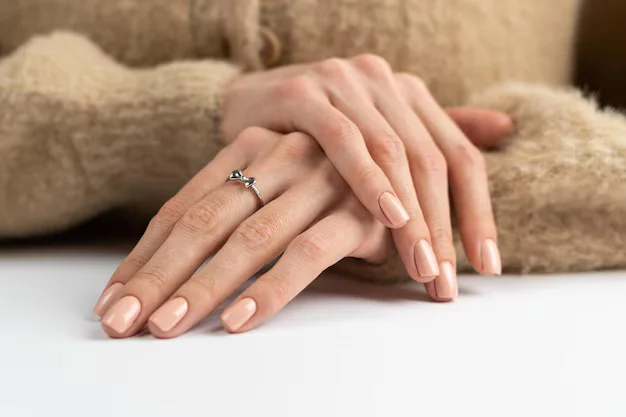
Trigger finger (stenosing tenosynovitis) can be effectively managed with Ayurvedic treatment — without surgery or steroid injections. Ayurveda views this condition as a manifestation of vitiated Vata dosha lodging in the tendons (Snayu), causing stiffness, pain, and the characteristic locking of the finger. Through a combination of Panchakarma therapies like Agnikarma and Abhyanga, targeted herbal remedies such as Guggulu and Ashwagandha, and specific lifestyle modifications, Ayurveda addresses the root cause rather than just suppressing symptoms.
This comprehensive guide covers everything you need to know — from understanding the condition through an Ayurvedic lens to a stage-wise treatment protocol that no other resource provides. Whether you're dealing with mild morning stiffness or a finger that's completely locked, there's an Ayurvedic approach tailored to your severity level.
What Is Trigger Finger?
Trigger finger, medically known as stenosing tenosynovitis, occurs when the flexor tendon of a finger becomes inflamed and swollen. Under normal circumstances, the tendon glides smoothly through a series of pulleys (tunnel-like structures) as you bend and straighten your finger. When inflammation strikes, the tendon develops a nodular thickening that catches on the A1 pulley — the first and narrowest pulley at the base of the finger.
The result? Your finger catches, clicks, or locks in a bent position. In severe cases, you may need to physically pry the finger open with your other hand.
Symptoms and Clinical Presentation
The condition typically develops gradually and worsens over time:
- Morning stiffness in the affected finger, especially upon waking
- A palpable nodule or bump at the base of the finger on the palm side
- Clicking or popping sensation when bending or straightening the finger
- Pain at the base of the finger, particularly when gripping or pressing
- Finger locking in a bent position and snapping straight suddenly
- In advanced stages, the finger becomes permanently locked and cannot be straightened
The thumb, ring finger, and middle finger are most commonly affected, and its not unusual for multiple fingers to be involved simultaneously.
Causes and Risk Factors
Several factors increase your likelihood of developing trigger finger:
- Repetitive gripping motions: Prolonged use of tools, musical instruments, or smartphones
- Diabetes mellitus: Diabetic patients have a 10–20% lifetime risk of developing trigger finger (compared to ~2–3% in the general population)
- Age: Most common between 40–60 years
- Gender: Women are affected 2–6 times more frequently than men
- Rheumatoid arthritis, gout, and hypothyroidism
- Occupational factors: Assembly line workers, farmers, and anyone performing sustained gripping tasks
- Previous hand surgery, particularly carpal tunnel release
Green's Severity Classification (4 Grades)
Understanding the severity of your trigger finger is crucial for determining the right treatment approach. The Green's Classification divides trigger finger into four grades:
| Grade | Description | Clinical Features |
|---|---|---|
| Grade I | Pre-triggering | Pain, tenderness at A1 pulley, history of catching but not demonstrable on exam |
| Grade II | Active triggering | Demonstrable catching, patient can actively extend the finger |
| Grade III | Locked (passively correctable) | Finger locks in flexion, requires passive manipulation to straighten |
| Grade IV | Locked (fixed contracture) | Fixed flexion contracture, cannot be corrected even passively |
This grading system becomes important when we discuss the stage-wise Ayurvedic treatment protocol below — something you won't find in any other guide.
What Is Trigger Finger According to Ayurveda?
Ayurveda does not describe "trigger finger" as a named disease in classical texts. However, the condition correlates strongly with several Ayurvedic pathological concepts, primarily Snayugata Vata — a condition where vitiated Vata dosha lodges in the tendons (Snayu).
Snayugata Vata (Sushruta's Perspective)
According to Sushruta Samhita, when Vata dosha becomes aggravated and localizes in the Snayu (tendons, ligaments), it produces:
- Stambha — stiffness and rigidity
- Sankocha — contracture (the finger pulling inward)
- Shula — pain, especially on movement
- Granthi — nodular formation (the palpable nodule at the A1 pulley)
These four symptoms map almost perfectly onto the clinical presentation of trigger finger. The correlation is so precise that multiple published case studies — including one in the Journal of Ayurveda and Integrated Medical Sciences (2023) — have used this framework for successful treatment.
Snayupradoshaja Vikara (Charaka's Perspective)
Charaka Samhita offers a slightly different lens through the concept of Snayupradoshaja Vikara — diseases arising from vitiation of Snayu as a Dhatu (tissue). Charaka lists symptoms including Khalli (cramping), Kunjan (contracture), and impaired extension of limbs. This broader classification helps explain why trigger finger sometimes occurs alongside other tendon-related conditions.
Vatarakta Correlation — An Alternative Diagnosis
An interesting alternative framework comes from the concept of Vatarakta, where both Vata and Rakta (blood tissue) are simultaneously vitiated. This is particularly relevant when trigger finger occurs in patients with:
- Gout or hyperuricemia
- Inflammatory arthritis
- Significant local swelling and redness
The rationale: Kandara (tendon/tendon sheath) is considered an Upadhatu (sub-tissue) of Rakta Dhatu. When Rakta is vitiated alongside Vata, the tendons become a natural target. This dual-dosha understanding opens up additional treatment strategies, including Raktamokshana (bloodletting therapy), which we'll discuss in the Panchakarma section.
Ayurvedic Panchakarma Therapies for Trigger Finger
Panchakarma — Ayurveda's five-fold detoxification system — offers several powerful therapies for trigger finger. These are not home remedies; they should be administered by or under the guidance of a qualified Ayurvedic practitioner.
Agnikarma (Therapeutic Cauterization)
Agnikarma is arguably the most extensively documented Ayurvedic treatment for trigger finger. A landmark case study published in PMC/NCBI (2023) demonstrated complete resolution of Grade II trigger finger using Kshaudra Agnikarma — cauterization with heated honey.
The protocol involves three phases:
- 1.Purvakarma (Preparation): The affected area is cleaned, and the patient is positioned comfortably. Local Snehana (oleation) with Tila Taila (sesame oil) is applied.
- 2.Pradhanakarma (Main Procedure): Honey (Kshaudra) is heated to an appropriate temperature and applied to specific points (Samyak Dagdha Lakshana — proper cauterization marks are observed). The procedure produces controlled therapeutic burns that:
- Increase local blood circulation
- Break down fibrotic adhesions
- Reduce Vata and Kapha dosha locally
- Promote tissue healing
- 3.Paschatkarma (Post-procedure care): Aloe vera gel or Shatadhauta Ghrita (hundred-times-washed ghee) is applied to soothe the area. The procedure is repeated daily or alternate days for up to 30 days.
In the published case, the patient showed significant improvement in finger mobility, reduction in pain scores, and no recurrence at 3-month follow-up.
Abhyanga and Swedana (Oil Massage and Fomentation)
Abhyanga (therapeutic oil massage) with Vata-pacifying oils forms the foundational treatment:
- Mahanarayan Taila or Dhanwantharam Taila is warmed and massaged into the affected finger, hand, and forearm
- Massage follows the direction of tendons — from proximal to distal
- Duration: 15–20 minutes daily
This is immediately followed by Swedana (fomentation/steam therapy) to enhance oil penetration and reduce stiffness.
Types used include:
- Nadi Swedana: Directed steam from a tube onto the affected finger
- Avgaha Sweda: Immersion of both hands in a warm herbal decoction for 20–30 minutes. A clinical case report documented successful treatment using Avgaha Sweda with Dashmool Kwath for 7 consecutive days, with significant improvement noted by day 14
Basti Chikitsa (Medicated Enema Therapy)
This might seem surprising for a finger condition, but Basti is considered the supreme treatment for Vata disorders in Ayurveda. Since trigger finger is fundamentally a Vata-driven condition, systemic Vata pacification through Basti produces remarkable results.
A documented protocol used Dashmool Kwath Niruha Basti alternating with Anuvasana Basti (oil enema) for 7–14 days alongside local therapies.
Jalaukavacharana (Leech Therapy)
When trigger finger is correlated with Vatarakta — especially when there's significant inflammation, swelling, and heat — leech therapy (a form of Raktamokshana) becomes highly relevant.
A published case report demonstrated:
- 3 sessions of Jalaukavacharana at 7-day intervals
- Combined with Basti Chikitsa
- Result: Complete resolution of triggering within 14–21 days
The medicinal leeches (Hirudo medicinalis) release over 100 bioactive substances including hirudin (anticoagulant), hyaluronidase (reduces fibrosis), and eglin (anti-inflammatory), which collectively reduce the tendon sheath swelling.
Upanaha (Medicated Poultice Bandaging)
Upanaha involves applying a warm, medicated herbal paste to the affected finger and wrapping it with a bandage overnight.
Common ingredients include:
- Devadaru (Cedrus deodara)
- Rasna (Pluchea lanceolata)
- Shunthi (dry ginger)
- Eranda (castor) leaves
- Mixed with Tila Taila (sesame oil) and Saindhava Lavana (rock salt)
The poultice is kept in place for 8–12 hours (typically overnight), providing sustained anti-inflammatory and Vata-pacifying action directly to the affected tissue.
Herbal Remedies and Formulations for Trigger Finger
Ayurvedic herbs work both internally and externally to reduce inflammation, break down fibrotic nodules, and pacify Vata dosha. Below are the most effective formulations with actual dosage guidelines.
Internal Herbal Medicines
| Herb / Formulation | Dosage | Timing | Primary Action |
|---|---|---|---|
| Yogaraja Guggulu | 2 tablets (250 mg each) | Twice daily after meals | Anti-inflammatory, reduces Granthi (nodules) |
| Dashmoola Kwatha | 15–20 ml | Twice daily before meals | Vata pacification, pain relief |
| Ashwagandha Churna | 3–5 gm with warm milk | Once at bedtime | Strengthens Snayu, reduces Vata |
| Rasnasaptak Kwatha | 15–20 ml | Twice daily before meals | Specific for Vata in joints/tendons |
| Haritaki Churna | 5 gm with warm water | Once at bedtime | Mild laxative, Vata anulomana |
| Maharasnadi Kwatha | 15–20 ml | Twice daily | Anti-inflammatory, muscle relaxant |
| Sallaki (Boswellia serrata) | 400–600 mg extract | Twice daily | Clinically proven anti-inflammatory |
> Important Note: These dosages are general guidelines. Your Ayurvedic practitioner will adjust them based on your Prakriti (constitution), Agni (digestive fire) strength, severity of condition, and any concurrent health issues. Self-medication without professional guidance is not recommended.
Key Herbs and Their Mechanisms
Guggulu (Commiphora mukul): The resin of this plant is the backbone of most anti-inflammatory Ayurvedic formulations. Research published in Molecular Nutrition & Food Research (2009) confirmed its ability to inhibit NF-κB pathway — the master switch of inflammation. Guggulsterones, the active compounds, also help dissolve fibrotic tissue. Turmeric (Curcuma longa): Curcumin's anti-inflammatory properties are well-documented across hundreds of studies. A 2016 systematic review in the Journal of Medicinal Food concluded that 1000 mg/day of curcumin was effective for arthritis-related inflammation. For trigger finger, it's used both internally and as a paste for local application. Ashwagandha (Withania somnifera): Classified as a Balya (strengthening) and Brimhana (nourishing) herb, Ashwagandha specifically strengthens Snayu and Mamsa dhatu (muscle tissue). A 2015 study in the Journal of the International Society of Sports Nutrition showed it significantly improved muscle strength and recovery.
External Applications
- Murivenna Taila: A traditional Kerala oil excellent for tendon and ligament injuries — applied locally 2–3 times daily
- Kottamchukkadi Taila: Specifically for Vata-Kapha conditions with stiffness and nodular swellings
- Pinda Taila: For pain and inflammation in tendons and joints
- Turmeric + Sesame Oil paste: A simple home remedy applied warm to the affected area before bedtime
Stage-Wise Ayurvedic Treatment Protocol
This is the first comprehensive, stage-wise Ayurvedic treatment plan for trigger finger based on Green's Classification. No existing resource provides this level of differentiated guidance.
Grade I (Pre-triggering): Conservative Ayurvedic Management
Goal: Resolve inflammation before triggering develops
| Component | Recommendation |
|---|---|
| Local therapy | Daily Abhyanga with Mahanarayan Taila (15 min) + Nadi Swedana |
| Internal medicine | Rasnasaptak Kwatha 15 ml BD + Ashwagandha Churna 3 gm HS |
| External application | Kottamchukkadi Taila at bedtime with loose bandage |
| Lifestyle | Rest from aggravating activities, warm compresses 3x daily |
| Duration | 2–4 weeks typically sufficient |
| Expected outcome | Complete resolution in 85–90% of cases |
Grade II (Active Triggering): Moderate Ayurvedic Intervention
Goal: Eliminate triggering and reduce nodule size
| Component | Recommendation |
|---|---|
| Panchakarma | Agnikarma with Kshaudra — 15–20 sessions on alternate days |
| Local therapy | Abhyanga + Avgaha Sweda with Dashmool Kwath (20 min daily) |
| Internal medicine | Yogaraja Guggulu 2 tabs BD + Dashmoola Kwatha 20 ml BD |
| External application | Upanaha with Devadaru + Rasna overnight |
| Supportive | Finger exercises (described below), splinting at night |
| Duration | 4–8 weeks |
| Expected outcome | Resolution in 70–80% of cases without surgery |
Grade III (Locked, Passively Correctable): Intensive Ayurvedic Protocol
Goal: Release locked finger, restore active range of motion
| Component | Recommendation |
|---|---|
| Panchakarma | Agnikarma + Basti Chikitsa (Dashmool Niruha + Anuvasana, 14 days) |
| If Vatarakta signs present | Add Jalaukavacharana — 3 sessions at 7-day intervals |
| Local therapy | Intensive Abhyanga + Patrapinda Sweda or Shashtishali Pinda Sweda |
| Internal medicine | Maharasnadi Kwatha 20 ml BD + Yogaraja Guggulu 2 tabs BD + Haritaki Churna 5 gm HS |
| Duration | 8–12 weeks, with periodic assessment |
| Expected outcome | Significant improvement in 60–70%; may need combined approach with conventional medicine in resistant cases |
Grade IV (Fixed Contracture): Combined Approach Recommended
At this stage, fibrosis and contracture are extensive.
Honest assessment: purely Ayurvedic treatment alone may not be sufficient.
A combined approach is ideal:
- Surgical A1 pulley release to mechanically correct the contracture
- Post-surgical Ayurvedic rehabilitation with Abhyanga, Swedana, and internal medicines to prevent recurrence, promote healing, and address the underlying Vata imbalance
- Basti Chikitsa for systemic Vata pacification
This honesty about Grade IV limitations is important. Ayurveda excels at Grade I–III, and its greatest strength may be in preventing recurrence after surgery for Grade IV.
- ## Ayurveda vs.
- Conventional Treatment: An Honest Comparison
| Parameter | Ayurvedic Treatment | Conventional Treatment |
|---|---|---|
| Approach | Addresses root cause (Vata vitiation) | Targets symptoms (inflammation, mechanical blockage) |
| Invasiveness | Non-invasive to minimally invasive (Agnikarma) | NSAIDs → Steroid injections → Surgery |
| Time to improvement | 2–12 weeks depending on grade | Days (steroids) to weeks (surgery recovery) |
| Recurrence rate | Low (root cause addressed) | 20–56% after steroid injection; ~3% after surgery |
| Side effects | Minimal when properly administered | NSAIDs: GI issues; Steroids: tendon weakening, blood sugar spikes; Surgery: infection, nerve damage, stiffness |
| Cost (India) | ₹3,000–15,000 for full course | ₹500–2,000 (injections); ₹15,000–40,000 (surgery) |
| Best for grades | I, II, III | II (steroids), III–IV (surgery) |
| Addresses diabetes/systemic factors | Yes, through holistic protocol | No (treats finger only) |
- A 2018 study in the Journal of Hand Surgery reported that corticosteroid injections had a recurrence rate of 56% at 1 year for diabetic patients.
- This is where Ayurveda's holistic approach — treating diabetes and trigger finger simultaneously — offers a genuine advantage.
Don't wait or self medicate. Start chat with Doctor NOW
Trigger Finger in Diabetic Patients: Ayurvedic Considerations
Diabetes is the single most significant risk factor for trigger finger, and diabetic patients respond poorly to conventional treatments (higher recurrence rates with steroid injections, delayed surgical healing). Ayurveda offers a uniquely integrated approach.
Why Diabetics Develop Trigger Finger More Often
In Ayurvedic terms, diabetes (Prameha/Madhumeha) involves vitiation of Kapha and Meda dhatu, which leads to impaired tissue nutrition. This creates a fertile ground for Vata to lodge in poorly nourished Snayu. The Ama (metabolic toxins) associated with Prameha further contributes to fibrotic changes in tendon sheaths.
Modified Treatment Protocol for Diabetic Patients
- Avoid Guggulu preparations with added sugar/honey — use plain Shuddha Guggulu or Kaishore Guggulu instead
- Include Nisha-Amalaki Churna (Turmeric + Amla) — addresses both diabetes and inflammation
- Basti Chikitsa is especially important — Tikta Ksheer Basti (bitter-medicated milk enema) simultaneously manages Vata and Prameha
- Dietary focus on bitter and astringent tastes — Karela (bitter gourd), Methi (fenugreek), Jamun (Indian blackberry)
- Monitor blood sugar closely during treatment, as some Ayurvedic therapies can affect glucose levels
Trigger Finger in Children: What Parents Should Know
Pediatric trigger finger (also called trigger thumb, as the thumb is most commonly affected in children) is a distinct condition that no existing Ayurvedic resource addresses.
Key differences from adult trigger finger:
- Most commonly affects the thumb (90%+ cases)
- Usually presents as a fixed flexion deformity rather than catching/triggering
- May be present at birth or noticed within the first few years
- The Notta's node (palpable nodule) is almost always present
- Spontaneous resolution occurs in approximately 30% of cases by age 1 year
Ayurvedic approach for children:
- Gentle Abhyanga with Bala Taila or Ksheerabala Taila — safe for pediatric use
- Mild Swedana with warm cloth (not direct steam)
- Internal medicines are generally avoided in infants; for older children (5+), Ashwagandha Ghritam in milk may be used under practitioner guidance
- Agnikarma and Jalaukavacharana are contraindicated in young children
- If no improvement by age 3, surgical referral should be considered as prolonged contracture can affect finger development
Lifestyle, Diet, and Exercises for Trigger Finger
Vata-Pacifying Diet
Since trigger finger is fundamentally a Vata disorder, dietary management focuses on pacifying this dosha:
Foods to favor:
- Warm, cooked, moist foods — soups, stews, khichdi
- Healthy fats — ghee, sesame oil, almonds
- Sweet, sour, and salty tastes
- Warm milk with turmeric and Ashwagandha at bedtime
- Ginger tea throughout the day
Foods to avoid:
- Cold, dry, raw foods
- Excessive bitter, astringent, and pungent tastes
- Refined sugars and processed foods
- Carbonated and cold beverages
- Excessive caffeine
Which Vitamin Is Good for Trigger Finger?
While Ayurveda doesn't think in terms of individual vitamins, modern research suggests:
- Vitamin B6 (Pyridoxine): 50–100 mg daily may reduce tendon inflammation and swelling. Some hand surgeons recommend it as adjunctive therapy
- Vitamin D: Deficiency is linked to musculoskeletal pain and tendinopathy. Ensure levels are above 30 ng/ml
- Vitamin E: Antioxidant properties may help reduce fibrosis
Ayurvedic sources of these include Amalaki (Vitamin C), sesame seeds (Vitamin E), and adequate sunlight exposure (Vitamin D).
Finger Exercises and Yoga
Daily finger exercises (perform 3 times daily):
- 1.Finger spread: Place hand flat on table, spread fingers wide, hold 5 seconds, release. Repeat 10 times.
- 2.Finger lifts: Place hand flat, lift each finger individually and hold for 5 seconds.
- 3.Rubber band exercise: Place rubber band around all five fingers, spread against resistance, 15 repetitions.
- 4.Tendon gliding: Straight hand → hook fist → full fist → straight hand. 10 repetitions.
- 5.Warm water soaking: Soak hands in warm water for 5–10 minutes before exercising.
Yoga and Pranayama:
- Nadi Shodhana Pranayama (Alternate Nostril Breathing): Balances Vata dosha systemically. Practice for 10–15 minutes daily. The finger positions used in this pranayama also provide gentle exercise for the hands
- Hasta Mudras: Specific hand mudras like Vayu Mudra (index finger folded, pressed by thumb) directly pacify Vata and improve finger mobility
- Gentle wrist rotations as part of Sukshma Vyayama (subtle exercises)
Prevention of Trigger Finger
No competitor covers prevention systematically.
Here is a practical protocol:
- 1.Ergonomic modifications: Use padded grips on tools, take 5-minute breaks every 30 minutes during repetitive hand tasks
- 2.Daily hand Abhyanga: 5 minutes of warm sesame oil massage to both hands before bed — this alone can significantly reduce risk
- 3.Avoid prolonged smartphone use — the repetitive thumb movements are a modern risk factor
- 4.Manage underlying conditions: Keep diabetes well-controlled, treat hypothyroidism
- 5.Regular Hasta Mudra practice: 10 minutes daily maintains tendon flexibility
- 6.Wearing padded gloves for tasks involving sustained gripping (gardening, cycling, weight training)
Frequently Asked Questions
Can Ayurveda completely cure trigger finger?
- Yes, Ayurveda can completely cure trigger finger in Grade I, II, and many Grade III cases. The key is early intervention and consistent treatment.
- Published case studies demonstrate complete resolution — including disappearance of nodules and restoration of full range of motion — with Ayurvedic treatment. However, Grade IV (fixed contracture) cases may require surgical intervention, with Ayurveda playing an important supportive and preventive role afterward.
How long does it take to see improvement with Ayurvedic treatment?
Most patients notice initial improvement within 7–14 days of starting treatment. Mild cases (Grade I) may resolve within 2–4 weeks. Moderate cases (Grade II) typically need 4–8 weeks. Severe cases (Grade III) may require 8–12 weeks of consistent therapy. The exact timeline depends on your constitution, severity, how long you've had the condition, and adherence to the treatment protocol.
Are there any side effects of Ayurvedic treatments for trigger finger?
When administered by a qualified practitioner, side effects are minimal. Agnikarma may cause temporary local redness and mild discomfort at the cauterization site, which resolves within 24–48 hours. Leech therapy may cause minor bleeding and itching at the application site. Internal herbal medicines may occasionally cause mild digestive disturbance if Agni (digestive fire) is weak. Serious adverse effects are rare when proper protocols are followed.
Should I consult an Ayurvedic practitioner before starting treatment?
Absolutely. While some general measures like warm sesame oil massage, dietary modifications, and finger exercises can be safely done at home, Panchakarma therapies require professional supervision. A qualified practitioner will assess your Prakriti, determine the exact Samprapti (pathogenesis), grade the severity, and design a personalized treatment protocol. Self-treating with internal medicines without proper diagnosis can lead to suboptimal results or, in rare cases, worsening.
Can I use over-the-counter Ayurvedic products for trigger finger?
OTC products like Mahanarayan Taila for external massage and basic formulations like Yogaraja Guggulu can provide symptomatic relief. However, OTC products alone are unlikely to fully resolve moderate to severe trigger finger. They work best as adjuncts to a comprehensive treatment plan designed by a practitioner. If you're using OTC products, choose reputable manufacturers and check for proper standardization and quality certifications.
How to permanently fix a trigger finger?
- Permanent resolution requires addressing the root cause, not just the symptoms. This is where Ayurveda has a distinct advantage over cortisone injections (high recurrence) and even surgery (3% recurrence).
- A permanent fix involves: treating the local inflammation through Panchakarma, correcting systemic Vata imbalance through internal medicines and Basti, managing underlying conditions like diabetes, and maintaining a Vata-pacifying lifestyle long-term. Patients who follow through with lifestyle and dietary recommendations after treatment have the lowest recurrence rates.
Conclusion: Your Path to a Trigger-Free Life
Trigger finger doesn't have to end in surgery. Ayurveda offers a time-tested, holistic approach that addresses not just the locked finger but the underlying imbalances that caused it. From Agnikarma's targeted therapeutic action to the systemic rebalancing of Basti Chikitsa, from Guggulu's proven anti-inflammatory power to simple daily Abhyanga — you have a complete toolkit at your disposal.
The most important step? Don't wait. Grade I and II respond beautifully to Ayurvedic treatment with near-complete cure rates. The longer you wait, the more fibrosis develops, and the harder it becomes to reverse without surgery.
Consult a qualified Ayurvedic practitioner who can assess your specific situation, grade your condition, and design a personalized treatment protocol. If you have diabetes or other systemic conditions, make sure to mention them — the integrated approach Ayurveda offers for these combined conditions is one of its greatest strengths.
- Your fingers were designed to move freely.
- Ayurveda can help restore that freedom — naturally, safely, and permanently.
Scientific Sources
- Withaferin A, a polyfunctional pharmacophore that includes covalent engagement of IPO5, is an inhibitor of influenza A replication — Patouret R et al., 2022, Bioorganic & medicinal chemistry
- Evidence-Based Opinions from Multidisciplinary Experts on Use of Naturopathic Herbal Remedies in Pain Management — Mobasheri A et al., 2024, Journal of pain research
- Complementary and alternative medicine in the (symptomatic) treatment of acute tonsillitis in children: A systematic review — Büttner R et al., 2023, Complementary therapies in medicine
- A comprehensive review on Phyto-MAP: A novel approach of drug discovery against Mycobacterium avium subspecies paratuberculosis using AYUSH heritage — Srivastava V et al., 2024, Journal of ethnopharmacology
- Promising Roles of Alternative Medicine and Plant-Based Nanotechnology as Remedies for Urinary Tract Infections — Chandra H et al., 2020, Molecules (Basel, Switzerland)
- Antibacterial and antibiofilm activity of Abroma augusta stabilized silver (Ag) nanoparticles against drug-resistant clinical pathogens — Kumar S et al., 2023, Frontiers in molecular biosciences
- Phytochemistry, pharmacological applications, and therapeutic effects of green synthesized nanomaterials using Cichorium species-a comprehensive review — Sishu NK et al., 2024, Naunyn-Schmiedeberg's archives of pharmacology
- Honey infused with herbs: A boon to cure pathological diseases — Kumar S et al., 2024, Heliyon
- Review of Pharmacotherapeutic Targets in Alzheimer's Disease and Its Management Using Traditional Medicinal Plants — Tripathi PN et al., 2024, Degenerative neurological and neuromuscular disease
- Integrative therapeutics for ocular surface disorders — Kourosh A et al., 2024, Current opinion in allergy and clinical immunology
- Efficacy and safety of eight-week therapy with Ashwagandha root extract in improvement of sexual health in healthy men: Findings of a prospective, randomized, double-blind, placebo-controlled study — Mutha AS et al., 2025, Journal of Ayurveda and integrative medicine
- Medicinally Important Herbal Flowers in Sri Lanka — Gunawardana SLA et al., 2019, Evidence-based complementary and alternative medicine : eCAM
- Ayurveda and Allopathic Therapeutic Strategies in Coronavirus Pandemic Treatment 2020 — Talwar S et al., 2020, Current pharmacology reports
- Acute Kidney Injury Following Ingestion of Raw Fish Gallbladder of Indian Crap (Labeo Rohita): Thirty Case Series During 1975-2018 — Mahakur AC et al., 2023, Indian journal of nephrology
- Multifunctional role of natural products for the treatment of Parkinson's disease: At a glance — Rahman MM et al., 2022, Frontiers in pharmacology
- A Novel Herbal Paste Formulation of Turmeric, Tulsi, and Honey for the Treatment of Oral Submucous Fibrosis — Mobeen S et al., 2023, Cureus
- Eco-friendly synthesized nanoparticles as antimicrobial agents: an updated review — Borehalli Mayegowda S et al., 2023, Frontiers in cellular and infection microbiology
- Synergy based Extracts of Medicinal Plants: Future Antimicrobials to Combat Multidrug Resistance — Abass S et al., 2022, Current pharmaceutical biotechnology
- Curcumin in inflammatory diseases — Shehzad A et al., 2013, BioFactors (Oxford, England)
- Mutagenic, Carcinogenic, and Teratogenic Effect of Heavy Metals — Dasharathy S et al., 2022, Evidence-based complementary and alternative medicine : eCAM
Questions from users
What lifestyle changes can help prevent trigger finger symptoms?
Client_590d91
23 days ago
To prevent trigger finger symptoms, lifestyle changes such as taking regular breaks from repetitive hand movements and performing hand stretches can be effective. Maintaining a healthy weight and controlling blood sugar levels are also beneficial, especially for individuals with diabetes. Ergonomic tools and padded gloves can reduce strain on your fingers. Symptoms can develop over weeks or months; if pain persists or affects your daily activities, consult a doctor. Although Ayurveda may offer supportive remedies, it should not replace conventional medical advice for trigger finger management.
How long does Ayurvedic treatment for trigger finger typically take to work?
Client_cc7449
33 days ago
The duration for Ayurvedic treatment to alleviate trigger finger symptoms can vary widely among individuals, often spanning weeks to several months. This is due to individual differences in severity, response to treatments, and adherence to recommended lifestyle changes. Ayurvedic approaches typically focus on reducing inflammation and correcting systemic imbalances, often through therapies like Panchakarma and Bastis, as well as lifestyle modifications. If there is no noticeable improvement within a few months, or if symptoms worsen, it's vital to consult a healthcare professional. A delay in treatment could lead to permanent damage.
What are the benefits of Raktamokshana for treating trigger finger?
Client_4c371a
42 days ago
Raktamokshana, or bloodletting therapy, is suggested in Ayurveda for reducing inflammation and improving circulation, which might indirectly aid in treating trigger finger by addressing the underlying inflammation around tendons. However, its effectiveness specifically for trigger finger isn't well-documented in scientific literature. Typical modern treatments for trigger finger include rest, splinting, anti-inflammatory medications, and corticosteroid injections. If symptoms persist or worsen, it's crucial to see a doctor as surgical intervention may be necessary.
How does emotional stress affect trigger finger symptoms according to Ayurveda?
Client_dfa9d4
52 days ago
Emotional stress can exacerbate trigger finger symptoms by increasing muscle tension, which may worsen the tendon's ability to slide smoothly through its sheath. Stress can lead to tighter muscles and increased inflammation, potentially causing more frequent catching or locking of the finger. While Ayurveda suggests stress management techniques like meditation and yoga to help alleviate symptoms, practical medical advice involves minimizing stress, applying ice, gentle stretching, and possibly taking anti-inflammatory medications. If symptoms persist beyond a few weeks or include severe pain, consult a healthcare provider for a proper assessment and possible interventions.
How can hydration impact recovery from trigger finger treatments?
Client_76b0d0
62 days ago
Maintaining proper hydration can positively affect recovery from trigger finger treatments by supporting tissue health and flexibility, which is crucial for healing. Dehydration might exacerbate inflammation and stiffness, hindering recovery. It is important to consistently drink water throughout the day, as this helps keep the tendons lubricated.
For those undergoing physical therapy exercises, being well-hydrated can optimize muscle function and energy levels, making exercises like finger lifts or tendon gliding more effective. If you notice severe swelling, persistent pain, or limited movement beyond 4–8 weeks, seek medical advice to rule out complications or the need for further intervention.
Is it safe to perform finger exercises at home if I have trigger finger?
Client_179b4a
71 days ago
It's generally safe to do finger exercises at home for trigger finger, but go gentle and listen to your body. Don’t push through pain. They help improve flexibility and circulation, but be cautious and stop if there's discomfort. A warm sesame oil massage can be soothing too. Consult a professional if it worsens or for personalized advice based on your unique constitution.
How to use Murivenna Taila for tendon injuries in trigger finger treatment?
Client_58f481
80 days ago
For treating tendon injuries in trigger finger with Murivenna Taila, you can apply it locally to the affected area 2-3 times daily. It's best to gently massage the oil into the skin, allowing it to absorb properly. Make sure the area is clean & dry before application. If any irritation occurs, consider consulting an Ayurvedic practitioner. Hope it helps!
Can Ayurveda help reduce inflammation associated with trigger finger?
Client_70ea33
89 days ago
Sure, Ayurveda can help reduce inflammation with trigger finger by balancing doshas, especially vata and pitta. Using anti-inflammatory herbs like turmeric and ginger, along with dietary changes, can be beneficial. But remember, everyone's constitution is unique! It's best to consult an ayurvedic practitioner to tailor treatment to your specific needs. Also, regular massage with warm oils might help too.
Can I mix Ayurvedic treatments with my current medications for trigger finger?
Client_7b85c8
99 days ago
Mixing Ayurvedic treatments with your current meds for trigger finger can be possible, but it's super important to consult with both your doctor and a qualified Ayurvedic practitioner. They can help make sure there won't be any adverse reactions and that everything will work well together. Better safe than sorry!
What is the importance of a personalized treatment plan in Ayurvedic care for trigger finger?
Client_dc6a5b
108 days ago
A personalized treatment plan is super important in Ayurvedic care for trigger finger as it considers your unique dosha balance and specific condition. It helps target the root cause, which might be inflammation or a dosha imbalance, with customized remedies, diet, and lifestyle changes. This way, you get the best results by focusing on what your body really needs.
Related articles

General Medicine
What Causes Sleep Apnea?
What causes sleep apnea? Learn about the root causes of central and obstructive sleep apnea, its link to weight gain and high blood pressure
2,319

General Medicine
Natural Cough Suppressants: What Works and When
Honey, licorice, menthol and ginger compared by mechanism — plus when suppressing a productive cough is the wrong move, and the red flags to act on.
137

General Medicine
Trishun Tablet
Exploration of Trishun Tablet
3,459

General Medicine
Himasagara Taila: A Comprehensive, Evidence-Based Overview
Explore the science and holistic benefits of Himasagara Taila, an Ayurvedic oil known for its potential in promoting wellness and balance.
3,228

General Medicine
Brahmi Thailam Benefits, Use, Ingredients, Side Effects
Exploration of Brahmi Thailam Benefits, Use, Ingredients, Side Effects
2,322

General Medicine
Brihat Varunadi Kadha: Uses and Benefits in Kidney and Urinary Health
Discover the uses, benefits, proper dosage, and scientific research behind Brihat Varunadi Kadha, a potent Ayurvedic herbal decoction for enhancing health and vitality.
6,648
General Medicine
Laxminarayan Ras: An Ayurvedic Remedy for Holistic Health
Laxminarayan Ras is an Ayurvedic herbo-mineral formulation primarily used to treat digestive issues, fever, and respiratory problems
2,650

General Medicine
Suvarnamuktadi Gulika: Natural Relief for Fever, Cough, and Head Pain
Discover how Suvarnamuktadi Gulika helps reduce body temperature, relieve fever, cough, and head pain. Learn its benefits, usage guidelines, and Ayurvedic insights for general well-being. Introduction t
3,663

General Medicine
Vishtinduk Vati Benefits: A Science-Based Ayurvedic Guide
Discover the potential vishtinduk vati benefits, its Ayurvedic roots, scientific evidence, and safety tips. Learn how this remedy may support overall wellness.
4,337

General Medicine
Saptamrit Lauh Benefits, Dosage, Ingredients, Side Effects
Exploration of Saptamrit Lauh Benefits, Dosage, Ingredients, Side Effects
4,420
Related consultations on the topic
Legal
Additional Documents
© 2024 Ask Ayurveda. All rights reserved.