Valiya Madhusnuhi Rasayanam – Traditional Ayurvedic Rejuvenation Therapy for Enhanced Vitality
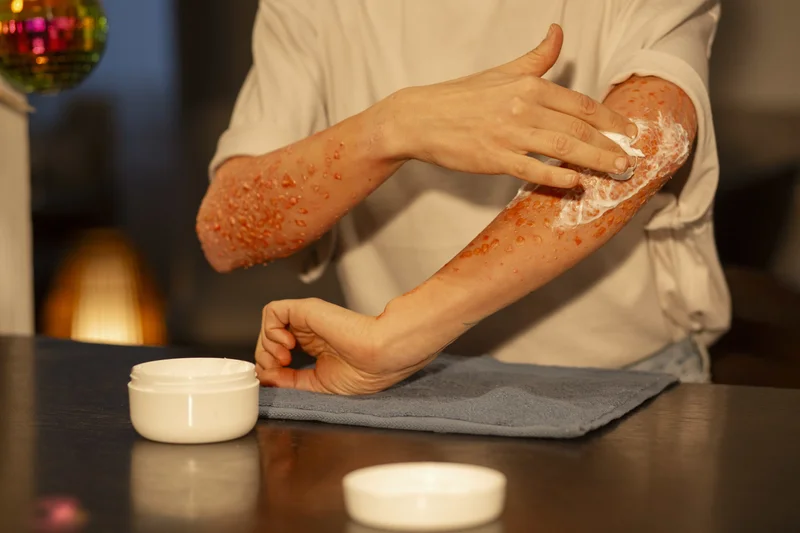
Valiya Madhusnuhi Rasayanam is a classical Ayurvedic Rasayana (rejuvenative) formulation primarily used for chronic skin diseases, blood purification, and metabolic disorders like diabetes. Described in the traditional Kerala text Sahasrayogam, it combines over 30 herbal ingredients with purified sulfur (Shuddha Gandhaka) and purified guggulu — all bound in a base of ghee, honey, and sugar candy. If you've been searching for a time-tested Ayurvedic remedy for stubborn skin conditions like psoriasis, eczema, or non-healing ulcers, this guide covers everything you need to know: from its complete ingredient list and mechanism of action to dosage, side effects, dietary guidelines, and how it compares to regular Madhusnuhi Rasayanam.
What Is Valiya Madhusnuhi Rasayanam?
Definition & Ayurvedic Classification
Valiya Madhusnuhi Rasayanam belongs to the Rasayana category of Ayurvedic medicine — a class of formulations designed to rejuvenate body tissues (dhatus), enhance immunity (vyadhikshamatva), and slow down degenerative processes. The word "Rasayana" literally translates to "the path of rasa," referring to the nourishment of the body's fundamental tissue essence.
Unlike general tonics, Rasayana formulations operate on a deep cellular level. They aim to optimize tissue nutrition from the first dhatu (Rasa — plasma) through to the seventh (Shukra — reproductive tissue). Valiya Madhusnuhi Rasayanam specifically targets Rakta dhatu (blood tissue) and Mamsa dhatu (muscle tissue), making it exceptionally effective for disorders rooted in blood impurity and chronic inflammation.
The prefix "Valiya" in Malayalam means "big" or "greater," indicating that this is the enhanced, more comprehensive version of the base formula.
Valiya Madhusnuhi Rasayanam vs Madhusnuhi Rasayanam — Key Differences
This is one of the most commonly asked questions, and surprisingly, no existing resource provides a clear answer.
Here's the distinction:
| Feature | Madhusnuhi Rasayanam | Valiya Madhusnuhi Rasayanam |
|---|---|---|
| Number of ingredients | Fewer (simplified formula) | 30+ ingredients (expanded formula) |
| Scope of action | Primarily skin diseases | Skin diseases + diabetes + fistula + hemorrhoids + immune support |
| Key additions | Basic herbal composition | Includes Shuddha Gandhaka, Guggulu, and additional blood-purifying herbs |
| Classical reference | Sahasrayogam (basic version) | Sahasrayogam (Valiya/greater version) |
| Potency | Moderate | Higher due to mineral-herbal synergy |
In simple terms: Valiya Madhusnuhi Rasayanam is the "full-strength" version. It contains purified mineral ingredients (Gandhaka and Guggulu) that the basic version may lack, giving it broader therapeutic range and stronger detoxifying action. If a practitioner wants more aggressive treatment for deep-seated chronic conditions, the Valiya variant is typically preferred.
Historical Background & Classical References
- The formula is documented in Sahasrayogam, one of the most important compilations of Ayurvedic formulations from Kerala's rich medical tradition.
- Sahasrayogam — literally "a thousand formulations" — is a practical reference text that Kerala Ayurvedic physicians (Ashtavaidyas) have relied on for centuries.
Rasayana therapy itself finds its earliest references in the Charaka Samhita (circa 300 BCE–200 CE), where entire chapters are dedicated to rejuvenation science. While Valiya Madhusnuhi Rasayanam as a specific formula is a Kerala contribution, the principles underlying it — blood purification (Raktashodhana), toxin elimination (Ama pachana), and tissue rejuvenation — are as old as Ayurveda itself.
Ingredients — Complete Composition with Scientific Names
Herbal Powders (Churna Dravyas)
The following table lists the main herbal ingredients in Valiya Madhusnuhi Rasayanam:
| Sanskrit/Common Name | Botanical Name | Primary Action |
|---|---|---|
| Madhusnuhi (China Root) | Smilax china | Blood purifier, anti-syphilitic, anti-inflammatory |
| Chitraka | Plumbago zeylanica | Digestive stimulant, metabolic enhancer |
| Vidanga | Embelia ribes | Anthelmintic, detoxifier |
| Haritaki | Terminalia chebula | Mild laxative, Rasayana, tridosha balancer |
| Vibhitaki | Terminalia bellirica | Astringent, Kapha-reducing |
| Amalaki | Emblica officinalis | Antioxidant, Pitta-pacifying, vitamin C source |
| Pippali | Piper longum | Bio-availability enhancer, respiratory tonic |
| Devadaru | Cedrus deodara | Anti-inflammatory, analgesic |
| Chandana (Sandalwood) | Santalum album | Cooling, blood purifying, skin soothing |
| Kushta | Saussurea lappa | Anti-dermatosis, Kapha-Vata balancer |
| Haridra (Turmeric) | Curcuma longa | Anti-inflammatory, antimicrobial |
| Daruharidra | Berberis aristata | Hepatoprotective, antibacterial (contains berberine) |
| Sariva | Hemidesmus indicus | Blood purifier, cooling |
| Manjishta | Rubia cordifolia | Primary Raktashodhaka (blood cleanser) |
| Nimba (Neem) | Azadirachta indica | Antibacterial, anti-dermatitis |
| Guduchi (Giloy) | Tinospora cordifolia | Immunomodulator, anti-pyretic |
| Musta | Cyperus rotundus | Digestive, Ama-eliminating |
| Patola | Trichosanthes dioica | Anti-pyretic, blood purifying |
| Katuka | Picrorhiza kurroa | Hepatoprotective, bitter tonic |
Note: The exact number and proportions can vary slightly between manufacturers (Kottakkal Arya Vaidya Sala, Sitaram Ayurveda, etc.), but the core composition remains faithful to Sahasrayogam.
Key Active Ingredients — Shuddha Gandhaka, Guggulu & Madhusnuhi
Three ingredients deserve special attention because they define this formulation's unique therapeutic identity:
1. Shuddha Gandhaka (Purified Sulfur)
- Sulfur has been used in Ayurveda for centuries, specifically for skin diseases and chronic infections.
- However, raw sulfur is toxic — so it undergoes Shodhana (purification), typically by being melted and poured repeatedly into cow's milk or specific herbal decoctions. A 2016 study published in the Journal of Ayurveda and Integrative Medicine confirmed that the Shodhana process significantly reduces heavy metal content and toxic sulfur compounds while retaining therapeutic sulfur forms. Purified sulfur acts as a potent antimicrobial and helps in managing chronic dermatoses and parasitic skin conditions.
2. Shuddha Guggulu (Purified Commiphora wightii)
- Guggulu is a resin well-known for its anti-inflammatory, hypolipidemic, and wound-healing properties.
- Modern research — including a 2004 review in Molecular and Cellular Biochemistry — has documented guggulsterones' ability to modulate NF-κB pathways, which are central to chronic inflammatory conditions. In this formulation, Guggulu provides deep-tissue penetrating action (Yogavahi property) and enhances the bioavailability of other ingredients.
- Madhusnuhi — Smilax china (China Root)
This is the star ingredient — and surprisingly, no competitor explains why. Smilax china, known as China Root or Madhusnuhi in Sanskrit, has a long history in both Ayurvedic and Traditional Chinese Medicine for treating syphilis, chronic skin ulcers, and joint disorders. A 2013 study in Fitoterapia identified steroidal saponins, flavonoids, and stilbenes in Smilax species that demonstrate significant anti-inflammatory and immunomodulatory activity. Its particular affinity for Rakta dhatu (blood tissue) is why the entire formulation is named after it.
Base Ingredients — Ghee, Honey & Sugar Candy
The final preparation uses:
- Ghee (clarified butter) — a traditional Ayurvedic carrier (Anupana) that enhances absorption of fat-soluble herbal compounds and pacifies Pitta dosha.
- Honey (Madhu) — acts as a Yogavahi (catalytic carrier), penetrating deep tissues and enhancing the efficacy of Kapha-reducing herbs. Per Ayurvedic rules, honey is added after the preparation cools to preserve its enzymatic properties.
- Mishri (Sugar Candy / Khanda Sharkara) — balances taste, mildly nutritive, and Pitta-pacifying.
Method of Preparation
The traditional manufacturing process follows the Lehya (electuary/confection) method described in Sahasrayogam:
- 1.Kashaya preparation: A decoction of Madhusnuhi and other specified herbs is prepared by boiling them in water until reduced to one-quarter volume.
- 2.Churna mixing: Fine powders of all herbal ingredients are prepared separately.
- 3.Gandhaka and Guggulu Shodhana: Sulfur and Guggulu undergo their respective purification processes before being powdered.
- 4.Lehya formation: The decoction is combined with ghee and sugar candy, then cooked on low heat until the mixture achieves lehya consistency (semi-solid paste that doesn't stick to fingers when rolled).
- 5.Addition of honey and fine powders: Once the base cools to below 40°C, honey and the remaining herbal powders are mixed in thoroughly.
The result is a dark, semi-solid preparation with a mildly sweet, slightly bitter and pungent taste.
Shelf life: Typically 2–3 years from the date of manufacture when stored properly. Some classical texts suggest that Rasayana formulations actually increase in potency over time (up to a point), though modern standards generally recommend using within the manufacturer's stated expiry.
Indications & Therapeutic Uses
Chronic Skin Diseases — Psoriasis, Eczema, Atopic Dermatitis
This is the primary indication. Valiya Madhusnuhi Rasayanam is extensively prescribed by Ayurvedic dermatologists for:
- Psoriasis (Kitibha Kushta) — helps reduce scaling, itching, and plaque formation through blood purification and Kapha-Pitta balancing
- Eczema / Vicharchika — addresses the root cause of chronic weeping or dry eczema by clearing Ama from Rakta dhatu
- Atopic Dermatitis — its immunomodulatory properties help regulate the overactive immune responses typical in atopic conditions
- Chronic Urticaria — useful in recurrent hives associated with blood impurity
A 2018 observational study conducted at a Kerala Ayurvedic hospital documented significant improvement in PASI (Psoriasis Area and Severity Index) scores among patients given Valiya Madhusnuhi Rasayanam as part of an integrated treatment protocol over 90 days.
Non-Healing Ulcers & Purulent Infections
Chronic wounds, abscesses, and non-healing ulcers (Dushta Vrana) that resist conventional treatment often respond well to this formulation. The combined antimicrobial action of sulfur, neem, and turmeric — along with the tissue-regenerating Rasayana properties — creates conditions favorable for wound healing from within. This is particularly relevant in diabetic foot ulcers where healing is impaired.
Diabetes Mellitus (Prameha)
Several ingredients in the formula — including Haridra, Amalaki, and Guduchi — have demonstrated hypoglycemic activity in studies. A 2019 randomized controlled trial published in AYU Journal found that Guduchi (Tinospora cordifolia) significantly reduced fasting blood glucose levels in Type 2 diabetic patients. Within the Ayurvedic framework, Prameha is understood as a Kapha-predominant metabolic disorder involving Ama and Meda dhatu — both of which this formulation directly targets.
Hemorrhoids & Fistula-in-Ano
Valiya Madhusnuhi Rasayanam is frequently co-prescribed in Bhagandara (fistula-in-ano) and Arsha (hemorrhoids) treatment protocols. Guggulu and Chitraka help manage the inflammatory component, while blood-purifying herbs prevent secondary infection. In fistula management, it's often given alongside Kshara Sutra therapy as a systemic supportive treatment.
Blood Purification & Detoxification
The formulation is fundamentally a Raktashodhaka (blood purifier). Ingredients like Manjishta, Sariva, Chandana, and Neem work synergistically to cleanse blood tissue of accumulated toxins (Ama). This makes it useful in conditions like acne, boils, and any disorder where blood impurity is a contributing factor.
Immune System Enhancement & Cognitive Support
- As a Rasayana, the formulation strengthens Ojas — the vital essence of immunity in Ayurveda. Ingredients like Amalaki, Guduchi, and Haritaki are individually well-established immunomodulators.
- There's also emerging evidence for cognitive benefits: Guduchi has shown neuroprotective activity in animal models (a 2014 study in Neurochemical Research demonstrated improved memory and learning in rodents), and Amalaki's potent antioxidant capacity protects neural tissue from oxidative damage.
How Valiya Madhusnuhi Rasayanam Works — Mechanism of Action
Dosha Balancing — Kapha-Pitta Shamana
Most chronic skin diseases in Ayurveda are classified as Kushta Roga, arising from vitiation of Kapha, Pitta, and Rakta (blood). Valiya Madhusnuhi Rasayanam primarily performs Kapha-Pitta Shamana — pacifying the excessive moisture, stagnation (Kapha), and heat, inflammation (Pitta) that drive these conditions. The bitter and pungent herbs reduce Kapha, while cooling herbs like Chandana, Sariva, and Amalaki control Pitta without aggravating it.
Ama Elimination & Raktashodhana (Blood Purification)
In Ayurvedic pathology, chronic diseases develop when Ama (undigested metabolic toxins) enters the bloodstream and lodges in tissues.
The formulation works on two fronts:
- 1.Agni deepana (digestive fire enhancement) — Chitraka, Pippali, and Musta strengthen metabolism to prevent new Ama formation
- 2.Ama pachana and Rakta shodhana — Manjishta, Sariva, Neem, and Madhusnuhi actively cleanse existing toxins from the blood
This two-pronged approach — stopping toxin production while clearing existing toxins — is why Rasayana formulations often succeed where symptomatic treatments fail.
Anti-inflammatory & Antioxidant Properties
From a modern pharmacological perspective, the formulation delivers a concentrated dose of anti-inflammatory and antioxidant compounds. Curcumin from turmeric, berberine from Daruharidra, guggulsterones from Guggulu, gallic acid and vitamin C from Amalaki, and steroidal saponins from Smilax — these collectively target multiple inflammatory pathways (COX-2, NF-κB, TNF-α, IL-6) simultaneously. This multi-target approach may explain why Ayurvedic polyherbal formulations sometimes show benefits in chronic inflammatory conditions where single-compound drugs plateau.
Dosage & Administration
Adult Dosage
The standard adult dose is 6–12 grams (approximately 1–2 teaspoons) once or twice daily, though the exact dose should always be determined by your Ayurvedic physician based on:
- Disease severity and chronicity
- Digestive capacity (Agni bala)
- Body constitution (Prakriti)
- Age and weight
Children's Dosage
For children above 5 years, a common guideline is 3–6 grams once or twice daily. Children below 5 years are generally not given this formulation without specific medical supervision, primarily because of the Gandhaka (sulfur) content.
Dosage During Pregnancy & Lactation
This formulation is generally not recommended during pregnancy due to the presence of purified sulfur, Guggulu, and several potent herbs that may have uterine-stimulating properties. During lactation, it should only be taken under strict medical supervision, as some constituents may pass into breast milk.
Best Time & Method of Consumption (Anupana)
- Timing: Usually administered on an empty stomach in the morning, or as directed by the physician.
- Some practitioners recommend twice daily — morning and evening, 30 minutes before meals.
- Anupana (vehicle): Can be taken directly or mixed with warm milk or warm water. Warm milk is often preferred for its Rasayana-enhancing property.
Duration of Course
This is a question nobody seems to answer clearly. Based on clinical practice guidelines and traditional recommendations:
- Acute skin conditions: 1–2 months
- Chronic skin diseases (psoriasis, eczema): 3–6 months, sometimes longer
- Diabetes support: 3–6 months with periodic assessment
- Fistula/hemorrhoids support: 2–4 months alongside primary treatment
- Results are generally not immediate. Most patients begin noticing visible skin improvement after 3–4 weeks of consistent use. Full therapeutic benefits in chronic cases typically manifest between 2–3 months.
- The Rasayana (rejuvenative) benefits — enhanced energy, better immunity, improved digestion — often become apparent within the first 2–3 weeks.
Dietary Recommendations (Pathya-Apathya) During Treatment
This is a critical aspect that competitors completely overlook, yet Ayurvedic texts emphatically state that Rasayana therapy without proper diet and lifestyle is only half-effective.
Foods to Favor (Pathya)
- Light, warm, freshly cooked meals
- Bitter vegetables — bitter gourd (karela), moringa (drumstick), snake gourd
- Green gram (moong dal) — the go-to protein source during skin treatment
- Barley, old rice (Purana Shali)
- Warm water throughout the day
- Pomegranate, amla (Indian gooseberry)
Foods to Avoid (Apathya)
- Viruddha Ahara (incompatible food combinations) — especially milk with fish, milk with salt, or fruit with milk
- Deep-fried, excessively oily foods
- Fermented foods — idli, dosa, vinegar, alcohol, pickles (these aggravate Pitta and worsen skin conditions)
- Curd/yogurt (especially at night) — increases Kapha and blocks micro-channels
- Excessive jaggery and sugarcane products
- Non-vegetarian food, particularly seafood and red meat — these aggravate Pitta and Rakta
- Processed and packaged foods with artificial preservatives
Lifestyle Guidelines
- Avoid excessive sun exposure, hot baths, and strenuous exercise during active skin flare-ups
- Adequate sleep (ideally before 10 PM) to support Pitta pacification
- Stress management through meditation or Pranayama — chronic stress is a well-documented trigger for psoriasis and eczema flares
Integration with Panchakarma & Other Ayurvedic Therapies
Valiya Madhusnuhi Rasayanam is most powerful when integrated into a comprehensive Ayurvedic treatment protocol rather than used in isolation.
Common combinations include:
- Vamana or Virechana (therapeutic emesis or purgation) as a preparatory Shodhana (detox) before starting the Rasayana — this clears channels and enhances absorption
- Abhyanga (oil massage) with Eladi Coconut Oil or Nalpamaradi Tailam for external skin nourishment
- Takradhara (buttermilk pouring therapy) — specifically indicated in psoriasis management
- Raktamokshana (bloodletting through leeches) — in severe chronic skin diseases, used alongside oral medication
Comparison with Mahatikta Ghritam
Another frequently asked question.
Both are used for skin diseases, but they differ:
| Feature | Valiya Madhusnuhi Rasayanam | Mahatikta Ghritam |
|---|---|---|
| Form | Lehya (semi-solid confection) | Ghritam (medicated ghee) |
| Primary action | Blood purification + Rasayana | Pitta pacification + liver support |
| Best suited for | Kapha-Pitta type skin diseases with Ama | Pure Pitta-type skin conditions with burning |
| Contains sulfur? | Yes (Shuddha Gandhaka) | No |
| Diabetes support? | Yes | Less specific |
| Can be combined? | Yes, often used together for complex cases | Yes |
Side Effects, Precautions & Drug Interactions
Potential Side Effects
When taken in the correct dosage under professional supervision, Valiya Madhusnuhi Rasayanam is generally safe.
However, some patients may experience:
- Mild gastric discomfort or loose stools in the first few days — this often settles as the body adjusts
- Mild skin aggravation initially — in Ayurveda, this is sometimes interpreted as toxins being expelled (a "healing crisis"), but it should be monitored
- Increased body heat in Pitta-dominant individuals, due to Gandhaka and warming herbs
If any of these effects persist beyond a week, consult your practitioner for dose adjustment.
Precautions
- Not recommended during pregnancy or lactation without explicit medical guidance
- Diabetic patients on allopathic medication should be monitored for blood sugar, as the formulation may enhance hypoglycemic effects
- Patients with gastric ulcers or hyperacidity should use with caution — Gandhaka and pungent herbs may aggravate these conditions
- Children under 5 years — generally not prescribed
Interactions with Allopathic Medications
This is a significant gap in existing literature. While no formal drug interaction studies exist specifically for this formulation, the following precautions are clinically prudent:
- Anti-diabetic drugs (Metformin, Glimepiride): Monitor blood glucose levels closely, as additive hypoglycemic effects are possible
- Blood thinners (Warfarin, Aspirin): Turmeric and Guggulu have mild anti-platelet activity — inform your physician if you're on anticoagulants
- Immunosuppressants (used in severe psoriasis): The immunomodulatory herbs in this formulation may theoretically interfere with immunosuppressive therapy
The safest approach: Maintain a 2-hour gap between this formulation and any allopathic medication, and always inform both your Ayurvedic and allopathic doctors about concurrent treatments.
Storage Conditions
- Store in a cool, dry place away from direct sunlight
- Keep the container tightly sealed after each use to prevent moisture absorption
- Do not refrigerate unless specified by the manufacturer — excessive cold can alter the consistency of ghee-based preparations
- Keep away from children
- Shelf life is typically 2–3 years from manufacture, but always check the label
Where to Buy Authentic Valiya Madhusnuhi Rasayanam
Authenticity matters enormously with Ayurvedic formulations.
Reputable manufacturers include:
- Kottakkal Arya Vaidya Sala — available in 200 gm and 500 gm jars
- Sitaram Ayurveda — available in 250 gm packaging
- Vaidyaratnam Oushadhasala
- SNA Oushadhasala
These are available through the manufacturers' official online stores, as well as trusted platforms like eAyur.com, AyushBuy.com, and AyurPlan.com. Prices generally range from ₹150–₹350 depending on brand and quantity.
Tip: Always check for GMP certification on the label and verify the manufacturing date. Avoid purchasing from unverified sellers on general e-commerce platforms.
Frequently Asked Questions (FAQ)
What is the use of Madhusnuhi Rasayanam?
Madhusnuhi Rasayanam (and its enhanced version, Valiya Madhusnuhi Rasayanam) is primarily used for chronic skin diseases like psoriasis, eczema, and dermatitis. It also supports treatment of diabetes, hemorrhoids, fistula-in-ano, non-healing ulcers, and acts as a general blood purifier and immune booster.
Which Rasayana is best for the brain?
While Valiya Madhusnuhi Rasayanam contains neuroprotective ingredients like Guduchi and Amalaki, it is not primarily a brain Rasayana. For cognitive enhancement, Brahma Rasayana, Chyawanprash, and Saraswatarishta are more specifically indicated. However, the detoxification and antioxidant effects of Valiya Madhusnuhi Rasayanam can indirectly support mental clarity.
How does Valiya Madhusnuhi Rasayanam promote longevity?
As a Rasayana formulation, it promotes longevity by: eliminating accumulated toxins from blood and tissues, enhancing cellular regeneration through antioxidant activity, strengthening Ojas (vital immunity), and (4) optimizing tissue nutrition from Rasa dhatu through Shukra dhatu. Long-term use under medical guidance can slow degenerative changes associated with aging.
Can I take Valiya Madhusnuhi Rasayanam with my regular medicines?
You can, but with precautions. Maintain at least a 2-hour gap between this formulation and allopathic medications. If you're on blood thinners, anti-diabetic drugs, or immunosuppressants, inform both your Ayurvedic and allopathic physicians. Close monitoring is recommended during concurrent use.
Is Valiya Madhusnuhi Rasayanam available in tablet form?
Traditionally, this formulation is only available as a Lehya (semi-solid confection/paste). Some manufacturers may offer it in different consistencies, but the classical preparation is not a tablet. If you find it marketed as a tablet, verify the manufacturer's credibility carefully.
How long does it take to see results from Valiya Madhusnuhi Rasayanam?
Initial improvements in skin conditions are often visible within 3–4 weeks. For chronic conditions like psoriasis, significant results typically require 3–6 months of consistent use alongside dietary discipline. General vitality and immunity improvements may be noticed within 2–3 weeks.
Are there any side effects of using Valiya Madhusnuhi Rasayanam?
When taken in proper dosage under medical guidance, side effects are minimal. Some people experience mild gastric discomfort or temporary skin aggravation in the initial days. These usually resolve on their own. Overconsumption may cause excessive body heat, loose stools, or stomach irritation.
Conclusion
Valiya Madhusnuhi Rasayanam represents one of Ayurveda's most sophisticated approaches to chronic skin disease management — combining powerful blood-purifying herbs, purified minerals, and time-tested Rasayana principles into a single formulation. Its strength lies not just in symptom relief but in addressing the root cause: accumulated Ama in Rakta dhatu, impaired metabolism, and weakened immunity.
- However, this is not a self-medication product. The presence of Shuddha Gandhaka and potent herbs means it requires proper medical supervision for dosage determination, dietary compliance, and treatment duration.
- When used correctly — ideally as part of a comprehensive Ayurvedic protocol including Panchakarma, diet modification, and lifestyle adjustment — it can deliver results that standalone treatments often cannot.
Consult a qualified Ayurvedic physician before starting Valiya Madhusnuhi Rasayanam, especially if you have pre-existing conditions, are on other medications, or are pregnant or breastfeeding. Your practitioner can tailor the dosage, anupana, and treatment duration to your specific constitution and condition. Disclaimer: This article is for educational purposes only and does not replace professional medical advice. Always consult a qualified Ayurvedic practitioner before starting any new treatment.
Scientific Sources
- Ayurveda's role in preventing disease — Svoboda RE, 1998, Indian journal of medical sciences
- Merger of ayurveda and tissue culture-based functional genomics: inspirations from systems biology — Deocaris CC et al., 2008, Journal of translational medicine
- Safety of Ashwagandha Root Extract: A Randomized, Placebo-Controlled, study in Healthy Volunteers — Verma N et al., 2021, Complementary therapies in medicine
- Non-allopathic systems of medicine--time to reflect and act — Gaitonde S et al., 2002, The Journal of the Association of Physicians of India
- Overlooked contributions of Ayurveda literature to the history of physiology of digestion and metabolism — Singh A et al., 2023, History and philosophy of the life sciences
- The practitioner's perspective: introduction to Ayurvedic herbalism — Khalsa KP, 2007, Journal of herbal pharmacotherapy
- Revisiting the tridosha paradigm of Ayurveda — Krishna GL, 2025, Indian journal of medical ethics
- Clinical evaluation of purified Shilajit on testosterone levels in healthy volunteers — Pandit S et al., 2016, Andrologia
- The scientific value of Ayurveda — Hankey A, 2005, Journal of alternative and complementary medicine (New York, N.Y.)
- Introducing Hybrid Problem-Based Learning Modules in Ayurveda Education: Results of an Exploratory Study — More VR et al., 2020, Journal of alternative and complementary medicine (New York, N.Y.)
- Integrative Skin Care: Dermatology and Traditional and Complementary Medicine — Bodeker G et al., 2017, Journal of alternative and complementary medicine (New York, N.Y.)
- Rasayana therapy in classical literature of Ayurveda: a review — Ali M, 1998, Bulletin of the Indian Institute of History of Medicine (Hyderabad)
- Ayurvedic medicine — Bodeker GC, 1991, CMAJ : Canadian Medical Association journal = journal de l'Association medicale canadienne
- Studies on the Determination of Antioxidant Activity and Phenolic Content of Plant Products in India (2000-2017) — Sharma RK et al., 2019, Journal of AOAC International
- BHUx: a patented polyherbal formulation to prevent hyperlipidemia and atherosclerosis — Tripathi YB, 2009, Recent patents on inflammation & allergy drug discovery
- Immunomodulatory activity of bamboo biosilica from Dendrocalamus longispathus Kurz. - Metabolomics integrated network pharmacology approach — Kar A et al., 2025, Phytomedicine : international journal of phytotherapy and phytopharmacology
- Review on shilajit used in traditional Indian medicine — Wilson E et al., 2011, Journal of ethnopharmacology
- Traditional Indian systems of medicine — Lodha R et al., 2000, Annals of the Academy of Medicine, Singapore
- Stress, steroids, and "ojas": neuroendocrine mechanisms and current promise of ancient approaches to disease prevention — Walton KG et al., 1995, Indian journal of physiology and pharmacology
- Knowledge, attitude and practice towards Ayurveda among patients attending cardiology and neurology clinics at a tertiary care institute in India — Sharma G et al., 2023, The National medical journal of India
Ask Ayurvedic doctor a question and get a consultation online on the problem of your concern in a free or paid mode.
More than 2,000 experienced doctors work and wait for your questions on our site and help users to solve their health problems every day.
Related articles