Ask Ayurvedic doctor a question and get a consultation online on the problem of your concern in a free or paid mode. More than 2,000 experienced doctors work and wait for your questions on our site and help users to solve their health problems every day.


Body DetoxEar, Nose, and Throat DisordersGeriatrics & RejuvenationImmunodeficiencyInfertility TreatmentNutritionOrthopedic DisordersPediatricsRespiratory DisordersSexually Transmitted Diseases (STDs)Surgery RecoveryUrological DisordersVascular DisordersDental DisordersEndocrinological DisordersGastrointestinal DisordersYoga TherapyGeneral MedicineAllergic DisordersCardio DisordersGynecology and ObstetricsCosmetologySkin and Hair DisordersEye DisordersInfectious DiseasesMental DisordersNeurological DisordersOncologyPanchakarmaSexual Health & DisordersSports Medicine
Published on 02/17/25
(Updated on 08/12/26)
2,808
Rasnadi Kwath Uses – Ayurvedic Herbal Decoction for Pain Relief
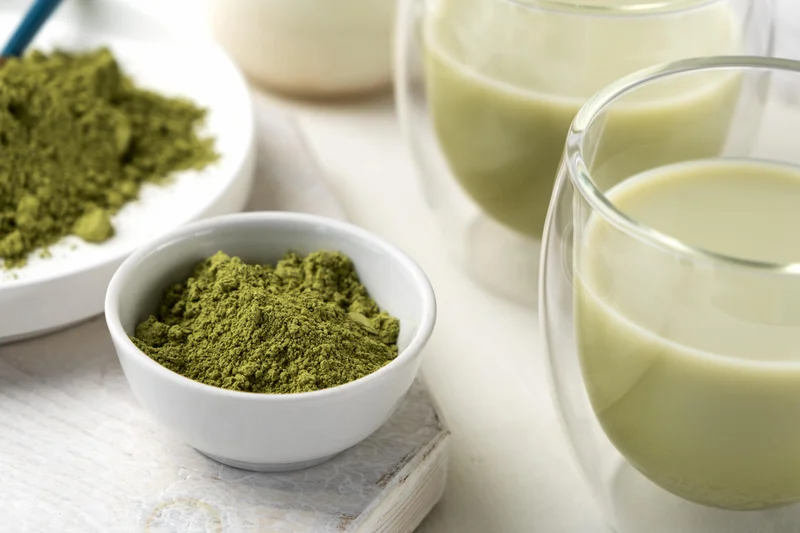
Rasnadi Kwath is a classical Ayurvedic herbal decoction (kashayam) primarily used to manage joint pain, arthritis, sciatica, and musculoskeletal inflammation. Rooted in formulations described in ancient texts like the Sharangadhara Samhita and Bhaishajya Ratnavali, this polyherbal preparation works by pacifying aggravated Vata dosha, burning metabolic toxins (ama), and restoring mobility in stiff, painful joints. Unlike single-herb remedies, Rasnadi Kwath combines over a dozen synergistic ingredients — with Rasna (Pluchea lanceolata) as the lead herb — to deliver anti-inflammatory, analgesic, and detoxifying effects that modern pharmacological research is beginning to validate.
Whether you're dealing with chronic osteoarthritis, acute lower back pain, or post-injury stiffness, this guide covers everything you need to know: classical references, full ingredient breakdown, precise dosage instructions, safety considerations, and dietary guidelines that no other resource online currently provides.
What Is Rasnadi Kwath?
Rasnadi Kwath (also spelled Rasnadi Kashayam or Rasnadi Kadha) is a traditional Ayurvedic decoction prepared by boiling a specific combination of dried herbs in water until the volume reduces to one-quarter of the original amount. The term "kwath" itself derives from the Sanskrit kvātha, meaning "that which is boiled down." This process extracts water-soluble alkaloids, tannins, flavonoids, and essential oils from the herbs into a concentrated, bioavailable liquid.
The formulation is classified as a Vata-shamana (Vata-pacifying) preparation in Ayurvedic pharmacology, making it specifically suited for conditions where aggravated Vata dosha causes pain, dryness, stiffness, and degeneration in joints and nerves.
Classical Ayurvedic References
- One of the biggest gaps in existing online resources is the complete absence of primary textual references.
- Rasnadi Kwath is not a modern invention — it has been documented in several authoritative Ayurvedic compendiums:
- Sharangadhara Samhita (Madhyama Khanda, Chapter 2) — This 13th-century text by Acharya Sharangadhara provides the foundational guidelines for preparing kashayam (decoctions) and lists Rasnadi among formulations for Vata-vyadhi (Vata disorders).
- It specifies the standard 1:4 reduction ratio for kwath preparation.
- Bhaishajya Ratnavali (Chapter 26 – Amavata Chikitsa) — This comprehensive pharmacopoeia describes Rasnadi Kwath in the context of Amavata (rheumatoid arthritis) treatment, emphasizing its role in amapachana (digestion of metabolic toxins).
- Ashtanga Hridayam (Chikitsa Sthana) — Vagbhata's classic work references Rasna-based formulations for managing Gridhrasi (sciatica) and Sandhivata (osteoarthritis).
These are not obscure references. They represent the backbone of Ayurvedic medical education, and the fact that Rasnadi Kwath appears across multiple authoritative texts underscores its time-tested clinical significance.
Rasnadi Kwath vs Maharasnadi Kwath vs Rasnerandadi Kwath — Key Differences
This is probably the most confusing area for anyone searching online. Three similarly-named formulations exist, and no competitor clearly explains the distinction.
Here's what you need to know:
| Feature | Rasnadi Kwath | Maharasnadi Kwath | Rasnerandadi Kwath |
|---|---|---|---|
| Number of Ingredients | 8–13 herbs | 25–30+ herbs | 12–16 herbs |
| Primary Focus | Joint pain, mild arthritis | Severe arthritis, complex Vata disorders | Inflammatory joint conditions with Pitta involvement |
| Key Distinguishing Herb | Rasna (lead herb) | Rasna + Guduchi + Ashwagandha + many more | Rasna + Eranda (castor root) prominently |
| Potency | Moderate | High (broader spectrum) | Moderate-High |
| Classical Text | Sharangadhara Samhita | Bhaishajya Ratnavali (Ch. 26) | Sahasrayogam (Kerala tradition) |
| Best Suited For | Early-stage joint pain, sciatica | Chronic RA, advanced osteoarthritis, neurological Vata | Joint inflammation with swelling and heat |
| Common Form | Churna (powder) or liquid | Liquid kwath, tablets | Liquid kashayam |
Simple rule of thumb: If your condition is relatively mild or recently onset, Rasnadi Kwath is often the first-line choice. For chronic, multi-joint, or severe conditions, practitioners typically escalate to Maharasnadi Kwath. Rasnerandadi Kwath suits cases where inflammatory swelling is prominent alongside pain.
Available Forms: Liquid Kwath vs. Kwath Churna (Powder)
Rasnadi Kwath comes in two primary forms, and each has distinct advantages:
Liquid Kwath (Ready-made decoction)
- Pre-prepared by pharmaceutical companies
- Convenient — no preparation needed
- Shorter shelf life (typically 2–3 years with preservatives)
- May contain added preservatives like sodium benzoate
- Slightly lower potency compared to freshly prepared kwath
Kwath Churna (Coarse powder for decoction)
- You boil the powder at home to prepare fresh decoction
- No preservatives, maximum potency
- Requires 15–20 minutes of preparation each time
- Longer shelf life of the dry powder (3–5 years if stored properly)
- Considered more effective by traditional practitioners
- For best results, Ayurvedic physicians generally recommend the churna form prepared fresh daily.
- However, if convenience is a priority — and lets be honest, for most working professionals it is — the liquid form remains a solid option.
Key Ingredients and Their Roles
The power of Rasnadi Kwath lies in its carefully balanced polyherbal composition. Each ingredient addresses a specific aspect of pain, inflammation, or toxin removal. While exact formulations vary slightly between manufacturers, the classical composition includes the following core herbs:
Rasna (Pluchea lanceolata) — The Primary Herb
Rasna is the pradhana dravya (principal drug) of this formulation. In Ayurvedic pharmacology, Rasna is classified as having tikta rasa (bitter taste), ushna virya (hot potency), and katu vipaka (pungent post-digestive effect) — a profile perfectly suited for Vata pacification.
A 2016 study published in the Journal of Ethnopharmacology demonstrated that Pluchea lanceolata extracts exhibit significant anti-inflammatory activity through inhibition of COX-2 and lipoxygenase enzymes, mechanistically similar to conventional NSAIDs but without the gastric side effects at therapeutic doses (Srivastava et al., 2016).
Eranda (Ricinus communis — Castor Root)
Eranda mool (castor root) is specifically indicated for Amavata in Ayurveda. It acts as a mild purgative and helps eliminate toxins through the GI tract while simultaneously reducing joint inflammation. Modern research has identified ricinoleic acid as its primary active compound, which has shown anti-inflammatory and analgesic properties in animal models (Vieira et al., 2000, Journal of Ethnopharmacology).
Guduchi (Tinospora cordifolia)
An immunomodulatory powerhouse. Guduchi, sometimes called "Amrita" (the divine nectar), helps regulate overactive immune responses — particularly relevant in autoimmune conditions like rheumatoid arthritis. A 2015 clinical study in the Indian Journal of Pharmacology showed that Guduchi extract significantly reduced inflammatory markers (CRP and ESR) in RA patients over 21 days.
Supporting Ingredients
| Ingredient | Sanskrit/Common Name | Primary Action in This Formulation |
|---|---|---|
| Zingiber officinale | Shunthi (Dry Ginger) | Deepana (appetite stimulant), amapachana, improves bioavailability of other herbs |
| Cedrus deodara | Devadaru | Analgesic, anti-inflammatory, specific for Vata in bones and joints |
| Tribulus terrestris | Gokshura | Diuretic, reduces swelling, supports kidney function |
| Terminalia chebula | Haritaki | Mild laxative, removes toxins, rasayana (rejuvenative) |
| Piper longum | Pippali | Bioavailability enhancer, anti-inflammatory, respiratory support |
| Withania somnifera | Ashwagandha | Adaptogenic, strengthens muscles and nerves, Vata shamana |
| Commiphora mukul | Guggulu | Anti-inflammatory (inhibits NF-κB pathway), lipid modulation |
| Boswellia serrata | Shallaki | Potent anti-inflammatory (inhibits 5-LOX enzyme) |
| Cyperus rotundus | Musta (Nagarmotha) | Digestive, ama-reducing, anti-spasmodic |
The synergistic combination of these herbs addresses pain from multiple angles simultaneously: reducing inflammation, clearing metabolic toxins, strengthening tissues, and improving digestion — which Ayurveda considers the root cause of most chronic diseases.
What Is the Use of Rasnadi Kwath? Benefits and Indications
Rasnadi Kwath serves as a broad-spectrum Vata-Kapha pacifying formulation. Its benefits extend well beyond simple pain relief.
Joint Pain and Arthritis Management
This is the primary indication.
Rasnadi Kwath is prescribed for:
- Sandhivata (Osteoarthritis) — Reduces cartilage degradation markers, relieves stiffness, and improves joint mobility. Particularly effective for knee and hip osteoarthritis.
- Amavata (Rheumatoid Arthritis) — Works through the amapachana mechanism: it "digests" the unprocessed metabolic toxins (ama) that, according to Ayurveda, lodge in joints and trigger autoimmune inflammation.
- Vatarakta (Gout) — Helps manage uric acid-related joint pain when combined with appropriate dietary modifications.
Sciatica and Neurological Pain
Rasnadi Kwath is one of the most frequently prescribed formulations for Gridhrasi (Sciatica) in Ayurvedic practice. The combination of Rasna, Eranda, and Devadaru has a particular affinity for the nerve pathways, helping reduce compression-related pain radiating from the lower back through the leg.
Musculoskeletal Stiffness and Swelling
For conditions like:
- Lumbar spondylosis
- Cervical spondylosis
- Frozen shoulder
- Bursitis
- Myalgia (muscle pain)
- Post-injury stiffness and rehabilitation
Digestive and Detoxification Benefits
Here's something most people don't realize about Rasnadi Kwath — its benefits aren't limited to the musculoskeletal system. The formulation contains potent digestive herbs (Shunthi, Pippali, Musta) that strengthen Agni (digestive fire). In Ayurveda, weak digestion is the root cause of ama production, which ultimately leads to joint disease. By addressing the cause rather than just symptoms, Rasnadi Kwath offers a fundamentally different approach than conventional painkillers.

How to Use Rasnadi Kwath: Dosage and Preparation
Standard Dosage Guidelines
For Liquid (Ready-Made) Kwath
- Adults: 15–30 ml twice daily, before meals
- Timing: Ideally on an empty stomach, 30 minutes before breakfast and dinner
- Duration: Typically prescribed for 1–3 months as a therapeutic course
- Dilution: Can be mixed with an equal quantity of lukewarm water if the taste is too intense
For Kwath Churna (Powder Form)
- Take 10–15 grams of Rasnadi Kwath Churna
- Add 200 ml (approximately 1 cup) of water
- Boil on low-medium flame until reduced to approximately 50 ml (one-quarter)
- Strain through a clean cotton cloth or fine strainer
- Drink warm, not hot, on an empty stomach
Pro tip from clinical practice: Adding 2–3 drops of Eranda taila (castor oil) to the prepared decoction can enhance its efficacy for severe joint stiffness — a traditional anupana (adjuvant) recommended in classical texts.
Course of Treatment: What to Expect
This is crucial information that no competitor currently provides in a structured way:
| Phase | Timeline | What to Expect |
|---|---|---|
| Phase 1: Amapachana | Week 1–2 | Improved digestion, possible mild loose stools, slight increase in joint pain initially (as ama begins to mobilize) |
| Phase 2: Symptom Relief | Week 3–6 | Noticeable reduction in pain and stiffness, improved morning mobility, reduced swelling |
| Phase 3: Tissue Repair | Week 6–12 | Progressive strengthening of joint tissues, sustained pain relief, improved range of motion |
| Phase 4: Maintenance | Month 3+ | Physician may reduce dosage or transition to supportive formulations like Yogaraja Guggulu |
Patience is key. Ayurvedic decoctions work by addressing root causes, not just masking symptoms. Most patients report meaningful improvement by weeks 3-4, but the full therapeutic benefit typically manifests over 2–3 months.
Mechanism of Action: Ayurvedic and Pharmacological Perspectives
The Ayurvedic Understanding: Ama and Dosha Imbalance
According to Ayurveda, joint disease (Vata-vyadhi) follows a specific pathological sequence:
- Mandagni (weakened digestive fire) → produces Ama (undigested metabolic toxins)
- Ama circulates through rasa dhatu (plasma) and lodges in sandhi (joints)
- This provokes Vata dosha aggravation → causing pain, cracking, dryness, stiffness
- If Kapha is also involved → swelling, heaviness, fluid accumulation in joints
Rasnadi Kwath works at multiple levels: it kindles Agni (through Shunthi, Pippali), digests Ama (through Rasna, Guduchi, Musta), pacifies Vata (through Eranda, Devadaru, Ashwagandha), and reduces Kapha-mediated swelling (through Gokshura, Guggulu).
- Important clinical insight from Kerala Ayurveda tradition: In the ama stage of joint disease (characterized by heaviness, loss of appetite, and coating on tongue), oil massage (Abhyanga) can actually worsen symptoms by trapping toxins in tissues. Rasnadi Kwath is specifically designed as an internal cleansing step that should precede external oil therapies.
- This is a critical point that most patients — and even some practitioners — overlook.
Modern Pharmacological Mechanisms
Research into the individual ingredients of Rasnadi Kwath reveals several scientifically validated mechanisms:
- COX-1 and COX-2 Inhibition: Rasna, Shallaki (Boswellia), and Guggulu all demonstrate cyclooxygenase enzyme inhibition, directly reducing prostaglandin-mediated inflammation. A 2011 study in Phytomedicine showed Boswellic acids inhibit 5-lipoxygenase (5-LOX) with an IC50 of 1.5 μM — comparable to some pharmaceutical anti-inflammatory drugs.
- NF-κB Pathway Modulation: Guggulsterones from Guggulu have been shown to suppress the NF-κB signaling pathway, a master regulator of inflammatory gene expression (Shishodia & Aggarwal, 2004, Journal of Biological Chemistry).
- Antioxidant Activity: Guduchi contains berberine and tinosporin, which scavenge free radicals and reduce oxidative stress in joint tissues — a key driver of cartilage degradation in osteoarthritis.
- Immunomodulation: Rather than simply suppressing immunity (like corticosteroids), Guduchi and Ashwagandha modulate immune response — downregulating overactive pathways while supporting normal immune function. This is particularly relevant for autoimmune conditions like RA.
The multi-target mechanism of the polyherbal formulation may explain why many patients report sustained relief without the rebound effect commonly seen when discontinuing NSAIDs.
Don't wait or self medicate. Start chat with Doctor NOW
Diet and Lifestyle Recommendations During Treatment (Pathya-Apathya)
In Ayurveda, taking medicine without following dietary guidelines is like filling a leaking bucket. No competitor mentions Pathya-Apathya for Rasnadi Kwath, yet classical texts consider it integral to treatment success.
Foods to Favor (Pathya)
- Warm, freshly cooked meals — soups, stews, khichdi, and well-cooked vegetables
- Healthy fats in moderation — ghee (clarified butter), sesame oil
- Spices — turmeric, cumin, coriander, asafoetida, ginger, black pepper
- Grains — old rice (purana shali), wheat, barley
- Warm water throughout the day (never ice-cold beverages)
- Light, easily digestible proteins — moong dal, well-cooked lentils
Foods to Avoid (Apathya)
- Cold and raw foods — salads, raw vegetables, cold milk, ice cream
- Heavy, fried, and processed foods — fast food, deep-fried snacks
- Curd/yogurt (especially at night) — increases Kapha and can worsen joint swelling
- Excess sour foods — tamarind, pickles, fermented foods in large quantities
- Incompatible food combinations — milk with fish, fruit with meals
- Refrigerated leftovers — considered Ama-producing in Ayurveda
Lifestyle Practices
- Gentle daily movement — walking, swimming, or yoga (avoid high-impact exercise during acute flare-ups)
- Warm oil self-massage (Abhyanga) — ONLY after the initial Ama phase has cleared (typically after 2 weeks of kwath intake)
- Adequate sleep — 7–8 hours, sleeping before 10 PM
- Avoid daytime sleeping, excessive sitting, and exposure to cold drafts
- Stress management — chronic stress aggravates Vata dosha significantly
Safety Information: Side Effects, Contraindications & Drug Interactions
When NOT to Take Rasnadi Kwath
Most online resources simply say "consult your doctor." Here are specific contraindications based on classical guidelines and clinical experience:
- Pregnancy — Especially during the first trimester. Several ingredients (Pippali, Guggulu, Eranda) have uterine stimulant properties. Third-trimester use should only be under strict medical supervision.
- Active peptic ulcer or gastritis — The bitter and pungent herbs can aggravate existing gastric ulcers. If you have Pitta-predominant acidity, your practitioner may modify the formulation or add gastroprotective adjuvants.
- Severe liver disease — The formulation is metabolized hepatically; impaired liver function can alter drug metabolism.
- Lactation — Insufficient safety data; avoid unless specifically prescribed by an Ayurvedic physician.
- Children under 12 — Not typically indicated. Pediatric joint conditions require specialized formulations.
- Known allergy to any ingredient — Though rare with traditional preparations, allergic reactions are possible.
Potential Side Effects
When taken in recommended doses, Rasnadi Kwath is generally well-tolerated.
However, some people may experience:
- Mild gastric discomfort or loose stools in the first few days (usually self-limiting)
- Temporary increase in joint pain during the initial amapachana phase
- Slight burning sensation in people with high Pitta constitution
If any of these persist beyond 3–5 days, reduce the dose by half and consult your practitioner.
Drug Interactions: Combining with Allopathic Medicines
- This is a critical gap in all existing resources. Many patients in India take Rasnadi Kwath alongside conventional medications.
- Here's what to be aware of:
| Allopathic Medicine | Potential Interaction | Recommendation |
|---|---|---|
| NSAIDs (Ibuprofen, Diclofenac) | Additive anti-inflammatory effect; increased risk of gastric irritation | Maintain 2-hour gap; don't combine high doses of both |
| Corticosteroids (Prednisolone) | May alter steroid metabolism | Use only under physician supervision; Rasnadi Kwath may allow gradual steroid tapering |
| Blood Thinners (Warfarin, Aspirin) | Guggulu and some ingredients have mild antiplatelet activity | Monitor INR if on warfarin; inform both your Ayurvedic and allopathic doctors |
| Antidiabetic Drugs (Metformin) | Some ingredients may mildly lower blood sugar | Monitor blood glucose levels, especially during initial weeks |
| Antihypertensives | Generally no significant interaction reported | Standard monitoring sufficient |
Golden rule: Always maintain a minimum 1–2 hour gap between Ayurvedic and allopathic medications. And inform all your healthcare providers about everything you're taking.
Frequently Asked Questions (FAQ)
What is the use of Rasnadi Kwath?
Rasnadi Kwath is used primarily for managing joint pain, arthritis (both osteoarthritis and rheumatoid), sciatica, lower back pain, muscular stiffness, and inflammation caused by Vata dosha imbalance. It also supports digestion, removes metabolic toxins (ama), and can be part of post-injury rehabilitation protocols.
When should I take Maharasnadi Kwath?
Maharasnadi Kwath is a more potent, broader-spectrum formulation with 25–30 ingredients. You should take it when simple Rasnadi Kwath proves insufficient — typically in cases of chronic, multi-joint arthritis, severe sciatica, or advanced degenerative conditions. It is also preferred when neurological symptoms (numbness, tingling, muscle wasting) accompany joint pain. Always take it on an empty stomach, usually 30 minutes before meals, unless your practitioner advises otherwise.
What is Rasnairandadi Kashayam used for?
Rasnairandadi Kashayam (also called Rasnerandadi Kwath) is a Kerala Ayurveda tradition formulation specifically used for inflammatory joint conditions where swelling, heat, and redness are prominent — suggesting both Vata and Pitta involvement. It's commonly prescribed for acute flare-ups of rheumatoid arthritis, gout, and inflammatory bursitis.
Can Rasnadi Kwath be taken long-term?
Standard therapeutic courses range from 1 to 3 months. For chronic conditions, some practitioners prescribe intermittent courses — for example, 2 months on, 1 month off — to prevent habituation. Long-term continuous use beyond 3 months should only be done under professional guidance with periodic liver function monitoring.
Is Rasnadi Kwath safe for elderly patients?
Yes, and in fact elderly patients constitute a major portion of Rasnadi Kwath users. However, dosage may need to be reduced (starting with 10–15 ml instead of 30 ml for liquid form), and kidney and liver function should be assessed if they are taking multiple medications.
Can I prepare Rasnadi Kwath at home from raw herbs?
Technically yes, if you can source all authentic herbs. However, ensuring correct identification, proportion, and quality of each ingredient is difficult without pharmacological expertise. Most practitioners recommend purchasing standardized Kwath Churna from reputable manufacturers rather than sourcing raw herbs independently. This ensures consistent potency and safety.
Does Rasnadi Kwath help with musculoskeletal health beyond joint pain?
Absolutely. It supports overall musculoskeletal health including muscle strength, tendon flexibility, and nerve function. Athletes and physically active individuals sometimes use it during recovery periods. The Ashwagandha and Guduchi components contribute to tissue repair and regeneration beyond just symptomatic relief.
Conclusion: Is Rasnadi Kwath Right for You?
Rasnadi Kwath represents one of Ayurveda's most well-documented and clinically validated approaches to managing pain, inflammation, and joint degeneration. Its strength lies not in masking symptoms but in addressing the root pathology — weak digestion, toxin accumulation, and dosha imbalance — that drives chronic musculoskeletal disease.
What makes this formulation particularly compelling is that modern pharmacological research is increasingly validating what Ayurvedic physicians have observed for centuries: the anti-inflammatory, immunomodulatory, and tissue-protective properties of its constituent herbs stand up to scientific scrutiny.
However, Rasnadi Kwath is not a magic bullet. Maximum benefit comes from combining it with proper dietary modifications (Pathya-Apathya), appropriate lifestyle changes, and professional guidance from a qualified Ayurvedic practitioner who can tailor the treatment to your specific constitution and disease stage.
If you're experiencing persistent joint pain, stiffness, or mobility issues, consult a qualified Ayurvedic doctor to determine whether Rasnadi Kwath — or one of its related formulations — is appropriate for your condition. Self-medication, even with traditional remedies, is never the ideal approach for chronic health conditions. Disclaimer: This article is for informational and educational purposes only. It is not intended to replace professional medical advice, diagnosis, or treatment. Always consult a qualified Ayurvedic practitioner or healthcare provider before starting any new herbal supplement, especially if you are pregnant, nursing, taking medications, or have pre-existing health conditions.
Scientific Sources
- The benefits of ashwagandha (Withania somnifera) supplements on brain function and sports performance — Guo S et al., 2024, Frontiers in nutrition
- Ashwagandha (Withania somnifera)-Current Research on the Health-Promoting Activities: A Narrative Review — Mikulska P et al., 2023, Pharmaceutics
- Ayurvedic Herbal Medicines: A Literature Review of Their Applications in Female Reproductive Health — Patibandla S et al., 2024, Cureus
- Ashwagandha (Withania somnifera) and Its Effects on Well-Being-A Review — Wiciński M et al., 2025, Nutrients
- Efficacy and Safety of Ashwagandha Root Extract in Subclinical Hypothyroid Patients: A Double-Blind, Randomized Placebo-Controlled Trial — Sharma AK et al., 2018, Journal of alternative and complementary medicine (New York, N.Y.)
Questions from users
How long does it take to feel relief from Rasnadi Kwath?
Client_b329d0
25 days ago
Relief from Rasnadi Kwath can vary significantly depending on the individual and the condition being treated. Some people may experience improvement in joint pain and inflammation within a few days to a couple of weeks, while others may require a longer period, sometimes up to a month, to feel significant relief. It's important to follow the recommended dosage and continue regular use for the best results. If symptoms persist or worsen, consult a healthcare provider. Note that it may not be suitable for everyone, especially those with specific health conditions or pregnant women.
What are the side effects of using Rasnadi Kwath?
Client_505f8b
35 days ago
The side effects of using Rasnadi Kwath, while typically mild, can include gastrointestinal issues such as nausea or stomach upset. Individuals may also experience headaches or dizziness. Most side effects are temporary, but if they persist, it is important to consult a healthcare professional. Some ingredients in Rasnadi Kwath function by inhibiting COX-1 and COX-2 enzymes, similar to non-steroidal anti-inflammatory drugs, so it may interact with other medications affecting the clotting process or cause digestive irritation. Ayurveda recommends tailoring such formulations to individual health needs. Always use it under the guidance of a qualified practitioner, especially if you have existing health conditions or are pregnant.
What specific conditions can justify the use of Rasnadi Kwath for treatment?
Client_ce8c20
44 days ago
Rasnadi Kwath is specifically indicated for early-stage joint pain, sciatica, and joint inflammation characterized by swelling and heat. It is most effective when these conditions are mild or newly appearing. This herbal formulation is valued for its ability to alleviate symptoms associated with Vata-Kapha imbalances, and it is typically used as a first-line treatment. However, for chronic or severe cases, such as advanced osteoarthritis or chronic rheumatoid arthritis, practitioners may recommend therapies like Maharasnadi Kwath. If symptoms do not improve within a few weeks or worsen, it is advisable to consult a healthcare professional.
How does Rasnadi Kwath support post-injury rehabilitation and recovery?
Client_c2a2f6
54 days ago
Rasnadi Kwath can support post-injury rehabilitation and recovery by leveraging its primary active compound, ricinoleic acid, which exhibits anti-inflammatory and analgesic properties. This can help reduce swelling and alleviate pain, potentially speeding up the recovery process. Typically, herbal remedies like Rasnadi Kwath might start showing effects within a few weeks, but this can vary widely depending on individual factors and the nature of the injury. It's important to monitor your condition and consult a healthcare professional if symptoms persist or worsen, to rule out more serious issues. While some Ayurvedic practices incorporate Rasnadi Kwath, always ensure its use aligns with your overall treatment plan.
What is the traditional preparation method of Rasnadi Kwath in Ayurvedic practice?
Client_929078
63 days ago
The traditional way to prep Rasnadi Kwath usually involves boiling the herbs in water to make a decoction. typically, you'd take the dry herbal mix, add it to water, and boil till it reduces to 1/4th quantity. It's all about getting the right herb quality and proportions, every time! ض
What is the recommended storage method for Rasnadi Kwath to maintain its effectiveness?
Client_6b38c6
73 days ago
Store Rasnadi Kwath in a cool, dry place, away from direct sunlight and moisture, to maintain its effectiveness. Keep it in an airtight container if it's in powder form to avoid exposure to air. If it's a liquid, tightly screw the cap after every use. Ayurvedic herbs prefer love and care, just like us!
What is the detoxification process involved in using Rasnadi Kwath?
Client_1ec33e
82 days ago
The detox process with Rasnadi Kwath hinges on its ability to balance the doshas and enhance agni, your digestive fire. It helps in flushing out toxins (ama) by boosting metabolism and aiding digestion. It targets imbalances in the body by synergizing herbs that promote natural cleansing. Consulting an Ayurvedic practitioner can give more tailored insights!
What is the best time of day to take Rasnadi Kwath for optimal benefits?
Client_04f36c
91 days ago
Taking Rasnadi Kwath on an empty stomach in the morning or before meals is a good way to experience its benefits. This timing helps the body absorb it better, enhancing digestion and balancing doshas. But it can depend on your body's constitution or health goals, so it's worth consulting an Ayurvedic practitioner to tailor it to your needs.
What is the best way to prepare Rasnadi Kwath for maximum effectiveness in pain relief?
Client_edef51
101 days ago
To prepare Rasnadi Kwath effectively for pain relief, simmer the kwath powder in water, usually around 1-2 teaspoons in 2 cups of water until it reduces to half. Strain and drink it warm, twice a day. Freshly preparing the kwath every day ensures its potency. You might wanna consult with an Ayurvedic practitioner to adjust the dosage based on your dosha balance and specific needs. Hope that helps!
Can I use Rasnadi Kwath for detoxifying my body according to Ayurveda?
Client_ae888c
110 days ago
Yes, you can use Rasnadi Kwath for detoxifying the body, as it balances the doshas and promotes natural detoxification. However, remember it's best to consult with an Ayurvedic practitioner to align it with your personal dosha and health needs. Combining with therapies like Abhyanga or Panchakarma might enhance its effects.
Related articles

Orthopedic Disorders
Maharajaprasarini Thailam Benefits, How To Use, Side Effects, Ingredients
Exploration of Maharajaprasarini Thailam Benefits, How To Use, Side Effects, Ingredients
2,459

Orthopedic Disorders
Amavatari Ras Benefits, Dosage, Ingredients, Side Effects
Exploration of Amavatari Ras Benefits, Dosage, Ingredients, Side Effects
2,053

Orthopedic Disorders
Krikatika Marma: Understanding a Vital Energy Point in Ayurveda
Explore Krikatika Marma in Ayurveda—its traditional significance, therapeutic applications, and guidelines for marma therapy to enhance vitality and balance.
3,371

Orthopedic Disorders
Karutha Vattu – Traditional Ayurvedic Remedy for Holistic Wellness
Explore Karutha Vattu, a time-honored Ayurvedic formulation known for its healing properties. Learn about its benefits, ingredients, uses, and how it supports overall health and balance.
3,217

Orthopedic Disorders
Ayurvedic Treatment for Back Pain: What You Should Know (and What Most People Get Wrong)
If you’ve ever groaned while getting out of bed, shifted awkwardly in your chair by 3 PM, or found yourself standing oddly at a party because your lower back “just won’t loosen up today,” then welcome to the club. You’re not alone—nearly 80% of adults exp
3,309
Orthopedic Disorders
Sandhigata Vata Chikitsa Sutra: A Comprehensive Guide
Explore the science and Ayurvedic principles behind Sandhigata Vata Chikitsa Sutra for joint health. Learn evidence-based strategies for relief.
3,384
Orthopedic Disorders
Sandhivata Oil: Benefits, Uses, and Science-Backed Insights
Discover the benefits, uses, and science behind Sandhivata Oil for joint pain relief, improved mobility, and holistic arthritis management.
3,470

Orthopedic Disorders
Viscovas Capsule – Uses, Dose, Ingredients and Side Effects
Exploration of Viscovas Capsule – Uses, Dose, Ingredients and Side Effects
2,901

Orthopedic Disorders
Ayurvedic Treatment for Joint Pain After Chikungunya: Natural Relief and Recovery
Explore effective Ayurvedic treatments for joint pain after chikungunya, including natural remedies, benefits, proper dosage, and scientific evidence supporting holistic recovery.
3,347

Orthopedic Disorders
Migroset Tablet: Ayurvedic Relief for Migraine and Chronic Headaches
Learn about Migroset Tablet’s benefits, proper dosage, side effects, and scientific research. Discover how this medication supports bone health and prevents osteoporosis.
2,921
Related consultations on the topic
Legal
Additional Documents
© 2024 Ask Ayurveda. All rights reserved.