Ask Ayurvedic doctor a question and get a consultation online on the problem of your concern in a free or paid mode. More than 2,000 experienced doctors work and wait for your questions on our site and help users to solve their health problems every day.


Body DetoxEar, Nose, and Throat DisordersGeriatrics & RejuvenationImmunodeficiencyInfertility TreatmentNutritionOrthopedic DisordersPediatricsRespiratory DisordersSexually Transmitted Diseases (STDs)Surgery RecoveryUrological DisordersVascular DisordersDental DisordersEndocrinological DisordersGastrointestinal DisordersYoga TherapyGeneral MedicineAllergic DisordersCardio DisordersGynecology and ObstetricsCosmetologySkin and Hair DisordersEye DisordersInfectious DiseasesMental DisordersNeurological DisordersOncologyPanchakarmaSexual Health & DisordersSports Medicine
Published on 02/24/25
(Updated on 08/13/26)
3,888
Nitya Virechana – Daily Ayurvedic Detoxification & Purgation Therapy
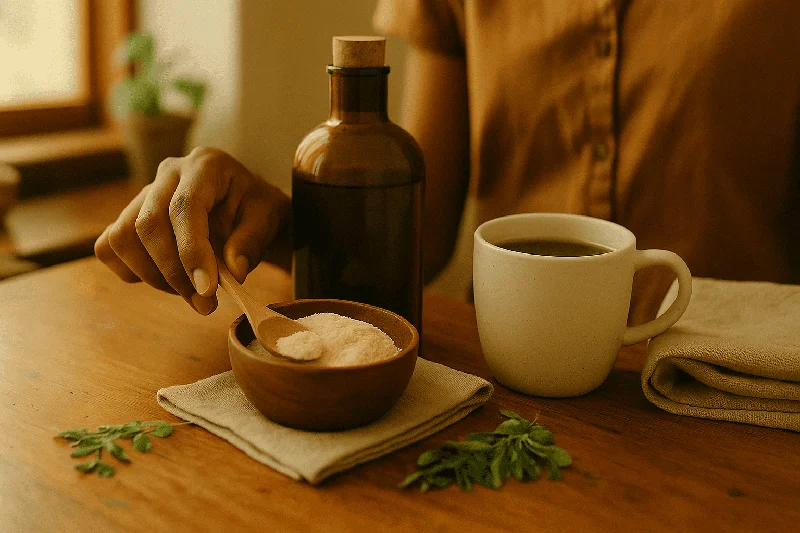
Nitya Virechana is a daily, gentle purgation therapy in Ayurveda that eliminates accumulated doshas in small, repeated doses — without requiring the elaborate preparatory procedures (purvakarma) of classical Virechana. It is specifically designed for weak patients (alpa bala rogi) who carry an excessive toxic burden (bahudoshavastha) but cannot tolerate a full-strength shodhana procedure. By administering virechana medicines in hriswa (small) or madhyama (medium) doses every day, clinicians achieve gradual detoxification — what the texts call stoka stoka dosha nirharana — while keeping the patient safe and comfortable.
This guide covers everything you need to know: classical references, mechanism of action, exact medicines and dosages, a step-by-step protocol, contraindications, modern scientific validation, and practical clinical cases. If you've been searching for a comprehensive Nitya Virechana article, reference source, or procedure guide, you're in the right place.
What Is Nitya Virechana? — Definition & Classical References
Etymology and Definition from Classical Texts
- The term breaks down simply: Nitya (daily, continuous) + Virechana (therapeutic purgation).
- Unlike Shodana Virechana — the classical Panchakarma purgation given as a single intensive session — Nitya Virechana involves administering mild purgative medicines daily over an extended period.
Acharya Charaka describes it in the context of Udara Roga (abdominal diseases), particularly Jalodara (ascites), where he advises that the physician should repeatedly perform mild virechana to manage the condition without exhausting the patient. The principle is echoed in Sushruta Samhita, which recommends daily purgation in conditions where doshas accumulate continuously but the patient's strength does not permit aggressive evacuation.
Bhela Samhita adds an important nuance: even in Sannipataja vyadhi — conditions involving all three doshas simultaneously — Virechana can be the treatment of choice, and Nitya Virechana becomes the practical method when the patient is debilitated. Ashtanga Hridaya of Vagbhata reinforces the concept by explaining that in chronic, deep-seated diseases where srotas (channels) are progressively blocked, daily mild purgation achieves what a single aggressive purge cannot.
Nitya Virechana vs Shodana Virechana — Key Differences
This is the comparison no competitor has clearly laid out.
Here it is:
| Parameter | Nitya Virechana | Shodana Virechana (Classical) |
|---|---|---|
| Purvakarma required | No — given directly | Yes — Snehana (oleation) & Swedana (sudation) mandatory |
| Dose (Matra) | Hriswa (small) or Madhyama (medium) | Pravara (maximum therapeutic dose) |
| Frequency | Daily, over weeks or months | Single session or limited sessions |
| Patient type | Alpa bala (weak), elderly, children, chronically ill | Pravara bala (strong), otherwise healthy |
| Dosha load | Bahudoshavastha (high dosha accumulation) | Moderate to high dosha |
| Vegas (purgation bouts) | 2–5 mild motions per day | 10–30 bouts in a single session |
| Samsarjana krama | Not required (or minimal) | Mandatory graduated diet |
| Risk of complications | Low | Moderate — Atiyoga, Ayoga possible |
| Primary context | Jalodara, chronic metabolic disease, maintenance | Acute Pitta-dominant conditions, seasonal shodhana |
References in Charaka Samhita, Sushruta Samhita, and Bhela Samhita
- Charaka Samhita, Chikitsa Sthana 13 — Treatment of Udara Roga; explicit mention of repeated mild virechana
- Sushruta Samhita, Chikitsa Sthana 14 — Management of Jalodara with daily purgation
- Bhela Samhita, Chikitsa Sthana — Virechana as the choice even in tridoshaja conditions
- Ashtanga Hridaya, Chikitsa Sthana 15 — Virechana principles applicable to Nitya Virechana
- Sharangdhara Samhita — Dosage classifications (hriswa, madhyama, pravara matra)
Principles and Mechanism of Action
Dosha Involvement — Pitta, Vata, and Kapha
Virechana is classically the primary shodhana for Pitta dosha, as the purgative route (adhobhaga — downward pathway) is Pitta's natural direction of elimination. However, Nitya Virechana addresses more than just Pitta.
In Jalodara, for instance, Pakwashayagata Kapha (Kapha lodged in the large intestine) contributes to fluid accumulation and channel obstruction. Daily purgation gradually clears this Kapha. Simultaneously, the procedure pacifies Vata by removing the obstructive factors (margavarodha) that cause Vata to become erratic. This is why the texts describe Nitya Virechana as effective in Sannipataja conditions — it addresses all three doshas sequentially through sustained, gentle elimination.
Stoka Stoka Dosha Nirharana — Gradual Elimination of Toxins
This is the core principle. Rather than forcing a massive evacuation in one session, the body releases doshas "little by little" (stoka stoka). Think of it like draining a flooded field through a small, constant channel rather than breaking the dam wall.
The advantages are clear:
- No sudden depletion of body strength (bala)
- No electrolyte imbalance or dehydration
- Sustained clearance over days ensures deeper dosha elimination from dhatus (tissues), not just from the koshta (GI tract)
- Patient compliance is much higher — the experience is mild, not dramatic
Srotoshodhana — Channel Purification
Every disease in Ayurveda involves some degree of sroto-avarodha (channel blockage). Nitya Virechana acts as a daily "flushing" mechanism for the srotas, particularly:
- Annavaha srotas (digestive channels)
- Purishavaha srotas (excretory channels)
- Swedavaha and Ambuvaha srotas (sweat and water-carrying channels — critical in Jalodara)
- Rasavaha srotas (nutrient-carrying channels)
By keeping these channels clear day after day, the therapy prevents re-accumulation of doshas and ama.
Agni Vriddhi and Koshta Shuddhi
- Daily mild purgation enhances Agni (digestive fire) by removing the obstructive kapha and ama that dampen it.
- The result is a positive feedback loop: better Agni → better digestion → less ama production → cleaner channels → stronger Agni.
Koshta shuddhi (cleansing of the GI tract) is both the method and the immediate outcome. A clean koshta improves drug absorption, nutrient assimilation, and the body's natural eliminative function.
Modern Physiological Perspective
From a contemporary standpoint, the mechanisms of Nitya Virechana align with several well-understood physiological processes:
- Enhanced hepatobiliary function: Mild purgatives like Trivrit and Eranda taila stimulate bile secretion, improving cholesterol metabolism and bilirubin clearance. A 2018 study published in the Journal of Ayurveda and Integrative Medicine demonstrated that virechana procedures significantly reduce serum bilirubin and alkaline phosphatase levels.
- Gut microbiome modulation: Regular, gentle bowel cleansing may reduce pathogenic bacterial overgrowth while favoring commensal flora — though more research is needed here specifically for Nitya Virechana protocols.
- Improved intestinal peristalsis: The drugs used promote coordinated smooth muscle contractions without causing spasm, supporting regular elimination.
- Lipid metabolism: In a documented clinical case (published in Journal of Ayurveda and Integrated Medical Sciences, 2021), Nitya Virechana with Eranda taila showed marked reduction in total cholesterol and LDL levels in a hypercholesterolemia patient — we'll discuss this case below.
- Reduced portal pressure: In Jalodara patients, improved hepatic clearance and reduced fluid retention correlate with the Ayurvedic concept of Udakavaha srotas purification.
Who Needs Nitya Virechana? — Indications
Bahudoshavastha in Alpa Bala Rogi (Excessive Dosha in Weak Patients)
- This is the primary classical indication.
- When a patient has a massive accumulation of doshas — manifesting as chronic disease, heaviness, loss of appetite, coated tongue, sluggish bowels — but is physically too weak for classical Panchakarma, Nitya Virechana becomes the treatment of choice.
Examples include:
- Elderly patients with chronic constipation and Pitta aggravation
- Post-surgical patients needing gentle detoxification
- Patients with chronic liver disease who cannot tolerate intensive purges
- Debilitated patients recovering from prolonged illness
Nitya Virechana in Jalodara (Ascites) and Udara Roga
This is the most extensively documented application.
Jalodara — correlated with ascites in modern medicine — progresses through three stages as described in classical texts:
- 1.Ajatodakavastha — pre-fluid stage with abdominal distension, mandagni (weak digestion), and early portal congestion
- 2.Picchavastha — mucoid stage with slimy accumulations in the abdomen
- 3.Jatodakavastha — established fluid accumulation (frank ascites)
In stages 1 and 2, Nitya Virechana is highly effective as a primary treatment. In stage 3, it serves as an adjunct alongside other interventions like Shastra karma (abdominal tapping/paracentesis) and specific internal medicines.
The comprehensive approach to Jalodara includes:
- Nidana parivarjana — removing causative factors (alcohol, hepatotoxic substances)
- Nitya Virechana — daily purgation to reduce fluid and clear channels
- Apam doshaharanam — correction of water metabolism
- Deepana — strengthening the digestive fire
- Shastra karma — surgical drainage when necessary
Acharya Charaka specifically states that in Jalodara, the physician should not wait for elaborate Purvakarma but should begin daily virechana promptly, given that delay worsens the prognosis.
Hypercholesterolemia and Metabolic Disorders
This is a relatively modern but well-documented application. Dyslipidemia can be understood through the Ayurvedic framework as Medo dushti (vitiation of fat tissue) with Kapha predominance and impaired Medo-dhatvagni.
A clinical case published in JAIMS (2021) documented a 45-year-old male patient with total cholesterol of 265 mg/dL and LDL of 178 mg/dL. He was administered Nitya Virechana using Eranda taila (15 mL at bedtime) for 21 days alongside basic dietary modifications. Post-treatment results showed total cholesterol reduced to 198 mg/dL and LDL to 124 mg/dL — a clinically significant improvement without statin therapy.
Skin Diseases (Kushtha), Sthaulya (Obesity), and Other Conditions
Beyond the classically documented indications, Nitya Virechana has therapeutic relevance in:
- Kushtha (skin diseases): Chronic eczema, psoriasis, and acne are Pitta-Rakta-dominant conditions. Daily mild virechana clears Pitta from Rakta dhatu gradually, often showing visible improvement within 2–4 weeks.
- Sthaulya (obesity): By improving Medo-dhatvagni and clearing Medovaha srotas, daily purgation supports sustainable fat metabolism.
- Prameha (diabetes mellitus): Particularly Kapha-dominant Type 2 diabetes with sluggish metabolism.
- Chronic inflammatory conditions: Including early-stage autoimmune disorders where ama and Pitta are driving inflammation.
- Amlapitta (hyperacidity/GERD): When chronic and associated with dosha accumulation in the upper GI tract.
Sannipataja Vyadhi — When All Three Doshas Are Involved
- Bhela Samhita provides the important insight that Virechana need not be restricted to Pitta-dominant conditions.
- When all three doshas are simultaneously vitiated — as in advanced Jalodara, certain Jwara (febrile) conditions, or complex chronic diseases — Nitya Virechana offers a safe approach because the daily small dose can be adjusted based on the patient's response, effectively titrating the treatment.
Medicines Used in Nitya Virechana (Drugs and Dosages)
This section fills a critical gap — no competitor has provided specific formulations with dosages.
Classical Virechana Dravyas
| Medicine | Form | Nitya Virechana Dose | Primary Action | Best Suited For |
|---|---|---|---|---|
| Trivrit (Operculina turpethum) | Churna (powder) | 3–5 g with warm water | Sukha virechaka (gentle purgative) | Pitta-dominant conditions |
| Eranda Taila (Castor oil) | Oil | 10–20 mL at bedtime with warm milk | Snehana + Virechana | Vata-dominant, Jalodara, hyperlipidemia |
| Haritaki (Terminalia chebula) | Churna | 3–6 g with warm water | Tridosha-shamaka, mild laxative | Tridosha conditions, elderly patients |
| Aragvadha (Cassia fistula) | Phala majja (pulp) | 10–20 g with warm water | Mridu virechaka | Pitta-Kapha, skin diseases |
| Avipattikar Churna | Compound churna | 3–5 g with warm water/milk | Pitta-shamaka virechana | Amlapitta, Pitta-dominant conditions |
| Nishottara (Trivrit) + Danti combination | Churna | 2–3 g each | Moderate purgation | Bahudoshavastha with moderate strength |
| Triphala Churna | Compound churna | 5–10 g at bedtime | Mildest option, Tridosha | General maintenance, mild constipation |
| Katuki (Picrorhiza kurroa) | Churna | 1–3 g | Hepatoprotective + mild virechana | Liver disorders, Jalodara |
Hriswa Matra vs Madhyama Matra — Dosage Guidelines
According to Sharangdhara Samhita, virechana drugs are administered in three dose levels:
- Hriswa matra (small dose): Produces 10–15 vegas (purgation bouts) in classical virechana. For Nitya Virechana, this translates to roughly 1/4 to 1/3 of the classical hriswa dose, producing 2–4 mild motions per day.
- Madhyama matra (medium dose): Produces 15–20 vegas classically. For Nitya Virechana, approximately 1/3 to 1/2 of the madhyama dose is used.
- Practical example: The classical hriswa matra for Trivrit churna is approximately 10–12 g.
- For Nitya Virechana, we use 3–5 g — enough to produce mild purgation without exhaustion.
Role of Prakriti and Koshta in Dose Selection
This is crucial and often overlooked:
- Mridu koshta (soft bowel) patients — typically Pitta prakriti — require the lowest dose. Even 2–3 g of Trivrit or 10 mL of Eranda taila may produce adequate effect.
- Madhyama koshta (moderate bowel) patients — typically Kapha prakriti — need standard doses.
- Krura koshta (hard bowel) patients — typically Vata prakriti — may need the upper range of dosing, and Eranda taila is often preferred due to its combined snehana and virechana action.
Always start with the lowest effective dose and titrate upward based on response. This is the safest approach and aligns with the classical principle of "stoka stoka."
Step-by-Step Nitya Virechana Procedure
Here's the practical protocol that no competitor has provided:
Daily Regimen
Timing: Administer the virechana medicine at bedtime (for overnight action with morning elimination) or early morning on an empty stomach (for same-day action). Bedtime dosing is more convenient for most patients. Step 1 — Assessment (Day 1)
- Evaluate Prakriti, Koshta, Bala (strength), and Dosha status
- Select the appropriate virechana dravya
- Begin with the minimum dose
Step 2 — Initiation (Days 1–3)
- Administer the chosen medicine at the selected time
- Monitor the number and quality of stools
- Ideal response: 2–4 soft, well-formed to semi-liquid stools the following morning
- Adjust dose if needed
Step 3 — Maintenance (Days 4 onwards)
- Continue the established dose daily
- Patient should maintain a light, warm, easily digestible diet
- Hydration is essential — warm water, buttermilk, or light soups throughout the day
Step 4 — Monitoring (weekly)
- Assess improvements in appetite, energy, disease symptoms
- Check for any signs of excessive purgation (weakness, dehydration)
- Adjust dose or drug as needed
Step 5 — Completion
- Duration depends on the condition: typically 14–90 days
- Jalodara: Often 30–90 days or longer
- Hypercholesterolemia: 21–45 days
- Skin diseases: 30–60 days
- Gradually taper the dose over 3–5 days rather than stopping abruptly
Pathya-Apathya (Diet During Nitya Virechana)
Pathya (Favorable):
- Mudga yusha (green gram soup), rice gruel, old rice
- Warm water, buttermilk with roasted cumin
- Light vegetables: lauki (bottle gourd), parval (pointed gourd)
- Small amounts of ghee in food
Apathya (Unfavorable):
- Heavy, oily, fried foods
- Cold beverages, ice cream
- Fermented foods and alcohol
- Excessive raw salads
- Spicy, excessively sour foods
- Day sleeping (divaswapna)
Is Samsarjana Krama Needed?
In classical Shodana Virechana, Samsarjana krama — a graduated refeeding diet over 3–7 days — is mandatory to rebuild Agni after the intense purge.
- In Nitya Virechana, formal Samsarjana krama is not required. The reason? The daily dose is mild enough that Agni is not suppressed; in fact, it is progressively strengthened (Agni vriddhi). However, the patient should consistently follow the pathya diet described above throughout the treatment period.
- It's not a dramatic post-purge recovery — it's a sustained therapeutic lifestyle.
Seasonality (Ritucharya) — Best Time for Nitya Virechana
Classically, Virechana is best performed during Sharad Ritu (autumn, approximately September–November in India) when Pitta is naturally aggravated and ready for elimination. However, since Nitya Virechana is typically disease-driven rather than seasonal, it can be initiated at any time based on clinical need.
That said, avoid initiating in extreme summer (Grishma ritu) when the patient is already depleted, or during peak monsoon (Varsha ritu) when Agni is naturally weak — unless the clinical urgency demands it.
Don't wait or self medicate. Start chat with Doctor NOW
Contraindications and Precautions
Who Should Avoid Nitya Virechana?
- Pregnant women — any purgative therapy is contraindicated
- Children under 5 years — unless under strict specialist supervision
- Atikrisha (severely emaciated) patients with no dosha accumulation
- Active GI bleeding — ulcerative colitis flare, bleeding hemorrhoids
- Recent abdominal surgery (within 6 weeks)
- Severe dehydration or electrolyte imbalance
- Atisara (acute diarrhea) — purgation on top of diarrhea worsens fluid loss
- Navajwara (acute fever) — wait until the acute phase subsides
Complications — Atiyoga, Ayoga, and Vyapada
Even though Nitya Virechana is gentle, improper application can cause problems:
- - Atiyoga (excessive purgation): Too high a dose or too sensitive a patient. Signs include more than 6–8 watery stools, weakness, cramps, dehydration.
- Management: Stop the medicine, administer oral rehydration, rice water, and Kutaja (Holarrhena antidysenterica) if needed.
- - Ayoga (insufficient purgation): Dose too low or Krura koshta not accounted for. The doshas are stirred but not expelled, potentially worsening symptoms.
- Management: Increase the dose or switch to a more potent dravya.
- - Vyapada (complications): Rare in Nitya Virechana but possible — includes prolapsed rectum (from straining, if the dose causes griping), Parikartika (anal fissure from frequent stools).
- Management: Reduce dose, apply locally soothing measures (Jatyadi taila locally), and reassess.
Interaction with Modern Medications
This is a practical concern that patients frequently ask about:
- Antihypertensives: Mild purgation can cause transient fluid loss. Monitor blood pressure; dose adjustments of the antihypertensive may be needed.
- Diuretics: Combined with daily purgation, there is a risk of excessive fluid and potassium loss. Use with caution and monitor electrolytes.
- Oral hypoglycemics / Insulin: Improved metabolism from Nitya Virechana may potentiate these drugs. Monitor blood sugar closely.
- Statins: If using Nitya Virechana for hypercholesterolemia, coordinate with the prescribing physician — dose reduction of statins may be possible over time.
- Anticoagulants (Warfarin): Some virechana herbs (especially those affecting liver metabolism) may alter INR. Monitor closely.
General rule: Always inform both the Ayurvedic practitioner and allopathic physician about concurrent treatments. Nitya Virechana is not a replacement for emergency or critical care medications.
Clinical Case Studies
Case 1: Jalodara (Ascites Secondary to Alcoholic Liver Disease)
Patient: 52-year-old male, chronic alcoholic, presenting with abdominal distension, shifting dullness positive, decreased appetite, ankle edema. Diagnosed as Jalodara (Jatodakavastha). Treatment protocol:
- Nidana parivarjana: Complete alcohol cessation
- Nitya Virechana: Eranda taila 15 mL + Haritaki churna 3 g at bedtime
- Deepana: Chitrakadi vati 2 tablets before meals
- Duration: 60 days
Results:
- Abdominal girth reduced from 42 inches to 36 inches by Day 30
- Shifting dullness negative by Day 45
- Appetite and energy significantly improved
- Liver function tests showed improvement in albumin levels (from 2.1 to 3.0 g/dL)
Case 2: Hypercholesterolemia
Patient: 45-year-old male, sedentary lifestyle, total cholesterol 265 mg/dL, LDL 178 mg/dL, triglycerides 210 mg/dL. Treatment protocol:
- Nitya Virechana: Eranda taila 15 mL at bedtime with warm milk
- Pathya: Low-fat, plant-based diet with emphasis on Mudga and Yava (barley)
- Duration: 21 days
Results:
- Total cholesterol: 265 → 198 mg/dL
- LDL: 178 → 124 mg/dL
- Triglycerides: 210 → 162 mg/dL
- Patient reported improved energy and lightness
(Reference: Published case report, Journal of Ayurveda and Integrated Medical Sciences, 2021)
Case 3: Chronic Eczema (Vicharchika)
Patient: 34-year-old female, Pitta-Kapha prakriti, with chronic eczematous lesions on both forearms for 3 years. Previous treatment with topical steroids provided only temporary relief. Treatment protocol:
- Nitya Virechana: Avipattikar churna 5 g at bedtime with warm water
- External: Panchavalkala kwatha dhara (washing)
- Duration: 45 days
Results:
- Itching reduced by 70% within 2 weeks
- Lesion area reduced by approximately 60% by Day 45
- No recurrence at 3-month follow-up
Virechana Treatment at Home — Practical Guidelines
Many patients search for guidance on performing virechana at home.
Here are the boundaries:
What you CAN do at home (mild Nitya Virechana):
- Triphala churna 5–10 g at bedtime — safest option for general maintenance
- Eranda taila 10–15 mL at bedtime — effective for constipation, mild detox
- Haritaki churna 3–5 g at bedtime — gentle, suitable for most constitutions
What you should NOT do at home:
- Do not use potent purgatives like Danti, Dravanti, or Jayapala without professional supervision
- Do not exceed recommended doses hoping for faster results
- Do not self-prescribe if you have any serious medical condition
Always consult a qualified Ayurvedic practitioner for proper assessment of your Prakriti, Koshta, and disease condition before starting even mild Nitya Virechana at home.
Frequently Asked Questions (FAQ)
What is the Virechana method?
- Virechana is one of the five Panchakarma (Pancha Shodhana) therapies in Ayurveda.
- It is therapeutic purgation — the administration of specific medicines to induce controlled diarrhea, thereby expelling accumulated Pitta dosha and toxins through the anal route. Classical Virechana requires Snehana and Swedana as preparatory steps, followed by a single large-dose purgative. Nitya Virechana is the daily, mild-dose version that skips these preparatory steps.
What is Nitya Virechana in Jalodara?
In Jalodara (ascites), Nitya Virechana is the daily administration of mild purgatives — typically Eranda taila or Haritaki — to gradually reduce fluid accumulation, clear Ambuvaha and Swedavaha srotas, strengthen Agni, and prevent further dosha accumulation. Charaka Samhita (Chikitsa Sthana 13) specifically recommends this approach as the cornerstone therapy for Jalodara management, especially when the patient is too weak for classical Virechana.
Who should avoid Virechana?
Pregnant women, children under 5, severely emaciated patients, those with active GI bleeding, acute diarrhea, recent abdominal surgery, and patients in the acute phase of fever should avoid Virechana in any form. Patients on anticoagulants or multiple medications should proceed only under professional supervision.
What is the cost of Virechana treatment?
- For classical Panchakarma Virechana at a clinic, costs in India typically range from ₹3,000 to ₹15,000 depending on the facility and city.
- Nitya Virechana at home is significantly cheaper — the medicines (Eranda taila, Haritaki churna, Triphala) cost approximately ₹100–500 per month, making it one of the most affordable Ayurvedic therapeutic options available.
Is it safe to do Nitya Virechana long-term?
- When properly administered with appropriate dose, suitable medicine, and regular monitoring, Nitya Virechana can be safely continued for extended periods (30–90 days or even longer in chronic conditions like Jalodara).
- The key is that the dose produces only mild purgation — not weakening diarrhea. If at any point the patient feels weak, loses appetite, or develops cramps, the treatment should be paused and reassessed.
Can Nitya Virechana be combined with Western medications?
Yes, but with caution and proper communication between practitioners. Particular attention is needed with diuretics, antihypertensives, oral hypoglycemics, and anticoagulants, as Nitya Virechana may alter fluid balance and drug metabolism. Never stop prescribed medications to start Nitya Virechana without consulting your doctor.
What is the best season for Nitya Virechana?
Sharad Ritu (autumn) is classically ideal for Virechana therapies. However, since Nitya Virechana is disease-driven, it can be started in any season based on clinical need. Avoid initiating during extreme heat or peak monsoon unless urgently required.
Conclusion — Making Nitya Virechana Work for You
Nitya Virechana represents one of Ayurveda's most practical and accessible therapeutic strategies. It bridges the gap between doing nothing and performing aggressive Panchakarma — offering a safe, effective, daily detoxification approach for patients who need it most.
Whether you're dealing with Jalodara, elevated cholesterol, chronic skin conditions, or simply the accumulated burden of modern living on your digestive system, Nitya Virechana provides a time-tested, classically validated pathway to recovery.
The key takeaways:
- Start with proper assessment — Prakriti, Koshta, Bala, and disease status
- Choose the right medicine and the right dose — start low, go slow
- Maintain pathya (proper diet) throughout
- Monitor regularly and adjust as needed
- Consult a qualified Ayurvedic practitioner, especially for any chronic or serious condition
- If you found this guide helpful, consider consulting with a certified Ayurvedic doctor to design a Nitya Virechana protocol tailored specifically to your constitution and health needs.
- Your body's ability to heal is remarkable — sometimes it just needs a gentle, daily nudge in the right direction.
Scientific Sources
- Effect of Ayurveda Management on Liver Cirrhosis with Ascites-A Retrospective Cohort Study — Tubaki BR et al., 2022, Journal of Ayurveda and integrative medicine
- A single-case study of management of Jalodara (ascites) — Bhagiya SG et al., 2017, Ayu
- An integrated approach in the treatment of varicose ulcer — Patil D et al., 2013, Ancient science of life
- Clinical evaluation of Trivṛta powder (Operculina turpethum Linn.) and Aragvadha Patra Lepa (paste of leaves of Cassia fistula Linn.) in the management of Vicharchika (eczema) — Talekar MT et al., 2018, Ayu
Questions from users
What are the potential side effects of daily nitya virechana?
Client_41b5a2
24 days ago
Nitya virechana, or daily mild purgation, is generally considered safe when managed properly but can have side effects. Potential adverse effects include dehydration, electrolyte imbalance, or digestive discomfort like cramps or diarrhea. It is crucial to start with small or medium doses to reduce risks, and to maintain hydration and nutritional intake. If side effects persist beyond a few days or worsen, consult a healthcare professional. Unsuitable candidates, such as those with severe digestive issues or specific chronic conditions, should avoid daily purgation or seek individualized medical guidance.
How often should nitya virechana be practiced for optimal results?
Client_353d31
34 days ago
The frequency of nitya virechana, a form of daily mild purgation, for optimal results can vary based on individual health needs. Generally, it may be practiced daily for those who benefit from regular clearing of the digestive and excretory channels to support digestive health and prevent the accumulation of impurities. However, this should be customized under the guidance of a healthcare provider, particularly an Ayurvedic practitioner, to avoid potential drawbacks like dehydration or nutrient loss. Individuals should consult a doctor or specialist if they experience adverse effects or have health conditions that complicate purgation practices.
How does Nitya Virechana affect hydration levels in the body?
Client_601572
43 days ago
Nitya Virechana, a type of purgation used in Ayurveda, can negatively affect hydration levels in the body, potentially leading to dehydration. This is primarily due to the procedure involving frequent bowel movements, as evidenced by case studies where patients experienced more than 6-8 watery stools. To manage this risk, it's crucial to ensure proper hydration with oral rehydration solutions and monitoring. If symptoms like persistent weakness or cramps occur, it's important to consult a healthcare provider to address any potential hydration issues.
How long should I pause nitya virechana if I feel weak?
Client_679a39
53 days ago
If you feel weak during nitya virechana, you should immediately pause the treatment and reassess. Generally, there isn't a set duration for how long the pause should last; it depends on how quickly you regain strength and resolve any accompanying symptoms like loss of appetite or cramps. Monitor your condition and resume nitya virechana only when you feel adequately recovered. If weakness persists, consult with a healthcare professional or a qualified Ayurvedic practitioner. They can help determine the root cause of your symptoms and provide guidance on when it is safe to restart.
What is the best way to prepare for a Nitya Virechana treatment at home?
Client_c44623
62 days ago
To prepare for a Nitya Virechana at home, keep it simple: ensure your diet is light and easily digestible a day before starting. Stay hydrated but avoid over-consuming water until things settle. Listen to your body — if you’re feeling off, provide extra care with simple fluids like rice water. Always check in with your practitioner if things feel too intense.
Can I combine nitya virechana with other detox methods safely?
Client_6882b7
72 days ago
Combining nitya virechana with other detox methods can be done but requires caution. Best approach is balance--monitor how your body reacts and consult with your Ayurvedic practitioner. Remember, listening to your body is key! Be extra attentive to signs like fatigue or cramps. Also, keep a check on your electrolytes and hydration levels.
What is the connection between nitya virechana and inflammation reduction in the body?
Client_5cd202
86 days ago
Nitya virechana helps reduce inflammation by pacifying aggravated Pitta dosha, which often causes inflammation. Since nitya virechana enhances digestive fire (agni), it aids in proper digestion, reducing ama (toxins) that lead to inflammation. So, it's like a double win for inflammation relief and gut health!
Is nitya virechana beneficial for mental clarity and emotional balance?
Client_e1669c
94 days ago
Yes, nitya virechana can be beneficial for mental clarity and emotional balance. It helps remove ama (toxins) and balance the doshas, especially if there's a Pitta or Kapha imbalance. By promoting digestive health and a clear digestive fire (Agni), it can clear up mental fog and support emotional stability. Always consider your constitution and current balance before starting though!
Is nitya virechana a good option for maintaining long-term digestive health?
Client_742307
104 days ago
Yes, nitya virechana can be a good option for maintaining digestive health. It's gentle, and helps balance the pitta dosha and support agni. However, it should be tailored to your individual prakriti and current dosha imbalances. Consulting an Ayurvedic practitioner would ensure it’s right for you, since it's not a one-size-fits-all thing.
What is the historical significance of nitya virechana in Ayurveda and its traditional uses?
Client_8d71e7
114 days ago
Nitya virechana, historically, is a big deal in Ayurveda cause it's known for purging toxins and keeping the body's balance by stimulating agni, that's our digestive fire. Traditionally, it helped cure certain imbalances and prevent issues. It's both a cleanup and a preventive method, maintaining overall health. So, it has been a crucial but gentle part of routines for centuriess!
Related articles

Body Detox
Laghu Malini Vasant Ras Benefits, Dosage, Ingredients, Side Effects
Exploration of Laghu Malini Vasant Ras Benefits, Dosage, Ingredients, Side Effects
2,997

Body Detox
Can We Drink Water After Eating Watermelon? Ayurvedic Perspective and Facts
Wondering if you can drink water after eating watermelon? Learn the Ayurvedic view, possible side effects, and how long you should wait for better digestion
12,506
Body Detox
So... What Is Pitta in the Human Body Anyway?
Ever heard someone casually mention their “Pitta” being out of balance — and you just smiled, nodded, and mentally filed it under “probably some new-age thing”? Totally fair. But here’s the thing: Pitta isn’t just spiritual fluff. It’s actually a centra
2,744

Body Detox
How to Actually Live Well with a Kapha Dominant Body Type — An Honest Ayurvedic Guide
If you’ve ever felt like you're carrying a bit too much heaviness—physically, emotionally, or mentally—you might just be Kapha dominant. And no, that’s not a bad thing. In Ayurveda, it’s simply how you’re wired. You’re steady. Loyal. Calm. But also prone
2,853

Body Detox
Eating for Balance: The Real Deal on a Vata Body Type Diet
The first time I heard the phrase “Vata body type,” I thought it sounded like a yoga teacher's excuse for always feeling cold and needing extra snacks. I didn’t take it seriously — not until I hit a period in my life where everything felt... scattered. My
3,647

Body Detox
Can Chia Seeds Cause Constipation?
Do chia seeds help or cause constipation? Learn how to use chia seeds properly, their digestive effects, and Ayurvedic guidance on safe consumption for gut health
16,983

Body Detox
How to Balance Vata Dosha Without Losing Your Mind (or Your Sleep)
Yeah, that title might sound dramatic, but if you've ever experienced a Vata imbalance, you’ll get it. Racing thoughts, dry skin, irregular digestion, insomnia... it’s like your body forgot the rhythm of life. So, how do we bring it back into balance?
3,239

Body Detox
What Is Vetiver? Ayurvedic Guide to Vetiver Roots, Oil, and Healing Benefits
What is vetiver? Learn about vetiver roots, grass, oil, and water benefits. Discover how this plant is used in Ayurveda for skin, cooling, and healing
12,294

Body Detox
What Is Kayakalpa: Meaning, Treatment, Benefits in Ayurveda
Discover what is Kayakalpa, its meaning, treatment, benefits, medicines, and yoga practices. Learn Ayurvedic procedures of Kaya Kalpa for health and longevity
7,729

Body Detox
Pichu in Ayurveda: A Deceptively Simple Yet Deeply Healing Therapy You’ve Probably Overlooked
Let’s be honest — if you’re not deeply into Ayurveda, “Pichu” probably sounds like a mispronounced cartoon character. But here’s the thing: Pichu is one of the most deeply relaxing, restorative, and deceptively simple Ayurvedic therapies you can experienc
3,384
Related consultations on the topic
Legal
Additional Documents
© 2024 Ask Ayurveda. All rights reserved.