Ask Ayurvedic doctor a question and get a consultation online on the problem of your concern in a free or paid mode. More than 2,000 experienced doctors work and wait for your questions on our site and help users to solve their health problems every day.
FREE! Ask Ayurvedic Doctors 24/7

 Fast responses
 1000+ verified doctors
Body DetoxEar, Nose, and Throat DisordersGeriatrics & RejuvenationImmunodeficiencyInfertility TreatmentNutritionOrthopedic DisordersPediatricsRespiratory DisordersSexually Transmitted Diseases (STDs)Surgery RecoveryUrological DisordersVascular DisordersDental DisordersEndocrinological DisordersGastrointestinal DisordersYoga TherapyGeneral MedicineAllergic DisordersCardio DisordersGynecology and ObstetricsCosmetologySkin and Hair DisordersEye DisordersInfectious DiseasesMental DisordersNeurological DisordersOncologyPanchakarmaSexual Health & DisordersSports Medicine
Published on 05/21/25
(Updated on 07/12/26)
2,029
How Many Calories Should I Eat to Lose Weight According to Ayurveda

Let’s just be honest — the whole “how many calories should I eat to lose weight” question is so common, it’s almost become a chant at this point. Search it once and your feed fills with numbers, charts, and apps yelling conflicting advice. Some say 1,200 calories a day. Others say 1,800 if you lift weights. Then there’s that fitness guru on TikTok who swears it's not about how much you eat, but when. And if you're like me, maybe you've tried them all and still ended up confused, cranky, and somehow still bloated.
But here’s where Ayurveda enters, like a wise friend who’s not interested in calorie math but you. Your body. Your tendencies. Your digestion. Instead of asking how many calories should you eat to lose weight, Ayurveda leans in and goes — “Wait. How’s your appetite today? How’s your fire?” And by fire, I mean Agni, the key to everything in this ancient system.
This article isn’t about tossing calorie tracking out the window. It’s about expanding the lens. You’ll still find insights into calorie intake to lose weight, the idea of calorie deficit, and yes — we’ll gently nudge that “calories to eat to lose weight” question. But we’re going to anchor it in something deeper, something more... human. You ready?
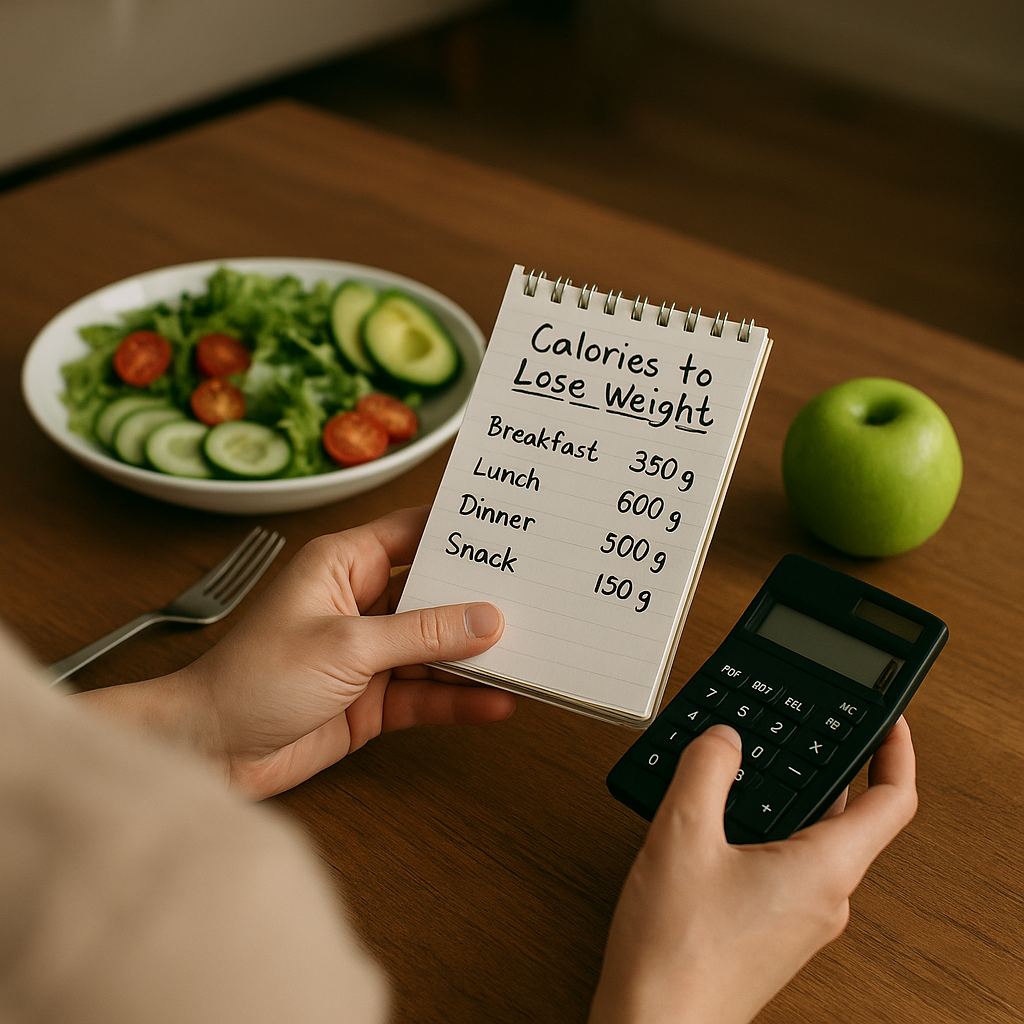
Why the Number of Calories Isn’t Everything in Ayurveda
Eating According to Hunger, Not Numbers
Ayurveda doesn’t calculate calories. It observes patterns. One day you’re starving by noon, the next you’re sipping warm water and skipping lunch entirely. And that’s okay. Hunger is not a flaw in the system — it is the system.
Modern diets often make you feel guilty for being hungry. You hear things like “you already hit 1,500 calories, why are you still hungry?” But Ayurveda would ask: Did you digest your last meal well? Is your Agni strong today? Is it cold or windy outside?
Instead of obsessing over “how many calories should I eat to lose weight,” Ayurveda encourages checking in: Am I truly hungry? Is my stomach empty? Is my mind calm? Am I eating because it’s noon or because my body is asking?
It’s a shift from numbers to signals.
Role of Agni (Digestive Fire) in Weight Balance
Agni isn’t some mystical force — though it can feel magical when it’s working right. It’s the fire of digestion, metabolism, assimilation. A weak Agni? You might feel heavy, sluggish, even if you’re eating “clean.” A strong Agni? You’ll feel light, focused, energized, regardless of your “calories a day to lose weight” count.
That’s why two people can eat the same meal — same calories, macros, everything — and one gains weight, the other loses it. Because Agni isn’t equal for everyone. Ayurveda says: Balance the fire, and the body follows.
There are many ways to stoke this fire: warm meals, digestive spices (like cumin, ginger, and black pepper), avoiding cold water with meals. These aren't trendy hacks. They're practices refined over thousands of years.
What Determines Caloric Needs in Ayurveda
Dosha Type and Appetite Patterns
So let’s get into the Ayurvedic nitty-gritty — your dosha. Because yeah, your calorie needs aren’t just a matter of height × weight ÷ random multiplier. Ayurveda says it depends on your dominant mind-body type: Vata, Pitta, or Kapha.
Vata types — the air-and-space folks — tend to be light, quick, and prone to irregular digestion. One day they’re ravenous, the next they forget to eat. They burn through food fast but are also the ones who lose weight just by being stressed. Their appetite is like a flickering candle — easily blown out. For Vatas, asking “how many calories should I eat to lose weight” might not even make sense. They’re often under-eating already. What they really need is nourishment and routine.
Pitta types — fire and water — usually have strong digestion. Think focused, intense, and often hangry if meals are missed. They benefit from regular meals and cooling foods. Pittas do well with moderation. If they’re counting calories to lose weight, it often becomes an obsession. But when they listen to their body’s signals, they usually find a natural rhythm that works.
Kapha types — the earth-and-water folks — have a slow, steady burn. They're grounded and strong, but their digestion tends to be sluggish. For Kaphas, reducing heavy, oily, and overly sweet foods can help. They may benefit most from creating a mild calorie deficit to lose weight, but always in a way that supports, not starves, their Agni.
Bottom line: different doshas metabolize food differently. Calorie intake to lose weight isn’t one-size-fits-all. Knowing your type can help you stop fighting your body and start working with it.
Seasonal Adjustments and Daily Rhythms
Here’s a little-known Ayurvedic gem: your calorie needs change with the seasons. Yep, just like your skin dries out in winter or your sleep gets weird in spring, digestion ebbs and flows too.
In winter (when Agni is naturally strong), you can actually eat more. Your body is primed to digest heavier, richer meals — which is wild considering that’s when modern diets tell you to “detox.”
In summer, digestion weakens, and lighter meals are ideal — lots of fresh fruits, salads, cooling herbs. But here's where the modern idea of calories to eat to lose weight gets tricky: the same 500-calorie salad might feel light in July but leave you shivering in December.
Daily rhythms matter, too. Ayurveda teaches that your biggest meal should be around noon, when the sun (and your Agni) is strongest. Eating heavy at night? That’s a one-way ticket to undigested food and extra weight. Even if you’re “within your calories for the day.”
So rather than asking how many calories should I eat to lose weight, maybe ask: What’s the season? What time is it? How’s my fire? It’s a different approach, but honestly — it makes a lot more sense once you live it.
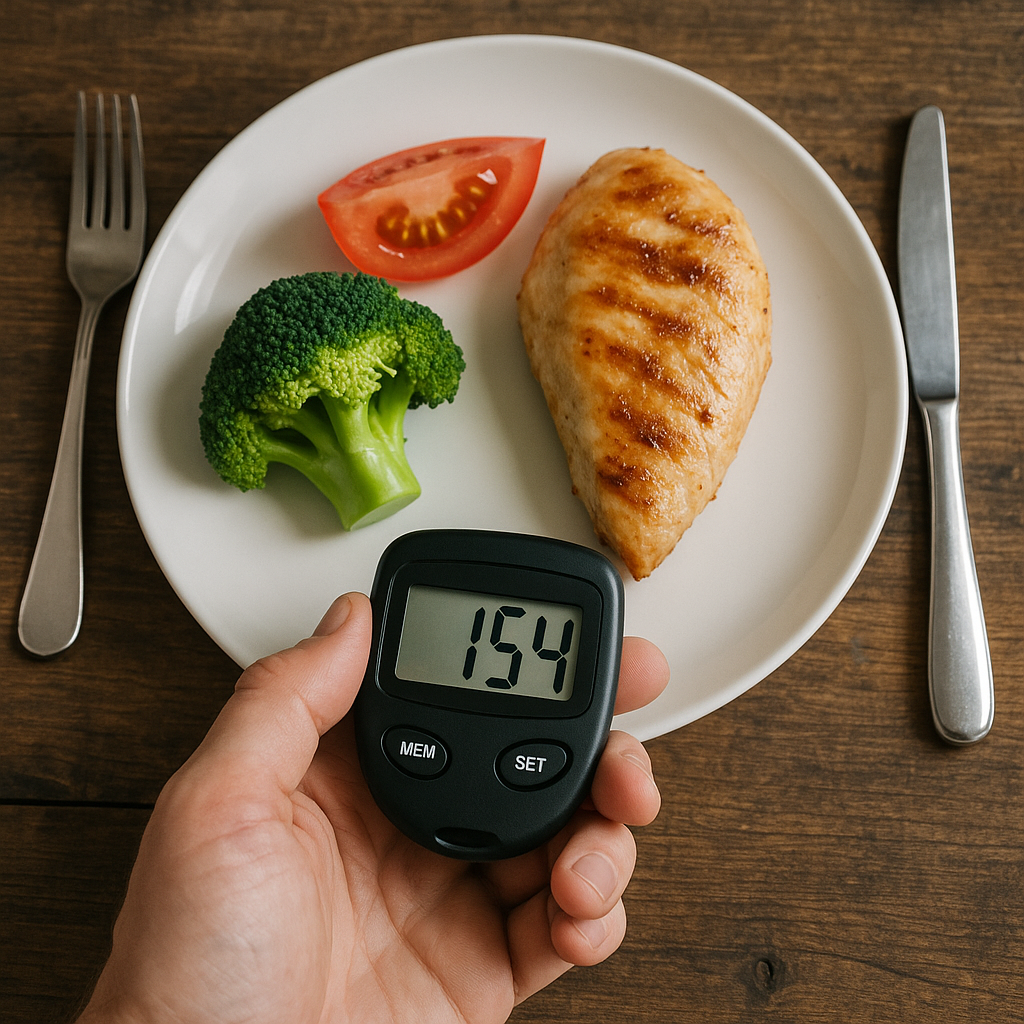
Calorie Deficit vs Balanced Nourishment in Ayurveda
Lightness, Satiety, and Digestion as Primary Guides
Here’s the kicker: Ayurveda doesn’t talk about a calorie deficit to lose weight — not in numbers, anyway. But it does emphasize a sense of lightness after eating. That satisfied-but-not-stuffed feeling? That’s the goal.
If you eat and feel heavy, sluggish, or sleepy afterward — even if you’re in a supposed deficit — that’s a sign something’s off. Either the food wasn’t right for your constitution, or your Agni couldn’t handle it. So the modern logic of “as long as you’re under your calorie target, you’ll lose weight” doesn’t always apply here.
At the same time, if you’re constantly hungry, dreaming of carbs, snapping at your cat — yeah, probably eating too little. There’s a fine line between lightness and depletion.
Signs That You're Under- or Over-Eating
You don’t need an app to know if you’re eating the right amount. Ayurveda gives some super practical signs to watch:
You might be over-eating if...
-
You feel bloated, sleepy, or dull after meals.
-
Your tongue has a thick coating (undigested toxins).
-
You don’t feel hungry at regular mealtimes.
You might be under-eating if...
-
You feel cold, anxious, or easily agitated.
-
You get dizzy, lightheaded, or can’t concentrate.
-
You wake up at night with hunger pangs.
So instead of obsessing over calories to burn to lose weight, start tuning into these signals. Your body’s smarter than a spreadsheet.
Mindful Eating and the Right Quantity (Matra) of Food
How to Know Your Ideal Portion Size Without Counting
Ayurveda says your stomach should be filled one-third with food, one-third with water, one-third with air. Is it exact? Nope. But it's surprisingly effective.
One practical trick: cup both your hands together — that’s your ideal solid food portion. Not by grams or calories, but based on the size of your body. It’s personal, adaptable, and — bonus — travel-friendly.
Eating Slowly, Without Distractions, in Peaceful State
Ayurveda is weirdly strict about one thing: no multitasking while eating. No doomscrolling. No lunch at your desk. No eating while angry.
Eating slowly, chewing thoroughly, and being present? That’s not just romantic. It’s digestion 101.
Stress shuts down Agni. No matter how perfect your “calorie intake to lose weight” is, you won’t digest properly if your nervous system is in fight-or-flight.
So light a candle. Sit down. Take three deep breaths. Eat like your gut depends on it — because it kind of does.
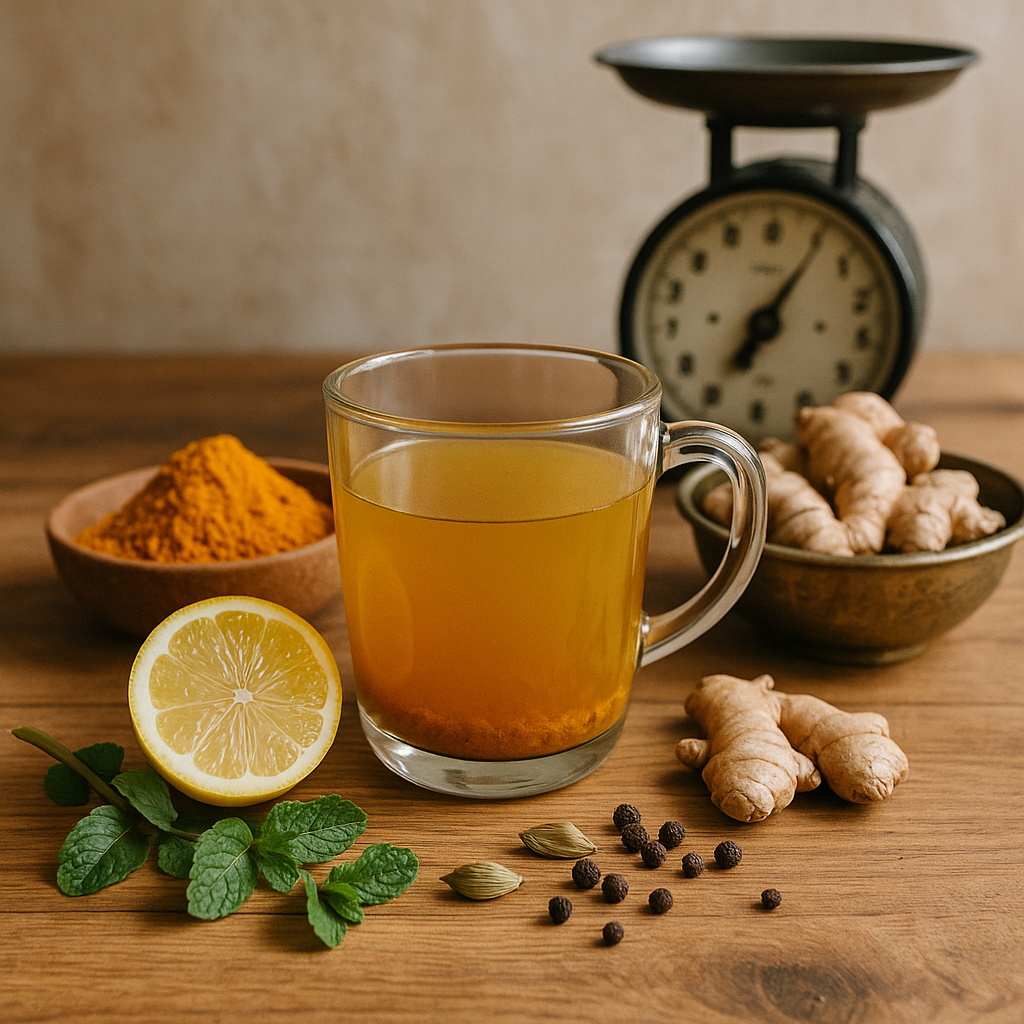
How to Support Weight Loss Without Tracking Calories
Dinacharya for Metabolism Support
Establishing a daily routine — dinacharya — helps stabilize metabolism. Wake up around sunrise. Go for a short walk. Eat meals at consistent times. Sleep before 10 PM. Simple, unsexy stuff — but powerful over time.
Herbal Teas and Spices That Stimulate Agni
Try sipping ginger tea before meals or sprinkling trikatu (a blend of black pepper, long pepper, and ginger) on food. Spices like turmeric, cumin, and fennel gently stoke digestion without overdoing it.
Breathwork and Light Movement for Energy Flow
Mild exercise — walking, yoga, even dancing in your kitchen — supports circulation and keeps Kapha from accumulating. Add pranayama (breathwork) in the morning to energize and center yourself. No gym needed. No calorie tracking. Just daily momentum.
Don't wait or self medicate. Start chat with Doctor NOW
Conclusion
So, how many calories should I eat to lose weight?
Maybe the better question is: What makes me feel light, nourished, and balanced?
Ayurveda doesn’t cancel out modern nutrition — it complements it. Counting calories to lose weight has its place. But when paired with mindful eating, personalized digestion, and self-awareness? That’s where lasting transformation lives.
Forget rigid numbers. Tune into rhythm. You’re not a machine. You’re a complex, adaptable, wildly intelligent system. Trust it.
FAQs
Q: How do I calculate how many calories I need to lose weight?
A: You can use a calorie calculator as a starting point (based on age, gender, weight, activity level). But Ayurveda encourages listening to your body’s hunger and digestion cues over rigid numbers.
Q: Is counting calories necessary for weight loss in Ayurveda?
A: No. Ayurveda doesn’t rely on calorie counting. Instead, it emphasizes portion awareness, Agni (digestive strength), and mindful eating to support sustainable weight loss.
Q: How do I know if I’m eating too little to lose weight?
A: Signs include fatigue, anxiety, poor sleep, cold hands/feet, and constant hunger. Even if weight is dropping, under-eating weakens Agni and can backfire long-term.
Questions from users
How long should I wait to eat after feeling stressed?
Thomas
21 hours ago
After feeling stressed, it's advisable to wait until you feel calm and your digestive system is more relaxed before eating. This can take about 20 to 30 minutes. Stress can trigger the fight-or-flight response, which diverts energy away from digestion. Engaging in relaxation techniques such as deep breathing, meditation, or a short walk can help calm your nervous system and improve digestive efficiency. If stress and digestive issues persist, consult a healthcare professional for more personalized advice. Eating mindfully when you genuinely feel hunger, not just numbers like calories, can also improve digestion.
What is the Ayurvedic way to balance meals to avoid feeling sluggish after eating?
Walker
10 days ago
To avoid feeling sluggish after meals, Ayurveda suggests focusing on your digestive fire (agni) and your doshas. Try eating small portions, chew well, and avoid mixing too many food types in one meal. Favor warm, easy-to-digest foods & spices like ginger. Also, paying attention to eating mindfully and accommodating your body's natural hunger rhythm can help balance meals.
What is the best way to fill my plate according to Ayurveda for optimal digestion?
Claire
19 days ago
According to Ayurveda, for optimal digestion, fill your stomach one-third with food, one-third with water, and leave one-third empty for air. It's not an exact science, more about listening to how you feel after a meal. If your Agni (digestive fire) is strong, you might need more or less. Just keep it balanced and stay tuned to your body's signals.
Can I eat while feeling angry or stressed according to Ayurveda practices?
Quinn
29 days ago
Nope, in Ayurveda it's advised not to eat while angry or stressed. These emotions can disrupt your Agni, or digestive fire, making it hard for your body to digest properly. Try calming exercises, like deep breathing, before meals to support a balanced digestion and bring harmony to your mind and body.
How can I align my meals with my dosha to improve digestion and support weight loss?
Hannah
38 days ago
To align meals with your dosha, focus on specific foods that support your unique constitution. For Vata, think warm and grounding foods like stews. Pitta needs cooling foods, so go for salads or sweet fruits. Kapha, opt for light and spicy to boost metabolism, like ginger tea. Try eating mindfully and at regular times to support digestion too—no need for rigid calorie counts!
Is it safe to eat the same meals every day while trying to lose weight?
Evelyn
47 days ago
Eating the same meals everyday might help with calorie control but it oversimplifies things a bit. According to Ayruveda, balance of doshas is key, and sticking to the same foods might not meet all your body's needs over time. Variety helps balance all dhatus and keep agni strong. So, mixing it up a bit could be more aligned with holistic health!
How can I identify foods that support my digestion based on my Ayurveda body type?
Henry
57 days ago
To find foods that support yer digestion, you first wanna figure out your dosha (vata, pitta, or kapha). Each dosha has specific needs. Like, vata gets happy with warm, moist foods, while pitta likes cooling stuff. Better to avoid cold or stale foods for a strong Agni. Try noticing how ya feel after different meals. Agni likes when we listen!
What is the connection between stress and digestion in Ayurveda?
Reid
67 days ago
In Ayurveda, stress is like a sneak attack on your digestion! A lot of stress can disturb Agni, the digestive fire, making it weak. You might find digestion irregular – like feeling ravenous one day, not hungry the next. Managing stress helps Agni do its job well, supporting your body's balance overall. Try relaxation techniques like yoga or meditation to keep stress at bay.
What is the best way to portion food without using measuring cups for weight loss?
Vincent
76 days ago
Using your hands works great! For solid food, cup both your hands together to gauge portion size. This personalizes portions, aligning with your unique body size and needs. Pair this with eating mindfully and tuning into hunger cues to really get the most out of it! And remember, quality of food over just quantity; focusing on that balanced agni is key!
Is it safe to skip meals occasionally for weight loss in Ayurveda?
Zoey
86 days ago
Sometimes skipping a meal can be okay in Ayurveda, but the key is to listen to your body and not make it a habit. Skipping meals too often can disrupt your Agni (digestive fire) and bring imbalance. So, if you're feeling hungry, it's important to eat nourishing foods to support your body rather than focusing on weight loss by skipping meals.
Related articles

Nutrition
Spices: Beyond Just Flavor
Spices play a vital role in Ayurveda, functioning beyond seasonings to balance energies and promote overall wellness.
2,435
Nutrition
7-Day Meal Plan for Fatty Liver: The Ayurvedic Way (That Actually Feels Doable)
Ayurveda? It sees fatty liver not just as a buildup of fat but as an imbalance in the body’s internal fire — Agni. It’s not burning right. Maybe it’s too low (mandagni), or maybe it's burning in the wrong direction. And when Agni misbehaves, toxins (Ama)
5,298

Nutrition
Jeerakarishtam Benefits – Natural Ayurvedic Digestive Tonic & Rejuvenator
Discover the jeerakarishtam benefits, a traditional Ayurvedic digestive tonic that enhances digestion, relieves flatulence, boosts metabolism, and promotes overall well-being through natural, rejuvenative properties.
5,014

Nutrition
Pumpkin Seeds Benefits for Male: Strength, Vitality, and Reproductive Health
Explore pumpkin seeds benefits for male health, testosterone, sperm, and sexual wellness. Learn how to use them and understand potential side effects in men
14,270

Nutrition
Is Ghee and Honey Combination Poisonous?
Is mixing ghee and honey really poisonous? Learn the Ayurvedic perspective, potential side effects, and how to safely consume ghee and honey together for health
17,859

Nutrition
Is Buttermilk Good for Loose Motion: Ayurvedic Insights
Find out if buttermilk is good for loose motion, its benefits, risks, and how to drink it safely. Learn Ayurvedic remedies like methi seeds with buttermilk
11,114
Nutrition
Side Effects of Curd According to Ayurveda: Why It’s Not Always the Health Food You Think
According to Ayurvedic wisdom, curd can disturb digestion, aggravate certain doshas, and create something called “ama” — toxic buildup in the body. And here's the kicker: these side effects aren't instant. They creep up — through fatigue, sinus issues, sk
15,812

Nutrition
How to Make Kitchari: Ayurvedic Recipe, Ingredients, and Benefits
How to make kitchari? Discover a simple kitchari recipe, ingredients, Ayurvedic benefits, and how this rice-lentil dish supports digestion, detox, and balance
5,059

Nutrition
Can We Eat Bel Patra and What Are the Benefits?
Discover can we eat bel patra, its benefits, side effects, and uses in Ayurveda. Learn how to eat bel patra leaves safely and whether daily use is advisable
12,671

Nutrition
How to Stay Hydrated in Summer: Ayurvedic Guide
Learn how to stay hydrated in summer with Ayurvedic tips, hydrating foods, and body hydration practices. Discover ways to control dehydration naturally
2,110
Related consultations on the topic
Legal
Additional Documents
© 2024 Ask Ayurveda. All rights reserved.