Ask Ayurvedic doctor a question and get a consultation online on the problem of your concern in a free or paid mode. More than 2,000 experienced doctors work and wait for your questions on our site and help users to solve their health problems every day.
FREE! Ask Ayurvedic Doctors 24/7

 Fast responses
 1000+ verified doctors
Body DetoxEar, Nose, and Throat DisordersGeriatrics & RejuvenationImmunodeficiencyInfertility TreatmentNutritionOrthopedic DisordersPediatricsRespiratory DisordersSexually Transmitted Diseases (STDs)Surgery RecoveryUrological DisordersVascular DisordersDental DisordersEndocrinological DisordersGastrointestinal DisordersYoga TherapyGeneral MedicineAllergic DisordersCardio DisordersGynecology and ObstetricsCosmetologySkin and Hair DisordersEye DisordersInfectious DiseasesMental DisordersNeurological DisordersOncologyPanchakarmaSexual Health & DisordersSports Medicine
Published on 08/25/25
(Updated on 07/07/26)
2,109
How to Stay Hydrated in Summer: Ayurvedic Guide

When the heat of summer rolls in, our bodies start craving ways to cool down. Knowing how to stay hydrated in summer is not just about drinking water all day—it’s about understanding body hydration, balance, and natural ways of replenishing energy. Ayurveda, the ancient Indian science of wellness, gives us timeless tips on how to hydrate body effectively while keeping digestion, skin, and energy in check.
But here’s the truth: people often think drinking endless glasses of plain water is enough. It’s not always. Hydration is about more than quenching thirst. It’s about keeping electrolytes stable, choosing hydrating foods, and even following certain daily routines that maintain natural cooling. In this article, we’ll explore not only how to stay hydrated but also Ayurvedic wisdom that makes the process simpler—and healthier.
Why Hydration Is Crucial in Summer
The blazing sun can quickly disturb the body’s fluid balance. Sweating more than usual means we lose water, minerals, and essential salts. That’s why how to be hydrated is more than a lifestyle choice in summer—it’s a necessity.
If the body doesn’t get enough fluids, you’ll notice fatigue, dizziness, dryness of skin, or even brain fog. Some people get headaches without realizing dehydration is the root cause. Ayurveda teaches that excess heat (known as “Pitta dosha”) builds up in summer, making us more vulnerable to inflammation, irritability, and digestive issues.
Good hydration cools down Pitta, stabilizes mood, and supports proper digestion. Plus, it helps skin glow and keeps energy steady throughout the day. It’s not dramatic to say that proper hydration is one of the easiest ways to feel better in the hot months.
How to Control Dehydration in Hot Weather
So, how to control dehydration before it even begins? Prevention is smarter than cure here.
-
Drink before you’re thirsty. Once the brain signals thirst, you’re already a little dehydrated. Small sips every hour works better.
-
Avoid excess caffeine and alcohol. They act like diuretics, pushing water out of your system.
-
Incorporate cooling routines. Ayurveda recommends not overexposing yourself to harsh midday sun, and balancing activity with rest.
-
Eat water rich foods. We’ll dive deeper into this later, but cucumbers, melons, and leafy greens provide hydration from inside.
By blending modern understanding with Ayurvedic practices, you can reduce the risk of dizziness, low energy, or heat exhaustion.
How to Stay Hydrated in Summer Naturally
The question isn’t just how to stay hydrated in summer heat, but how to do it naturally. Ayurveda emphasizes that hydration should harmonize with digestion—drinking ice-cold water, for example, might seem refreshing but can shock the digestive fire (“Agni”) and slow metabolism.
Instead, focus on room-temperature or slightly cool drinks infused with herbs like mint, fennel, or coriander. This cools down heat without disturbing digestion.
How to Hydrate Body Fast and Safely
Sometimes, you need quick results. For example, after coming home from a long walk in summer, you might wonder how to hydrate body fast. Ayurveda recommends coconut water as one of the best natural rehydrators. It’s full of electrolytes, easy to digest, and instantly cooling.
Another safe option is adding a pinch of rock salt and a little jaggery (or honey) to water. This simple homemade electrolyte drink helps the body absorb fluids faster than plain water.
How to Stay Hydrated Without Drinking Water
It might sound strange at first—how to stay hydrated without drinking water? But if you look closely at your diet, you’ll realize a huge portion of hydration comes from food itself. Ayurveda highlights that many fruits, vegetables, and even certain grains contain natural water that the body absorbs slowly and efficiently.
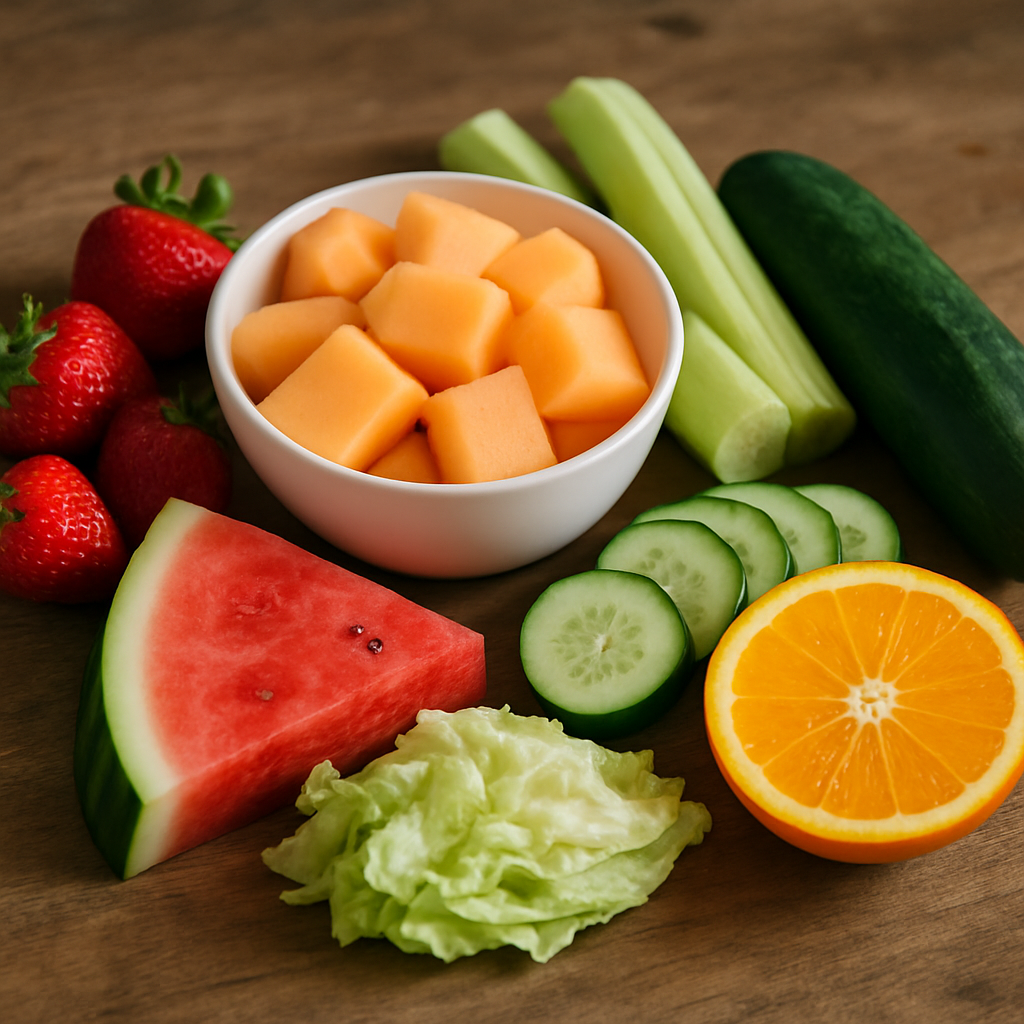
Think about it: when you eat watermelon, cucumber, or oranges, you’re not only getting water but also vitamins, minerals, and cooling energy. These foods hydrate while nourishing deeper tissues. That’s why Ayurvedic experts often say food-based hydration is gentler and more sustainable than forcing gallons of water.
Another practice? Soaking fennel seeds overnight and sipping the strained water in the morning. It’s naturally cooling and helps maintain internal balance during hot weather.
Hydrating Foods in Ayurveda
Ayurveda doesn’t just classify food by taste—it sees their effect on body heat, digestion, and balance. When it comes to body hydration, certain foods calm excess Pitta dosha and provide steady water release. Let’s break them down.
Water Content Vegetables for Body Hydration
Vegetables with high water content are champions of summer diets. Cucumbers, zucchini, lettuce, and bottle gourd (lauki) are classic examples. These water content vegetables not only cool down the system but also support light digestion, which is important because heavy meals in summer can cause fatigue.
Ayurveda often suggests steaming or lightly cooking them instead of eating everything raw, since raw foods in excess may weaken digestion. For example, cucumber raita (yogurt with cucumber) is a traditional dish that combines hydration with digestive support.
Water Rich Foods That Support Cooling and Energy
Beyond veggies, fruits play a massive role. Watermelon, muskmelon, papaya, and berries are considered water rich foods. They give hydration while also recharging your energy. Bananas and pomegranates, though not extremely water-dense, support energy and maintain minerals.
Tender coconut is another gem: it balances electrolytes, improves energy, and feels naturally sweet without added sugar.
Interestingly, Ayurveda also recommends grains like rice and barley during summer. They have a naturally cooling effect and can help with how to be hydrated through balanced meals.
Fruits and Drinks That Help to Stay Hydrated
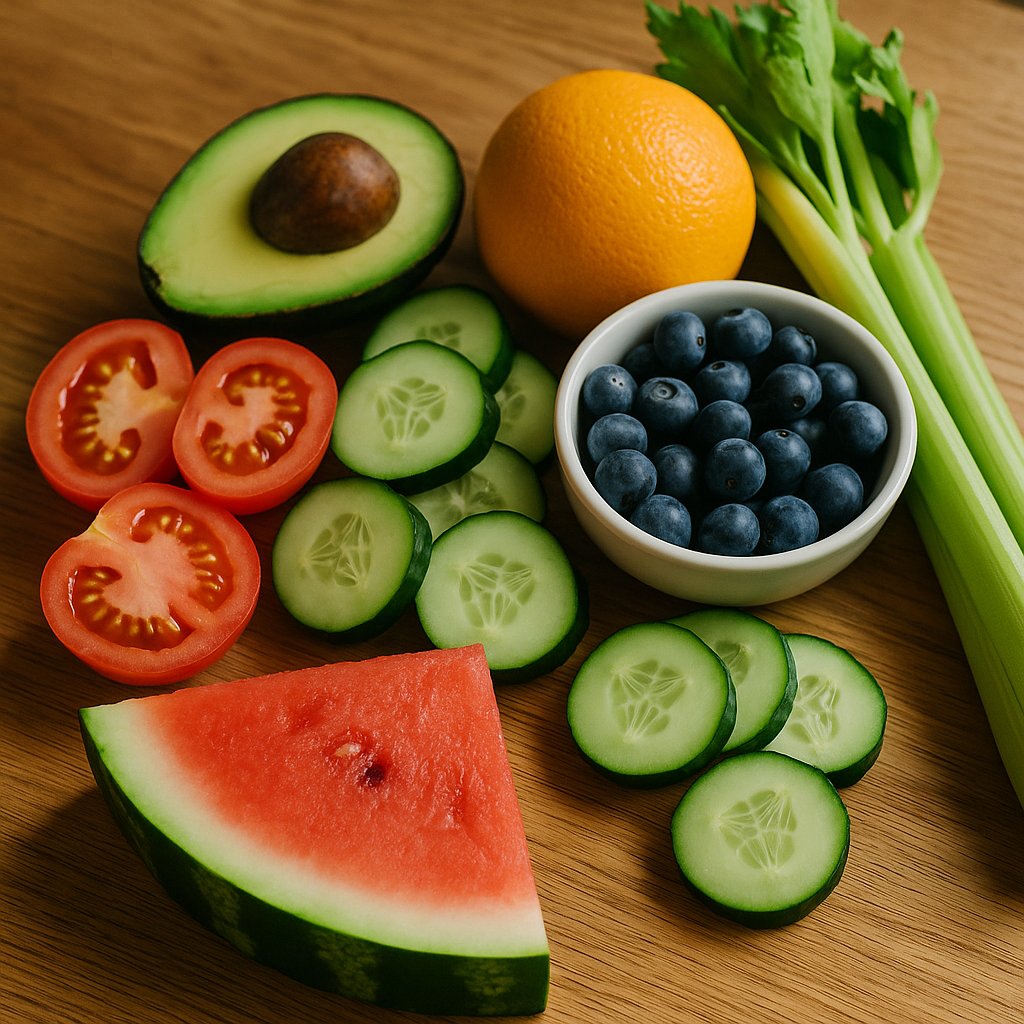
If you’re wondering how to keep your body hydrated in a fun way, fruits are the easiest answer. Watermelon slices, oranges, and grapes are refreshing. But also try Ayurvedic-inspired drinks:
-
Amla (Indian gooseberry) juice: Rich in vitamin C, cools down heat and improves skin health.
-
Buttermilk (chaas): A probiotic-rich drink that supports digestion while keeping hydration steady.
-
Herbal infusions: Hibiscus tea, coriander water, or mint tea are naturally cooling and light.
Ayurveda avoids processed sugary sodas or artificially flavored drinks because they create more internal heat and can actually worsen dehydration in the long run.
Food-based hydration is not only about quenching thirst, but also about building resilience in the body. By including the right mix of fruits, vegetables, and cooling drinks, you’re supporting natural energy flow and avoiding the sudden crashes that come with only gulping cold water.
Ayurvedic Practices for Body Hydration
Ayurveda isn’t only about what you eat or drink—it’s also about how you live daily. When it comes to how to stay hydrated in summer heat, lifestyle choices make a huge difference.
Daily Routines to Stay Hydrated in Summer
-
Morning rituals: Start the day with a glass of lukewarm water infused with a few soaked raisins or fennel water. It sets hydration and digestion on the right track.
-
Avoid overheating: Walking or exercising during peak sunlight hours drains energy fast. Early morning or evening is better.
-
Balanced meals: Instead of heavy fried food, Ayurveda recommends light khichdi (rice and lentil mix), soups, or porridges. These foods have high water content and digest smoothly.
-
Skin cooling: Applying aloe vera gel or rose water externally helps prevent dehydration signs like dryness or burning.
These may sound simple, but following them daily keeps body hydration steady and reduces the risk of exhaustion.
Cooling Drinks and Herbal Remedies
If you’re wondering how to hydrate body fast, especially after being in the sun too long, Ayurveda suggests herbal remedies over commercial sports drinks.
-
Coconut water: Already mentioned, but worth repeating—it’s nature’s electrolyte solution.
-
Lassi (yogurt drink): Sweet lassi or spiced buttermilk balances heat and replenishes fluids.
-
Herbal blends: Coriander seeds, cumin seeds, and fennel seeds boiled in water, then cooled, make a wonderful summer coolant.
Another tip: rose syrup or diluted pomegranate juice can be taken occasionally for cooling effect. But don’t overdo sweet drinks; moderation is always key in Ayurveda.
Conclusion
Learning how to stay hydrated in summer is more than a quick hack—it’s about cultivating habits that keep the body balanced, cool, and energized. Water is essential, yes, but hydration also comes from hydrating foods, water rich foods, herbal drinks, and mindful daily routines.
By understanding how to keep your body hydrated, you not only prevent fatigue and dizziness but also support long-term health. Ayurveda’s gentle wisdom reminds us that staying cool and nourished doesn’t need complicated solutions—it’s about listening to the body and making small but smart choices.
So next time you step out into the blazing heat, remember: hydration isn’t just about filling a bottle. It’s about lifestyle. And honestly, once you start making these changes, you’ll notice you don’t just survive summer—you actually enjoy it.
✨ Try a few of these Ayurvedic tips this week and see how you feel. And hey, share this article with friends who always forget to drink water—it might just save them from a nasty headache.
Don't wait or self medicate. Start chat with Doctor NOW
FAQs
Which foods are best for body hydration?
Cucumbers, watermelon, muskmelon, coconut water, and leafy greens are among the top. They provide hydration plus vitamins and minerals.
How to stay hydrated without drinking much water?
Incorporate water content vegetables and fruits like melons, oranges, and grapes. Also, try buttermilk or herbal teas for natural hydration.
What are the signs of dehydration in summer?
Common signs include dizziness, headaches, dry mouth, fatigue, dark urine, and even irritability. If ignored, it can escalate to heat exhaustion.
Questions from users
How long can dehydration affect my overall health and well-being?
Elijah
5 days ago
Dehydration can impact your overall health and well-being in just a few hours, particularly if you're in a hot environment or physically active. The effects may range from headaches and dizziness to more severe consequences like kidney stones and heatstroke if dehydration persists. While mild dehydration can often be corrected by increasing fluid and electrolyte intake, chronic dehydration could require weeks to fully recover. Always watch for symptoms like dark urine or extreme fatigue. If symptoms persist despite adequate fluid intake, it's important to see a doctor.
What are some Ayurvedic practices for staying cool and hydrated during the summer months?
Ella
15 days ago
To stay cool and hydrated in summer, try sipping on coconut water—it’s naturally cooling and balances Pitta. Aloe vera juice or cucumber water also work wonders. Wear light, breathable clothing and avoid spicy foods to keep internal heat in check! Practicing cooling pranayama like Sheetali can help. Just stay mindful of your body's signals 🌞
How does staying hydrated impact my mood and energy levels according to Ayurveda?
Audrey
24 days ago
Staying hydrated is crucial in Ayurveda for balancing Pitta dosha, which if overheated can cause irritability and fatigue. Proper hydration cools the body, stabilizes mood, and boosts energy. It's not just about gulping water—herbal teas or adding a little lemon or cucumber can be more harmonious with your body's needs. Give it a try!
What is Pitta dosha and how does it affect hydration needs in summer?
Rachael
33 days ago
Pitta dosha's all about that fiery energy—think metabolism and digestion. In summer, it heats up, making hydration super important to keep cool and support digestion. More water, coconut water, and herbal teas like mint or coriander can help balance Pitta, keeping you chill and preventing issues like irritability or inflammation.
Can I use water-rich foods to replace drinking water entirely?
Raven
42 days ago
Replacing drinking water entirely with water-rich foods isn’t advisable. Those foods, like watermelon and cucumbers, are great for additional hydration and offer extra nutrients and cooling energy. But totally skipping plain water can impact your body's natural processes. Balance is key in Ayurveda, so it's good to mix both water and hydrating foods. You could also try herbal teas or infused water for extra flavor and benefits!
What is the best way to stay hydrated during outdoor activities in the summer?
Vincent
52 days ago
The best way to stay hydrated during summer outdoor activities is not just about drinking a lot of water. Ayurveda suggests foods like cucumbers and watermelons which are naturally hydrating. Also, try soaking fennel seeds overnight and drinking the water in the morning—it keeps you cool and hydrated. Pay attention to signs like thirst and fatigue; your body's signals are important.
What are the benefits of eating water-rich fruits during hot weather?
Charles
61 days ago
Eating water-rich fruits like watermelon or muskmelon in hot weather keeps you hydrated and cool. They have a naturally cooling effect and can also provide essential nutrients and minerals that the body loses through sweating. Plus, they're yummy! Just a simple way to balance pitta dosha during hot days.
How does Ayurveda suggest balancing hydration with digestion for better overall health?
Wade
71 days ago
Ayurveda suggests balancing hydration with digestion by hydrating mindfully. Sip warm water throughout the day instead of chugging cold water, which can disturb agni (digestion). Hydrate before feeling thirsty, but be cautious not to overdrink, as it can dilute digestive juices. Eating watery fruits like watermelon and grapes can also nourish dhatus and help in maintaining balance.
What is the best way to hydrate after a long walk in hot weather?
Seth
80 days ago
After a long walk in hot weather, try hydrating with a good mix. Water is always great, but you can also try buttermilk or herbal teas, maybe add a pinch of rock salt and a bit of jaggery or honey to your water. This balances electrolytes really well. Keep in mind the symptoms of dehydration too, and try eating watery veggies.
Is it safe to rely only on sweet drinks for hydration in the summer?
Hunter
90 days ago
Relying solely on sweet drinks isn't the best idea for hydration in summer. Ayurveda suggests moderation with sweet drinks. Besides, water or coconut water is great. Foods like watermelon or grapes can also hydrate really well! Try balancing it out with those options too. If you're concerned, maybe consult with an Ayurvedic practicioner for personalized advice.
Related articles

Nutrition
When to Eat Fruits According to Ayurveda: Best Timing for Maximum Health Benefits
Learn when to eat fruits according to Ayurveda, including the best time to eat fruits as per Ayurveda, benefits of eating fruits on empty stomach and more
13,663

Nutrition
How to Eat Butter Fruit: Simple Ways, Raw or in Recipes
Learn how to eat butter fruit, the best time to consume it, and delicious butter fruit recipes for babies and breakfast. Discover if you can eat it raw
5,307

Nutrition
What Is Makhana? Ayurvedic Benefits, Nutrition and Side Effects
Exploration of Discover the Nutritional and Health Benefits of Makhana: A Versatile Superfood
9,168

Nutrition
How to Eat Munakka: Ayurvedic Benefits, Daily Intake and Recipes
Exploration of Discover the Ayurvedic Benefits and Ways to Eat Munakka
7,947

Nutrition
Debunking Myths in Ayurveda
Ayurveda is an ancient system of medicine grounded in natural healing principles, with a rich historical context.
227,931

Nutrition
How to Make Kitchari: Ayurvedic Recipe, Ingredients, and Benefits
How to make kitchari? Discover a simple kitchari recipe, ingredients, Ayurvedic benefits, and how this rice-lentil dish supports digestion, detox, and balance
5,058

Nutrition
How to Use Sunflower Seeds for Health, Hair, and Weight Management
Discover how to use sunflower seeds for weight loss, hair health, and more. Learn about sunflower seeds uses, recipes, and Ayurvedic benefits
4,623

Nutrition
Exploring Coconut Curd in Ayurveda
Coconut curd is a popular dairy-free alternative in Ayurveda, made from coconut milk, offering a creamy texture and unique flavor.
6,738

Nutrition
Dadimadi Ghrita – Benefits, Dosage, How to Use, Side Effects, Ingredients and Reference
Exploration of Dadimadi Ghrita – Benefits, Dosage, How to Use, Side Effects, Ingredients and Reference
2,794

Nutrition
Curd Benefits: What Ayurveda Has Been Trying to Tell You Forever
Alright, let’s get this out of the way — curd isn’t just another dairy product. It’s not just yogurt’s shy cousin. In Ayurveda, curd is a thing. A big thing.
4,765
Related consultations on the topic
Legal
Additional Documents
© 2024 Ask Ayurveda. All rights reserved.