FREE! Ask Ayurvedic Doctors 24/7

 Fast responses
 1000+ verified doctors
How to Cure Gum Disease Without a Dentist: Ayurvedic and Home Treatment Guide

Gum disease can sneak up on you. One day, your gums might feel a bit tender. The next, you’re noticing bleeding when you brush, sensitivity, or even receding gums. And while a dentist’s visit is often recommended, many people wonder if there’s a way to cure gum disease without a dentist—using natural, practical methods at home. Good news: you absolutely can manage and even reverse early-stage gum disease using a combination of Ayurvedic remedies, household ingredients, and consistent oral care.
In this comprehensive guide, we’ll explore how to treat gum disease at home, how Ayurveda explains gum problems, and what you can do daily to restore your gum health naturally. Whether you're dealing with gingivitis, a gum infection, or early-stage periodontitis, this guide will show you effective, time-tested methods to heal. These tips are more than just folk remedies—they’re grounded in both modern understanding and ancient holistic wisdom.
What Is Gum Disease and How Ayurveda Explains It
In Western medicine, gum disease refers to a spectrum of inflammatory conditions—starting from gingivitis (mild gum inflammation) and progressing to periodontitis (serious gum and bone deterioration). It's primarily caused by bacterial plaque buildup and poor oral hygiene.
From an Ayurvedic perspective, gum disease (known as “Danta Moola Roga”) is linked to imbalances in Pitta and Rakta (blood) doshas. These imbalances cause inflammation, bleeding, and infection in the gums. Ayurveda doesn’t just address the surface symptoms—it focuses on restoring internal harmony, which makes Ayurvedic remedies powerful tools in achieving a lasting gum disease cure.

Causes of Gum Disease and Common Triggers
Poor Oral Hygiene, Sugar, and Dry Mouth
Let’s start with the basics: poor brushing habits, excess sugar intake, and dry mouth (often caused by mouth breathing or certain medications) create the perfect environment for plaque to flourish. This sticky film of bacteria leads to inflamed gums, the first sign of trouble.
Pitta and Rakta Aggravation Leading to Gum Infection
In Ayurvedic terms, excessive heat in the body (Pitta) and impure blood (Rakta Dushti) can manifest in the mouth as gum swelling, bleeding, or ulcers. Spicy food, stress, hot weather, or liver-related imbalances can worsen this state, leading to gum infection.
How Gum Disease Progresses If Left Untreated
Unchecked gingivitis progresses to periodontitis, where bacteria invade deeper layers of the gum tissue and supporting bone. This can result in tooth loosening, gum recession, and chronic infection. At this stage, even if you want a periodontitis treatment at home, you’ll need consistent and diligent care to manage symptoms and reverse damage.

How to Treat Gum Disease at Home Naturally
Now, let’s get into the heart of the matter—how to treat gum disease at home with methods that are not only effective but also safe and holistic.
Gum Disease Treatment at Home Using Ayurvedic Herbs and Oils
Neem, clove, licorice root (Yashtimadhu), and Triphala are star ingredients in Ayurvedic dental care. Neem’s antibacterial action makes it a natural gingivitis cure, while clove oil numbs pain and fights infection. Daily rinsing with warm water infused with these herbs can dramatically reduce gum inflammation.
A traditional technique called Gandusha (oil pulling) using sesame or coconut oil detoxifies the mouth and supports gum regeneration. This isn’t just a trend—it’s been used for centuries as a cornerstone in Ayurvedic oral hygiene.
Home Remedies for Gum Infection and Receding Gums
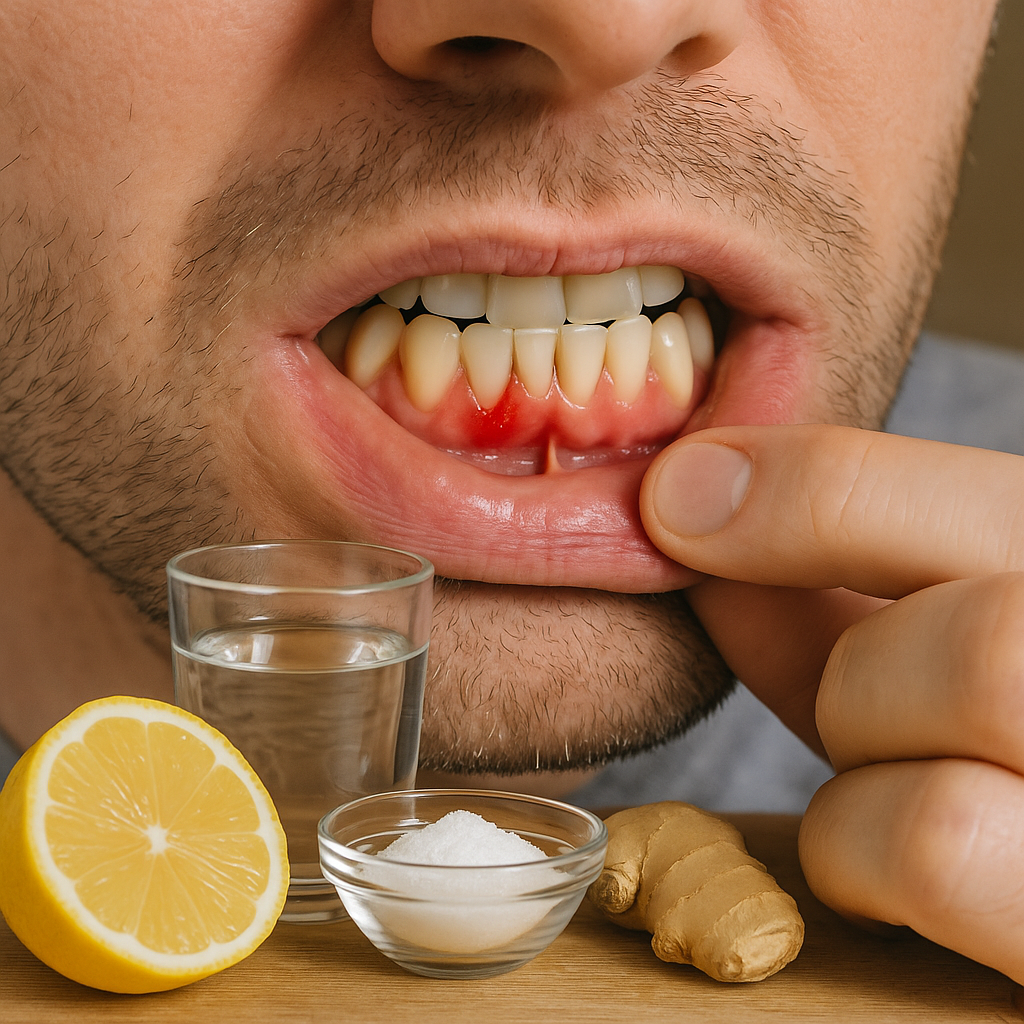
For those experiencing mild to moderate symptoms, home remedies for gum infection include turmeric pastes, saltwater rinses, and aloe vera gel applied directly to the gums. These have anti-inflammatory and healing properties that help soothe irritation and encourage gum reattachment.
If you’re specifically worried about gum recession, massaging the gums gently with a mix of castor oil and camphor can help stimulate circulation and encourage healing.
Using Hydrogen Peroxide and Herbal Pastes for Gum Healing
One of the most effective and affordable home remedies for gum disease is hydrogen peroxide. This antiseptic not only helps to kill bacteria but also reduces plaque and supports gum tissue regeneration. When used correctly, hydrogen peroxide for gum recession can stimulate healing and minimize infection.
To prepare a simple rinse, mix equal parts of 3% hydrogen peroxide and water. Swish it around your mouth for about 30 seconds, then spit it out—do not swallow. This solution can be used 2–3 times per week, ideally after brushing.
For added benefit, combine hydrogen peroxide with baking soda and a pinch of turmeric to create a gentle, antibacterial paste. Apply this paste to your gums for 1–2 minutes, then rinse thoroughly. This not only disinfects the mouth but also acts as a mild exfoliant, helping to remove plaque and reduce inflammation.
Lifestyle and Daily Practices for Long-Term Gum Health
Healing gum disease isn’t just about what you put on your gums—it’s about building healthy habits that support your mouth and entire body. Ayurveda places a strong emphasis on daily rituals (Dinacharya) and dietary choices, which can make a significant difference in your gum health.
Ayurvedic Oil Pulling (Gandusha) and Herbal Mouth Rinses
We touched on oil pulling earlier, but let’s dig a little deeper. This practice involves swishing 1 tablespoon of warm organic coconut or sesame oil in the mouth for 10–15 minutes first thing in the morning. It helps “pull” toxins out of the oral cavity and supports overall gum regeneration.
To boost the effects, add a drop or two of clove or tea tree oil for their antibacterial properties. Once done, spit the oil into a trash can (not the sink), rinse with warm water, and brush as usual.
For a quick herbal mouth rinse, steep guava leaves or triphala powder in hot water, let it cool, and use it as a daily gargle. These natural ingredients fight inflammation, kill bacteria, and freshen the breath.
Gum Treatment at Home Through Diet and Anti-Pitta Care
An often-overlooked aspect of gum disease treatment at home is diet. According to Ayurveda, a Pitta-pacifying diet is key to reducing inflammation and bleeding gums. Focus on cooling, alkaline foods such as cucumbers, leafy greens, coconut water, and sweet fruits. Avoid spicy, oily, and overly salty foods, which can worsen gum irritation.
Make sure your diet includes:
-
Vitamin C-rich foods like oranges, amla (Indian gooseberry), and bell peppers to support collagen repair.
-
Zinc and calcium, found in pumpkin seeds, sesame seeds, and dairy, to strengthen teeth and bone structures.
-
Anti-inflammatory herbs, including turmeric, basil, and coriander.
How to Prevent Gingivitis Recurrence Naturally
Once you’ve managed to heal your gums, the goal is to prevent gingivitis from coming back. This involves maintaining:
-
Twice-daily brushing with a soft-bristled brush
-
Daily flossing or use of an Ayurvedic herbal toothpick
-
Weekly hydrogen peroxide or saltwater rinses
-
Regular tongue scraping to eliminate toxins
-
Staying hydrated to prevent dry mouth
Also, try incorporating stress management techniques like yoga, meditation, or deep breathing. Chronic stress increases cortisol, which in turn weakens immune function and can lead to flare-ups of gum infections.
Conclusion
Healing your gums doesn’t always require expensive dental treatments or invasive procedures. With the right approach, you can discover how to cure gum disease without a dentist using holistic, natural methods that not only address the symptoms but also the root cause of inflammation and infection.
By embracing gum disease treatment at home, incorporating Ayurvedic herbs, adopting oral detox practices like oil pulling, and making smart dietary choices, you empower your body to recover and protect itself from future gum issues. From gingivitis to early-stage periodontitis, the tools for healing are right in your kitchen or garden—ready to be used with consistency and care.
Don’t wait for symptoms to worsen. Start your home remedies for gum disease routine today and give your gums the nurturing attention they deserve. Small, consistent changes in your oral hygiene and daily habits can lead to dramatic improvements in gum health and overall well-being.
If you found this guide helpful, share it with friends or loved ones who might also benefit. Natural healing is not just personal—it's communal.
FAQs
When is it too late to reverse gum disease?
If caught in the gingivitis stage, gum disease is entirely reversible through diligent home care and lifestyle changes. Once it progresses to advanced periodontitis, where there is significant bone and tissue loss, full reversal becomes more challenging. However, even in these later stages, symptoms can be managed at home with focused care, helping prevent further progression and maintaining oral health.
What is the strongest natural antibiotic for gum infection?
Several natural remedies act as powerful antibacterials for gum disease. Neem, clove oil, and tea tree oil top the list for their potent antimicrobial properties. Turmeric (especially curcumin extract) is also an excellent anti-inflammatory and antibacterial agent. Among these, clove oil is often considered one of the strongest home remedies for gum infection, thanks to its ability to kill bacteria and numb pain.
What not to do with gum disease?
When managing gum disease, avoid the following:
-
Brushing too hard: Aggressive brushing damages gum tissue and worsens recession.
-
Using alcohol-based mouthwashes: These can dry out the mouth and disturb the balance of healthy oral flora.
-
Smoking or vaping: Tobacco use restricts blood flow and significantly delays healing.
-
Ignoring symptoms: Bleeding gums, persistent bad breath, and gum recession are early warnings. Don’t wait.
-
Consuming sugary or processed foods: These feed harmful bacteria and exacerbate inflammation.
Avoiding these common mistakes, while actively following a gum treatment at home protocol, dramatically increases your chances of restoring gum health.
Ready to take control of your oral health the natural way? Bookmark this article, share it with friends and family, and consider starting a 21-day gum healing challenge using the home remedies and Ayurvedic practices outlined here. Healing doesn’t happen overnight, but with consistency, your gums will thank you.
For more Ayurvedic tips and natural wellness guides, subscribe to our newsletter and stay connected. Your smile is worth it!
Ask Ayurvedic doctor a question and get a consultation online on the problem of your concern in a free or paid mode.
More than 2,000 experienced doctors work and wait for your questions on our site and help users to solve their health problems every day.
Related articles