Ask Ayurvedic doctor a question and get a consultation online on the problem of your concern in a free or paid mode. More than 2,000 experienced doctors work and wait for your questions on our site and help users to solve their health problems every day.
FREE! Ask Ayurvedic Doctors 24/7

 Fast responses
 1000+ verified doctors
Body DetoxEar, Nose, and Throat DisordersGeriatrics & RejuvenationImmunodeficiencyInfertility TreatmentNutritionOrthopedic DisordersPediatricsRespiratory DisordersSexually Transmitted Diseases (STDs)Surgery RecoveryUrological DisordersVascular DisordersDental DisordersEndocrinological DisordersGastrointestinal DisordersYoga TherapyGeneral MedicineAllergic DisordersCardio DisordersGynecology and ObstetricsCosmetologySkin and Hair DisordersEye DisordersInfectious DiseasesMental DisordersNeurological DisordersOncologyPanchakarmaSexual Health & DisordersSports Medicine
Published on 02/28/25
(Updated on 07/07/26)
3,819
Best Manjan for Teeth – Ayurvedic Oral Care for a Bright Smile
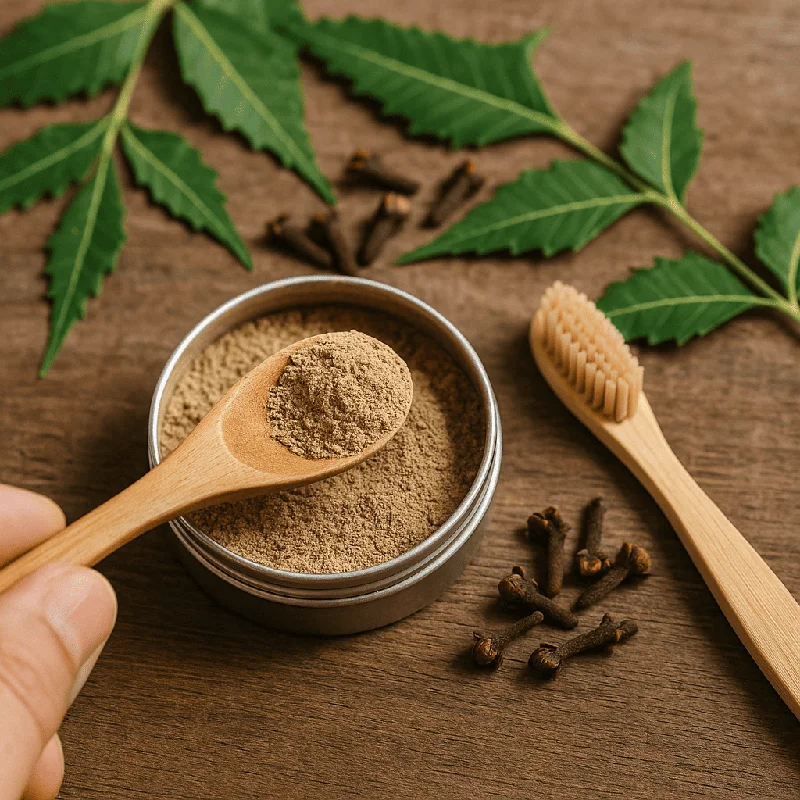
Manjan (also called Dant Manjan) is a traditional Ayurvedic tooth powder made from finely ground herbs, spices, and mineral salts that cleans teeth, strengthens gums, and freshens breath without the synthetic chemicals found in commercial toothpaste. If you've been searching for a natural alternative to fluoride-based pastes — or simply want to reconnect with a dental-care practice that's been trusted on the Indian subcontinent for over 2,500 years — this guide covers everything: what manjan actually is, the science behind its ingredients, how to use it properly, who should avoid it, and how it honestly stacks up against modern toothpaste.
What Is Dant Manjan?
Definition and Origin
- Dant Manjan literally translates to "tooth cleanser" in Hindi.
- It's a finely milled powder — sometimes pressed into tablets or mixed into a semi-paste — composed of Ayurvedic herbs (neem, babool, clove), mineral salts (sendha namak, rock salt), and mild natural abrasives. Unlike toothpaste, manjan contains no water, no foaming agents like SLS, and typically no preservatives. You dip a wet finger or soft-bristle brush into the powder, massage it across teeth and gums, and rinse.
The formulation philosophy is rooted in Ayurvedic pharmacology: each ingredient is selected not just for mechanical cleaning but for its rasa (taste), virya (potency), and vipaka (post-digestive effect) on oral tissues.
Historical Roots: From Sushruta to the British Raj
The earliest written reference to tooth-powder formulations appears in the Sushruta Samhita (circa 6th century BCE), where Sushruta recommends Pratisarana — rubbing medicinal powders on teeth and gums to prevent dantasharkara (tartar) and sheetada (gingivitis). Centuries later, the Sharangadhara Samhita (13th century CE) codified specific churna recipes for oral care, detailing proportions of herbs and their indications.
Interestingly, British colonial medical reports from 1872 documented that Indian soldiers using traditional manjan had notably lower incidence of dental caries compared to their British counterparts who used chalk-based tooth powders. That observation didn't lead to much change in British dentistry, but it's a compelling historical data point.
How Manjan Differs from Toothpaste
- The most common question people have.
- Here's a quick distinction: manjan is a dry, herb-based abrasive powder while toothpaste is a wet, chemical-based gel or paste. Manjan relies on plant-derived antibacterial compounds (eugenol, nimbidin, tannins) and mild physical abrasion. Toothpaste relies on fluoride, detergents, and humectants.
- Neither is universally "better" — each has trade-offs we'll explore in depth below.
Key Ingredients in Manjan and How They Work
What makes manjan effective isn't any single herb. It's the synergy between multiple active compounds working on different aspects of oral health simultaneously.
Neem (Azadirachta indica)
Neem is arguably the backbone of most manjan formulations. The key compound is nimbidin, a limonoid that disrupts bacterial cell membranes. A 2017 study published in the Journal of Indian Society of Periodontology found that neem extract reduced Streptococcus mutans colonies (the primary cavity-causing bacterium) by approximately 70% in vitro. Neem also contains azadirachtin, which has documented anti-inflammatory properties that help with swollen or bleeding gums.
Clove (Syzygium aromaticum) and Eugenol
Clove contributes eugenol, the compound dentists have used for decades as a temporary analgesic. Eugenol provides that characteristic numbing relief when you have a toothache. But beyond pain relief, a 2020 study from Banaras Hindu University (BHU) demonstrated that eugenol disrupts oral biofilm formation — the sticky layer of bacteria that eventually hardens into plaque and tartar.
Babool (Acacia arabica)
Babool bark is rich in tannins, astringent compounds that tighten gum tissue and reduce bleeding. Traditional Ayurvedic practitioners have used babool twigs as natural toothbrushes (datun) for centuries. In powdered form, babool also provides gentle abrasive action that helps remove surface stains without being overly harsh on enamel.
Camphor, Black Pepper, and Sendha Namak
- - Camphor (Kapur): Provides a cooling sensation, acts as a mild antiseptic, and helps with breath freshening.
- Used in small quantities — too much can irritate mucous membranes.
- Black Pepper (Kali Mirch): Contains piperine, which enhances the bioavailability of other herbal compounds. It also stimulates saliva production, which is your mouth's natural defense against acid erosion.
- Sendha Namak (Rock Salt): Acts as a gentle exfoliant and creates a hypertonic environment that's hostile to many oral bacteria. Also rich in trace minerals like potassium and magnesium.
Pumice, Charcoal, and Mineral Abrasives
- Some commercial manjan brands add pumice powder or activated charcoal for enhanced whitening.
- These ingredients work purely through mechanical abrasion — they scrub away surface stains effectively.
- However, they come with a caveat: if the particle size isn't fine enough, they can scratch enamel. We'll discuss this risk in the safety section.
Synergy of Active Compounds
Here's what makes a well-formulated manjan more than the sum of its parts: nimbidin attacks bacterial membranes, eugenol prevents new biofilm formation, tannins tighten the gum tissue bacteria try to invade, and piperine enhances the absorption of all these compounds into oral tissues. A 2018 paper in the Journal of Ayurveda and Integrative Medicine (JAIM) described this as a "multi-target pharmacological approach" — something single-compound toothpastes rarely achieve.
Benefits of Manjan for Teeth and Gums
Prevents Cavities and Tooth Decay
The antibacterial action of neem and clove directly targets Streptococcus mutans and Lactobacillus, the two bacterial species most responsible for dental caries. By reducing bacterial acid production on tooth surfaces, manjan helps maintain enamel integrity. A clinical trial conducted at BHU in 2020 reported that participants using herbal tooth powder twice daily showed a 34% reduction in new cavity formation over 12 months compared to a control group using no specific oral hygiene product.
Reduces Plaque and Gingivitis
- Tannins from babool and the astringent action of rock salt help remove soft plaque before it mineralizes into tartar. For gingivitis (early-stage gum disease), the anti-inflammatory properties of neem and clove can reduce gum swelling and bleeding.
- However — and this is important — manjan cannot remove calcified tartar. Once plaque hardens, only a professional dental cleaning can remove it.
Teeth Whitening Effect
- One of the most popular reasons people reach for manjan. The mild abrasives physically remove extrinsic stains from tea, coffee, tobacco, and turmeric. Results are often visible within 2–3 weeks of consistent use.
- But note: manjan whitens by removing surface stains, not by bleaching. If your teeth are intrinsically yellow (due to genetics, medication, or fluorosis), manjan alone won't give you a Hollywood-white smile.
Freshens Breath Long-Term
- Most toothpastes mask bad breath with mint flavoring.
- Manjan takes a different approach: by reducing the bacterial population that produces volatile sulfur compounds (VSCs) — the actual cause of halitosis — it addresses the root problem. Camphor and clove also provide immediate freshness, but the lasting effect comes from the antimicrobial action.
Sensitivity Relief
Clove's eugenol provides natural analgesic action on exposed dentin. Additionally, the mineral content of sendha namak can help occlude (block) open dentinal tubules, reducing sensitivity to hot and cold stimuli. It's not as targeted as potassium nitrate in specialized sensitivity toothpastes like Sensodyne, but many users do report meaningful relief.
Gum Strengthening and Recession Prevention
The astringent tannins in babool tighten gum tissue, improving its grip around the tooth neck. This can be particularly helpful for early-stage gum recession. That said, once significant recession has occurred (more than 2–3mm), no manjan can regenerate lost tissue — you'll need to consult a periodontist.
Manjan vs Toothpaste — A Detailed, Honest Comparison
No competitor has given you a structured, fair comparison. So here it is.
| Parameter | Manjan (Herbal Tooth Powder) | Commercial Toothpaste |
|---|---|---|
| Primary cleaning mechanism | Herbal compounds + mild physical abrasion | Fluoride + detergents (SLS) + chemical abrasives |
| RDA Index (Relative Dentin Abrasivity) | Varies widely: 40–120+ depending on formulation. Unregulated. | Typically 60–100 (regulated by ISO 11609) |
| Fluoride content | Usually none | 1000–1500 ppm (proven cavity protection) |
| Antibacterial action | Multi-compound herbal (nimbidin, eugenol, tannins) | Usually limited to cetylpyridinium chloride or triclosan |
| Preservatives/chemicals | Usually none (parabens-free, SLS-free) | Contains SLS, parabens, artificial colours in many brands |
| Whitening ability | Good for extrinsic stains | Varies; some contain peroxide for deeper whitening |
| Sensitivity management | Mild (eugenol-based) | Strong (potassium nitrate, stannous fluoride) |
| Shelf life | 12–24 months (no water = less microbial growth) | 12–18 months |
| Cost (monthly) | ₹30–80 | ₹50–250 |
| Environmental footprint | Minimal packaging, biodegradable | Plastic tubes, non-biodegradable |
When to Choose Manjan Over Toothpaste (and Vice Versa)
Choose manjan when: You want a chemical-free oral care routine, you're dealing with mild gingivitis, you want natural whitening, or you follow an Ayurvedic lifestyle and want doshic compatibility. Stick with toothpaste when: You have active cavities (fluoride is clinically proven to remineralize early lesions), you wear braces or orthodontic appliances (powder can get trapped), you have advanced periodontal disease (you need prescription-strength products), or you have dental restorations like crowns and veneers (some abrasive manjans can damage them). Best of both worlds: Many dentists now recommend alternating — use manjan in the morning for its herbal benefits and fluoride toothpaste at night for cavity protection. There's no rule that says you have to pick just one.
How to Use Manjan Correctly
Using manjan wrong can actually damage your teeth. Here's the proper method.
Step-by-Step Application Guide
- Wet your finger or a soft-bristle toothbrush with clean water.
- Take a small pinch (approximately ½ teaspoon) of manjan — resist the urge to use more. More powder does not mean better cleaning.
- Apply gently to teeth and gums using circular motions. Don't scrub aggressively — the herbs need contact time, not brute force
- Massage for 2–3 minutes, covering all surfaces: outer, inner, and chewing surfaces. Pay extra attention to the gum line.
- Rinse thoroughly with lukewarm water. Make sure no powder residue remains between teeth.
- Optional: follow with a herbal mouthwash or warm salt-water rinse for enhanced gum benefits.
Dosage for Adults and Children
- Adults: ½ teaspoon per session, up to twice daily.
- Children (ages 6–12): A very small pinch — roughly ¼ teaspoon — once daily, only under adult supervision. The abrasive action can be too harsh for developing enamel if overused.
- Children under 6: Most Ayurvedic practitioners recommend avoiding manjan entirely. Stick with age-appropriate toothpaste.
Best Time and Frequency
Traditional Ayurvedic texts recommend using manjan in the morning before breakfast — this is when bacterial load in the mouth is highest (morning mouth, as we all know too well). A second application can be done after lunch or before bed.
Seasonal note (Ritucharya): In cold months (Hemant and Shishira ritu), Ayurveda recommends slightly warming the water used with manjan, as cold water can aggravate Vata dosha in the oral cavity.
Using Manjan as a Decoction Mouth Rinse
An often-overlooked method: dissolve ¼ teaspoon of manjan in a cup of warm water and use it as a mouth rinse. This is gentler than direct application and works well for people with sensitive gums or mouth ulcers. Swish for 30–60 seconds and spit. Don't swallow.
Doshic Suitability — Manjan in Ayurvedic Practice
Vata, Pitta, Kapha: Which Dosha Benefits Most?
This is where manjan gets genuinely interesting from an Ayurvedic perspective.
- Kapha types benefit most from manjan. Kapha imbalances in the mouth manifest as excessive mucus, thick saliva, and stubborn plaque buildup. The bitter and pungent herbs (neem, black pepper) in manjan directly pacify Kapha.
- Pitta types should opt for manjan formulations heavier on cooling herbs (neem, camphor) and lighter on heating ones (black pepper, clove). Pitta-aggravated mouths tend toward bleeding gums and mouth ulcers — too much pungency can worsen these.
- Vata types should use manjan sparingly and always with warm water. Vata imbalances cause dry mouth and receding gums. The astringent quality of many manjan ingredients can further dry oral tissues if overused.
Seasonal Recommendations (Ritucharya)
| Season | Dosha Dominant | Manjan Recommendation |
|---|---|---|
| Summer (Grishma) | Pitta | Use cooling formulations with more neem and camphor; reduce clove |
| Monsoon (Varsha) | Vata | Use warm water, add a drop of sesame oil to the powder |
| Winter (Hemant/Shishira) | Kapha | Full-strength manjan with all heating herbs, twice daily |
Don't wait or self medicate. Start chat with Doctor NOW
Side Effects, Risks, and Who Should Avoid Manjan
This is the section no competitor covers honestly. And it matters.
Enamel Abrasion
- The biggest risk.
- Unlike commercial toothpaste — which is tested and rated on the RDA (Relative Dentin Abrasivity) scale — most manjan powders have no standardized abrasivity testing. A poorly formulated manjan with coarse particles can have an RDA above 150, which is high enough to wear down enamel over time. If you're using manjan and notice increasing sensitivity or translucent edges on your teeth, stop immediately and see a dentist.
Gum Irritation and Recession
- Aggressive rubbing with coarse powder directly on gum tissue can cause micro-abrasions that lead to gum recession over months.
- Always use gentle circular motions — never a back-and-forth sawing action.
Interaction with Dental Work
If you have porcelain veneers, composite fillings, dental crowns, or orthodontic braces, abrasive manjan powders can scratch and damage these materials. Consult your dentist before use.
Accidental Ingestion
Small amounts of most herbal manjan formulations are generally safe if accidentally swallowed. However, those containing camphor in significant quantities can be toxic if ingested in large amounts — especially by children. This is why manjan is not recommended for kids under 6.
Red Flags in Commercial Manjan Products
Watch out for these on the label:
- Lead or heavy metal contamination — a real concern with unregulated products. Look for heavy-metal testing certificates.
- Added synthetic whitening agents — some brands sneak in chemical bleaches while marketing as "100% natural."
- No ingredient list at all — if a manjan product doesn't list its ingredients, don't buy it. Period.
How to Choose a Quality Manjan
What to Look for on the Label
- AYUSH certification — indicates the product meets standards set by India's Ministry of AYUSH
- GMP (Good Manufacturing Practice) mark — ensures quality control during production
- Complete ingredient list with botanical names
- Batch number and expiry date
- Particle size mention — finer powders (below 150 microns) are safer for enamel
DIY Manjan Recipe at Home
If you want full control over ingredients and quality, here's a traditional recipe used by many Ayurvedic households:
Ingredients:
- Neem bark powder — 2 tablespoons
- Babool bark powder — 2 tablespoons
- Clove powder — 1 teaspoon
- Sendha Namak (rock salt), finely ground — 1 teaspoon
- Black pepper powder — ½ teaspoon
- Camphor (edible grade) — 1 small piece, crushed
Method:
- Ensure all powders are finely sieved through a muslin cloth — you want the smoothest possible texture.
- Mix all ingredients thoroughly in a dry, clean bowl.
- Store in an airtight glass jar away from moisture.
- Shelf life: approximately 6 months if kept dry.
Important: Grind your own ingredients only if you have access to a fine-powder grinder. Coarse particles will damage enamel. If in doubt, buy pre-formulated products from reputable brands.
Top Manjan Brands in India — Quick Comparison
| Brand | Key Ingredients | Price (Approx.) | AYUSH Certified | Best For |
|---|---|---|---|---|
| Vithoba Dant Manjan | 26 Ayurvedic herbs | ₹60–80 (40g) | Yes | All-round oral care, trusted 20+ year legacy |
| Vicco Vajradanti | Vajradanti herb, 18 herbs | ₹45–70 | Yes | Gum strengthening, pyorrhea prevention |
| Dabur Lal Dant Manjan | Clove, tomar seeds | ₹30–55 | Yes | Budget-friendly daily use, cavity prevention |
| Patanjali Dant Kanti Powder | Babool, neem, clove | ₹25–40 | Yes | Affordable Ayurvedic option |
| Colgate Vedshakti | Neem, clove, honey | ₹50–80 | No (mainstream brand) | Transition product for toothpaste users |
Note: This comparison is based on publicly available information and user reviews. Individual results vary. We're not affiliated with any of these brands.
What Modern Dentists Actually Say About Manjan
Here's where many Ayurvedic articles lose credibility — they ignore what mainstream dentistry thinks. So let's address it head-on.
Most modern dentists in India acknowledge that manjan has legitimate antibacterial and anti-plaque benefits. Dr. Arun Kumar, a Delhi-based periodontist quoted in a 2021 Dental Tribune India feature, noted: "Herbal tooth powders can be an effective adjunct to oral hygiene, particularly for patients who react to SLS in commercial toothpastes. But they shouldn't replace fluoride entirely in cavity-prone individuals."
The consensus among integrative dental practitioners is:
- Manjan is excellent for gum health and as a natural whitener
- It lacks fluoride, which remains the gold standard for cavity prevention
- Quality control is the main concern — patients should choose AYUSH-certified products
- It works best as part of a comprehensive routine that includes flossing and regular dental checkups
Manjan for Specific Dental Problems
Periodontitis (Advanced Gum Disease)
Manjan can serve as a supportive measure alongside professional periodontal treatment. The antibacterial and anti-inflammatory herbs help manage bacterial load. However, it cannot replace scaling, root planing, or antibiotics in moderate-to-severe cases. Use a decoction rinse (dissolve in warm water) rather than direct application if gums are severely inflamed.
Chronic Bad Breath (Halitosis)
- If your bad breath persists despite regular brushing, manjan's multi-target antibacterial action can help.
- Focus on cleaning the tongue as well — apply a thin layer of manjan on the tongue surface and gently scrape with a tongue cleaner. Many cases of chronic halitosis originate from tongue-coating bacteria.
Tobacco Stains
Manjan with activated charcoal or pumice can be particularly effective for tobacco stains. However, limit use to 2–3 times per week to avoid enamel wear. On other days, switch to a gentler formulation or standard toothpaste.
Frequently Asked Questions
Is dant manjan good for teeth?
Yes, when used correctly. Dant manjan provides antibacterial, anti-plaque, and whitening benefits through natural herbal compounds. It's been validated by both traditional Ayurvedic texts and modern studies. However, it lacks fluoride, so cavity-prone individuals should use it alongside — not as a complete replacement for — fluoride toothpaste.
Can yellow teeth turn white again with manjan?
- It depends on the cause of yellowing. If your teeth are yellow due to surface stains (tea, coffee, tobacco, turmeric), regular manjan use can visibly whiten them within 2–4 weeks.
- If the yellowing is intrinsic — caused by genetics, aging, medications like tetracycline, or fluorosis — manjan alone won't be sufficient. You'll need professional whitening treatments.
Which powder is good for teeth?
Look for a manjan that contains a combination of neem, babool, clove, and sendha namak — these are the most well-researched ingredients. Make sure it's AYUSH-certified, lists all ingredients with botanical names, and is finely milled (coarse powders damage enamel). Vithoba and Vicco are two brands with long track records.
How to use manjan for teeth?
Take ½ teaspoon of manjan on a wet finger or soft toothbrush. Gently massage in circular motions for 2–3 minutes, covering all tooth surfaces and the gum line. Rinse thoroughly with lukewarm water. Use once or twice daily, preferably in the morning before breakfast.
Is it safe to swallow manjan?
Small amounts accidentally swallowed during use are generally harmless for adults. But manjan is not intended for ingestion. Products containing camphor can be harmful in large amounts, especially for children. Always spit out thoroughly and rinse well after use.
Can children use manjan?
- Children aged 6–12 can use a small pinch of mild, camphor-free manjan under adult supervision.
- Children under 6 should not use manjan — the abrasive action can damage developing enamel, and the risk of swallowing is higher.
Is manjan better than toothpaste?
- Neither is universally superior. Manjan excels at natural antibacterial care, gum health, and chemical-free whitening. Toothpaste excels at fluoride-based cavity prevention and is better for people with dental restorations or orthodontic appliances.
- Many dental professionals now recommend using both — manjan in the morning and fluoride toothpaste at night.
Final Verdict: Should You Switch to Manjan?
Manjan for teeth isn't a trend or a fad — it's a practice backed by millennia of Ayurvedic wisdom and increasingly supported by modern research. It offers genuine benefits for gum health, natural whitening, and chemical-free oral care.
But it's not a magic powder. It won't cure advanced periodontal disease, it can't replace fluoride for cavity-prone teeth, and a poorly made manjan can actually harm your enamel. Choose wisely, use gently, and don't abandon regular dental checkups.
- Our recommendation: Start with a reputable AYUSH-certified manjan for your morning routine. Keep your fluoride toothpaste for night-time brushing. Floss daily.
- Visit your dentist every 6 months.
- That combination — ancient wisdom plus modern science — is genuinely the best of both worlds for your teeth.
Scientific Sources
- Rosemary and neem: an insight into their combined anti-dandruff and anti-hair loss efficacy — Hashem MM et al., 2024, Scientific reports
- Bangladeshi medicinal plant dataset — Borkatulla B et al., 2023, Data in brief
- Phytotherapy in periodontics as an effective and sustainable supplemental treatment: a narrative review — Gawish AS et al., 2024, Journal of periodontal & implant science
- Formulation and Evaluation of Turmeric- and Neem-Based Topical Nanoemulgel against Microbial Infection — Giri S et al., 2024, Gels (Basel, Switzerland)
- Medicinal plants with traditional use: Ethnobotany in the Indian subcontinent — Rupani R et al., 2018, Clinics in dermatology
- Ulcerative colitis: molecular insights and intervention therapy — Liang Y et al., 2024, Molecular biomedicine
- Turmeric and Curcumin: From Traditional to Modern Medicine — Akaberi M et al., 2021, Advances in experimental medicine and biology
- Curcumin (Turmeric) and cancer — Unlu A et al., 2016, Journal of B.U.ON. : official journal of the Balkan Union of Oncology
- The Essential Medicinal Chemistry of Curcumin — Nelson KM et al., 2017, Journal of medicinal chemistry
- Neuroprotective Herbs for the Management of Alzheimer's Disease — Gregory J et al., 2021, Biomolecules
- A composite polyphenol-rich extract improved growth performance, ruminal fermentation and immunity, while decreasing methanogenesis and excretion of nitrogen and phosphorus in growing buffaloes — Singh S et al., 2022, Environmental science and pollution research international
- Efficacy of a vaginal suppository formulation prepared with Acacia arabica (Lam.) Willd. gum and Cinnamomum camphora (L.) J. Presl. in heavy menstrual bleeding analyzed using a machine learning technique — Fazmiya MJA et al., 2024, Frontiers in pharmacology
- Antimicrobial efficacy of acacia Nilotica (Babul) extract and its effectiveness in disinfecting gutta percha cones - An in vitro study — Jagyasi DR et al., 2021, Indian journal of dental research : official publication of Indian Society for Dental Research
- Health Benefits of Culinary Herbs and Spices — Jiang TA, 2019, Journal of AOAC International
- Areca Nut — 2012
- Antimicrobial activity of eugenol and essential oils containing eugenol: A mechanistic viewpoint — Marchese A et al., 2017, Critical reviews in microbiology
- Syzygium aromaticum L. (Myrtaceae): Traditional Uses, Bioactive Chemical Constituents, Pharmacological and Toxicological Activities — Batiha GE et al., 2020, Biomolecules
- Eugenol (Clove Oil) — 2012
Questions from users
Can I use manjan alongside essential oils for oral health benefits?
Titus
5 days ago
Yes, you can use manjan alongside essential oils for oral health benefits, but proceed with caution. Manjan, which contains plant-derived antibacterial compounds, can complement the antimicrobial properties of certain essential oils like tea tree or peppermint. It's effective for maintaining oral hygiene, particularly in those who have sensitivities to commercial toothpastes. However, ensure you do not ingest manjan, and be cautious of any essential oils that may be toxic if swallowed. For specific dental concerns like gum disease, consult a dentist, as neither manjan nor essential oils can substitute professional dental treatments.
Is it safe to use manjan if I have existing gum disease?
Ryan
15 days ago
Using manjan when you have gum disease can be tricky. It can help with bacteria but, if your gums are sensitive or bleeding (like in a Pitta imbalance), it might worsen things esp. if it's too harsh or pungent. Go gently, use warm water, and keep an eye on how your gums react. And maybe chat with a dentist or ayurvedic doc for extra advice!
Can using manjan help with teeth whitening, and how does it compare to regular whitening products?
Joshua
29 days ago
Yes, manjan can help with teeth whitening! It's a natural way to polish teeth using mild abrasives and herbs. Compared to chemical whitening products, it's much gentler on teeth and aligns with Ayurvedic principles. But the results might be slower. If you prefer natural and holistic approaches, manjan’s a good option!
What is the role of Ayurvedic practitioners in recommending manjan for dental care?
Zoey
38 days ago
Ayurvedic practitioners guide individuals on selecting the right manjan by considering their dosha balance, oral health needs, and ingredients compatibility. They help address imbalances that could affect oral health, like pratikriti issues affecting gums and teeth. Consulting them ensures a tailored approach rather than a one-size-fits-all.
Can I use manjan if I have a dental sensitivity to certain ingredients?
Sierra
47 days ago
If you have dental sensitivity to certain ingredients, like some herbs or spices in manjan, it's best to be cautious. Try using a small amount first, and see how it feels. If sensitivity occurs, stop using it and consult with an Ayurvedic practitioner to find a suitable blend or alternative that won't irritate your teeth. A personalized approach is key!
What is manjan and how does it work for maintaining dental health?
Caleb
57 days ago
Manjan is a traditional Ayurvedic tooth powder used for maintaining dental health. It's packed with herbs and spices that have natural cleansing and antibacterial properties, helping to reduce plaque buildup and whiten teeth. It also promotes gum health. Just remember, it's all about making it a regular part of your dental routine. You'd be ditching chemical-heavy pastes for a more natural alternative!
Is manjan effective for preventing bad breath compared to regular toothpaste?
Sebastian
67 days ago
Manjan can be quite effective for preventing bad breath because it helps balance Vata and Kapha doshas, which play a role in oral health. Compared to regular toothpaste, manjan might offer better detoxification by removing ama (toxins). But everyone's different, so it might be worth trying alongside your regular routine to see what works best for you!
Can I use manjan if I have braces or other dental appliances?
Xander
77 days ago
Using manjan with braces or dental appliances can be a bit tricky. Its powdery form might get stuck or cause irritation if not rinsed out properly. You can try it using gently and see how it feels. Ideally, consulting with your dentist about how it fits with your orthodontic care could be a good move!
What is the best way to store manjan to maintain its effectiveness and freshness?
Zuri
86 days ago
To keep your manjan fresh and effective, make sure to store it in a cool, dry place, away from moisture and direct sunlight. Airtight container is a good idea to keep it away from humidity. This helps maintain its potency. And, yeah, avoid storing it where temperatures might fluctat, like near heat sources.
Can using manjan help with gum inflammation and sensitivity?
Dylan
96 days ago
Definitely, manjan can help with gum inflammation and sensitivity. The herbs in manjan, like neem and clove, have anti-inflammatory properties that can soothe gum irritation and reduce sensitivity. Plus, it helps fight bacteria! Start using it gently, though, to see how your gums respond. Every person's reaction can be a bit different.
Related articles
Dental Disorders
Leukoplakia Treatment in Ayurveda – Natural Remedies & Holistic Approach
Discover effective Ayurvedic treatments for leukoplakia, a condition marked by white patches in the mouth. Learn about natural detoxification, herbal therapies, and dietary recommendations to support oral health.
4,154

Dental Disorders
How to Make Gums Strong at Home Using Natural Methods
Discover how to make gums strong at home using Ayurvedic remedies, vitamins, foods, and gum care practices. Improve your oral health naturally and effectively
5,088

Dental Disorders
Ayurvedic Treatment for Teeth and Gums: Natural Oral Care Solutions
Discover Ayurvedic treatment for teeth and gums. Learn about natural herbal remedies, oral hygiene practices, and holistic approaches to maintain healthy teeth, gums, and overall oral well-being.
3,534

Dental Disorders
How to Cure Cavity at Home: Natural Remedies and Ayurvedic Tips
How to cure a cavity at home? Discover Ayurvedic remedies and natural ways to reduce tooth decay, clean cavity teeth, and relieve cavity pain without chemicals
2,097

Dental Disorders
Gum Tone Tooth Powder
Exploration of Gum Tone Tooth Powder
2,223

Dental Disorders
When to Do Oil Pulling for Oral and Overall Health
Discover when to do oil pulling for maximum benefits. Learn the best time, duration, and whether it should be done before or after brushing for oral health
14,875

Dental Disorders
How to Cure Gum Disease Without a Dentist: Ayurvedic and Home Treatment Guide
How to cure gum disease without a dentist? Discover Ayurvedic and home remedies for gum infection, gingivitis, and periodontitis, including natural treatment tips
2,604

Dental Disorders
Ayurvedic Treatment for Teeth Cavities: A Holistic Guide
Discover how Ayurveda may help prevent and manage teeth cavities. Learn about scientific insights, holistic remedies, and tips for lasting oral health.
4,512

Dental Disorders
Best Ayurvedic Medicine for Mouth Ulcer: Effective Natural Remedies
Discover the best Ayurvedic medicines for mouth ulcers. Learn about natural remedies, their benefits, usage guidelines, and scientific insights to effectively treat mouth ulcers.
3,667

Dental Disorders
Oral Lichen Planus Treatment in Ayurveda
Oral lichen planus treatment in Ayurveda offers a promising, natural approach to managing a challenging condition by targeting its root causes through detoxification and dosha balancing.
4,148
Related consultations on the topic
Legal
Additional Documents
© 2024 Ask Ayurveda. All rights reserved.