Ask Ayurvedic doctor a question and get a consultation online on the problem of your concern in a free or paid mode. More than 2,000 experienced doctors work and wait for your questions on our site and help users to solve their health problems every day.
FREE! Ask Ayurvedic Doctors 24/7

 Fast responses
 1000+ verified doctors
Body DetoxEar, Nose, and Throat DisordersGeriatrics & RejuvenationImmunodeficiencyInfertility TreatmentNutritionOrthopedic DisordersPediatricsRespiratory DisordersSexually Transmitted Diseases (STDs)Surgery RecoveryUrological DisordersVascular DisordersDental DisordersEndocrinological DisordersGastrointestinal DisordersYoga TherapyGeneral MedicineAllergic DisordersCardio DisordersGynecology and ObstetricsCosmetologySkin and Hair DisordersEye DisordersInfectious DiseasesMental DisordersNeurological DisordersOncologyPanchakarmaSexual Health & DisordersSports Medicine
Published on 06/27/25
(Updated on 07/06/26)
2,098
How to Cure Cavity at Home: Natural Remedies and Ayurvedic Tips

Toothaches and dental appointments aren't anyone’s idea of a good time. If you’ve been searching for how to cure cavity at home, how to clean cavity teeth at home, or how to get rid of cavity at home, you're not alone. Millions of people are looking for ways to handle tooth decay from the comfort of their own home—without breaking the bank or facing the dental drill. Luckily, with the right approach and a little consistency, you can take real steps to reduce and even reverse early-stage cavities naturally. But can we cure cavity at home completely? Well, let’s dive in and find out.
This guide explores practical, Ayurvedic-backed techniques and everyday habits to help you fix a cavity at home. While not a replacement for professional dental care in severe cases, these methods are incredibly helpful in the early stages of decay. Plus, we’ll cover how to cure cavity pain at home, how to support your enamel, and the top herbs that actually make a difference.
What Is a Cavity and Why It Happens
Tooth Decay Causes: Diet, Bacteria, and Oral Hygiene
A cavity starts forming when the enamel—the hard, protective layer of your teeth—begins to break down. This is usually caused by a combo of sugar, acidic foods, harmful bacteria, and poor oral hygiene. If you’re snacking on sweets or sipping soda throughout the day, that sugar feeds bacteria, which in turn produce acid. Over time, this acid eats away at your enamel. Ouch.
It doesn't happen overnight though. In many cases, with early tooth decay self-care, you can stop or even reverse the damage before it becomes a full-blown cavity.
Ayurvedic View on Cavity Formation
According to Ayurveda, tooth decay is linked to an imbalance in the Kapha and Vata doshas, especially when there's an excess of ama (toxins) in the mouth. Factors like improper digestion, poor diet, and not following dinacharya (daily routine) can all lead to weakened gums and vulnerable enamel. Ayurvedic texts recommend detoxifying the body and applying herbal remedies to restore oral health.
Interestingly, this aligns closely with modern research that shows how the mouth is deeply connected to overall health. So yeah, ancient wisdom had it right.
Can We Cure Cavity at Home?
The short answer is: sort of. If the cavity is in its early stages—meaning no deep hole yet—you can reduce cavity at home and even help your enamel remineralize. But if you're dealing with pain, swelling, or a visible black pit? It's time to see a dentist, friend. There’s only so much turmeric can do.
Still, don’t underestimate the power of daily habits. You’d be surprised how far a good home routine and Ayurvedic herbs can take you.
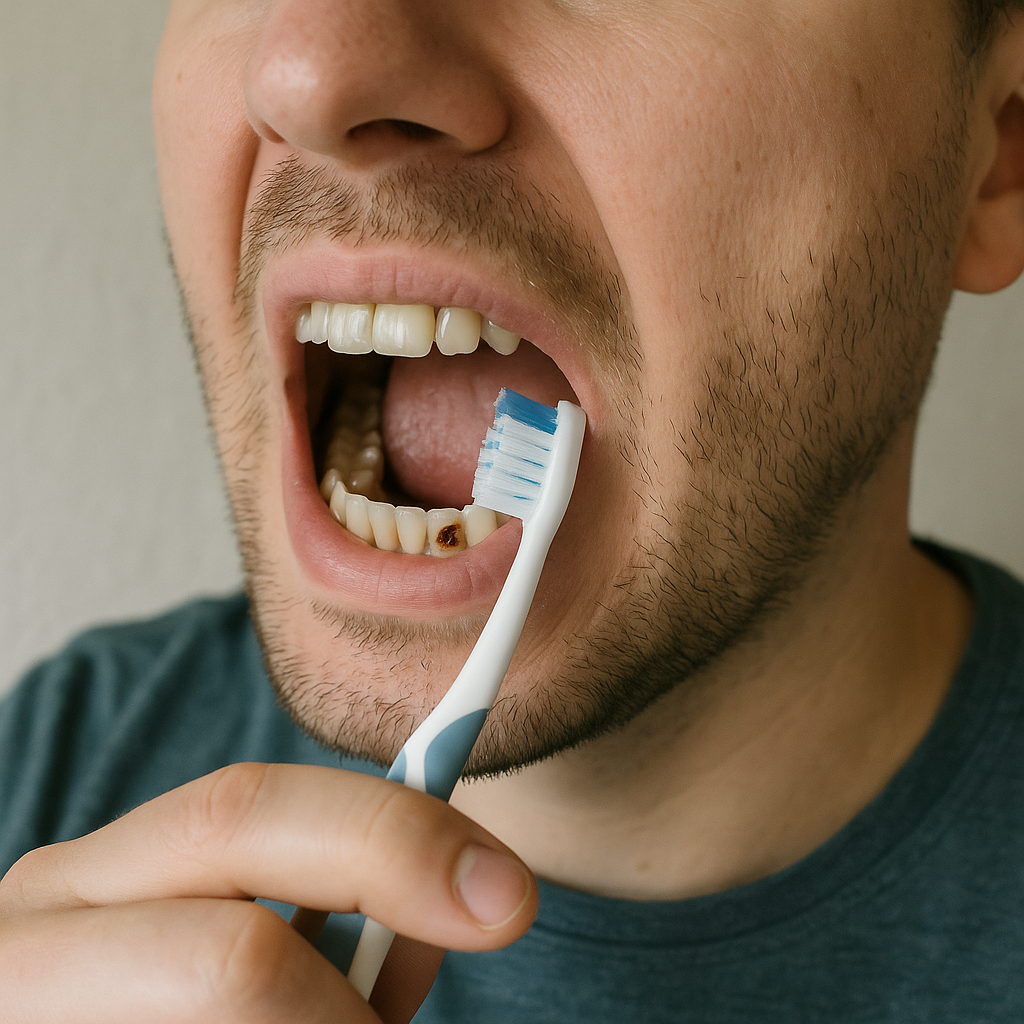
Early Signs of Tooth Cavity and When You Can Reverse It
Symptoms to Watch For: Sensitivity, Pain, Visible Spots
It usually starts with a little tingling when you eat something cold or sweet. Then maybe you notice a white spot on your tooth—this is the earliest visible sign of demineralization. As it progresses, the tooth might become brownish, rough, or slightly painful. That’s your enamel waving a white flag.
Catch it early, and you can cure cavity teeth at home using natural remedies and mindful eating. Miss the signs, and you’ll be booking that dentist appointment sooner than you wanted.
When Is It Too Late for Natural Remedies?
Once the decay penetrates the dentin (the softer layer beneath enamel), it’s a race against time. At that point, most teeth cavity treatment at home won’t be enough. If you’re feeling a sharp, stabbing pain or noticing a bad smell from a tooth, it’s probably too late for DIY fixes. Better to get it looked at before it gets infected.
Importance of Early Tooth Decay Self-Care
Taking cavity symptoms seriously early on is key. Not only can you reduce and fix cavity at home more easily at this stage, but you also avoid the need for fillings, crowns, or worse—root canals. It’s not just about avoiding pain either; untreated cavities can affect digestion, energy, and even heart health. Wild, right?
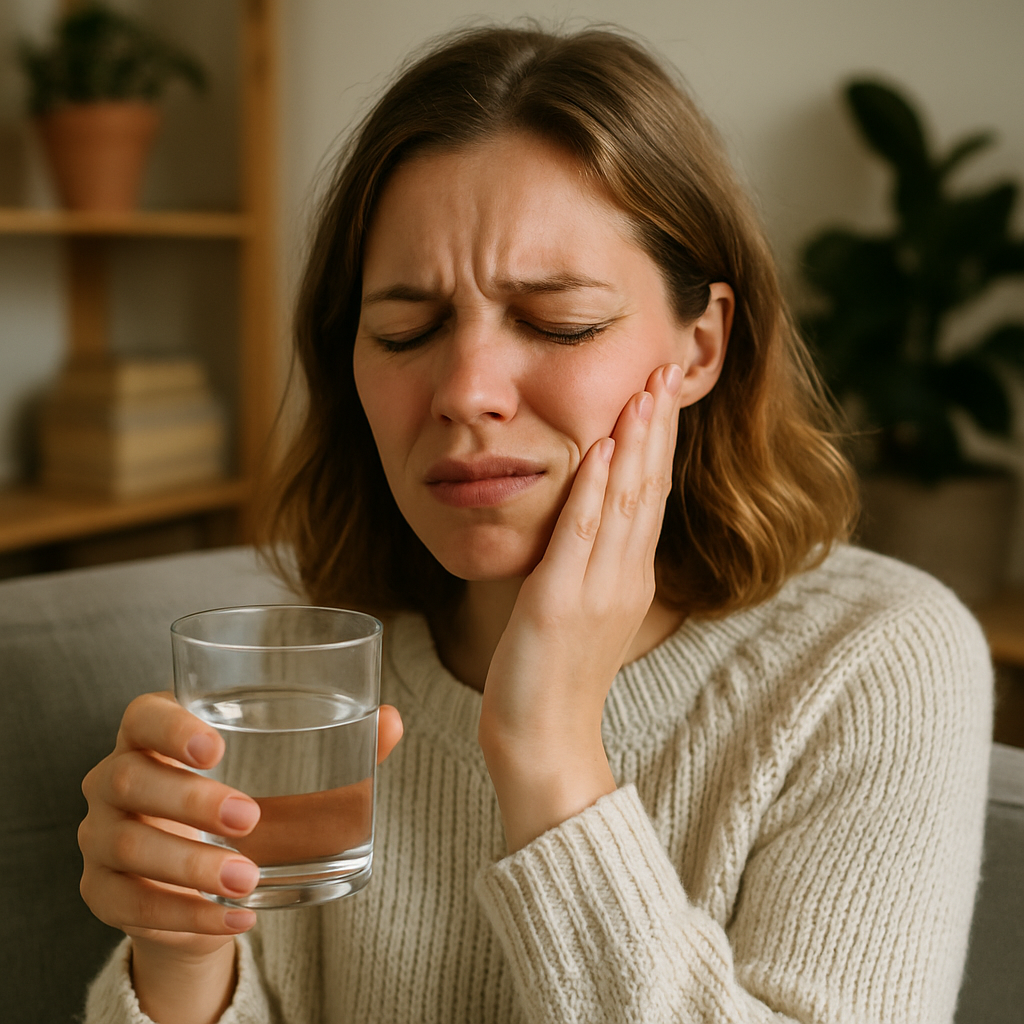
How to Cure Cavity at Home Naturally
When it comes to how to cure cavity naturally at home, your kitchen and spice cabinet might hold more answers than you think. Ayurveda has long promoted natural healing through herbs, oils, and diet. And no, it’s not just old-school folk wisdom — a growing body of research backs these methods for early-stage teeth cavity treatment at home.
Best Ayurvedic Herbs and Oils
1. Clove (Laung):
Clove oil is a powerhouse when it comes to how to cure cavity pain at home. Its active ingredient, eugenol, has natural analgesic and antibacterial properties. Just dab a tiny bit of clove oil on a cotton swab and apply it directly to the sore tooth. Careful, though—it’s strong, and you don’t want to overdo it.
2. Neem (Azadirachta indica):
Used in Ayurvedic toothpastes and powders, neem fights harmful bacteria and supports gum health. You can chew on neem sticks or make a simple paste from dried neem powder and water to brush your teeth.
3. Licorice Root:
Surprisingly sweet and totally cavity-friendly, licorice has been shown to reduce Streptococcus mutans, the main bacteria responsible for decay. Try rinsing with licorice tea or adding it to your natural toothpaste routine.
4. Triphala:
This Ayurvedic blend of three fruits (amla, bibhitaki, and haritaki) is known for detoxifying the mouth and supporting immune function. Use it as a mouth rinse or drink it regularly to promote healing from the inside out.
How to Clean Cavity Teeth at Home Using Herbal Pastes
Let’s get hands-on. Here's a DIY herbal paste you can make at home:
-
½ tsp turmeric powder
-
A pinch of clove powder
-
A few drops of sesame or coconut oil
-
¼ tsp neem powder (optional)
Mix into a thick paste. Brush gently with this paste twice a day, especially around the area of the cavity. It doesn’t taste like mint gum, but your teeth will thank you.
Turmeric fights inflammation, while clove numbs pain and kills germs. Sesame oil has pulling properties (more on that in a bit), and neem helps kill cavity-causing bacteria. This is a great way to clean cavity teeth at home while also soothing inflamed areas.
How to Reduce and Fix Cavity at Home Step-by-Step
Step 1: Oil Pulling
Start your day by swishing 1 tbsp of coconut or sesame oil in your mouth for 10–15 minutes. Yes, it feels weird at first, but this ancient Ayurvedic practice draws toxins and bacteria from the mouth. Spit it out (not in the sink!) and rinse.
Step 2: Herbal Brushing
Use the paste above, or find an Ayurvedic toothpaste with neem, clove, or babool. Brush gently—don’t go scrubbing like you're cleaning grout.
Step 3: Rinse with Saltwater or Herbal Tea
Boil some guava leaves or triphala and use the decoction as a mouth rinse. Or just stick with warm salt water—simple, cheap, and super effective for early decay.
Step 4: Repeat Consistently
Natural treatments don’t work overnight. Give it 2–4 weeks and observe if pain reduces or white spots fade. You might not remove teeth cavity at home completely, but you’ll slow it down big time.

Home Treatments to Relieve Cavity Pain and Support Enamel
You’ve got your herbal paste, you’re oil pulling daily—now what about that dull (or sometimes stabby) pain that won’t quit? Here's how to cure cavity pain at home while helping your enamel hang on.
How to Cure Cavity Pain at Home with Clove and Licorice
As mentioned before, clove oil is a tried-and-true remedy for dental pain. Dab it directly onto the cavity with a Q-tip, but if it's too intense, mix it with coconut oil to dilute.
Licorice root, on the other hand, is a gentle warrior. You can steep it in hot water and use the cooled liquid as a rinse. It helps soothe the gums and reduce inflammation. Do this 2-3 times a day, especially before bed.
Also, don’t forget cold compresses. Press a cold cloth on your cheek (outside the painful area) to dull the ache temporarily. It’s simple, but super underrated.
Foods to Avoid and Include for Tooth Mineral Support
You can’t talk about how to cure cavity teeth at home without addressing what goes in your mouth every day.
Avoid:
-
Sugary snacks (obviously)
-
Sticky candies (lookin' at you, caramel)
-
Acidic drinks like soda and too much citrus
-
Constant snacking (it feeds bacteria and doesn't let saliva do its thing)
Include:
-
Leafy greens for calcium and magnesium
-
Cheese and yogurt (good for enamel, bad for plaque if you don’t rinse after)
-
Green tea, which has natural fluoride and bacteria-fighting powers
-
Bone broth, rich in minerals that help remineralize teeth naturally
Hydration also plays a big role. Dry mouth = more bacteria. So keep the water bottle close.
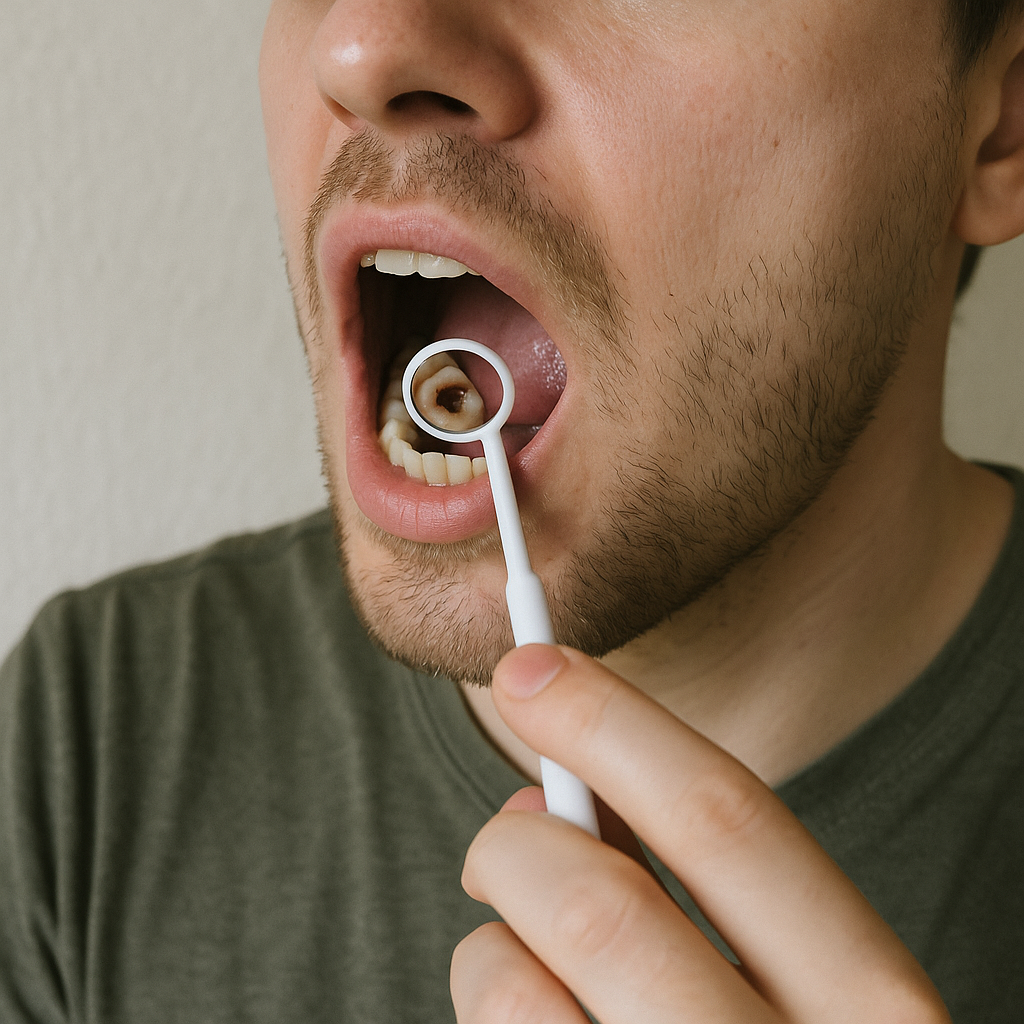
Long-Term Prevention of Tooth Cavities Naturally
The real secret to how to fix cavity at home? Don’t get more cavities. Prevention is boring but it’s way better than dealing with throbbing teeth.
Daily Oral Care Routine with Ayurvedic Practices
-
Morning: Oil pull before brushing
-
Brush: Use a natural paste or powder with neem, clove, or miswak
-
Rinse: Herbal teas or saltwater
-
Scrape your tongue: Removes toxins and improves oral flora
-
Evening: Gentle brushing again (skip the mouthwash—it kills good bacteria too!)
Don’t skip days. This only works if you stick with it. Like, your teeth don't take days off, so neither should your care routine.
Don't wait or self medicate. Start chat with Doctor NOW
Conclusion
To wrap it up: yes, you can cure cavity at home—if it’s caught early. From using Ayurvedic herbs like neem and clove to practicing oil pulling and following a cavity-friendly diet, these steps can actually help you heal and protect your teeth naturally.
But let’s be real. If the cavity’s already deep or painful, please go to a dentist. Even the best DIY won’t save a tooth that's already screaming for help.
Consistency and care are your best tools. So start slow, stick with it, and maybe—just maybe—you won’t dread that next dental checkup.
FAQs
How to get rid of cavity pain at home instantly?
Clove oil is the fastest natural fix. Dab it directly on the tooth for near-instant numbing. A cold compress on the cheek can also dull pain quickly.
What is the best Ayurvedic treatment for cavity teeth?
Neem and clove top the list. Use them in powdered form for brushing, or apply clove oil directly for pain relief. Oil pulling with sesame oil is another daily must.
How to clean cavity teeth at home using herbs?
Make a paste of turmeric, clove powder, and coconut oil. Use this to brush gently twice a day. You can also rinse with herbal teas like guava leaf or triphala decoctions.
Questions from users
What lifestyle changes can help reverse early tooth decay naturally?
Walter
6 days ago
To help reverse early tooth decay naturally, prioritize a consistent oral hygiene routine that includes brushing twice daily with fluoride toothpaste, flossing daily, and reducing the intake of sugary foods and drinks. Incorporating foods rich in calcium and vitamin D can also strengthen enamel. Drinking fluoridated water supports remineralization, while regular dental check-ups can catch decay early. Look out for increased sensitivity or discoloration in teeth and see a dentist if symptoms persist. Ayurvedic practices, such as using neem or clove oil, might offer supplementary support but should not replace conventional dental care.
Is it safe to use clove oil directly on a cavity?
Anthony
16 days ago
Using clove oil on a cavity can help with pain, but be careful! Directly applying it might irritate gums if not diluted. Try a little with a carrier oil, like olive oil, to make it safer. If pain persists, definitely see a dentist, bc Ayurveda is great, but cavities can be tricky!
Can I use turmeric and clove together for better results in treating toothaches?
Patrick
25 days ago
Yes, you can definitely use turmeric and clove together for toothaches! Turmeric fights inflammation, while clove helps numb the pain and kills germs. Together, they can be quite effective. Just make sure to use them properly – maybe make a paste with a bit of water and apply it where it hurts. But check with a dentist too if it's a severe issue, always good to be cautious!
Can I use guava leaf tea as a natural remedy for cavity pain?
Emma
34 days ago
Yes, guava leaf tea can be used for cavity pain. It helps reduce inflammation and fights bacteria, which is great for oral health. Just make sure it’s a warm rinse, not too hot! But remember, it is not a substitute for professional dental care, especially if the pain continues. How's it working out for you?
What is the role of warm salt water in treating early tooth decay at home?
Audrey
43 days ago
Warm salt water helps treat early tooth decay by creating an unfriendly environment for bacteria causing the decay. It also helps reduce inflammation and can ease pain. If you swish it around your mouth, be gentle, stick with it regularly, and consider it as a sidekick to other remedies, not a cure-all.
Can I use Ayurvedic herbs to treat early tooth decay effectively?
Connor
52 days ago
Yes, Ayurvedic herbs can help with early tooth decay! Clove oil is great for numbing pain, and neem can help fight bacteria. Also try oil pulling with sesame or coconut oil to remove toxins. But remember, it's always a good idea to consult a dentist too. Keep practicing good oral hygiene to prevent further problems!
What is the best way to prepare a herbal rinse to help with cavity pain?
Isaac
62 days ago
A good herbal rinse for cavity pain can be made with cloves. Just steep a few of them in hot water, let it cool, and voilà, you’ve got a natural pain soother! Clove has eugenol, which helps with pain and inflammation. Rinse your mouth carefully. Watch those cloves, they can taste pretty strong! Hope it helps your pain.
What ingredients should I avoid in my diet to prevent cavities from developing?
Elijah
72 days ago
To prevent cavities, stay clear of sugary foods and drinks, as well as refined carbs. Sticky, sugary substances like candies or sodas and even some dried fruits can linger on teeth and lead to decay. Also, reduce acidic foods, like citrus fruits, that can wear enamel. It's always good to balance these with foods that support oral health, like fresh veggies and whole grains.
Can turmeric really help with toothaches or is it just a myth?
Reese
81 days ago
Turmeric can indeed help with toothaches because it has natural anti-inflammatory properties. But it's more like a supportive remedy, not a full-on cure. If you dab it directly on the tooth, it may reduce inflammation a bit, but it won’t fix cavities or underlying dental issues, so best to see a dentist for major tooth problems!
What is the best way to use licorice tea for cavity prevention at home?
Dylan
91 days ago
Hey! You can use licorice tea for cavity prevention by making a rinse. Brew a cup of licorice tea, let it cool, and swish it around your mouth for a minute or so, like a mouthwash. Do this daily, but also, remember it's not a replacement for brushing and flossing! 😊 Also, watch out for too much licorice, it can be strong.
Related articles

Dental Disorders
Which Fruit Is Good for Mouth Ulcer? Ayurvedic Tips and Best Choices
Which fruit is good for mouth ulcer? Discover the best fruits and juices for mouth ulcer relief, healing tips, and Ayurvedic diet suggestions
10,380

Dental Disorders
How to Remove Alcohol Smell from Mouth Naturally and Effectively
Learn effective ways to remove alcohol smell from mouth using natural remedies, Ayurveda tips, and quick tricks to stay fresh, odor-free, and confident
17,710

Dental Disorders
How to Get Rid of Bitter Taste in Mouth: Causes, Remedies, and Ayurvedic Treatment
How to get rid of bitter taste in mouth? Discover home remedies, Ayurvedic tips, and how to treat bitter taste after fever or when sick
6,317

Dental Disorders
How to Get Rid of Salty Taste in Mouth: Causes and Natural Remedies
Discover how to get rid of salty taste in mouth with Ayurvedic tips. Learn causes, possible illnesses, and natural treatments to restore oral freshness
3,978
Dental Disorders
Leukoplakia Treatment in Ayurveda – Natural Remedies & Holistic Approach
Discover effective Ayurvedic treatments for leukoplakia, a condition marked by white patches in the mouth. Learn about natural detoxification, herbal therapies, and dietary recommendations to support oral health.
4,154

Dental Disorders
How to Cure TMJ Permanently: Ayurvedic, Natural, and At-Home Treatments
How to cure TMJ permanently? Discover Ayurvedic methods, self-care techniques, home remedies, and effective exercises for TMJ pain relief and jaw joint healing
4,649

Dental Disorders
How to Use Clove for Toothache: Natural Relief for Pain
Discover how to use clove for toothache relief. Learn clove remedies, how it helps reduce pain, and safe ways to apply clove or clove oil on aching teeth
9,848

Dental Disorders
Ayurvedic Treatment for Teeth Cavities: A Holistic Guide
Discover how Ayurveda may help prevent and manage teeth cavities. Learn about scientific insights, holistic remedies, and tips for lasting oral health.
4,512

Dental Disorders
What Is Pyorrhea and How Can It Be Treated in Ayurveda?
Pyorrhea, or periodontitis or periodontal disease, is a severe and advanced form of gum disease.
4,414

Dental Disorders
How to Make Gums Strong at Home Using Natural Methods
Discover how to make gums strong at home using Ayurvedic remedies, vitamins, foods, and gum care practices. Improve your oral health naturally and effectively
5,089
Related consultations on the topic
Legal
Additional Documents
© 2024 Ask Ayurveda. All rights reserved.