Ask Ayurvedic doctor a question and get a consultation online on the problem of your concern in a free or paid mode. More than 2,000 experienced doctors work and wait for your questions on our site and help users to solve their health problems every day.
FREE! Ask Ayurvedic Doctors 24/7

 Fast responses
 1000+ verified doctors
Body DetoxEar, Nose, and Throat DisordersGeriatrics & RejuvenationImmunodeficiencyInfertility TreatmentNutritionOrthopedic DisordersPediatricsRespiratory DisordersSexually Transmitted Diseases (STDs)Surgery RecoveryUrological DisordersVascular DisordersDental DisordersEndocrinological DisordersGastrointestinal DisordersYoga TherapyGeneral MedicineAllergic DisordersCardio DisordersGynecology and ObstetricsCosmetologySkin and Hair DisordersEye DisordersInfectious DiseasesMental DisordersNeurological DisordersOncologyPanchakarmaSexual Health & DisordersSports Medicine
Published on 07/08/25
(Updated on 07/05/26)
3,528
What Is Oil Pulling? Ayurvedic Meaning, Method, and Benefits

If you’ve been poking around natural wellness blogs or diving into ancient self-care remedies, you’ve probably stumbled across the term oil pulling. But what is oil pulling, really? Is it just another trend, or is there something legit behind the practice? Well — spoiler alert — oil pulling isn’t some new-age fad. In fact, it’s been around for thousands of years, rooted in the time-tested traditions of Ayurveda.
From detoxifying the mouth to boosting overall oral hygiene, this simple ritual offers a range of benefits. And yes, we’ll cover what is oil pulling for teeth, how to do it right, and even the surprisingly long list of oil pulling benefits. Whether you're totally new or just looking to do it better, this guide will walk you through everything you need to know — and then some.
Let’s get started with what this ancient practice actually means.
What Is Oil Pulling in Ayurveda
Oil Pulling Meaning and Origins in Ayurvedic Tradition
So, what does oil pulling mean exactly? In Ayurveda — a 5,000-year-old system of holistic medicine from India — oil pulling (or "Kavala" or "Gandusha") is a cleansing technique that involves swishing oil around in the mouth to "pull" out toxins. The idea is that the mouth is a gateway to the body, and maintaining oral health is essential to keeping the whole system in balance.
Oil pulling meaning goes deeper than just fresh breath or clean teeth. According to Ayurvedic texts, the practice is thought to draw out ama (toxins) from the body, reduce inflammation, and support the immune system. It's kind of wild how this ancient ritual has found a place in modern bathrooms, huh?
And no, it’s not about guzzling oil. More on the oil pulling procedure in a bit.
Oil Pulling for Teeth: How It Works
When you do oil pulling, the fat molecules in the oil bind to bacteria and other nasties hiding out in your mouth. As you swish the oil around, it "pulls" these out — hence the name. Over time, this helps reduce plaque, fight bad breath, and even whitens teeth (yep, people actually notice a diff).
What is oil pulling for teeth, specifically? It's kind of like a mouth detox. But unlike mouthwash, which may kill both good and bad bacteria (and sometimes dries you out), oil pulling is gentler — but still effective. Coconut oil is a fave for this, but we’ll touch on why in a sec.

Oil Pulling Method and How to Do It Correctly
Oil Pulling Technique Step by Step (Time, Dosage, Type of Oil)
Okay, so how do you actually do this? Here’s a super basic oil pulling technique you can follow:
-
Choose your oil — coconut oil is popular, but more on that below.
-
Take a tablespoon (or less if you’re new).
-
Swish it around your mouth for 10–20 minutes. Yes, that long. Don’t swallow.
-
Spit it out in the trash (not the sink — it can clog pipes).
-
Rinse your mouth with warm water and brush your teeth afterward.
If that sounds like a lot... just start with 5 minutes and work your way up. Consistency matters more than perfection here.
Best Oils for Pulling: Coconut, Sesame, and More
So, what is coconut oil pulling and why does everyone seem to love it?
Coconut oil has antimicrobial properties (thanks to lauric acid) and a mild taste that makes it super tolerable. Plus, it’s solid at room temp, so it melts as you use it — which is kinda cool.
Sesame oil is the OG in Ayurvedic oil pulling technique. It’s traditionally used for its warming properties and deeper detox benefits. Sunflower oil's another option, tho it’s less common nowadays.
Everyone has their pref — some even mix oils or add essential oils like clove or peppermint.
When and How Often Should You Do Oil Pulling?
Alright, let’s talk timing — because doing it right (and regularly) makes all the difference.
So, when should you do oil pulling? Most Ayurvedic practitioners recommend doing it first thing in the morning before you eat, drink, or brush your teeth. Why? Because overnight, your mouth becomes a party zone for bacteria. Oil pulling helps sweep that gunk out before it spreads.
As for how often — daily is ideal, but even 3–4 times a week can make a noticeable difference. Think of it like flossing: you won’t see much change if you only do it once in a blue moon.
But don’t go overboard. Doing it more than once a day won’t necessarily increase the oil pulling benefits — in fact, it might just leave you with a sore jaw.
And yes, in case you're wondering... it feels a little weird at first. Your cheeks get a workout! But once you get used to the oil pulling method, it kinda becomes second nature — almost meditative.
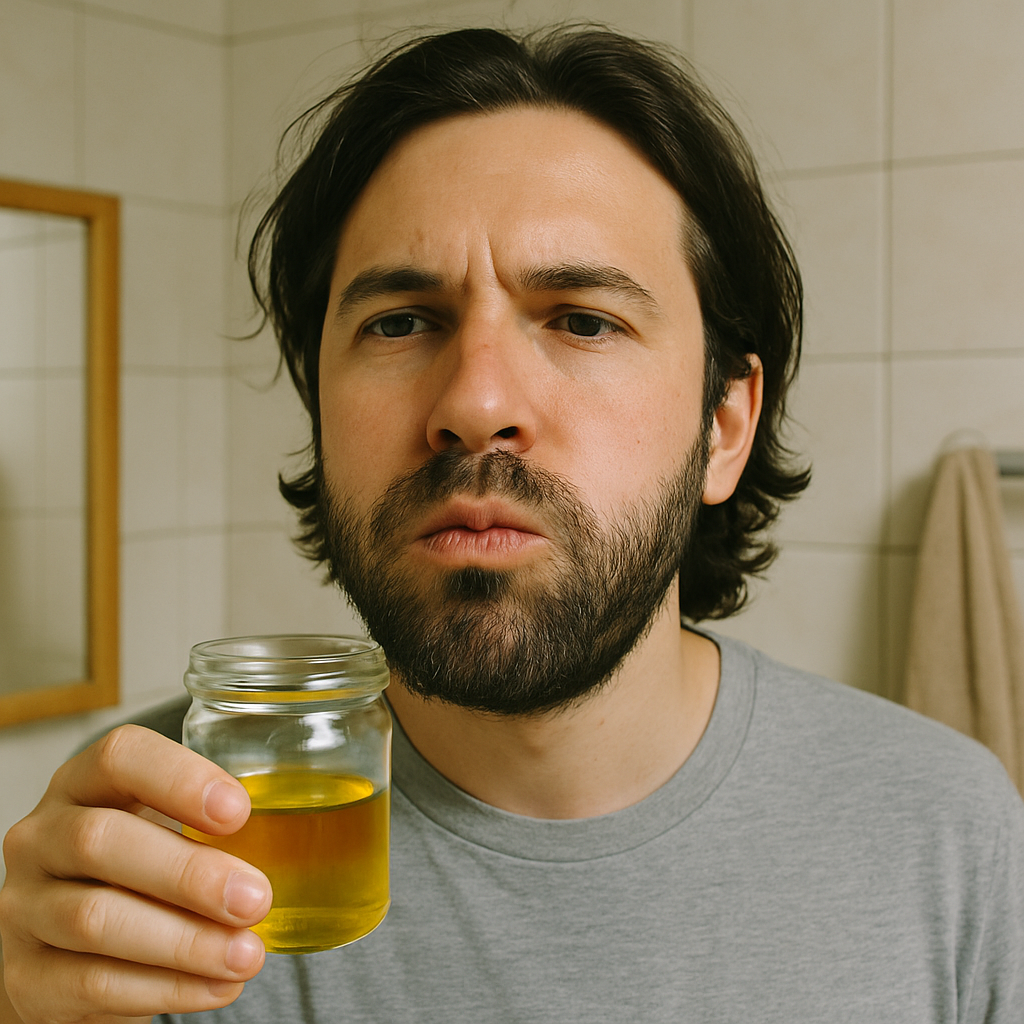
Benefits of Oil Pulling According to Ayurveda
Here’s the part everyone’s curious about: what is oil pulling and its benefits? Like, is this really worth waking up 20 minutes earlier?
Short answer: Yup.
Let’s break it down. According to Ayurveda and now even modern research, the oil pulling technique can deliver a surprising number of perks:
-
Improved oral hygiene: It reduces harmful bacteria in the mouth, which lowers your risk for cavities, gum disease, and bad breath.
-
Whiter teeth: Regular oil pulling may help lift surface stains. People have reported visibly brighter smiles in just a few weeks.
-
Healthier gums: Less inflammation means less bleeding and tenderness. Especially if your gums tend to act up.
-
Detoxification: In Ayurvedic terms, it pulls out ama — toxins — from the body. It’s a gentle daily detox.
-
Supports digestion: Believe it or not, digestion starts in the mouth. Removing bacteria can support better gut health.
-
Boosts immunity: By reducing the body’s toxic load, your immune system doesn’t have to work as hard.
One thing worth noting though — while oil pulling means a lot in traditional wellness, it shouldn’t replace brushing or flossing. It’s an add-on, not a substitute.
Oh! And don’t expect overnight miracles. Oil pulling benefits accumulate gradually. Give it at least 2 weeks before you start judging, okay?
Also, random note (but important): If you have crowns, fillings, or braces — talk to your dentist first. Just to be safe.
And let’s be real: it’s not for everyone. Some folks just can’t get past the texture or the time commitment. Totally fair.
But for many, it becomes one of those self-care rituals you didn’t know you needed. Like tongue scraping. Or, I don’t know, journaling with tea.
Conclusion
So, what is oil pulling all about, really? It’s simple: a centuries-old practice with surprisingly modern relevance. Whether you’re into Ayurveda or just curious about natural health hacks, oil pulling offers a gentle, effective way to support oral hygiene and overall well-being.
Let’s do a quick recap. The oil pulling method involves swishing oil (like coconut or sesame) in your mouth to draw out toxins, reduce bacteria, and promote a cleaner, healthier mouth. It’s not magic, and it’s definitely not a cure-all — but many people swear by its subtle yet powerful benefits.
And the best part? You don’t need fancy equipment or expensive products. Just a spoonful of oil, a few spare minutes, and a bit of consistency. That’s it.
In a world full of complicated wellness trends, oil pulling stands out for being refreshingly simple. It doesn’t promise miracles — just a small, intentional ritual that supports your body in doing what it does best.
So, will you give it a shot? Honestly, why not? It’s easy, inexpensive, and might just become your new favorite morning ritual.
And if you do try it — don’t forget to share your experience. Tag a friend. Text your mom. Tell your dentist (maybe). You never know who else could benefit from discovering what oil pulling means and how it might help them.
Don't wait or self medicate. Start chat with Doctor NOW
FAQs
Which oil is best for oil pulling?
Great question! The best oils for pulling are the ones that are unrefined, cold-pressed, and ideally organic. Here are the top choices:
-
Coconut oil: A favorite for its antimicrobial properties, mild taste, and pleasant texture. (Also smells pretty good, tbh.)
-
Sesame oil: The traditional Ayurvedic choice. Warm and detoxifying.
-
Sunflower oil: A neutral option, though slightly less popular these days.
-
Some people even mix in essential oils like peppermint or clove for added benefits — just be cautious and use very small amounts.
If you're wondering what is coconut oil pulling, it’s exactly that — using coconut oil specifically as your base oil. Many folks find it the easiest to start with.
Can I eat or drink after oil pulling?
Yes — but wait a bit. After oil pulling, you’ll want to rinse thoroughly and brush your teeth to get rid of the oil and any lingering toxins. Once that’s done, you can go ahead and eat or drink like normal.
Just don’t do oil pulling after breakfast. It’s designed to be done on an empty stomach for best results.
Also, random tip: spit the oil in the trash, not your sink. You’ll thank me later (plumbing is expensive).
How long should I do oil pulling each day?
The sweet spot? 10 to 20 minutes. If that feels like a lot, start with 5. You can work your way up — no need to be a hero on day one.
It’s not about perfection; it’s about building a habit that fits into your routine.
You can even do it while making coffee, scrolling your phone, or doom-watching the news (no judgment).
👉 If you found this helpful, consider sharing it with someone who's into natural health or curious about Ayurveda. Or heck, even someone with bad breath. You know who I’m talking about.
And if you try oil pulling — let us know how it goes. Your smile might just thank you.
Questions from users
What is the process of oil pulling and how do I get started?
Virginia
7 days ago
Oil pulling is a simple, traditional Ayurvedic practice for oral health. You swish a tablespoon of oil, like coconut, in your mouth for about 15-20 minutes, then spit it out. Best to do it first thing in morning, on an empty stomach, for maximum benefits! Start with 5 mins if you're new, it can take some getting used to.
What is the best way to incorporate oil pulling into my daily routine for better outcomes?
Stella
17 days ago
Start oil pulling first thing in the morning before brushing your teeth. Take about a tablespoon of coconut or sesame oil and swish it around your mouth for 15-20 mins - it's great for "pulling" out impurities. Follow with rinsing, then brush your teeth. Remember, it's an add-on to your routine! Adjust timing if 20 mins is too long for starters. Enjoy and let me know how it goes!
What are the potential risks or downsides of oil pulling that I should be aware of?
Kennedy
26 days ago
Oil pulling is pretty safe, but a few things to consider. Swishing too aggressively can lead to jaw soreness or even a headache if you're sensitive. Also, never swallow the oil, as it can contain toxins and bacteria. If you're not careful, it can irritate if you have light-sensitive gums. Just be gentle and see how your body reacts!
What is the best time of day to do oil pulling for optimal results?
Teagan
35 days ago
The best time to do oil pulling is in the morning on an empty stomach, before you eat or drink. This helps balance your oral flora and eliminate toxins right away, setting a good tone for the day. Just take it easy and start slow if you're new to it. Let me know if you got more questions! 😊
Is it safe to do oil pulling every day, or should I take breaks?
Quincy
44 days ago
You can definitely practice oil pulling every day—it's generally safe and beneficial if done right. But if you ever feel discomfort or your mouth is getting too dry, it's okay to take short breaks. Your body's response matters, so trust how you're feeling! And remember, spit it in the trash, not the sink 😉
Can I mix different oils for oil pulling, and will it still be effective?
Olivia
53 days ago
Mixing different oils for oil pulling is totally okay! It could still be effective. Some people use a combo of oils like coconut and sesame, for instance. Every oil has its own benefits, so mixing them might just enhance the experience. Don't forget it's important to listen to your body and see how it reacts!
Can I do oil pulling if I’m pregnant or breastfeeding?
Wyatt
63 days ago
Oil pulling is generally considered safe during pregnancy and breastfeeding, but it's always a good idea to chat with your healthcare provider first. Stick to natural, organic oils like sesame or coconut, and it might help with oral health without extra stress on your body. Always tune into how you feel! 😊 Missing any consultations is not here though!
What should I avoid doing immediately after oil pulling to maximize its benefits?
Summer
73 days ago
Right after oil pulling, try to avoid eating or drinking anything immediately. Rinse your mouth with warm water to clear any remaining oil. It's also a good idea not to brush your teeth too harshly right away. Since your mouth has just been detoxed, let it settle a bit and then move on to your usual routine.
Can I do oil pulling if I have braces or dental work?
Anthony
82 days ago
You can still do oil pulling with braces or dental work, but be gentle. Use coconut or sesame oil, and make sure to swish carefully around any dental fixtures. It might be a bit tricky, but it can still be part of your routine. Just be sure to spit it out thoroughly! But always chat with your dentist first to play it safe.
Is it safe to swallow the oil after oil pulling?
Savannah
92 days ago
It's actually not recommended to swallow the oil after oil pulling. As you swish the oil, it pulls toxins and bacteria from your mouth, which you don't wanna ingest. Just spit it into the trash, not the sink to avoid plumbing probs. Oil pulling is a practice best done on an empty stomach for best results.
Related articles

Dental Disorders
How to Use Clove for Toothache: Natural Relief for Pain
Discover how to use clove for toothache relief. Learn clove remedies, how it helps reduce pain, and safe ways to apply clove or clove oil on aching teeth
9,844

Dental Disorders
Ayurvedic Treatment for Teeth and Gums: Natural Oral Care Solutions
Discover Ayurvedic treatment for teeth and gums. Learn about natural herbal remedies, oral hygiene practices, and holistic approaches to maintain healthy teeth, gums, and overall oral well-being.
3,532

Dental Disorders
Ayurvedic Treatment for Teeth Cavities: A Real, Root-Level Solution
Dental caries (cavities) have become so common that most people shrug them off — until they land in the dentist’s chair needing a root canal. Globally, over 2.5 billion people suffer from untreated dental cavities. It’s the most prevalent chronic disease
4,139

Dental Disorders
How to Cure Cavity at Home: Natural Remedies and Ayurvedic Tips
How to cure a cavity at home? Discover Ayurvedic remedies and natural ways to reduce tooth decay, clean cavity teeth, and relieve cavity pain without chemicals
2,097

Dental Disorders
How to Make Gums Strong at Home Using Natural Methods
Discover how to make gums strong at home using Ayurvedic remedies, vitamins, foods, and gum care practices. Improve your oral health naturally and effectively
5,083

Dental Disorders
How to Remove Alcohol Smell from Mouth Naturally and Effectively
Learn effective ways to remove alcohol smell from mouth using natural remedies, Ayurveda tips, and quick tricks to stay fresh, odor-free, and confident
17,706

Dental Disorders
Morning Tongue Cleaning: Why and How
Tongue cleaning is an ancient Ayurvedic ritual that enhances oral hygiene by removing toxins and bacteria from the tongue.
2,934
Dental Disorders
Best Manjan for Teeth – Ayurvedic Oral Care for a Bright Smile
Discover the best manjan for teeth—a traditional Ayurvedic dental powder that cleans, whitens, and strengthens your teeth while promoting overall oral health.
3,818

Dental Disorders
Ayurvedic Medicine for Dental Problems: A Holistic Approach to Oral Health
Discover how Ayurvedic medicine addresses dental problems through natural remedies like oil pulling, herbal toothpaste, and mouthwashes. Learn benefits, usage tips, and preventive care for holistic oral health.
4,438

Dental Disorders
When to Do Oil Pulling for Oral and Overall Health
Discover when to do oil pulling for maximum benefits. Learn the best time, duration, and whether it should be done before or after brushing for oral health
14,873
Related consultations on the topic
Legal
Additional Documents
© 2024 Ask Ayurveda. All rights reserved.