Ask Ayurvedic doctor a question and get a consultation online on the problem of your concern in a free or paid mode. More than 2,000 experienced doctors work and wait for your questions on our site and help users to solve their health problems every day.
FREE! Ask Ayurvedic Doctors 24/7

 Fast responses
 1000+ verified doctors
Body DetoxEar, Nose, and Throat DisordersGeriatrics & RejuvenationImmunodeficiencyInfertility TreatmentNutritionOrthopedic DisordersPediatricsRespiratory DisordersSexually Transmitted Diseases (STDs)Surgery RecoveryUrological DisordersVascular DisordersDental DisordersEndocrinological DisordersGastrointestinal DisordersYoga TherapyGeneral MedicineAllergic DisordersCardio DisordersGynecology and ObstetricsCosmetologySkin and Hair DisordersEye DisordersInfectious DiseasesMental DisordersNeurological DisordersOncologyPanchakarmaSexual Health & DisordersSports Medicine
Published on 06/05/25
(Updated on 06/16/26)
1,937
What Causes Sleep Apnea?

If you’ve ever woken up gasping for air in the middle of the night, or if your partner’s loud snoring has kept you up (again), you might be dealing with more than just a bad night's sleep. Sleep apnea is a serious condition—more common than people think—and it affects not just your sleep but your whole system. It can sneak up on you, and before you know it, you're always tired, gaining weight, or even struggling with blood pressure.
Understanding what causes sleep apnea is the first step to tackling it. Whether you’re trying to figure out the causes of obstructive sleep apnea, or wondering how your nervous system plays a role in central sleep apnea, there’s a lot to uncover. And if you’re someone looking for a more natural, holistic view (hello Ayurveda), you’re in the right place. Let’s explore the sleep apnea causes, symptoms, and solutions—without the medical jargon overload.
What Is Sleep Apnea and Its Most Common Forms
Sleep apnea is a condition where breathing repeatedly stops and starts during sleep. Sounds scary? That’s because it can be. These pauses can last from a few seconds to minutes and might occur 30 times or more in an hour. That’s not just poor sleep—that's your body being deprived of oxygen, over and over.
There are two main types of sleep apnea:
-
Obstructive Sleep Apnea (OSA): This is the more common one. It happens when the muscles in the back of your throat relax too much, narrowing or completely closing your airway.
-
Central Sleep Apnea (CSA): Less common, but equally dangerous. It occurs when your brain fails to send proper signals to the muscles that control breathing.
Sometimes, people have a combo of both—called complex sleep apnea syndrome, which makes diagnosis and treatment a bit more tricky.
Now, let’s go deeper. What actually causes sleep apnea to develop in the first place?
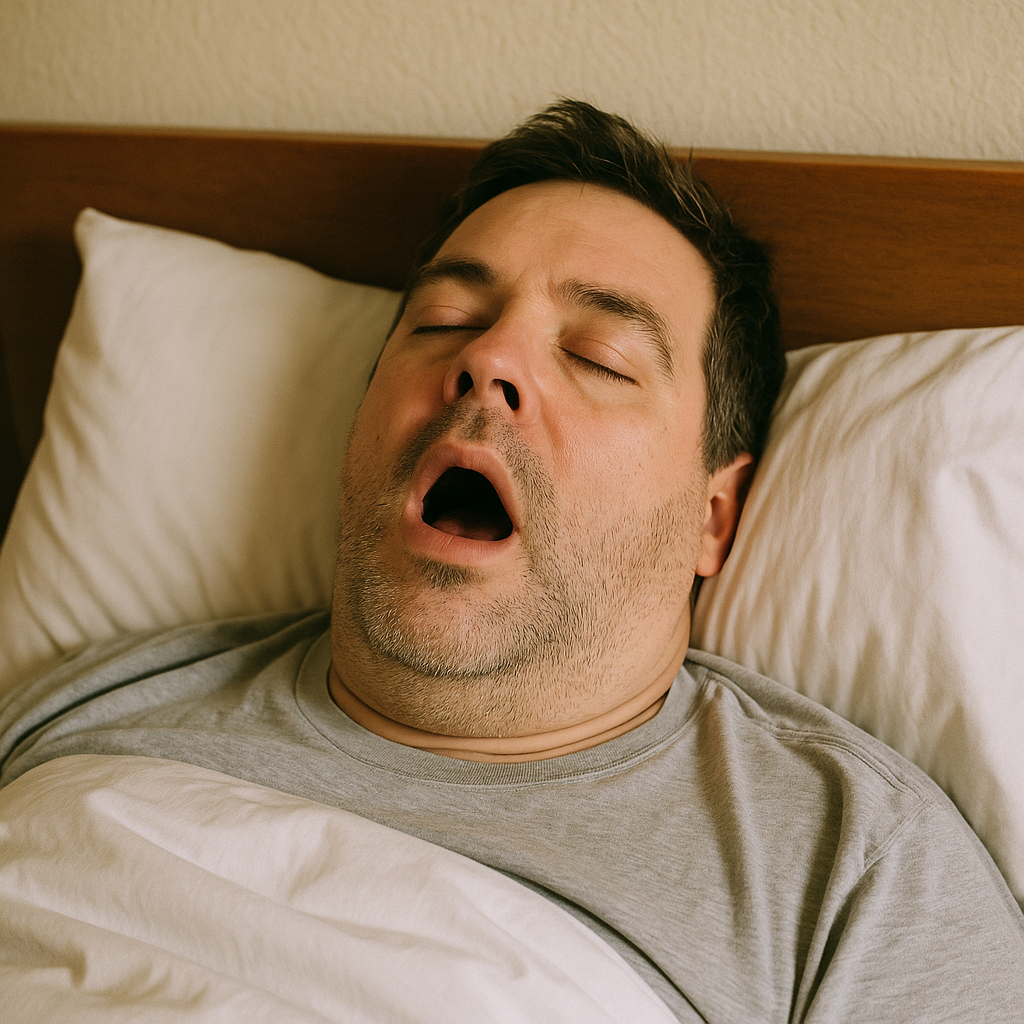
Major Causes of Sleep Apnea in Ayurveda
In Ayurveda, disease is seen as the result of imbalance in the body's doshas—Vata, Pitta, and Kapha. Sleep apnea, especially OSA, is often linked to an aggravation of Kapha dosha, which governs heaviness, mucus, and structure. But it’s not just about Kapha. Prana (life-force energy) and Vata (which governs movement, including breath) also play a vital role.
Causes of Obstructive Sleep Apnea: Excess Kapha, Obesity, and Airway Blockage
When Kapha accumulates—due to poor diet, sedentary lifestyle, excessive dairy or cold foods—it leads to heaviness and congestion. This can block the nasal passages and throat, literally causing sleep apnea through airway restriction.
Add to that weight gain (another Kapha-driven symptom), and the airway narrows even more. It’s no surprise that sleep apnea causes weight gain, but it’s also a vicious cycle: weight gain can cause more apnea, and apnea makes it harder to lose weight due to fatigue and hormonal imbalances.
Causes of Central Sleep Apnea: Nervous System and Prana Imbalance
CSA is different. Here, the problem isn’t physical blockage—it's neurological. Ayurveda attributes this to an imbalance in Vata dosha, especially the Prana subdosha, which governs breathing and brain function. When Vata is disturbed—maybe from stress, irregular routines, or trauma—the signals from brain to body get fuzzy. That’s when central sleep apnea causes interrupted breathing patterns without any throat blockage.
In both types, the body is out of sync. And over time, sleep apnea causes high blood pressure, heart strain, and chronic exhaustion. Ignoring it? That’s not an option.
Sleep Apnea, Weight Gain, and High Blood Pressure Connection
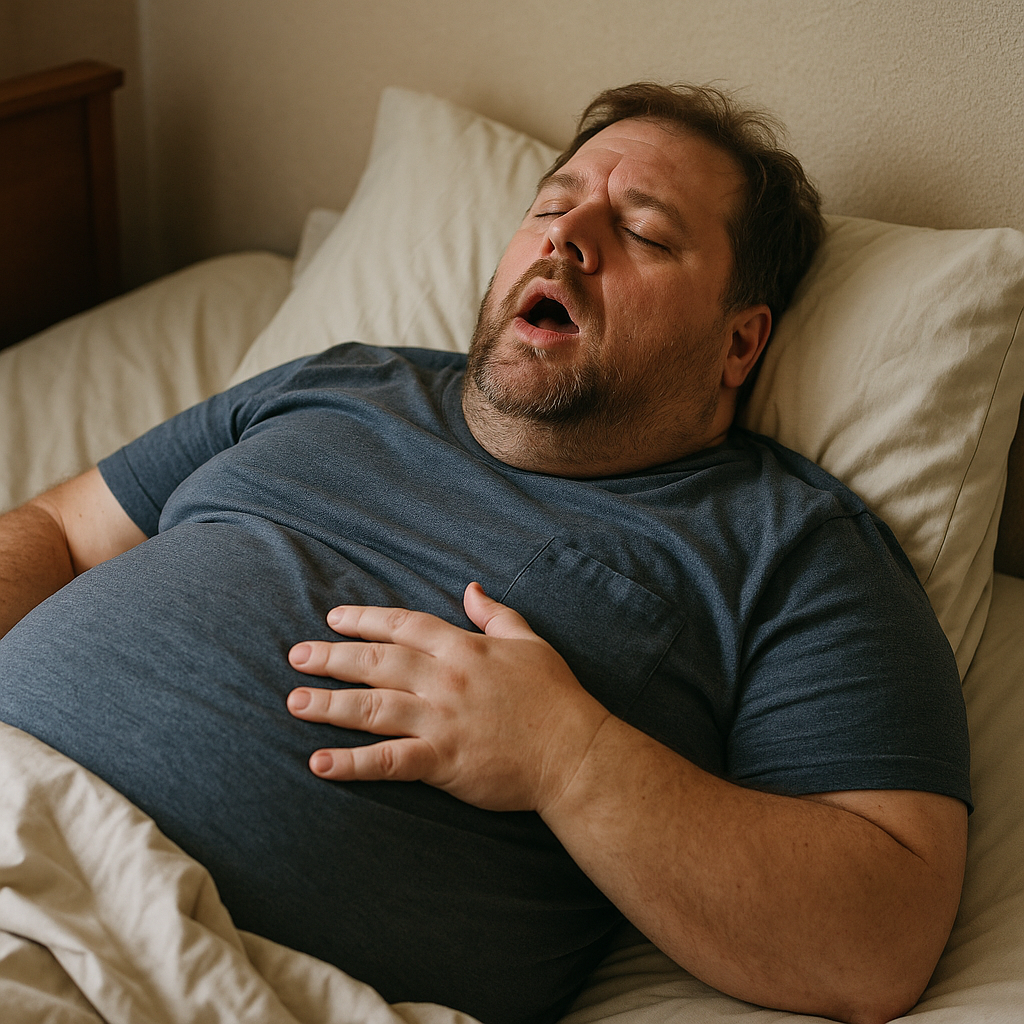
Let’s talk about the ripple effects. Many people don’t realize how sleep apnea causes weight gain—but the connection is strong. When your sleep is constantly disturbed, the body produces more cortisol (that pesky stress hormone), which can lead to cravings, fat retention, and a slower metabolism. You wake up exhausted, and your energy dips throughout the day. You skip workouts. You eat more sugar. And before you know it, pounds creep on.
And it gets worse. Sleep apnea causes high blood pressure too, because the body goes into panic mode during those breathless moments. Oxygen drops, the heart races, and the blood vessels constrict. Over time, this constant stress leads to hypertension. In Ayurveda, this would be seen as a mix of aggravated Vata (stress response) and Pitta (inflammation), causing imbalance in both mind and body.
So now you have fatigue, weight gain, and high blood pressure. All feeding into each other. It’s like a bad group project where every part makes the other one worse.
Preventing Sleep Apnea with Ayurvedic Lifestyle and Diet
The good news? Ayurveda doesn’t just explain the causes for sleep apnea—it offers real, grounded tools to bring your body back into balance. Unlike quick fixes or pills that only mask symptoms, Ayurvedic practices aim to work on root causes: excess weight, imbalanced doshas, poor digestion, and nervous system overload.
Breath Practices, Sleep Hygiene, and Nasya Therapy
First off, pranayama (breath control) is key. Simple techniques like nadi shodhana (alternate nostril breathing) or bhramari (bee breath) can calm the nervous system and improve oxygen flow. These aren't just ancient rituals—they actively help reset Vata and Prana flow, which are directly linked to breathing regulation.
Improving sleep hygiene is another big one. That means no screens an hour before bed, going to sleep around 10 PM, and keeping the bedroom cool, dark, and quiet. You know—common sense stuff, but we all ignore it half the time, don't we?
Then there's Nasya, the practice of lubricating the nasal passage with medicated oils. Just a few drops of herbal oil in each nostril can help reduce congestion, balance Kapha, and open up airways. It's especially helpful for those whose causes of obstructive sleep apnea are rooted in sinus blockages or mucous buildup.
Reducing Root Causes Through Detox and Routine Alignment
Ayurveda loves a good reset. Gentle seasonal detoxes (like panchakarma or even simplified home versions) can help remove excess Kapha and toxins from the system, especially if diet’s been off or digestion feels sluggish. Not the scary juice cleanses you see online—but real detox focused on proper food, herbal support, and routine.
And let’s not overlook daily rhythm, or dinacharya. When you eat, sleep, and move in sync with natural cycles, the doshas stay balanced. For example, eating your biggest meal at lunch (when digestion is strongest), and avoiding late-night snacks that aggravate Kapha and disrupt sleep.
It's not about being perfect. It's about consistency. Even small changes, like going to bed earlier or swapping that ice cream for warm spiced milk, can shift things big time.
Conclusion
So, if you've been wondering what causes sleep apnea, now you know—it’s not just one thing. It's a complex condition that can stem from physical blockages, nervous system glitches, lifestyle imbalances, or even emotional overload. From the Ayurvedic lens, it's often a result of excess Kapha (think: mucus, heaviness, weight), disturbed Vata (anxiety, irregular rhythms), and weak digestion or poor routines.
But don’t let that overwhelm you. The key takeaway? Sleep apnea has causes—and solutions. Understanding your body's signals, tuning into your habits, and gradually aligning your life with balance can make a profound difference. It's not a switch you flip overnight, but a journey you start one step at a time.
If your sleep is poor, your energy is shot, and you’re gaining weight without a clear reason, don’t ignore it. Sleep apnea causes high blood pressure, heart strain, mood dips, and more—but with awareness and a holistic approach, you can take back control.
Whether you try Ayurvedic practices, get a sleep study, or simply start with better sleep hygiene, the point is: do something. Share this article with a friend who snores like a chainsaw, or that tired co-worker who’s always yawning at 10 a.m. It might just open a new path to wellness for them too.
Want to sleep better naturally? Explore more holistic tips by checking out our guide to Ayurvedic sleep practices and dosha-balancing recipes. Or share this with someone who really needs to breathe easier at night. Because good sleep isn’t a luxury—it’s essential.
Don't wait or self medicate. Start chat with Doctor NOW
FAQs
Can Ayurveda explain why overweight people are more prone to apnea?
Yes, definitely. In Ayurveda, being overweight is often a sign of Kapha imbalance—heaviness, sluggish metabolism, and accumulation of mucus and toxins. This buildup can cause tissues in the throat to sag or narrow, literally leading to obstructive sleep apnea. Excess weight also compresses the chest and diaphragm, making breathing harder during sleep. So, from this perspective, the body’s structure and doshic imbalance both contribute to apnea risk.
Does sleep apnea always lead to high blood pressure?
Not always, but... a lot of the time, yes. The repeated oxygen deprivation during the night forces the body into “fight or flight” mode—raising your blood pressure to wake you up. Over time, that constant stress on the cardiovascular system adds up. So while not everyone with sleep apnea develops hypertension, there’s a strong link. And if you're already at risk for BP issues, apnea just fans the fire.
How can Kapha imbalance be corrected to reduce apnea symptoms?
Great question. The goal is to reduce heaviness and stagnation in the body. That means:
-
Eating light, warm, and spiced foods—think: ginger tea, steamed veggies, soups.
-
Avoiding dairy, fried food, and cold stuff like ice cream (sorry, we know).
-
Exercising regularly, especially in the morning.
-
Doing cleansing practices like trikatu (a blend of pungent herbs) or mild detox routines.
-
Using Nasya therapy to clear nasal congestion.
-
Sticking to a daily routine that supports good digestion and sound sleep.
When Kapha is balanced, the airway stays clearer, weight stays in check, and breathing becomes smoother—even at night.
Questions from users
Can I improve sleep apnea symptoms with breathing exercises?
Presley
6 days ago
Yes, good question! Breathing exercises, like pranayama, can really help. They encourage better airflow, balance Kapha, and reduce stress, which might improve apnea symptoms. Focus on practices like Nadi Shodhana or Bhramari. But it's best combined with other strategies like better sleep habits or even consulting a specialist for a well-rounded approach.
What is complex sleep apnea syndrome and how does it differ from other types?
Charlotte
15 days ago
Complex sleep apnea syndrome is when someone has both obstructive and central sleep apnea happening together. Unlike other types, it's a mix of not just airway blockage (obstructive) but also your brain not sending the right signals to breathe (central). This combo makes it trickier to diagnose and treat. Ayurveda looks at this through the lens of Vata imbalance, so maybe balancing Vata might help, think about routines and grounding practices.
What lifestyle changes can contribute to the development of sleep apnea?
Jayden
24 days ago
Sleep apnea can develop due to lifestyle factors that increase Kapha, like weight gain, sedentary habits, and poor diet. Ayurveda suggests keeping Kapha in balance can help manage apnea. Consider adding light exercise, mindful eating, and avoiding heavy, oily foods at night to keep doshas in check.
Can sleep apnea cause long-term damage to my cardiovascular health?
Grayson
34 days ago
Absolutely, sleep apnea can lead to long-term cardiovascular issues. It's like adding stress to your heart because of interrupted breathing, leading to high blood pressure, irregular heartbeats, or even increased risk of heart disease. Ayurveda would focus on balancing your stress levels and perhaps look into Vata imbalances that may be contributing. 🌿
How does stress affect sleep apnea symptoms and overall sleep quality?
Summer
44 days ago
Stress can make sleep apnea symptoms worse by contributing to an imbalance of Vata (agitated mind) and Pitta (inflammation). This messes with your sleep quality, making you feel more tired and stressed. Try calming activities before bed, like meditation or even a warm bath, and keep your sleep environment cozy to help reduce these effects!
How to identify if sinus blockages are causing my sleep apnea symptoms?
Emma
53 days ago
For sleep apnea due to sinus blockages, see if you feel congestion or a blocked nose, especially when lying down. Check when your symptoms often worsen, especially if related to allergens or colds. You can also try steam inhalation or saline rinses to see if it helps. But hey, it's always good to consult a doctor to confirm. Keep listening to your body!
What is the role of diet in balancing doshas for better sleep health?
Joseph
63 days ago
Diet is super important in balancing doshas for better sleep. Eating warm, grounding foods can help balance Vata and Kapha, which are often involved in sleep issues. Spices like ginger and turmeric can boost Agni (digestive fire), too. Aim for regular meals at consistent times, and avoid eating heavy meals right before bed.
Can I practice alternate nostril breathing if I have respiratory issues?
Audrey
72 days ago
You can still practice alternate nostril breathing even with respiratory issues, but be gentle. If you feel any discomfort, just take it slow or skip it for now. It can be calming and help with the oxygen flow, but make sure you're comfortable and listen to your body! It may be helpful to consult with a healthcare provider to make sure it's suitable for your specific situation.
Is it safe to use relaxation techniques for improving sleep if I have sleep apnea?
Evelyn
82 days ago
Yes, relaxation techniques can be helpful! They might not directly treat sleep apnea, but they help reduce Vata disturbances and stress, which can improve overall sleep quality. Just make sure to also follow any treatments your doctor recommends for your sleep apnea, so you're covering all bases.
Is there a specific time of day that's best for practicing nadi shodhana for sleep benefit?
Nova
162 days ago
Practicing nadi shodhana in the evening could be great for sleep benefits, especially if you're looking to calm the mind before bed. Our mind and body naturally start to wind down during this time. Re-synchronizing with this rhythm can invoke the calming Kapha energies and help improve sleep. Listen to your body though, mornings might work better for some!
Related articles

General Medicine
Rajat Bhasma: Benefits, Dosage, Ingredients, Side Effects, Preparation
Exploration of Rajat Bhasma: Benefits, Dosage, Ingredients, Side Effects, Preparation
3,759

General Medicine
Spondylon Tablet: Relieve Back Pain with Spondylon Tablet – Your Ayurvedic Choice
Discover Spondylon Tablet, its benefits, proper dosage, uses, and the scientific evidence supporting this Ayurvedic supplement for joint health, spinal support, and overall well-being.
3,117

General Medicine
Vidaryadi Kashayam – Uses, Benefits & Dosage in Ayurveda
Learn about Vidaryadi Kashayam, an Ayurvedic formulation used to promote digestion, boost vitality, and support overall health, including its key benefits and recommended dosage.
3,030

General Medicine
Nirocil Tablet
Exploration of Nirocil Tablet
1,983

General Medicine
Ashta Churnam Uses, Ingredients, Side Effects
Exploration of Ashta Churnam Uses, Ingredients, Side Effects
1,298

General Medicine
Sahacharadi Thailam Benefits How To Use Ingredients Side Effects
Exploration of Sahacharadi Thailam Benefits How To Use Ingredients Side Effects
2,585

General Medicine
Nadi Kashayam – Powerful Ayurvedic Decoction for Balance
Discover Nadi Kashayam, an Ayurvedic herbal decoction. Learn about its benefits, uses, dosage, precautions, and scientific insights for holistic wellness.
3,109

General Medicine
Laghu Sutshekhar – Natural Ayurvedic Digestive & Pitta Balancing Remedy
Discover the benefits and uses of Laghu Sutshekhar, an ancient Ayurvedic formulation designed to promote digestive health, balance pitta dosha, and support overall well-being.
3,565

General Medicine
Discover Your Dosha: Quick Test
Doshas are mind-body types in Ayurveda that define your unique constitution, helping guide lifestyle and health choices.
2,536
Related questions on the topic
Legal
Additional Documents
© 2024 Ask Ayurveda. All rights reserved.