Ask Ayurvedic doctor a question and get a consultation online on the problem of your concern in a free or paid mode. More than 2,000 experienced doctors work and wait for your questions on our site and help users to solve their health problems every day.
FREE! Ask Ayurvedic Doctors 24/7

 Fast responses
 1000+ verified doctors
Body DetoxEar, Nose, and Throat DisordersGeriatrics & RejuvenationImmunodeficiencyInfertility TreatmentNutritionOrthopedic DisordersPediatricsRespiratory DisordersSexually Transmitted Diseases (STDs)Surgery RecoveryUrological DisordersVascular DisordersDental DisordersEndocrinological DisordersGastrointestinal DisordersYoga TherapyGeneral MedicineAllergic DisordersCardio DisordersGynecology and ObstetricsCosmetologySkin and Hair DisordersEye DisordersInfectious DiseasesMental DisordersNeurological DisordersOncologyPanchakarmaSexual Health & DisordersSports Medicine
Published on 06/13/25
(Updated on 06/20/26)
24,348
How Many Calories in Maggi: Nutrition, Health, and Ayurvedic View

Maggi — a name that’s practically synonymous with instant noodles in India and beyond. Whether it's a quick snack between meetings, a midnight craving fix, or your go-to “I-don’t-want-to-cook” solution, Maggi has earned its place in kitchens everywhere. But let’s be real: we’ve all wondered (probably while slurping that last bite), how many calories in Maggi are we actually eating? How do Maggi calories stack up nutritionally, and more importantly—is Maggi good for health or are we kidding ourselves?
This article breaks down everything from 1 packet Maggi calories to a deeper look at Maggi nutrition, the ingredients hiding inside that yellow pack, and even how Ayurveda views instant noodles like Maggi. If you’ve ever asked yourself, “Is Maggi healthy or am I playing a risky game with my gut?” — keep reading.
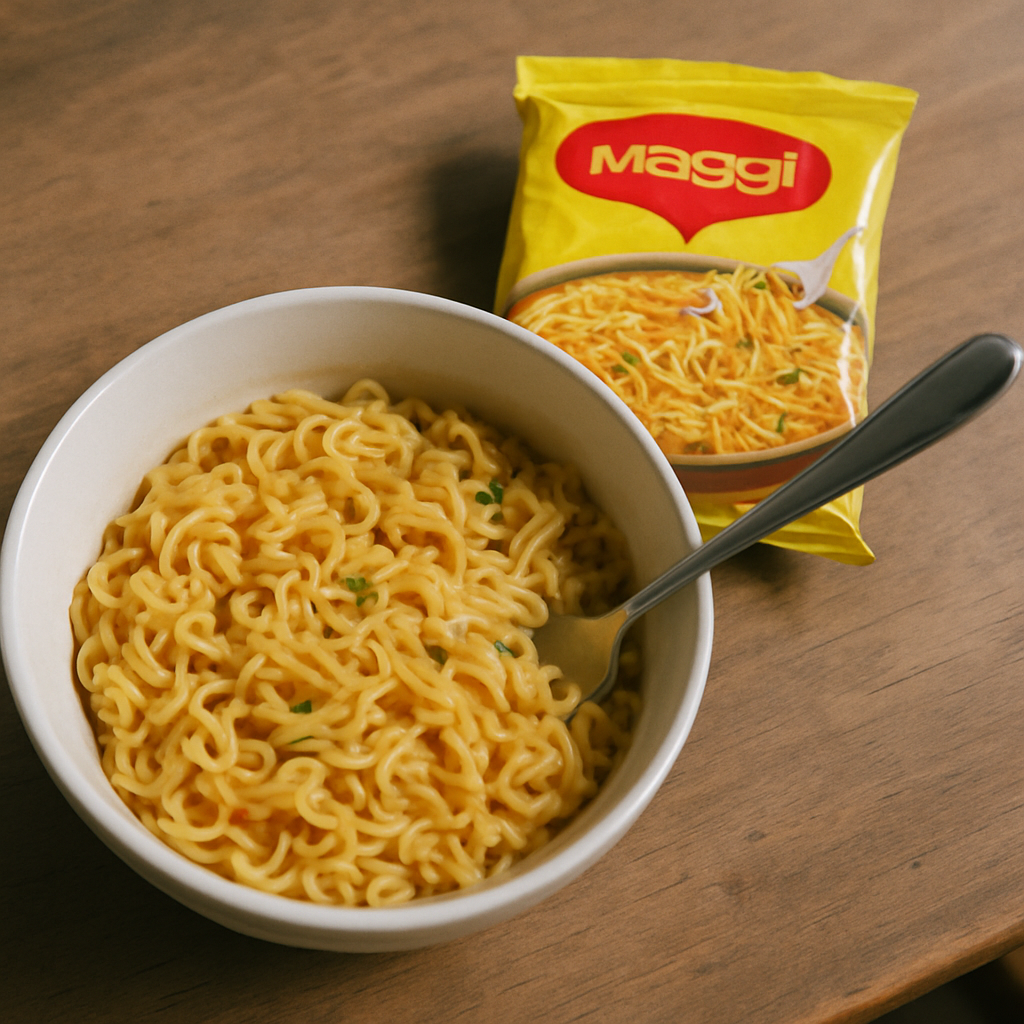
Maggi Calories Breakdown by Packet Size
Maggi is not just one-size-fits-all. Depending on which packet you pick up, the calories in Maggi vary — and quite a bit, honestly. Let’s break it down.
1 Packet Maggi Calories vs. 1 Small Packet Maggi Calories
If you're reaching for the standard yellow pack of Masala Maggi (70g), you're consuming approximately 319 to 345 calories, depending on how it's prepared. That’s for a regular one packet Maggi calories count, cooked as per the instructions with the tastemaker included.
Now, the 1 small packet Maggi calories — often 35g or mini versions — come in at about 170 to 180 calories. Some folks think they’re going “light” with these small packs, but it’s easy to have two and end up back where you started calorie-wise.
It’s worth noting that if you add extras — like butter, cheese, or veggies — the numbers shift. Throw in a tablespoon of butter, and you’ve just added 100 extra calories. Boom, just like that.
One Packet Maggi Calories Compared with Daily Needs
So how does one packet Maggi calories fit into your daily needs? Well, the average adult requires between 1800 to 2200 calories per day, depending on factors like age, gender, activity level, etc.
At 345 calories per serving, a full packet of Maggi makes up around 15–18% of your daily calorie intake. That’s not wild — but when you consider its relatively low nutrient density and the tendency to eat it with other things (more butter, eggs, ketchup, sigh...), things add up fast. Not to mention, it rarely fills you up for long.
Also, many people mistakenly refer to it as “just a snack” — but maggie calories (yes, some people actually spell it that way online!) can push you way beyond snack territory if you’re not paying attention.
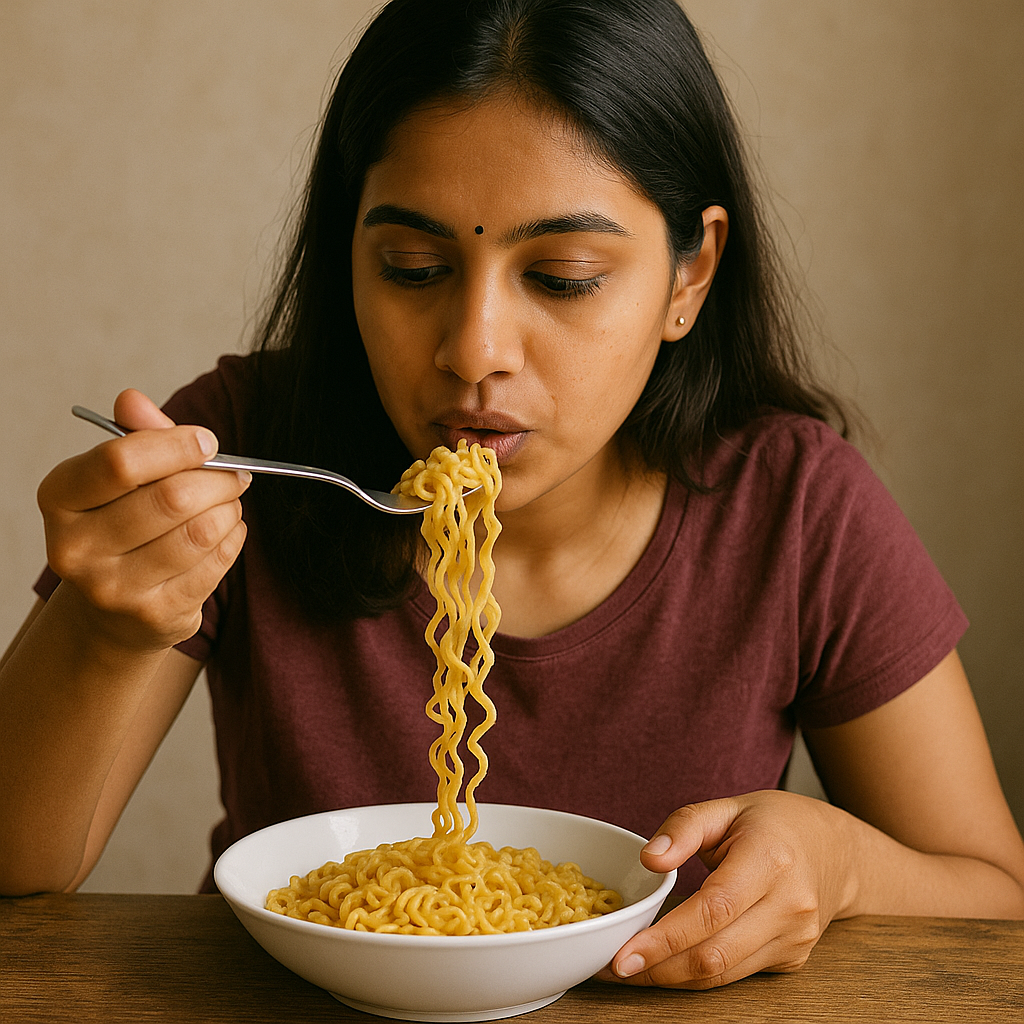
Is Maggi Good for Health? Nutritional Overview
Let’s look past the calories and get into what Maggi is actually made of. Is there any nutrition happening here, or is it mostly carbs in a cute yellow package?
Maggi Nutrition: Protein, Fat, Carbs, and Additives
A single 70g serving of Masala Maggi offers roughly:
-
7 grams of protein
-
13.5 grams of fat
-
44 grams of carbohydrates
Not terrible, but not winning any awards either. The protein content is modest — if you add an egg, you bump that up significantly. But the fat and carbs are high for such a small quantity of food, and most of that fat is saturated or trans fat from the frying process used to pre-cook the noodles.
Another big red flag? Sodium. One packet can contain up to 1200 mg of salt, which is around 50% of your recommended daily intake. That’s a big hit from a single bowl.
And let’s not forget about additives. From preservatives to flavor enhancers like MSG (which has been debated forever), Maggi nutrition has some questionable components that don’t exactly scream “clean eating.”
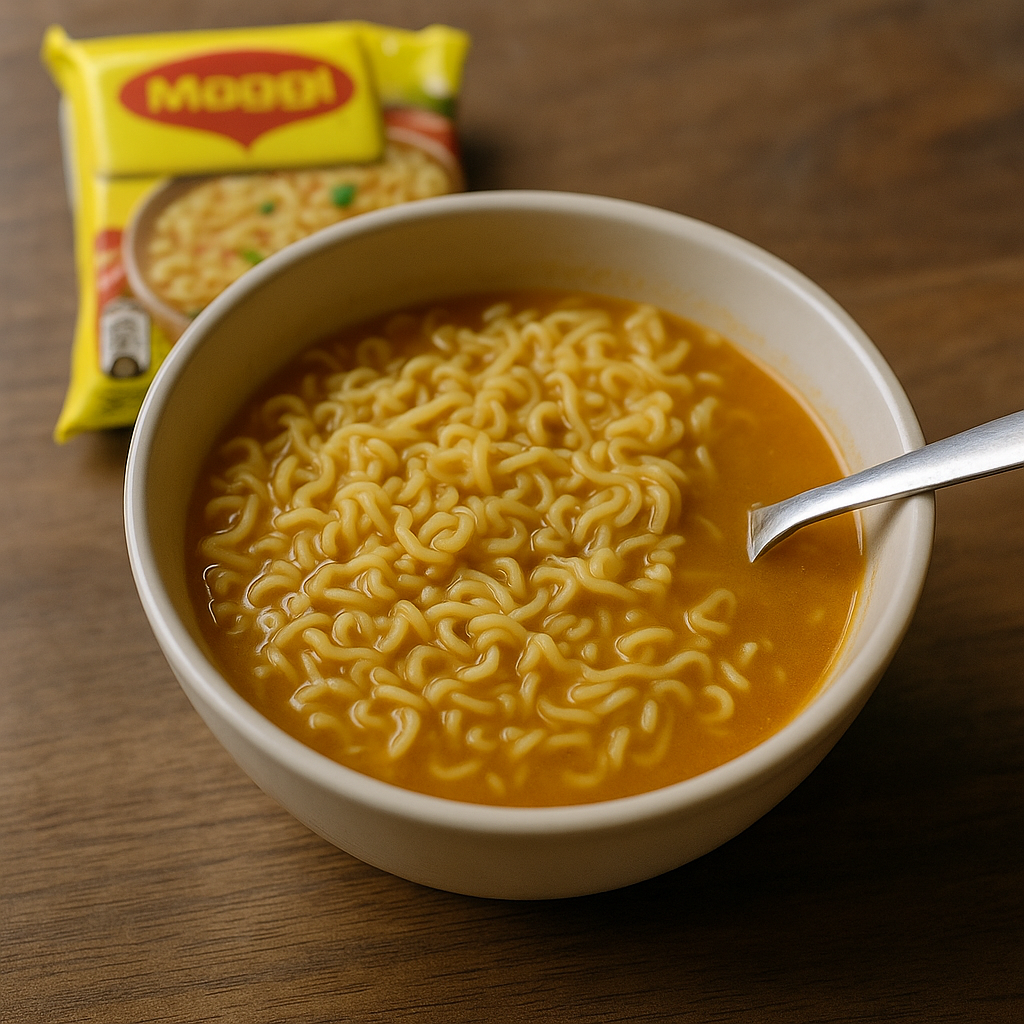
Pros and Cons of Eating Maggi Regularly
Let’s get real. Most of us aren’t eating Maggi thinking it’s a superfood. But is it all bad? Not necessarily.
Maggi Benefits and Situational Use in a Balanced Diet
First, the good stuff. Yes, really.
-
Convenience: You can’t beat it. Ready in 2 minutes (okay, more like 5–6 if we’re being honest), it’s a lifesaver when you're hungry and exhausted.
-
Customizable: Add veggies, an egg, paneer, or leftover dal and suddenly, you're working some magic. Not gourmet, but not junk either.
-
Budget-friendly: One of the cheapest hot meals out there.
-
Emotionally satisfying: Comfort food matters. And Maggi hits that spot.
In some situations — like trekking, studying late at night, or traveling — it’s actually better than skipping meals. So maggi benefits do exist. Just don’t go telling your nutritionist that you eat it for the "protein boost."
Speaking of which, Maggi protein is about 7g per packet. If you’re tracking macros, that’s pretty low unless you jazz it up with more protein sources.
Risks of Overconsumption: Digestion and Energy Impact
Now the not-so-great news.
Eating Maggi regularly — like daily or even every other day — can cause:
-
Digestive issues: Constipation or bloating, especially if you’re not drinking enough water.
-
Low satiety: You’ll be hungry again in like, 30 minutes. Sometimes sooner. It’s like fast-forward hunger.
-
High sodium overload: Too much salt = high blood pressure risk in the long run.
-
Energy crashes: Thanks to high refined carbs and little fiber or sustained protein.
Over time, your body may start to crave that salty, umami hit. It's weirdly addictive. And while we’re all for food joy, depending on maggie calories for your main meals isn’t ideal.
Oh, and don’t be fooled by “oats Maggi” or “vegetable atta Maggi.” While better than the plain one, they still contain a similar sodium and oil profile.

Conclusion
So, how many calories in Maggi? Roughly 319 to 345 per standard packet. And depending on how you prepare it, Maggi noodles calories can climb higher — especially if you go wild with cheese, butter, or extra oil. The 1 small packet Maggi calories may seem modest, but double it and you’re back to a full meal’s worth.
When it comes to nutrition, Maggi offers some maggi protein and a bit of fat and fiber, but it’s mostly carbs and sodium. It’s filling in the moment but rarely satisfying for long. Is it delicious? Absolutely. Is it addictive? Probably. But is Maggi good for health long-term? Not really — at least not if it’s a regular guest on your plate.
From an Ayurvedic standpoint, is Maggi healthy? Nope, not in the traditional sense. It's tamasic, heavy, and kind of disrupts the gut’s natural rhythm. Still, it’s not a mortal sin. Occasionally indulging — especially if paired with whole foods or eaten mindfully — is totally okay. After all, life isn’t just about kale smoothies and quinoa bowls. We all need a little warmth and nostalgia in our meals sometimes.
In short: Maggi is a fun, quick-fix food. It shouldn't be vilified, but it also shouldn’t be a daily habit. Like most things in nutrition (and life), balance is the real MVP.
Don't wait or self medicate. Start chat with Doctor NOW
FAQs
Is Maggi OK for diet?
In moderation, yes. If you’re on a calorie-controlled diet, a one packet Maggi calories count (around 320–345) might fit into your daily allowance. But it’s low in nutrients, so it’s not the best bang for your buck if you’re trying to eat clean or stay full. Better to dress it up with veggies, eggs, or legumes to add fiber and protein.
Is there sugar in Maggi?
Yes, but a very small amount. The tastemaker (that magical flavor sachet) contains a tiny bit of sugar to balance the flavor profile. It’s not significant — around 1–2 grams per serving. That said, check the label of flavored or international variants; some have more sweeteners added.
How is instant food viewed in Ayurvedic nutrition?
Ayurveda leans heavily toward freshly prepared, warm, sattvic food that nourishes the body and mind. Instant food like Maggi is considered tamasic, meaning it can dull the mind, slow digestion, and lead to imbalance when eaten frequently. But Ayurveda also stresses context. If you’re in a bind and eat it occasionally, it’s not harmful. Just don’t make it your staple.
If you've ever wondered whether maggi is good for health or felt guilty after eating a pack (or two...), you’re not alone. We all live busy lives, and sometimes, instant noodles are exactly what we need to survive the day. The trick is to be aware — of what's inside your food, how often you're reaching for it, and how you can make it just a little better.
So next time you boil water for that beloved yellow packet, maybe toss in some spinach, chickpeas, or tofu. Your body (and tastebuds) will thank you.
💬 Enjoyed this guide? Share it with your fellow Maggi lovers! And if you’ve got hacks for making Maggi healthier (or just tastier), drop them in the comments — the noodle revolution needs you.
Questions from users
How to prepare Maggi noodles in a way that enhances their nutritional value?
Andrew
3 days ago
To boost the nutrition of Maggi noodles, you could add veggies like carrots or bell peppers for fiber. Toss in some eggs or legumes for protein too, or even a little paneer! Spice it up with ginger or turmeric, but maybe skip extra butter or cheese to keep it light. Small tweaks, big benefits!
What are the potential side effects of eating Maggi noodles frequently?
Claire
11 days ago
Eating Maggi noodles frequently might lead to some side effects due to high sodium, bad fats, and MSG. These could mess with your digestion, make you gain weight, or cause headaches. Plus, they're low on nutrition, so not the best choice for regular meals. Balance it out with whole foods to maintain your doshas and agni.
What are the signs of an unhealthy diet when relying on instant foods like Maggi?
Quincy
20 days ago
When eating too much instant food like Maggi, you might notice signs like sluggishness, bloating, or even weight gain. It could also lead to imbalances like feeling tired or irritable. Remember, these meals often lack the nutrients your body craves. Try balancing with fresh foods and herbs to support digestion and energy levels!
What are the long-term effects of regularly consuming high-sodium foods like Maggi noodles?
Penelope
30 days ago
Regularly consuming high-sodium foods like Maggi can lead to long-term effects like high blood pressure and increase risk of heart disease. Also, your body might start craving more salty foods over time, which can throw off your body's balance. It's best to enjoy it occasionally and try balancing with foods rich in fiber & nutrients!
What is the nutritional content of a serving of Maggi noodles compared to homemade noodles?
Chloe
40 days ago
The exact nutritional content can vary, but Maggi noodles generally have higher sodium and preservatives compared to homemade noodles. Homemade ones let you control ingredients, often healthier. Maggi might be lower in protein and fiber. Consider adding veggies or protein to Maggi to make it more balanced.
What causes the addiction to the flavor of Maggi noodles?
Seth
49 days ago
The addiction to Maggi noodles' flavor might come from that hit of salt and umami that our taste buds love. MSG, often present in these noodles can create a taste sensation that makes you wanna get back for more! Plus, its easy prep and quick fix for hunger make them extra enticing. Remember, cravings might be your body's way of sayin' it wants something else — maybe nutritional balance?
What is the calorie count for a full packet of Maggi noodles compared to instant rice noodles?
Sofia
59 days ago
A full packet of Maggi noodles is around 320-345 calories. For instant rice noodles, the calorie count can vary, but a typical serving is generally lower, say around 200-300 calories per similar quantity. They're processed differently, with rice noodles being a bit lighter, you know, so it kinda depends on the brand too!
Can I boost the nutritional value of my Maggi noodles with common kitchen ingredients?
Genesis
68 days ago
Sure thing! Try adding fresh veggies like carrots or broccoli for fiber and vitamins. A squeeze of lemon or a pinch of ginger can spice things up and aid digestion. You might also toss in some coriander or mint for extra freshness! These simple toppings can really up the nutritive value without being too fancy.
Is it safe to eat Maggi noodles every day while managing a busy lifestyle?
Lily
78 days ago
Maggi noodles can be super convenient but eating them every day might not be the best idea. They'r'e low in nutritional value and high in sodium. In Ayurveda, balance is key — try adding more wholesome foods like fruits, veggies, and whole grains to balance your agni (digestive fire) and nourish your doshas. Maybe have it once in a while, not daily :)
What tips do you have for making quick meals that align with Ayurvedic principles?
Paul
154 days ago
Sure! To whip up Ayurvedic-friendly quick meals, focus on simple, fresh ingredients. Think kichari: a mix of basmati rice and mung dal, spiced with cumin and ginger. Or try sautéing seasonal veggies in ghee with turmeric and black pepper. Keep your dosha in mind and try to balance it; vata types might add a dash of warming spices, while pitta types should go for cooling herbs like cilantro. It doesn't have to be perfect, just nourishing and mindfully enjoyed. Don't forget to listen to your body!
Related articles

Nutrition
What Are the Benefits of Muskmelon: Ayurvedic and Nutritional Guide
Exploration of Discover the Health and Skin Benefits of Muskmelon
2,984

Nutrition
Kapha Diet: Insights from Ayurveda
The Kapha Diet is a central aspect of Ayurveda, focusing on balancing the Kapha dosha for enhanced physical and mental well-being.
2,711

Nutrition
How to Make Badam Powder at Home: Recipes and Ayurvedic Benefits
Exploration of Homemade Badam Powder: A Nutritious Boost for Your Daily Routine
4,225

Nutrition
Can We Drink Coffee in Fast? What Ayurveda and Traditions Say
Can we drink coffee in fast? Learn if coffee, cold coffee, or milk coffee is allowed during Navratri, Sawan, Ekadashi, Monday, and other fasting days
17,170

Nutrition
Dietetics and Its Solutions in Ayurveda
Ayurveda, also called the Science of Life has a two-folded aim, which is “Swasthasya Swasthya Rakshanam” i.e. to preserve the good health of the healthy, and “Aturasya Vikara Prashamanam” which means to cure the disease of the diseased.
2,964

Nutrition
Can I Drink Chia Seeds with Water? Benefits, Uses, and Ayurvedic View
Exploration of Discover the Benefits and Precautions of Drinking Chia Seed Water Daily
7,672

Nutrition
What Are Healthy Fats: Types, Benefits, and Food Sources
Learn what healthy fats are, their top food sources, and how to include good fats in your Ayurvedic diet. See the best healthy fat foods and daily balance tips
2,839

Nutrition
Unlocking Cardamom's Health Secrets
Cardamom has been a cornerstone of Ayurvedic medicine for centuries, valued for its numerous health benefits.
5,271

Nutrition
How to Use Sunflower Seeds for Health, Hair, and Weight Management
Discover how to use sunflower seeds for weight loss, hair health, and more. Learn about sunflower seeds uses, recipes, and Ayurvedic benefits
4,380

Nutrition
Chyawanprash Benefits: What This Ancient Tonic Does for Your Body
Explore the full range of chyawanprash benefits for men, women, and kids. Learn about its Ayurvedic ingredients, uses, and when to eat chyawanprash
6,994
Related questions on the topic
Legal
Additional Documents
© 2024 Ask Ayurveda. All rights reserved.