Ask Ayurvedic doctor a question and get a consultation online on the problem of your concern in a free or paid mode. More than 2,000 experienced doctors work and wait for your questions on our site and help users to solve their health problems every day.
FREE! Ask Ayurvedic Doctors 24/7

 Fast responses
 1000+ verified doctors
Body DetoxEar, Nose, and Throat DisordersGeriatrics & RejuvenationImmunodeficiencyInfertility TreatmentNutritionOrthopedic DisordersPediatricsRespiratory DisordersSexually Transmitted Diseases (STDs)Surgery RecoveryUrological DisordersVascular DisordersDental DisordersEndocrinological DisordersGastrointestinal DisordersYoga TherapyGeneral MedicineAllergic DisordersCardio DisordersGynecology and ObstetricsCosmetologySkin and Hair DisordersEye DisordersInfectious DiseasesMental DisordersNeurological DisordersOncologyPanchakarmaSexual Health & DisordersSports Medicine
Published on 06/16/25
(Updated on 06/18/26)
7,597
How to Use Navara Rice for Skin Whitening and Glow

Looking for a natural, time-tested way to lighten, brighten, and revive your skin? Navara rice for skin whitening is one of Ayurveda’s best-kept secrets—until now. This ancient grain isn’t just a superfood; it’s a powerful skincare ally too. Whether you're tired of chemical-heavy products or just exploring traditional remedies that actually work, learning how to use Navara rice for skin whitening can open up a whole new world of glowing skin possibilities.
In this guide, we’ll explore everything from Navara rice benefits for skin whitening to practical DIY face packs and Ayurvedic insights. If you’re wondering how to use Navara rice for skin, you’re in the right place. Let’s dive into this golden grain’s hidden talents for achieving soft, radiant skin—naturally.
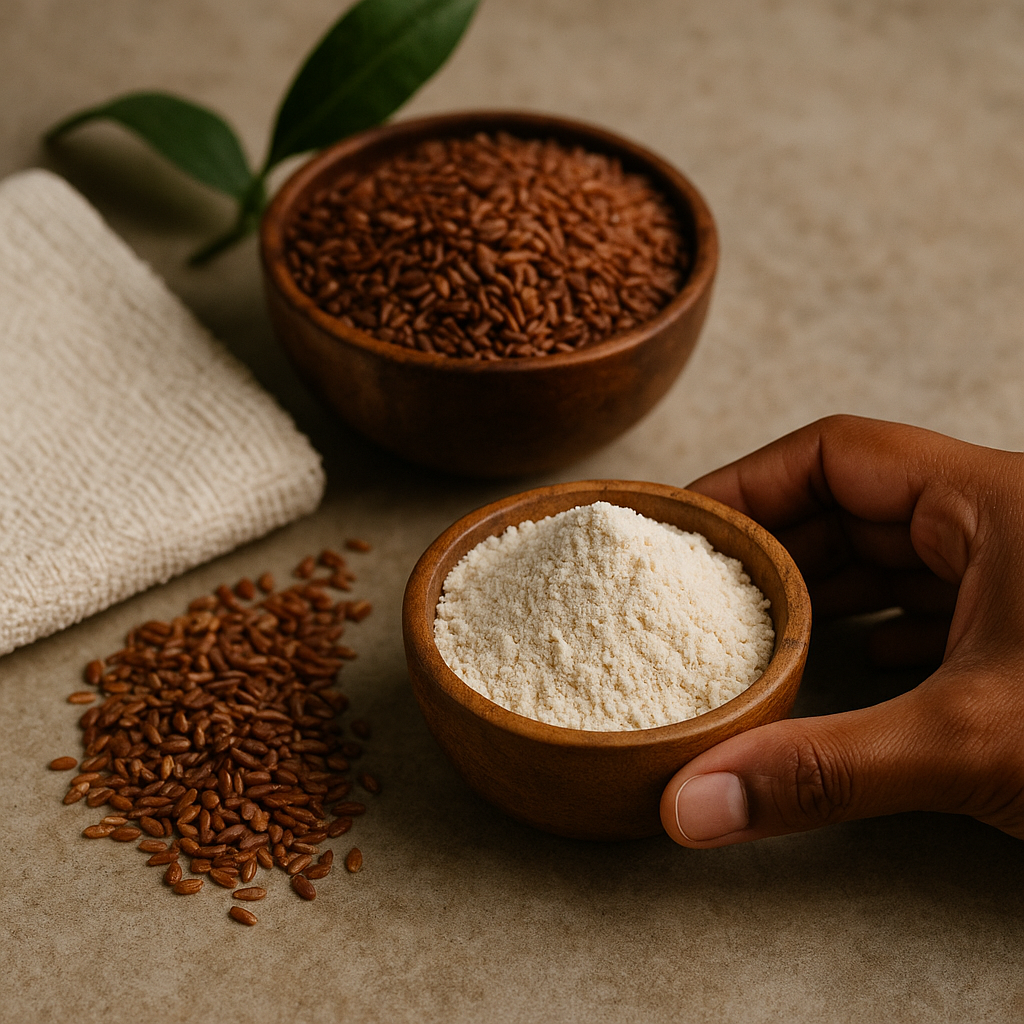
What Is Navara Rice and Why It’s Special for Skin
Navara rice (also spelled “Njavara”) is a rare and traditional variety of rice native to Kerala, India. What makes it special is not just its nutritional density, but its revered role in Ayurvedic medicine, especially for skin and rejuvenation therapies. Unlike regular rice, Navara is rich in antioxidants, flavonoids, and essential amino acids that nurture the skin deeply from the outside in.
It has been used for centuries to heal, calm, and brighten skin—and now, science is starting to catch up with what Ayurveda has known for generations.
Navara Rice Benefits for Skin Whitening
Let’s cut to the chase. Why use Navara rice for skin whitening? Because it works on multiple levels:
-
Natural exfoliation: Ground Navara rice powder for skin acts as a gentle scrub, sloughing off dead skin cells and promoting new cell turnover.
-
Tyrosinase inhibition: Some studies suggest compounds in Navara rice may help block the enzyme responsible for melanin production, making the skin look brighter over time.
-
Nutrient infusion: This rice is packed with B-complex vitamins, zinc, and iron—nutrients that help fade pigmentation and give the skin an even tone.
Honestly, it won't bleach your skin overnight. But consistent use? You might be pleasantly suprised.
Unique Ayurvedic Properties of Navara Rice
In Ayurveda, Navara rice is classified as "Shashtika Shali", meaning it matures in 60 days and is highly rejuvenative. It’s considered "Tridoshic", which means it balances all three doshas—Vata, Pitta, and Kapha—making it suitable for most skin types.
The rice is often boiled in milk and used in Navarakizhi, a traditional Ayurvedic skin and body treatment that detoxifies and restores skin vitality. It's not just good for the skin—it’s spiritually nourishing too. Some even say it brings a “cooling energy” that calms fiery skin conditions like acne or eczema.
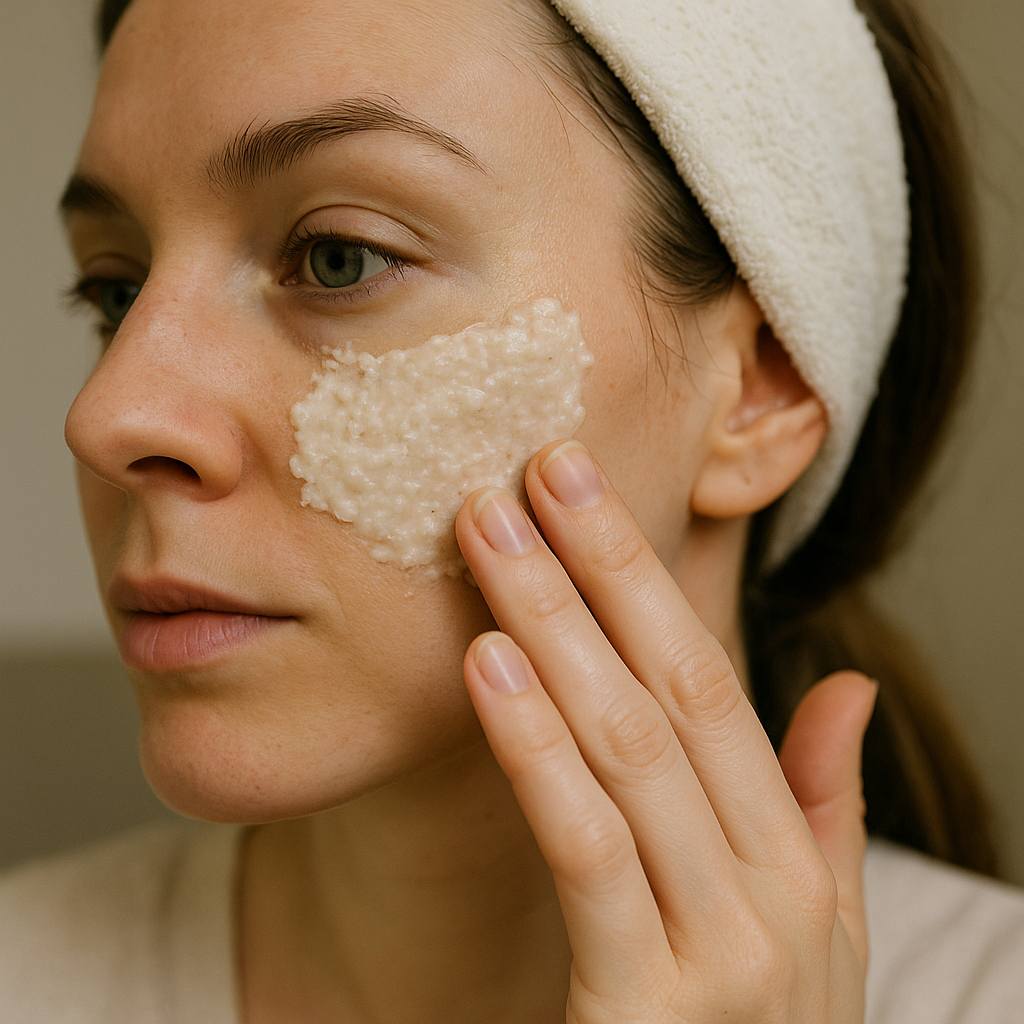
Navara Rice Uses for Skin Whitening
There are more ways to use Navara rice than you might think. Whether you prefer DIY skincare or more traditional treatments, there’s something for everyone.
DIY Face Packs with Navara Rice Powder for Skin
This is one of the easiest ways to try Navara rice benefits for skin whitening at home.
Here’s a basic recipe:
Ingredients:
-
2 tablespoons Navara rice powder
-
1 tablespoon raw milk or rosewater
-
1 teaspoon honey
Instructions:
-
Mix all ingredients into a thick paste.
-
Apply evenly to clean skin.
-
Leave on for 15-20 minutes.
-
Rinse with lukewarm water, gently scrubbing in circular motions.
Do this 2-3 times a week and your skin might just start loving you back.
How to Use Navara Rice Paste or Decoction
If you’re not into powders or scrubs, a Navara rice paste or decoction (kind of like a rice tea) might be more your thing. This is especially good for sensitive or inflamed skin where gentle nourishment matters more than exfoliation.
Navara Rice Paste:
-
Soak a handful of Navara rice for skin overnight.
-
Boil it in water or milk (traditionally milk is used in Ayurveda) until soft.
-
Mash it into a smooth paste—make sure it’s not too runny.
-
Apply to the face while slightly warm (but not hot!).
-
Leave it on for 15 minutes, then rinse gently with lukewarm water.
This method brings out the rice's soothing and moisturizing properties. It's calming, and honestly kind of relaxing to apply.
Navara Rice Decoction:
This is like a toner or rinse:
-
Boil 1 tablespoon of Navara rice in 2 cups of water for about 10-15 minutes.
-
Let it cool, then strain the water into a clean bottle.
-
Use it with a cotton pad to dab on your skin or pour it into a spray bottle for a mist.
Store it in the fridge and use it within 3-4 days. This decoction helps calm irritation, and can even be used after sun exposure. It’s also surprisingly refreshing!
Frequency and Precautions for Skin Use
So how often should you use Navara rice for skin whitening? The answer depends a bit on your skin type, but in general:
-
For oily or acne-prone skin: 2–3 times a week is good.
-
For dry or sensitive skin: Limit it to once or twice weekly and always moisturize after.
-
Avoid over-exfoliating. Even though Navara rice is gentle, your skin still needs time to recover and regenerate.
Also, don’t expect miracles overnight. Real talk: Some folks see changes in a week, while others may need 3–4 weeks of consistent use to notice real improvement. If you’re using any active skincare (like retinols or acids), it’s best to alternate days or consult a derm first.
And please patch test. Natural doesn’t always mean allergy-free, ya know?
Navara Rice Benefits Beyond Whitening
While a lot of people are chasing glow and brightness, Navara rice benefits for skin go way deeper than just whitening. In fact, that’s kinda what makes it stand out from typical skin-lightening trends.
Skin Soothing, Anti-inflammatory Effects
Navara rice is known in Ayurveda for its cooling and anti-inflammatory properties. It’s used in traditional treatments for:
-
Skin rashes
-
Sunburn
-
Mild eczema
-
Itchy or inflamed skin
There’s something about this rice that just chills your skin out. Possibly due to its antioxidant content and natural oils, it reduces redness and helps the skin feel more calm and comfy.
If you’ve ever had a sunburn or used a product that was too harsh, you know the value of something that soothes instead of stings. Navara does that, without being boring.
Navara Rice for Skin Nourishment and Moisture Retention
Because of its high lipid and nutrient content, Navara rice for skin isn’t drying like other exfoliants or face masks. It can actually help retain moisture, especially when used in paste or decoction form. Your skin feels plumper, more elastic, and visibly healthier.
It’s even been used in Ayurvedic baby massages for its gentle nature and hydrating effects—so if it’s safe enough for babies, you know your face is in good hands.
Ayurvedic Perspective on Navara Rice for Skin Health
In Ayurveda, Navara rice isn’t just another grain—it’s a medicinal powerhouse. It’s used in therapies like Navarakizhi and Pinda Sweda, where boluses of Navara rice are cooked in herbal decoctions and milk, then massaged into the skin to rejuvenate tissues, reduce inflammation, and support cellular repair.
Ayurvedic texts describe it as "Rasayana" (rejuvenating), which implies that it promotes longevity, vitality, and skin health. Navara’s ability to balance the doshas makes it particularly valuable for people dealing with skin issues that stem from internal imbalances—like hormonal acne, eczema, or excess heat in the system.
Ayurveda views glowing skin as a reflection of internal harmony. So while Navara rice uses for skin are topical, the deeper benefits come when used as part of a holistic routine—good sleep, balanced diet, stress reduction... you get the idea. It’s not just about smearing rice on your face (although that does help, too).
Conclusion
So—is Navara rice good for your skin? Absolutely. From gentle whitening to deep nourishment, from soothing inflammation to protecting against environmental stressors, this ancient grain really delivers. Whether you whip up a DIY face mask or go full Ayurvedic with decoctions and herbal blends, you’re tapping into a rich tradition of skin care that’s natural, effective, and holistic.
Here’s what we’ve covered:
-
What makes Navara rice special
-
How it supports skin whitening, moisture, and healing
-
DIY recipes and application tips
-
Ayurvedic context for deeper skin health
And let’s be honest—not everything from nature works. But Navara? It actually does. Just don’t expect it to change your skin overnight or bleach it into oblivion. This is skin nourishment with patience, not a quick fix.
So go ahead. Get yourself a small pack of Navara rice, start experimenting, and give your skin something real.
Call to Action
Loved this guide? Share it with a friend who’s tired of chemical-laden skincare! And if you try any of these recipes, tag us with your results. Natural skincare is better when we learn together. 🌾✨
Don't wait or self medicate. Start chat with Doctor NOW
FAQs
Can Navara rice be used daily on the skin?
Not really recommended. Even though it’s gentle, daily use can irritate some skin types, especially if you're using it as a scrub. Stick to 2–3 times a week, max.
Is Navara rice effective for treating pigmentation or dark spots?
Yes, over time. It helps fade spots gradually by boosting skin renewal and reducing inflammation. But don’t expect overnight miracles—it takes consistency and care.
How long does it take to see visible changes with Navara rice use?
Some users notice a brighter glow after 1-2 weeks, while deeper pigmentation or dullness may take a month or more. Combine with a healthy routine for best results.
Questions from users
What are the potential side effects of using Navara rice on the skin?
Wallace
3 days ago
Usually, Navara rice is gentle but, like any skincare, it could cause irritation or an allergic reaction depending on your skin type. If you feel any discomfort, stop using it and maybe consult a professional. Patch test it, it's always smart to do that first! Skin stuff can be tricky, right? 😊
Can Navara rice help reduce skin redness from allergies or irritation?
Jayden
12 days ago
Yes, Navara rice can be beneficial for skin redness due to allergies or irritation. Its antioxidant properties help calm the skin. Consider using it as a paste or decoction for soothing effects, but it's good to avoid daily use if you have sensitive skin—it might irritate. Balancing with something cooling like aloe can also be helpful.
Is it normal for Navara rice decoction to change color over time?
Titus
22 days ago
Yeah, it's pretty normal! Navara rice decoction might change color over time due to oxidation and the natural components like oils and antioxidants reacting. If it smells or looks really different though, might be time to make a fresh batch just to be safe. Keep it in a cool place to slow down the changes.
Is it safe to use Navara rice on sensitive skin for treating pigmentation?
Phoenix
31 days ago
Navara rice is generally safe for sensitive skin, but always do a patch test first to make sure. Sensitive skin can sometimes react unexpectedly, so start slow and see how your skin responds. It's known to help with inflammation and pigmentation over time. If you notice any irritation, maybe cut back or stop using it to be safe.
Can Navara rice help with sunburn relief after sun exposure?
Yara
41 days ago
Yeah, Navara rice can be soothing for sunburn because its cooling properties help calm the skin. Mixing it with water into a paste and applying it gently can provide relief. Just be sure to test on a small area first, since skin can be sensitive after sun exposure. Remember to balance with cooling foods and hydration too though!
What is the best way to store Navara rice decoction for skincare?
Waylon
50 days ago
Store Navara rice decoction in the fridge to keep it fresh. It's best to use it within 3-4 days. If you see any changes in color or smell, toss it out. For skincare, consistency is key, just dab with a cotton pad or use a spray bottle. Enjoy the soothing effect! :)
What is the best way to prepare Navara rice for skin care treatments at home?
Michael
60 days ago
To prepare Navara rice for skin care, you can make a simple paste by soaking a few tablespoons of it overnight, then grinding it into a smooth paste. Mixing with honey or milk can enhance its moisturizing effects. Apply to skin, leave it for about 15-20 mins, then rinse with warm water. Its nourishment takes time, so be patient!
What is the spiritual significance of using Navara rice in skincare treatments?
Grayson
69 days ago
Navara rice in Ayurveda isn't just nourishing for the skin; it also carries spiritual significance. It's considered 'Sattvic', promoting purity and calmness. Using it in skincare can also be a way to connect with these more subtle qualities, supporting peace and balance in your body and mind. It's not just about the skin benefits, ya know?
What is the Ayurvedic significance of Navara rice for maintaining healthy skin?
Lincoln
79 days ago
Navara rice is like a skin superfood in Ayurveda! It's great for soothing inflammation, hydrating, and protecting against environmental stress. Its nourishing properties help with skin elasticity and plumpness, making it a go-to for healthier skin. So, it's really beneficial for a natural skincare routine! Plus, it's gentle enough for baby massages, so it's quite safe.
Is it safe to mix Navara rice with other natural ingredients like honey for skin treatments?
Caleb
156 days ago
It's generally safe to mix Navara rice with natural ingredients like honey for skin treatments, yes. Honey has moisturizing properties and complements the nourishing qualities of Navara rice. Just make sure you're not allergic to any ingredients and patch test, you know, to be on the safe side! 😊
Related articles

Skin and Hair Disorders
Can We Use Almond Oil for Hair: Benefits, Growth, and Ayurvedic Insights
Find out if almond oil is good for hair and its benefits. Learn about almond oil for hair growth, low porosity hair, and safe application methods
10,363

Skin and Hair Disorders
Chandanadi Thailam – Benefits, How to Use, Ingredients and Side Effects
Exploration of Chandanadi Thailam – Benefits, How to Use, Ingredients and Side Effects
1,985

Skin and Hair Disorders
How to Remove Facial Hair Permanently in Ayurveda
Explore Ayurvedic methods for permanent facial hair removal. Learn evidence-based tips, real research findings, and practical steps for smoother skin.
7,388

Skin and Hair Disorders
How to Apply Egg on Hair: Ayurvedic Guide to Benefits & Growth
How to apply egg on hair? Discover egg hair mask recipes, benefits of egg for hair growth, how to use egg white, and possible side effects of applying egg
16,097

Skin and Hair Disorders
How to Remove Egg Smell from Hair
Discover how to remove egg smell from hair naturally and fast. Learn tips, rinses, and remedies to get rid of odor after washing and prevent it next time
7,378
Skin and Hair Disorders
Narasimha Rasayanam for Hair Growth – Natural Ayurvedic Solution for Stronger, Healthier Hair
Discover the benefits of Narasimha Rasayanam for hair growth, including its Ayurvedic ingredients, therapeutic properties, and how it supports scalp health and prevents hair loss.
3,872

Skin and Hair Disorders
How to Control Sweating: Natural Ways to Stay Fresh
Learn how to control excessive sweating naturally. Discover Ayurvedic tips for face, scalp, underarms, and palms. Stay fresh and confident in summer heat
3,621

Skin and Hair Disorders
Can We Apply Almond Oil on Face? Ayurvedic Guide to Benefits and Risks
Exploration of Almond Oil for Face: Benefits, Risks, and How to Use It Safely
8,462
Skin and Hair Disorders
Palitya – Ayurvedic Perspective on Premature Graying of Hair
Discover the Ayurvedic approach to treating Palitya, a condition referring to premature graying of hair before age 35. Learn how natural remedies restore melanin production and hair vitality.
2,833

Skin and Hair Disorders
How to Use Hibiscus Leaves for Hair Growth
Discover benefits of hibiscus leaves for hair growth. Learn how to use hibiscus leaves, apply paste or hair mask, and improve scalp health naturally
8,386
Related questions on the topic
Legal
Additional Documents
© 2024 Ask Ayurveda. All rights reserved.