Ask Ayurvedic doctor a question and get a consultation online on the problem of your concern in a free or paid mode. More than 2,000 experienced doctors work and wait for your questions on our site and help users to solve their health problems every day.
FREE! Ask Ayurvedic Doctors 24/7

 Fast responses
 1000+ verified doctors
Body DetoxEar, Nose, and Throat DisordersGeriatrics & RejuvenationImmunodeficiencyInfertility TreatmentNutritionOrthopedic DisordersPediatricsRespiratory DisordersSexually Transmitted Diseases (STDs)Surgery RecoveryUrological DisordersVascular DisordersDental DisordersEndocrinological DisordersGastrointestinal DisordersYoga TherapyGeneral MedicineAllergic DisordersCardio DisordersGynecology and ObstetricsCosmetologySkin and Hair DisordersEye DisordersInfectious DiseasesMental DisordersNeurological DisordersOncologyPanchakarmaSexual Health & DisordersSports Medicine
Published on 06/25/25
(Updated on 07/05/26)
5,290
Papaya for Fatty Liver: Benefits and Ayurvedic Perspective

When it comes to healing naturally, few fruits match the quiet power of papaya. If you've ever wondered is papaya good for fatty liver? — you're definitely not alone. Many people are turning toward fruits and natural remedies to help with liver issues, especially non-alcoholic fatty liver disease (NAFLD). Papaya for fatty liver is becoming a hot topic, and not just in wellness circles but also among nutritionists and Ayurveda enthusiasts.
So let’s dig into why papaya helps in fatty liver conditions, how raw papaya for fatty liver compares with the ripe one, and what Ayurveda really says about all this. Spoiler: papaya benefits for fatty liver aren’t just hype. There’s real science and tradition backing it. But as always, not everything fits everyone, so we’ll also touch on who should maybe skip it.
Fatty Liver and Its Ayurvedic View
Fatty liver, known in Ayurveda as Yakrit Roga, is often caused by poor digestion, sedentary lifestyle, and a buildup of ama (toxins). From an Ayurvedic standpoint, it's a sign of aggravated Kapha dosha — slow metabolism, excess mucus, and heaviness in the body. In simple words, your liver starts storing too much fat when digestion slows down and your internal fire (Agni) weakens.
Ayurveda suggests a liver-friendly diet that boosts digestion, burns toxins, and restores balance. Foods that are bitter, pungent, and astringent tend to be beneficial — and fruits like papaya sneak right into that healing zone. But is papaya really good for fatty liver, or is it just another health trend that sounds better than it works?
Is Papaya Good for Fatty Liver?
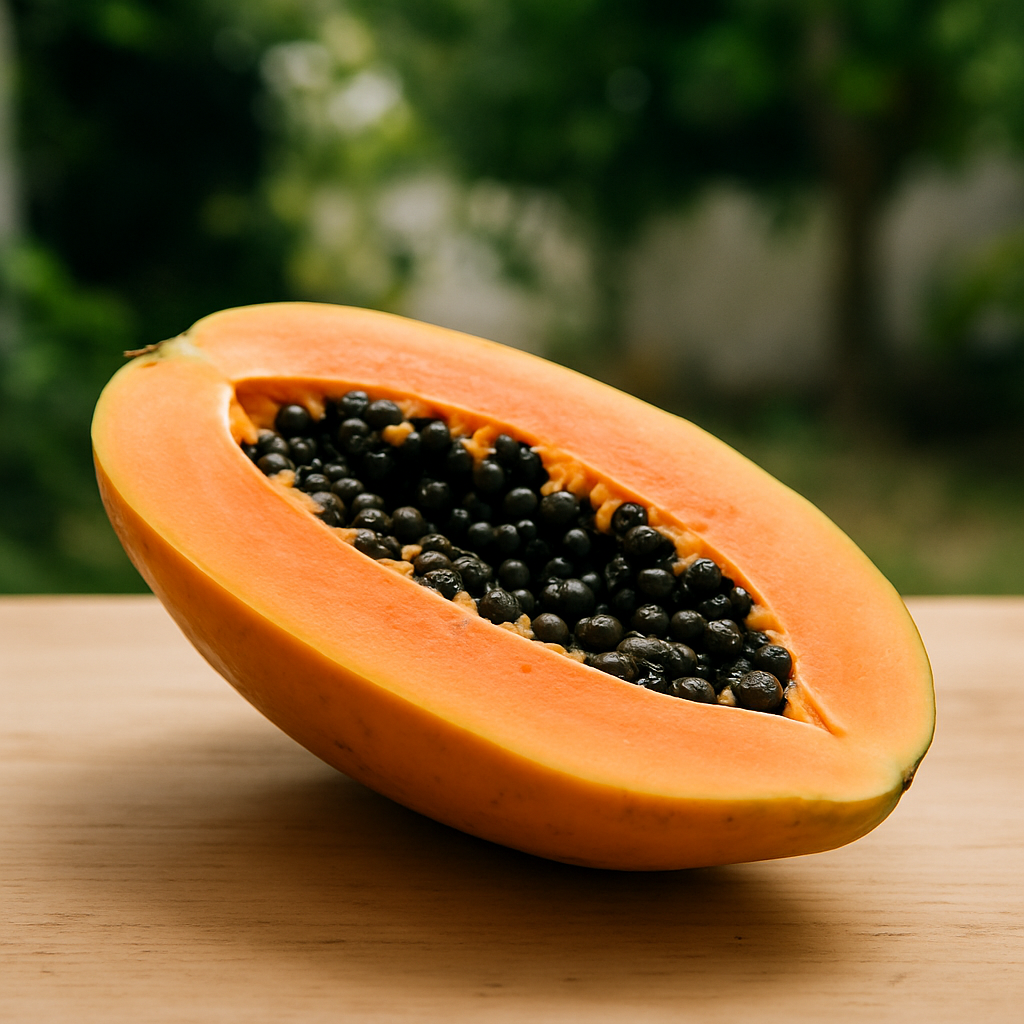
Short answer: Yes. Slightly longer answer? Papaya is good for fatty liver for a whole bunch of reasons — and both Ayurveda and modern research seem to agree. Eating papaya regularly may help reduce fat buildup in the liver, thanks to its enzymes and antioxidant content. It’s also super light on the stomach and helps with digestion, which is a win-win.
People often ask, “Is ripe papaya good for fatty liver?” or “Is raw papaya good for fatty liver?” The truth is, both have their place — more on that in a bit. What's important is that papaya is loaded with nutrients that help heal liver cells, flush out toxins, and improve metabolic function.
How Papaya Helps in Fatty Liver Detox
Detoxification is a buzzword these days, but when it comes to papaya and fatty liver, there's actual depth to it. Papaya helps in fatty liver detox by offering natural liver support in ways that are gentle yet effective.
Enzymes and Antioxidants in Papaya
Papaya contains papain and chymopapain — enzymes that assist in digestion and reduce inflammation. These play a quiet but crucial role in supporting liver function. Add in beta-carotene, vitamin C, flavonoids, and you’ve got a recipe for antioxidant magic. These nutrients help protect the liver from oxidative stress, which is a major factor in fatty liver disease progression.
You might be surprised, but one small bowl of papaya in the morning can already start the day with a liver-loving boost. It's not a miracle cure, but... it’s close, honestly.
Liver-Cleansing Action of Papaya
Here’s something cool — papaya's fiber helps flush out cholesterol and toxins from the body. In Ayurveda, this would be referred to as removing ama or metabolic waste. When your liver isn’t bogged down by toxins, it works more efficiently at burning fat rather than storing it. That's why many people swear by papaya benefits for fatty liver improvement over time.
Still with me? Great — because in the next section we’ll look at whether you should go for ripe or raw, and how to use papaya in your meals without getting bored of it.
Papaya for Fatty Liver: Raw vs Ripe
A common question floating around health forums and family WhatsApp groups alike is: “Is raw papaya good for fatty liver?” or “Should I eat ripe papaya for fatty liver?” Let's settle this once and for all.
Raw Papaya for Fatty Liver
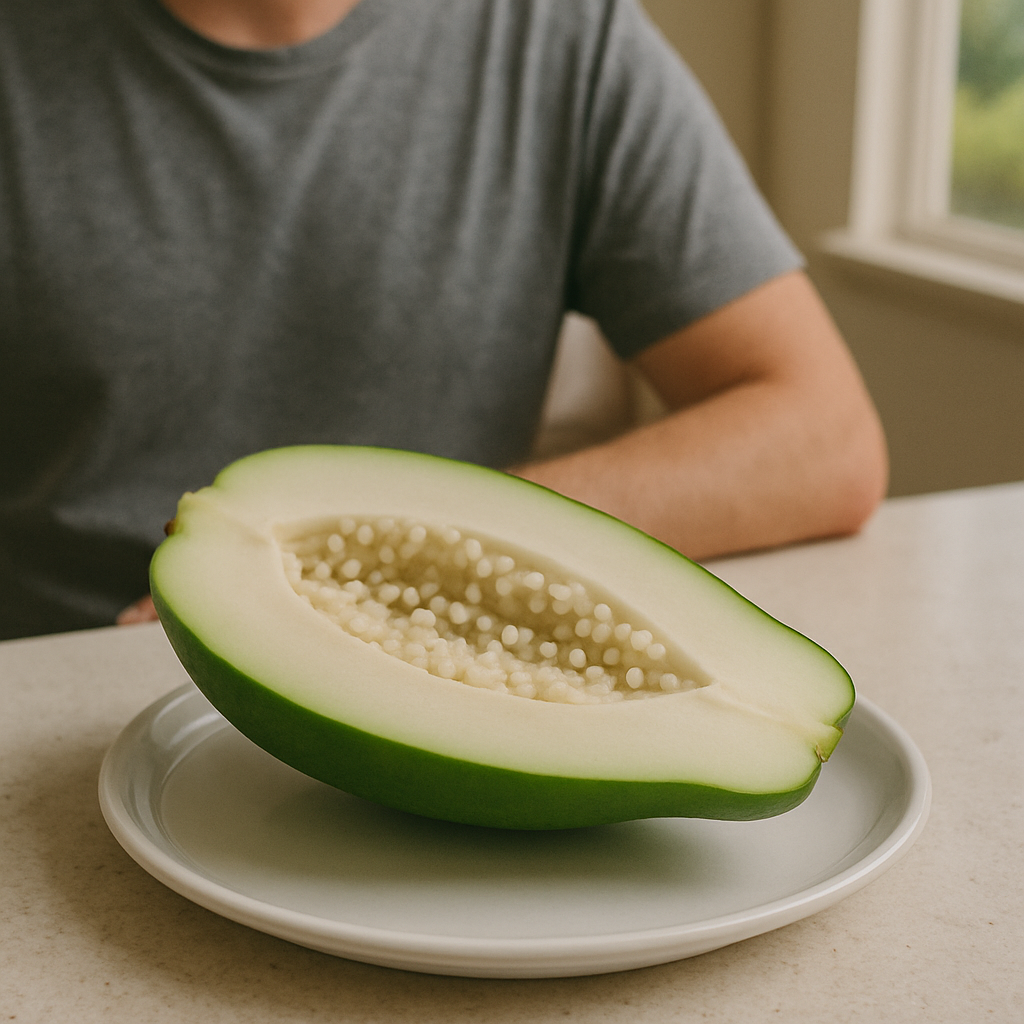
Raw papaya is kind of an underrated gem. It’s rich in digestive enzymes, especially papain, and contains a higher amount of fiber compared to ripe papaya. In Ayurveda, raw papaya is considered more heating (ushna), which makes it effective for breaking down fat and reducing Kapha. So yeah — raw papaya for fatty liver? Big thumbs up.
It’s also lower in sugar than ripe papaya, which makes it even more suitable for those dealing with both fatty liver and insulin resistance. But fair warning: it can taste kinda bland or even bitter. That’s why many prefer it cooked — think raw papaya sabzi, soup, or even as part of a mixed veggie stir-fry.
Just don’t go overboard. If you eat it too often or in large quantities, it might irritate the stomach or cause mild bloating. Like most good things, moderation is the key.
Ripe Papaya for Fatty Liver
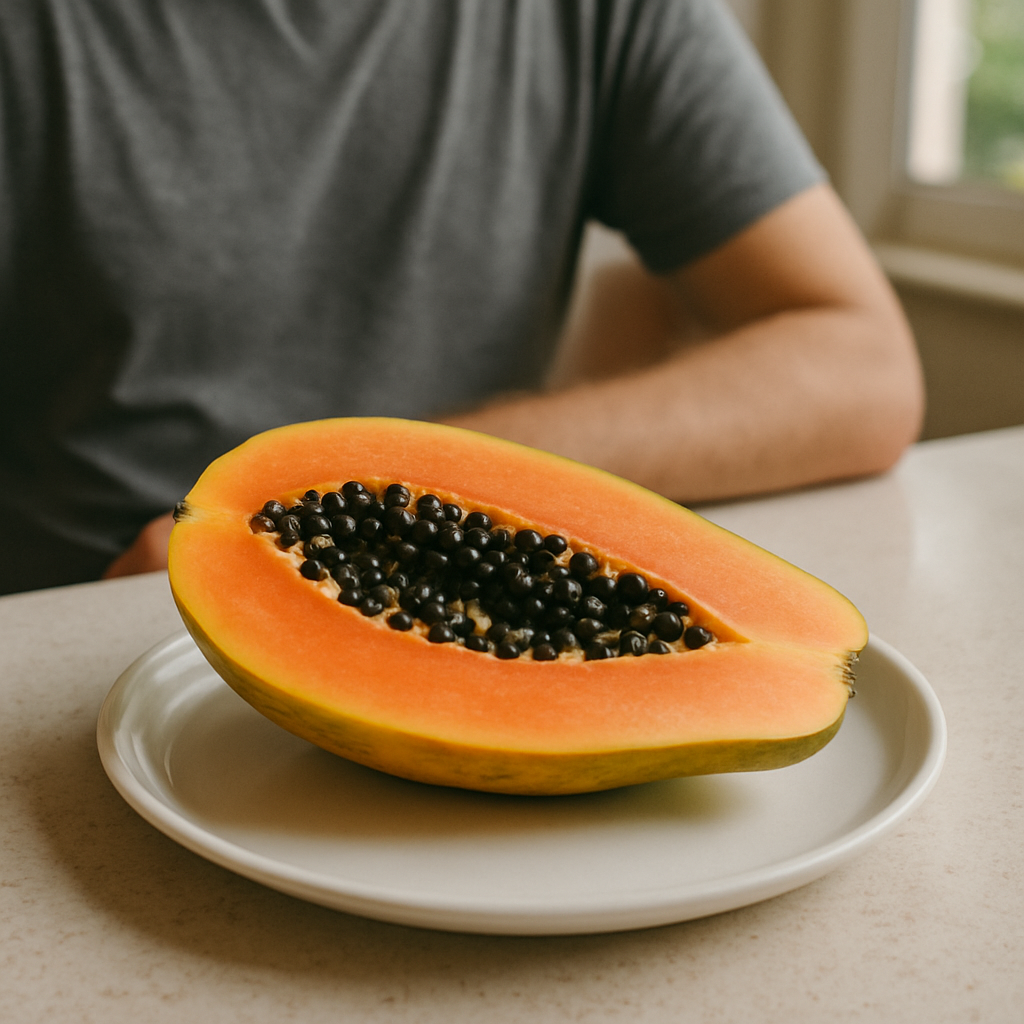
Now for the sweeter side of things. Is ripe papaya good for fatty liver? You bet. While it's got more natural sugars, ripe papaya still contains antioxidants, fiber, and enzymes that help support liver detoxification. Plus, it’s super easy to digest and soothing to the gut — which is great if you’re also dealing with indigestion or sluggish bowels, which often tag along with liver issues.
Ayurveda recommends eating ripe papaya earlier in the day, preferably in the morning, when your digestion is stronger. That way, you absorb all its goodness without overloading your system. But maybe avoid it post-dinner — your liver's not really in the mood to party at 9pm.
To sum up this little raw vs. ripe face-off:
-
Raw papaya is best for detox, breaking down fat, and has stronger liver-cleansing properties.
-
Ripe papaya is gentler, good for daily use, and excellent for digestion and healing.
So which one wins? Honestly, both. Rotate them or combine them, depending on your body’s needs.
Papaya Recipes and Usage in Daily Diet
Alright, we’ve hyped up papaya enough. Now how do you actually eat it without getting bored to tears?
Daily Ripe Papaya Routine
-
Morning Cleanse: Eat a small bowl of ripe papaya 30 minutes before breakfast. It gently kickstarts your digestion and keeps your liver happy.
-
Papaya Smoothie: Blend ripe papaya with a little mint, lemon juice, and coconut water. Avoid adding milk or yogurt — not great for liver detox.
Cooking with Raw Papaya
-
Raw Papaya Curry: Steam it lightly, toss with mustard seeds, turmeric, and curry leaves for a delicious and liver-friendly dish.
-
Grated Salad: Shred raw papaya with carrot, lime juice, and a pinch of black salt. Great as a crunchy side dish.
-
Papaya Soup: Sauté garlic, ginger, and chopped raw papaya. Add vegetable broth and simmer until soft. Puree or keep chunky, up to you!
Don’t forget to include spices like turmeric, cumin, and black pepper — these all enhance digestion and help the liver process fats more efficiently.
And yes, papaya is good for fatty liver. Whether raw or ripe, you just need to prep it the right way and listen to how your body responds.
Don't wait or self medicate. Start chat with Doctor NOW
Who Should Avoid Papaya for Liver Health?
Okay, let’s keep it real — papaya is almost a superfruit, but it’s not for everyone.
If you're allergic to latex or certain tropical fruits, papaya might trigger a reaction. That’s especially true for raw papaya, which contains more latex compounds. People with sensitive digestion might also find raw papaya a bit too strong or “heaty,” especially if they already have loose motions or inflammatory bowel issues. In that case, ripe papaya is a better option.
Also, if you’re pregnant, avoid raw papaya — it’s traditionally advised against due to its possible effects on uterine contractions. Ripe papaya is generally fine, but talk to your doctor first just to be safe.
One more thing — if you’re on blood-thinning medications, papaya might interact due to its vitamin K content. So yeah, just don’t go munching down a whole papaya daily without checking in with your healthcare provider if you're on meds.
Bottom line? While papaya is good for fatty liver and digestion, it’s not a one-size-fits-all solution. Always listen to your body and when in doubt, ask a doc.
Conclusion
So, is papaya good for fatty liver? Absolutely — and not just in theory. Both Ayurveda and modern nutrition agree that papaya helps in fatty liver by boosting digestion, reducing inflammation, and supporting natural detox pathways in the liver. Whether it’s raw papaya for fatty liver or ripe papaya for fatty liver support, you’re getting valuable enzymes, fiber, and antioxidants.
Papaya is especially helpful when combined with a healthy lifestyle: regular movement, reduced processed food, better sleep. It’s not a miracle cure — let’s not oversell it — but it’s definitely a gentle, consistent helper that’s easy to include in daily meals.
So give it a shot. Maybe start your morning tomorrow with a bowl of ripe papaya and see how you feel after a week. You might just find your belly lighter, skin clearer, and liver a bit happier.
And hey — if you found this article helpful or surprising, share it with a friend or family member who’s trying to clean up their diet. Let’s make papaya the comeback fruit of the year, yeah?
FAQs
What if I eat papaya daily?
Eating papaya daily in moderate amounts can be super beneficial — especially for digestion and liver health. It helps cleanse the system, provides fiber, and supports detox. But don’t overdo it (like eating a whole fruit every single day) or it could cause diarrhea or nutrient imbalance. Keep it balanced.
Does papaya increase cholesterol?
Nope, quite the opposite. Papaya is naturally low in fat and cholesterol-free. In fact, its fiber and antioxidants can help reduce bad cholesterol levels and support heart health. So no worries on that front.
What is the best time to eat papaya?
Morning is best. Eating papaya on an empty stomach helps activate digestion and supports liver detox. You can also have it mid-morning as a snack. Try to avoid it late at night, especially if it’s ripe — your digestion slows down then, and the sugar content isn’t ideal before bed.
📣 Feeling inspired?
Try adding papaya to your weekly meal plan and watch your liver thank you in small, quiet ways. And don’t forget — share this article if it helped you. You never know who’s looking for a simple, natural way to support their liver!
Questions from users
Can eating unripe papaya offer any health benefits compared to ripe papaya?
Sydney
7 days ago
Unripe papaya can be a bit of a hidden gem! It's packed with papain and other enzymes that aid digestion, which can be great for your agni (digestive fire). Plus, it’s more astringent and less sweet than the ripe version, which can help balance kapha dosha. Just keep an eye on how it affects you personally. Suits some better than others!
Is it normal to feel stomach discomfort after eating raw papaya?
Vincent
17 days ago
Yeah, it's kinda normal to feel stomach discomfort for some folks when eating raw papaya. It's due to its "heaty" nature and those strong digestive enzymes like papain. Especially if you have a sensitive stomach or gut issues, it might be too much. If you feel it's a problem, maybe try cooked papaya or smaller amounts.
What is the best way to prepare raw papaya for liver detox benefits?
Isabella
26 days ago
To prepare raw papaya for liver detox, you can grate it and have it as a salad, maybe with a squeeze of lemon. You could also add it to smoothies. Remember, raw papaya has a strong taste, so it might take a bit to get used to! Always keep your dosha balanced and listen to how your body reacts, ok?🧘♂️
Can eating papaya help with weight loss or is it mostly for liver health?
Phillip
35 days ago
Yeah, papaya is great for liver health cause of those enzymes and antioxidants, but it can help with weight loss too! It’s light on calories and has fiber, so it keeps you full and helps digestion, balancing your agni (digestive fire). Just don't expect instant results, combine it with a balanced diet for best effects.
What is the difference between ripe and raw papaya in terms of health benefits?
Zayden
44 days ago
Ripe papaya is great for liver detox cuz it's packed with antioxidants, fiber, and enzymes. But it's sweeter, so it's got more sugar. Raw papaya, though, is lower in sugar, making it better for folks with insulin resistance. It's heaty and high in papain, great for digesting fats and balancing Kapha. Both have amazing benefits, just depends what you need!
Is it good to eat papaya on an empty stomach for digestive health?
Christian
54 days ago
Yes, eating papaya on an empty stomach can be great for your digestion, as it helps activate it and supports liver detox. Just keep in mind not to overdo it; too much can irritate the stomach or cause bloating. Listening to your body is key! If you're unsure, it never hurts to chat with a doc for personalized advice.
Can papaya detoxify the liver in people with existing liver conditions?
Tiffany
64 days ago
Papaya can potentially support liver detox in people with liver conditions, because it's packed with nutrients like vitamin C and antioxidants that help heal liver cells and flush out toxins. But it shouldn’t replace medical treatment. Ayurveda would look at your unique constitution and dosha balance when advising on diet changes.
Is it safe to eat papaya if I have sensitive digestion or inflammatory bowel issues?
Serenity
73 days ago
If you have sensitive digestion or inflammatory bowel issues, it's probably best to be cautious with raw papaya. It can be a bit too "heaty" and strong due to its latex compounds, which might not sit well. If you do want to try, go for ripe papaya and in moderation, and see how it feels! Eating it on an empty stomach might be gentler for digestion too.
What nutrients in papaya promote heart health and help lower bad cholesterol?
Robert
83 days ago
Papaya's a great ally for your heart health. It's packed with fiber and antioxidants like vitamin C, which can help lower bad LDL cholesterol. Plus, papain in papaya supports digestion, potentially improving overall well-being. Enjoy a slice to boost heart health naturally!
What is the best time of day to eat ripe papaya for optimal health benefits?
Christian
92 days ago
Hey! The best time to eat ripe papaya for health benefits is in the morning, around 30 minutes before breakfast. It helps kickstart digestion and cleanse toxins, thanks to its fiber and antioxidants. Just makes sure you eat in moderation to keep your agni strong! 😊
Related articles

Nutrition
Is Black Chana Good for Weight Loss? Ayurvedic Uses, Benefits, and Recipes
Is black chana good for weight loss? Learn about black chana benefits, boiled or roasted options, salad recipes, and how to eat black chana for weight loss
5,483

Nutrition
Dietary Pitfalls: Foods that Spike Bad Cholesterol (LDL) and Ayurvedic Insights
In the dynamic world of Ayurveda, a time-tested system of natural medicine originating from ancient India, the emphasis on holistic well-being is deeply rooted.
2,979

Nutrition
Which Salt is Best for Your Health?
Salt is essential for bodily functions, but not all salt types offer the same health benefits.
5,538

Nutrition
Pomegranate: The Fruit of Legends
Pomegranate is celebrated globally as the "king of fruits" due to its rich history and versatile culinary uses.
3,672

Nutrition
Phala Ghrita for Reproductive Health – Ayurvedic Tonic for Optimal Gynecological Wellness
Discover Phala Ghrita, a traditional Ayurvedic tonic enriched with potent herbs to nurture the reproductive system, promote hormonal balance, and enhance gynecological health for overall vitality.
4,936

Nutrition
Navjeevan Ras Uses: Revitalizing Life Through Ayurveda and Modern Science
Discover Navjeevan Ras Uses in Ayurveda. Learn about its traditional rejuvenative benefits, scientific insights, usage guidelines, and lifestyle integration for holistic wellness.
4,199

Nutrition
Dietetics and Its Solutions in Ayurveda
Ayurveda, also called the Science of Life has a two-folded aim, which is “Swasthasya Swasthya Rakshanam” i.e. to preserve the good health of the healthy, and “Aturasya Vikara Prashamanam” which means to cure the disease of the diseased.
3,119

Nutrition
What Foods Kill Mucus: Ayurvedic Nutrition for Clear Breathing
What foods kill mucus naturally? Discover mucus-reducing foods, healing ingredients that destroy mucus, and Ayurvedic remedies to remove mucus from lungs
10,914

Nutrition
Can We Drink Coconut Water at Night? Ayurvedic Perspective and Benefits
Can we drink coconut water at night? Discover if it’s good to drink coconut water before sleep, its Ayurvedic view, and best time to drink it
23,412

Nutrition
Discover Amla's Health Wonders
Amla, or Indian gooseberry, is a vital component in Ayurveda, renowned for its high vitamin C content and rejuvenating properties.
3,490
Related consultations on the topic
Legal
Additional Documents
© 2024 Ask Ayurveda. All rights reserved.