Ask Ayurvedic doctor a question and get a consultation online on the problem of your concern in a free or paid mode. More than 2,000 experienced doctors work and wait for your questions on our site and help users to solve their health problems every day.
FREE! Ask Ayurvedic Doctors 24/7

 Fast responses
 1000+ verified doctors
Body DetoxEar, Nose, and Throat DisordersGeriatrics & RejuvenationImmunodeficiencyInfertility TreatmentNutritionOrthopedic DisordersPediatricsRespiratory DisordersSexually Transmitted Diseases (STDs)Surgery RecoveryUrological DisordersVascular DisordersDental DisordersEndocrinological DisordersGastrointestinal DisordersYoga TherapyGeneral MedicineAllergic DisordersCardio DisordersGynecology and ObstetricsCosmetologySkin and Hair DisordersEye DisordersInfectious DiseasesMental DisordersNeurological DisordersOncologyPanchakarmaSexual Health & DisordersSports Medicine
Published on 11/11/24
(Updated on 06/16/26)
3,481
Pomegranate: The Fruit of Legends
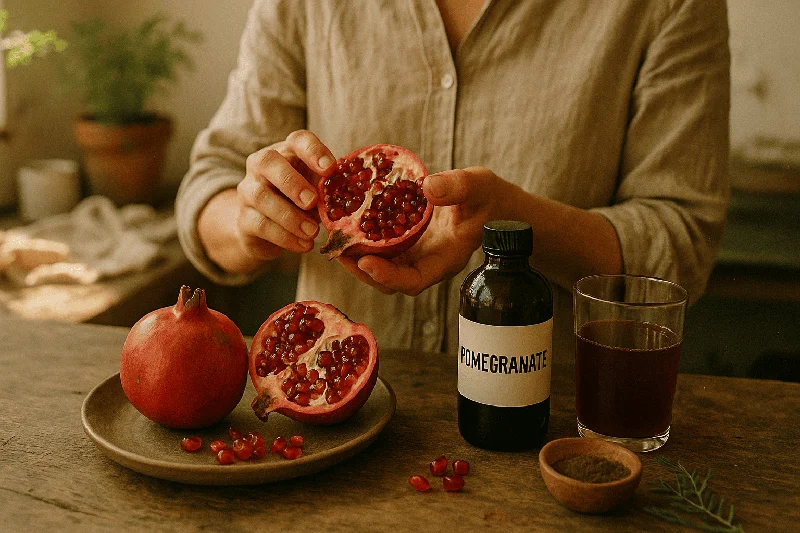
Pomegranate (Punica granatum) is a nutrient-dense fruit packed with powerful antioxidants, vitamins, and anti-inflammatory compounds that support heart health, brain function, digestion, and skin. Native to the Iranian Plateau and cultivated across India for thousands of years, this ruby-red fruit has earned its reputation as a superfood — and the science backs it up. Whether you eat it fresh, drink the juice, or use pomegranate extract, this guide covers everything you need to know about one of the world's most remarkable fruits.
What Is a Pomegranate?
- A pomegranate is a round, thick-skinned fruit roughly 5–12 cm in diameter, filled with hundreds of jewel-like edible seeds called arils. Each aril contains a crunchy seed surrounded by sweet-tart, juicy pulp that ranges from deep crimson to pale pink.
- Botanically, the pomegranate is classified as a berry — which surprises most people.
Botanical Classification (Punica granatum)
The pomegranate belongs to the family Lythraceae and is the principal species of the genus Punica. The plant itself is a deciduous shrub or small tree that grows 5–10 meters tall, featuring narrow, glossy leaves and vivid orange-red flowers. It thrives in semi-arid and subtropical climates, which is why India's Maharashtra, Karnataka, and Rajasthan are major growing regions.
Origin and History
The pomegranate's origins trace back to the Iranian Plateau and the western Himalayan range, with evidence of cultivation dating back over 5,000 years. Ancient Mesopotamian records, Egyptian tombs, and Greek mythology all reference this fruit. It was mentioned in the Bible, the Quran, and ancient Ayurvedic texts like the Charaka Samhita, where it was considered a "pharmacy unto itself."
From the Middle East, pomegranate cultivation spread across the Mediterranean, through the Silk Road into China, and with Spanish colonizers to the Americas. Today India is the world's largest producer, followed by China, Iran, and Turkey.
Etymology of the Name
The English word "pomegranate" comes from the Medieval Latin pōmum grānātum — literally "seeded apple." The French term pomme-grenade gave us the word "grenade" (the weapon was named after the fruit's shape and its scattering seeds). Even the gemstone "garnet" derives from the same Latin root, referencing the fruit's deep red color. In Irish, the pomegranate is called pomagránit or historically referred to as "wineapple" — a nod to its rich, wine-like juice.
Pomegranate Nutrition Facts
One of the reasons pomegranate gets so much attention from nutritionists is its impressive nutrient density relative to its calorie count. A single cup (174 g) of pomegranate arils provides a broad spectrum of vitamins, minerals, and bioactive compounds.
Macronutrients and Calories
| Nutrient | Per 1 Cup (174 g) of Arils |
|---|---|
| Calories | 144 kcal |
| Protein | 2.9 g |
| Total Fat | 2.0 g |
| Carbohydrates | 32.5 g |
| Dietary Fiber | 7.0 g |
| Sugars | 23.8 g |
The fiber content is noteworthy — 7 grams per cup covers roughly 25% of the daily recommended intake. This fiber is a mix of soluble and insoluble types, supporting both blood sugar regulation and digestive health.
Vitamins and Minerals
| Micronutrient | Amount per Cup | % Daily Value (approx.) |
|---|---|---|
| Vitamin C | 17.8 mg | 20% |
| Vitamin K | 28.5 µg | 24% |
| Folate (B9) | 66 µg | 16% |
| Potassium | 411 mg | 9% |
| Phosphorus | 62 mg | 5% |
| Iron | 0.5 mg | 3% |
A common question is "Are pomegranates rich in iron?" — Honestly, they're not a top iron source compared to red meat or spinach. However, the high vitamin C content in pomegranate significantly enhances non-heme iron absorption from other plant foods when eaten together. So pairing pomegranate with iron-rich meals is actually a smart strategy.
Key Phytochemicals: Punicalagins, Anthocyanins, and Ellagitannins
- The real magic of pomegranate nutrition lies in its phytochemical profile.
- Punicalagins — found almost exclusively in pomegranate — are extraordinarly potent antioxidants. A 2014 study published in Advanced Biomedical Research found that pomegranate juice has antioxidant activity three times higher than red wine or green tea.
Other key compounds include:
- Ellagitannins — metabolized by gut bacteria into urolithin A, a compound with remarkable anti-aging and anti-inflammatory properties
- Anthocyanins — responsible for the red color and linked to cardiovascular protection
- Punicic acid — a conjugated fatty acid found in seed oil with anti-inflammatory effects
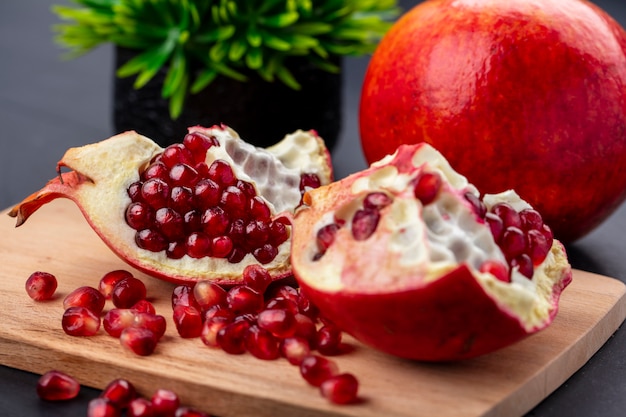
12 Evidence-Based Health Benefits of Pomegranate
What makes pomegranate special isn't just one benefit — it's the breadth of systems it supports. Here are the health benefits backed by research.
Rich in Antioxidants
Pomegranate consistently ranks among the highest antioxidant foods on the ORAC (Oxygen Radical Absorbance Capacity) scale. Its punicalagins and anthocyanins neutralize free radicals that contribute to aging, DNA damage, and chronic disease. A 2017 study in Oxidative Medicine and Cellular Longevity confirmed that regular pomegranate consumption reduces oxidative stress markers significantly.
Anti-Inflammatory Properties
Chronic inflammation drives diseases from arthritis to Alzheimer's. Punicalagins have been shown to inhibit NF-κB, a key inflammatory pathway. A 2012 study in Evidence-Based Complementary and Alternative Medicine found that pomegranate extract reduced inflammatory markers (CRP and IL-6) in type 2 diabetes patients over 12 weeks.
May Support Heart Health
This is perhaps the most well-documented benefit. Pomegranate juice has been shown to reduce LDL cholesterol oxidation, improve arterial function, and slow atherosclerosis progression. A 2004 study in Clinical Nutrition followed patients with carotid artery stenosis for 3 years and found that those drinking pomegranate juice daily experienced a 30% reduction in arterial plaque thickness, while the control group saw a 9% increase.
May Help Lower Blood Pressure
- A 2017 meta-analysis in Pharmacological Research reviewed 8 randomized controlled trials and concluded that pomegranate juice consumption significantly reduced both systolic and diastolic blood pressure.
- The effect was consistent regardless of the amount consumed — even 150 ml per day showed benefit.
May Have Anticancer Properties
- Laboratory studies have shown pomegranate extract can slow cancer cell reproduction and even induce apoptosis (programmed cell death) in several cancer types, particularly breast and prostate cancer. A 2006 study in Clinical Cancer Research found that pomegranate juice extended PSA doubling time in prostate cancer patients from 15 months to 54 months — a remarkable result.
- Note: this doesn't mean pomegranate cures cancer. But the evidence for its protective role is compelling.
Supports Brain Health and Cognitive Function
Ellagitannins converted to urolithin A by gut bacteria can cross the blood-brain barrier and have neuroprotective effects. A 2013 study in Evidence-Based Complementary and Alternative Medicine found that pomegranate polyphenols reduced amyloid plaque deposits in animal models of Alzheimer's disease. A small 2020 human trial showed improved memory performance after 12 months of daily pomegranate juice consumption in middle-aged and older adults.
Promotes Digestive Health and Gut Microbiome
Pomegranate acts as a prebiotic, feeding beneficial gut bacteria — particularly Akkermansia muciniphila and Bifidobacteria. A 2019 study in Nutrients demonstrated that pomegranate polyphenols increased microbial diversity and short-chain fatty acid production. The fiber content further supports regular bowel movements.
Pomegranate in Traditional Medicine for Digestion
In Ayurveda and Unani medicine, pomegranate has been used for centuries to treat diarrhea, dysentery, and intestinal parasites. The bark and rind (not just the arils) contain alkaloids like pelletierine, historically used as an anthelmintic agent.
Supports Urinary and Kidney Health
Research suggests pomegranate extract may help prevent calcium oxalate kidney stone formation. A 2014 study in Urolithiasis journal found that pomegranate extract reduced urinary stone crystal formation in animal models. For kidney health specifically, there's preliminary evidence that pomegranate may slow the progression of chronic kidney disease by reducing oxidative stress — though more human trials are needed.
May Have Antimicrobial Properties
Pomegranate peel extracts have demonstrated activity against Staphylococcus aureus, E. coli, and Candida albicans in multiple lab studies. A 2012 study in the Journal of Ethnopharmacology found that pomegranate mouthwash was as effective as chlorhexidine in reducing dental plaque bacteria. This is partly why traditional medicine used pomegranate decoctions for sore throat and oral infections.
May Improve Exercise Endurance and Recovery
Nitrates and polyphenols in pomegranate improve blood flow and oxygen delivery to muscles. A 2016 study in PLOS ONE found that pomegranate extract supplementation enhanced running performance and reduced muscle soreness in trained athletes. Another 2017 study showed faster strength recovery after eccentric exercise when participants consumed pomegranate juice.
Benefits for Skin Health
Pomegranate protects skin from UV damage, supports collagen production, and has anti-aging effects. Punicic acid in pomegranate seed oil promotes skin cell regeneration. A 2014 study in Experimental Dermatology found that pomegranate extract protected dermal fibroblasts from UVA-induced damage and inhibited MMP enzymes that break down collagen — the primary cause of wrinkles.
Pomegranate Seed Oil for Skin
- Pomegranate seed oil, cold-pressed from the seeds, contains roughly 65% punicic acid (an omega-5 fatty acid).
- It's used in premium skincare for:
- Reducing hyperpigmentation
- Moisturizing without clogging pores
- Soothing eczema and psoriasis symptoms
- Anti-aging serums and night creams
Role in Blood Sugar Management
Despite containing natural sugars, pomegranate has a glycemic index of only 35 — considered low. The combination of fiber, polyphenols, and organic acids slows glucose absorption. A 2017 review in Nutrient journal analyzed multiple studies and found that pomegranate consumption did not adversely affect blood glucose in diabetic patients and, in some cases, improved fasting blood sugar and HbA1c levels.
Pomegranate and Specific Diets
| Diet | Compatibility | Notes |
|---|---|---|
| Keto | Limited | ~33g carbs per cup; use sparingly as a topping |
| Diabetic Diet | Yes (moderate) | Low GI (35); monitor portion size |
| FODMAP | Moderate caution | Low FODMAP at ¼ cup; higher amounts may trigger symptoms |
| Mediterranean | Excellent | A traditional staple |
| Whole30 | Yes | Compliant as a whole fruit |
Pomegranate Varieties and Cultivars
There are over 500 named pomegranate cultivars worldwide. The differences in taste, color, seed hardness, and juiciness are dramatic — choosing the right variety matters.
Consumer Comparison of Popular Varieties
| Variety | Origin | Aril Color | Taste | Seed Hardness | Best For |
|---|---|---|---|---|---|
| Bhagwa (Sindoor) | India | Deep red | Sweet, slightly tart | Soft | Fresh eating, juice |
| Wonderful | USA | Deep red | Sweet-tart | Semi-soft | Juice, cooking |
| Hicaz | Turkey | Red-pink | Tart-sweet | Medium | Juice, molasses |
| Mollar de Elche | Spain | Pink-red | Very sweet | Very soft | Fresh eating |
| Ganesh | India | Pink | Mildly sweet | Soft | Fresh eating |
| Arakta | India | Dark red | Sweet | Soft | Juice, export |
Bhagwa dominates Indian production and exports, prized for its vibrant color, high juice yield, and soft seeds. If your buying pomegranates at a local Indian market, this is likely what you'll find.
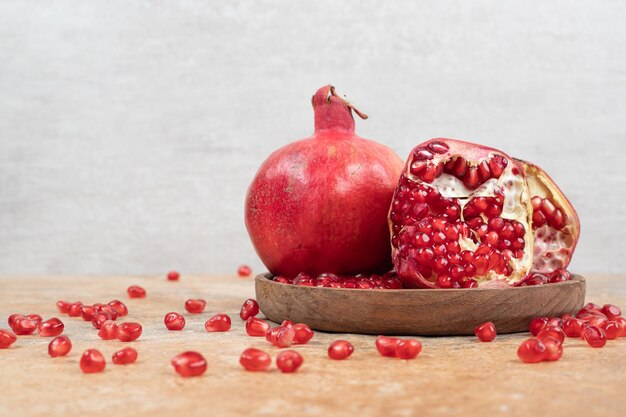
How to Select, Store, and Eat Pomegranate
How to Choose a Ripe Pomegranate
This is something no major guide covers well, but its arguably the most practical information.
Here's what to look for:
- 1.Weight: Pick up the fruit.
- A ripe pomegranate should feel heavy for its size — this means the arils are full of juice
- 2.Shape: Slightly angular or flat-sided (not perfectly round) indicates the seeds have swelled to full maturity
- 3.Skin: Look for taut, leathery skin without soft spots. The color should be deep red to reddish-brown; ignore minor scratches
- 4.Sound: Tap it gently. A metallic sound indicates plump, juicy arils
- 5.Crown: The flower end should be dry and turned slightly inward
- 6.Cracks: Small surface cracks are actually a good sign — they often indicate the fruit is bursting with ripe seeds inside
Step-by-Step: How to Deseed a Pomegranate (Without the Mess)
The Water Bowl Method (cleanest technique):
- Cut off the crown (top 1 cm) with a sharp knife
- Score the skin along the ridges (usually 5-6 natural sections) — cut only skin-deep
- Submerge the scored pomegranate in a large bowl of cold water
- Break it apart along the score lines underwater
- Gently push the arils free with your thumbs — they sink; the pith floats
- Skim off floating pith, drain through a colander
- Pat dry with a towel
- Done — no red-stained countertops.
The Spoon Method (faster):
- Cut the pomegranate in half horizontally
- Hold one half cut-side down over a bowl
- Whack the back firmly with a wooden spoon
- Arils fall out in seconds. Repeat with the other half.
Storage Guidelines
| Storage Method | Duration | Notes |
|---|---|---|
| Whole, room temperature | 1–2 weeks | Keep away from direct sunlight |
| Whole, refrigerated | 1–2 months | Best long-term whole storage |
| Arils, refrigerated | 5–7 days | Store in airtight container |
| Arils, frozen | Up to 12 months | Spread on baking sheet first, then transfer to bag |
| Fresh juice, refrigerated | 3–5 days | Glass container; quality declines quickly |
Don't wait or self medicate. Start chat with Doctor NOW
Pomegranate Seasonality by Region
One of the most useful pieces of information for consumers and importers alike — a clear seasonal calendar.
| Region / Country | Peak Season | Off-Season Availability |
|---|---|---|
| India (Maharashtra) | October – February | Limited (June–September in some areas) |
| India (Rajasthan) | February – April | — |
| Iran | September – January | — |
| Turkey | October – January | — |
| USA (California) | October – January | — |
| Spain | September – November | — |
| Egypt | September – December | — |
| South Africa | February – May | Counter-season supply to Europe |
| Peru | March – June | Counter-season supply to N. America |
| Australia | February – May | Limited export |
India's dual growing season in different states means pomegranates are domestically available for a longer window than in most countries — roughly from October through April.
Culinary Uses: From Fresh Arils to Pomegranate Molasses
Fresh Consumption and Juice
The simplest way to enjoy pomegranate is eating the arils fresh — as a snack, in fruit salads, or sprinkled over yogurt, oatmeal, and desserts. Fresh pomegranate juice can be made by blending arils and straining; 1 medium pomegranate yields roughly 100–125 ml of juice.
Cooking with Pomegranate
- Pomegranate molasses (robb-e anār) is a staple in Persian and Middle Eastern cuisine. It's made by reducing pomegranate juice to a thick, tangy syrup.
- Key dishes include:
- Fesenjan — a Persian walnut-and-pomegranate-molasses stew with chicken or duck
- Kabab Torsh — Iranian marinated kebab using pomegranate paste
- Zeytun Parvardeh — olive-and-pomegranate salad from Northern Iran
- Anardana chutney — Indian condiment made from dried pomegranate seeds
- Muhammara — Syrian roasted red pepper and walnut dip with pomegranate molasses
Fresh vs Juice vs Extract vs Supplements: What's More Effective?
| Form | Key Advantage | Limitation | Best For |
|---|---|---|---|
| Fresh arils | Full fiber + nutrients | Seasonal, perishable | Daily nutrition, cooking |
| 100% Juice | Concentrated polyphenols | No fiber, higher sugar impact | Heart health, antioxidant boost |
| Extract (capsules) | Standardized dose, convenient | No fiber, varies by brand | Targeted supplementation |
| Pomegranate seed oil | Rich in punicic acid | No polyphenols from juice | Skin care, topical use |
| Dried seeds (Anardana) | Long shelf life, culinary use | Lower antioxidant potency | Cooking, chutney |
For general health, fresh arils + occasional juice is the best combination. For specific therapeutic goals (like prostate health or blood pressure), standardized extracts may provide more consistent dosing.
Safety, Side Effects, and Drug Interactions
Pomegranate is generally considered safe for most people when consumed as food. But there are important considerations.
Common Side Effects
- Allergic reactions: Rare, but can include itching, swelling, runny nose, or difficulty breathing. People with plant allergies should introduce pomegranate cautiously
- Digestive discomfort: Excessive consumption can cause diarrhea or stomach upset in some individuals
- Staining: Not a health concern, but pomegranate juice stains teeth and clothing — worth mentioning
Interactions with Specific Medications
This is an area most guides gloss over. Pomegranate can interact with certain drugs because it inhibits cytochrome P450 enzymes (CYP3A4 and CYP2C9), which are responsible for metabolizing many medications.
| Medication Class | Interaction Risk | What Happens |
|---|---|---|
| Statins (atorvastatin, rosuvastatin) | Moderate | May increase statin levels in blood, raising side effect risk |
| ACE Inhibitors (lisinopril, enalapril) | Low-Moderate | Combined blood pressure–lowering effect |
| Anticoagulants (warfarin) | Moderate | May enhance blood-thinning effect; increased bleeding risk |
| Antihypertensives (amlodipine) | Moderate | May cause excessive blood pressure drop |
| Carbamazepine (seizure medication) | Low-Moderate | May alter drug metabolism |
Practical advice: If you take any of these medications regularly, consult your doctor before consuming large amounts of pomegranate juice or extract. Eating a handful of arils occasionally is unlikely to cause issues.
Pomegranate for Children
No major guide addresses this, so here's what parents should know:
- Introduction age: Pomegranate arils can be introduced around 12–18 months, but seeds should be slightly crushed or offered as juice to prevent choking in toddlers
- Allergenicity: Pomegranate is not among the top allergens, but as with any new food, introduce it in small amounts and watch for reactions over 48 hours
- Amount: For children aged 1–3, start with 1–2 tablespoons of arils; children over 5 can enjoy a quarter to half cup
Pomegranate During Pregnancy
Pomegranate juice is generally considered safe during pregnancy and is actually studied for potential benefits. A 2019 pilot study at Washington University found that daily pomegranate juice consumption during pregnancy may improve placental blood flow. However, pregnant women should avoid pomegranate extract supplements (concentrated forms) unless specifically approved by their healthcare provider.
Regulatory Context
The U.S. FDA and India's FSSAI regulate pomegranate-based supplements as food products, not as drugs. This means they don't undergo the same rigorous testing as pharmaceutical medications. Claims on supplement labels are not pre-approved by these agencies, so consumers should look for third-party testing certifications (like FSSAI mark, USP, or NSF) when purchasing pomegranate supplements.
Pomegranate Production and Global Trade
India leads global pomegranate production with approximately 3 million tonnes annually, followed by China, Iran, and Turkey. Maharashtra alone accounts for over 70% of India's output, with the Solapur, Sangli, and Nashik districts being the primary growing belts.
India's pomegranate exports reached approximately $85 million USD in 2022-23, with primary markets including UAE, Bangladesh, Netherlands, and the UK. The Bhagwa variety dominates exports due to its attractive color and superior shelf life.
Environmental Considerations
- Pomegranate is relatively drought-tolerant compared to many fruit crops, requiring only 500–600 mm of annual rainfall — making it well-suited to India's semi-arid zones.
- However, intensive farming has raised concerns about:
- Water footprint: Estimated at 500–700 liters per kg of fruit (lower than almonds or avocados, but significant in water-scarce regions)
- Pesticide use: Conventional pomegranate farming uses significant pesticide inputs; organic production is growing but represents less than 5% of total output
- Fair trade: Most Indian pomegranate workers are smallholder farmers; direct trade and cooperative models are slowly emerging in Maharashtra
Frequently Asked Questions
What happens if you eat pomegranates daily?
Eating pomegranate daily is safe and benificial for most adults. Studies show regular consumption improves antioxidant status, supports heart health, and may reduce inflammation. A reasonable daily amount is ½ to 1 cup of arils or 150–250 ml of juice. Excess consumption (more than 2 whole fruits per day) may cause digestive discomfort.
Why is pomegranate called a superfood?
Pomegranate earned "superfood" status because of its exceptionally high concentration of punicalagins and ellagitannins — antioxidants three times more potent than those in green tea. Combined with anti-inflammatory, cardioprotective, and neuroprotective properties backed by clinical research, pomegranate delivers health benefits that few other fruits can match.
Is it okay to eat pomegranate seeds?
Yes, the entire aril — including the small white seed inside — is edible and safe. The seeds contain fiber and a small amount of pomegranate seed oil rich in punicic acid. Some people prefer softer-seeded varieties like Bhagwa or Mollar de Elche if the crunch bothers them.
How much pomegranate juice should you drink per day?
Most studies showing health benefits used 150–250 ml (about 1 cup) of pure pomegranate juice per day. This amount provides significant antioxidant and cardiovascular benefits without excessive sugar intake. Always choose 100% pomegranate juice without added sugars.
What are the benefits of pomegranate for females specifically?
Pomegranate offers several benefits particularly relevant to women: it supports bone density (vitamin K and polyphenols), may ease menopausal symptoms through phytoestrogenic effects, protects skin from aging, and — as mentioned — shows promise for placental health during pregnancy. A 2012 study in Complementary Therapies in Clinical Practice found that pomegranate extract reduced hot flash severity in menopausal women.
Is pomegranate good for kidney health?
Preliminary research is promising. Pomegranate's antioxidants may protect kidneys from oxidative damage, and some studies suggest it can inhibit kidney stone formation. However, people with advanced kidney disease should be cautious due to pomegranate's potassium content (411 mg per cup) — high potassium can be dangerous when kidneys can't properly filter it.
Final Thoughts: Why Pomegranate Deserves a Place in Your Diet
Pomegranate is more than a beautiful fruit — it's one of nature's most complete packages of nutrition and bioactive compounds. From its documented cardiovascular benefits and antioxidant power to its emerging roles in brain health, gut microbiome support, and skin protection, the evidence base is impressive and growing.
The practical side matters too. Now you know how to pick a ripe one, deseed it without painting your kitchen red, store it for months, and choose between fresh arils, juice, and supplements based on your specific goals.
Whether you're managing blood pressure, looking for a natural way to support your skin, or simply want a delicious, nutrient-rich fruit to add to your daily routine — pomegranate delivers. Start with a cup of fresh arils a few times a week and build from there.
- *If you're on medication — especially blood thinners, statins, or blood pressure drugs — talk to your doctor before adding large amounts of pomegranate juice or supplements to your routine.
- For everyone else: enjoy it freely.*
Scientific Sources
- Role of Medicinal Herbs in Periodontal Therapy: A Systematic Review — Pasupuleti MK et al., 2023, Journal of International Society of Preventive & Community Dentistry
- Identifying potential active ingredients from pomegranate in treating anemia: CPA3 and SOX4 are key proteins — Huang Z et al., 2025, International journal of biological macromolecules
- Urolithin A's Role in Alleviating Severe Acute Pancreatitis via Endoplasmic Reticulum-Mitochondrial Calcium Channel Modulation — Kang H et al., 2024, ACS nano
- [[Phytotherapy in uro-oncology]](https://pubmed.ncbi.nlm.nih.gov/36445447/) — Bauer-Büntzel C et al., 2023, Urologie (Heidelberg, Germany)
- Less-known botanical cosmeceuticals — Baumann LS, 2007, Dermatologic therapy
- Pomegranate Ellagitannins — Benzie IFF et al., 2011
- Pomegranate flower extract bidirectionally regulates the proliferation, differentiation and apoptosis of 3T3-L1 cells through regulation of PPARγ expression mediated by PI3K-AKT signaling pathway — Li T et al., 2020, Biomedicine & pharmacotherapy = Biomedecine & pharmacotherapie
- Persian Traditional Medicine and Ocular Health — Namdar H et al., 2015, Medical hypothesis, discovery & innovation ophthalmology journal
- A unique understanding of traditional medicine of pomegranate, Punica granatum L. and its current research status — Ge S et al., 2021, Journal of ethnopharmacology
- Tacrolimus and herbs interactions: a review — Abushammala I, 2021, Die Pharmazie
- Botanical ingredients in cosmeceuticals — Baumann L, 2007, Journal of drugs in dermatology : JDD
- Phytotherapy in periodontics as an effective and sustainable supplemental treatment: a narrative review — Gawish AS et al., 2024, Journal of periodontal & implant science
- An Integrative Approach to Prostate Cancer — Abrams DI, 2018, Journal of alternative and complementary medicine (New York, N.Y.)
- The bioactivity and applications of pomegranate peel extract: A review — Xiang Q et al., 2022, Journal of food biochemistry
- Pomegranate: A review of the heavenly healer's past, present, and future — Mohammadi M et al., 2023, Iranian journal of basic medical sciences
- Pomegranate seeds: a comprehensive review of traditional uses, chemical composition, and pharmacological properties — Wang J et al., 2024, Frontiers in pharmacology
- Pomegranate peel and ellagic acid attenuate ulcerative colitis by targeting AKR1B1/B3 to inhibit NLRP3 — Li H et al., 2025, Phytomedicine : international journal of phytotherapy and phytopharmacology
- Complementary and alternative medicine (CAM) in prostate and bladder cancer — Philippou Y et al., 2013, BJU international
- Non-pharmacological interventions in the treatment of rheumatoid arthritis: A systematic review and meta-analysis — Turk MA et al., 2023, Autoimmunity reviews
- Therapeutic Potential of Pomegranate in Metabolic Disorders — Akaberi M et al., 2021, Advances in experimental medicine and biology
Questions from users
Can I use pomegranate extract as a natural remedy for menopausal symptoms?
Kayden
7 days ago
Yes, pomegranate extract can be a helpful natural remedy for menopausal symptoms like hot flashes. It’s full of antioxidants which might benefit you during menopause. Just make sure to balance it with your overall diet and consider your dosha. Always good to consult with a healthcare provider too.
How do you know when a pomegranate is overripe or spoiled?
Riley
16 days ago
When checking pomegranates for overripeness, look for shriveled or cracked skin, unusual softness, or an off smell. Spoiled ones may also have mold or dark spots. Trusting your senses here is key! If in doubt, cut it open and check the arils—bright and juicy is good, dull and mushy, not so much.
What is the cooling effect of pomegranates and how does it benefit the body?
Nathan
28 days ago
Pomegranates have a cooling effect that helps reduce heat and inflammation in the body, which is great for balancing pitta dosha. This cooling property makes it good for soothing digestive issues and calming fiery emotions. So, pomegranates not only aid digestion but also support overall balance and wellbeing.
What is the best time of day to eat pomegranates for health benefits?
Shelby
38 days ago
Eating pomegranates is usually best in the morning or early afternoon, when your digestion, or agni, is strong. This fruit is cooling, so it's great for balancing excess heat and inflammation. If you have a Vata imbalance, though, you might want to have them with a grounding meal. Trust your body too, see how it feels! 🍎
Is it safe to drink pomegranate juice every day?
Zayden
48 days ago
Yes, generally it's safe to drink pomegranate juice every day. It’s packed with antioxidants—more than red wine or green tea! But, just keep in mind, moderation is key, especially if you're watching sugar intake or are on certain medications. Listen to your body and maybe check with a healthcare professional if you're unsure.
What nutrients in pomegranates contribute to their antioxidant and anti-inflammatory effects?
Yolanda
57 days ago
Pomegranates are packed with Punicalagin, a powerful antioxidant that makes them great for fighting inflammation. They also have vitamin C and polyphenols, which contribute to their antioxidant power. That’s why they’re often touted as heart-friendly and helpful for cooling excess heat in the body!
Can pomegranates help with skin health and how should they be used for this?
Yvonne
67 days ago
Yes, pomegranates can be great for skin health! The antioxidants in them help protect your skin from damage and can improve its texture and glow. You can either eat the seeds or apply the juice topically for a refreshing mask. Just be sure to test a small area of your skin first, as reactions can vary.
Can pomegranates help reduce inflammation and how should I consume them for this benefit?
Ella
77 days ago
Yes, pomegranates can help reduce inflammation due to their high antioxidant content. For the best benefit, try having the fresh seeds or drink the juice. Whole fruit's great since it offers fiber too. Maybe include it in salads or as a snack. But watch out on the juice since it's concentrated and could be high in sugar.
What are the potential side effects of consuming pomegranate juice too frequently?
Zoe
153 days ago
Consuming pomegranate juice too often might lead to digestive issues like diarrhea for some people, and it could interfere with certain medications, like blood thinners 'cause of its blood-thinning properties. If you have concerns, keep an eye on how your body reacts or maybe chat with a healthcare pro. Balance is key in Ayurveda, after all!
Is there any research on how pomegranate affects athletic performance or recovery?
Nevaah
159 days ago
There's some interesting research suggesting pomegranates might help with athletic performance. Thanks to their antioxidants, they can reduce oxidative stress and muscle damage, making recovery a bit smoother after a workout. But, research is still ongoing, so while it looks promising, it's not conclusive yet.
Related articles

Nutrition
Is Beetroot Really Healthy?
Beetroot is recognized in Ayurveda for its ability to balance doshas and enhance overall well-being.
3,387

Nutrition
So, Is Curd Really That Great? Let’s Talk About the Disadvantages of Eating Curd
Okay, let’s just get this out of the way: curd is everywhere. It’s in our breakfasts, our lunches, sometimes even dinners (and yeah, raita counts). It’s been passed down generations like some sacred dairy relic, praised for its “cooling” effects, digestiv
3,136

Nutrition
What Is A2 Ghee: Ayurvedic Meaning, Benefits, and How It’s Made
What is A2 ghee and how is it different from A1? Learn the meaning, benefits of A2 cow ghee, how it’s made, and why it's considered healthier in Ayurveda
6,244

Nutrition
Ayurvedic Diet Guidelines for People at Work
A balanced diet not only acts as a bridge to a productive life but also as a solution for many diseases that otherwise take a grip on our lives.
2,975

Nutrition
How to Eat Fenugreek Seeds: Ayurvedic Guide to Daily Use and Benefits
How to eat fenugreek seeds? Learn the best ways to consume fenugreek for hair, hormones, diabetes, and more. Can we eat them raw or without soaking?
15,378

Nutrition
Can We Eat Avocado Raw? Ayurvedic View and Recipes
Can we eat avocado raw and how? Discover raw avocado benefits, how to eat and use it, what to do with raw avocado, and easy raw avocado recipes
5,341

Nutrition
Medohar Guggulu: Uses, Dose, Ingredients, Side Effects
Exploration of Medohar Guggulu: Uses, Dose, Ingredients, Side Effects
5,968

Nutrition
Patanjali Divya Herbal Peya
Exploration of Patanjali Divya Herbal Peya
5,994

Nutrition
How to Eat Sesame Seeds: Tips, Benefits, and Precautions
Learn how to eat sesame seeds properly, when to take them, and who should avoid them. Discover daily uses, raw vs roasted tips, and black vs white seeds guidance
28,936

Nutrition
Sunarin Capsules Benefits, Dosage, Ingredients, Side Effects
Exploration of Sunarin Capsules Benefits, Dosage, Ingredients, Side Effects
1,971
Related questions on the topic
Legal
Additional Documents
© 2024 Ask Ayurveda. All rights reserved.