Ask Ayurvedic doctor a question and get a consultation online on the problem of your concern in a free or paid mode. More than 2,000 experienced doctors work and wait for your questions on our site and help users to solve their health problems every day.
FREE! Ask Ayurvedic Doctors 24/7

 Fast responses
 1000+ verified doctors
Body DetoxEar, Nose, and Throat DisordersGeriatrics & RejuvenationImmunodeficiencyInfertility TreatmentNutritionOrthopedic DisordersPediatricsRespiratory DisordersSexually Transmitted Diseases (STDs)Surgery RecoveryUrological DisordersVascular DisordersDental DisordersEndocrinological DisordersGastrointestinal DisordersYoga TherapyGeneral MedicineAllergic DisordersCardio DisordersGynecology and ObstetricsCosmetologySkin and Hair DisordersEye DisordersInfectious DiseasesMental DisordersNeurological DisordersOncologyPanchakarmaSexual Health & DisordersSports Medicine
Published on 06/27/25
(Updated on 07/12/26)
6,022
Is Coconut Oil Good for Hair? Ayurvedic Benefits, Growth & Usage Tips

If you’ve ever wondered, “Is coconut oil good for hair?” — you’re definitely not alone. It’s one of the most searched questions online, and for good reason. From grandma's kitchen remedies to trending TikTok hair hacks, coconut oil has been praised, debated, and sometimes misunderstood. But is it really all it’s cracked up to be?
Let’s break it down. Coconut oil is not just a slick trend; it's a staple in Ayurvedic hair care and traditional beauty rituals worldwide. The benefits of coconut oil for hair aren’t just anecdotal — they’re backed by both ancient wisdom and modern curiosity. Whether you’re looking for help with hair fall, growth, dryness, or thickness, we’re going to explore why this simple natural oil might just be the secret your hair’s been waiting for.
Ready to get to the root of it? Let’s dive in.
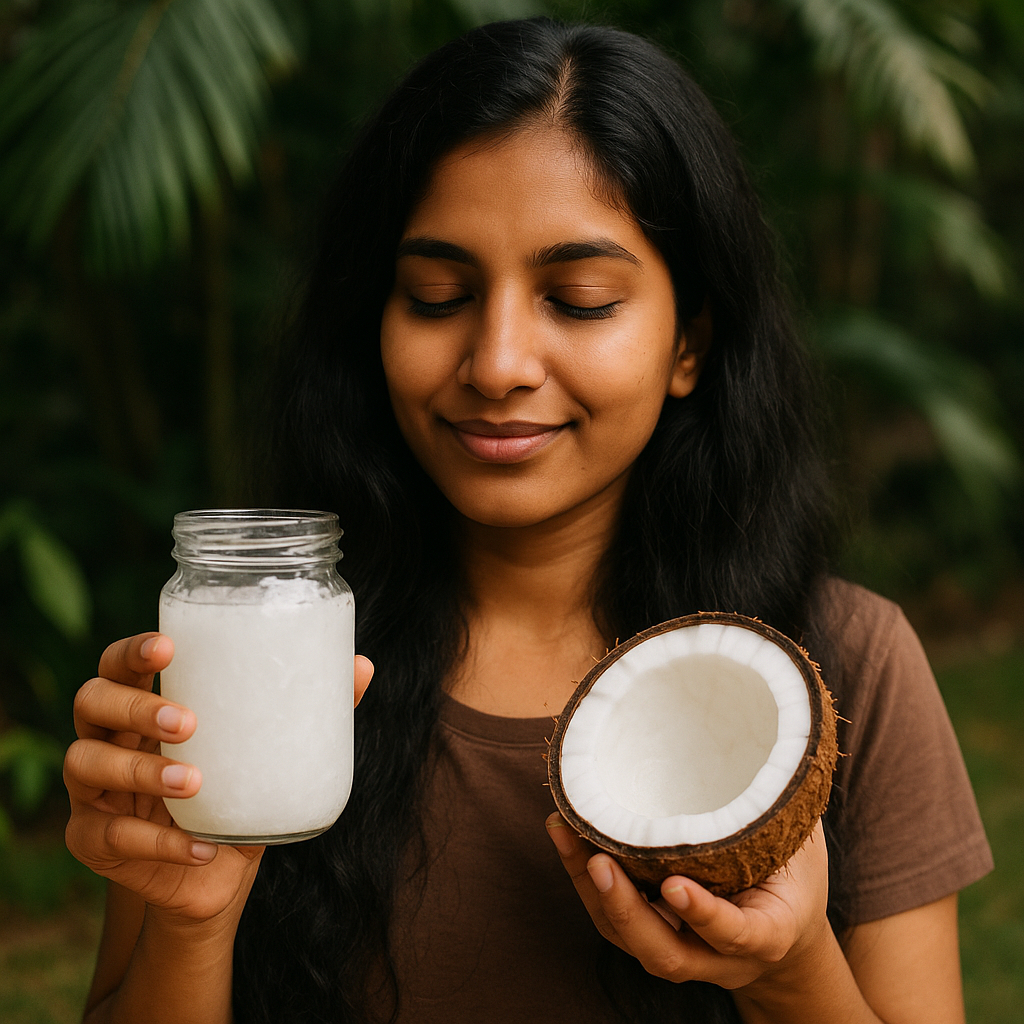
Why Coconut Oil Is Used for Hair in Ayurveda
Properties of Coconut Oil
In Ayurveda, coconut oil is seen as a cooling, nourishing agent that balances excess heat (or pitta dosha) in the body. This is especially important because heat can cause scalp inflammation, hair thinning, and premature graying.
Coconut oil’s natural composition makes it unique. It's rich in:
-
Lauric acid – which penetrates the hair shaft more deeply than many other oils
-
Capric acid and caprylic acid – known for their anti-fungal and antimicrobial properties
-
Vitamin E – a powerful antioxidant that helps maintain hair elasticity and shine
So, is coconut oil good for hair growth? Well, according to both Ayurvedic practice and scientific research, it’s not just good — it’s one of the best oils you can use.
Does Coconut Oil Help in Hair Growth?
Here’s where things get juicy. Coconut oil doesn’t exactly "make" your hair grow faster. But it does create the ideal environment for growth. By reducing protein loss, improving scalp health, and protecting hair from environmental damage, it supports longer, stronger, thicker hair over time.
Many users report that regular application of pure coconut oil for hair leads to improved thickness and visible reduction in hair fall. It locks in moisture, prevents breakage, and can even reduce split ends. In essence, it helps you keep more of the hair you already have, while encouraging a healthy scalp to support new growth.
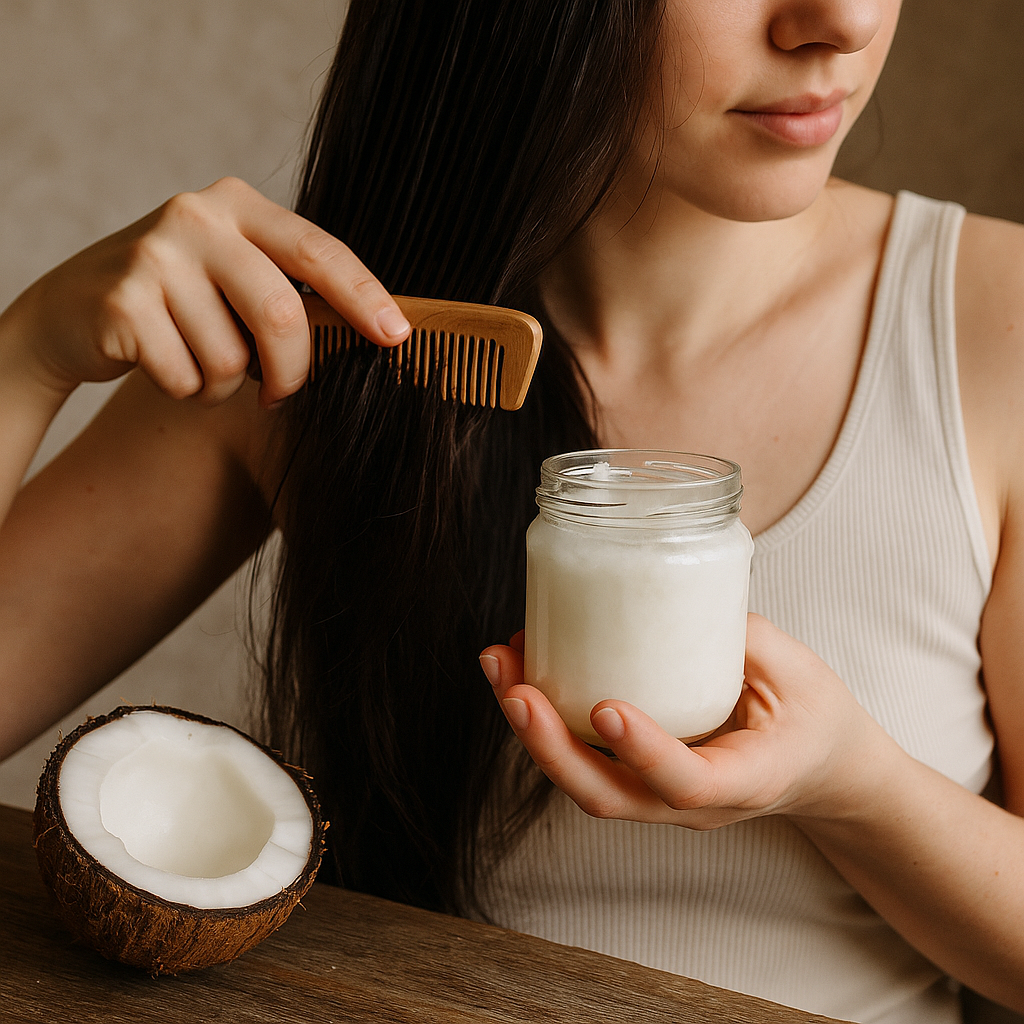
Coconut Oil Benefits for Hair Health
Benefits of Coconut Oil for Hair Growth and Thickness
Let’s be real: no one wants thin, lifeless hair. The good news? The benefits of coconut oil for hair go beyond simple hydration.
-
Nourishment at the root: Coconut oil penetrates the cuticle, going deep into the shaft, which is essential for maintaining thickness.
-
Protein retention: Unlike other oils, coconut oil reduces the loss of keratin — your hair's main building block.
-
Protective shield: It forms a barrier that shields your strands from UV rays, pollution, and even harsh shampoos.
One personal tip? If you’re serious about results, consistency is key. Don’t expect miracles after one use. It’s like watering a plant — you gotta keep showing up.
Coconut Oil for Hair Fall Prevention and Scalp Health
Hair fall can feel like a nightmare. You run your fingers through your hair and—ugh—there’s a clump again. But coconut oil for hair fall has been a trusted solution for generations.
Its anti-inflammatory properties help calm an irritated scalp, while the antimicrobial acids can fight off dandruff and fungal infections — two sneaky culprits behind excessive shedding.
And if you're dealing with low porosity hair (which doesn't absorb moisture well), you might be asking, is coconut oil good for low porosity hair? We’ll get to that — but spoiler: it depends on how you use it.
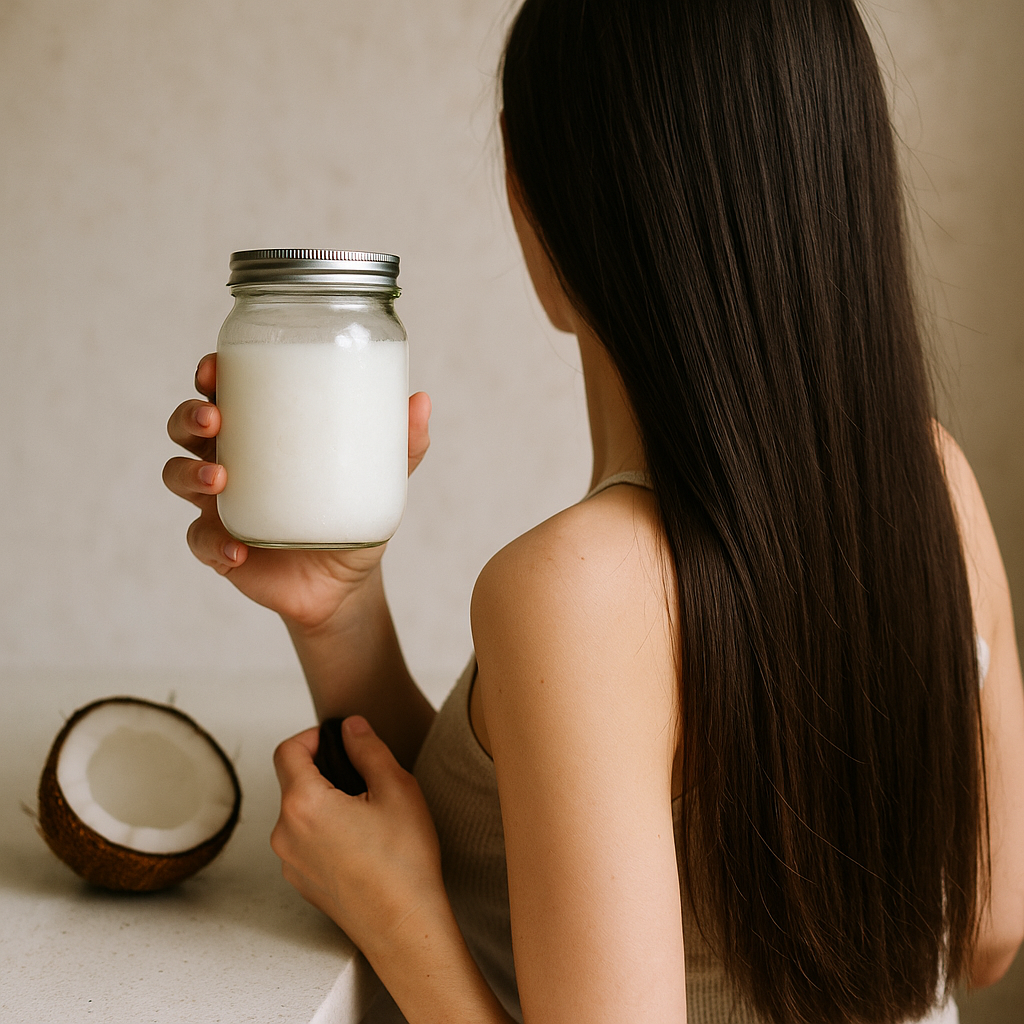
How to Use Coconut Oil for Hair Effectively
So now that we’ve covered why it’s awesome, let’s talk how. Coconut oil isn’t a one-size-fits-all solution — how you apply it can make a huge difference in results. Whether you're chasing shine, length, or just healthier strands, these tips can help you get the most from your coconut oil routine.
How to Apply Coconut Oil on Hair and Scalp
Wondering how to apply coconut oil on hair? Here’s a simple guide:
-
Start with dry hair — Coconut oil absorbs better into dry hair than wet.
-
Warm the oil slightly. Just a few seconds in a bowl over warm water (not the microwave, please) until it becomes a clear liquid.
-
Section your hair, especially if it’s thick or curly.
-
Massage gently into the scalp using your fingertips. This stimulates blood flow and ensures the oil reaches the follicles.
-
Work it through the strands, from root to tip.
-
Leave it on — anywhere from 30 minutes to overnight. A shower cap or towel wrap can keep things neat.
If you're dealing with buildup or your hair feels greasy after washing, you might be using too much. A little goes a long way.
Pro Tip: For fine or oily hair types, just apply coconut oil to the ends, not the roots. It helps avoid that "greasy mop" situation.
What to Mix with Coconut Oil for Hair Growth
Coconut oil is great solo — but it plays really well with others too. Want to turbocharge your hair game? Here’s what to mix with coconut oil for hair growth:
-
Castor oil: Thickens and strengthens. A favorite combo for growing out edges or sparse patches.
-
Rosemary essential oil: Clinically linked to hair regrowth. Just a few drops added to your coconut oil can stimulate follicles.
-
Amla powder or oil: An Ayurvedic superstar for scalp nourishment and darker, richer hair tones.
-
Peppermint oil: Boosts circulation. Use it sparingly though — it’s potent!
These mixes are especially helpful if you’re focusing on coconut oil for hair growth and want more targeted results. Just remember to do a patch test first to make sure your skin doesn’t react badly.
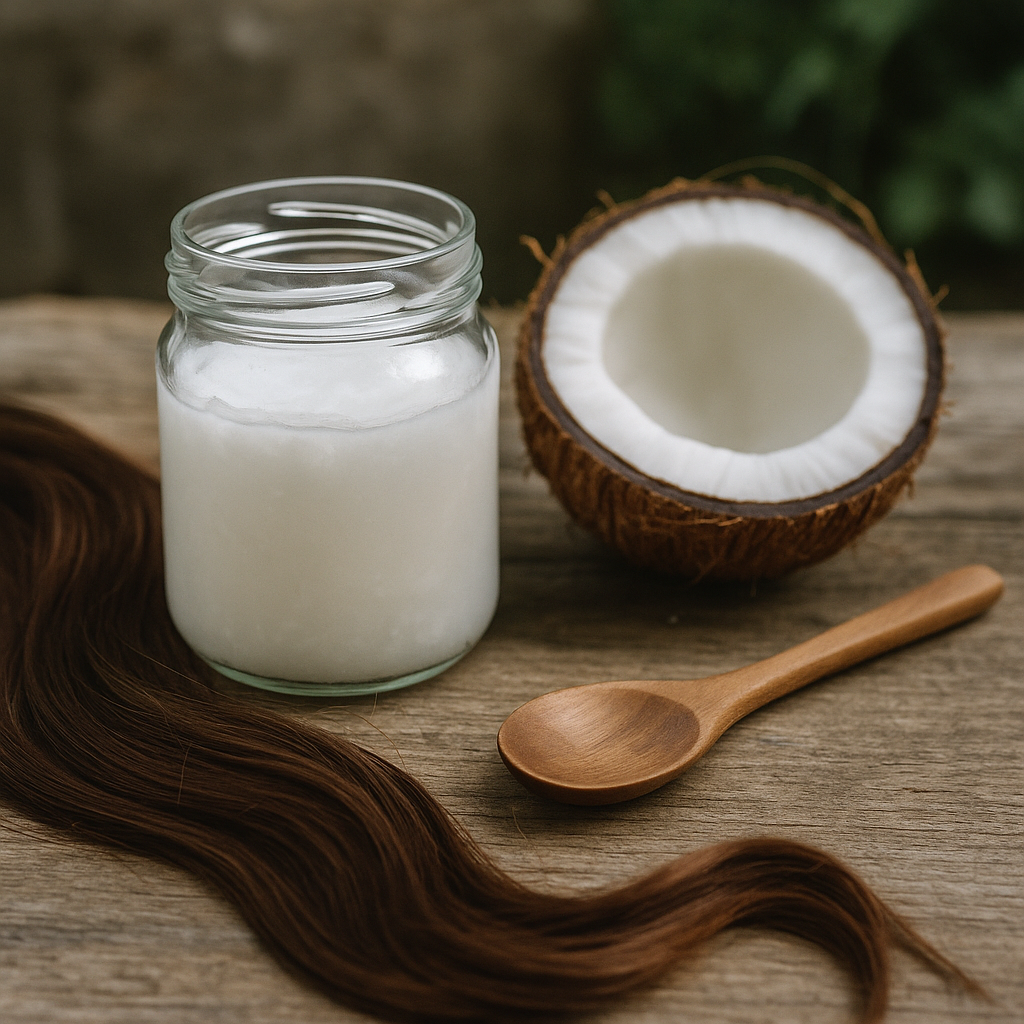
Choosing the Best Coconut Oil for Hair Care
Not all coconut oils are created equal. If you've ever stood in front of a grocery aisle overwhelmed by the labels — virgin, cold-pressed, refined, unrefined — you're definitely not alone. So, which coconut oil is best for hair?
Which Coconut Oil Is Best for Hair?
Short answer? Go pure.
Look for:
-
100% pure coconut oil for hair
-
Cold-pressed or virgin coconut oil (means less processing = more nutrients)
-
Unrefined (keeps the good stuff intact)
-
Organic, if possible (avoids chemical residue)
Avoid coconut oils meant for cooking that have additives or have been deodorized — these can strip away the properties that make coconut oil good for hair growth.
Ayurvedic Coconut Oil Infusions
If you want to level up, Ayurvedic hair oils often infuse coconut oil with herbs like bhringraj, brahmi, and neem. These additions can boost scalp health, reduce hair fall, and even delay graying.
Think of them like supercharged versions of plain oil. Yes, they're a little pricier, but for those battling chronic hair issues, they can be worth every drop.
Can Coconut Oil Regrow Hair in Severe Hair Loss Cases?
Let’s keep it real. Can coconut oil regrow hair when it’s already gone? If you’re dealing with genetic baldness or scarring alopecia — coconut oil alone probably won’t bring back what’s been lost.
But for early-stage thinning, breakage, or stress-induced shedding? Coconut oil can absolutely help create the conditions needed for hair to regrow. Paired with a good diet, low-stress lifestyle, and scalp massages, many people do see visible improvement over a few months.
Conclusion
So, after all that... is coconut oil good for hair? The answer is a solid yes — if you use it right. From Ayurvedic roots to modern DIY routines, coconut oil has stood the test of time. It’s deeply nourishing, promotes scalp health, strengthens strands, and creates the perfect conditions for thicker, longer hair. Whether you’re struggling with hair fall, dullness, or just trying to get back that bounce — coconut oil can be a game changer.
Of course, not every head of hair responds the same. It’s not a miracle cure, but it’s definitely a smart and natural step toward healthier locks.
Remember to choose the best coconut oil for hair growth, stick with a consistent routine, and don’t be afraid to mix in a few herbs or essential oils to kick things up a notch. Like any good relationship — your hair needs patience, care, and a little trial and error.
So go ahead. Grab that jar, warm it up, and give your hair some love.
Don't wait or self medicate. Start chat with Doctor NOW
FAQs
Is coconut oil good for low porosity hair?
Ah, the tricky one. Is coconut oil good for low porosity hair? Not always.
Low porosity hair has tightly packed cuticles, which makes it hard for moisture to get in — and even harder for it to escape. Since coconut oil is heavy and tends to seal the hair shaft, it can sometimes just sit on top, causing buildup and even more dryness.
If you have low porosity hair, try applying coconut oil after using steam or a warm towel wrap to help open up the cuticles. Or use it in smaller amounts, focusing just on the ends. And if it still feels too heavy? Try lighter oils like grapeseed or argan instead.
How to apply coconut oil on hair for best results?
Here’s the lowdown on how to apply coconut oil on hair:
-
Start with dry or slightly damp hair
-
Warm the oil slightly (not boiling — we’re not making soup!)
-
Massage gently into scalp and work it through your strands
-
Leave it on for 30 mins to overnight
-
Shampoo thoroughly — sometimes twice — to remove the oil
Pro tip: Always use a clarifying shampoo if you’ve done a heavy oil treatment. Otherwise, residue might weigh your hair down.
Can coconut oil help with dandruff and scalp itchiness?
Yes, and here’s why: Coconut oil has anti-fungal and anti-inflammatory properties. If your dandruff is caused by a dry scalp or fungal imbalance (like Malassezia), coconut oil can help soothe itching and reduce flakes.
Add a few drops of tea tree or neem oil to really target scalp issues. Just don’t go overboard — too much oil can clog pores if not washed out properly.
Is coconut oil suitable for daily use on hair?
That depends. Daily use of coconut oil for hair might be too much for some — especially if your scalp tends to get oily or you use a lot of other products.
For most people, 2–3 times a week is enough. Focus on your hair’s needs. If it feels heavy, greasy, or limp, scale back. If it drinks up the oil and feels bouncy and nourished, you’re golden.
Questions from users
How long can I leave coconut oil on my hair for maximum benefits?
Charlotte
17 hours ago
You can leave coconut oil on your hair for 30 minutes up to overnight for maximum benefits. If you're trying to lock in moisture and add shine, 30 minutes is often sufficient. For deeper conditioning or promoting hair growth, you can leave it on overnight. However, overnight application should generally be limited to once a week to avoid a greasy buildup. Always wash it out thoroughly with shampoo. If you notice excessive oiliness or scalp irritation, reduce the frequency of use. Consult a doctor if you experience persistent scalp issues or hair loss.
What is the role of peppermint oil in promoting hair growth when mixed with coconut oil?
Vanessa
10 days ago
Peppermint oil, when mixed with coconut oil, boosts circulation to the scalp. This increased blood flow helps stimulate the hair follicles, potentially leading to better hair growth and a healthier scalp environment. Coconut oil provides deep nourishment, making this combo pretty great for strengthening hair. But hey, you can’t expect instant results - consistency is key!
Can coconut oil help with hair thinning from stress or hormonal changes?
Millie
19 days ago
Coconut oil can help with hair thinning caused by stress or hormonal changes by nourishing the hair and scalp, but it might not directly affect the root causes like stress or hormones. It can improve hair's health and reduce breakage though. Think of it as a nourishing support, part of a bigger solution that might include stress management or adressing hormonal issues.
Can peppermint oil mixed with coconut oil help with hair growth?
Sutton
28 days ago
Yes, peppermint oil mixed with coconut oil can help! Peppermint oil boosts circulation, which might stimulate follicles and promote hair growth. Coconut oil helps by providing a healthy base and nourishing the hair. Just make sure to apply it regularly and be gentle with your scalp.
What is the best way to warm coconut oil before applying it to my hair?
Nathan
38 days ago
Warm coconut oil by placing a bowl over warm water until it turns liquid. Avoid the microwave 🙂! This helps keep its nutrients intact. You'll get the best results by applying it to dry hair, massaging gently into your scalp. Start sectioning your hair, especially if it's thick or curly, to make sure every strand gets some love!
What is the best way to prevent coconut oil from weighing my hair down?
Ella
47 days ago
If coconut oil feels too heavy, try applying just a small amount, starting at the ends rather than the scalp. Warm it a bit before use. You could also dilute it with a lighter oil, like jojoba, to keep it from weighing down your hair too much. Also, dont use it too often - maybe aim for once a week or so, so it doesn't build up.
Is it safe to leave coconut oil in my hair overnight for better results?
Vesper
57 days ago
Yeah, leaving coconut oil in your hair overnight can be safe for most, but it might not be right for everyone. It depends on your hair type and porosity. If your hair feels greasy or heavy afterwards, it might not be absorbing well. High porosity hair loves it though! Maybe try it a few times and see how your hair reacts. 😊
Can coconut oil help improve scalp health and reduce dandruff symptoms?
Amelia
66 days ago
Yes, coconut oil can definitely help improve scalp health! It has moisturizing properties, which can reduce dryness and in turn, help lessen dandruff. Plus, it creates an ideal environment for healthy hair growth. If you wanna up its effectiveness, try mixing it with a few drops of tea tree oil or neem oil known to combat dandruff!
Can coconut oil help with hair breakage and improve overall hair strength?
Theodore
76 days ago
Coconut oil can help with hair breakage and strengthen hair by reducing protein loss. It penetrates well, especially with a warm towel wrap, and moisturizes deeply. But be careful—if your hair is low porosity, too much oil might cause build-up, making your hair feel more dry. Moderation is key, and balance with your hair type, maybe combine with other Ayurvedic herbs for best results!
What are the benefits of using amla oil with coconut oil for hair health?
Allison
86 days ago
Combining amla oil with coconut oil is great for hair health! Amla nourishes the scalp and promotes darker, richer hair tones. Coconut oil helps stimulate hair follicles, leading to stronger, shinier hair. Together, they're like a nourishing power duo for your hair! Just remember, moderation is key—2-3 times weekly should do the trick.
Related articles

Skin and Hair Disorders
Does Dandruff Cause Hairfall and What You Can Do About It?
Learn if dandruff causes hair fall and how to treat heavy hair fall due to dandruff with Ayurvedic care. Discover why dandruff can cause hair loss
3,977

Skin and Hair Disorders
Gandhaka Rasayana: Scientific Insights & Health Applications
Explore Gandhaka Rasayana, an Ayurvedic sulfur-based remedy. Learn its science, research backing, potential benefits, and safety considerations.
2,677

Skin and Hair Disorders
How to Rejuvenate Skin Naturally: Ayurvedic Guide for a Healthy Glow
How to rejuvenate skin naturally? Discover Ayurvedic treatment for skin rejuvenation, how to rejuvenate skin overnight, at home, and restore glow on your face
2,283

Skin and Hair Disorders
How to Prepare Rosemary Oil for Hair Growth: Recipes, Benefits, and Ayurvedic Uses
Exploration of Unlock the Benefits of Rosemary Oil for Hair Growth and Care
6,664

Skin and Hair Disorders
How to Remove Oil from Hair Naturally
Learn how to remove oil from hair naturally without shampoo. Discover home remedies, Ayurvedic tips, and the best treatments for oily hair and scalp balance
6,083

Skin and Hair Disorders
Bhallataka Vati – Potent Ayurvedic Remedy for Rejuvenation & Therapeutic Support
Discover the bhallataka vati benefits, a powerful Ayurvedic formulation used for rejuvenation, pain management, and chronic condition support. Learn about its traditional preparation, therapeutic uses, dosage, and necessary precautions.
2,518

Skin and Hair Disorders
Narasimha Rasayanam for Hair Growth – Natural Ayurvedic Solution for Stronger, Healthier Hair
Discover the benefits of Narasimha Rasayanam for hair growth, including its Ayurvedic ingredients, therapeutic properties, and how it supports scalp health and prevents hair loss.
4,154

Skin and Hair Disorders
How to Use Kasturi Manjal for Skin Whitening and Glow
Learn how to use Kasturi Manjal for skin whitening. Discover its skin benefits, face packs, and Ayurvedic tips to reduce pigmentation and brighten complexion
6,744

Skin and Hair Disorders
Which Oil Is Best for Face Massage: Ayurvedic Guide by Skin Type
Discover which oil is best for face massage based on your skin type. Explore Ayurvedic benefits of almond, coconut, castor, and jojoba oils for healthy glow
21,266

Skin and Hair Disorders
Indralupta Treatment in Ayurveda: Revitalizing Health with Ancient Wisdom
Discover Indralupta Treatment in Ayurveda, a unique blend of ancient healing practices and modern insights. Learn its benefits, mechanisms, guidelines, and precautions.
2,594
Related consultations on the topic
Legal
Additional Documents
© 2024 Ask Ayurveda. All rights reserved.