FREE! Ask Ayurvedic Doctors 24/7

 Fast responses
 1000+ verified doctors
How to Remove Oil from Hair Naturally

Ever found yourself asking how to remove oil from hair after a heavy-handed oiling session? Yeah, same. Whether it’s coconut, castor, or some fancy argan blend your best friend swore by, putting too much oil in hair is a universal beauty blunder. It can leave your strands looking greasy, limp, and honestly, a bit gross — not exactly the sleek goddess vibe we were going for.
Learning how to get oil out of hair without stripping it dry or using harsh shampoos is more than just a TikTok hack; it’s essential for maintaining scalp health and getting your hair to behave. Maybe you’re in a rush, or maybe you just don’t feel like washing your hair (we’ve all been there). Whatever the reason, there are smarter, more natural ways to remove oil from hair — without turning it into a frizzy disaster.
So let’s dive in.
Why Hair Gets Oily: Common Causes and Ayurvedic View
Oily hair isn’t just about overdoing it with hair oil — although that’s a big one. It can also stem from overactive sebaceous glands on your scalp. These glands produce sebum, a natural oil meant to protect and moisturize, but sometimes they go a bit overboard. Hormones, stress, diet, and even overwashing (ironic, huh?) can all send your scalp into oil-production overdrive.
From an Ayurvedic perspective, excessive oiliness is often related to an imbalance in the Kapha dosha — associated with water and earth elements. Kapha governs lubrication and moisture in the body, so when it’s aggravated, it can lead to greasy skin, scalp congestion, and yep, oily hair. That’s why Ayurvedic routines often focus on balancing these elements through herbs, diet, and scalp detox.
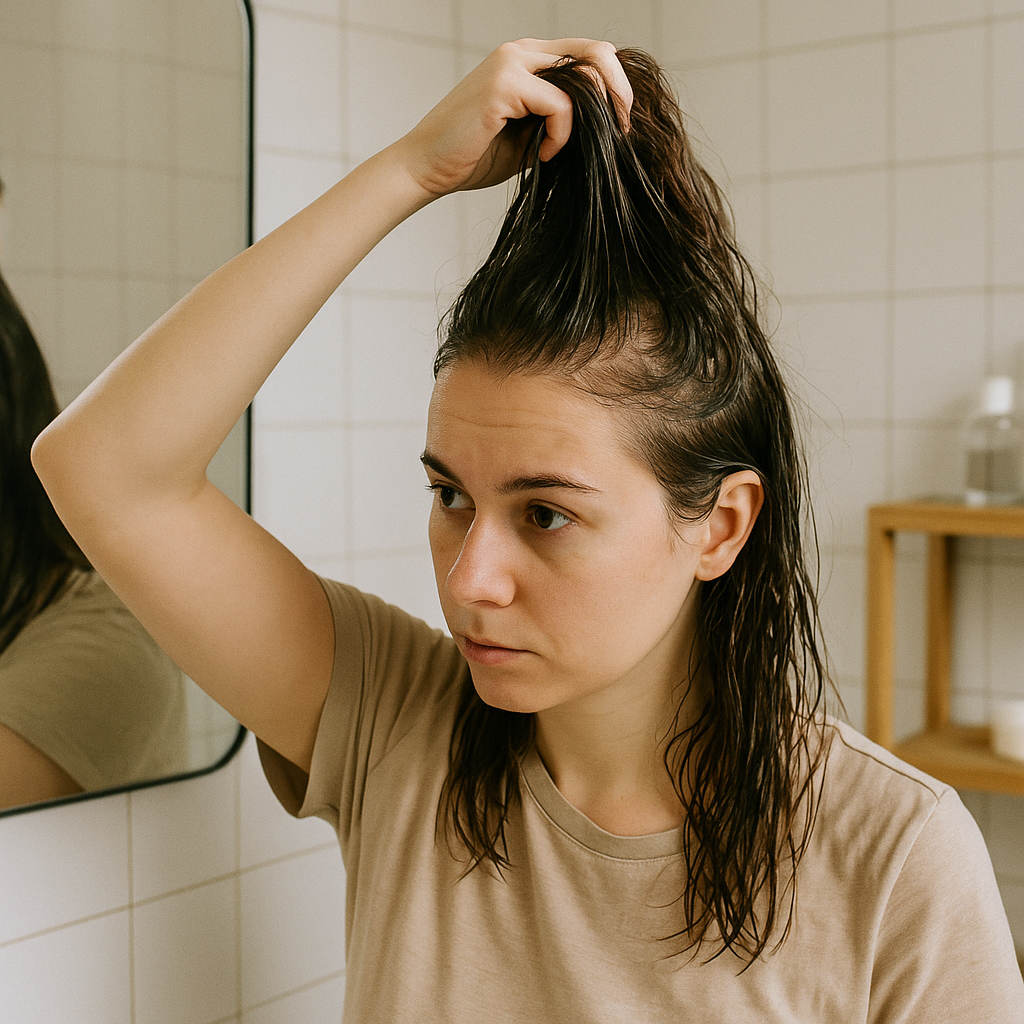
How to Remove Oil from Hair Without Shampoo
Sometimes, you just don’t wanna use shampoo. Maybe you’re trying the no-poo method, or maybe you ran out and can't be bothered. Either way, knowing how to remove oil from hair without shampoo can be a game changer — especially if you're trying to live a more low-tox lifestyle.
Natural Powders and Homemade Rinses
Dry shampoo might come to mind first, but let’s go deeper than store-bought sprays. Natural powders like multani mitti (Fuller's Earth), rice flour, or even cornstarch can absorb oil from the scalp and roots like magic. Sprinkle it lightly on your scalp, massage it in, and brush out thoroughly. It won’t remove all the oil, but it gets rid of the greasy look.
You can also try a rinse made with diluted apple cider vinegar (ACV). ACV balances the scalp’s pH and cuts through oil without making your hair feel like straw. Mix one part ACV with two parts water, pour it over your hair post-wash (or in place of shampoo), and rinse with cool water.
Clay, Lemon, and Herbal Alternatives
Bentonite or kaolin clay masks are another great way to remove oil from hair naturally. These clays draw out impurities and excess oil from the scalp while adding some volume and texture back into limp locks. Mix the clay with water or aloe vera gel and apply it directly to the scalp. Leave it on for 15–20 mins, then rinse thoroughly.
If you're dealing with persistent oily hair, squeezing half a lemon into warm water and using it as a scalp rinse can help too. The acidity of lemon breaks down excess sebum, and its antimicrobial properties help keep dandruff at bay (which often goes hand-in-hand with greasy scalps).
Herbal rinses using neem, rosemary, or mint are another underrated gem. They work well for balancing oil without irritating sensitive skin.
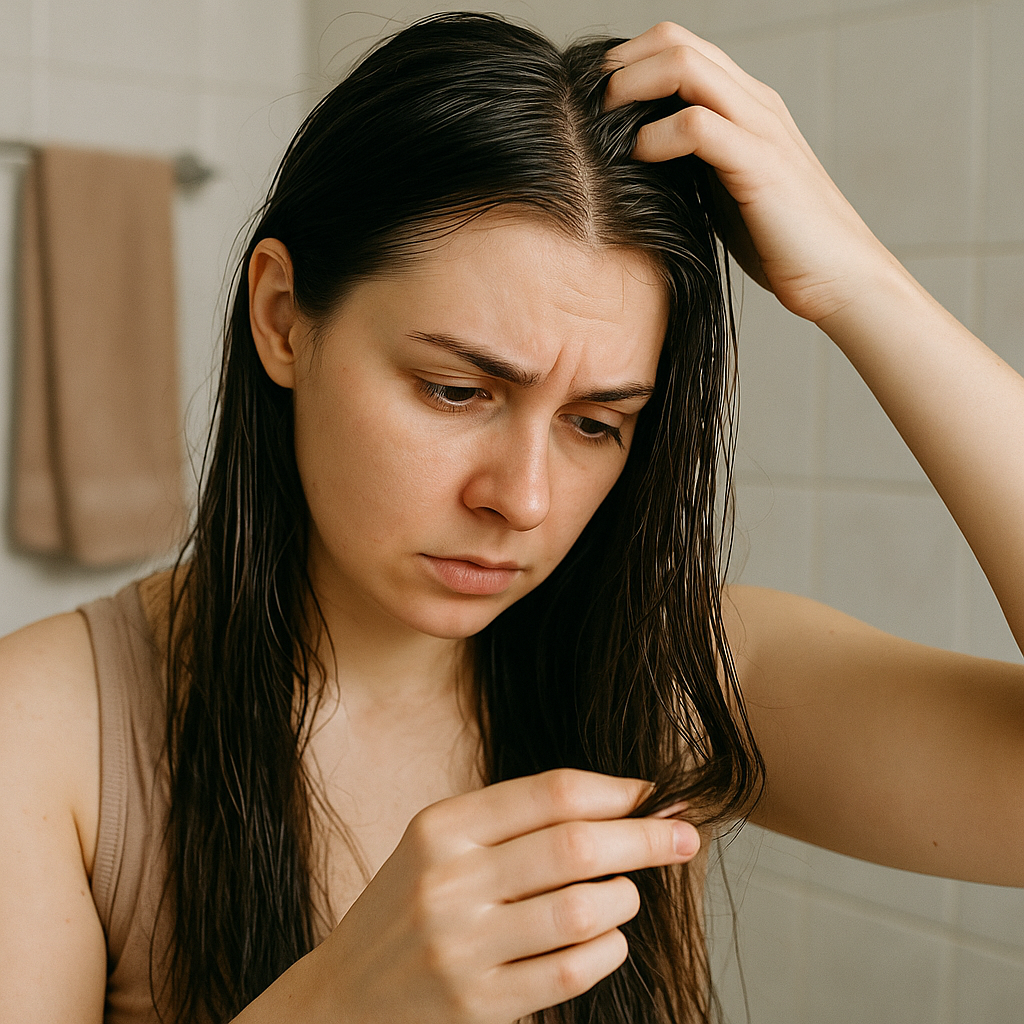
How to Get Oil Out of Your Hair Effectively
Alright, so maybe your scalp is a literal oil slick right now and dry shampoo just won’t cut it. Maybe you put too much oil in your hair the night before thinking you were doing some spa-worthy treatment — only to wake up looking like you dipped your head in a deep fryer. Happens more often than we admit.
Here’s how to get oil out of your hair effectively — and still keep your strands happy and hydrated.
Step-by-Step Routines for Removing Excess Oil
-
Start with Dry Hands and Hair
Before jumping straight under the shower, apply a small amount of conditioner or aloe vera gel to your dry, oily hair. Weird tip? Maybe. But conditioner is emulsifying — it binds with oil. Massage it through thoroughly, especially at the roots. -
Rinse with Warm Water First
Use warm (not hot!) water to rinse your hair. This helps loosen up the oil without scorching your scalp. A good 2–3 minute rinse helps a lot. -
Use a Clarifying or Sulfate-Free Shampoo
If you’re okay using shampoo, go for a clarifying one once a week — just not too often, as it can strip your natural oils entirely. For regular use, a mild sulfate-free shampoo will clean well without drying out your scalp. Double shampooing is totally fine here. In fact, it's usually needed. -
Final ACV Rinse (Optional but Awesome)
Apple cider vinegar again! Rinse with it after shampooing to balance things out. It leaves hair shinier and helps close the cuticle so it doesn't look dull from overwashing. -
Dry Gently, No Rubbing
Pat-dry your hair with a soft T-shirt or microfiber towel. Rubbing causes frizz and breakage, which makes oily hair look even worse the next day. Yep, greasy and poofy? Not the vibe.
What to Do If You Put Too Much Oil in Hair
First, don’t panic — it’s fixable. If you're here because you poured half a bottle of oil thinking “more is better,” just know we've all been there.
-
Don’t apply water right away. Water repels oil, so jumping in the shower without breaking it down first won’t help.
-
Use a dry absorbent first. Like we said earlier, try cornstarch or arrowroot powder. It might look ridiculous, but it works.
-
Massage in shampoo before adding water. This is a pro tip. Rub the shampoo into your scalp dry — then slowly add water to lather and rinse. That helps cut through the oil faster.
If you're oiling your hair regularly for growth or repair, make sure to schedule oiling at least a day before wash day and use lighter oils like argan or grapeseed if your scalp gets oily quickly. Coconut oil is amazing, but honestly, it’s heavy and can be a pain to remove — especially if you overdo it.
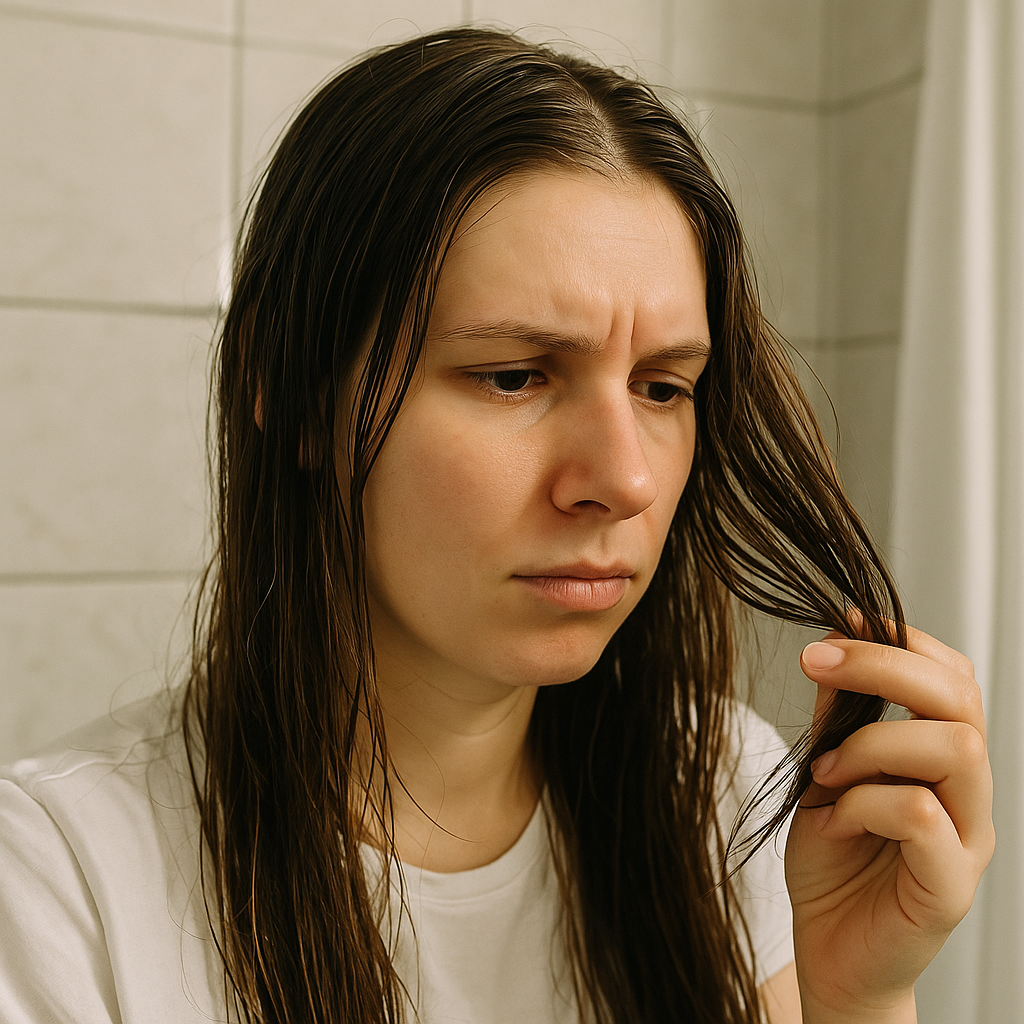
Oily Hair Treatment and Scalp Rebalancing Tips
Treating oily hair goes beyond just knowing how to remove excess oil from hair. It’s about breaking bad habits and helping your scalp rebalance itself naturally. A greasy scalp is usually crying out for a little harmony — not more scrubbing.
Here are some practical oily hair treatment tips:
-
Avoid overwashing. Yes, it feels like the logical thing to do, but washing too often strips your scalp, which then compensates by... producing more oil. Once or twice a week is plenty for most folks.
-
Use lukewarm to cool water. Hot water stimulates oil glands, especially when used too often. Keep it chill.
-
Choose your oil wisely. Lighter oils like jojoba or tea tree (diluted!) can actually help fix oily hair by mimicking sebum and tricking the scalp into producing less.
-
Massage, don’t scratch. Gentle scalp massage improves circulation and helps oil distribute more evenly, reducing buildup at the roots.
-
Eat clean. Sugary, greasy diets can show up on your scalp. A diet with lots of leafy greens, water, and omega-3s can support healthier oil production.
Best Products and Ingredients for Oily Hair
Let’s be real — sometimes you need a little help from the shelf. Here’s what to look for if you want the best products for oily hair:
-
Shampoos with tea tree, peppermint, or salicylic acid. These ingredients gently cleanse the scalp and help manage sebum levels.
-
Dry shampoos with rice starch or kaolin clay. Not just for lazy days — they’re great for absorbing midweek grease.
-
Scalp exfoliators. Think of these like a scrub for your head. Use them weekly to prevent buildup and flakiness that mimics dandruff.
-
Aloe vera gel. Lightweight, calming, and great for post-wash hydration without heaviness.
Avoid heavy silicones and buttery masks that cling to the scalp — they're great for dry ends, but a nightmare for oily roots.
Oily Hair Care Routine: What to Follow and Avoid
Want a solid oily hair care routine? Here's a no-fuss breakdown:
-
Morning: Use a scalp toner or aloe-based mist if needed. Tie hair loosely if going out — tight styles can stimulate oil glands.
-
Evening: If hair feels greasy, try a quick cornstarch touch-up or braid it loosely to avoid scalp tension.
-
Weekly: Exfoliate your scalp, oil it lightly (if needed), and use a clay mask or herbal rinse.
Avoid:
-
Constant brushing (stimulates scalp)
-
Touching your hair all day
-
Using thick conditioners on your roots
Conclusion
Knowing how to get oil out of your hair — and keep it gone — is a game-changer. Whether you're ditching shampoo or looking for the best products for oily hair, balance is everything. Your scalp isn’t the enemy; it’s just a little out of whack.
Take the time to understand what your hair needs and tweak your routine gently. Sometimes, less is more. And honestly? We’ve all had a too-greasy hair day or three — you’re not alone.
FAQs
What is the fastest way to remove oil from hair?
Use a dry shampoo or cornstarch to soak up the oil instantly, then brush through. For thorough cleaning, dry-apply shampoo before water.
How to remove oil from hair after oiling naturally?
Try massaging in conditioner before rinsing. Follow with a clay or apple cider vinegar rinse to lift remaining residue.
Does wetting hair remove oil?
Not really — water alone doesn’t mix with oil. You need a surfactant (like shampoo or conditioner) to break it down first.
Ask Ayurvedic doctor a question and get a consultation online on the problem of your concern in a free or paid mode.
More than 2,000 experienced doctors work and wait for your questions on our site and help users to solve their health problems every day.
Related articles