Ask Ayurvedic doctor a question and get a consultation online on the problem of your concern in a free or paid mode. More than 2,000 experienced doctors work and wait for your questions on our site and help users to solve their health problems every day.
FREE! Ask Ayurvedic Doctors 24/7

 Fast responses
 1000+ verified doctors
Body DetoxEar, Nose, and Throat DisordersGeriatrics & RejuvenationImmunodeficiencyInfertility TreatmentNutritionOrthopedic DisordersPediatricsRespiratory DisordersSexually Transmitted Diseases (STDs)Surgery RecoveryUrological DisordersVascular DisordersDental DisordersEndocrinological DisordersGastrointestinal DisordersYoga TherapyGeneral MedicineAllergic DisordersCardio DisordersGynecology and ObstetricsCosmetologySkin and Hair DisordersEye DisordersInfectious DiseasesMental DisordersNeurological DisordersOncologyPanchakarmaSexual Health & DisordersSports Medicine
Published on 07/01/25
(Updated on 06/18/26)
star_border 4.67
16,863
Which Oils Reduce Body Heat? Best Ayurvedic Oils and How to Use Them

Ever felt like your body was on fire from the inside? Not literally, of course, but that flushed, overheated feeling that makes you restless, sweaty, and just... off. This condition—commonly known as excess body heat—is something many people deal with, especially in hot climates, during stressful periods, or due to diet and lifestyle choices.
But here's the good news: Ayurveda, the ancient Indian system of natural healing, has long recognized this issue and offers soothing, natural remedies. One of the most effective? Oils. More specifically, oil to reduce body heat and bring balance back to your system. But which oil reduce body heat best? And which oil is best to reduce body heat for your unique constitution? We’ll dive deep into the world of Ayurvedic oils, including favorites like castor, sesame (or gingelly), coconut, and even badam oil. You'll also learn exactly where to apply castor oil for body heat, and how to use these oils safely for best results.
Let’s get into it.
What Is Body Heat and How Ayurveda Explains It
In Ayurvedic terms, body heat is often linked to an excess of Pitta dosha—the energy that governs heat, digestion, and metabolism. When Pitta is out of balance, it can lead to symptoms like inflammation, skin rashes, irritability, and—you guessed it—excess heat in the body. You might feel hotter than others in the same room, experience night sweats, or even have frequent mouth ulcers or heartburn.
Modern lifestyle choices like eating spicy foods, sitting for hours without movement, or even binge-scrolling late at night (yep, that’s a thing too!) can aggravate Pitta and increase internal heat. This is where body heat reduce oil comes in as a gentle but powerful tool to bring things back into balance.
Which Oil Is Best to Reduce Body Heat
Not all oils are created equal—especially when it comes to their heating or cooling properties. Some oils generate warmth and are better suited for cold weather, while others naturally cool the body and soothe inflammation.
Let’s explore them one by one.
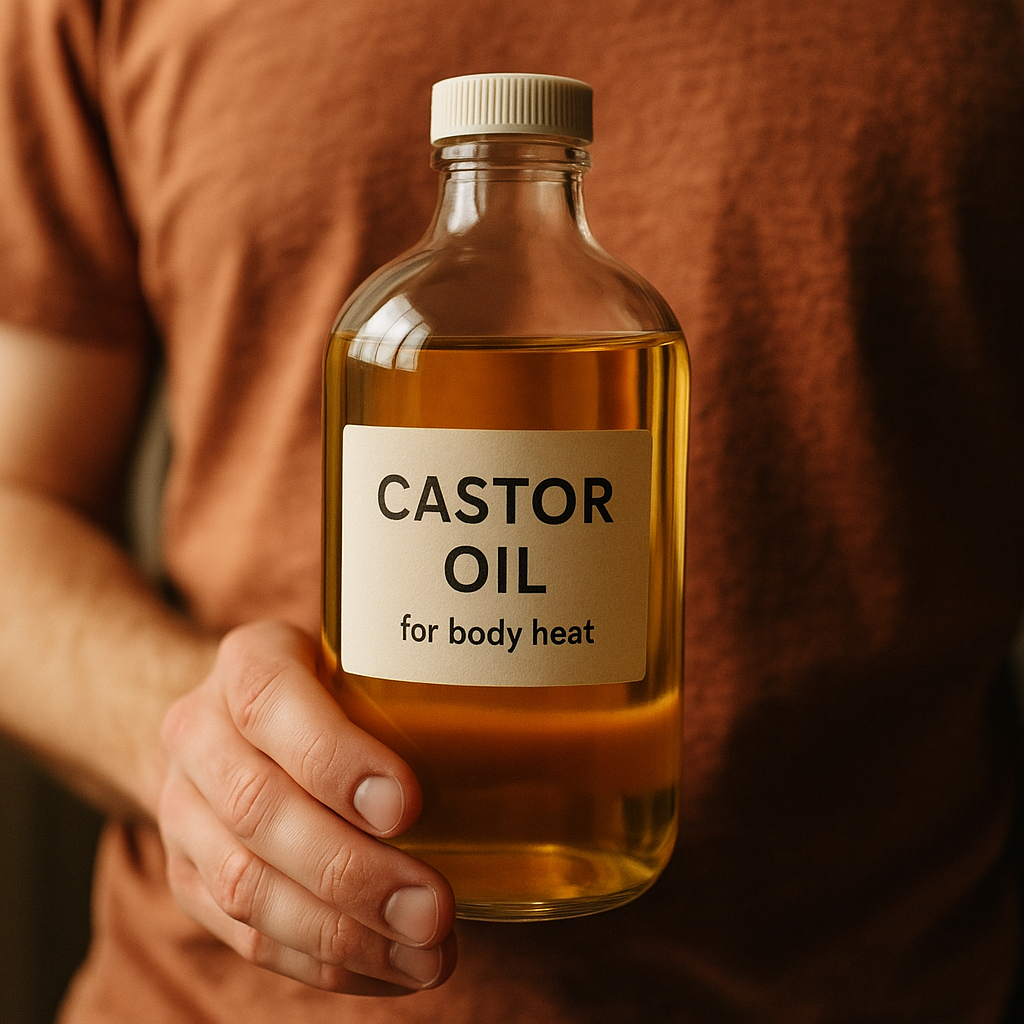
Does Castor Oil Reduce Body Heat?
Castor oil for body heat has been a go-to remedy in Ayurvedic and folk medicine for centuries. It has a dense, thick texture and a strong cooling action on the body. So yes, does castor oil reduce body heat? Absolutely. It works by penetrating deep into tissues and drawing out excess heat and toxins.
But here's something most people don't know: where to apply castor oil for body heat makes a big difference. We'll dive into that in just a bit.
How Sesame Oil and Gingelly Oil Affect Body Temperature
Now, this can be a bit confusing. Sesame oil—also called gingelly oil—has warming properties. So if you’re wondering does sesame oil reduce body heat, the answer is no, not really. In fact, it may even increase body heat if overused, especially in people with dominant Pitta dosha.
That said, in small quantities or mixed with cooling herbs, gingelly oil can be made more balanced. Still, not the first choice if you're already feeling overheated.
Coconut Oil: Cooling or Heating for the Body?
Ah, the classic question—coconut oil heat or cold for body? Or coconut oil is heat or cold for body? Coconut oil is definitely cooling. It’s widely used in South India, especially in summer, to calm heat rashes, reduce body temperature, and promote a feeling of lightness. If you're looking for an easy, accessible oil to reduce body heat, coconut oil is your buddy. Just don’t slather too much if you’re prone to cold or live in a chilly climate.
Is Badam (Almond) Oil Cooling or Heating?
Is badam oil heat or cold for body? This one’s a bit tricky. Almond (badam) oil is considered nourishing and slightly warming in Ayurveda. It's great for Vata types or during winter, but if your body’s already running hot, it might not be the best choice. You could blend it with a cooling oil like coconut to offset the heat a bit. Just a little pro tip there.
Where to Apply Castor Oil for Body Heat Relief
So, we’ve answered the big one: does castor oil reduce body heat? Yes, it does. But where and how you apply it? That’s just as important.
Traditionally, castor oil is applied to the navel area, also known as the nabhi in Ayurveda. This spot is considered an energy center and applying oil here can help cool the digestive fire that often contributes to overheating. Another key spot is the soles of the feet. Weird? Maybe. Effective? Definitely. The feet have major nerve endings that connect to various organs—massaging castor oil here can have a calming, cooling effect throughout your whole system.
Some also apply castor oil along the spine or lower back, especially when feeling stressed, inflamed, or just “hot-headed.” Just make sure you're using cold-pressed, pure castor oil—not the thick, sticky drugstore version that smells like motor oil (unless you're into that... which, okay?).
Before bed is the best time to do this, as your body gets a chance to rest and absorb all the cooling benefits while you sleep.
How to Use Cooling Oils Safely and Effectively
Now, even the best oil to reduce body heat needs to be used with a bit of care. These natural oils are powerful, and misusing them (or mixing them up) can lead to more problems than solutions.
Here’s what you should do:
-
Warm the oil gently before applying—unless it’s already warm where you live. Cold oil can shock the system, while slightly warmed oil absorbs better.
-
Test a patch of skin first if you’re trying a new oil, especially castor oil, since it can be quite potent and thick.
-
Don’t overdo it. More oil doesn't always mean more benefit. A thin layer is often enough.
-
Stay consistent. Applying oil once a month won’t cut it. Try to do it 2–3 times per week, especially during hot seasons or after a day in the sun.
-
Add calming rituals. A few deep breaths, relaxing music, or even light stretching before or after oil application can amplify its effects. Sounds woo-woo, but it works.
Oh and pro-tip? Keep a towel just for oiling. These oils stain—like, bad. Learned that the hard way :/
Body Heat Reduce Oil: Top Ayurvedic Recommendations
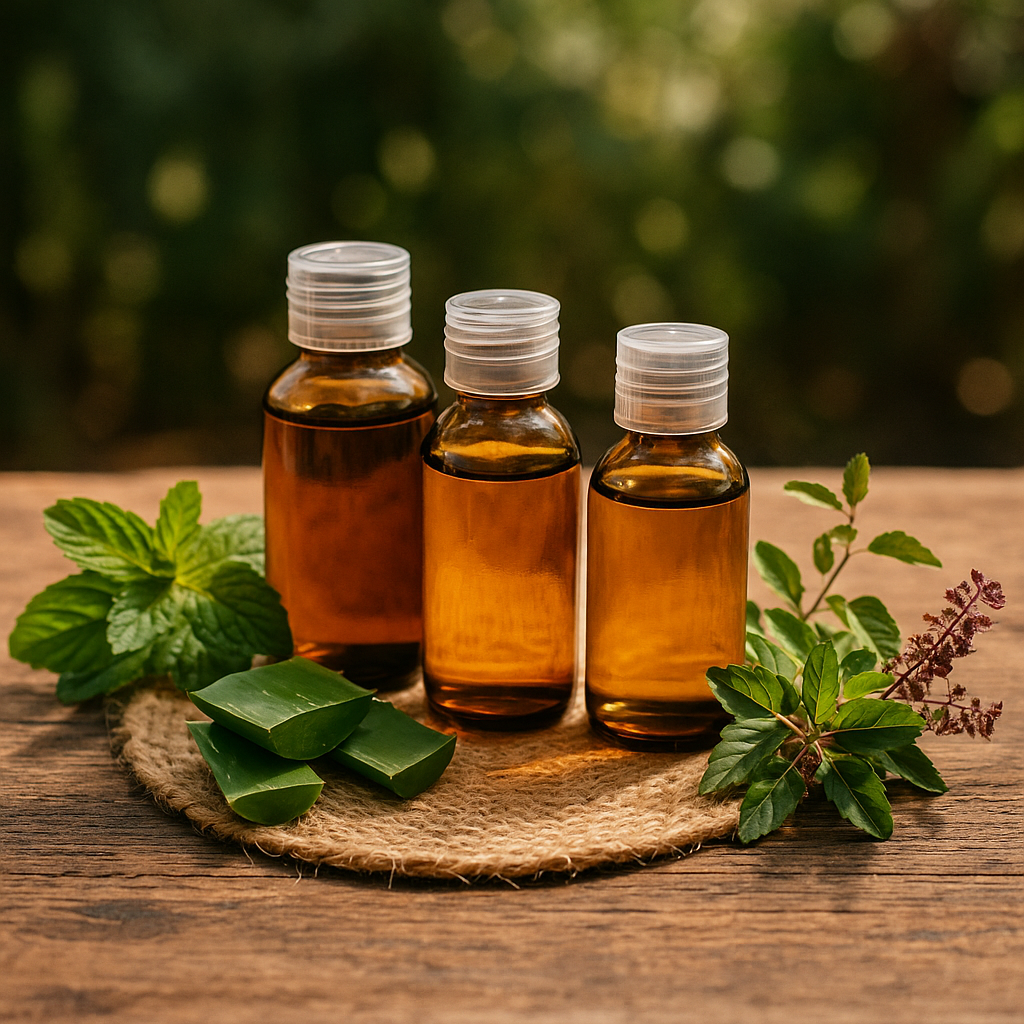
If you’re wondering which oils to try first, here’s a quick guide:
-
Castor Oil – Deeply cooling, best applied on the navel, feet, and lower back.
-
Coconut Oil – Mildly cooling, good for full-body use, especially scalp and skin.
-
Brahmi Oil – An herbal oil made from Brahmi leaves. Calms the mind and cools the system. Great for head massages.
-
Sandalwood Oil – Rare and pricey, but extremely effective at cooling and soothing inflammation.
-
Aloe Vera-infused Oils – While not always traditional, some Ayurvedic brands offer aloe-based oils that are amazing for heat relief.
-
Kumari Tailam – A lesser-known Ayurvedic blend that uses aloe (kumari) as a base. Excellent for women dealing with hormonal heat.
Each body is unique, so try one at a time and see how you respond. What works for your friend may not work for you—and that’s totally okay. This isn’t one-size-fits-all wellness. Ayurveda is about tuning in, not zoning out.
Don't wait or self medicate. Start chat with Doctor NOW
Precautions and When to Avoid Certain Oils
So now you're probably ready to run out and stock up on every body heat reduce oil in sight. But hold up. Just because something is natural doesn’t mean it’s right for everyone. Oils have different effects based on your body type (dosha), current health status, and even the weather outside.
Here’s what to watch for:
-
Avoid castor oil if you're pregnant, have diarrhea, or suffer from certain skin conditions. It’s detoxifying and can be a bit too strong for some folks.
-
Skip sesame (gingelly) oil during hot summer months if you already run warm. Remember: gingelly oil heat or cold for body? It’s warming, so not ideal when your internal thermostat's already cranked up.
-
Don’t apply oil over open wounds, infections, or inflamed acne unless guided by a practitioner. Seems obvious, but hey—it happens.
-
Coconut oil is cooling, yes, but avoid using too much if you're naturally prone to cold feet (literally) or sluggish digestion. Coconut oil is heat or cold for body? Cold. Too much of it can tip you into imbalance the other way.
-
Badam oil, as we covered, is warming. So if you’re using it, do it in moderation—maybe just on the scalp or mixed with a cooler oil.
Always listen to your body. If you start feeling worse instead of better, stop and reassess. Ayurveda's golden rule: If it doesn’t feel right, it probably isn’t.
Conclusion
There’s no one magic potion for everyone. But if you’ve been wondering which oil reduce body heat, the Ayurvedic world has some amazing answers—natural, time-tested, and deeply soothing.
To recap:
-
Castor oil is a strong, effective option—especially when used on the navel and feet.
-
Coconut oil is your everyday go-to for gentle cooling.
-
Sesame (gingelly) oil warms the body—use it wisely.
-
Badam (almond) oil is warming and best suited for cooler seasons.
-
And where to apply castor oil for body heat? Think navel, feet, and lower spine.
Whether you're struggling with body heat from stress, spicy food binges (been there...), or summer’s scorching wrath, the right oil to reduce body heat can be a game-changer.
Give it a try. Your body will thank you.
FAQs
Q: How can I reduce my body heat fast?
A: Start with a cold-pressed coconut oil massage, hydrate with water or buttermilk, avoid spicy or fried food, and rest in a cool, shaded place. A quick castor oil application on the soles of your feet or navel can help too.
Q: Why is my body always hot?
A: It could be due to high Pitta dosha, hormonal imbalance, stress, poor digestion, or even your natural constitution. Check your diet—too much coffee, spicy food, or alcohol? Also consider your sleep and stress levels.
Q: Where should I apply castor oil for maximum cooling?
A: Apply it to the navel, soles of the feet, and lower back. These areas are highly responsive and help draw excess heat out from deep within the system.
Final Thought
If you’ve made it this far—first, thank you (seriously). Second, why not give one of these oils a try tonight? Just 10 minutes of self-care with the right oil to reduce body heat might surprise you.
And hey, if this article helped, share it. Someone in your circle is probably sweating through life, and they don't even know castor oil could be the answer.
Stay cool. Literally. 😅
Questions from users
What is the best way to combine oils for maximum cooling effect in hot weather?
Millie
3 days ago
Combining coconut oil and sandalwood oil might work wonders for cooling! Coconut oil is naturally cooling and soothing. Sandalwood, has a cooling effect on the skin too. Mix them together for great relief. Start with smthg like 90% coconut oil and 10% sandalwood oil, but feel free to adjust as you see fit.
Is it safe to use coconut oil if I have a sensitive skin type?
Matthew
12 days ago
Using coconut oil on sensitive skin can be a bit of a hit or miss. It's hydrating and calming due to its cooling properties, but it might clog pores for some. If you try it, patch-test first on a small area. If you're still unsure, consider lighter oils like sunflower or jojoba, which are usually gentler on sensitive skin.
Is it safe to apply coconut oil directly on the skin for heat relief?
Jack
21 days ago
Definitely, coconut oil can be super soothing for heat relief and is generally safe to apply directly on skin. It's cooling and nourishing. Just test it on a small patch of skin first if you haven’t used it before to avoid any surprise reactions, especially if you have sensitive skin, you know 🙂
Can I use castor oil on my feet to help reduce overall body heat?
Sebastian
31 days ago
Yes, you can use castor oil on your feet to help with body heat. It helps reduce Pitta dosha, cooling down the body by drawing out excess heat. Just a quick application might do the trick, maybe even on the navel. Everyone's different though, so see how it feels for you!
What is the best way to hydrate my body to reduce heat during hot weather?
Leo
40 days ago
Try sipping on cool coconut water or consuming cucumber-infused water, they both super hydrating and cooling. You can also go for buttermilk, it's great for reducing heat too. Avoid really spicy stuff, and yeah, stay chilled out in a shaded spot. Remember, each body so unique, so see what clicks!
Is sandalwood oil effective for soothing sunburn or skin irritation?
Ellie
50 days ago
Yes, sandalwood oil can be effective for soothing sunburn or skin irritation! It's known for its cooling and anti-inflammatory properties. It's like a natural balm for the skin, but be sure to dilute it with a carrier oil before applying to avoid irritation. Everyone's skin is different tho, so do a patch test first if you can!
Can I use almond oil for treating heat rashes during the summer?
Walker
60 days ago
Almond oil is slightly warming, so it might not be ideal for heat rashes during summer. You might wanna try coconut oil instead, it's naturally cooling and can help soothe heat rashes. If you're still keen on using almond oil, consider balancing it with cooling practices or ingredients. Stay comfy!
What is the best way to use sesame oil for calming heat-related skin issues?
Anthony
69 days ago
For calming heat-related skin issues with sesame oil, try applying it gently to the skin before taking a warm shower. It has cooling properties and can soothe the skin, but avoid if your skin feels too oily or blocked. A patch test may be wise. Everyone's skin reacts differently, so if it feels uncomfortable, maybe coconut oil is wort a try instead.
Is it safe to use sesame oil for cooking if I have a dominant Pitta dosha?
Tristan
79 days ago
Sesame oil can increase body heat, which might aggravate Pitta dosha if used in large amounts. But don't worry, you can still use it safely in small quantities, maybe mixed with cooling herbs or foods. Tuning into what feels right for your body is key. If you ever notice any discomfort, you could try coconut oil instead, which is cooling!
How do the cooling properties of different oils affect sensitive skin types?
Joseph
156 days ago
The cooling properties of oils like sandalwood and aloe vera can be really great for sensitive skin. They help calm inflammation and heat sensitivity. However, it's important to pay attention to how your skin reacts, because everyone’s skin is different. Start slow and see how it feels before covering large areas. If something feels off, it's okay to stop and rethink your approach.
Related articles

Body Detox
Trivrit Lehyam – Benefits, Dose, Side Effects, How to Use and Ingredients
Exploration of Trivrit Lehyam – Benefits, Dose, Side Effects, How to Use and Ingredients
2,537

Body Detox
How to Make Ginger Tea to Get Periods Immediately and Regulate Your Cycle
Learn how to make ginger tea to get periods immediately. Discover its benefits for irregular cycles, the best time to drink, and precautions during menstruation
22,269

Body Detox
Sookshma Triphala: A Potent Ayurvedic Blend for Holistic Wellness
Sookshma Triphala is a versatile and potent Ayurvedic remedy that supports holistic health. Its ability to detoxify, rejuvenate, and balance bodily functions makes it a valuable addition to your wellness routine.
2,510

Body Detox
Manjishtadi Thailam Benefits, How To Use, Ingredients, Side Effects
Exploration of Manjishtadi Thailam Benefits, How To Use, Ingredients, Side Effects
1,653

Body Detox
Pichu in Ayurveda: A Deceptively Simple Yet Deeply Healing Therapy You’ve Probably Overlooked
Let’s be honest — if you’re not deeply into Ayurveda, “Pichu” probably sounds like a mispronounced cartoon character. But here’s the thing: Pichu is one of the most deeply relaxing, restorative, and deceptively simple Ayurvedic therapies you can experienc
2,761

Body Detox
How to Clean Gut Naturally: Ayurvedic Methods, At-Home Cleansing, and Herbal Tips
How to clean gut naturally? Discover Ayurvedic gut and colon cleansing methods, natural recipes, and how to clean your stomach at home safely
11,556

Body Detox
Raj Pravartini Vati Uses – Natural Ayurvedic Formulation for Holistic Health
Discover the benefits and uses of Raj Pravartini Vati, a traditional Ayurvedic herbal formulation renowned for detoxification, dosha balancing, and supporting overall vitality.
3,287

Body Detox
Swarjika Kshara – Traditional Ayurvedic Alkaline Formulation & Uses
Explore Swarjika Kshara, a traditional Ayurvedic alkaline preparation, its therapeutic benefits, preparation methods, and applications in holistic healing.
4,223

Body Detox
Liv 52 Drops
Exploration of Liv 52 Drops
4,580

Body Detox
Kuberaksh Vati: Benefits, Dosage & Science-Backed Insights
Explore the benefits, proper dosage, uses, and scientific research behind Kuberaksh Vati, a potent Ayurvedic formulation for liver health and detoxification.
2,606
Related questions on the topic
Legal
Additional Documents
© 2024 Ask Ayurveda. All rights reserved.