Ask Ayurvedic doctor a question and get a consultation online on the problem of your concern in a free or paid mode. More than 2,000 experienced doctors work and wait for your questions on our site and help users to solve their health problems every day.
FREE! Ask Ayurvedic Doctors 24/7

 Fast responses
 1000+ verified doctors
Body DetoxEar, Nose, and Throat DisordersGeriatrics & RejuvenationImmunodeficiencyInfertility TreatmentNutritionOrthopedic DisordersPediatricsRespiratory DisordersSexually Transmitted Diseases (STDs)Surgery RecoveryUrological DisordersVascular DisordersDental DisordersEndocrinological DisordersGastrointestinal DisordersYoga TherapyGeneral MedicineAllergic DisordersCardio DisordersGynecology and ObstetricsCosmetologySkin and Hair DisordersEye DisordersInfectious DiseasesMental DisordersNeurological DisordersOncologyPanchakarmaSexual Health & DisordersSports Medicine
Published on 06/24/25
(Updated on 06/20/26)
6,305
What Is Dinacharya in Ayurveda: Meaning, Routine, and Benefits

Ever felt like you're out of sync with your body and the world around you? Like no matter how much coffee you gulp or how early you hit the bed, something still feels... off? That’s where Dinacharya steps in — a time-tested Ayurvedic concept that brings rhythm and harmony back to your life. So, what is dinacharya exactly? How can it transform your daily routine? And why has this ancient wisdom stood strong for thousands of years?
In this guide, we’ll walk through the core of dinacharya in Ayurveda — what it means, how it works, and how you can actually implement it without turning your life upside down. Whether you're a wellness newbie or a seasoned yogi, this article will break it all down in a way that's both accessible and genuinely helpful. And yeah, we’ll sprinkle in a little imperfection here and there — just like life itself.
Let’s get into it.
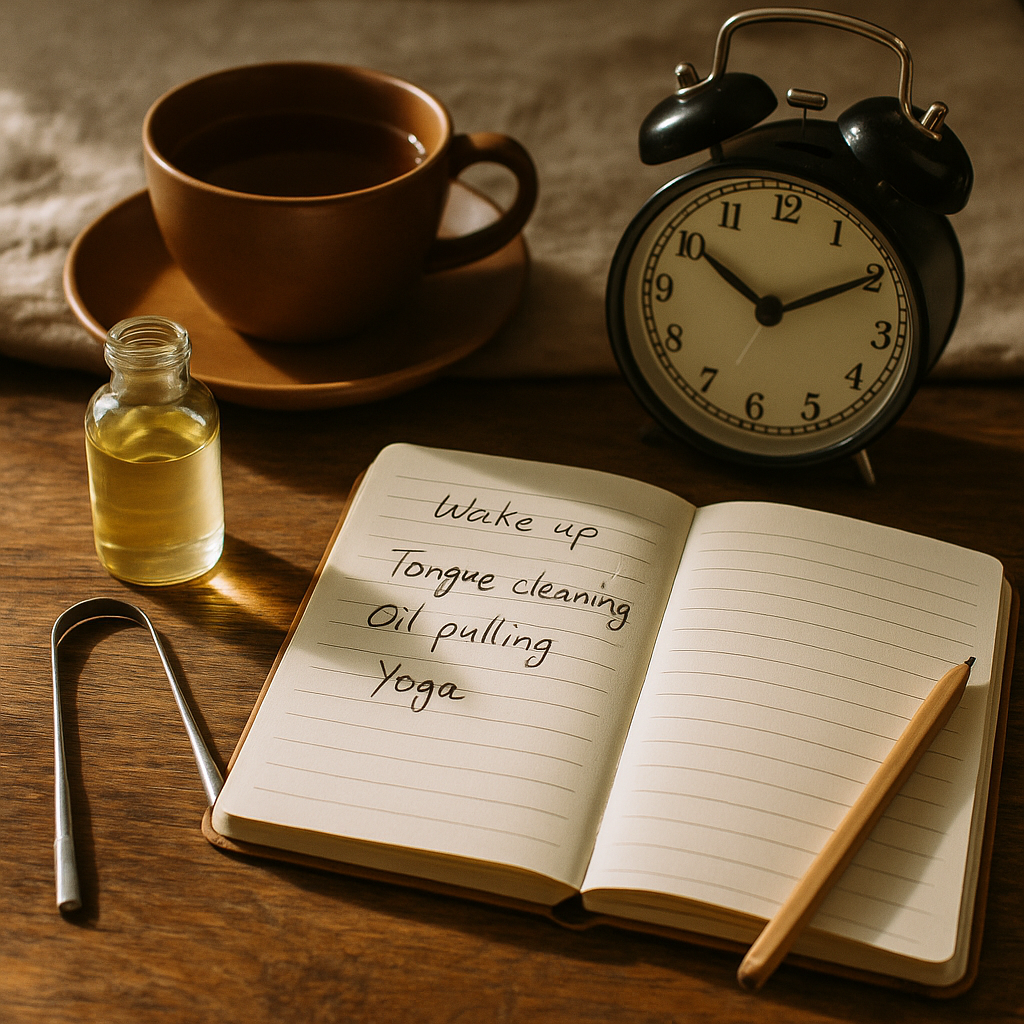
Dinacharya Meaning: What It Really Is
“Dinacharya” is a Sanskrit term — ‘Dina’ means day, and ‘Charya’ means routine or regimen. So, put together, dinacharya meaning is simply “daily routine.” But don’t let that simplicity fool you. In the context of Ayurveda, it’s much more than a checklist of to-dos. It’s a lifestyle blueprint that aligns your habits with nature’s cycles — syncing you up with the rising sun, the changing seasons, and even your body's internal clocks.
So, when people ask, "What is dinacharya?" — it’s not just about waking up early or brushing your teeth (though that's part of it). It's about moving through your day in a way that nurtures your mind, body, and soul.
Vedic Dinacharya vs. Modern Routine
Let’s be honest — most of us wake up to phone screens, chug a cup of caffeine, and crash onto the couch after a long day of emails and errands. Compare that with Vedic dinacharya, which starts with rising before sunrise, cleansing rituals, mindful eating, and tuning in with your dosha.
Ayurveda dinacharya follows a rhythm: wake up at Brahma Muhurta (about 90 minutes before sunrise), engage in self-care, eat when digestion is strongest (usually midday), and wind down as the sun sets. No Netflix till midnight. No random snacking.
Sure, it sounds old-school. But that’s kind of the point. Ancient wisdom often has a way of fixing modern problems.
Purpose of Dinacharya in Ayurveda
Dinacharya in Ayurveda isn't just about feeling better — it's about being better. It lays the foundation for a balanced life by aligning you with nature’s laws. Ayurveda believes that imbalance is the root of all disease, and dincharya is the daily practice that helps prevent that imbalance from even starting.
By repeating the same positive actions at the same time every day, the body begins to trust the rhythm. Your digestion improves, your mind calms down, sleep gets deeper. It’s a domino effect of healing, beginning with something as simple as... brushing your tongue? Yep. Seriously.
The goal is to live proactively — not reactively. And Ayurvedic dinacharya gives you the tools to do just that.
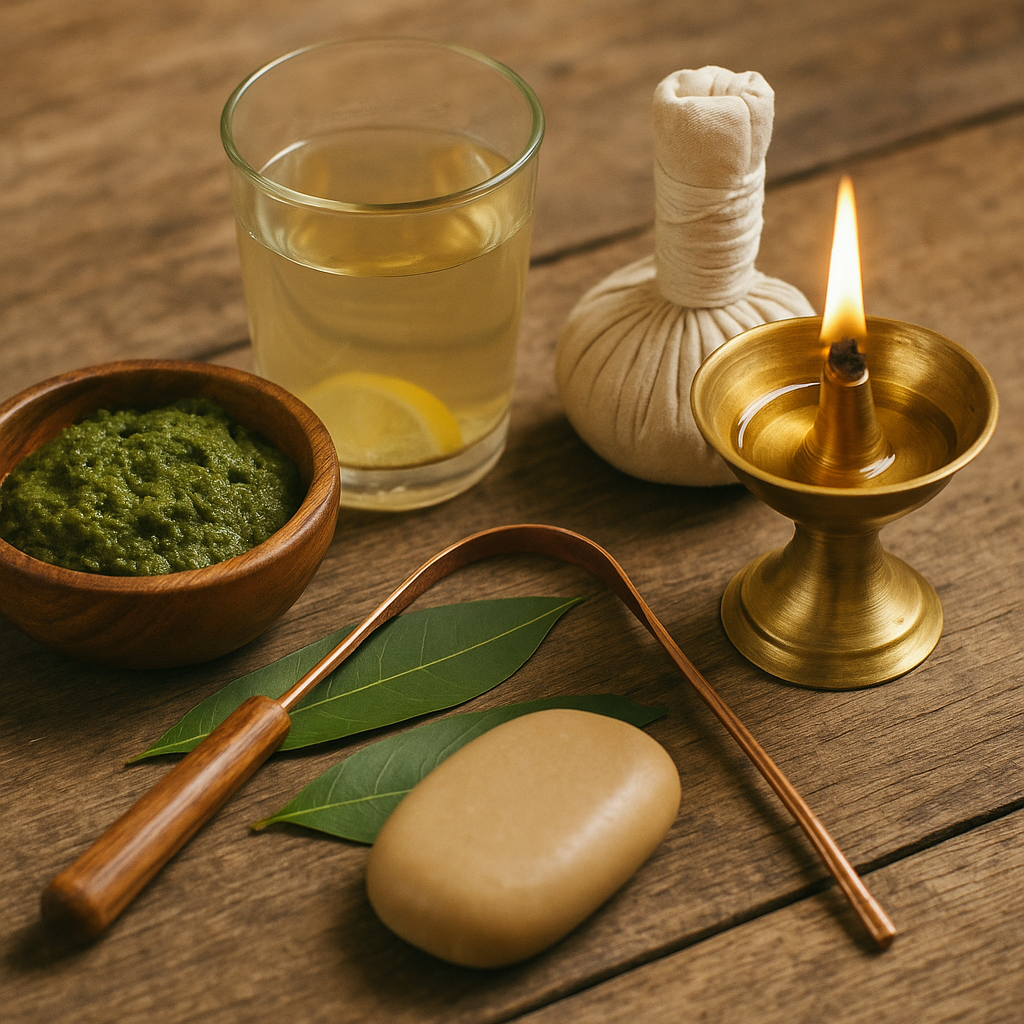
Full Ayurvedic Dinacharya Routine Explained
Morning Practices (Wake-Up to Breakfast)
The early bird really does get the worm here. In vedic dincharya, morning rituals are sacred. Here’s a breakdown of a typical Ayurvedic morning:
-
Wake up before sunrise (around 4:30–6 a.m.) — Called Brahma Muhurta. It’s the most peaceful time of day.
-
Elimination — This includes going to the toilet, obviously, but also clearing the mind.
-
Oral hygiene — Tongue scraping, oil pulling (swishing sesame or coconut oil), and brushing teeth.
-
Abhyanga (oil massage) — Warm oil massage to stimulate lymph flow and nourish skin.
-
Bathing — Refreshes the senses and cleanses the energy.
-
Yoga and meditation — Stretch the body, calm the mind.
-
Light breakfast — Ideally warm, simple, and easy to digest. Think spiced oatmeal or warm fruit stews, depending on your dosha.
That’s a lot, right? But remember: even just doing 2–3 of these regularly can make a huge difference.
Midday and Evening Practices
As the sun rises to its peak, your body’s energy — and digestive fire (Agni) — peaks too. That’s why lunch is the main meal in ayurvedic dinacharya. It’s not just a cultural thing; it’s backed by how our bodies function naturally.
-
Midday (10 a.m. to 2 p.m.)
-
Main meal of the day — This is when your Agni is strongest. Eat warm, freshly prepared food that matches your dosha.
-
Avoid cold or raw foods, especially if you have weak digestion (looking at you, vata types).
-
No multitasking while eating. Sit down. No scrolling.
-
Light movement after meals — Think short walks, not gym workouts.
-
-
Evening (6 p.m. to 10 p.m.)
-
Light dinner — Should be eaten at least 2–3 hours before bed. Soups, stews, or khichdi work wonders here.
-
Wind-down rituals — Disconnect from devices, do light stretching, read, journal.
-
Go to bed by 10 p.m. — This one’s hard, we know. But your body repairs best between 10 p.m. and 2 a.m.
-
So yeah, no midnight pizza binges or email marathons. Dinacharya in Ayurveda is basically your daily anchor.
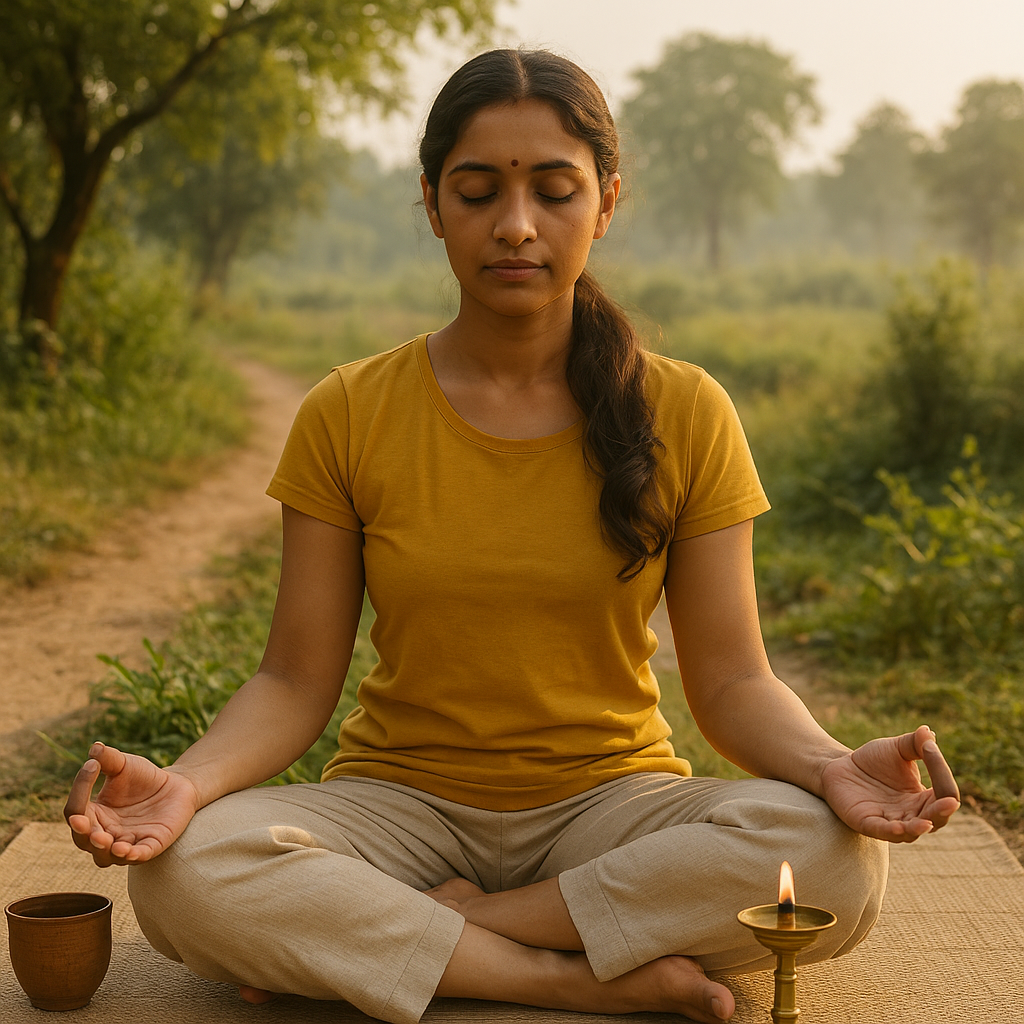
Benefits of Dinacharya for Body and Mind
Following an ayurvedic dincharya does more than just make your mornings look Pinterest-worthy. It can legit change your life — from inside out.
-
Better digestion – Your gut loves routine. Regular meals and sleep help it process food more efficiently.
-
Improved mental clarity – Less chaos in your day = more calm in your mind.
-
Balanced hormones – Stress, sleep, and eating at the right times all impact hormone levels big time.
-
Boosted immunity – When your doshas are in balance, your body’s natural defense system strengthens.
-
Glowing skin and hair – Yep, beauty benefits too. A lot of them, actually. (More on that in the FAQ later.)
It’s not magic. It’s consistency.
How Dinacharya Balances Doshas
One of the most powerful aspects of ayurveda dinacharya is its ability to keep the three doshas — Vata, Pitta, and Kapha — in balance.
Each time of day is dominated by a specific dosha:
-
Morning (6–10 a.m.) – Kapha: slow, heavy, grounding
-
Midday (10 a.m.–2 p.m.) – Pitta: sharp, hot, intense
-
Evening (6–10 p.m.) – Kapha again
-
Late night & early morning (2–6 a.m. and 2–6 p.m.) – Vata: light, dry, moving
When you align your daily activities with these natural doshic rhythms, you reduce the chance of imbalance. For example, doing stimulating exercise in the morning helps shake off Kapha sluggishness. Eating your main meal at noon keeps fiery Pitta from overheating. Going to bed before 10 stops Vata from keeping you up all night with racing thoughts.
And if that all sounds like a lot to juggle — don’t worry. It gets easier the more you live it.

Don't wait or self medicate. Start chat with Doctor NOW
Common Mistakes and How to Start Dinacharya
A lot of folks dive into ayurvedic dinacharya with good intentions... then bounce back to their old habits in a week. Why? Because they try to do everything at once.
Here are a few common mistakes:
-
Trying to overhaul your entire routine overnight
-
Forcing yourself to wake up at 4:30 a.m. when you went to bed at 1:00 a.m.
-
Ignoring your dosha type
-
Skipping meals or eating cold, processed food
-
Not listening to your own body
Start small. Maybe just begin with oil pulling, or eating lunch at the same time every day. Build from there.
It’s not about being perfect. It’s about creating rhythm.
Conclusion
So, what is dinacharya? It’s more than just an Ayurvedic morning routine or wellness trend. It’s a powerful, grounding daily ritual system that’s been practiced for centuries. Dinacharya in Ayurveda teaches us how to live with the natural flow of time, our bodies, and the world around us.
By building simple, meaningful habits — from mindful eating to sleeping early — we can transform not just our health, but our entire sense of wellbeing. It’s not always perfect (neither are we), but even a little effort goes a long way.
If you're feeling disconnected, overwhelmed, or just off track... try starting a dinacharya practice. Pick one habit. Stick with it. Watch what happens.
Call to Action:
Feeling inspired to start your own Ayurvedic dincharya? Begin with one morning ritual this week — and share this article with a friend who’s also craving balance. Let’s bring back ancient wisdom, one daily step at a time 🌿
FAQs
Q: What is the objective of Dincharya?
The primary objective of dinacharya is to create harmony between your internal systems and nature’s cycles. It’s a preventative practice — designed to keep disease away, boost energy, and support mental clarity. It’s kind of like hitting the reset button every single day.
Q: What are the cosmetic effects of Dinacharya?
Oh yes — you’ll look better too. Regular abhyanga (oil massage) improves skin texture, oral care brightens teeth, and better digestion often leads to clearer skin and healthier hair. Vedic dinacharya isn’t just about inner wellness — it radiates outward.
Q: What is the difference between Dincharya and Dinacharya?
It’s mostly a spelling variation. "Dinacharya" is the correct Sanskrit transliteration, but "Dincharya" is commonly used in Hindi-speaking regions or casual contexts. Both refer to the same Ayurvedic daily routine.
Q: Is Dinacharya the same for all dosha types?
The core structure is similar, but the details vary. A Kapha person might need more stimulation in the morning, while a Vata type may benefit from grounding, warming practices. Ayurveda dinacharya is flexible and should be personalized based on your dosha type.
Questions from users
What is the best way to ease into a new dinacharya routine without feeling overwhelmed?
Julian
7 days ago
Start by picking just one morning ritual, something simple like waking up 15 mins earlier. This lets you get comfy with the new rhythm without drowning in all at once. Once you're cool with that, add another habit. It's all about baby steps, celebrating small wins, and having fun with it! And yeah, share it with a buddy. It makes it all more fun :)
What are the benefits of following a dinacharya routine for emotional health?
Zachary
16 days ago
Following a dinacharya routine can boost emotional health by bringing balance to your doshas, which helps stabilize your mood. Regular routines reduce stress & anxiety by aligning mind and body with natural rhythms. Plus, consistent habits in morning or self-care can really boost mental clarity and emotional resilience.
What is the impact of a proper dinacharya routine on mental clarity and focus?
Caroline
25 days ago
A proper dinacharya routine can really amp up mental clarity and focus. By aligning with natural cycles, it nurtures agni (digestive fire) and balances doshas, which in turn stabilizes your mind. It helps reduce stress and allows energy to flow better. So say goodbye to that mental fog! Every little daily action adds up to greater mental focus. Try incorporating meditation or yoga. That helps.
Can I still practice dinacharya if I have a busy work schedule?
Christopher
35 days ago
Absolutely, you can still practice dinacharya even with a busy schedule! Ayurveda is all about flexibility and adapting to what suits your life. Maybe start with something small, like tongue scraping or a consistent wake-up time. Just try integrating one habit at a time. Even tiny changes can make a big difference!
Is it safe to eat cold foods if I have a strong digestion?
Madison
45 days ago
If you have strong digestion, occasional cold foods might not be a big deal for you. But Ayurveda typically recommends warm, cooked foods cause they support agni, your digestive fire. Cold foods can sometimes dampen that, even if your digestion's strong. If you wanna try, just pay attention to how your body feels.
What is the significance of timing in the practices of Ayurvedic dinacharya?
Samuel
54 days ago
Timing is super important in Ayurvedic dinacharya 'cause it aligns your daily routine with nature's rhythm. As the sun rises, your body's energy and agni peak, making morning ideal for heavier activities. Midday is when digestion is strongest, so a big meal makes sense. Evening's about winding down and softer practices. This harmony helps balance doshas!
What are some common mistakes to avoid when starting a dinacharya routine?
Kennedy
64 days ago
When starting dinacharya, common goof-ups include trying to do too much at once, not adjusting for your dosha, and ignoring seasonal changes. It's key to ease into it, ya know. And listen to your body. For instance, if you're a Vata, warming oil massages are good, while Kaphas might need more vigorous exercise. Keep it simple and flexible!
What is the role of mindfulness in the Ayurvedic dinacharya daily routine?
Zoey
73 days ago
Mindfulness in Ayurvedic dinacharya helps you to stay present and aware, connecting deeper to each moment. It supports balance, helping you notice subtle signals from your body. By being mindful, you're more aligned with nature, making your routines more effective. Think of it as tuning in to your body’s needs as they shift through the day!
What is the best time of day to practice Ayurvedic dinacharya for optimal results?
Noah
83 days ago
Ideally, the real magic of Ayurvedic dinacharya happens when you align it with the rhythms of nature. Start your morning routine (like tongue scraping or light exercise) at dawn, around 6 a.m, to shake off Kapha sluggishness. Evening practices like reflection or meditation can be around sunset for balancing. But it kinda depends on your dosha.
What are the benefits of practicing abhyanga regularly as part of dinacharya?
Samuel
159 days ago
Practicing abhyanga (oil massage) regularly as part of dinacharya is amazing for several reasons! It helps balance your doshas, increases circulation, and improves skin texture. Plus, it relaxes the nervous system, leading to reduced stress and better sleep. Over time, it helps boost immunity and keeps you feeling centered, grounded 🙂.
Related articles

Body Detox
Ark Makoy: Traditional Herbal Extract for Detox and Rejuvenation
Unlock the healing potential of Ark Makoy, a traditional herbal extract celebrated for its detoxifying and restorative properties. Experience natural rejuvenation and wellness.
4,081

Body Detox
Pushkaramoolasava Uses, Ingredients, Dose, Side Effects
Exploration of Pushkaramoolasava Uses, Ingredients, Dose, Side Effects
1,691

Body Detox
When to Take Moringa Powder for Maximum Benefits
Find out when to take moringa powder for maximum health benefits. Learn the best time to consume, drink, or eat moringa powder daily for energy and wellness
21,873

Body Detox
Langhan in Ayurveda – A Therapeutic Approach to Digestion and Health
Explore the ancient practice of Langhan in Ayurveda for effective detoxification and rejuvenation. Learn how this traditional method supports metabolism and overall vitality.
4,174

Body Detox
Virya Shodhan Bati
Exploration of Virya Shodhan Bati
3,919

Body Detox
Pancha Nimba Churna – Benefits, Dosage, Ingredients and Side Effects
Exploration of Pancha Nimba Churna – Benefits, Dosage, Ingredients and Side Effects
3,387

Body Detox
What Is the Use of Neem in Ayurveda and Daily Life
Discover the many uses of neem: from neem leaves to neem oil and neem powder. Learn how to use neem for skin, health, and daily wellness naturally
7,157

Body Detox
Malla Tel
Exploration of Malla Tel
5,649

Body Detox
Mahasudarshan Ghanbati Tablet
Exploration of Mahasudarshan Ghanbati Tablet
1,953

Body Detox
Can We Drink Water After Eating Watermelon? Ayurvedic Perspective and Facts
Wondering if you can drink water after eating watermelon? Learn the Ayurvedic view, possible side effects, and how long you should wait for better digestion
10,935
Related questions on the topic
Legal
Additional Documents
© 2024 Ask Ayurveda. All rights reserved.