Ask Ayurvedic doctor a question and get a consultation online on the problem of your concern in a free or paid mode. More than 2,000 experienced doctors work and wait for your questions on our site and help users to solve their health problems every day.
FREE! Ask Ayurvedic Doctors 24/7

 Fast responses
 1000+ verified doctors
Body DetoxEar, Nose, and Throat DisordersGeriatrics & RejuvenationImmunodeficiencyInfertility TreatmentNutritionOrthopedic DisordersPediatricsRespiratory DisordersSexually Transmitted Diseases (STDs)Surgery RecoveryUrological DisordersVascular DisordersDental DisordersEndocrinological DisordersGastrointestinal DisordersYoga TherapyGeneral MedicineAllergic DisordersCardio DisordersGynecology and ObstetricsCosmetologySkin and Hair DisordersEye DisordersInfectious DiseasesMental DisordersNeurological DisordersOncologyPanchakarmaSexual Health & DisordersSports Medicine
Published on 09/05/25
(Updated on 07/09/26)
star_border 4.83
15,775
How to Use Ashwagandha Powder: Ayurvedic Guide and Benefits

If you’ve ever wondered how to use ashwagandha powder or how to take ashwagandha powder in a safe and effective way, you’re not alone. This ancient Ayurvedic herb has become super popular worldwide, and for good reason—it supports stress relief, boosts energy, and may even improve sleep quality. But many people get confused about the right ashwagandha powder uses or the proper benefits of ashwagandha powder they can expect. Should you mix it with water? Or maybe milk? How much is too much? This guide will break it all down in a simple, practical way so you can feel confident about adding it into your daily routine.
What Is Ashwagandha Powder and Its Ayurvedic Importance
Ashwagandha (Withania somnifera) is often called the “Indian ginseng,” though it’s technically not related to ginseng. In Ayurveda, it’s classified as a Rasayana, which means it’s a rejuvenating herb designed to promote longevity, energy, and vitality. For centuries, healers in India used it to balance the body’s stress response and strengthen the immune system.
The powder is typically made from the root of the plant, dried and ground into a fine, pale-yellow consistency. Because of its slightly bitter, earthy flavor, many people prefer to mix it with milk, honey, or smoothies rather than eating it plain.
Benefits of Ashwagandha Powder for Health
There are countless benefits of ashwagandha powder backed by modern science:
-
Stress & Anxiety Relief: Ashwagandha is considered an adaptogen, meaning it helps the body adapt to stress.
-
Better Sleep: Many users notice deeper, more restful sleep after a few weeks of regular use.
-
Energy & Focus: It can reduce fatigue and even help with mild brain fog.
-
Hormonal Balance: Traditionally, it’s been used to support reproductive health for both men and women.
-
Immunity: Boosts the body’s natural defense system—something we all need more of these days.
Of course, results vary, and while some feel benefits quickly, for others it takes consistant usage to see a shift.
Traditional Uses of Ashwagandha Powder
Historically, ashwagandha was mixed into warm milk at night to calm the mind and encourage sound sleep. Warriors, on the other hand, sometimes consumed it before battles to improve strength and stamina. Today, modern lifestyles allow for more creative uses of ashwagandha powder—from lattes to protein shakes.
How to Use Ashwagandha Powder in Daily Life
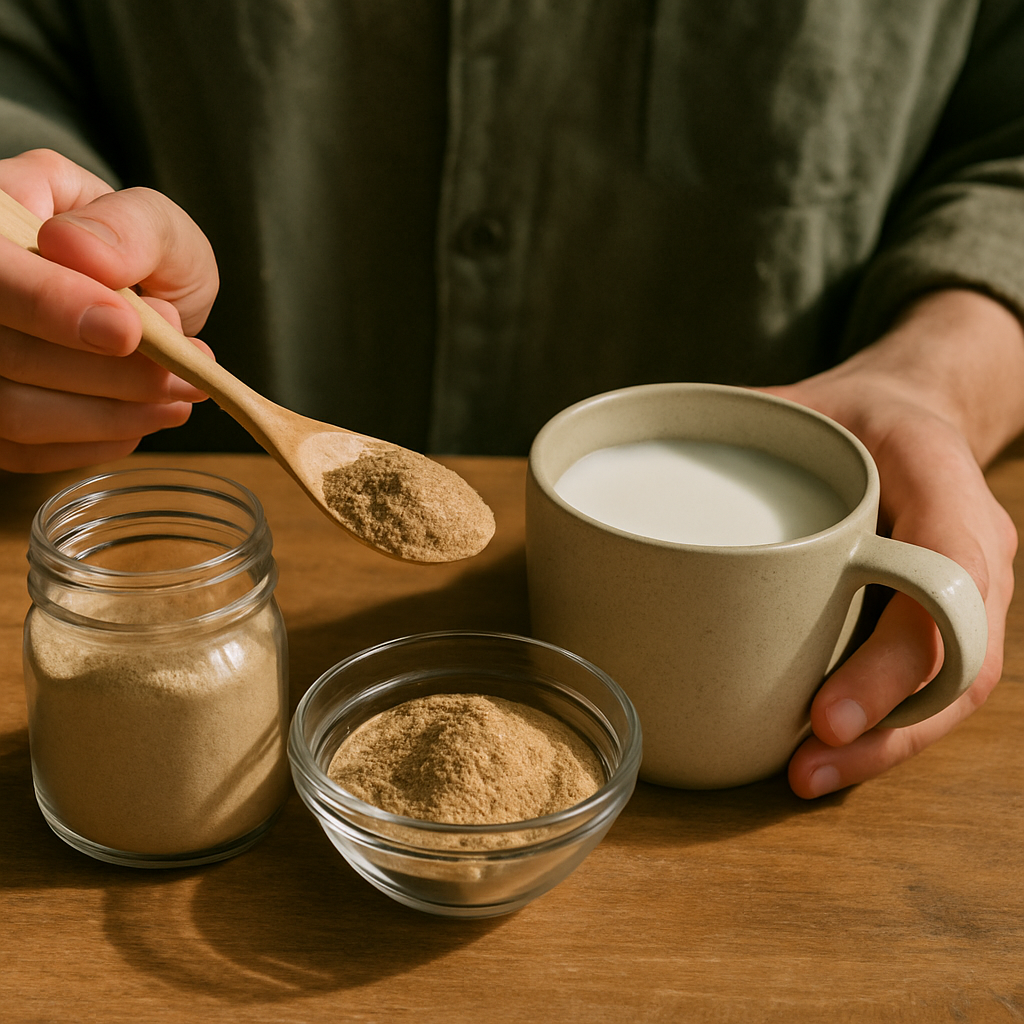
Now the big question: how to consume ashwagandha powder in a way that’s both effective and enjoyable? It’s actually very versatile. You can stir it into warm liquids, blend it with food, or even just take it with water if you’re in a hurry.
How to Take Ashwagandha Powder Safely
If you’re new, start small. Begin with half a teaspoon and gradually increase as your body adapts. Always check with a healthcare provider if you’re pregnant, breastfeeding, or on medication. Consistency is key, but so is safety. Too much can upset the stomach or cause drowsyness.
How to Consume Ashwagandha Powder with Water
This is the simplest method. Mix about half a teaspoon into a glass of lukewarm water and drink it once or twice daily. It’s quick, but not everyone likes the bitter taste. A tip? Add a squeeze of lemon or a bit of honey to make it more palatable.
How to Use Ashwagandha Powder with Milk
This is perhaps the most classic method and still widely recommended in Ayurveda. Stir one teaspoon into a cup of warm milk (dairy or plant-based), maybe with a pinch of cinnamon or cardamom for extra flavor. Taken before bed, it doubles as a soothing sleep tonic.
Ashwagandha Powder Dosage and Timing
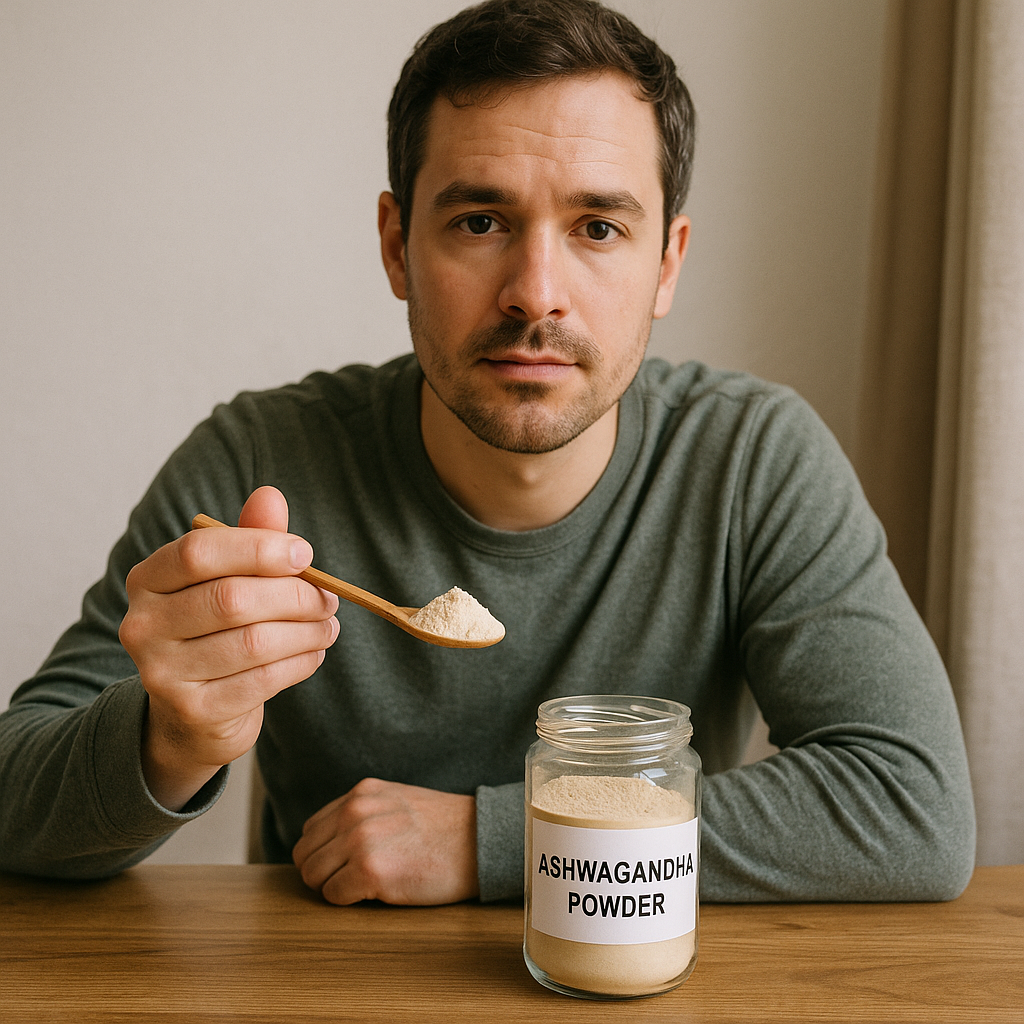
One of the most common questions people ask is: What’s the right ashwagandha powder dosage? The answer isn’t one-size-fits-all. Dosage depends on your age, health condition, and overall goals. Ayurveda generally emphasizes moderation—too little may not give results, while too much could cause discomfort.
Recommended Ashwagandha Powder Dosage for Adults
For most healthy adults, a typical ashwagandha powder dosage ranges from 1 to 2 teaspoons daily (roughly 3–6 grams). Beginners may start with just half a teaspoon to see how their body reacts. Some folks split it into two smaller doses—morning and evening—while others prefer taking it all at once, usually at night.
But remember: herbs like this work best when taken regularly over time, not as a quick fix. Think weeks or even a couple months before you notice bigger changes.
Best Time to Take Ashwagandha Powder for Results
When it comes to how to take ashwagandha powder effectively, timing matters.
-
Morning: Good for energy, focus, and reducing daytime stress. Try it in smoothies or tea.
-
Evening: Excellent for sleep, relaxation, and balancing cortisol levels before bed.
-
With Meals: Helps digestion and may reduce stomach irritation for sensitive people.
There’s no single “perfect” time, but consistency is more important than the clock. Choose a routine you can actually stick to (otherwise it just becomes another supplement forgotten in your kitchen cabinet).
Practical Ways to Eat or Drink Ashwagandha Powder
If you don’t like plain powders, don’t worry. There are creative and delicious uses of ashwagandha powder that make it easy to fit into daily life.
How to Eat Ashwagandha Powder with Meals
Adding ashwagandha to meals is simple. Sprinkle a small amount into soups, curries, or even oatmeal. Its earthy taste blends better with warm, spiced dishes compared to cold foods. Another trick? Mix it with honey to make a paste and spread it on toast or just eat a spoonful straight (though the flavor is strong).
Some people also mix it into energy balls, alongside dates and nuts, which hides the bitterness and turns it into a tasty snack.
Recipes and Preparations Using Ashwagandha Powder
Here are a few popular ideas if you’re wondering how to consume ashwagandha powder in more enjoyable ways:
-
Ashwagandha Latte: Mix the powder with warm milk (dairy or plant-based), add honey, cinnamon, and a pinch of nutmeg. Great before bed.
-
Smoothie Boost: Blend half a teaspoon into a banana smoothie with almond milk and peanut butter. This masks the earthy flavor well.
-
Golden Ashwagandha Tea: Combine ashwagandha with turmeric, ginger, and black pepper in hot water. Add honey if you like it sweet.
-
Protein Balls: Mix oats, nut butter, honey, and ashwagandha powder. Roll into small balls and refrigerate. Perfect as an on-the-go snack.
These recipes not only make it easier how to eat ashwagandha powder, but also ensure you’ll actually enjoy taking it daily instead of dreading the taste.
A Note on Consistency and Real Expectations
It’s worth mentioning again: herbs like ashwagandha aren’t magic pills. You won’t feel instantly calmer after the first teaspoon. Benefits usually build up gradually as your body adapts. Some people feel more relaxed after 1–2 weeks, while others notice changes after a month or two.
If you’re serious about wellness, combine it with other healthy lifestyle habits—like better sleep routines, mindful eating, or exercise. Otherwise, you might be expecting too much from just one herb.
Don't wait or self medicate. Start chat with Doctor NOW
Conclusion
So now you know how to use ashwagandha powder in different ways—whether mixed with water, stirred into warm milk, or added to smoothies and meals. You’ve also seen the many benefits of ashwagandha powder, from reducing stress and supporting sleep, to boosting energy and focus during the day.
The real magic, though, comes not from a single serving but from consistency. Using it daily in a safe ashwagandha powder dosage that works for your body is what brings long-term results. Some prefer the simplicity of water, while others enjoy the comforting tradition of warm milk before bed. However you choose, the key is to make it enjoyable so it actually becomes part of your routine—not just another “superfood” collecting dust on the shelf.
Ashwagandha is powerful, yes, but it works best as part of a broader healthy lifestyle. Pair it with good sleep, balanced meals, and stress-reducing habits. Then, share what you’ve learned with friends or family—because wellness is always better when it’s shared.
FAQs
What is the best time to take ashwagandha powder?
The best time depends on your goals. If you want more energy and focus, morning is a great choice. If your main goal is better sleep or relaxation, try taking it in the evening, especially in warm milk. Honestly, there’s no strict rule—just be consistent with whichever timing works for you.
What to mix ashwagandha powder with?
Classic options include water, milk, or honey. For a more modern twist, blend it into smoothies, lattes, or even energy bites. If you’re not a fan of the taste, adding it into recipes with stronger flavors (like peanut butter or chocolate) helps a lot.
Can I eat ashwagandha directly?
Technically yes, you can eat it plain. But the taste is bitter, earthy, and not pleasant for most people. It’s usually better to mix it with something—water, milk, or food—to make it more enjoyable. Some folks mix it with honey to mask the flavor, which is a simple and effective option.
Questions from users
How do I properly store ashwagandha powder for longevity?
Wyatt
4 days ago
To store ashwagandha powder properly for longevity, keep it in an airtight container that is opaque to prevent exposure to light. Store the container in a cool, dark, and dry place to avoid moisture and heat, which can diminish potency and reduce shelf life. It’s best to check the expiration date on the packaging and consume it before this date for maximum effectiveness. Look for changes in color, smell, or texture as these can indicate degradation. If you notice any of these changes, or if your ashwagandha smells off, it is wise to discard it.
What are the benefits of taking ashwagandha powder regularly for overall wellness?
Paige
13 days ago
Taking ashwagandha regularly can help reduce stress, boost energy levels, and improve overall well-being. It's known for supporting the body's response to stress, kinda balancing the mind. Good for sleep, anxiety, even supportive in boosting immunity. Just remember, it's best combined with a healthy lifestyle, like good sleep and balanced diet. Stick with it and see how it goes!
Is it safe to take ashwagandha powder before bed for better sleep?
Alexander
23 days ago
Yes, taking ashwagandha before bed can be safe for improving sleep. It's known to help with stress and promote relaxation. Just start with a small amount to see how your body reacts, like half a teaspoon. But remember, its taste is kinda bitter, so you might wanna mix it in something like milk or a smoothie. 😊 If you've any health concerns, consider checking with a healthcare professional first!
Can ashwagandha powder improve focus and energy levels throughout the day?
Una
32 days ago
Yes, ashwagandha powder can help with focus and energy, especially if you take it regularly. It's all about consistency! You won't feel a big change immediately—it works over time. Also keep an eye on your dosha balance and overall routine, 'cause lifestyle stuff can really impact how effective it is.
Can I use ashwagandha powder in baking and what are some recipes to try?
Hailey
41 days ago
Yes, you can definitely use ashwagandha powder in baking! It adds a unique, earthy flavor. Try adding it to muffins, cookies, or even pancakes. Start with a small amount, like a teaspoon or two, to get used to the taste. Just remember, it can be strong, so go easy until you find the right balance for you. 😊
What is the best way to prepare ashwagandha tea for maximum health benefits?
Gabriella
50 days ago
The best way to prepare ashwagandha tea for max benefits is to combine it with turmeric, ginger, and a pinch of black pepper in hot water. Maybe even add a bit of honey if you find the taste too strong. Start with half a teaspoon of ashwagandha and increase gradually. Enjoy it once or twice a day! But remember, effects build up over time, be patient. 🌿
Is it safe to take ashwagandha powder while on medication?
Connor
60 days ago
It's safe to take ashwagandha powder for many, but since ur on medication, it's super important to check with a healthcare provider or ayurvedic doc first. Ashwagandha can interact with some meds, so just to keep things chill & safe, double-check with a pro. Better safe than sorry ;-)
What is the best liquid to mix ashwagandha powder for maximum absorption?
Miles
70 days ago
Honestly, there's no strict rule, but mixing ashwagandha powder with milk or warm water could be beneficial, as they enhance absorption. Warm milk is a classic choice in Ayurveda for its calming effects, especially before bed. Adding a bit of honey can also help. The key is to be consistent, and choose what suits your taste. 🥛🍯
Can ashwagandha powder help with stress relief and anxiety management?
Christian
79 days ago
Yes, ashwagandha powder can definitely help with stress relief and anxiety management! In Ayurveda, it's known for balancing the Vata and Kapha doshas, which are often linked with stress and anxiety. Just remember, it's consistent use over time, not a quick fix. Maybe try a pinch daily for a couple of weeks and see how it feels. But bear in mind everyone's body is diffrent.
Can I mix ashwagandha powder with yogurt for a healthier snack option?
Summer
89 days ago
Absolutely, you can definitely mix ashwagandha with yogurt! It's a nice way to mask the somewhat bitter taste and enjoy a creamy texture. Just keep in mind, ashwagandha can be warming. If you got a pitta imbalance (too much heat), balance it out with cooling ingredients, like fresh fruit. Perfect little snack idea, really.
Related articles

Body Detox
Manjishtadi Thailam Benefits, How To Use, Ingredients, Side Effects
Exploration of Manjishtadi Thailam Benefits, How To Use, Ingredients, Side Effects
2,085

Body Detox
What Is the Use of Neem in Ayurveda and Daily Life
Discover the many uses of neem: from neem leaves to neem oil and neem powder. Learn how to use neem for skin, health, and daily wellness naturally
7,342

Body Detox
So... What Is Pitta in the Human Body Anyway?
Ever heard someone casually mention their “Pitta” being out of balance — and you just smiled, nodded, and mentally filed it under “probably some new-age thing”? Totally fair. But here’s the thing: Pitta isn’t just spiritual fluff. It’s actually a centra
2,517

Body Detox
Can We Drink Water After Eating Watermelon? Ayurvedic Perspective and Facts
Wondering if you can drink water after eating watermelon? Learn the Ayurvedic view, possible side effects, and how long you should wait for better digestion
11,551

Body Detox
Is Green Tea Good for Health? Benefits, Uses, and Ayurvedic View
Is green tea good for health? Discover its benefits for skin, heart, weight loss, and more. Learn the best time to drink it and potential side effects to avoid
3,142

Body Detox
Dhanadanayanadi Kashayam Uses – Ayurvedic Decoction for Detoxification & Health Balance
Discover the benefits and uses of Dhanadanayanadi Kashayam, a traditional Ayurvedic decoction known for detoxification, balancing doshas, and supporting overall health.
3,002

Body Detox
What Is Ojas in Ayurveda and Why It Matters for Health
What is ojas in Ayurveda? Learn the meaning of ojas, how it’s defined, its role in health and vitality, and why ojas is key to immunity and inner strength
6,895

Body Detox
Varavisaladi Kashayam: Detoxifying Ayurvedic Herbal Brew
Explore the rejuvenating benefits of Varavisaladi Kashayam, a time-honored Ayurvedic formula known for its detoxifying and revitalizing properties. Embrace the path to natural wellness.
3,505

Body Detox
Guggulu Marichadi Thailam: Benefits & Scientific Insights
Discover the Ayurvedic benefits, applications, proper usage, and scientific insights of Guggulu Marichadi Thailam, a traditional herbal oil for holistic healing.
2,845

Body Detox
Vata Dosha Remedies That Actually Work: Ayurvedic Diet, Lifestyle & Real-World Advice to Feel Grounded Again
It’s not just an “Ayurveda thing.” It's a real-life thing. And yeah — Ayurveda has some wildly practical, deeply ancient, and surprisingly soothing ways to bring you back to center. This guide? Not another floaty wellness blog. This is the stuff that work
3,050
Related consultations on the topic
Legal
Additional Documents
© 2024 Ask Ayurveda. All rights reserved.