Ask Ayurvedic doctor a question and get a consultation online on the problem of your concern in a free or paid mode. More than 2,000 experienced doctors work and wait for your questions on our site and help users to solve their health problems every day.
FREE! Ask Ayurvedic Doctors 24/7

 Fast responses
 1000+ verified doctors
Body DetoxEar, Nose, and Throat DisordersGeriatrics & RejuvenationImmunodeficiencyInfertility TreatmentNutritionOrthopedic DisordersPediatricsRespiratory DisordersSexually Transmitted Diseases (STDs)Surgery RecoveryUrological DisordersVascular DisordersDental DisordersEndocrinological DisordersGastrointestinal DisordersYoga TherapyGeneral MedicineAllergic DisordersCardio DisordersGynecology and ObstetricsCosmetologySkin and Hair DisordersEye DisordersInfectious DiseasesMental DisordersNeurological DisordersOncologyPanchakarmaSexual Health & DisordersSports Medicine
Published on 07/24/25
(Updated on 07/09/26)
7,342
What Is the Use of Neem in Ayurveda and Daily Life

Neem, often called the “village pharmacy,” has been an essential part of Ayurveda and daily life for centuries. But what is the use of neem that makes it so special? From its leaves to the oil extracted from its seeds, the neem tree offers a vast range of uses that have been celebrated not only in traditional healing but also in modern herbal practices. Whether you’re curious about the uses of neem leaves for skincare or the benefits of neem oil in treating infections, this article will guide you through the versatile uses of the neem plant and how you can include it in your own wellness routine.
The uses of neem tree are extensive, stretching beyond health to agriculture and personal care. This ancient plant is praised for its natural antibacterial, antifungal, and anti-inflammatory properties. What’s more, the use of neem is often considered safe and natural, making it a preferred choice for many who seek alternatives to chemical-laden products. So, if you’ve ever wondered how to use neem leaves, or the best way to incorporate neem powder or oil into your daily life, keep reading!
Common Uses of Neem in Ayurveda
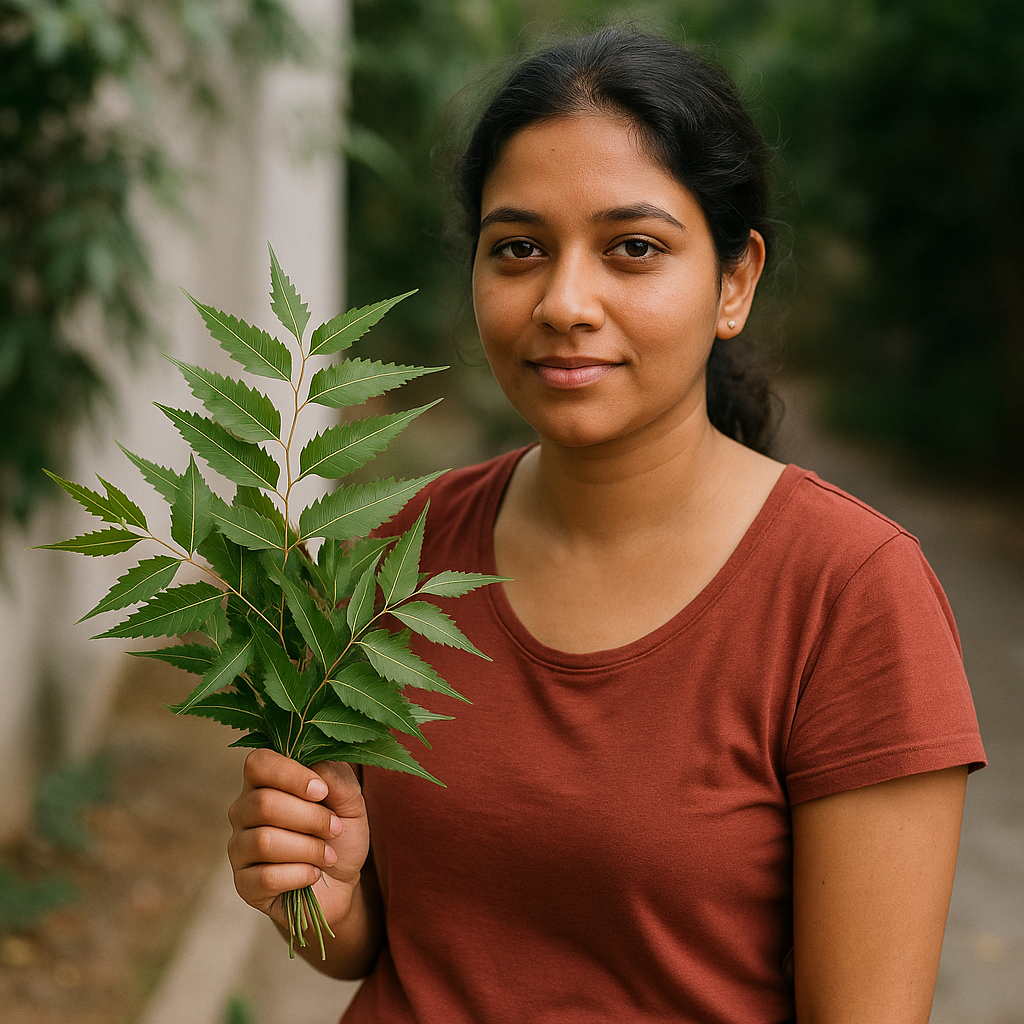
Ayurveda, the ancient Indian system of medicine, heavily relies on neem for its healing properties. The plant is known for its ability to purify blood, detoxify the body, and balance the doshas — the fundamental energies believed to govern bodily functions. In Ayurveda, the uses of neem leaves and neem oil are considered vital for maintaining skin health, boosting immunity, and treating various infections.
Uses of Neem Leaves for Skin and Hair
One of the most popular uses of neem leaves in Ayurveda is for skin and hair care. Neem leaves are packed with compounds that help fight acne, reduce inflammation, and soothe irritated skin. People often make a paste of neem leaves to apply directly on pimples or rashes, providing relief from itching and redness. This is one of the easiest and most effective uses of neem leaves that you can try at home!
Besides skin care, neem leaves are also used to strengthen hair roots and prevent dandruff. Rinsing hair with neem leaf water is a traditional practice believed to promote healthy scalp and shiny hair. Though it might smell a bit strong, the benefits are worth it for those struggling with scalp issues. You can even mix neem leaf powder with coconut oil for a nourishing hair treatment.
Use of Neem Oil for Infections and Inflammation
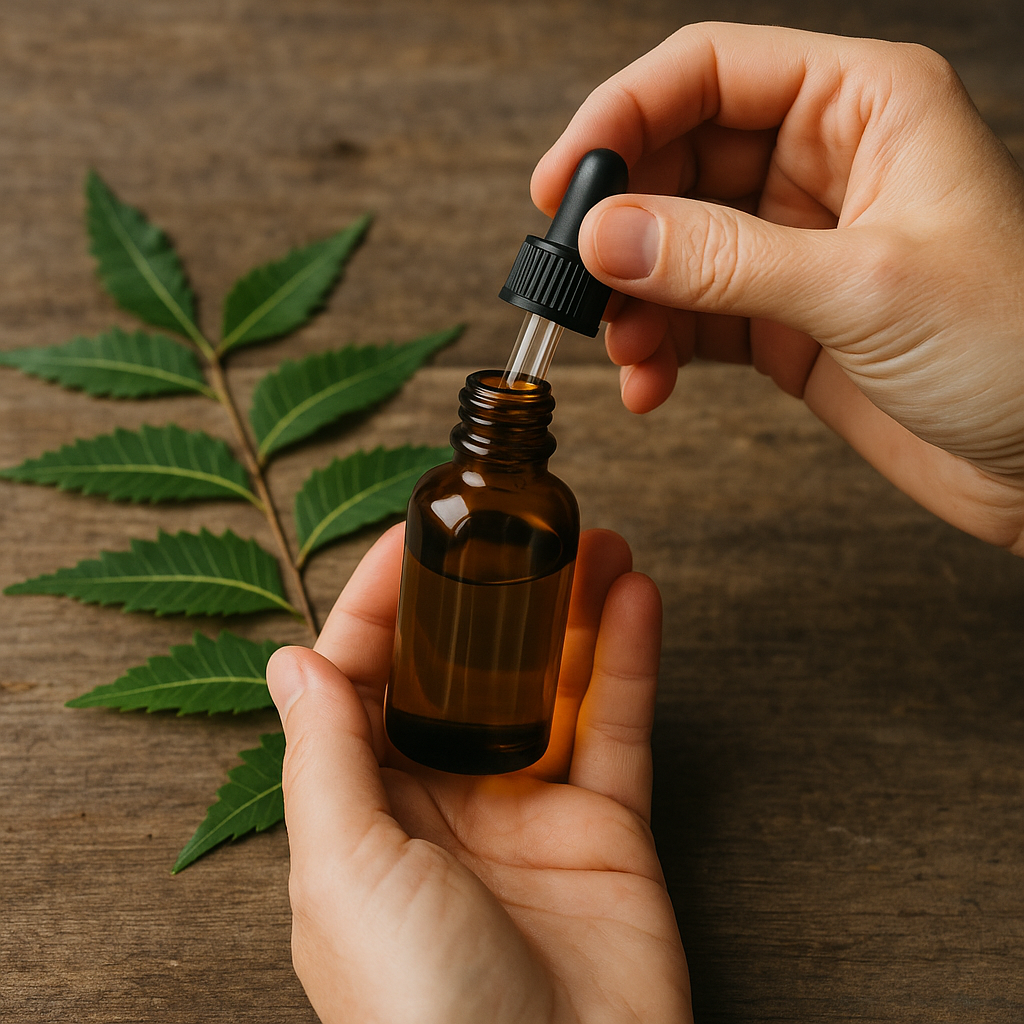
Neem oil use dates back centuries, mainly due to its potent antimicrobial properties. The oil extracted from neem seeds contains compounds that help fight bacterial and fungal infections, making it a popular remedy for wounds, cuts, and even insect bites. Applying neem oil on infected skin can speed up healing and reduce inflammation.
Additionally, the use of neem oil extends to managing skin conditions like eczema and psoriasis. Its natural anti-inflammatory effects soothe irritated skin and help reduce redness. However, it’s important to dilute neem oil with a carrier oil before applying, as pure neem oil can be quite strong and might irritate sensitive skin.
Medicinal Benefits and Daily Uses of Neem Tree
The uses of neem tree go far beyond just skin and hair care. This incredible plant has been an integral part of traditional remedies for a wide range of ailments, reflecting its deep-rooted significance in natural medicine. From fighting infections to promoting overall wellness, the neem plant is a powerhouse of health benefits.
Uses of Neem Tree in Traditional Remedies
Traditionally, almost every part of the neem tree—bark, leaves, seeds, and flowers—has been utilized for medicinal purposes. For example, neem bark is often used to treat fevers and digestive problems, while neem flowers are believed to help control diabetes and boost liver function. The uses of neem in Ayurvedic and folk medicine are vast and diverse.
One particularly interesting use of neem is as a natural pesticide. Farmers have long used neem extracts to protect crops from pests without the harsh chemicals found in synthetic pesticides. This is yet another example of how the neem plant provides eco-friendly solutions.
How to Use Neem Powder at Home
If you have neem powder at home, you might wonder how to use neem powder effectively. It’s a flexible form of neem that can be incorporated into your routine in various ways. One common use is making a face pack by mixing neem powder with water or yogurt. This paste can be applied to acne-prone skin to help reduce breakouts and calm irritation.
Neem powder can also be added to bathwater for a detoxifying soak, helping soothe itchy or irritated skin. Some even mix neem powder with honey for an internal detox drink, but caution is advised with internal use—always consult a healthcare professional first.
How to Use Neem Leaves in Home Treatments
When it comes to fresh neem leaves, the question of how to use neem leaves naturally arises often. One simple way is to boil neem leaves in water, then strain the liquid and use it as a skin toner or hair rinse. This method is quite effective for those dealing with oily skin or dandruff.
You can also crush fresh neem leaves to make a paste for topical application on wounds or insect bites. The antimicrobial properties help speed healing and prevent infections. For those wanting to try a neem steam facial, boiling neem leaves in water and inhaling the steam can help clear sinuses and refresh tired skin.
Uses of Neem in Modern Herbal Practices
While neem has deep roots in traditional medicine, its use in modern herbalism continues to grow as more studies highlight its effectiveness. Today, neem is a common ingredient in many skincare and health products designed to offer natural alternatives.
Use of Neem Oil in Skincare Products
Neem oil use in skincare products has surged in popularity due to its rich nutrient content and powerful healing effects. You’ll find neem oil in lotions, soaps, shampoos, and creams aimed at treating acne, eczema, and dry skin. Its ability to reduce inflammation and fight bacteria makes it a natural choice for those looking to avoid synthetic ingredients.
Because neem oil is potent, most commercial products dilute it carefully to maximize benefits while minimizing irritation. This makes it accessible for a wider range of skin types, including sensitive skin.
Neem in Oral Hygiene and Dental Care
The use of neem in oral hygiene is another fascinating application. Neem twigs have been traditionally used as natural toothbrushes in many parts of India due to their antibacterial properties. Nowadays, neem extracts are included in toothpaste and mouthwash to help fight plaque, prevent gum disease, and freshen breath naturally.
Neem’s antimicrobial action targets harmful oral bacteria, making it an excellent adjunct for maintaining oral health without the harsh chemicals sometimes found in dental care products.
Conclusion
Neem truly stands out as a versatile and powerful plant that has earned its place in both ancient Ayurveda and modern herbal practices. From the uses of neem leaves for skin and hair to the benefits of neem oil in treating infections and inflammation, this plant offers a natural way to support your health and wellness. The uses of neem tree extend beyond just personal care—it also serves important roles in agriculture and environmental health, showing how deeply valuable it is across multiple domains.
If you’re wondering how to use neem powder or how to use neem oil, it’s worth remembering that starting with small amounts and observing how your body reacts is always the safest bet. Many people find neem products to be an effective, natural alternative to chemical treatments, and its long history of use adds confidence in its benefits.
Ultimately, incorporating neem into your daily routine can be a simple yet powerful step towards a more natural lifestyle. Whether applied topically, used in home remedies, or included in your oral care, neem offers a range of practical and healing uses that are accessible to everyone. Don’t hesitate to explore the uses of neem leaves, neem oil, and neem powder yourself—and share the benefits with friends and family.
Don't wait or self medicate. Start chat with Doctor NOW
FAQs
Can we use neem powder internally?
Neem powder is sometimes used internally in small amounts for detoxification and digestive health, but it’s very important to consult a healthcare professional before doing so. Internal use may not be suitable for everyone, especially pregnant women or those with certain health conditions.
Is neem oil safe for skin and hair?
Yes, neem oil is generally safe for skin and hair when diluted properly. Pure neem oil can be strong and cause irritation if used directly on sensitive skin. Always do a patch test before using neem oil products extensively.
How to prepare neem leaves for home remedies?
Fresh neem leaves can be crushed into a paste or boiled to extract their benefits. The paste can be applied directly to skin issues, while boiled neem water can be used as a toner or hair rinse. Dry leaves can also be powdered for use in face packs or baths.
How to use neem leaves for acne and skin care?
To use neem leaves for acne, make a paste from fresh or powdered leaves and apply it to the affected areas. Leave it on for 15–20 minutes before rinsing off. Neem’s antibacterial properties help reduce pimples and calm irritated skin over time.
If you enjoyed learning about the many uses of neem, be sure to share this article with your friends and family! Incorporating neem into your daily health routine can be a game changer—and it’s always great to spread natural wellness tips.
Questions from users
How do neem leaves benefit skin hydration and moisture?
Henry
3 days ago
Neem leaves primarily offer benefits for skin health through their antibacterial, antifungal, and anti-inflammatory properties, rather than directly providing hydration and moisture. For skin moisture, aloe vera, hyaluronic acid, and ceramides are typically more effective. However, neem can indirectly support hydrated skin by helping address acne or inflammation, which could improve overall skin texture and barrier function. If hydration concerns persist, consider consulting a dermatologist to explore causes like eczema or other skin conditions.
What is the best way to make a neem water rinse for promoting healthy hair growth?
Anna
13 days ago
For a neem water hair rinse, boil a handful of neem leaves in about 2 cups of water till the water turns green (about 5-10 mins). Let it cool then strain it. Use this rinse after shampooing, as a final wash. Neem's antibacterial properties helps promote scalp health which is key for hair growth. If leaves are hard to find, neem powder works too, just strain well!
Can I use neem leaves in cooking, and what are the benefits?
Owen
23 days ago
Yes, you can use neem leaves in cooking, though the taste can be quite bitter! They're often used in Indian cuisine, typically in small amounts for their health benefits. Neem supports digestion, purifies the blood, and balances the doshas by reducing excess pitta and kapha. Just be careful not to overdo it, cuz too much bitterness can overwhelm the dish.
What is the best way to use neem seeds for natural wellness benefits?
Charlotte
31 days ago
You can use neem seeds to make neem oil by crushing them and mixing with a carrier oil like coconut. Apply this oil to the skin or scalp for its antibacterial and anti-inflammatory properties. Always do a patch test first though! Remember, balance is key in Ayurveda, even with natural remedies.
What is the role of neem in traditional Ayurveda for overall health and wellness?
Rachael
41 days ago
Neem is like nature's swiss army knife! In Ayurveda, it's praised for its purifying properties. It balances pitta and kapha doshas, boosts agni (digestive fire), and offers support to dhatus (tissues). It's like a detoxing superhero, aiding in skin health, oral care, and gut balance! It cleanses and rejuvenates - pretty amazing, right?
Can I use neem powder in my bath for soothing itchy skin?
Harper
50 days ago
Yes, you can use neem powder in your bath to help with itchy skin! Its antibacterial and anti-inflammatory properties make it great for soothing irritation. Just sprinkle a bit into the bathwater, mix well and soak for a while. But, do test on a small skin area first to make sure you dont react! Hope it helps :)
Can I use neem extracts in my toothpaste for better oral health?
Jack
60 days ago
Yes, definitely! Neem extracts are awesome for oral health. They help fight plaque, keep gums healthy, and freshen breath. Just make sure you don't overuse it, as it's quite potent. It's so cool that something as natural as neem can do so much without those harsh chemicals!
How does neem oil help boost immunity and combat infections?
Ella
69 days ago
Neem oil helps boost immunity thanks to its antibacterial, antifungal, and anti-inflammatory properties. It fights pathogens and reduces toxins in the body, which supports immune function. Plus, its antioxidants help in combating oxidative stress, which can otherwise weaken immunity. Always dilute neem oil before use to avoid skin irritation.
What are the benefits of neem flowers for controlling diabetes and liver function?
Shayla
79 days ago
Neem flowers, oh they can be quite beneficial! In Ayurveda, they're thought to help regulate blood sugar levels, which is great for diabetes. Plus, they support liver function by aiding detoxification. Remember, though, balance is key so it's best to consult with an Ayurvedic practitioner to figure out what's good for your unique dosha.
What is the best method to extract neem oil at home for personal use?
Jayden
89 days ago
You can extract neem oil at home by using a simple infusion method. Crush fresh neem leaves, put them in a jar, and cover with a carrier oil like coconut or olive oil. Let it sit for about 2 weeks, shaking occasionally. Strain the oil before using it. Keep in mind homemade neem oil might not be as potent as store-bought ones.
Related articles

Body Detox
Ark Makoy: Traditional Herbal Extract for Detox and Rejuvenation
Unlock the healing potential of Ark Makoy, a traditional herbal extract celebrated for its detoxifying and restorative properties. Experience natural rejuvenation and wellness.
4,251

Body Detox
What Is Durva Grass: Identification, Meaning, and Benefits
What is durva grass and how to identify it? Learn the meaning of durva, benefits of durva grass, and Ayurvedic uses of durva plant, leaves, and seeds
12,476

Body Detox
How to Remove Inflammation from the Body: Natural Ayurvedic Ways
Learn how to remove inflammation from your body naturally with herbs, diet, and Ayurvedic remedies. Discover foods and practices to reduce internal inflammation
3,348

Body Detox
What Is Mud Therapy? Pelotherapy Benefits, Ayurvedic Use, and Treatment Guide
What is mud therapy? Explore types of mud therapy, Ayurvedic uses, pelotherapy benefits, and how to try mud therapy at home for healing and wellness
6,410

Body Detox
What Is Vetiver? Ayurvedic Guide to Vetiver Roots, Oil, and Healing Benefits
What is vetiver? Learn about vetiver roots, grass, oil, and water benefits. Discover how this plant is used in Ayurveda for skin, cooling, and healing
11,103
Body Detox
Sookshma Triphala: A Potent Ayurvedic Blend for Holistic Wellness
Sookshma Triphala is a versatile and potent Ayurvedic remedy that supports holistic health. Its ability to detoxify, rejuvenate, and balance bodily functions makes it a valuable addition to your wellness routine.
2,636
Body Detox
Hirak Bhasm: The Miracle Ayurvedic Medicine for Detoxification & Rejuvenation
Discover the proven benefits, proper dosage, side effects, and scientific research behind Hirak Bhasm, a powerful Ayurvedic mineral preparation for holistic health.
2,479

Body Detox
Steam Bath Benefits: An Ayurvedic Take on Why It’s More Than Just Sweating
So, let’s talk steam baths. Not the spa-pampering kind (well, kind of that too), but the kind where you’re sitting in a room so thick with heat and moisture that your skin feels like it’s melting off—in the best way possible. Now imagine pairing that with
6,417

Body Detox
Prasarini Thailam – Benefits, How to Use, Ingredients and Side Effects
Exploration of Prasarini Thailam – Benefits, How to Use, Ingredients and Side Effects
2,292

Body Detox
Why Being Kapha Dominant Isn’t a Bad Thing (And How Ayurveda Makes It Your Superpower)
So, yeah—if you're Kapha dominant, there’s stuff to watch out for. Weight gain, lethargy, emotional stagnation, over-attachment, all that. But instead of fighting your nature, Ayurveda gives you tools to partner with it. This article is your handbook for
2,081
Related consultations on the topic
Legal
Additional Documents
© 2024 Ask Ayurveda. All rights reserved.